Hispanic / Latinx Staff Reflect on Roberto Clemente During Hispanic Heritage Month

Hispanic Heritage Month, spanning mid-September to mid-October, is a time for Latinx people in the U.S. to celebrate their roots. Through the vantage of Hispanic / Latinx staff, we reflect on the namesake for Roberto Clemente State Park — the sole park in our system named in honor of a Hispanic icon.

Roberto Clemente State Park first opened in 1973 as the Harlem River Bronx State Park. In that same year, the New York State Commission met to rename the park after the famous Puerto Rican Hall of Fame Baseball player, Roberto Clemente, who tragically died in a plane crash off the coast of Puerto Rico taking aid to Nicaragua. 

The decision to rename the park after Clemente was not because he was a famous baseball player, but because he believed in helping people and doing good. He was truly a humanitarian. “Anytime you have an opportunity to make a difference in this world and you don’t, then you are wasting your time on Earth,” he once said.

I am joyful to be a Latina “Boricua” and oversee the first State Park built in New York City, and especially proud that it holds the name of Roberto Clemente. When I was a young child, I remember my mother speaking about how, although we came from a town next to his, our cousins lived in the town Roberto Clemente came from. I often remember him and think of my baseball card collection.

Continue reading Hispanic / Latinx Staff Reflect on Roberto Clemente During Hispanic Heritage Month
Cemetery Etiquette for Spooky Season

With the chill in the air and pumpkins popping up everywhere, many folks are making plans for Halloween. Signs are out inviting ghosts and goblins, large and small, to join historic cemetery tours that highlight the resting places of the victims of murder and mayhem as well as the rich and famous, some even by candlelight. If you’re thinking of adding a cemetery visit to your agenda, these tours offer safe ways to weave through complicated landscapes and monuments for the dead. For many reasons, however,  the last ten years have also seen a marked increase of people visiting historic cemeteries around Halloween on their own.

In the 19th and early 20th centuries, cemeteries in or near urban spaces were used as places to picnic and relax before public parks were readily available. These days, Halloween, which is fast approaching the social status of a major holiday, has increased people’s interest in them. Not just for visiting family or friends buried there, but also as locations for weddings and other celebrations. Mortuary art has evolved over the years, and the artistry of historic gravestones and mausoleums can often rival what is seen on public and private building, allowing people to get up close in a way they cannot in many locations.

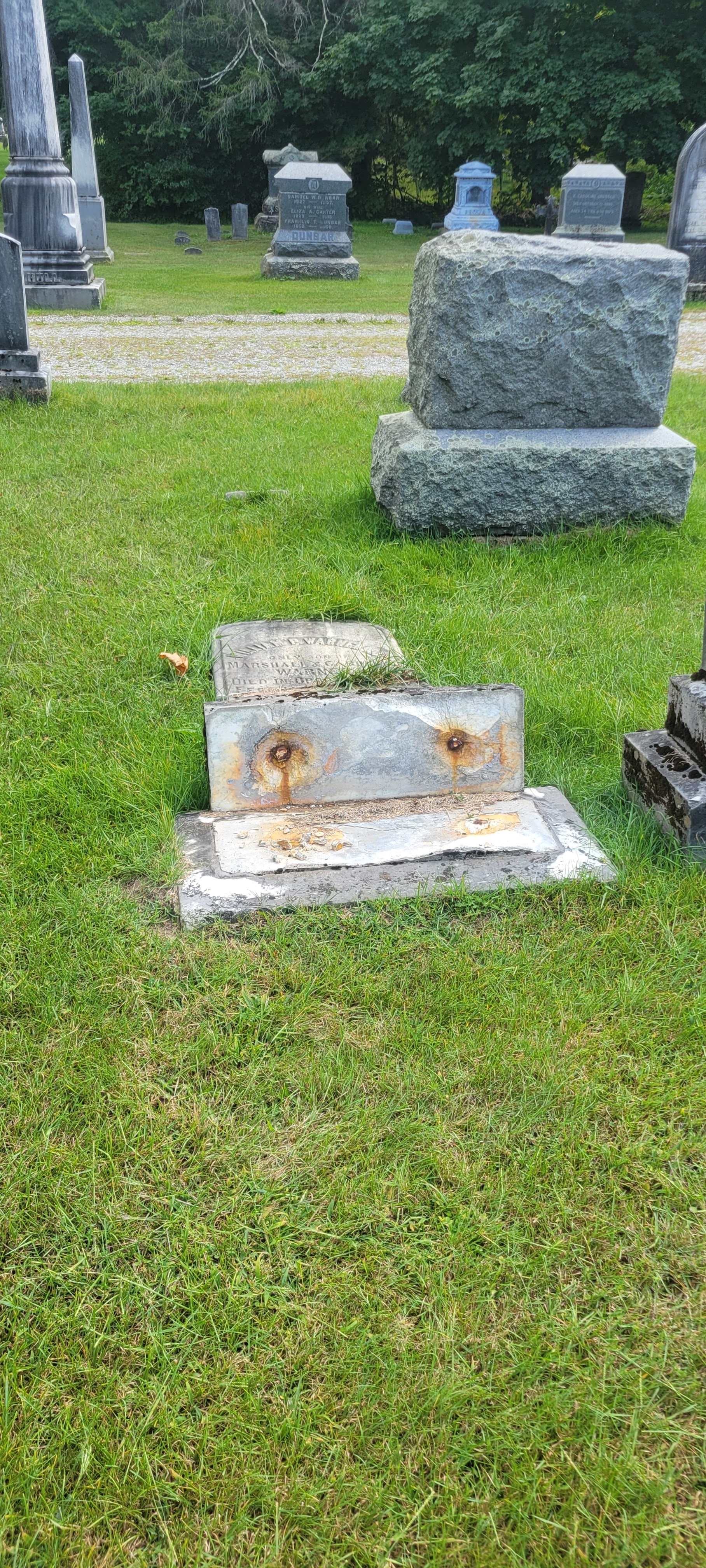
A toppled headstone. Photo credit: Ian Stewart, Preservation Inc.

Within these sacred spaces the sizes and types of stones or cement work used to mark graves can range from folk art to opulent cement work and newly created stones with laser cut designs. To preserve these artistic and historically significant pieces it is important that a few etiquette rules be observed. By doing so, we can ensure the history they represent remains for years to come.

Continue reading Cemetery Etiquette for Spooky Season