

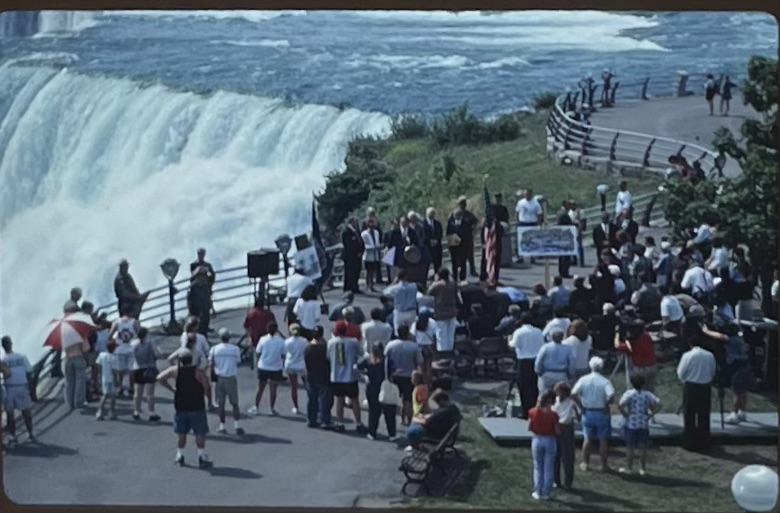
Every year, more than nine million people come from all over the globe to experience the bucket-list waterfalls at Niagara Falls State Park. With attractions like the Cave of the Winds decks and the iconic Maid of the Mist boat tour of the base of Niagara Falls, visitors can experience the power of the Falls first hand. This year, we celebrate the 140th anniversary of the park, the role it played in the fight for preservation, and its central place in the memories of families worldwide.


History of Niagara Falls State Park
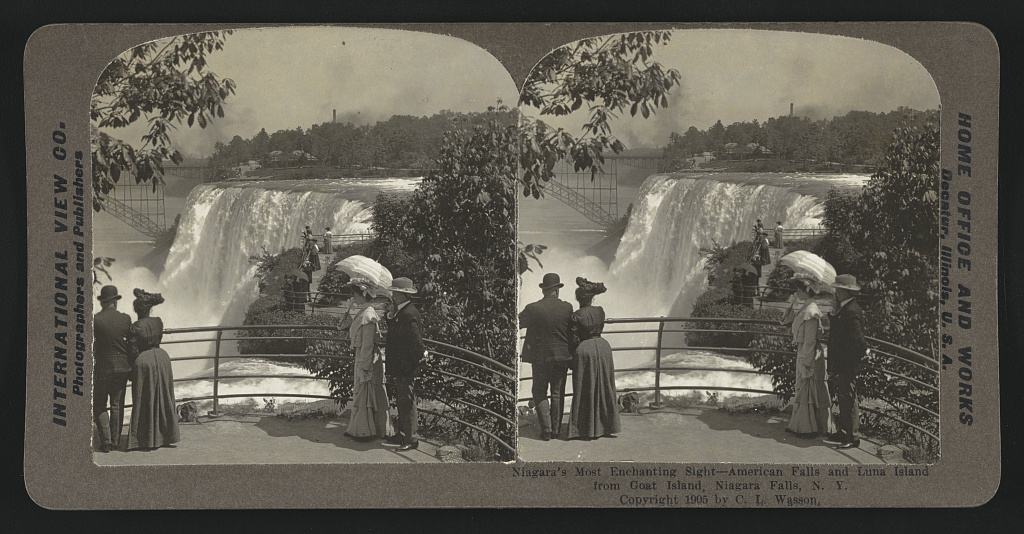
Established in 1885, Niagara Falls State Park holds the distinction of being the oldest state park in the United States. The creation of the park marked a significant milestone in conservation history. It set a standard for the protection and public enjoyment of natural landmarks. But it wasn’t always the beautiful, open green space you see today.
Commercialization of Niagara Falls and the Free Niagara Movement
By the mid-1800s, Niagara Falls was a global tourist destination. Visitors were drawn to its breathtaking beauty and immense power. But they found a different reality once they arrived. The area surrounding Niagara Falls was privately owned and heavily industrialized. Unsightly factories and mills crowded the shoreline, detracting from the splendor of the Falls. Fences obstructed public access. Visitors were forced to pay fees to access the best viewing points.
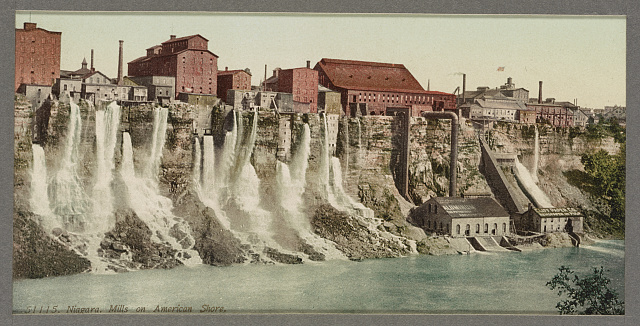
People from around the world protested this state of affairs. Famous figures such as landscape architect Frederick Law Olmsted, New York State Assemblyman Thomas V. Welch, and Hudson River School artist Frederic Church spoke out. Other writers, artists, and early conservationists took up the cause.
Together, these influential advocates created the Free Niagara movement. Their goal was to restore the splendor and magnificence of the Falls and make it accessible to everyone. The movement gained momentum through public campaigns, speeches, and writings. In 1880, The Special Report of the Commissioners on the Preservation of the Scenery of Niagara Falls outlined a vision for protecting the Falls and its surrounding environment. The report recommended that the state buy the land, remove the industrial structures, and restore the natural landscape.
Advocacy and Legislation
After the Niagara Falls Association was formed by Olmsted and others, they used their connections to lobby for a bill to establish a state park at Niagara Falls. They successfully harnessed the press to campaign for the bill’s passage. The bill passed the Assembly on March 14, 1883, 68 to 39, and then passed the Senate, 21 to 10. On April 30, Governor Grover Cleveland signed the bill into law. Two days later, Governor Cleveland appointed the first five commissioners of the State Reservation at Niagara. Their first meeting was held on June 9, 1883.
The Creation of the Niagara Falls State Park
In 1885, the efforts of the Free Niagara Movement culminated in a significant victory when the New York State Legislature passed another bill, the Niagara Appropriations Bill. The legislation authorized the state to purchase 412 acres of land surrounding the Falls, including Goat Island and other nearby areas, to create a public reservation. The term “reservation” was used to emphasize that the land would be protected from private development and kept for public use. The focus of the park at that time was on preserving its natural beauty rather than recreational activities.
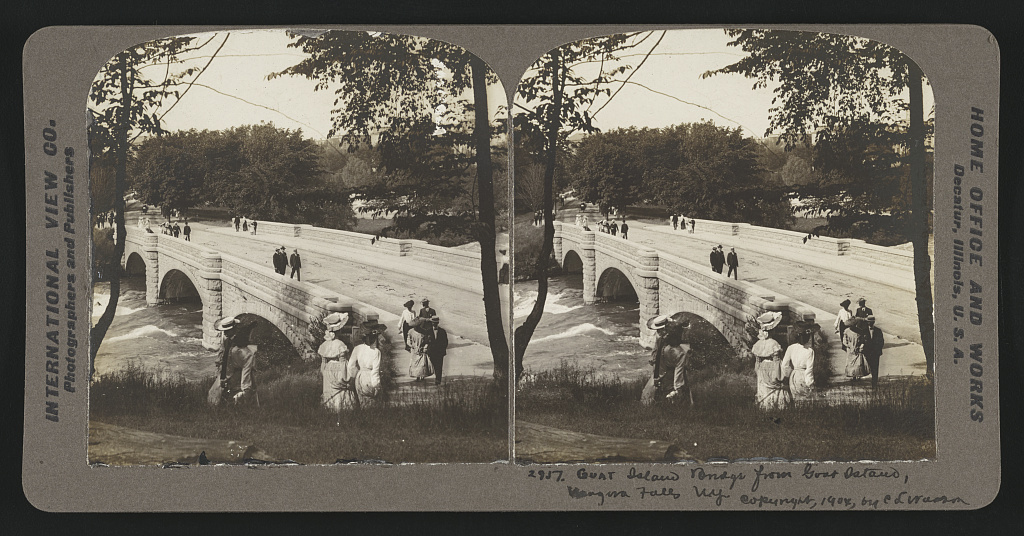
The efforts of the Free Niagara Movement and the Niagara Association led to the establishment of the State Reservation at Niagara. It officially opened to the public on July 15, 1885.
Frederick Law Olmsted and his design partner Calvert Vaux were commissioned to design the park. Their plan emphasized nature, with pathways, scenic viewpoints, and open green spaces that blended into the environment. The intention of the design was to allow visitors to enjoy the Falls without man-made distractions.
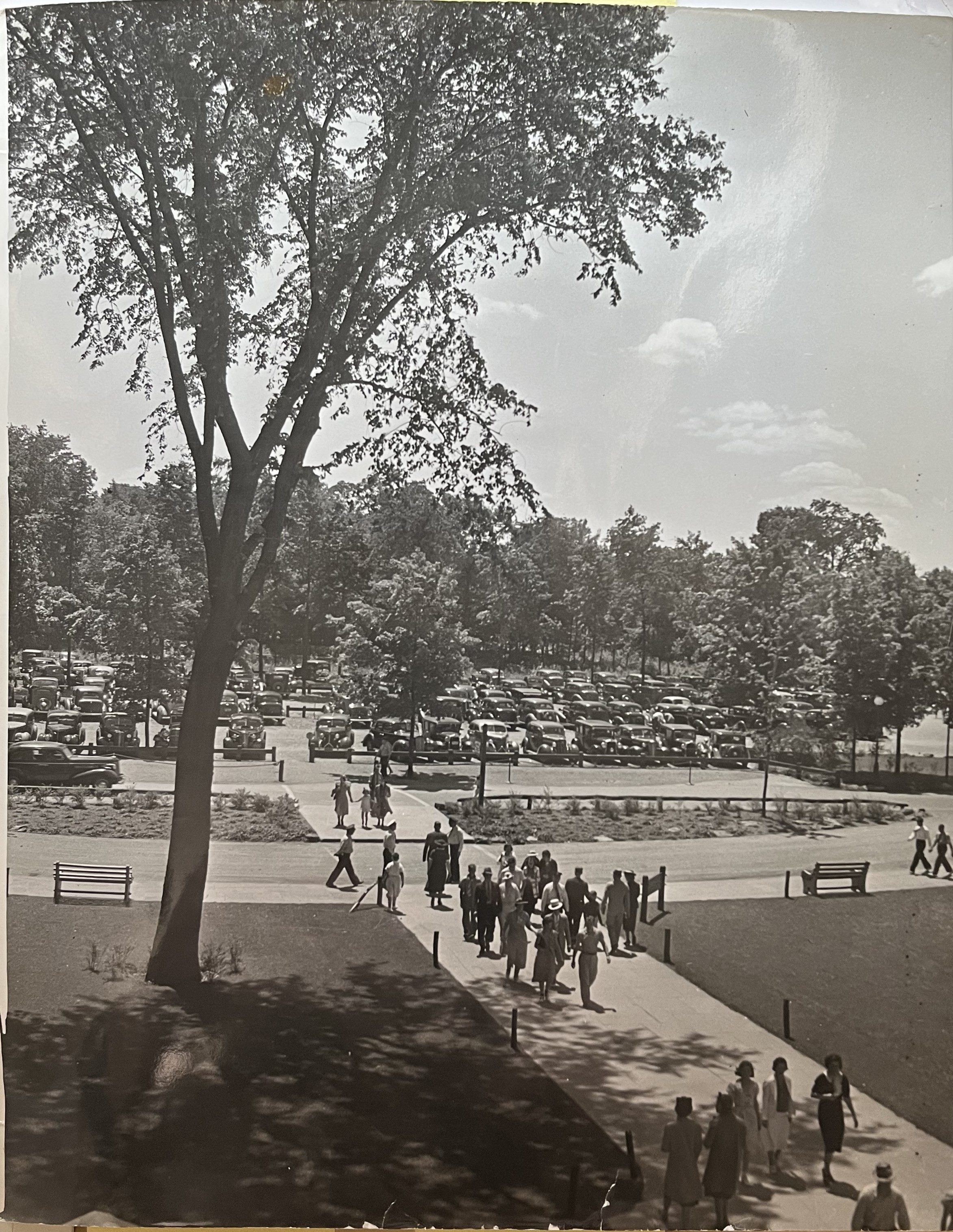
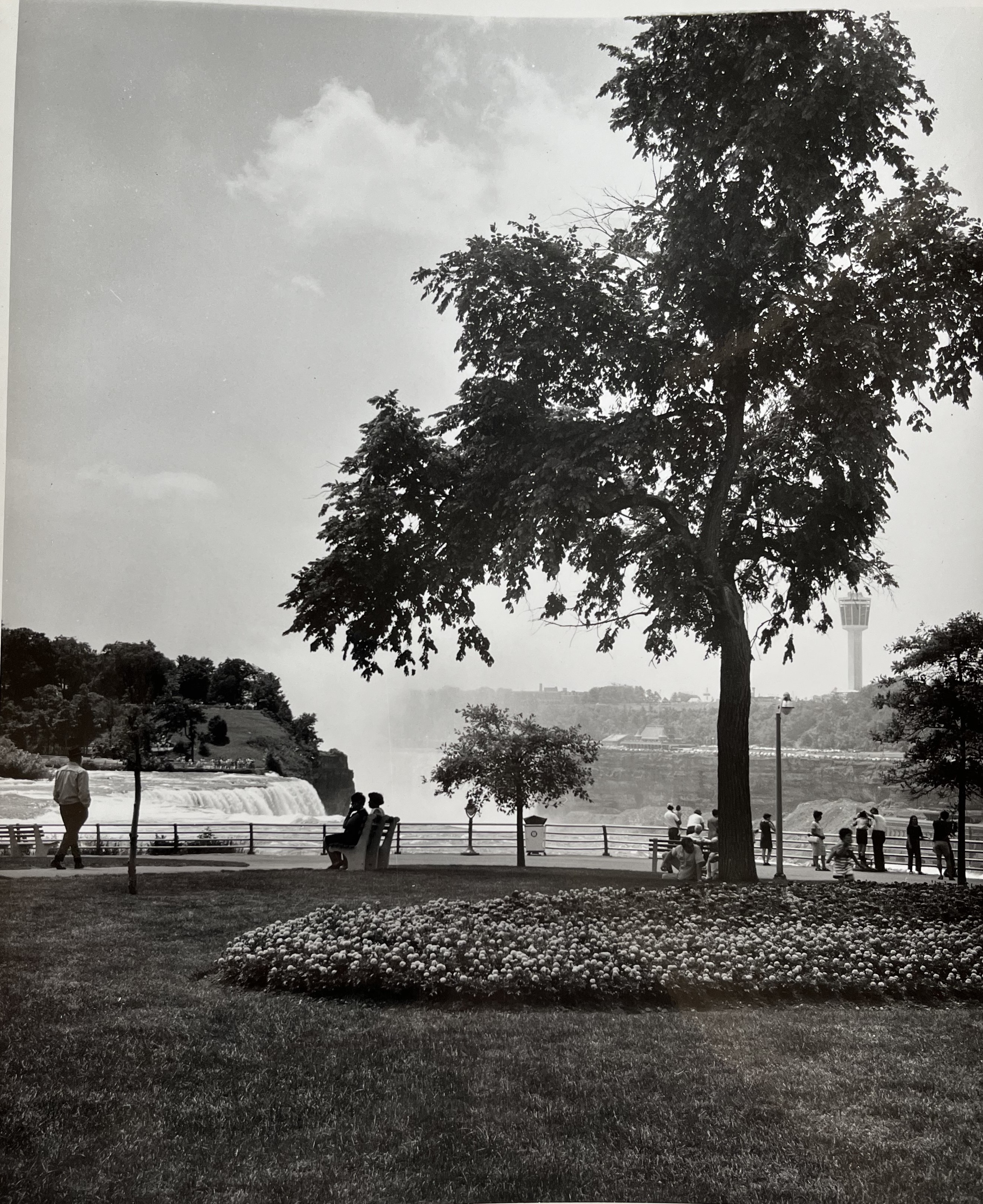
You can learn more about the fascinating history of the park when you visit the Cave of the Winds. Through interactive exhibits and a stirring eight-minute film, the legacy of the fight to preserve this land comes to life.
Legacy of Niagara Falls State Park
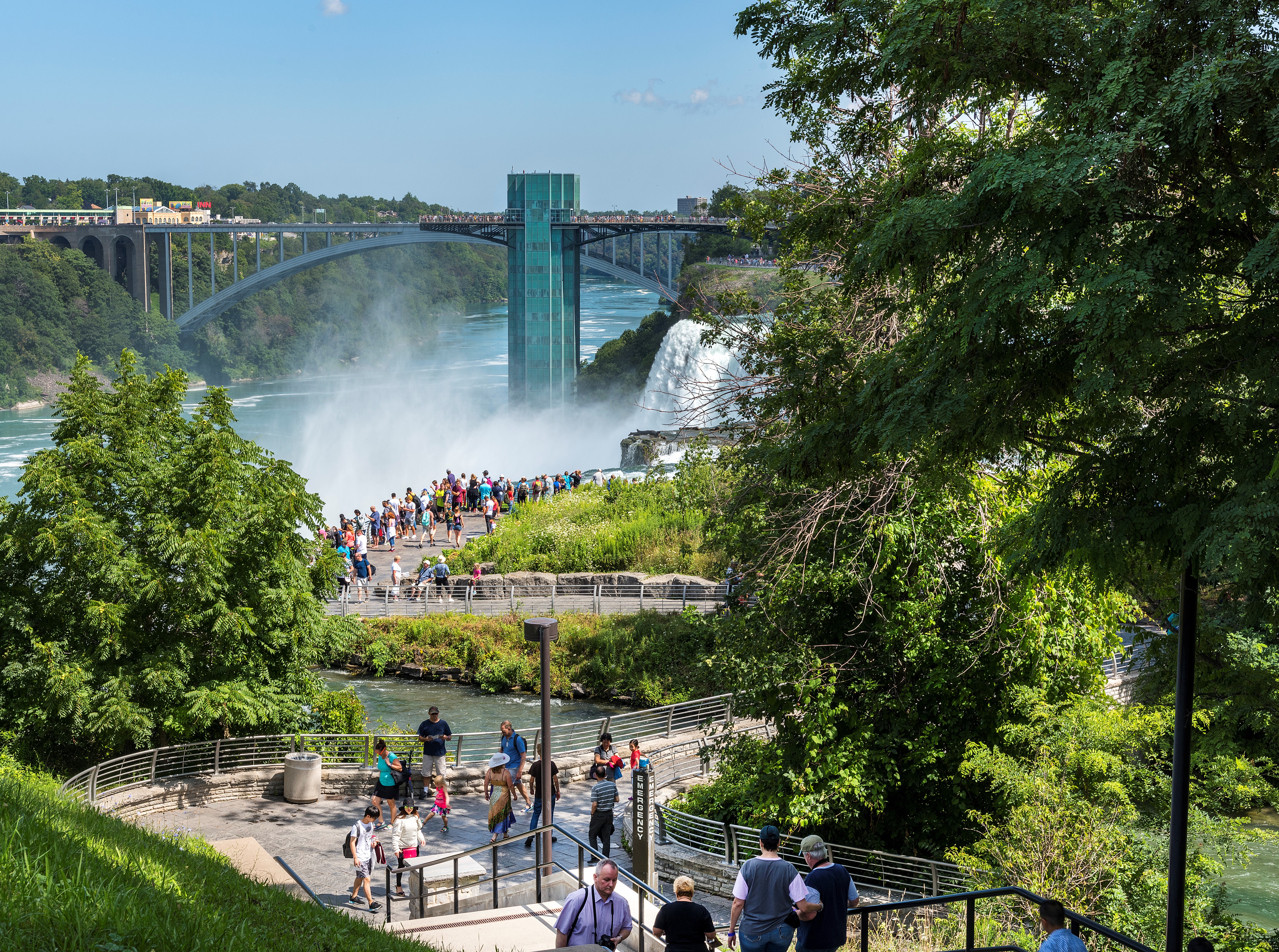
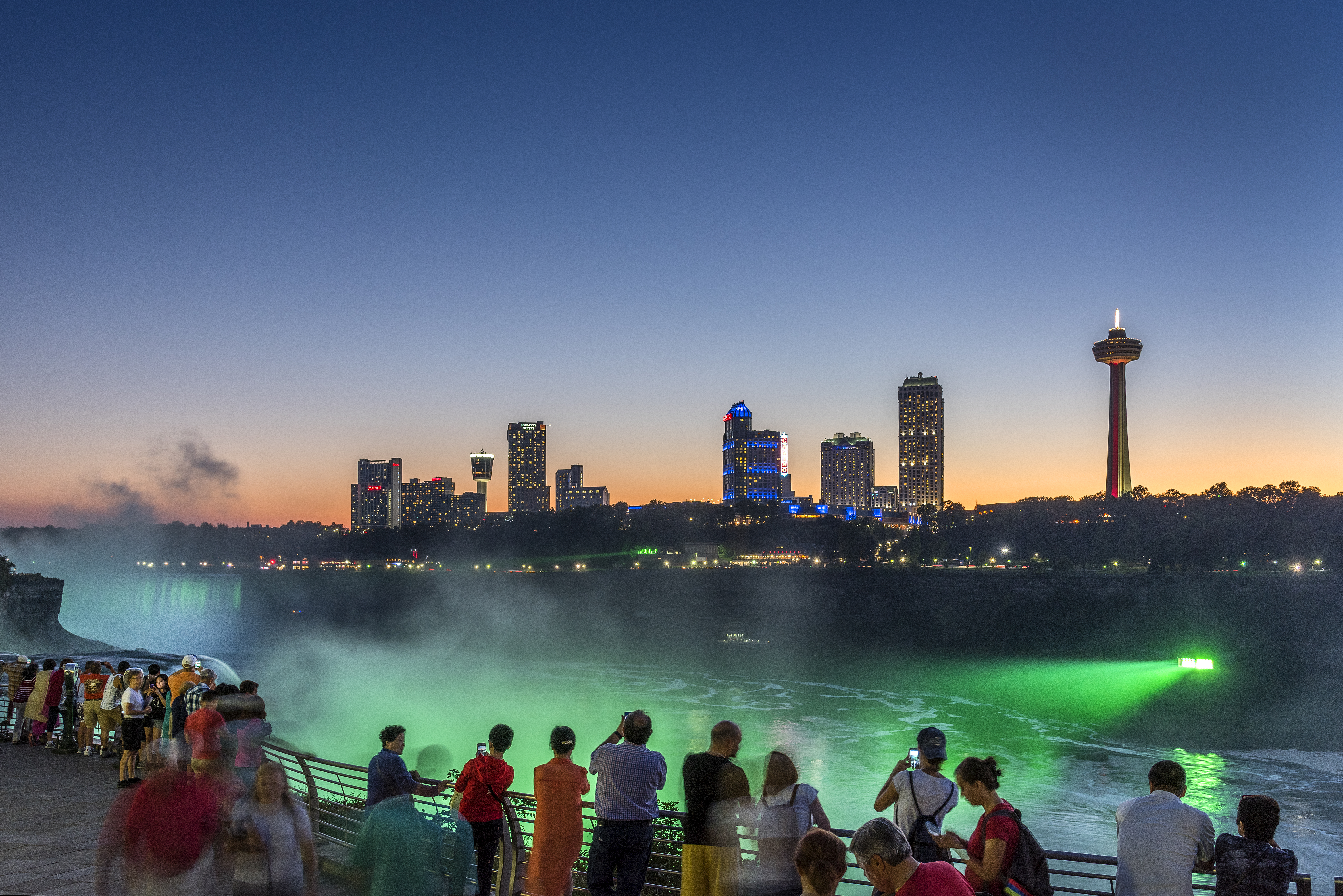
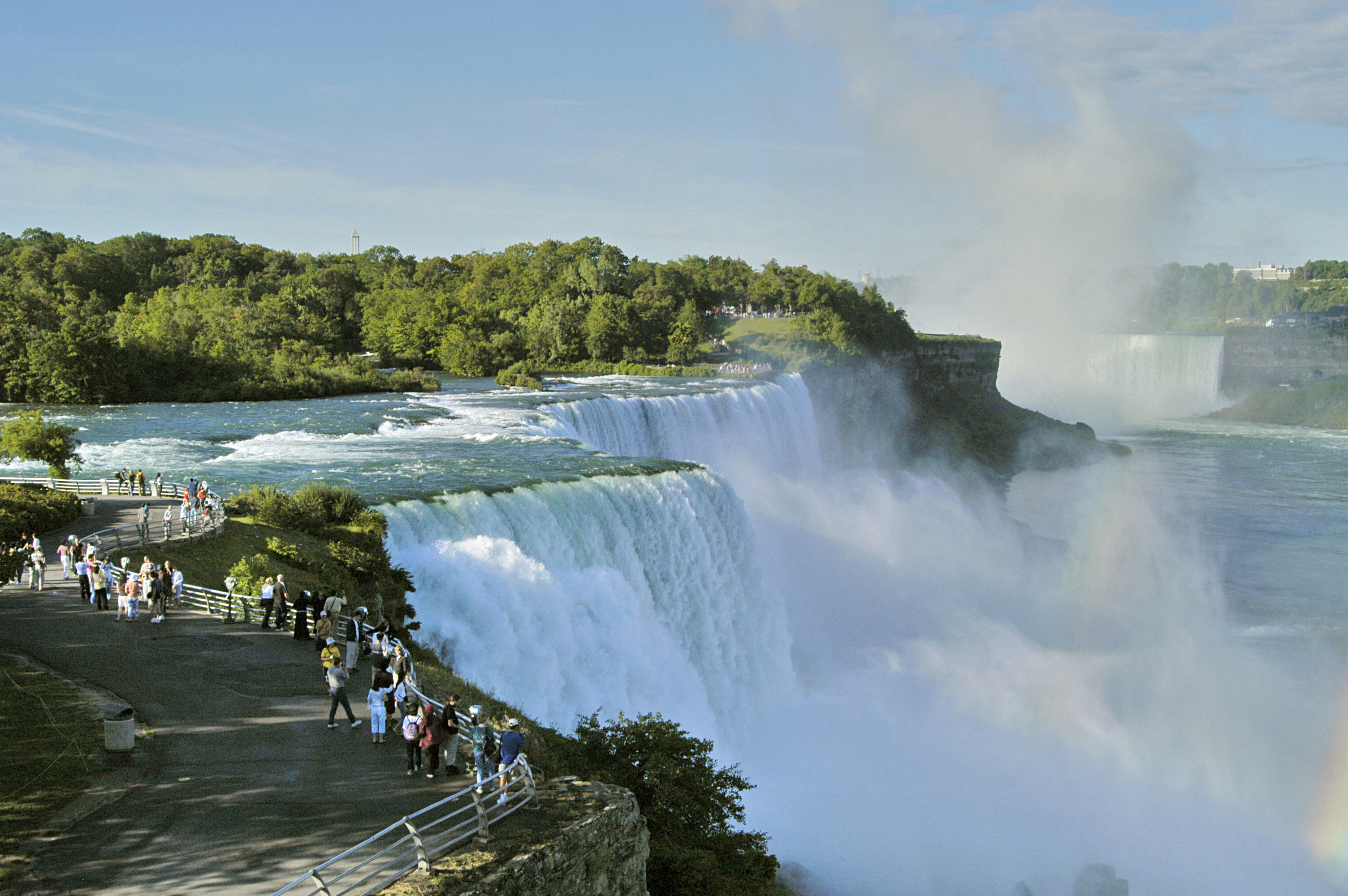
Today, Niagara Falls State Park is a symbol of the Free Niagara Movement’s success and a landmark in the history of conservation. It attracts millions of visitors each year and serves as a reminder of the importance of protecting natural wonders for future generations. One of the Free Niagara principles was that the park should be free for everyone to enjoy and to this day, it is. There is no admission to enter the park to enjoy the trails, views and fun that the park provides.

Join us this year to celebrate this breathtaking place. There are many exciting events planned this year, so stay tuned to www.niagarafallsstatepark.com for details on how you can be a part of the fun!
— Written by Courtney Geerhart, Curator, and Angela Berti, Public Information Officer
 New York State Parks and Historic Sites Blog