

The digital chirrup of my alarm shakes me from my slumber. I dress, kiss my wife goodbye, get in my car and drive to work. After burning my tongue on hot coffee, I step through the doors of my workplace. This, however, is no ordinary door. It is a wooden drawbridge across a dry moat, guarded by five iron cannons pointed directly at me as I hurry to clock in.
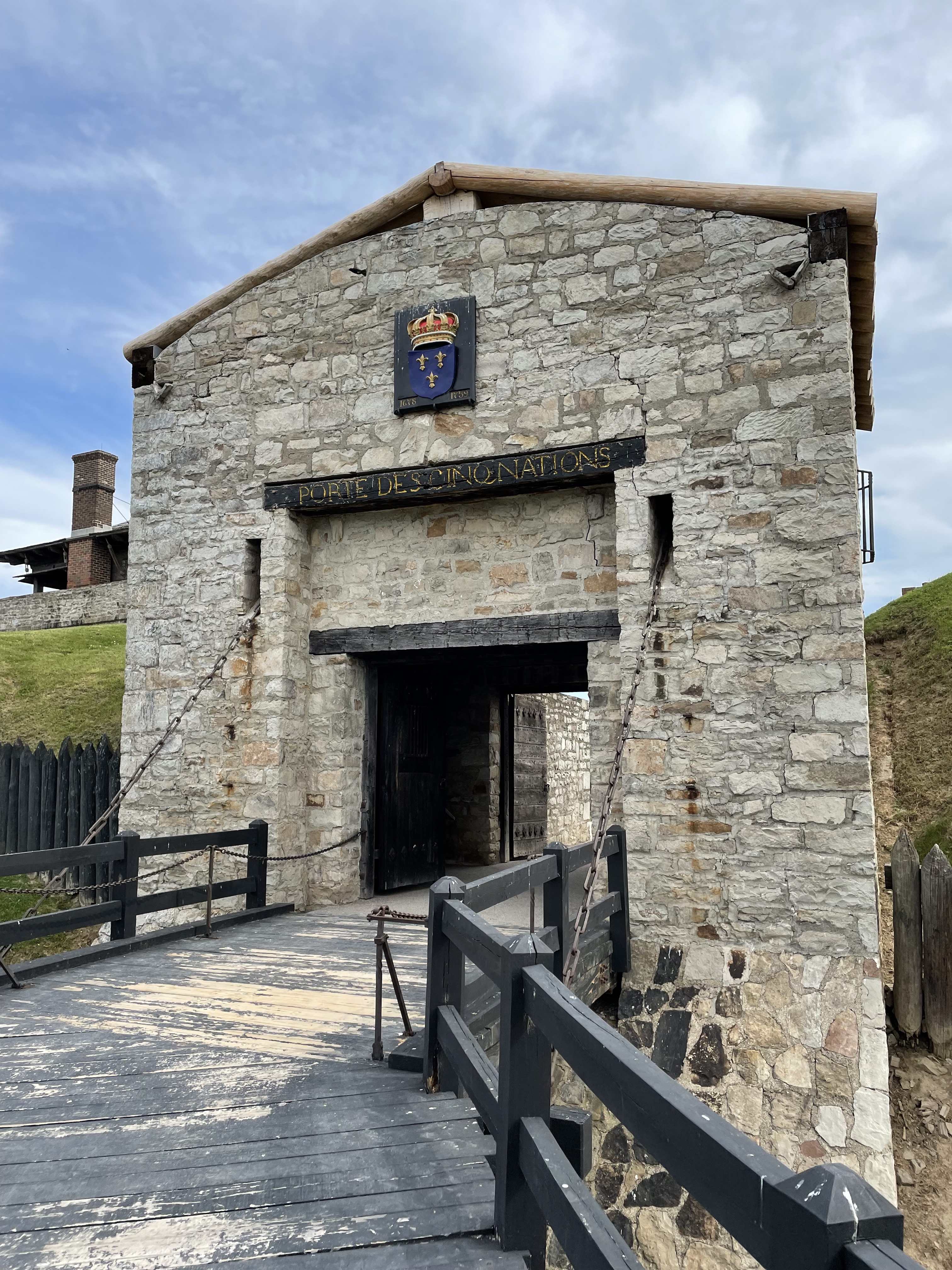
The second door I must pass is a stalwart oaken gate attached to a great stone tower built by British engineers in 1770. I step into our office, the façade of the old provisions warehouse that once supplied every English fort in the Great Lakes region. Once inside, my colleagues and I receive the morning’s briefing and decide who will dress in what uniform and who will carry what firearm onto the field today.
Allow me to introduce myself: My name is Derek, and I am a historical interpreter at Old Fort Niagara. It is my job to portray — in a living, breathing image — the lifestyle of a soldier in the eighteenth century.
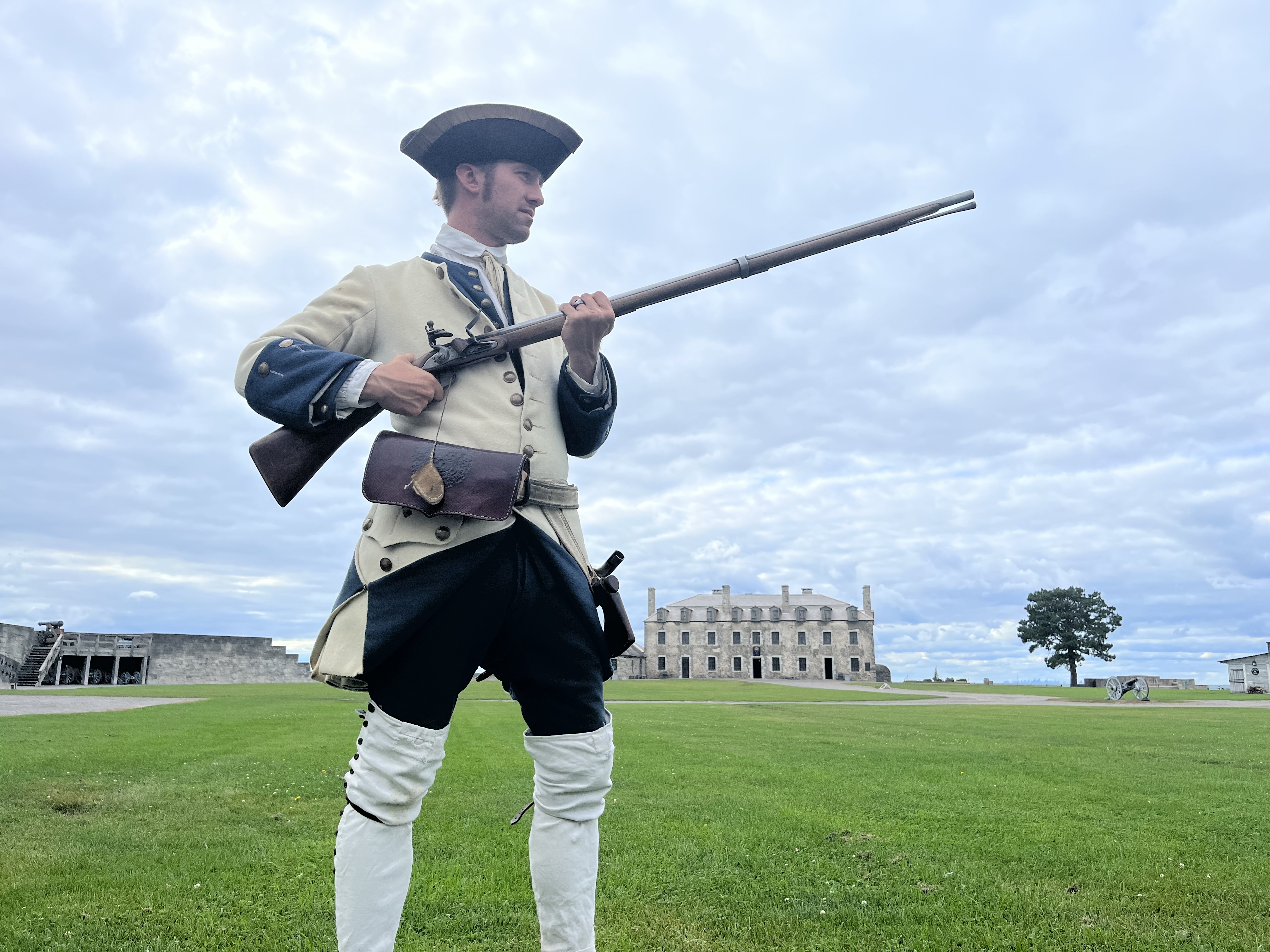
I suppose I should begin where it makes most sense to begin; getting ready for “battle,” so to speak. In the case of our current garrison, this involves layering a linen shirt, wool socks, wool breeches, a double-layered long-sleeved wool vest, a double layered long-sleeved wool overcoat, a leather belt and cartridge box, leather buckled shoes, and a wool felt hat. Perfect for summer weather!
Continue reading With Muskets and Wool Breeches, a Historical Interpreter Connects Visitors to Antiquity New York State Parks and Historic Sites Blog