

With the chill in the air and pumpkins popping up everywhere, many folks are making plans for Halloween. Signs are out inviting ghosts and goblins, large and small, to join historic cemetery tours that highlight the resting places of the victims of murder and mayhem as well as the rich and famous, some even by candlelight. If you’re thinking of adding a cemetery visit to your agenda, these tours offer safe ways to weave through complicated landscapes and monuments for the dead. For many reasons, however, the last ten years have also seen a marked increase of people visiting historic cemeteries around Halloween on their own.
In the 19th and early 20th centuries, cemeteries in or near urban spaces were used as places to picnic and relax before public parks were readily available. These days, Halloween, which is fast approaching the social status of a major holiday, has increased people’s interest in them. Not just for visiting family or friends buried there, but also as locations for weddings and other celebrations. Mortuary art has evolved over the years, and the artistry of historic gravestones and mausoleums can often rival what is seen on public and private building, allowing people to get up close in a way they cannot in many locations.
New York’s historic cemeteries range from the 17th through the early 20th century and cover every culture. Many offer visitors a rare opportunity to travel the state’s historic timeline for hundreds of years within their acreage. The variety of headstones is amazing to behold. This higher number of visitors is, unfortunately, often causing unrepairable damage to grave markers or headstones. Fragile historic artifacts that often appear more solid than they may be.
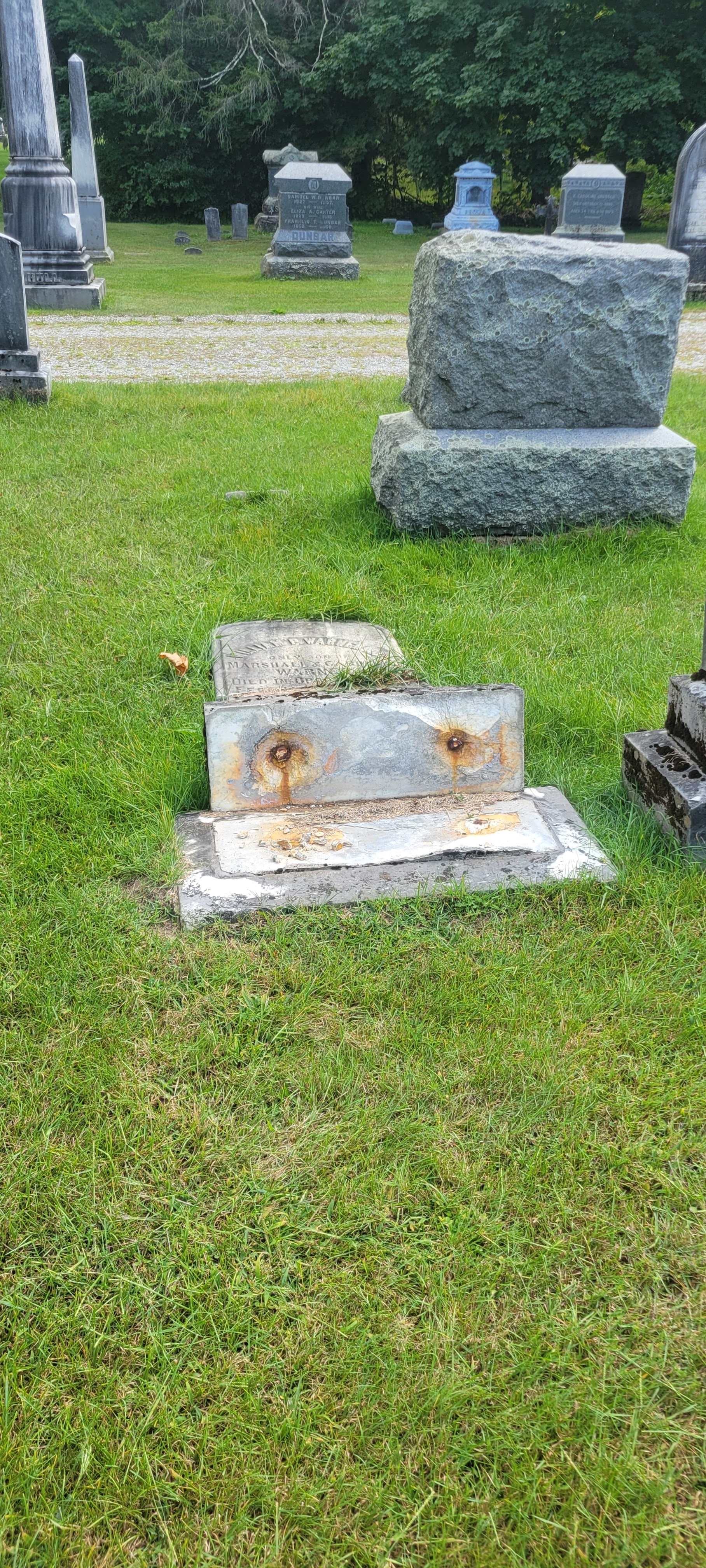
Within these sacred spaces the sizes and types of stones or cement work used to mark graves can range from folk art to opulent cement work and newly created stones with laser cut designs. To preserve these artistic and historically significant pieces it is important that a few etiquette rules be observed. By doing so, we can ensure the history they represent remains for years to come.
Cemetery Etiquette
- Please remember cemeteries are sacred spaces. They are set aside for a particular purpose and may contain the graves of people whose families still live within the community. Please be respectful, limit loud noises or the desire to play audio from your device without headphones. While you may be there to enhance Halloween, someone else may be there to grieve or visit family or friends.
- No touching! 17th through early 19th century stones are thin, and often contain cracks or fissures you may not see. Larger markers are usually assembled using multiple pieces, which may or may not be fully attached or stable. While it is tempting, please do not touch, lean on, or grab headstones. They can fall over, break, or cause physical damage to you.
- Rubbing is a no-no. While the stone may appear solid, applying pressure has broken many early stones. Please take a photo instead.
- Footstones. Footstones were used on and off through the centuries and are often scattered throughout a cemetery. Their low profile, often rising only four or five inches off the ground, can result in a serious fall and the destruction of any headstones you may fall against or use to support yourself in standing again.
- Look out for ground indents! Over time graves can sink, creating an indent or the appearance of a gently rolling landscape. Grass may make the ground appear more solid than it is. Be careful stepping on an indented surface; you may sink into a hole. If possible, walk around them, rather than over them.
- Limit running and play among the graves. Although tempting, running and playing can harm gravestones or lead to injuries in children.
- Leave the stones! Theft of gravestones is drastically increasing, especially from smaller, rural graveyards. These markers belong to the person buried there. Stealing grave markers or headstones can disrupt historic research or negatively impact archaeologically sensitive sites, and it is just wrong. Please leave all stones or markers where they are and in the position in which you find them.
- What to do if you break a stone? Please contact the management of the cemetery. In rural areas, there is usually a sign near the front entrance of the cemetery informing you of who maintains the location. In larger urban settings, a manager’s office generally can be found on site.


Photo credit: Ian Stewart, Preservation Inc.
Halloween should be fun and visiting a historic cemetery can add a special thrill, but please keep in mind, they are not parks. Treat them as you would want your own final resting place to be treated, with the respect and the dignity they deserve.
-Written by Lavada Nahon, Interpreter of African American History, Bureau of Historic Sites
For more information on popular historic cemeteries to visit: https://www.iloveny.com/blog/post/historic-new-york-cemeteries

 New York State Parks and Historic Sites Blog