

Throughout the fall season, you’ve maybe found yourself outside at some point — around a cozy campfire or on a trail enjoying the beautiful autumn foliage — and heard a sound you didn’t quite recognize. Perhaps the sun was down, and you were startled?
If you’re thinking back on your fall adventures and this feels a little familiar, you wouldn’t be alone. There are so many different noises when you’re out in nature, and sometimes it’s hard to keep track of them all. With this article, we hope to demystify some of these sounds and show you they’re more interesting than unnerving!
Slowly scroll below to discover the thrilling world of five New York native animals that are often associated with autumn. Can you guess who each sound belongs to?
Guess That Mysterious Wildlife Sound
Sound #1:
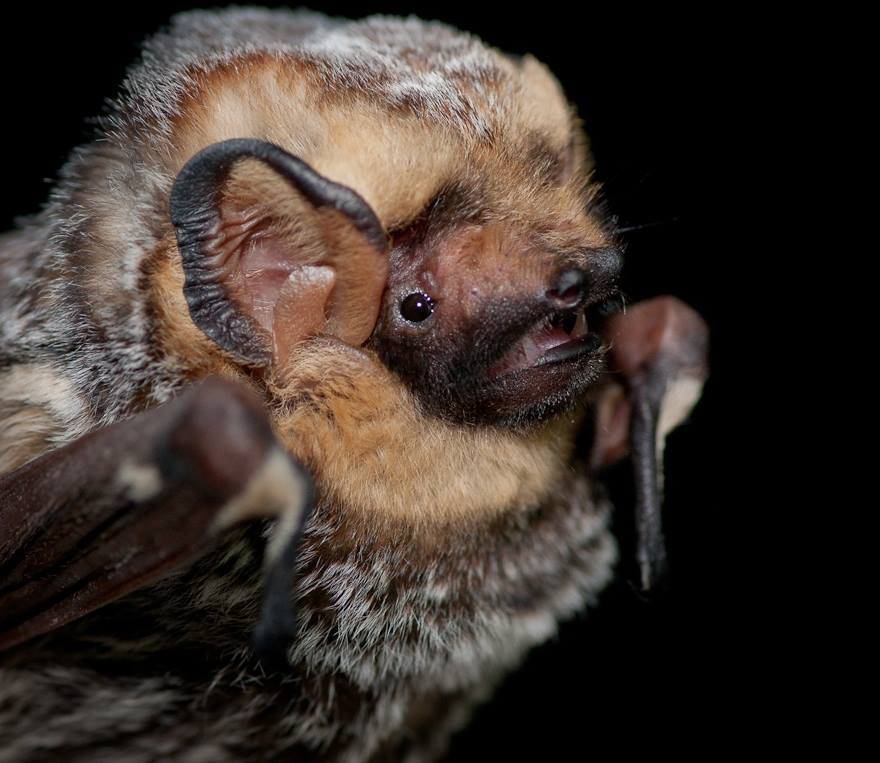
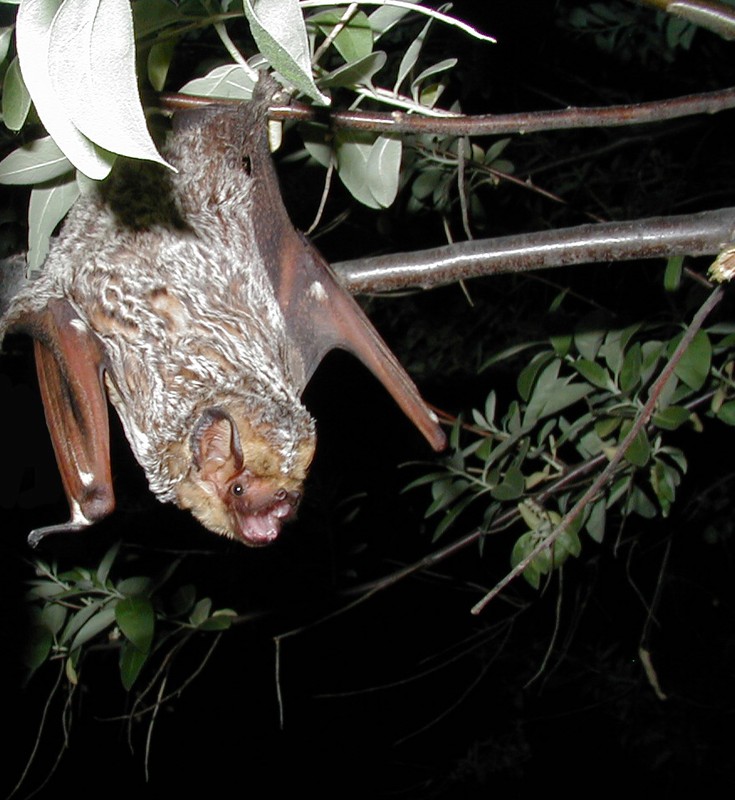
Answer: A hoary bat!
Scientific name: Lasiurus cinereus
Most active: Dusk to dawn (nocturnal)
Nine fang-tastic species of bats call New York State home. A common misconception is that all bats are bloodsuckers out to get humans, but this couldn’t be further from the truth! These furry flying mammals are most often harmless insectivores (insect eaters) who play important roles in keeping nature balanced and healthy. Of the over 1,400 species of bats found across the globe, only three Latin American species are “vampire bats”.
Bat Fun Facts:
- Microbats use echolocation (rapid high pitch squeals or chirps that bounce off objects to create an “echo”) to aid navigation, forage for prey, and identify their young.
- One little brown bat can eat more than 600 bloodsucking animals (aka mosquitoes) in one hour! (Source)
- Bats, sometime called “flying mice”, are actually more closely related to hoofed animals and whales than to rat or mice! (Source)
Sound #2:
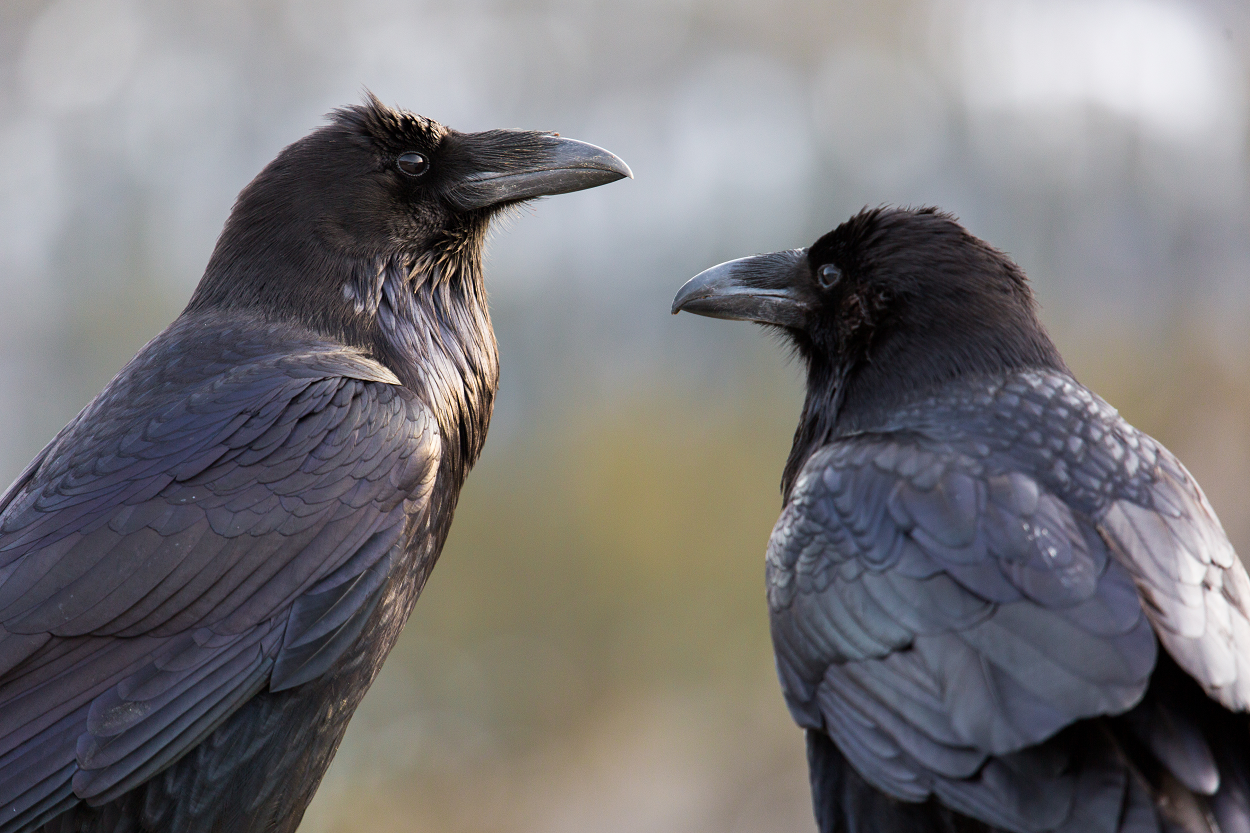
Answer: A common raven!
Scientific name: Corvus corax
Most active: During the day (diurnal)
Those ominous croaks and varied calls belong to the common raven! Between those two calls, ravens have been observed making over 30 distinct vocalizations. They are revered as symbols of intelligence and knowledge by some while others consider them bad omens. These mystical corvids are nothing short of intelligent, highly sociable, and adaptable beings which may explain the superstitions surrounding them.
Raven Fun Facts:
- Ravens are the largest known species of songbirds in the world.
- They are skilled acrobats and have been observed flying upside down, rolling, and flipping mid-air.
- Raven pairs will typically mate for life.
- Like parrots, ravens are great mimics; one even learned to mimic the word “nevermore.”

Sound #3:
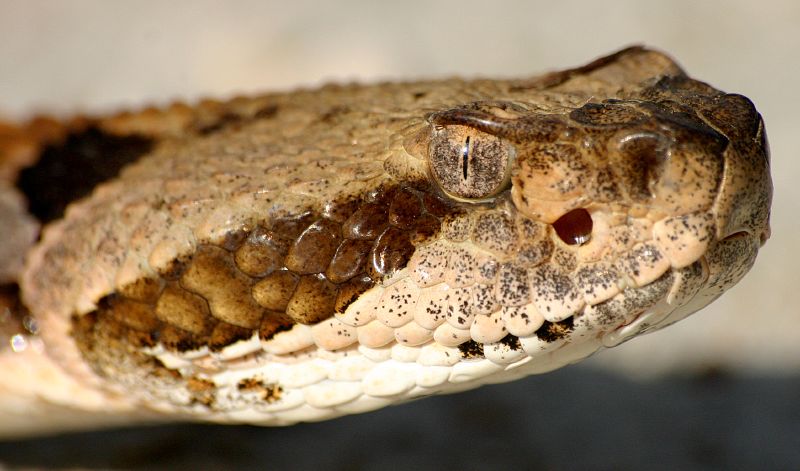
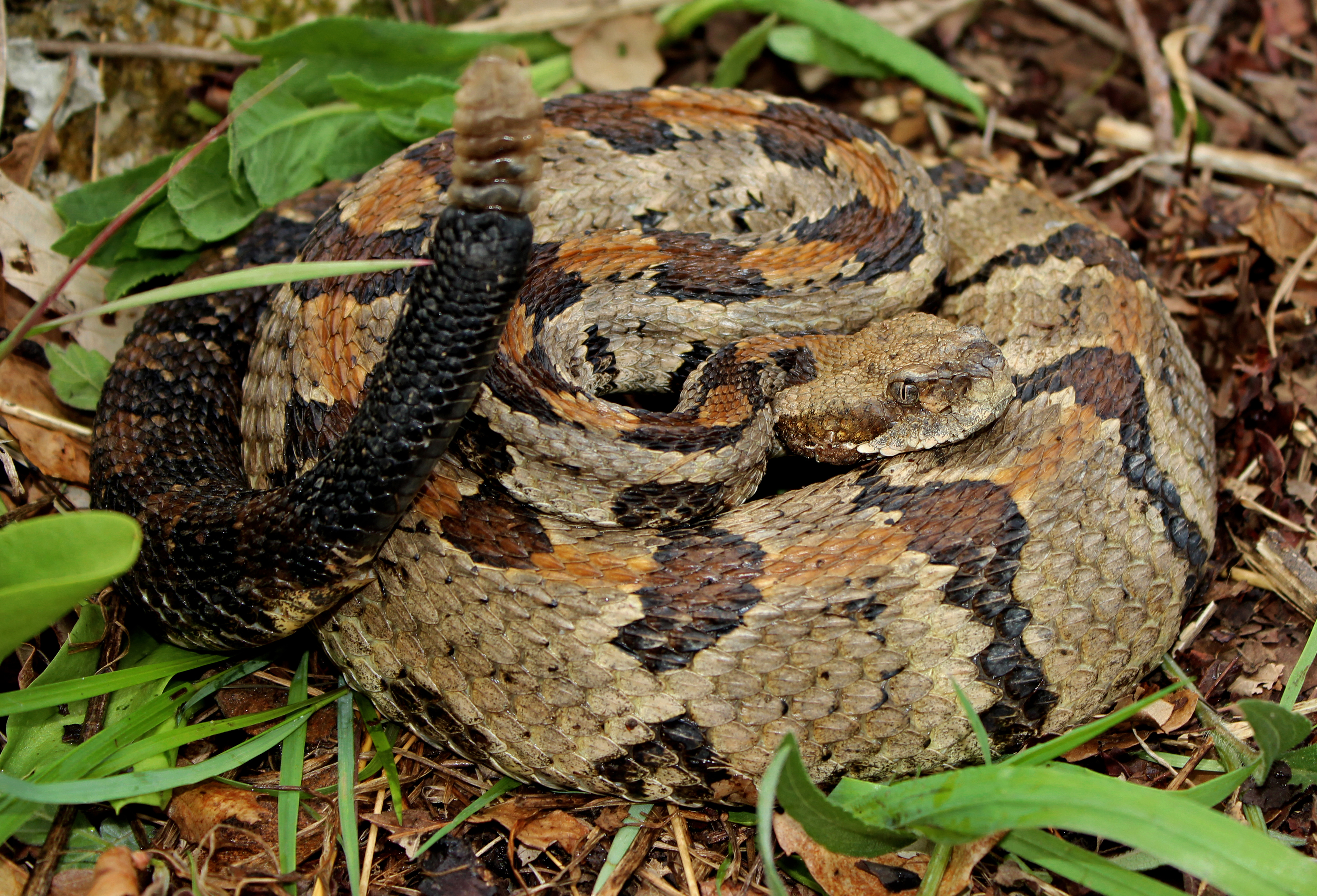
Answer: A Timber rattlesnake!
Scientific name: Crotalus horridus
Most active: Diurnal, but become nocturnal during the hot summer months
You’ll never forget the unmistakable warning sound of a timber rattlesnake on defense mode! Timber rattlers are one of only three venomous snake species native to New York. It’s always best to stay a respectful 6 feet or more away from all wildlife and to keep furry friends on leash when hitting the trails. They are listed as Threatened in New York and are legally protected under New York’s Environmental Conservation Law.
Contrary to popular belief, timber rattlesnakes are generally docile-natured creatures that utilize their unique rattles, found at the tip of their tail, to ward off perceived threats. They avoid using their costly venom on anything other than nutritious prey, but biting can be used as a last-ditch attempt to protect themselves.
Rattlesnake Fun Facts:
- All rattlesnake species are endemic to (only found in) the Americas.
- They’re also called “pit vipers” for their unique thermal infrared (heat-sensing) “pit” organs located between their eyes and nostrils.
- Rattlesnakes don’t lay eggs; they give birth to live young!
- Their rattles are made of keratin, the same protein that makes up our fingernails. (Source)
Sound #4:
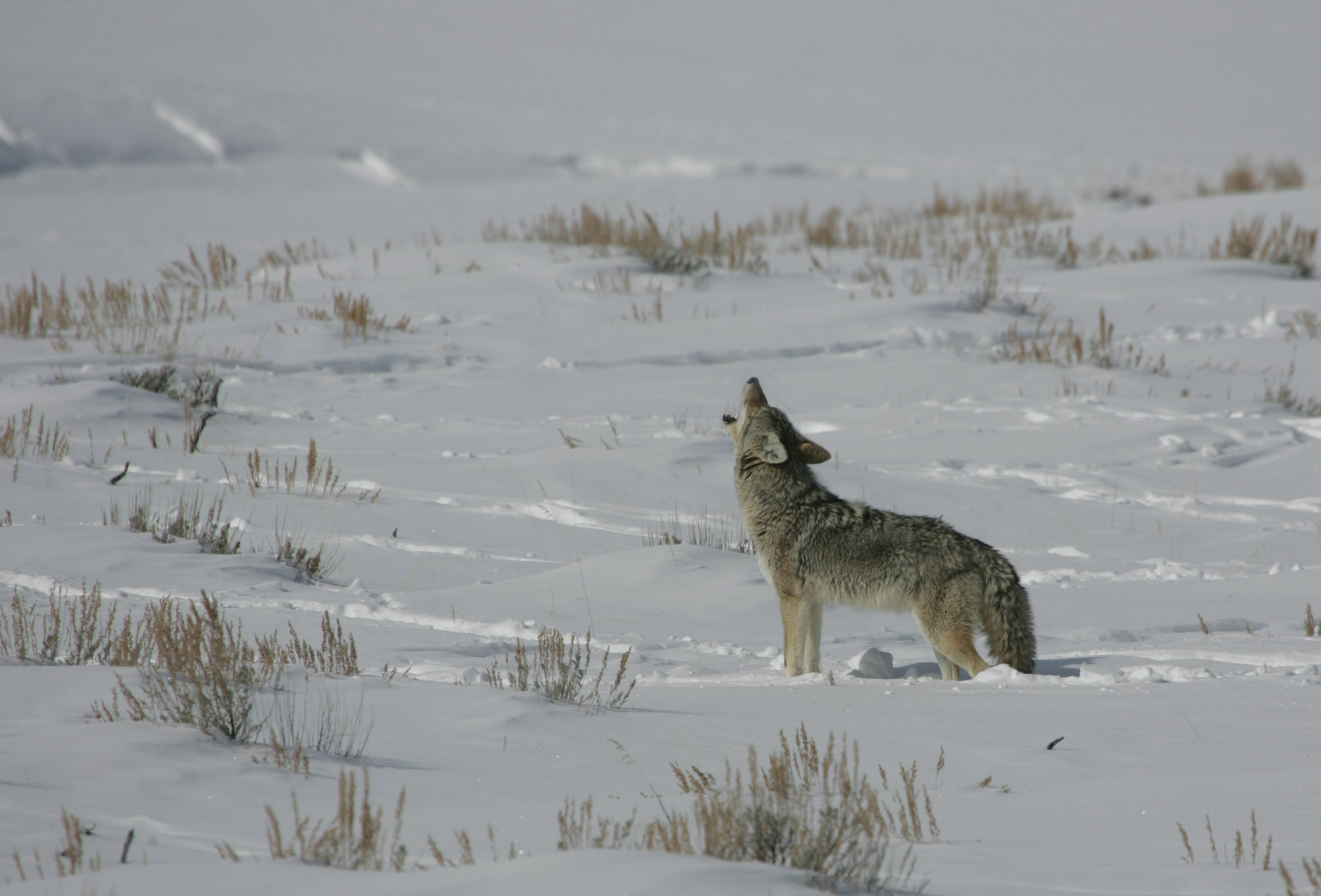
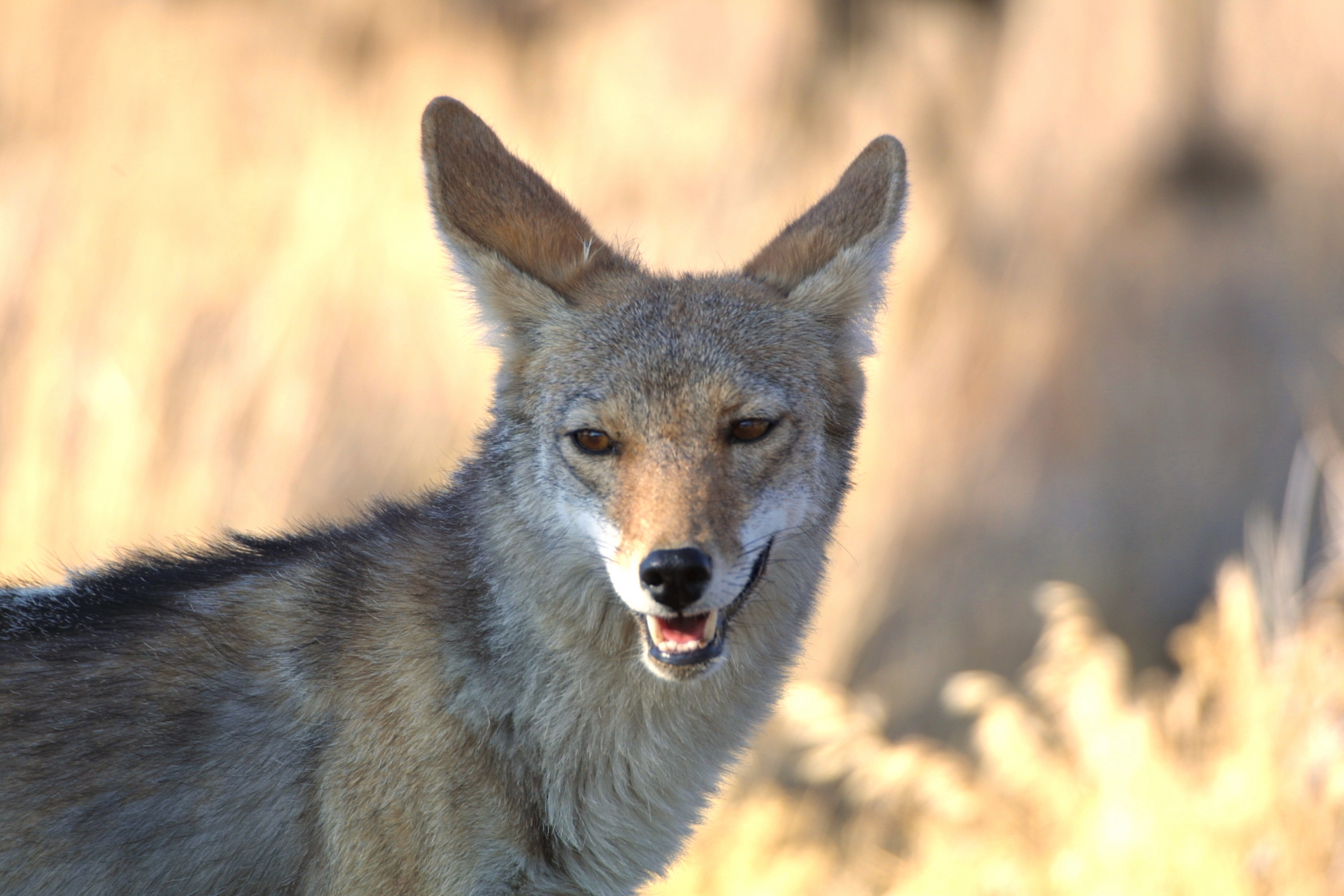
Answer: A eastern coyote!
Scientific name: Canis latrans var.
Most active: Nocturnal and around dawn and dusk (crepuscular)
That’s the chilling sound of coyote howls! Coyotes howl, yip, and bark to communicate vocally with family and defend their territories. These medium-sized canines are highly adaptable animals who are found in a variety of habitat types such as deserts, grasslands, and forests and increasingly in urban forests, parks, and suburban neighborhoods in response to shrinking natural habitat. New York, once historically dominated by wolves, has seen a rapid rise in coyote populations after the extirpation (local extinction) of wolves throughout the Northeast. Coyotes are now considered New York’s “top dog.”
Eastern Coyote Fun Facts:
- Eastern coyotes are one of 19 known coyote subspecies (physical and genetic variations).
- Eastern coyotes will mate for life and form family groups of up to six offspring.
- Coyote, Wolf, or Dog? A genetic study revealed eastern coyotes are yes, a hybrid (mix) of roughly 64% western coyote, 26% wolf ancestry and 10% domestic dog.
Sound #5:
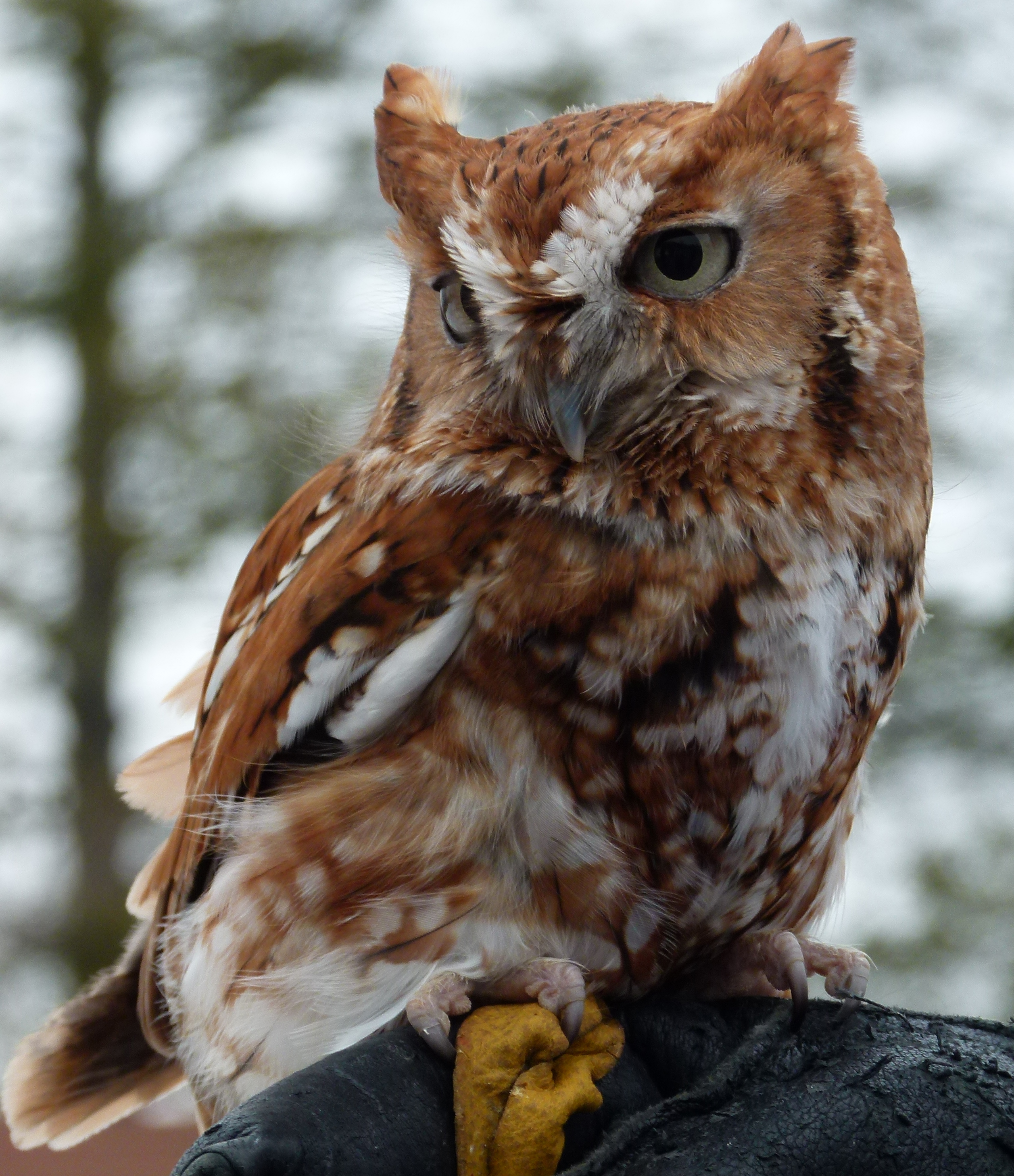
Answer: An eastern screech owl!
Scientific name: Megascops asio (formerly Otus asio)
Most Active: Nocturnal
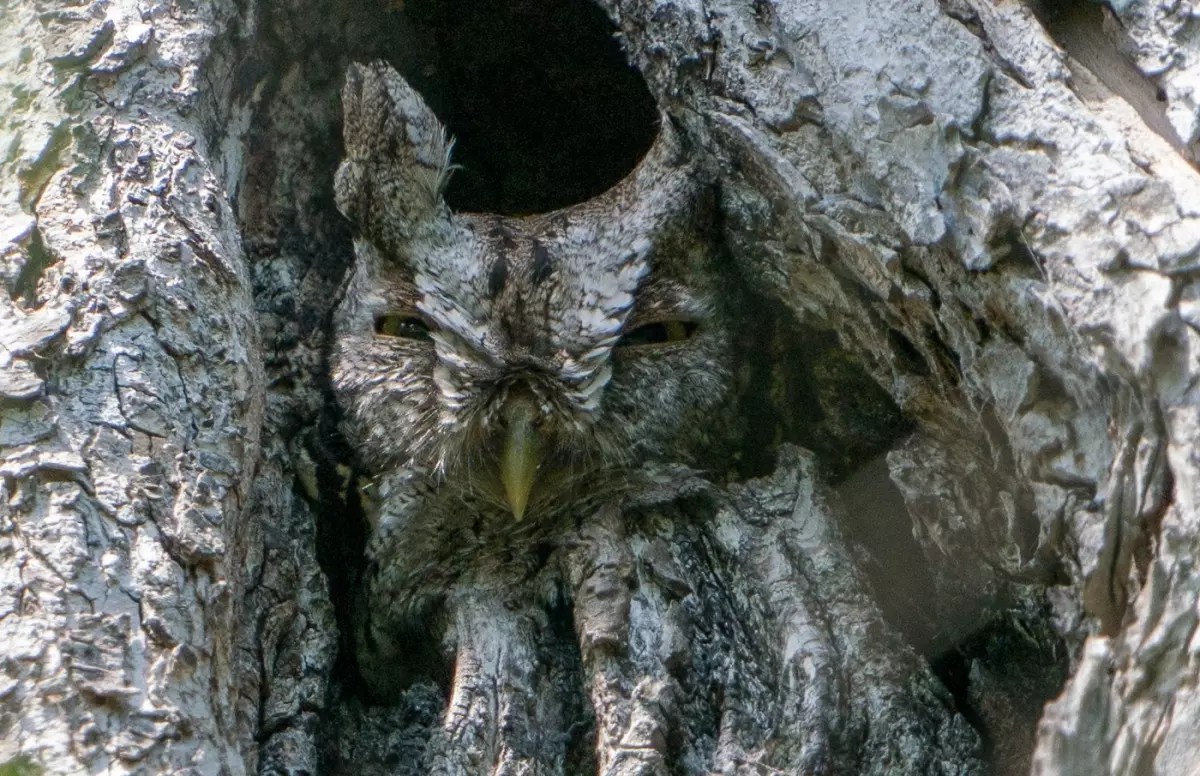
Hoo goes there… if you guessed the eastern screech owl you would be correct! Contrary to its name, the most common call these night loving creatures make is not a “screech”, but a beautiful trill sound known as a “tremolo”. Their calls are used to communicate with mates and to defend their territories. These mysterious birds are still quite common across New York State and hunt a variety of species including large insects and small rodents.
Owl Fun Facts:
- They can’t roll around their eyes like we can, instead they have special necks that let them rotate their heads up to 270 degrees!
- Owl regurgitation (commonly called pellets) are regularly dissected by biology students in lab classes around the world. (Source)
After getting a glimpse into the world of wildlife sounds, you may be left wondering what’s the meaning of all this ruckus? This question has intrigued thinkers for decades and has sparked scientific inquiry into the way nonhuman animals communicate with one another. Some researchers have even begun using artificial intelligence (AI) and deep machine learning (ML) to decode nonhuman communication, the implications of which could be far reaching.
-Written by Mckenzie Davidson, Student Conservation Association member with Albany’s Environmental Stewardship team
Learn More:
Scripps News (2023). How Scientists Are Using AI Tech To Communicate With Animals.
The New York Times (2023). The Animals Are Talking. What Does It Mean?
References:
Primary Literature
National Library of Medicine (2020). Current Knowledge on Snake Dry Bites.
Secondary Sources
New York State Department of Environmental Conservation. Bats of New York.
West Virginia University (1999). Bats.
Louisiana Department of Wildlife & Fisheries. Bats.
American Museum of Natural History (2018). Pit Vipers Can Detect Prey Via Heat.
New York State Department of Environmental Conservation. Snakes of New York.
New York State Department of Environmental Conservation (2014). Rise of the Eastern Coyote.
NatureServe. Eastern Screech-Owl.
Oklahoma Department of Wildlife Conservation. Eastern Screech Owl.
The Cornell Lab. Common Raven.
Smithsonian’s National Zoo & Conservation Biology Institute. Common Raven.
 New York State Parks and Historic Sites Blog

enjoyed the blog – I focus on history so this environmental article helped expand my knowledge. Good to see the sources listed as well. Well done!
I found this interesting. JA