

Following our Centennial anniversary, we continue to share the story of New York State Parks and Historic Sites through our interactive history timeline, Blazing a Trail: A History of NY State Parks and Historic Sites. Our latest addition to the series covers the 21st century history of New York’s state park and historic site system. “A New Millennium” details a new era of leadership, the threat of park closures, the creation of vital community partnerships, the impact of climate change, and vital investments in the late-2010s that helped position New York as a nationwide recreation destination.
A New Millennium
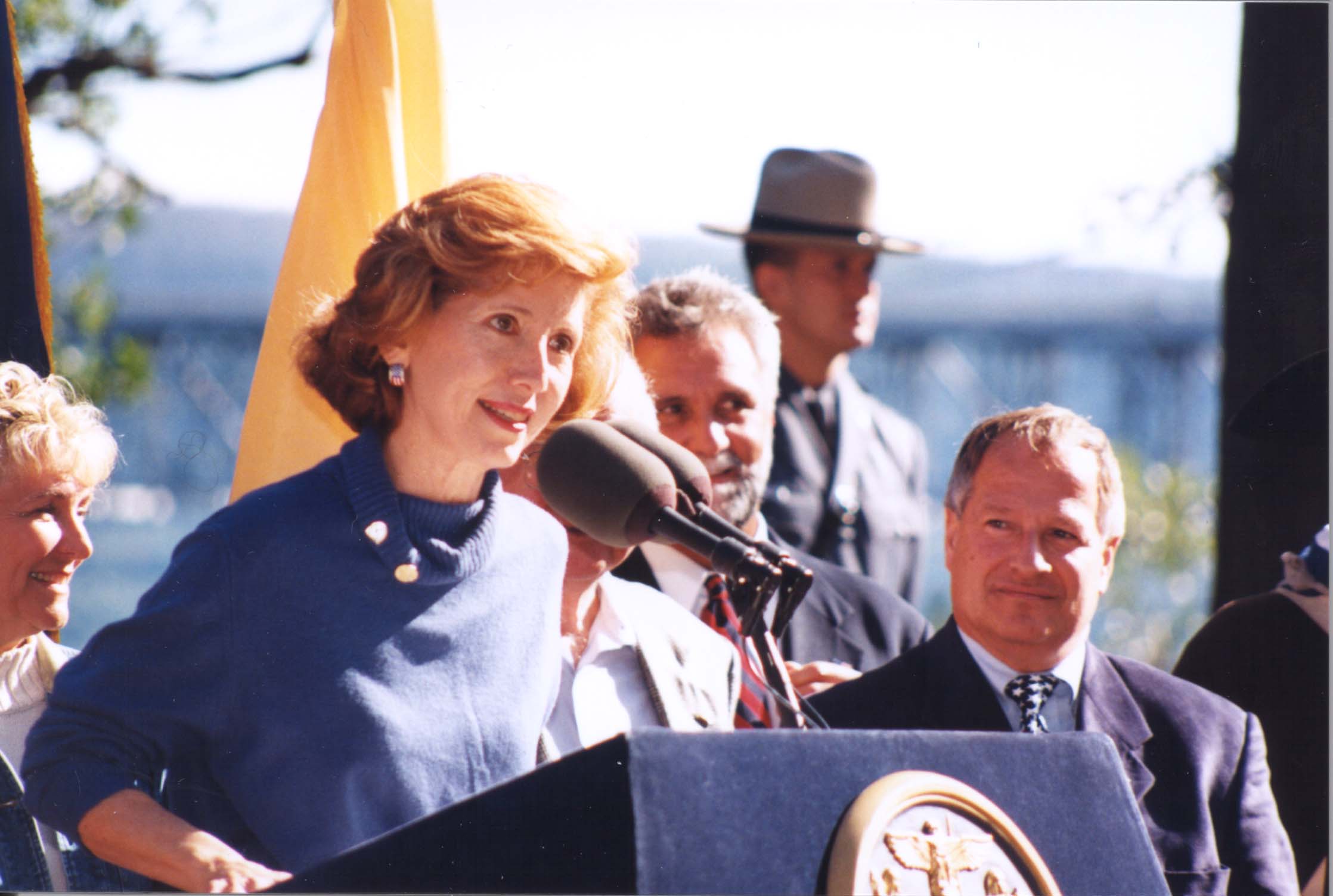
For the majority of this era, chronicling 2000-2024, New York State Parks saw great diversity in its leadership. Following the resignation of Orin Lehman in 1993, the agency spent 26 years with women leading the charge in preserving New York’s public lands. At the start of this era, Commissioner Bernadette Castro was well into her tenure as the head of the agency, working to expand our system’s footprint. In the mid-2000s, leadership would change several times with Commissioner Carol Ash assuming the role in 2006 and Commissioner Rose Harvey rising to the role just four years later. In 2019, Erik Kulleseid became the first openly gay person to lead New York State Parks and played an important role in the promoting the agency as a tourism destination prior to his resignation in 2024.
At the turn of the century, New York State Parks was expanding as part of Governor George Pataki’s initiative to preserve one million acres of open space in New York (discussed in the previous era). However, as the state budget became more constrained during the Great Recession, many state parks and historic sites were on the chopping block. A proposal to cut spending threatened closure of 41 parks and 14 historic sites, and service reductions at 23 parks and 1 historic site. New Yorkers and advocacy groups rallied to protect parks and historic sites, and the need for park closures was averted as the Legislature provided the necessary funding to continue operating the facilities. At the same time, partnerships with community groups identified opportunities to manage the system more efficiently.
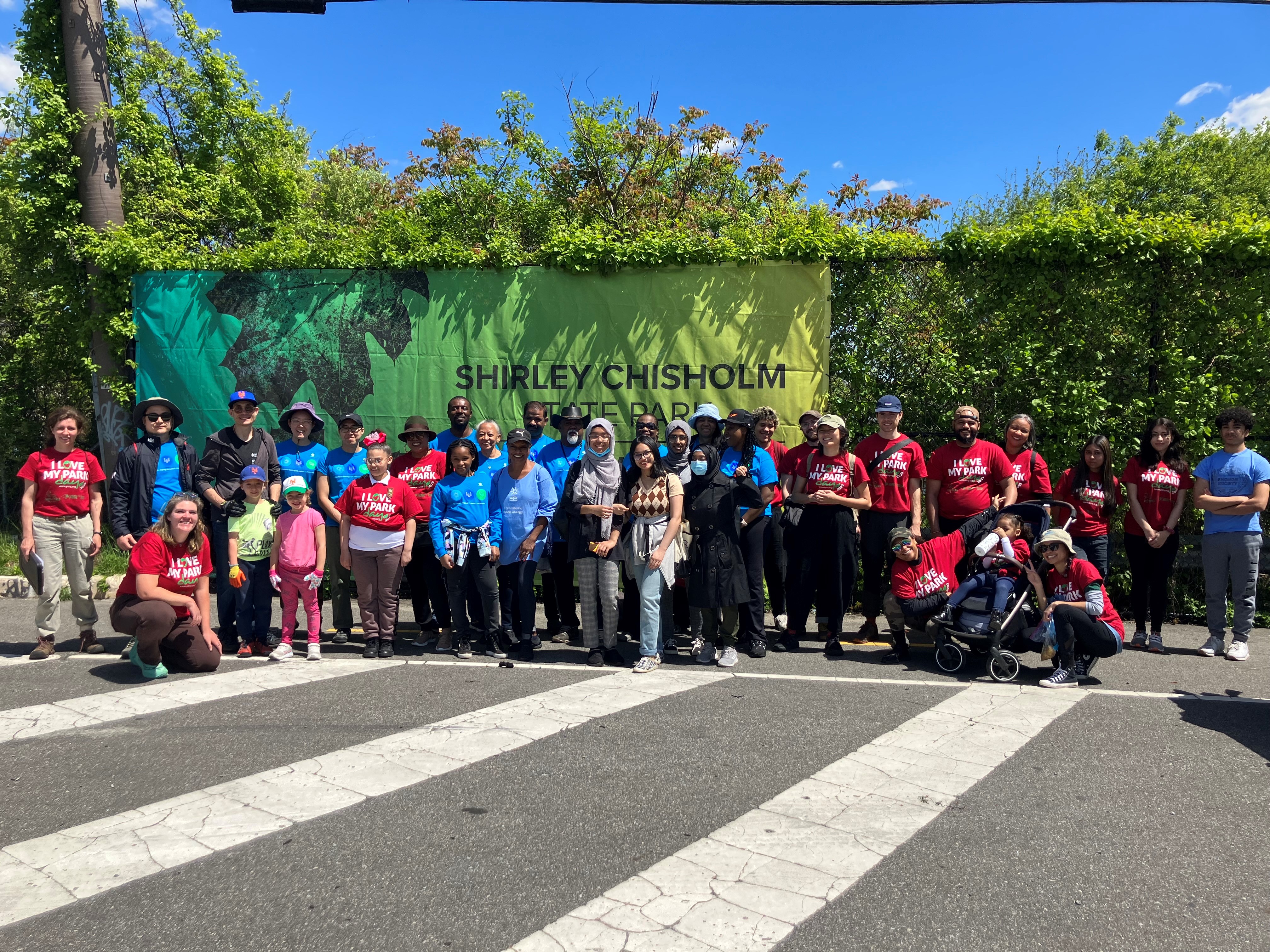
These partnerships led to the creation of I Love My Park Day, a spring tradition for thousands of New Yorkers to take an active role in caring for the state parks and historic sites that matter to them. Started in partnership with Parks and Trails New York, this annual event is a great way for park and site visitors to learn about the Friends groups who help take care of state facilities alongside the agency.
While several state parks did not close during the recession, a new problem surfaced: Many reports indicated a backlog of $1 billion in maintenance and rehabilitation projects within the park and historic site system. In response to a report from Parks and Trails New York, Commissioner Harvey proposed the NY Parks 2020 initiative. This initiative secured funding to address the dramatic gap in investment that had built up throughout the late-nineties and early-aughts. Harvey’s NY Parks 2020 plan proposed constructing new visitor centers, repairing critical infrastructure, and creating new parks. Some of the parks opened as a result of this project included Buffalo Harbor State Park (Buffalo), Shirley Chisholm State Park (Brooklyn), and Sojourner Truth State Park (City of Kingston/Town of Ulster).

Other projects that became realities thanks to the increased funding brought about by the NY Parks 2020 initiative included linear parks. One of the era’s flagship developments, Empire State Trail is the embodiment of New York as a destination for recreation. Spanning 750 miles, this linear park is the longest single-state multi-use trail in the country, stretching from the Canadian border to New York City and from Albany to the shores of Lake Erie in Buffalo. Other linear parks built during this time period include Walkway Over the Hudson and the Genesee Valley Greenway, both of which were made possible thanks to the contributions of Friends group partnerships and a reinvestment New York’s public lands.

Throughout this era, New York suffered devastating damage as a result of natural disasters. Hurricanes Irene and Sandy forced us to face the reality that climate change is substantially impacting New York. Along with increased storm frequency and intensity, droughts and rising temperatures have facilitated an environment where wildfires, harmful algae blooms (HABs), and invasive species are more prevalent than ever. “A New Millennium” delves into the locations impacted most by these new environmental realities.
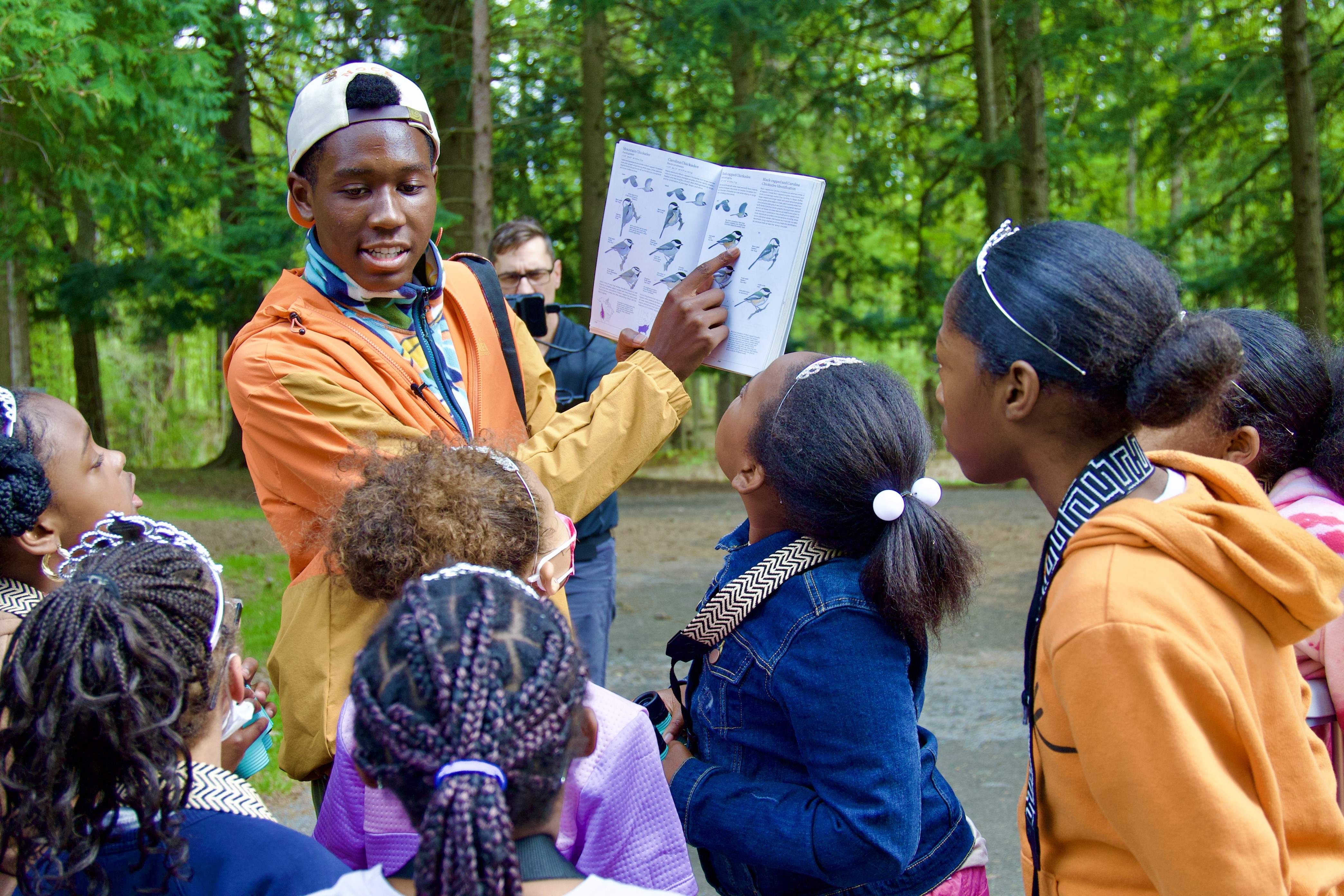
This article is just a sampling of the many topics discussed in the latest addition to the ’Blazing a Trail’ interactive timeline. There is so much more to discover about New York State Parks during the 21st century: Parks’ role in golf tourism, a 12-year-long attendance record streak, and expanded access to the outdoors for children in New York. Don’t miss the nearly 50 photographs, charts, and graphics detailing the contemporary history of New York State Parks — all available on our landing page.
Follow Along With Our Progress
Stay tuned for the final era of ‘Blazing a Trail,’ which will demonstrate our agency’s efforts to build a future better prepared to handle a wide variety of natural events. We’re thrilled to have you on this journey with us as we offer opportunities for New Yorkers to learn more about the nation’s largest system of parks and historic sites.
— Written by Jennifer Robilotto, Public Affairs Assistant
 New York State Parks and Historic Sites Blog