
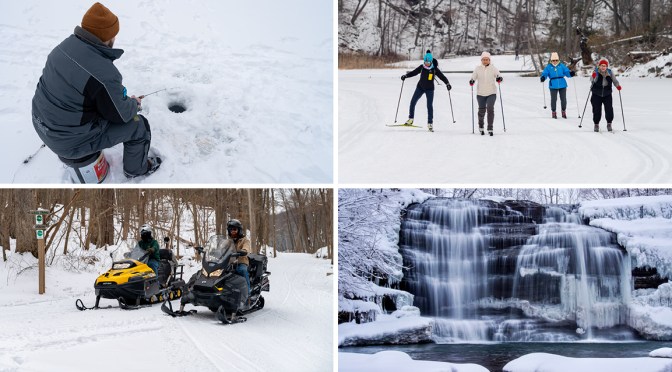
Have you been waiting all year for winter? Those who struggle with the heat during spring and summer months often relish the experiences you can only have when the snow falls and the ice forms. Bundled up, cozy by a fire, and witnessing the rare snowy majesty of the season. If any that resonates with you, check out some signature adventures for winter lovers, and for anyone who might need a little nudge to enjoy all this season has to offer!
Explore Fahnestock Winter Park on Skis
Winter is the middle name of Fahnestock Winter Park. Opened in 1995, this Putnam County park is the closest cross-country ski area to New York City, the only full-service cross-country ski area south of the Adirondacks and Vermont and one of only two fully groomed ski trail systems in our park system (Minnewaska State Park Preserve has the other). The park rents skis, ski pulks, snow tubes and more at a low cost to make the sport more accessible.
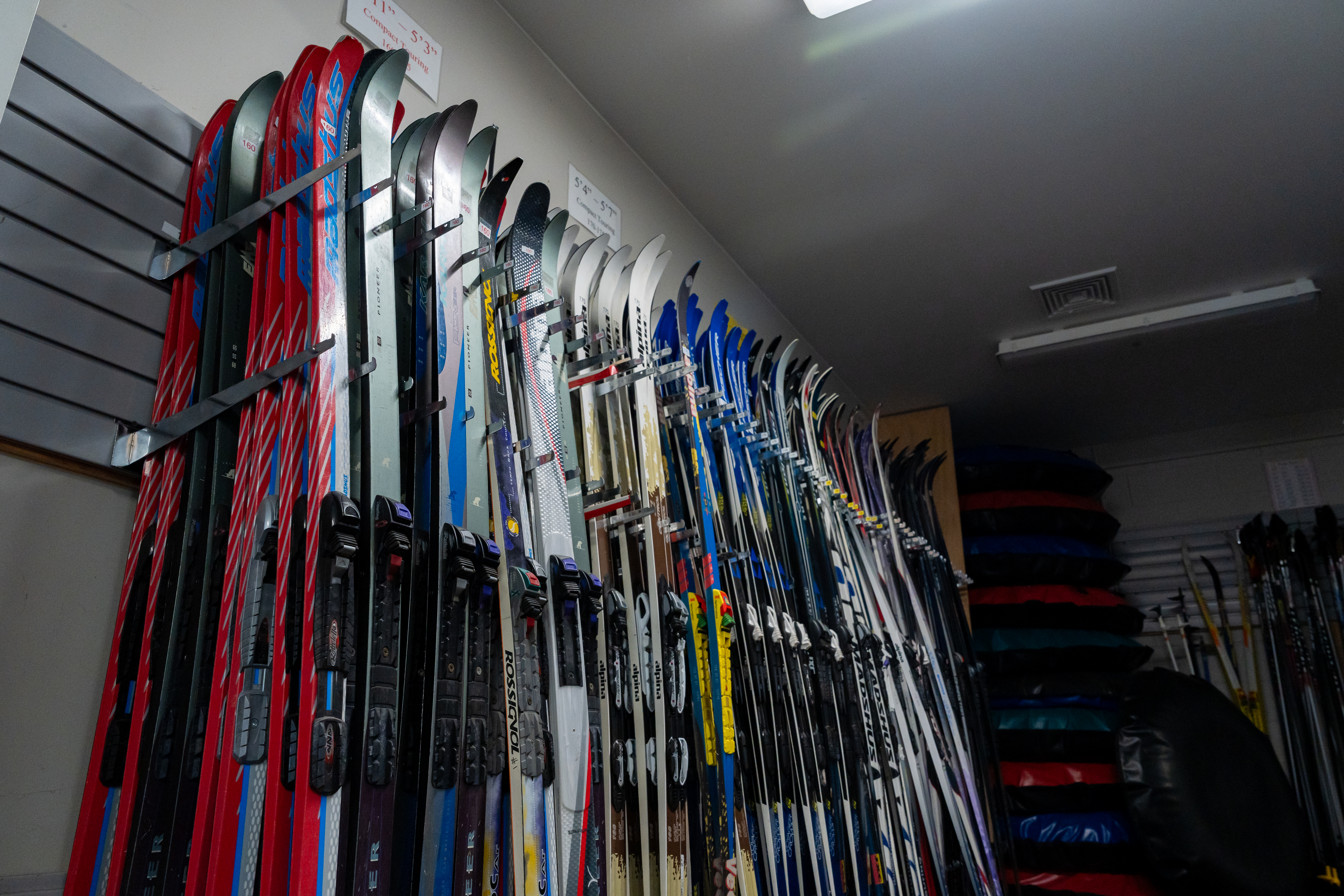

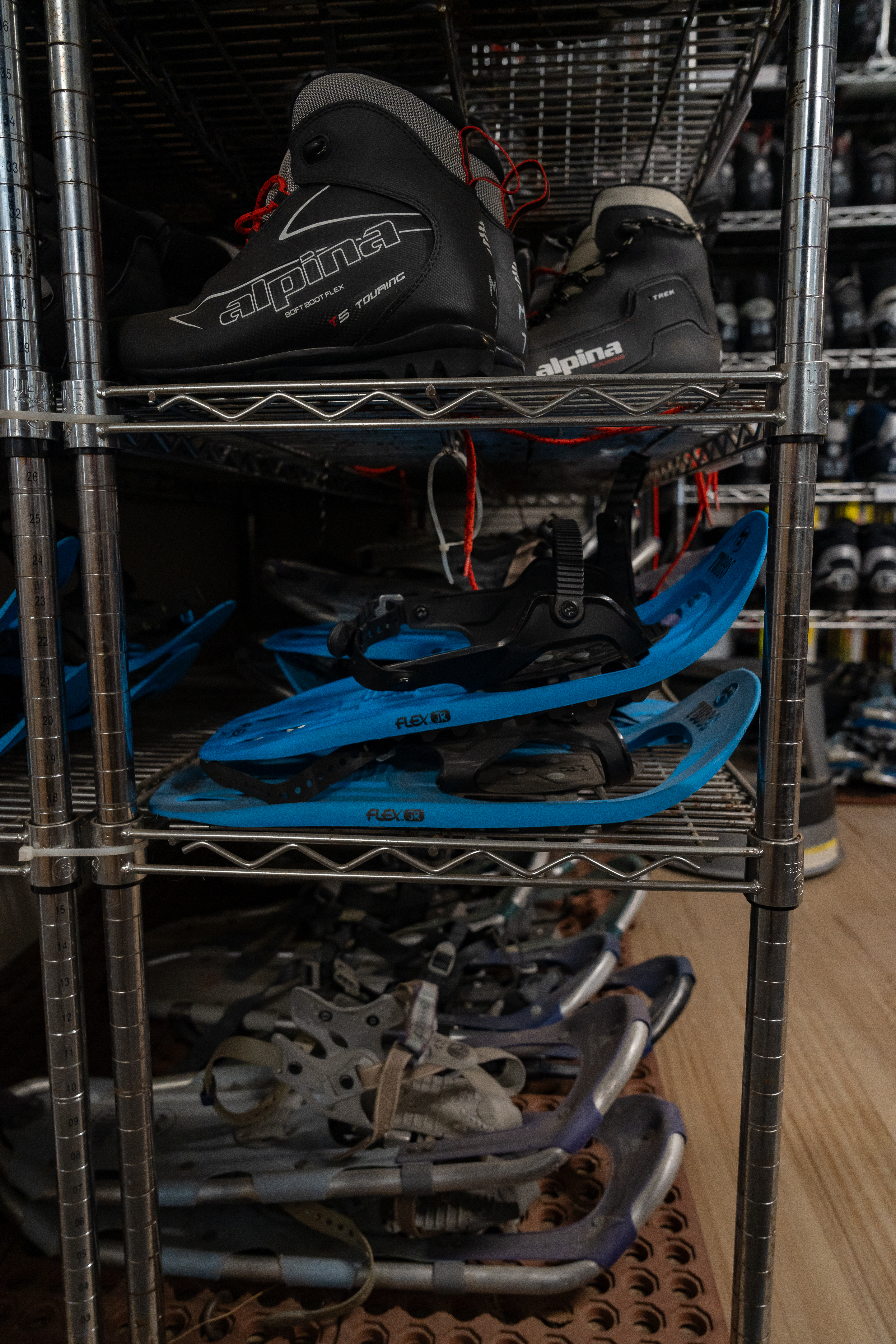
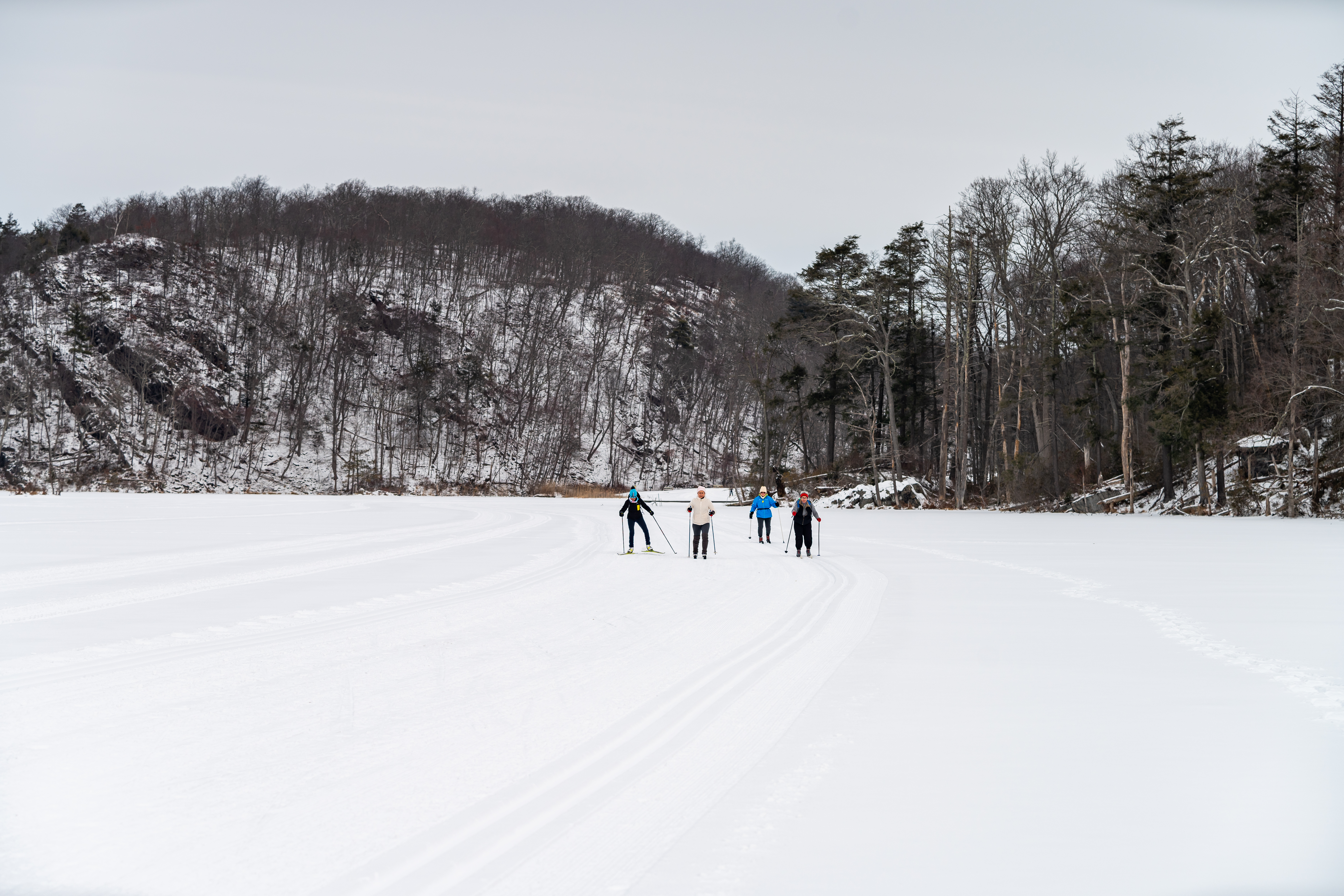
“Skiing is the most popular activity,” said Declan Hennelly, Acting Manager of the Fahnestock/ Hudson Highlands /Taconic Outdoor Education Center (TOEC)/Wonder Lake Park Complex. “Along with total beginners, we get a wide variety of patrons from people out for an easy ski, to many fitness enthusiasts, cyclists, etc. who use it as an alternate to their summer fitness activity. We also get many immigrants formerly from all over northern Europe, where cross-country ski is very popular.”
Hennelly’s path to managing the park began as one of those patrons. An avid cross-country skier, he became friends with now-retired TOEC park manager Paul Kuznia, who was the visionary behind Fahnestock Winter park. In 2009, Kuznia hired Hennelly for a maintenance role at TOEC, and he worked his way up – becoming an expert in snow and ice in the process.
“Working with snow and ice is very different from just skiing on it. I have learned everything I know about these subjects from working here,” Hennelly said. “Snow changes from hour to hour and day to day based on many factors. Temperature, humidity, sun, clouds. Location of sun is the sky as it moves from winter solstice towards spring equinox is very significant. Snow constancy also varies hugely from storm to storm and greatly influences grooming operations.”
When the snow gets to about 7 inches deep, it’s time to open the park for skiing. Hennelly and his staff groom the trails by packing down the snow with snowmobiles and ATVs, then dragging a variety of groomers behind the machines to make the snow surface as flat, compact and consistent as possible. When finished, the trails are ideal for use by people with lightweight touring or racing skis.
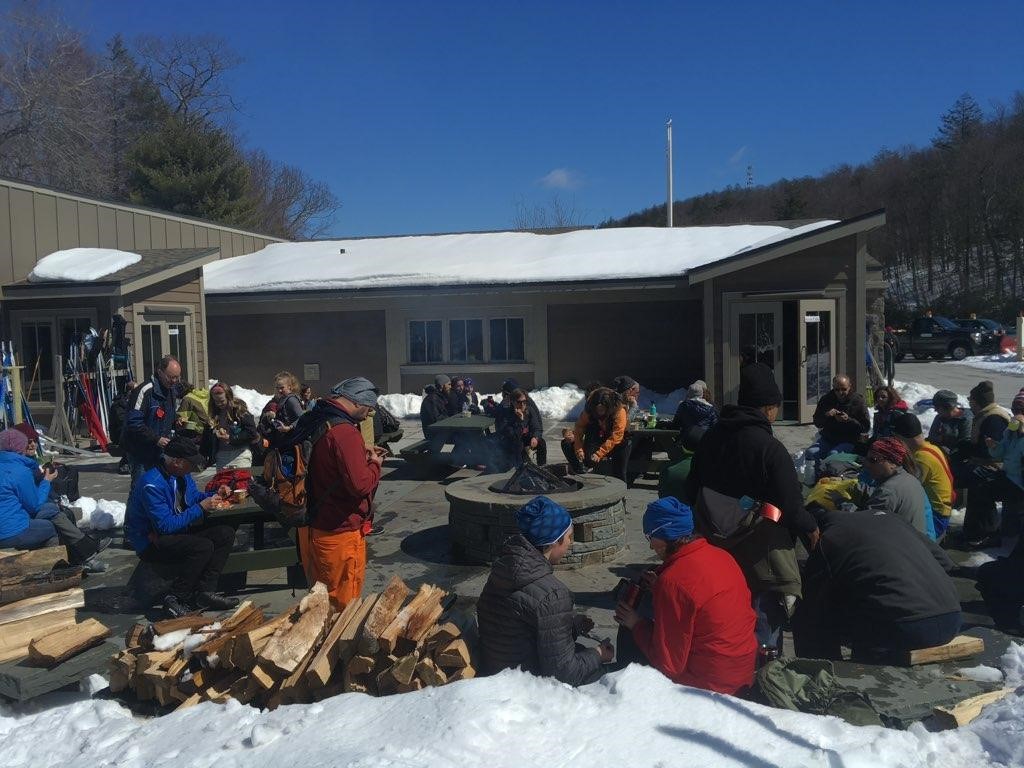
The park’s fire pit and café are hot spots for winter-lovers to socialize, wind down and swap stories of their time out on the trails – experiences which Hennelly loves to provide.
“My favorite aspect of the park is being able to provide an avenue for the patrons to get outside and enjoy, appreciate and learn to respect and preserve the nature, flora and fauna that surrounds them,” he said.
If you go, be sure to contact the park first for open hours.
Get on Your Snowmobile and Ride
When the snow flies, what’s a boater or motorcyclist to do? In the words of State Parks Snowmobile Unit staffer Brian Landry, “You have two choices: sit home sad because it is cold, snowy, and dark early…OR get outside and find a way to enjoy all that.”
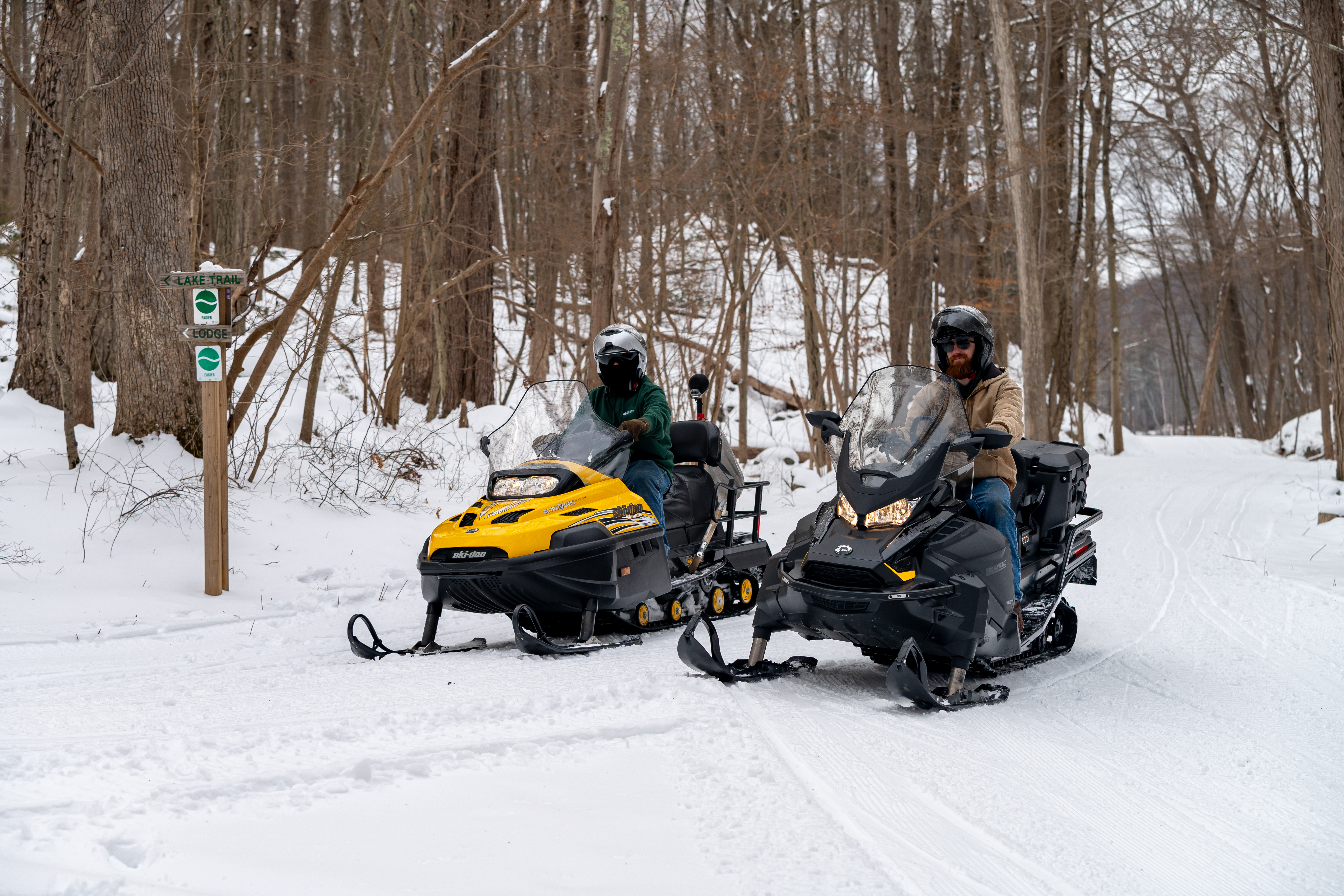
New York State has more than 10,500 miles of snowmobile trails and a vibrant snowmobiling culture, with more than 220 snowmobile clubs statewide providing community to riders and a welcoming introduction to people trying the activity for the first time. Snowmobile Unit Director Bill Shattuck says that the clubs often host “take a friend” weekends to encourage new riders, and are fond of planning races, vintage snowmobile shows, barbecues, raffles and other events to bring people together. The strong sense of community is reflected by the strength of the trail network. New York’s vast system of trails is maintained by thousands of local volunteers, often with support from town and county personnel.
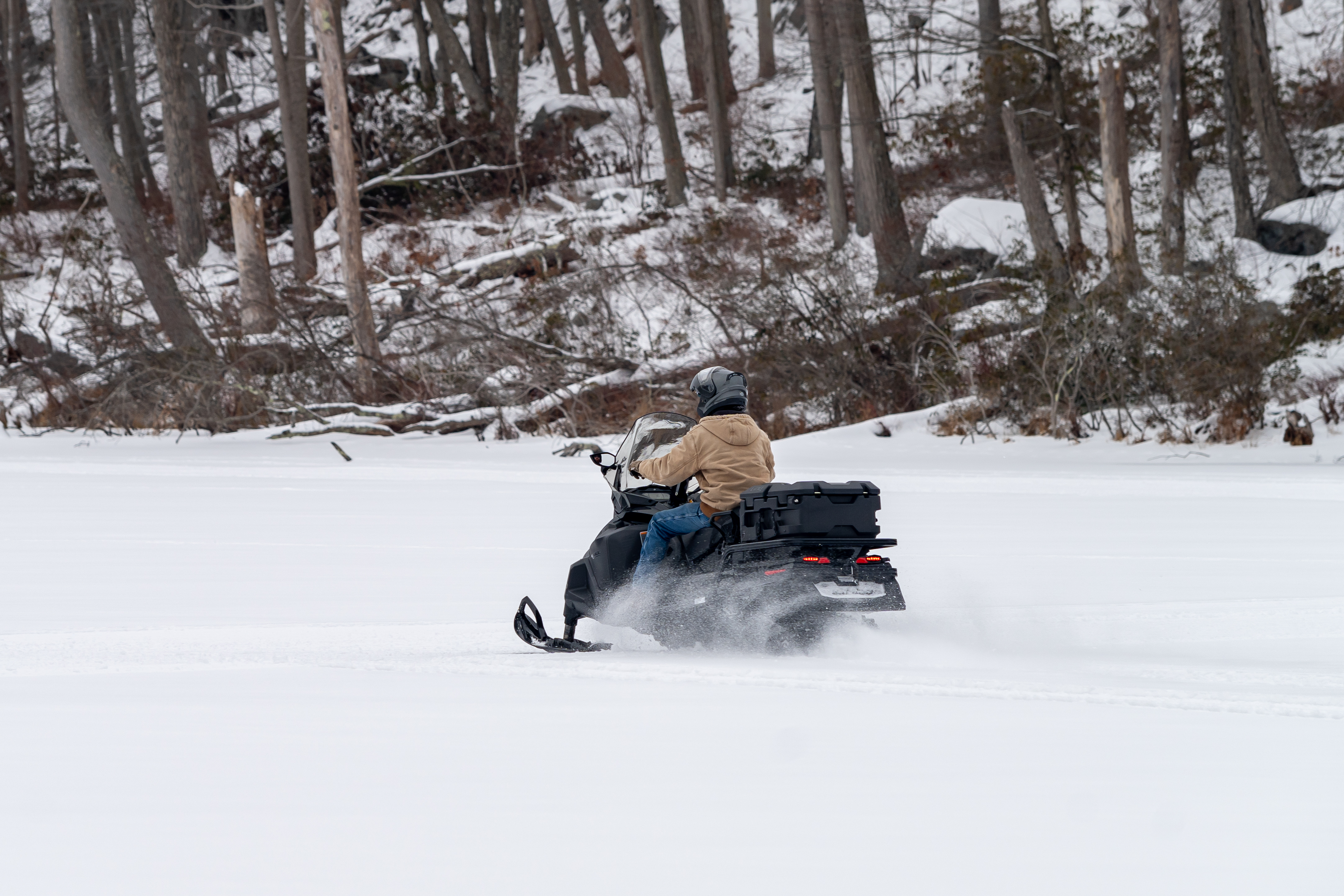
Snowmobilers often ride 200 or 300 miles in an outing, and witness New York’s scenic landscapes in an entirely different way. The Tug Hill Plateau in Lewis, Oswego, Oneida and Jefferson counties receives the most snow east of the Rockies and is a bucket-list destination for snowmobilers. But you can find snowmobile trails, and snowmobile communities, in 47 of New York’s counties. “Some folks enjoy long straightaways, others prefer peaceful forests. There’s something for everyone. Anywhere there is abundant snowfall and scenic beauty, you’ll find riders,” Shattuck said.
Both Shattuck and Landry were quick to encourage novices to take the plunge and try the exhilarating sport. “Give it a shot, the smile won’t leave your face,” Landry said. “It’s like riding a motorcycle on snow.” Shattuck also advised cost-conscious new riders to look into used snowmobiles, consider smaller options, and talk to their local motorsports dealers. By joining a local snowmobile club and presenting your membership, you’ll save on registration fees as well.
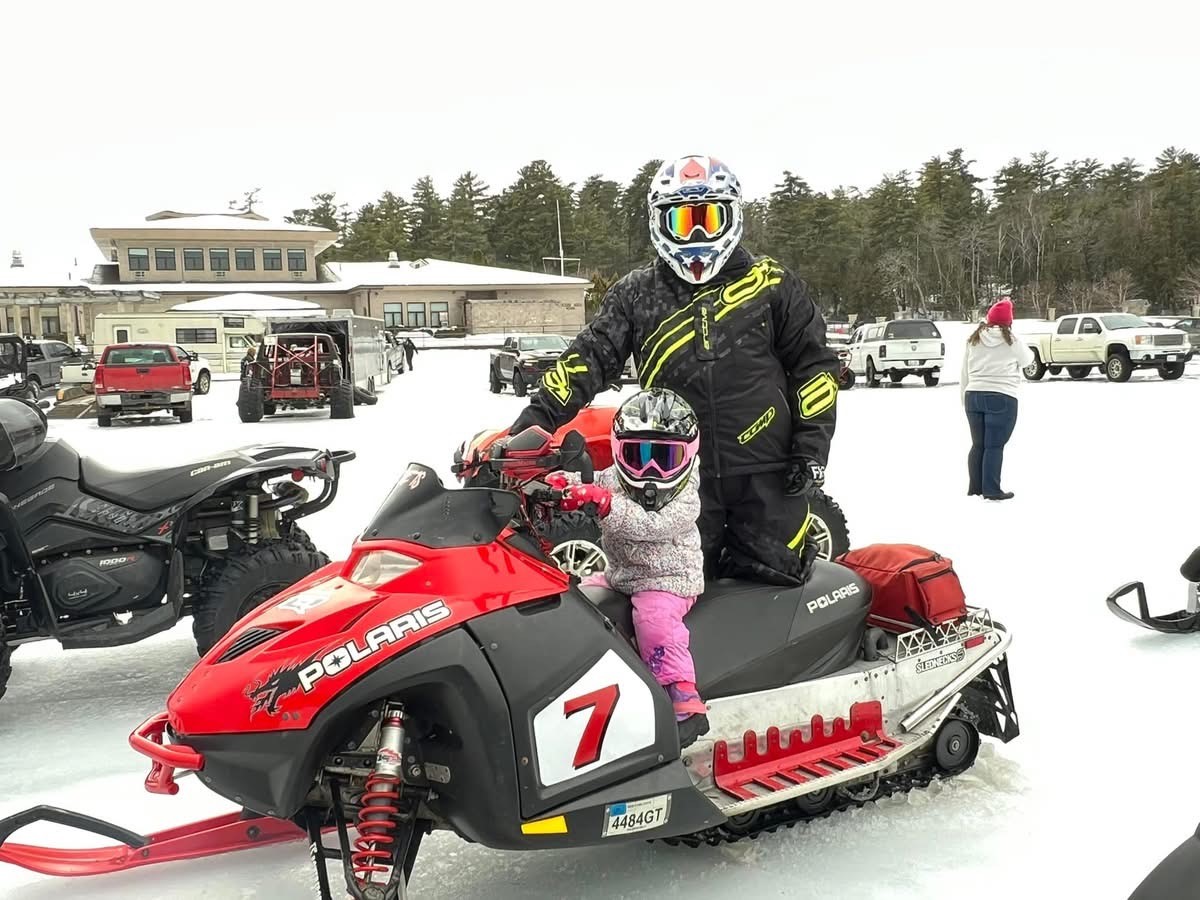
With great speed comes a great need for caution. Avoid frozen bodies of water, stay on the marked trails, ensure that your snowmobile and gear are in good working order, wear a helmet, and always ride sober. A NYS Snowmobile Safety Education class is required for riders between the ages of 10 and 16, but is open to all and is an excellent way for new riders to learn safety basics.
Ice Volcanoes on the Great Lakes
New York’s cold temperatures and windy weather combine to produce an incredible natural phenomenon on the Great Lakes: ice volcanoes. In a 2022 article, environmental educator Matt Nusstein explained the science:
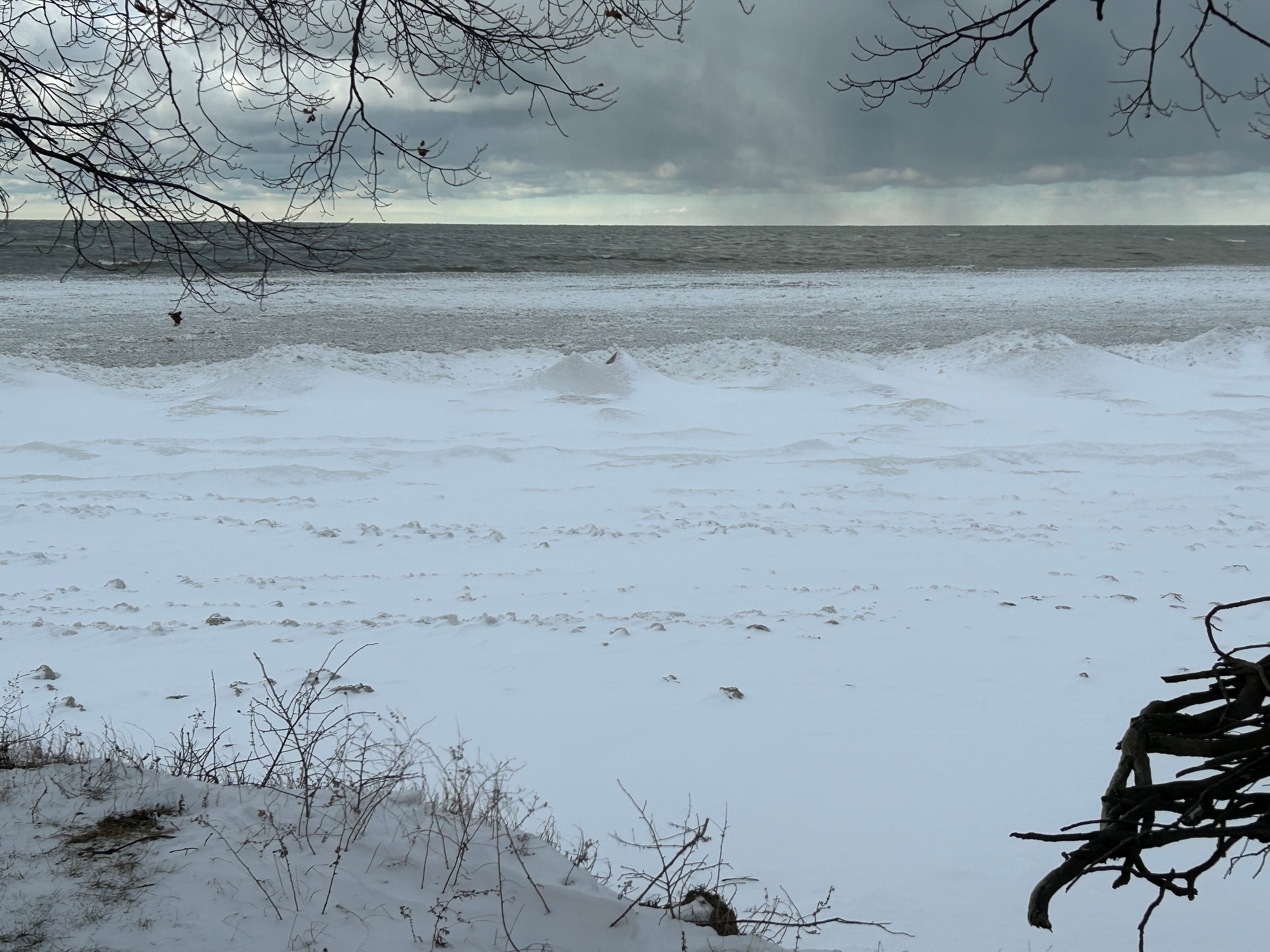
“Ice volcanoes are a temporary outcome of a partially frozen lake. When ice begins to form on the water’s surface, powerful winds push large waves towards the shore. As they do, the water is sandwiched between the shore and the ice, creating a buildup of pressure.
Eventually with nowhere else to go, this pressure causes the water to burst through cracks in the ice. The resulting spray from this burst freezes on the ice surface, accumulating in the shape of a cone with an open, unfrozen center. With each successive wave, plumes of water erupt from the newly formed ice volcano, building this winter wonder to potential heights of 20-plus feet!”
The unstable nature of the ice means this phenomenon is best observed from the beach for safety’s sake. Guided hikes at some Lake Erie and Lake Ontario parks dive deeper into the phenomenon. But don’t wait too long to join one: the warmer it gets, the less likely you are to see an ice volcano.
Seal the Deal on Winter
When you think about wildlife viewing in New York, seals probably aren’t the first thing that comes to mind. But if you’ll be spending time near Long Island this winter, you should make time to witness their seasonal visit.
Five species of seals winter on Long Island. The most common are harbor and grey seals, but occasionally, harp seals, hooded seals and ringed seals have been documented as they follow their food sources down from colder norther waters.
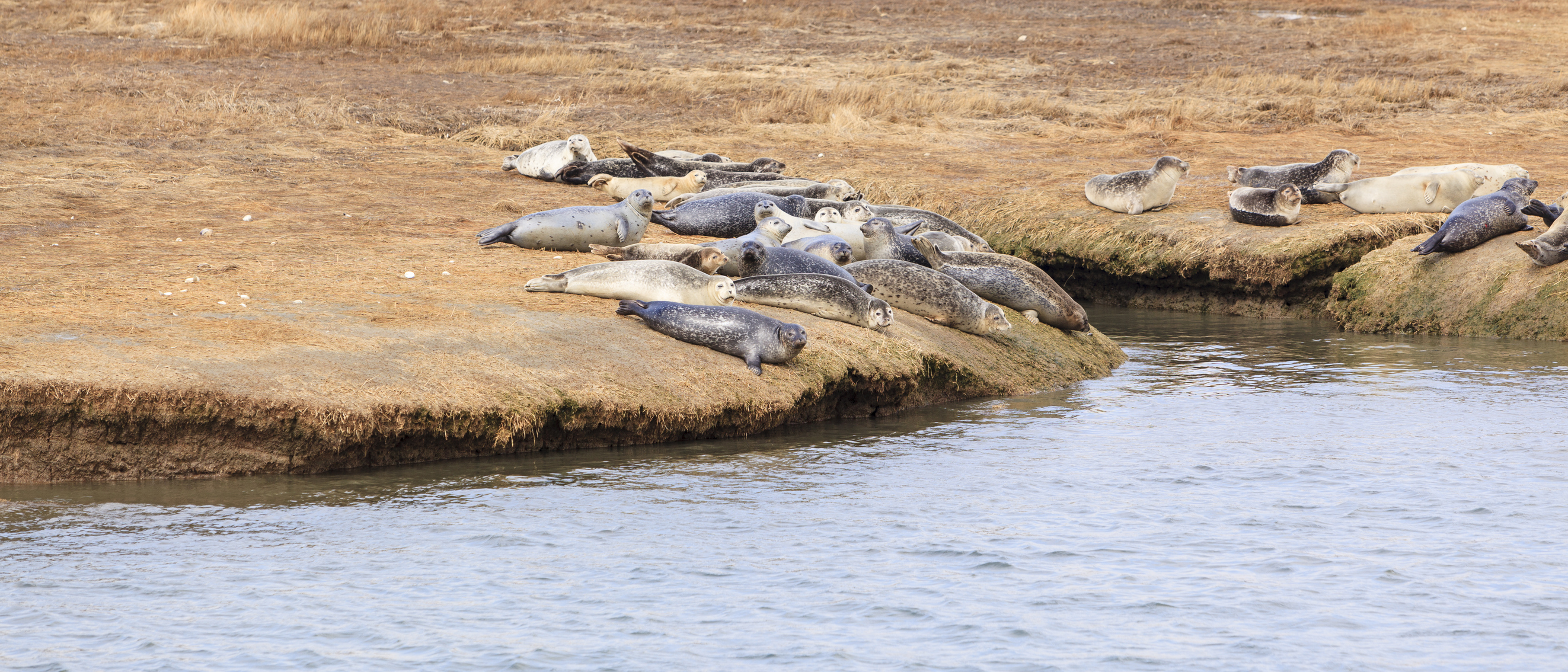
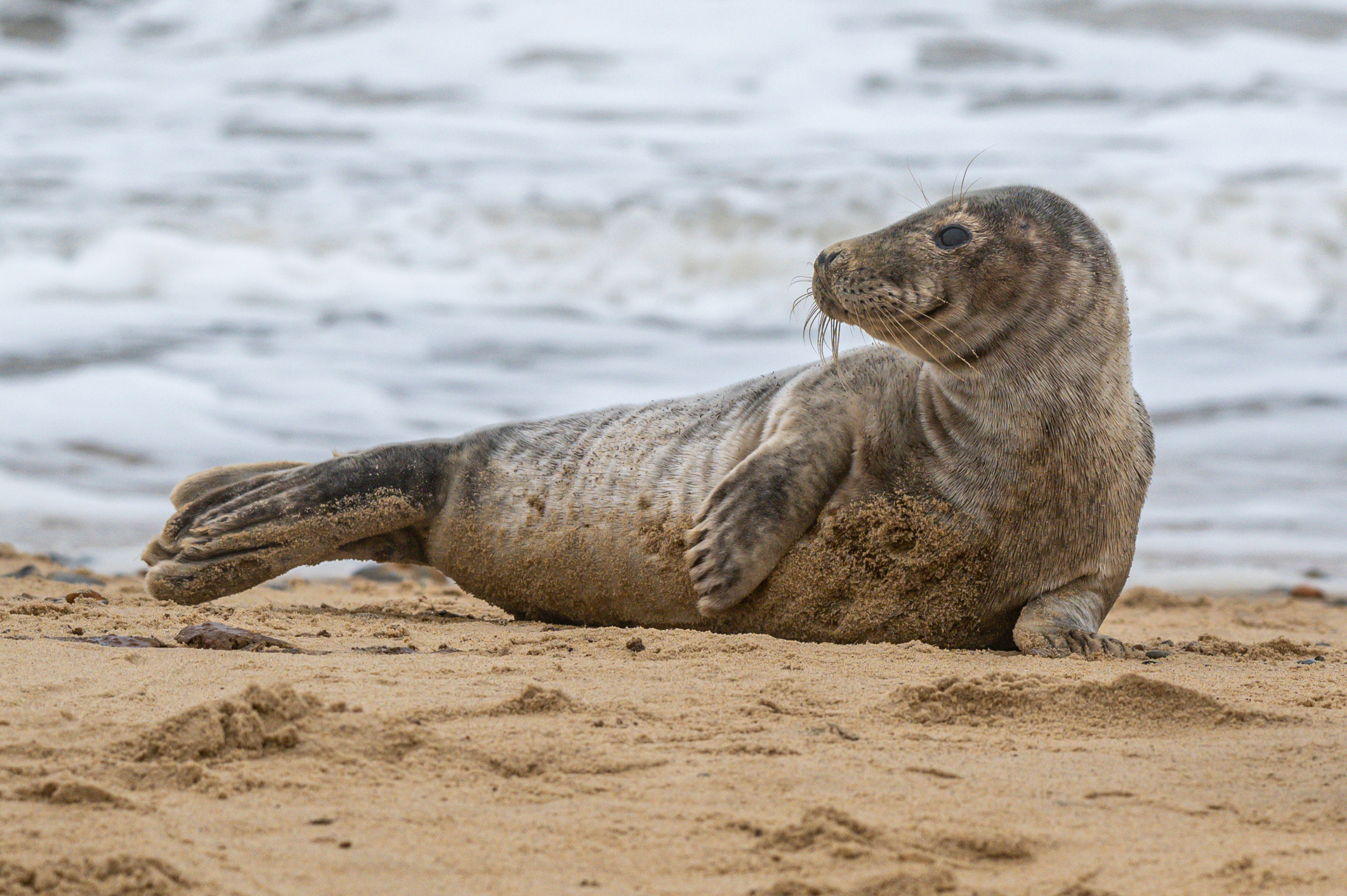
Environmental educator Ashley Longo says that the best state parks to visit for seal watching are Jones Beach and Montauk Point. Both parks hold regular seal walks as part of their winter programming. “These locations are where a large number of seals congregate to rest, sun-bathe, and hunt for food. At Montauk Point, patrons are able to see seals actually ‘haul out’ on rocks in the water off the beach at low tide,” she explained.
Seal populations have rebounded since the Marine Mammal Protection Act of 1972, but climate change, disease, and entanglements caused by discarded fishing gear still present threats. The New York Marine Rescue Center aids entangled seals, including a grey seal that Longo called in herself after a patron alerted her to its presence. Longo stayed with it so that it didn’t get frightened back into the water before help arrived. “They ended up rescuing it, and months later, it was released back into the ocean for a second chance at life,” she recalled, naming it as her favorite seal encounter.
Longo cautions prospective seal watchers to remain at least 150 feet away from seals for their safety and yours (it’s also the law). If you see a seal in trouble, contact the NYS Stranding Hotline at 631-369-9829.
Plan a Frozen Waterfall Road Trip
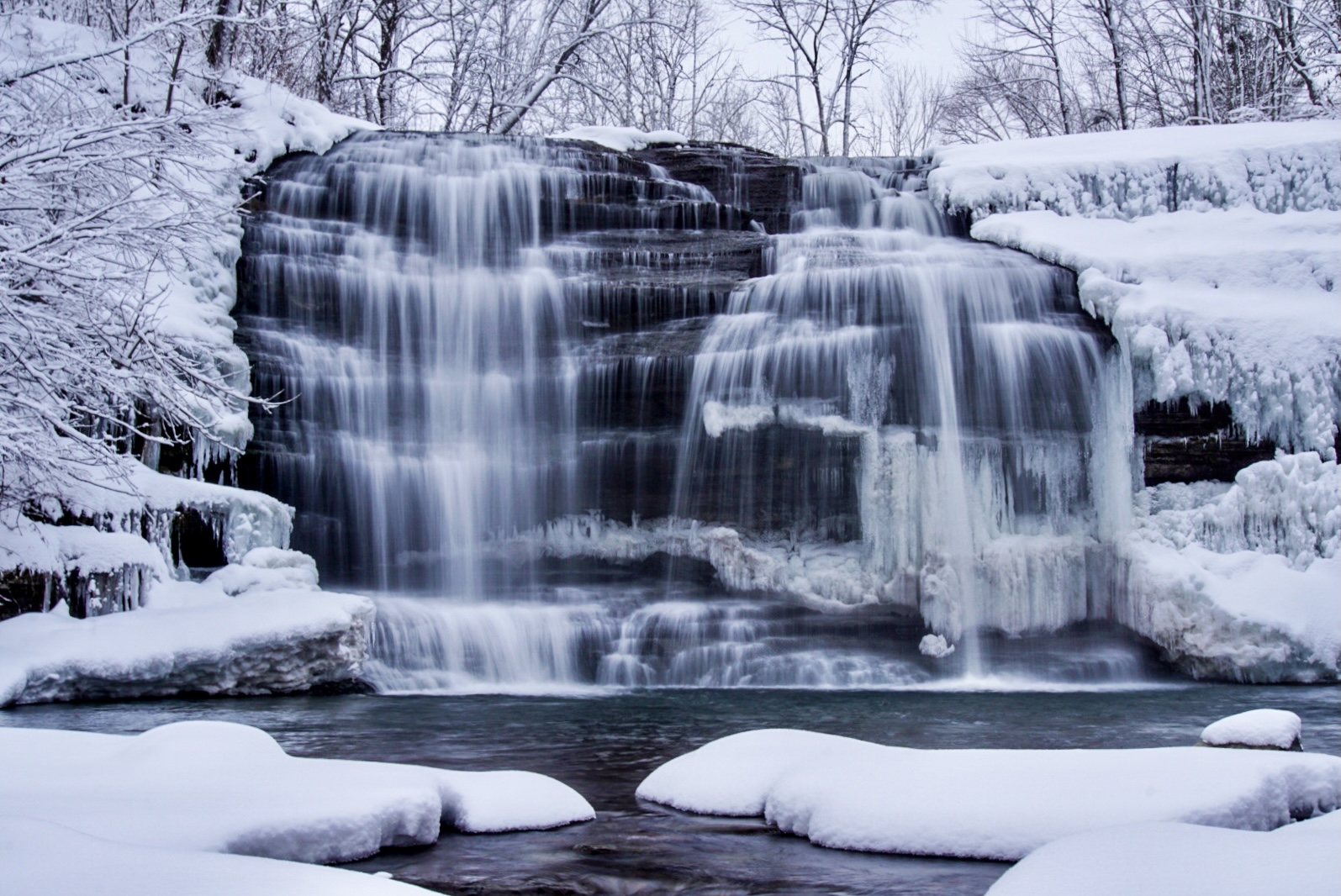
Everyone loves a waterfall chase. While some of our gorge trails are closed for the season due to the dangers of falling ice and snow, you can still experience the beauty and majesty of waterfalls in winter at:
- Niagara Falls State Park, Niagara Falls
- Letchworth State Park, Castile
- Stony Brook State Park, Dansville
- Taughannock Falls State Park, Trumansburg
- Pixley Falls State Park, Boonville
- Mine Kill State Park, North Blenheim
- Minnewaska State Park Preserve, Kerhonkson
- Peebles Island State Park, Waterford
- Taconic State Park, Copake Falls
Before you go, be sure to check conditions. Dress in warm, moisture-wicking layers and stay hydrated on the trails.
Maple Sugaring Across New York
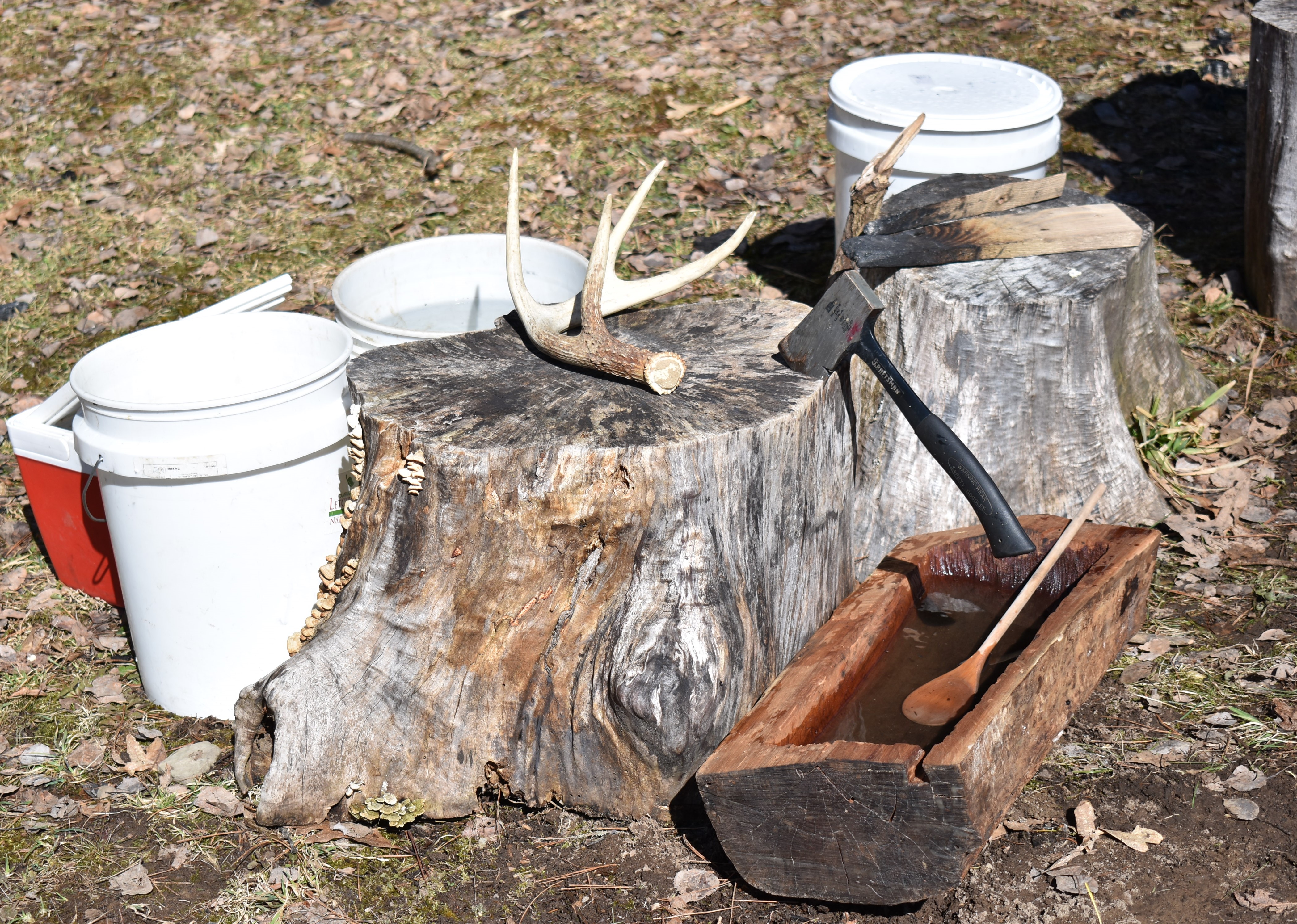
The winter season makes a sweet annual exit with maple sugar season. Lifelong New Yorkers may take it for granted in a state with a maple tree in every landscape and a sugaring hobbyist in every social circle. But New York is the second-largest producer of maple in the country and one of only a few states with this maple sugaring culture. The practice is rooted in Indigenous culture and was adopted by Europeans to become a central part of life in the northeast. We celebrate the maple industry and its rich heritage during the last two weekends of March with Maple Weekends. Several of our parks and historic sites are in on the excitement. Mark your calendar and bring your appetite!
— Written by Kate Jenkins, Digital Content Specialist
 New York State Parks and Historic Sites Blog