

If you’ve explored our Blazing A Trail Centennial timeline, you’ll know that the creation of New York’s state park system was influenced in part by two larger social movements: A new environmental conservation movement that sought to protect open spaces from development, and a growing social reform movement that sought to address the inequalities that arose during America’s Gilded Age of the late 1800s.
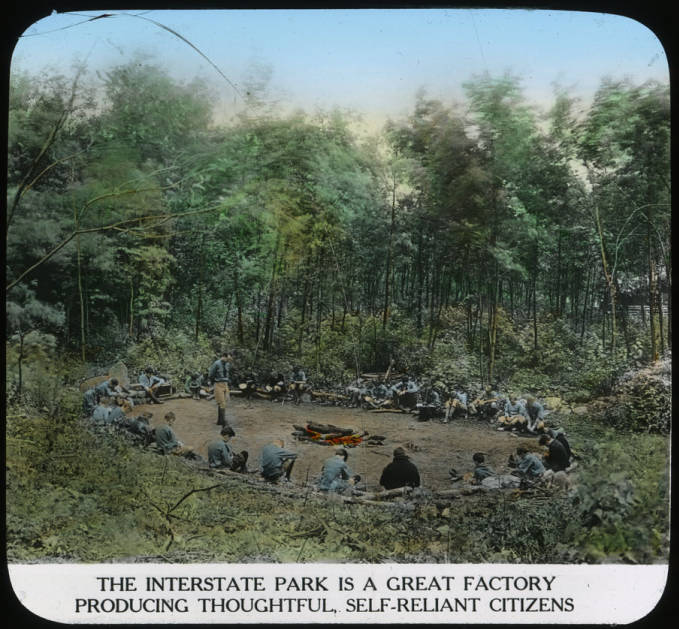

The state park system was founded on the value of the outdoors to public physical and mental health, and the pressing need to preserve land for public use. In a statement supportive of the 1924 State Park Plan, then-state senator Nathan Straus Jr. said:
“The city dweller often forgets that he is closely related to the other members of the animal kingdom. Like the other members, he loves the earth and the trees and craves contact with the soil. Sensing instinctively the need of the open country, the wealthy city man joins a golf club and organizes a fish and game reservation where he can enjoy camping and outdoor life. The city dweller of moderate means has the same cravings and the same needs. But when he takes his family out for a Sunday, or for a longer outing, he finds himself on a congested road hemmed in by private property, which is marked with the sign “No Trespassing.” Where is he to go? The answer is, the state park.”
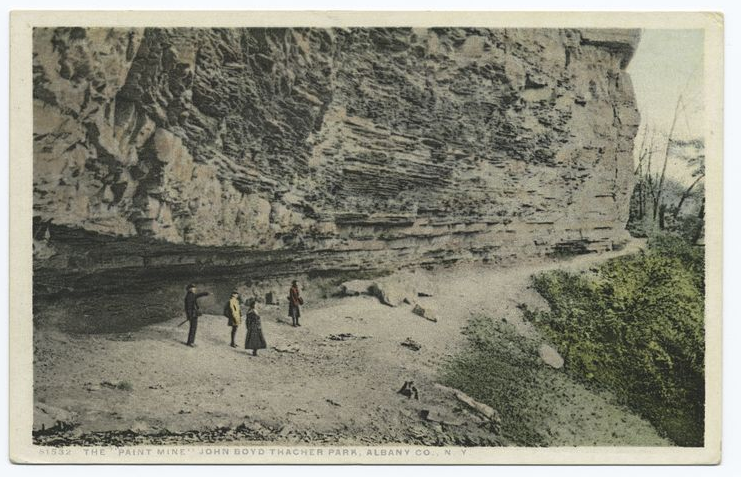
Through the creation of New York State Parks and the preservation of State historic sites, no longer were New York’s clifftop panoramas, forested retreats, or lake and ocean views open only to those who could afford cars or to purchase coveted real estate. They were available for the benefit and enjoyment of everyone.

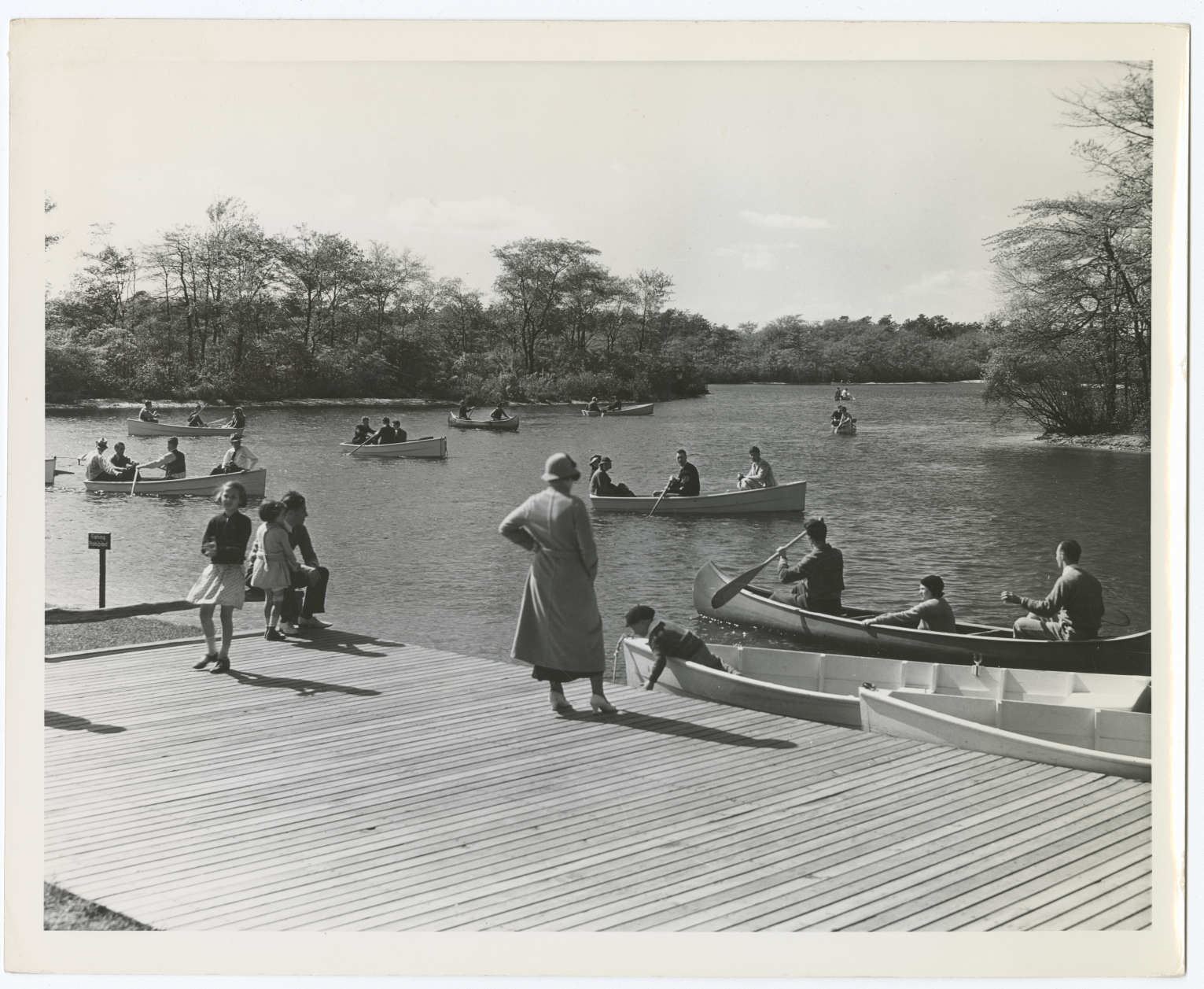
New Yorkers responded by the millions, flocking to these beaches, pools, lakes, mountainsides and meadows. Visitors to the early park system mostly enjoyed an afternoon outdoors, on trails, at picnic groves or by the water. Organized groups or hardier nature lovers camped overnight. During World War II, however, things began to shift. Gasoline and rubber rationing kept Americans at home, causing a lot of pent-up demand for recreation among the public.

At the end of the war, the system met the demand for all different kinds of affordable recreation. Ice rinks, tennis courts, soccer fields, ski areas and more offered New Yorkers a varied experience in affordable outdoor enjoyment – particularly for the proliferation of young families that was quickly coined “the baby boom.”
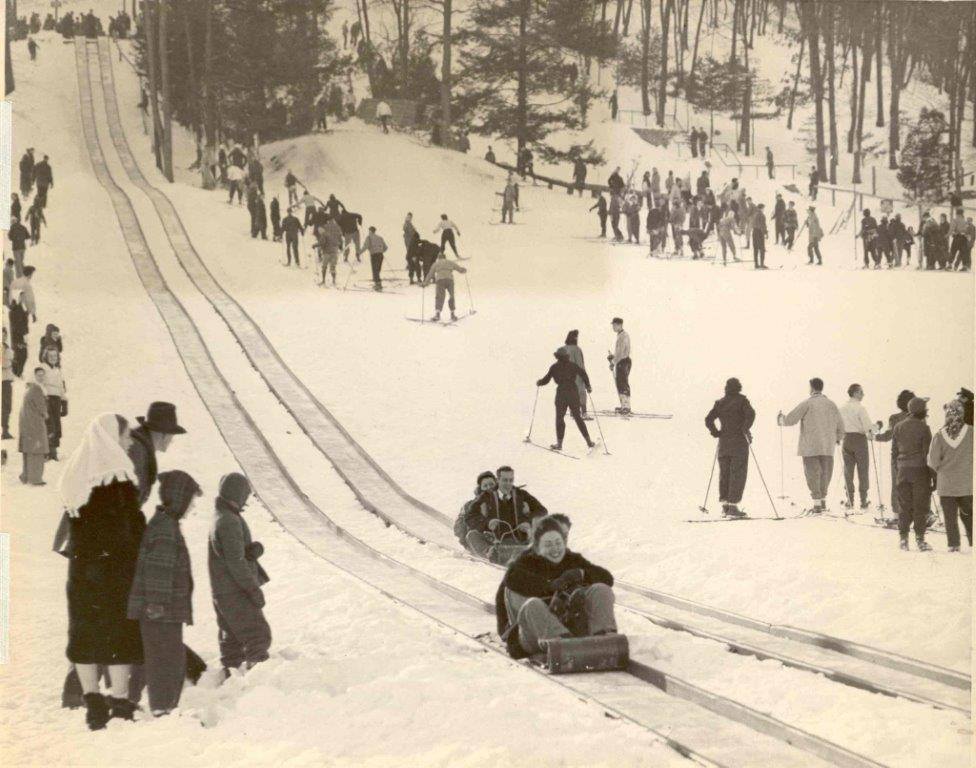
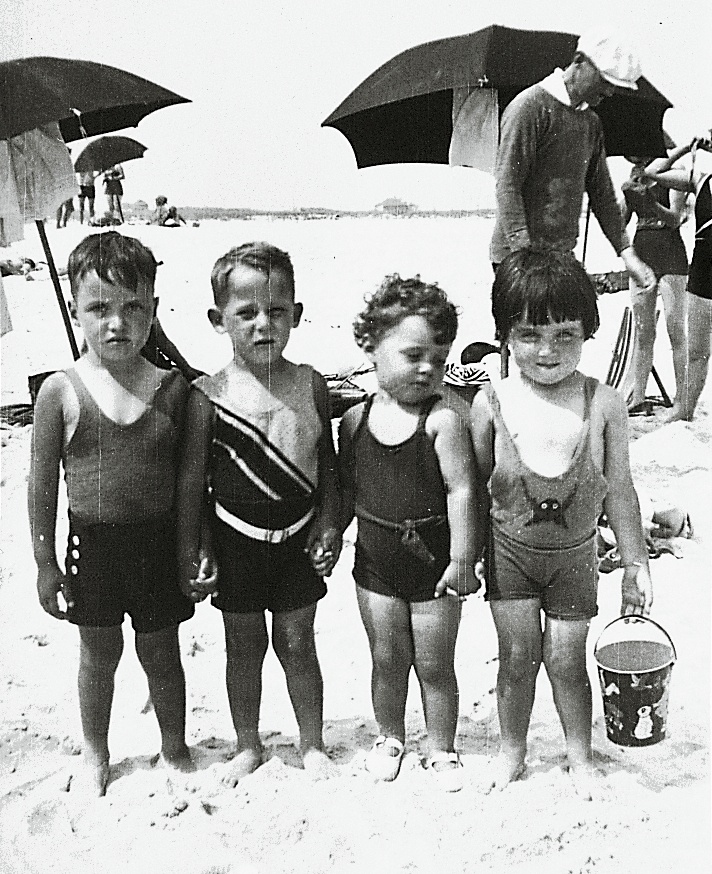
The parks became not just day destinations, but the ultimate affordable vacation.
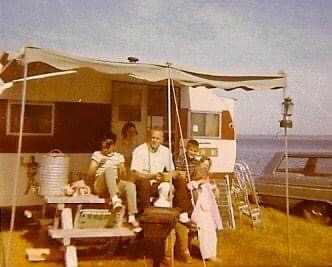
A new trend in camping took off around this time: the “car camper.” The 1969 Camping Guide noted:

“Judging by the number of campers with new equipment, family camping is one of the fastest-growing summer recreations…While camping was once an activity limited to Boy Scouts and hardy outdoorsmen, modern facilities at today’s campgrounds have widened its appeal to include practically anyone. Umbrella tents that pop up in an instant, sewn-in canvas floors and off-the-ground travel trailers have helped create a new breed of camper – what some people call the “backyard camper.” These are campers who demand all the facilities they have in their own homes – flush toilets, running water, hot showers, sewage and electric hookups. What’s important is the fact that more and more campground owners are installing such facilities. One result is that camping in 1969 is becoming more recreational and less challenging.”
Campgrounds expanded to meet the demand of “backyard” or “car” campers – still a popular pastime. The parks became not just day destinations, but the ultimate affordable vacation. People of most any means could spend a few nights under the stars together at a nearby state park, swimming and hiking during the day and building memories to last a lifetime.


Accessibility and affordability remain goals and rallying cries at State Parks into the 21st century. Currently, it costs $15 a night for New York State residents to camp at one of our parks. Vehicle use fees for day trips remain in the $6-$10 range — a maximum of $2.50 per person for a group of four to spend a day at the beach or on the trails. Greens fees at our golf courses are in line with other public courses and put this historically expensive hobby within reach of most New Yorkers.

New York State Parks has programs in place to lower costs even further. The Golden Park Pass allows New Yorkers over 62 to enter a park free of charge on non-holiday weekdays with their driver’s license or non-driver ID. The Access Pass permits residents of New York State with disabilities free or discounted use of state parks, historic sites and recreational facilities. The Lifetime Liberty Pass permits residents of New York State who are Veterans or Gold Star Parents, Spouses, or Children, free or discounted use of state parks, historic sites, and recreational facilities. Empire Passes cost $80 for a year and cover Vehicle Use Fees at all parks.
As costs of living continue to rise, State Parks remains true to its founding vision: a place where New Yorkers of all means can connect with nature, experience history, and enjoy a vacation or day out.
– Written by Kate Jenkins, Digital Content Specialist, Public Affairs
 New York State Parks and Historic Sites Blog