

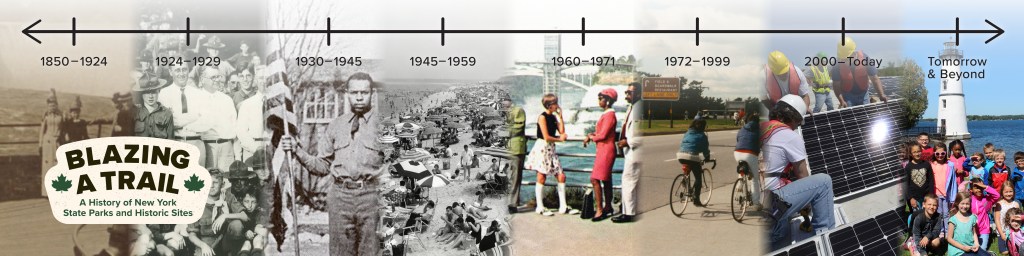
Following our 2024 Centennial anniversary, we will continue to share the story of New York State’s park and historic site system through our interactive history timeline, Blazing a Trail: A History of NY State Parks and Historic Sites. In recent months, we have added two eras detailing the latter half of the 20th century. Starting in 1960 and spanning to the turn of the millennium, these stories outline some of the largest periods of expansion in the system’s history and explore radical changes which defined the modern-day mission of New York State Parks.
Rockefellers’ World
One of the most influential families in New York and American history, the Rockefellers had a deep interest in conservation. In 1959, Nelson Rockefeller, son of John Rockefeller Jr., was elected as New York’s governor, introducing an era which would come to be known as the Rockefeller Period. During this period, New York State Parks would undergo significant changes and one of its most rapid periods of expansion since its inception.
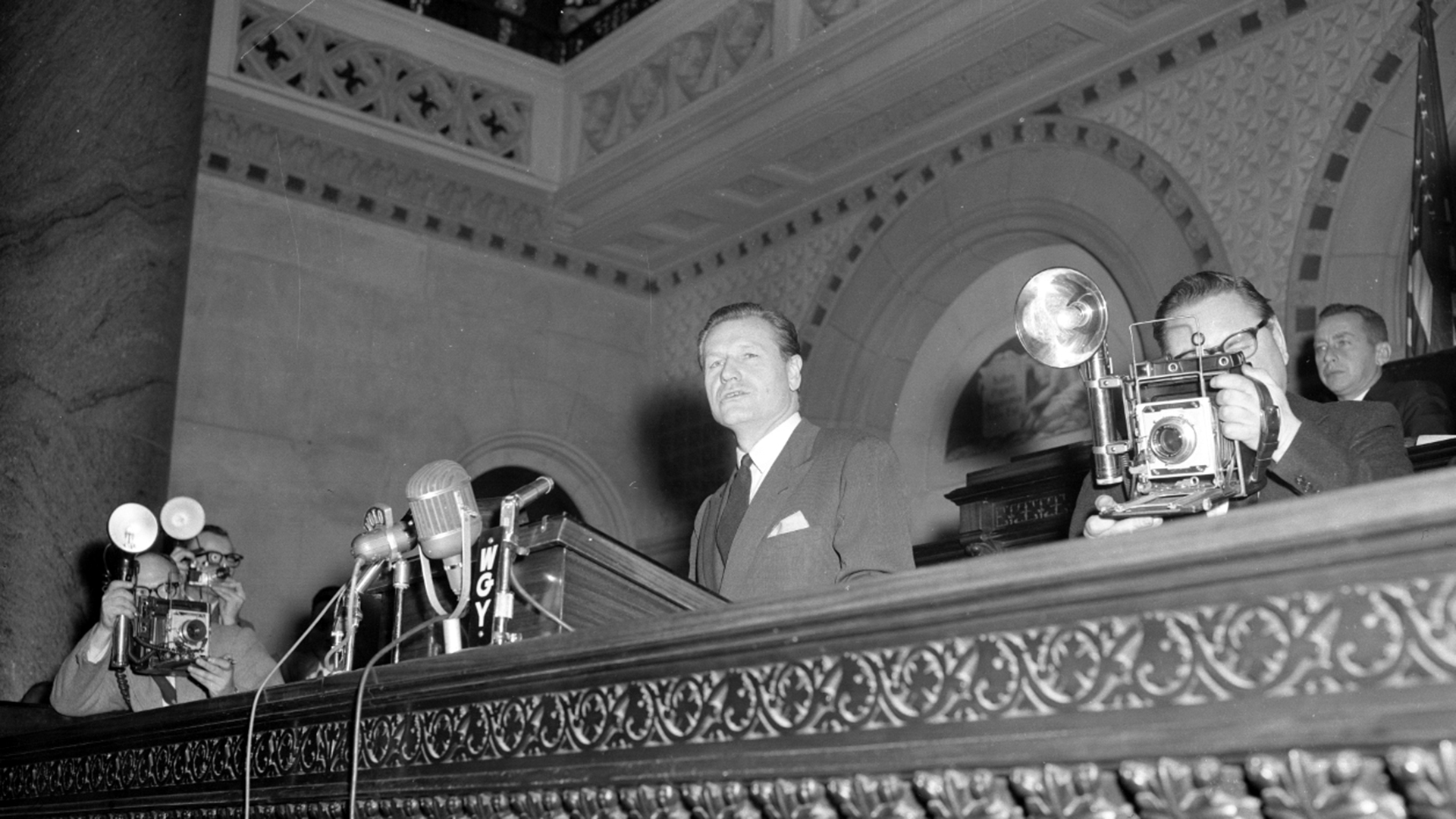
Following the resignation of Robert Moses, Governor Rockefeller tapped his brother Laurence S. Rockefeller to chair the State Council of Parks in 1963. With this move, the Rockefeller Period truly began at State Parks. Together, the Rockefellers ushered in fundamental and sweeping changes that created the version of the state park system that exists today.
Believing that outdoor recreation was important to the lives and well-being of everyday New Yorkers, and that state, county and local governments were responsible for providing recreational opportunities to all citizens, several bond acts were brought before voters to fund the Rockefellers’ vision. This vision included an emphasis on maritime recreation, the creation of new state parks and forest preserves, the introduction of state parks in New York City, investments in municipal parks, and recommitting to the preservation of New York’s history through state historic sites.

These efforts coincided with increased attendance at state parks and projections that attendance would double between 1960 and 1980. To meet this realized and projected demand, new concepts emerged for what state parks could be.
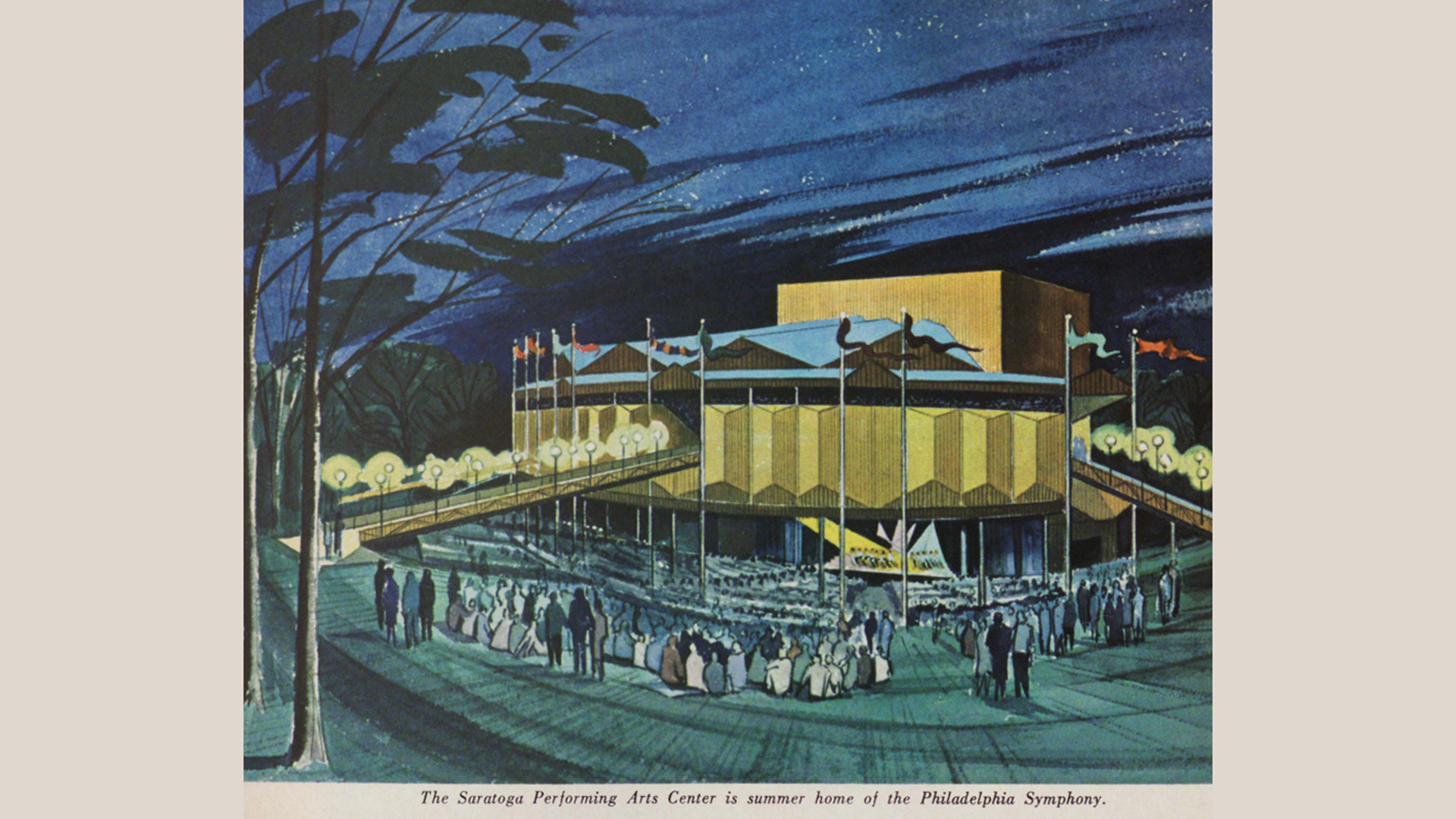
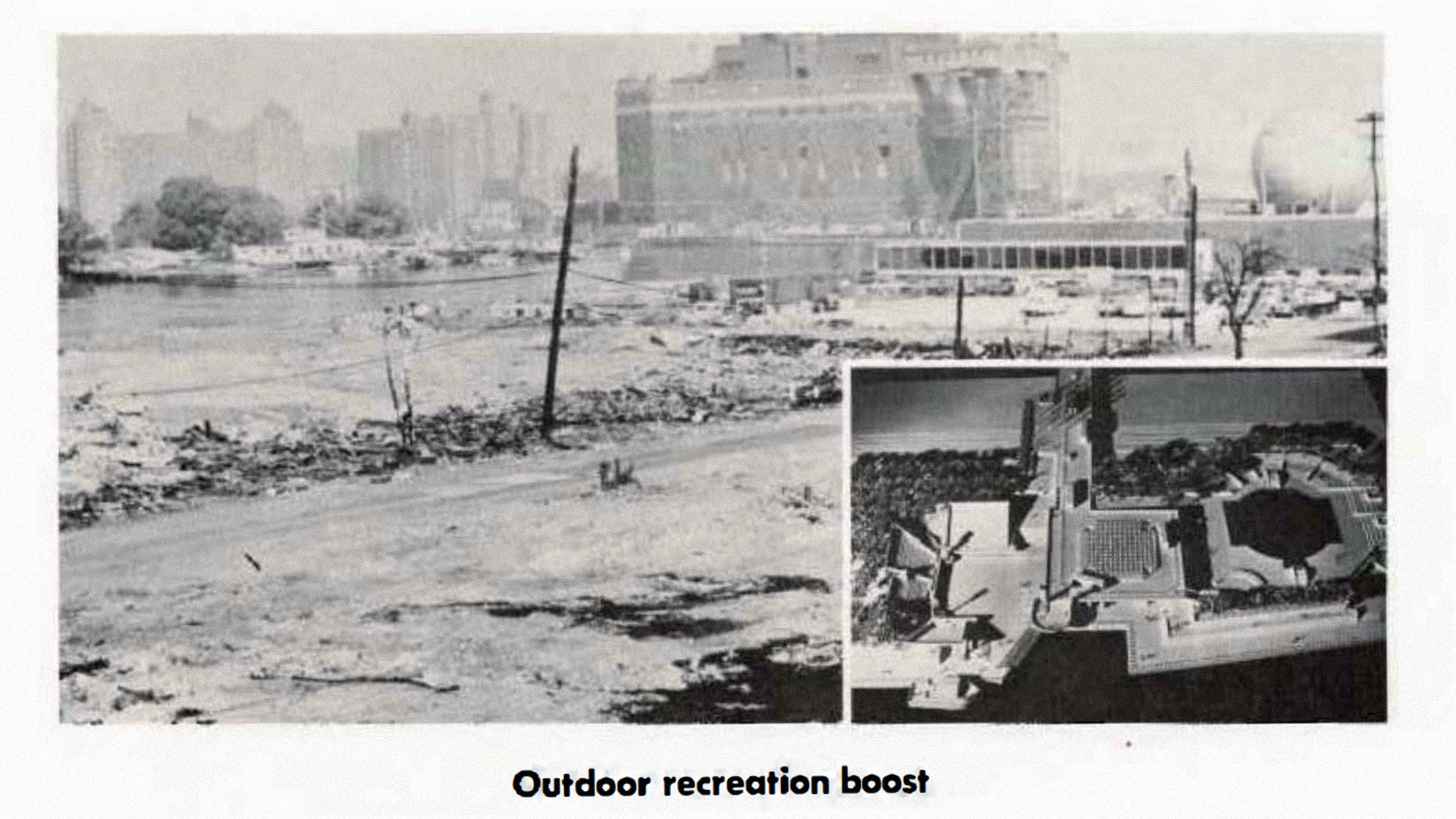
Laurence Rockefeller believed in a holistic approach to recreation which didn’t just focus on “traditional” forms of recreation, like hiking and camping. Experimenting with new park designs, the agency invested in previously-ignored urban areas and began to view art and history as valuable forms of recreation. This led to the development of the Saratoga Performing Arts Center at Saratoga Spa State Park, Old Croton Aqueduct State Historic Park, and New York City’s first state park, Roberto Clemente State Park.
During this period, the Conservation Department became the Department of Environmental Conservation. The Department’s Division for Parks became an independent state agency called the Office of Parks and Recreation. This moment that created the agency that we know today.
This only scratches the surface of one of our most detailed and intriguing additions to the ‘Blazing a Trail’ series yet. There’s so much more to learn about the Rockefeller Period, which saw the addition of more than 50 state parks, historic sites, and boat launches to the New York State Parks portfolio.
Late 20th Century
Following the dynamic growth of the Rockefeller period, State Parks’ leadership shifted again in 1975 with the appointment of Orin Lehman, who became the new agency’s longest-serving commissioner. Under his leadership, the system created parks in urban areas, expanded the concept of parkland, protected open space, preserved historic resources, and established programs to provide more New Yorkers with access to parks and historic sites.
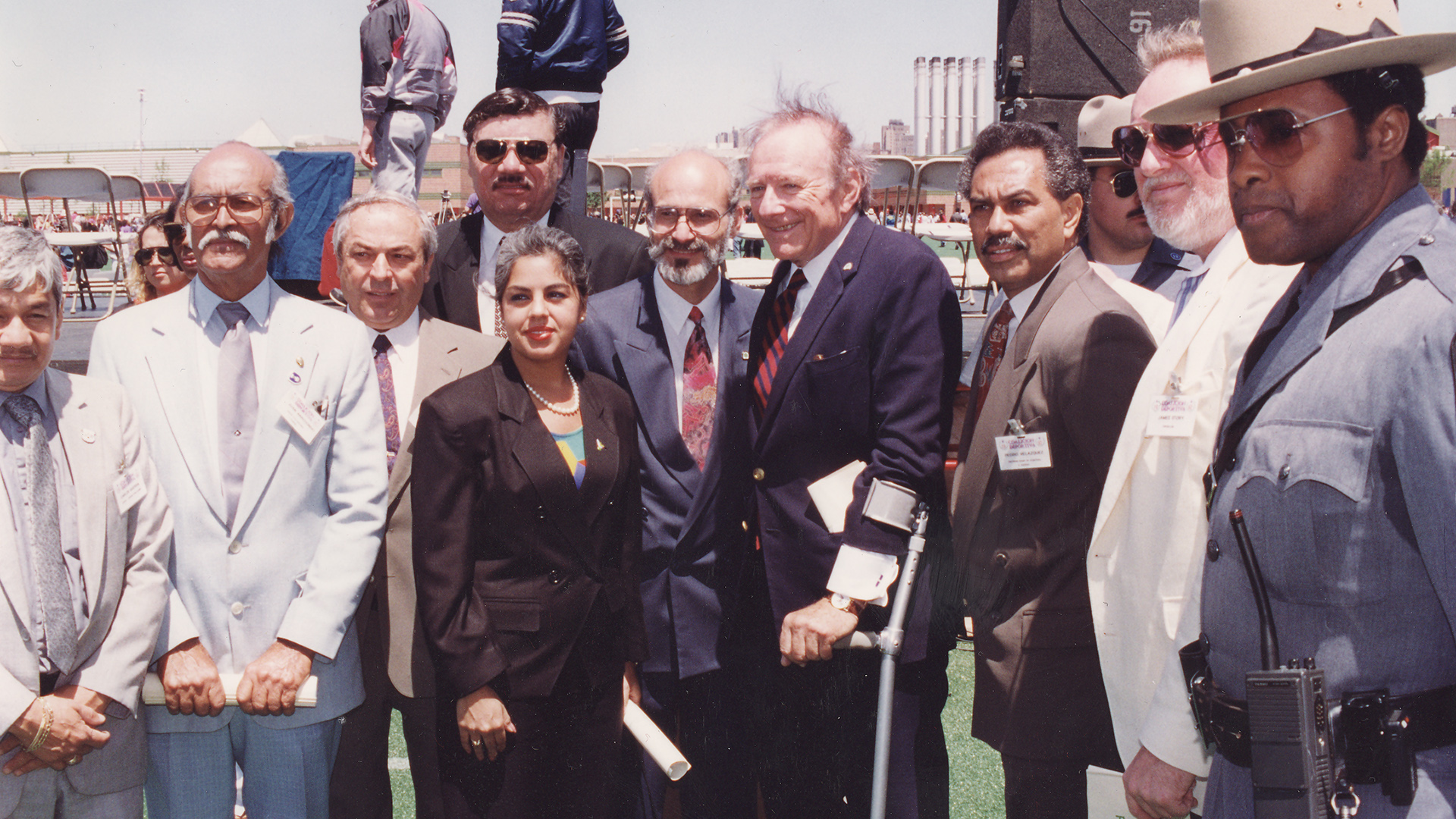
As a disabled veteran, one of Lehman’s priorities was increasing access to state parks and historic sites. Despite a tightening of the state budget amidst a national economic downturn, Lehman implemented the Access Pass and Golden Parks Pass programs, allowing disabled and older New York residents free use of state parks and historic sites. The few system expansions in the late 1970s were primarily in New York City, including Clay Pit Ponds State Park Preserve as well as Riverbank and Bayswater Point State Parks.
With the passage of the New York State Historic Preservation Act of 1980, the agency took on a more active role in the preservation of New York’s history. This coincided with federal efforts to prioritize historic preservation, sparked by the Bicentennial of the United States. This legislation established a State Register of Historic Places as a complement to the National Register of Historic Places. Today, more than 6,000 properties have been added to the State Register. The commitment to historic preservation was cemented in 1981 when Governor Hugh Carey officially renamed the agency to the Office of Parks, Recreation and Historic Preservation. The agency name has remained ever since, reflecting the importance of the work of the Division of Historic Preservation.
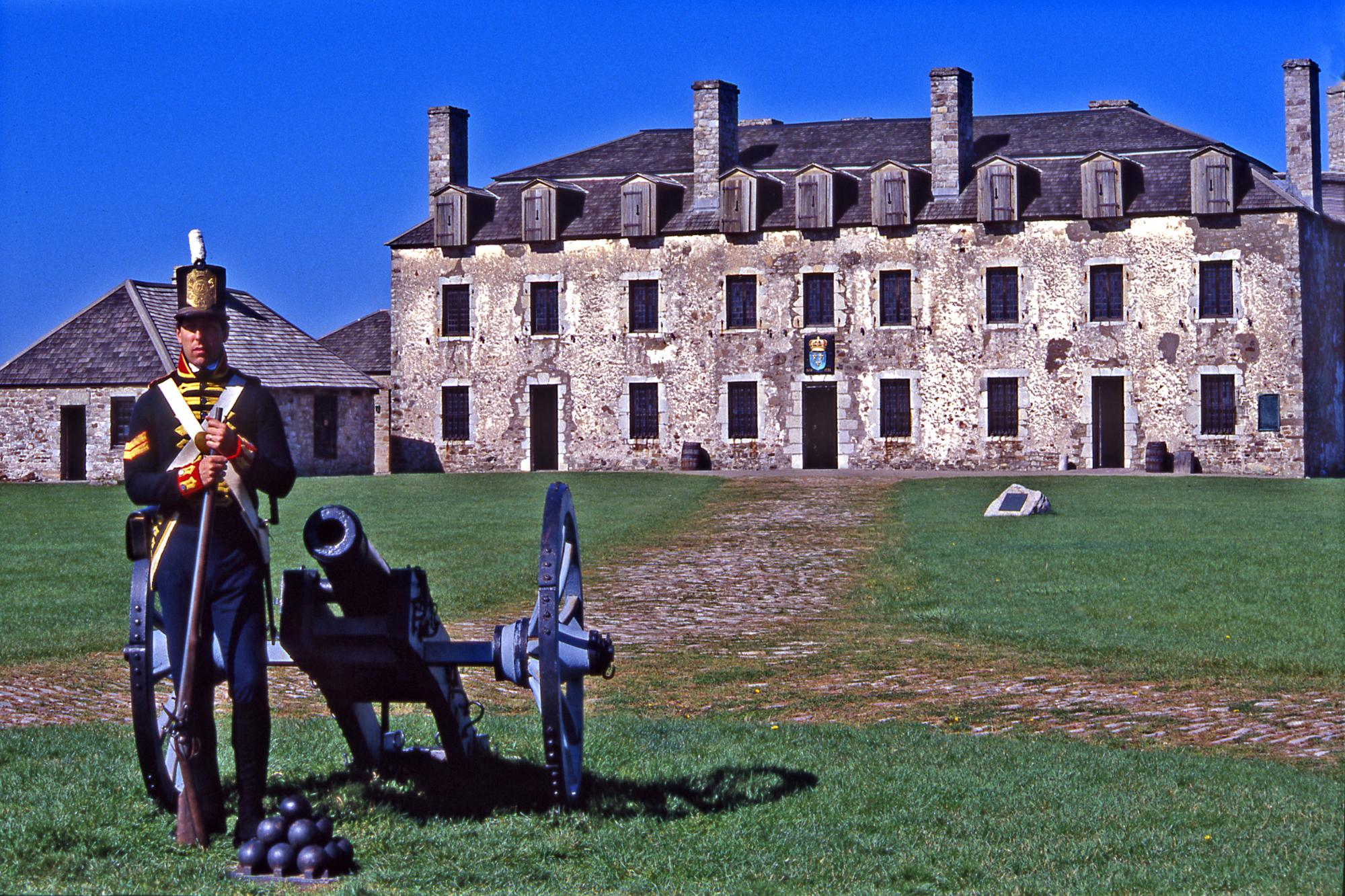
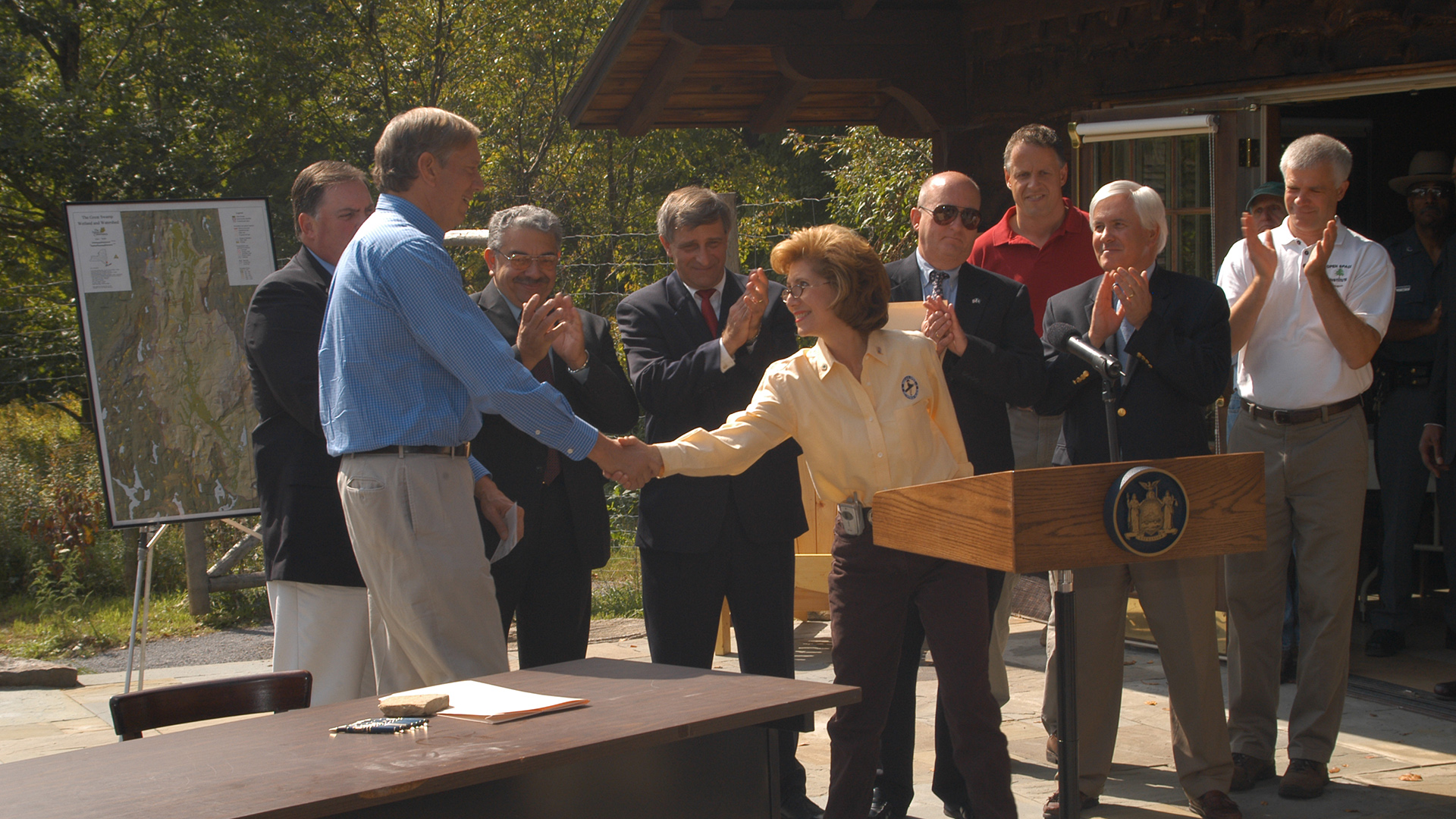
By 1995, Governor George Pataki and Commissioner Bernadette Castro were able to focus once again on expansion of New York’s State Parks system. Together, they worked towards the goal of preserving one million acres of open space. During the 12 years of the Pataki administration, 26 new state parks were added to the system, and State Parks’ land holdings increased by over 67,000 acres, to total 323,822 acres. One of the more significant acquisitions was Sterling Forest State Park, which protected 15,800 acres of woodland 40 miles northwest of New York City. This commitment to open space continues to guide the work of New York State Parks.
Follow Along with our Progress
Check back regularly for new eras and more stories. We’re thrilled to have you on this journey with us to learn about one of the nation’s first and largest system of parks and historic sites.
— Written by Jennifer Robilotto, Public Affairs Assistant
 New York State Parks and Historic Sites Blog