
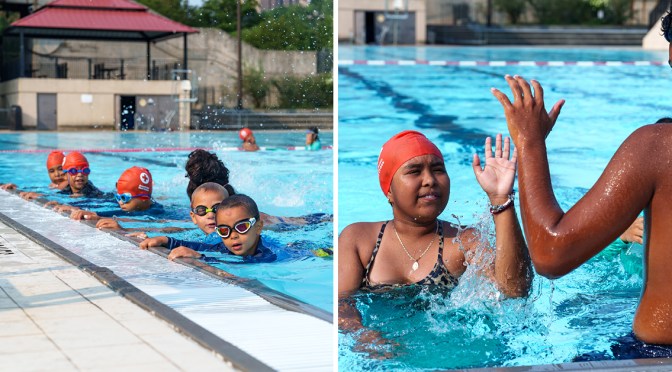
Swimming and State Parks: name a more iconic duo! In ‘The Centennial Pulse of the Parks’ survey by Open Space Institute, 39 percent of our visitors named swimming as their favorite state park activity. From expansive beaches on the ocean and Great Lakes, to small beaches along the lakes and rivers throughout the state, and pools and spraygrounds in cities and near campgrounds, there’s a place for everyone to swim.
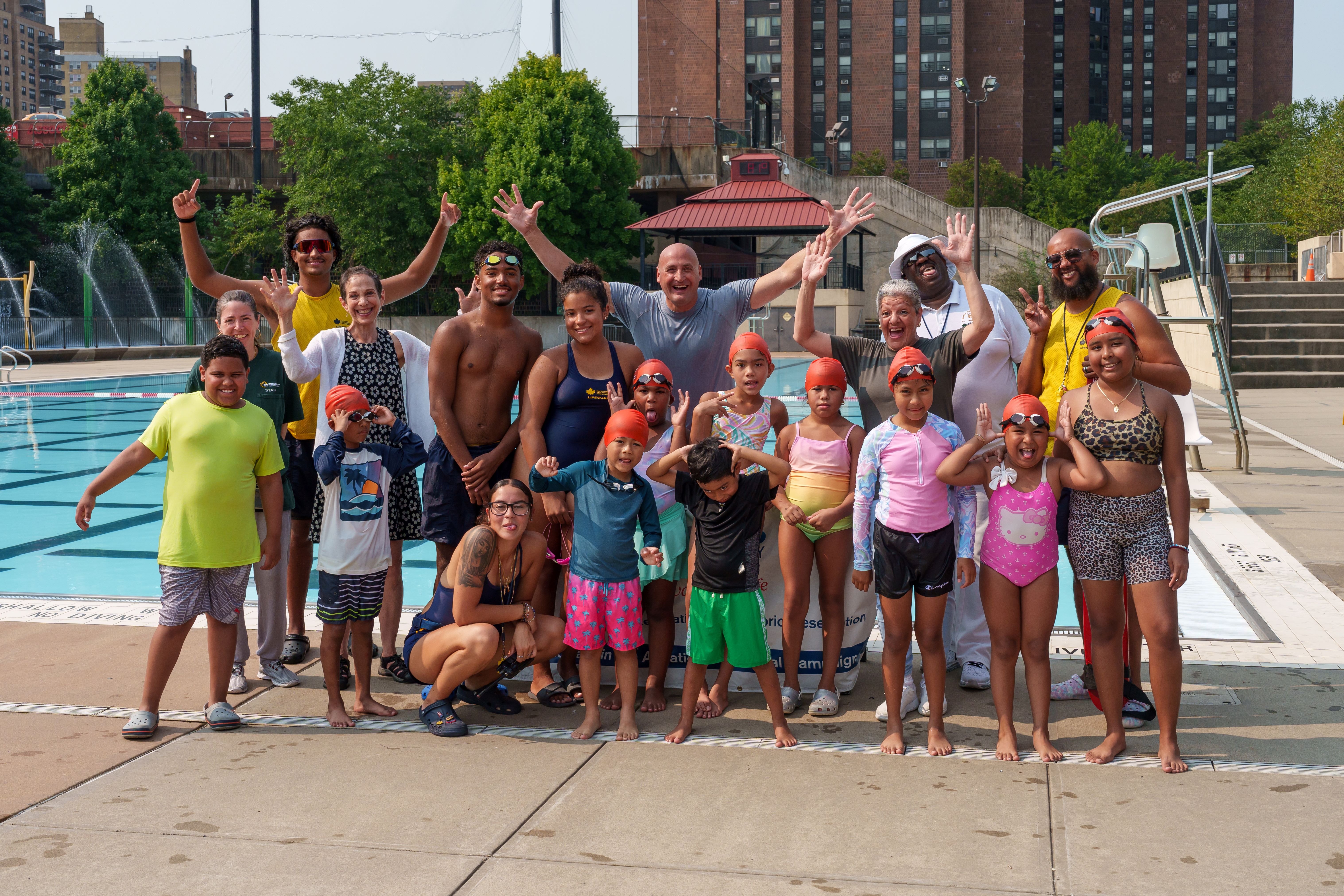
Last year, our agency took the lead on NY SWIMS, a new public swimming initiative. We operated 22 Learn to Swim programs in 2024 and graduated more than 2,000 children – triple the previous year’s numbers. We encouraged swimming by waiving the fees for all pools, and kept people safe once they arrived with free sunscreen. Our agency also started bringing swimming into New York’s communities by distributing $150 million in grants to municipalities to improve their pools and beaches.
New York is building on last year’s success and NY SWIMS is back in 2025. The summer ahead will include more Learn-to-Swim programs, more grant funding for communities, and additional progress towards improvements at our facilities.

This is more than just fun in the sun. Expanded public swimming improves New Yorkers’ physical and mental health, strengthens communities, and cools people off during the hotter days projected due to climate change. Most importantly, it will reduce drownings.
On average, 11 people drown every day in the United States during the summer. Drowning is the leading cause of death among children aged one to four in the United States, and the second-leading cause of death for children aged 5 to 14. Last year, we shared some safety tips. For the summer to come, Jones Beach lifeguard Cary Epstein offers his swimming safety tips to prevent tragedy.
A Jones Beach Lifeguard’s Tips On Swimming Safe
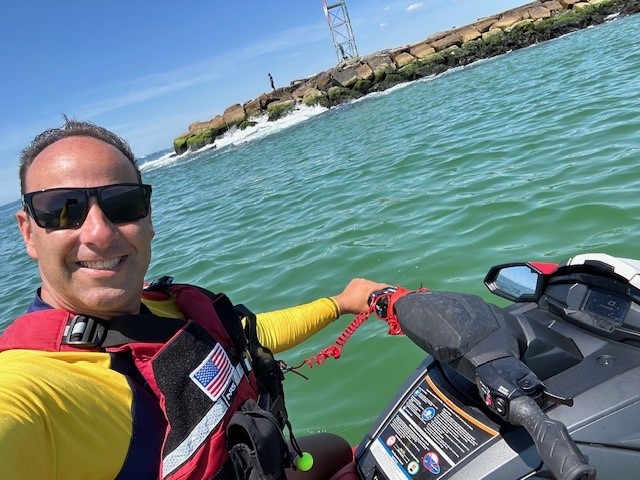
As a lifeguard with 28 years of experience, I’ve witnessed just how quickly water-related accidents can occur—sometimes in mere seconds. Whether at a crowded public pool or a seemingly calm beach, I’ve seen instances where a momentary lapse in supervision or a simple misjudgment of swimming ability has led to dangerous, and sometimes tragic, situations. I’ve also seen how easily these accidents can be prevented when proper safety measures are in place. Simple actions like enforcing strict supervision, understanding water conditions, and ensuring that children receive swim training make a life-saving difference. While swimming remains one of the best ways to stay active, enjoy time with family, and beat the summer heat, it is essential that parents and caregivers recognize hazards and take steps to keep everyone safe in and around the water.

Always swim near a lifeguard! Lifeguards are trained to spot dangers before they become emergencies, provide immediate assistance, and enforce safety guidelines that protect everyone in the water. Their presence can be the difference between a safe, fun day and a tragic accident.
Never enter the water to rescue someone unless you are a trained lifeguard. While the instinct to help is natural, untrained rescuers often become victims themselves. Instead, call for help immediately, throw a flotation device if one is available, and direct the distressed swimmer to kick and float until professional help arrives. #Throw #DontGo
No matter what time of year it is, here are some key swim safety reminders that everyone needs to know to prevent your day from turning tragic.
1. Constant Supervision is Critical. Never take your eyes off a child in the water. Drowning happens quickly and often silently. Even if there’s a lifeguard on duty, parents and guardians should always stay alert and close by. A lifeguard is a critical layer of protection, but they are watching over many swimmers at once!
2. No Distractions. No Exceptions. Put the phone away, avoid reading, and stay fully present. It only takes a moment for a child to slip under the water unnoticed. Being “water smart” means making supervision a full-time focus while kids are swimming. Take your job seriously and pay attention!
3. Know the Signs of Drowning. Unlike in movies, drowning is often silent and doesn’t involve dramatic splashing. Signs of distress may include a person remaining upright in the water but unable to move forward, bobbing up and down without making progress, or tilting their head back with their mouth at water level. Someone in trouble may also be trying to climb an invisible ladder, have their arms out to the sides pressing down, or be unable to call for help due to struggling to breathe. If you notice these signs, act immediately by calling 911 or a lifeguard.
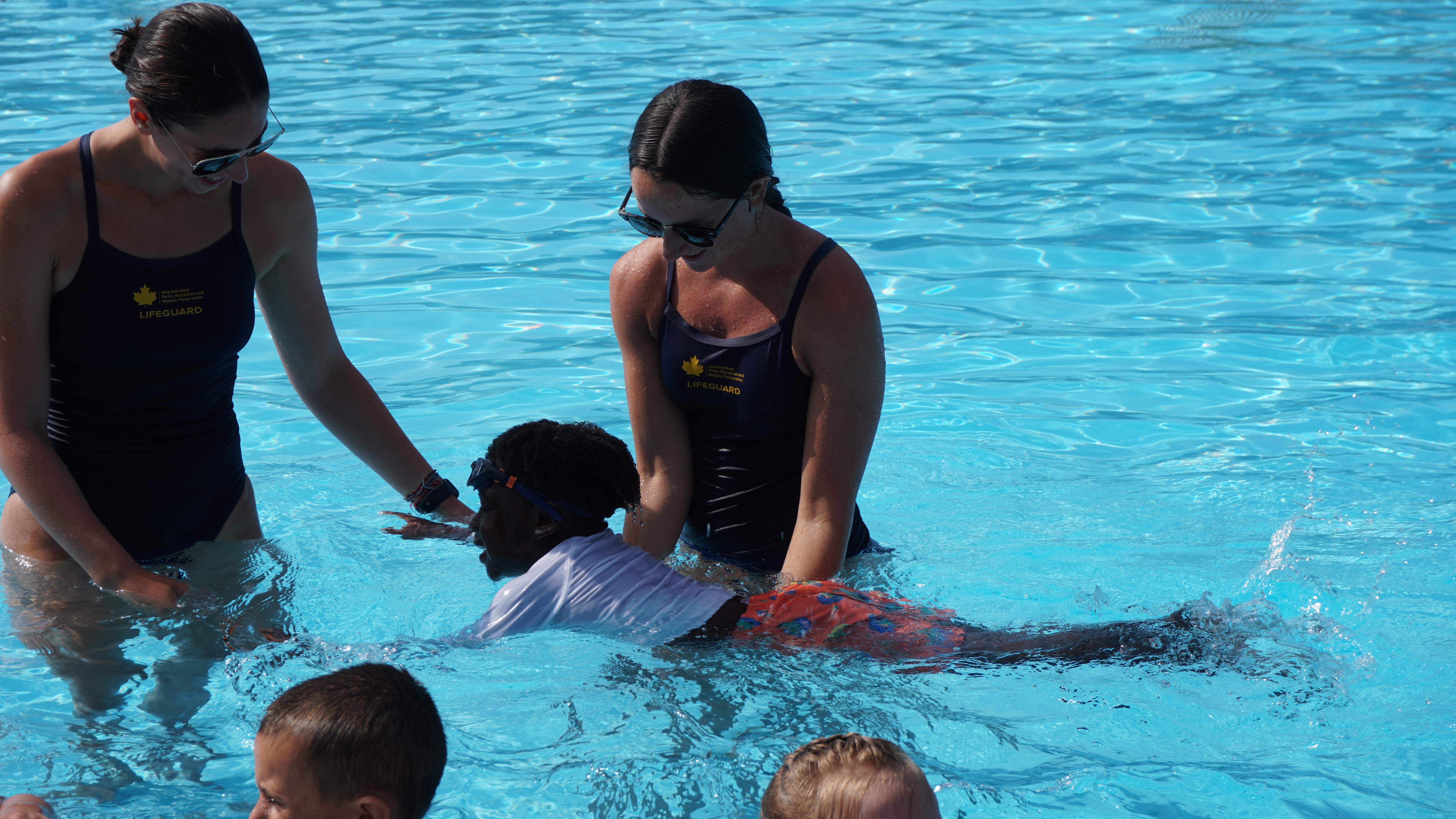
4. Swimming Lessons Save Lives . Enrolling kids in swimming lessons isn’t just about teaching them strokes—it’s about equipping them with life-saving skills. NY SWIMS has already helped thousands of kids gain confidence in the water, and with the program’s expansion, even more families will have access to these critical lessons.
5. Follow the Rules. Pool and beach rules are there for a reason. Teach children to respect depth markers, never run near the water, and always enter feet-first. Rules help prevent accidents! Check with your local lifeguards for the rules at your beach or pool.
6. Life Jackets for Non-Swimmers. If your child isn’t a strong swimmer, they should wear a properly fitted U.S. Coast Guard-approved life jacket in open water settings. Floaties and inflatable toys are not substitutes for safety equipment! Make sure you ask your local lifeguard first if these are permitted. Different facilities have different rules about what to wear in the water.
7. Stay Sober While Supervising (and Swimming). This cannot be emphasized enough. Alcohol and swimming do not mix, and that includes parents watching children. A clear mind and full attention can prevent tragedy.
8. Sand Safety. Avoid digging deep holes at the beach! The general rule of thumb should be no more than waist deep on the shortest person in your party. Digging deep holes can be dangerous, as all of that sand is unsteady! Sand collapses have caused deaths across the U.S. in recent years. Always fill in any holes before leaving to ensure safety for others.
9. Check Water Conditions. Before swimming in open water, ask about strong currents, sweep, underwater hazards, or water quality alerts. Talk to the lifeguards on duty. Ask them about the conditions and what you need to know. Look for signs and or designated colored flags. If you are not sure, ask the lifeguards what they mean. If conditions are unsafe, stay out of the water.
10. Know CPR and Emergency Procedures. Being trained in CPR and knowing what to do in an emergency can save a life. Consider taking a class and always have a plan in case of an accident.
As New York State Parks and NY SWIMS continue to teach new generations how to swim and enjoy the water, it’s essential that we all do our part to create a culture of water safety. By staying vigilant, learning life-saving skills, and making smart decisions around the water, we can ensure that everyone enjoys a safe and fun swim season.
— Written by Kate Jenkins, Digital Content Specialist, and Cary Epstein, Jones Beach Lifeguard.
About Cary Epstein
Driven by a deep passion for education, Cary has devoted his career to ensuring swimmers can enjoy the water safely. He is a dedicated advocate for stronger swim safety initiatives and expanding access to swimming education throughout New York.
Cary was honored as New York State Lifeguard of the Year in 2017 and is an active member of the Long Beach Fire Department’s Water Rescue Team and Rescue Company, serving as an Emergency Medical Technician. He is also a skilled rescue watercraft operator and lifeguard drone pilot, and has co-authored a book with fellow Jones Beach lifeguard Cameron DeGuzman.
While not lifeguarding during the school year, Cary serves as a full-time professor and Assistant Dean in the College of Education, Information, and Technology at Long Island University.
 New York State Parks and Historic Sites Blog
One thought on “Ready, Set, Swim Safely!”