
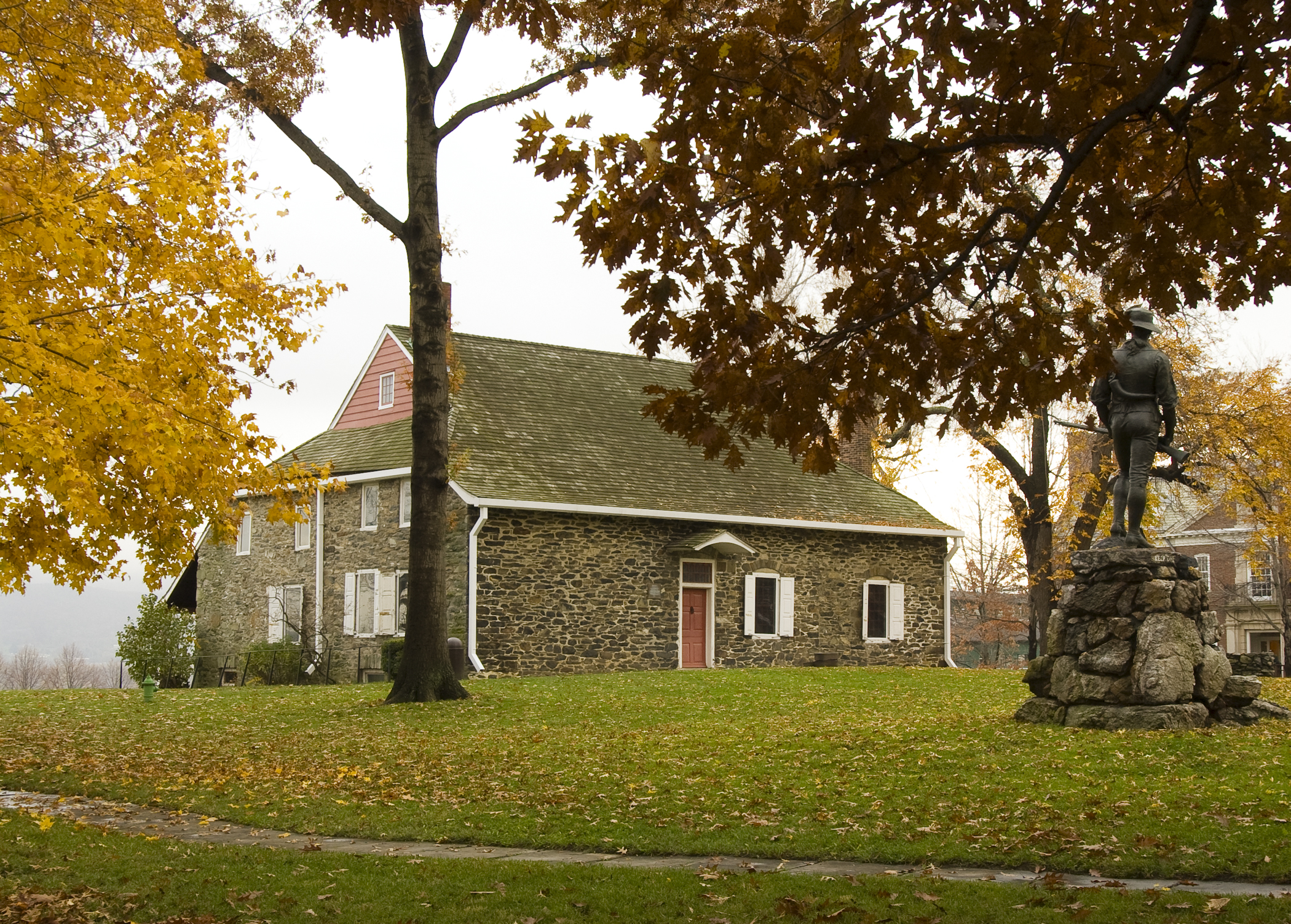
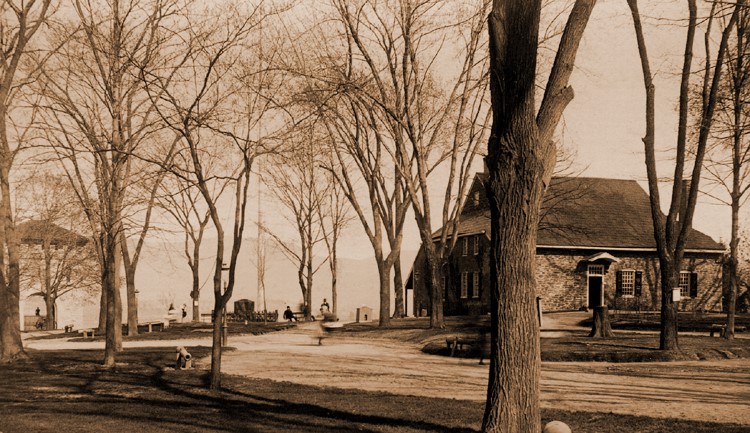
In April 1850, the 1750 Hasbrouck House in Newburgh was transformed into New York State’s first state historic site: Washington’s Headquarters State Historic Site.
Since then, New York State has collected objects, archival materials, and other items related to New York’s history. 2025 marks the 175th anniversary of New York’s state historic sites – which now number over 35 locations, over a million historic objects, and over three million archaeological objects.
What did New York’s first state historic site first collect? Initial items were related to the American Revolution because of General George Washington’s use of the Hasbrouck House as his headquarters from April 1782 to August 1783.
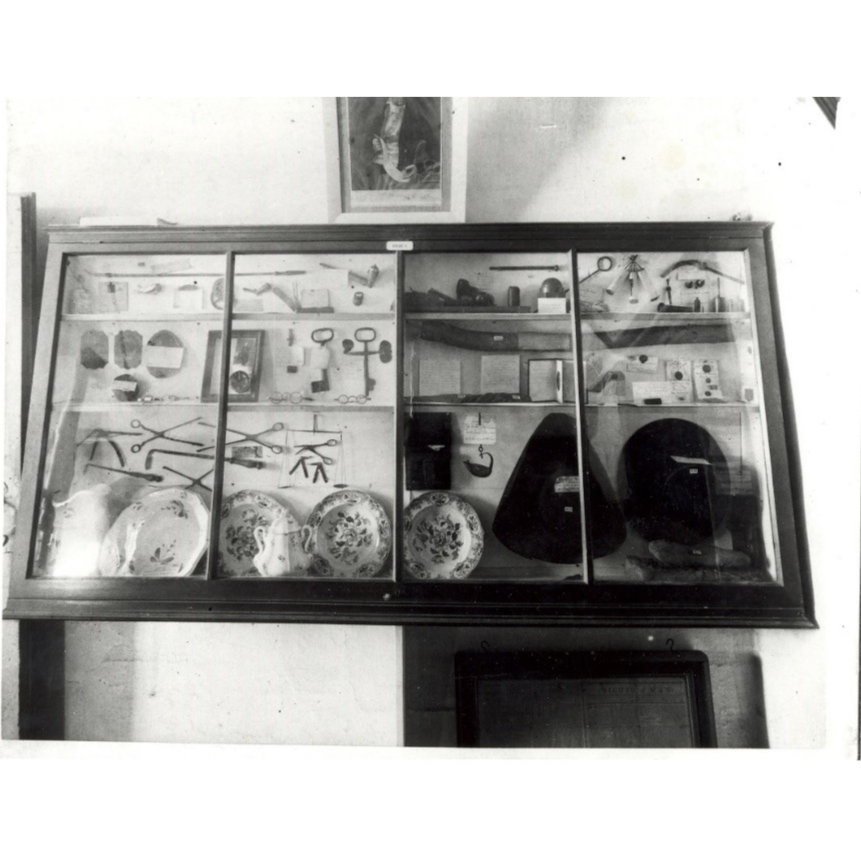
Initially contained within the historic Hasbrouck House, the growing number of historic objects began to overwhelm the space. The “cabinets of curiosities” display style was common in museums at that time, but the volume of items soon required a separate building. On May 25, 1910, the Museum Building opened and the site’s collections expanded to include items related to local history, the Civil War, and other objects that the public thought were interesting and worth displaying. Early records indicate some of the oddities included a skeletal fish head and a petrified chicken.
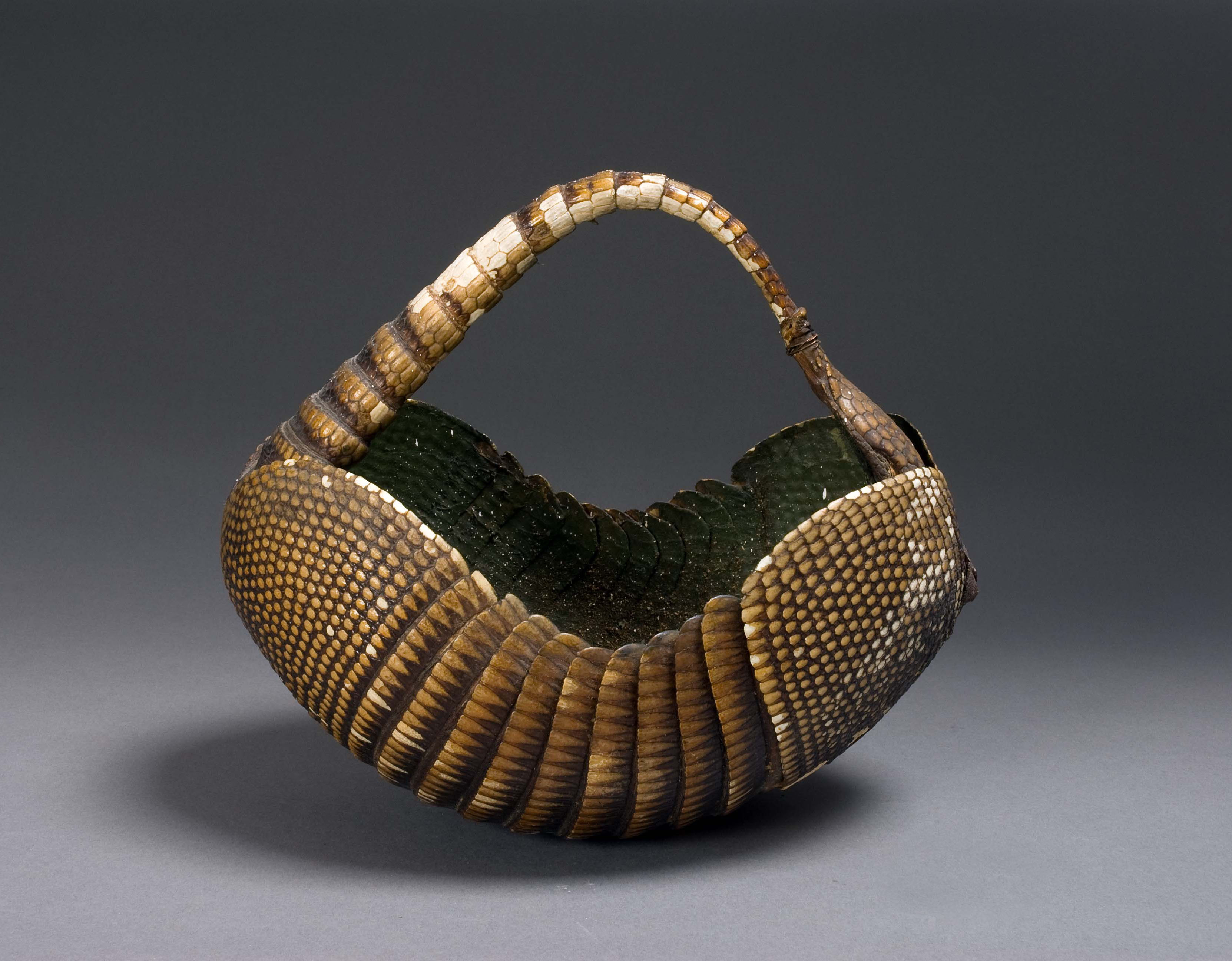
Now there are over 7,000 objects in Washington’s Headquarters collection. Some of these items are on display in the museum’s public galleries. Others furnish the Hasbrouck House as it might have been during George Washington’s time there.

Given the breadth of this impressive collection, many items originally donated to Washington’s Headquarters are displayed today in exhibits or used to furnish houses at New York’s other state historic sites.

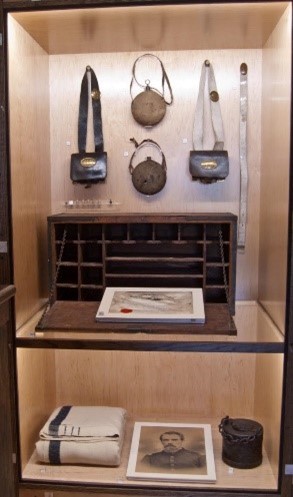
Like most museums, most of the historic collections of Washington’s Headquarters are in storage. Many will soon be publicly accessible through a online database. Information about this new resource will be released later in 2025.
Historic collections connect us to the past and tell so many different stories about the people and events of New York State. To memorialize the 175th year of collecting for New York State, let’s take a peek at a few of some of the old, new, curious, and quirky treasures from New York’s first state historic site: Washington’s Headquarters.
From the Collection: Washington’s Headquarters State Historic Site
Revolutionary War Period Items (1770s-1780s)
According to site staff, the most popular and sought-after items to view by visitors and groups are the artifacts from the American Revolutionary War, such as the ones below:

Object: Since uniforms were in short supply, many Continental soldiers often chose to wear linen hunting shirts instead of a uniform coat. This is a rare surviving example believed to have been used by Captain Cornelius Van Wyck, who died at the Battle of White Plains in 1776. [Bequest of Enoch Carter, WH.1971.49]
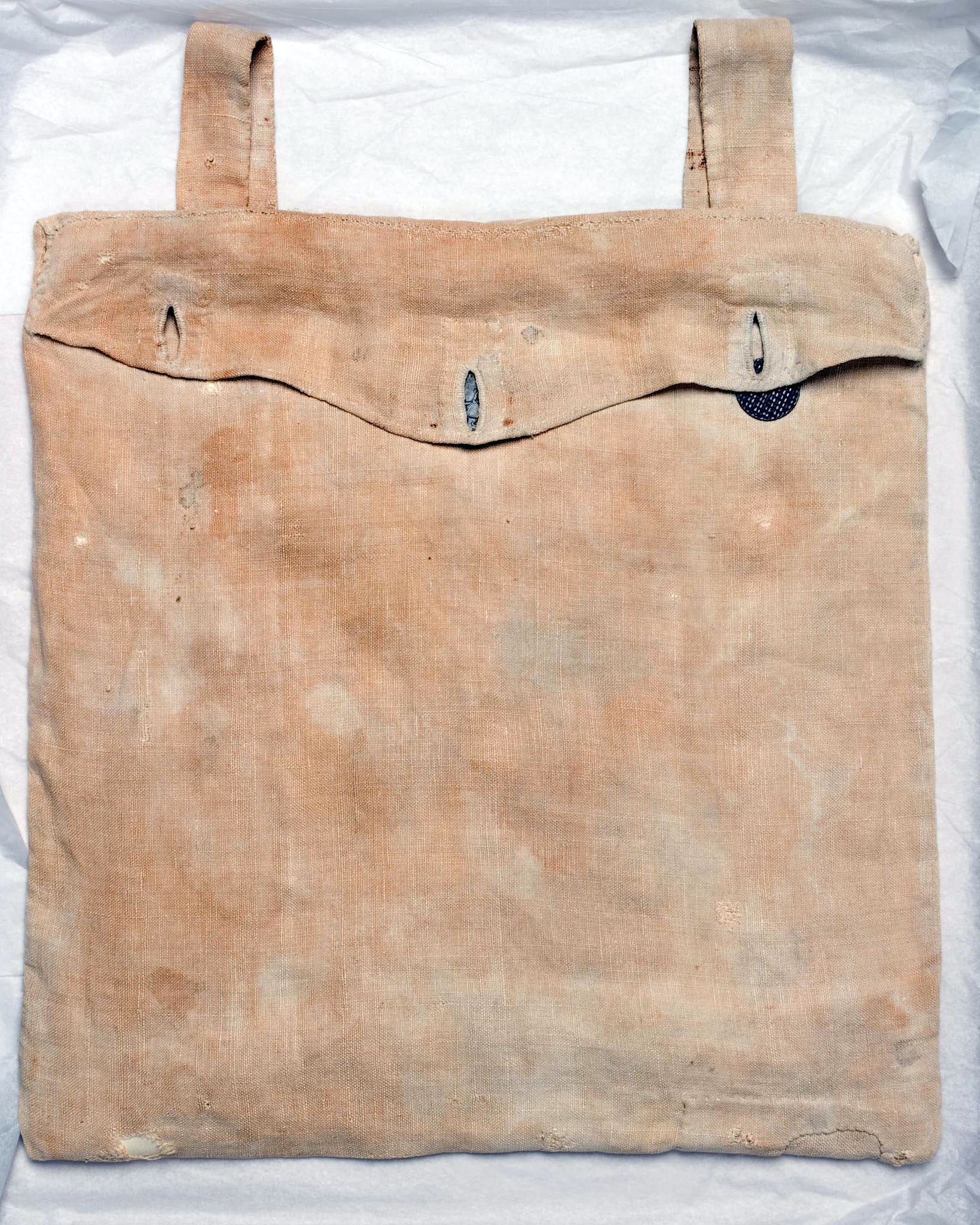
Object: This linen knapsack or haversack belonged to David Uhl, a militia captain during the Revolutionary War. It is believed he used this when he joined the Dutchess County militia. County militia were groups of part-time soldiers recruited by counties who represented the newly independent states instead of the Continental government. These troops were the bulk of the fighting forces and supplemented the professional Continental Army. [Bequest of Enoch Carter, WH.1971.47]

Object: This American silver-hilt hunting sword and scabbard (sword cover) were made by John Bailey at Verplank’s Point, New York, in the late 1700s (based on maker’s marks on the sword). They were supposedly recovered from a British officer at the Battle of Saratoga in 1777. It could be that a British officer acquired the sword while stationed here during the French and Indian War, or, like many historic objects, the actual events may have been conflated as the object was passed down through later generations. [Gift of William H. Finch, WH.1971.139.AB]
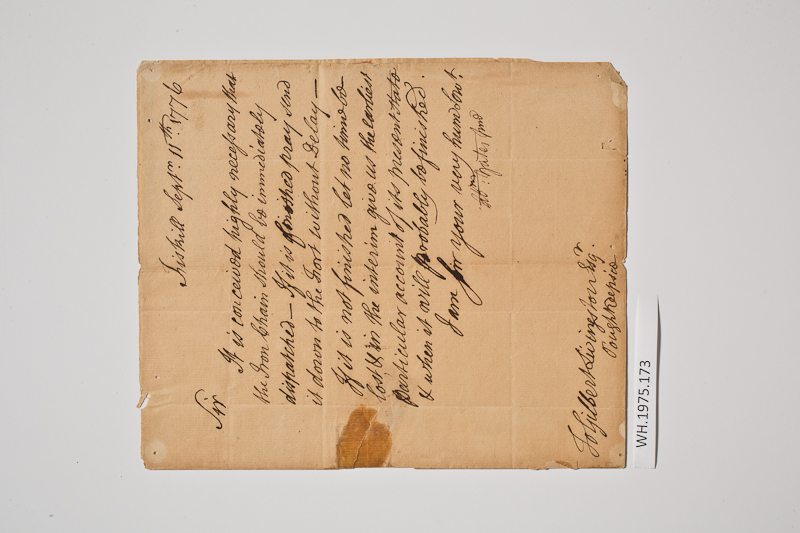
Archival Material: This letter from Abraham Yates to Gilbert Livingston on September 11, 1776 requests “the iron chain should be immediately dispatched” for the defense of the Hudson River. This letter is part of a larger archival collection of papers related to the “Secret Committee,” a group of people that General George Washington tasked with defending the Hudson River from the British during the American Revolutionary War. [Gift of James Clinton Bolton, WH.1975.173]
Revolutionary War Commemorative Items (1870s-1880s)
Washington’s Headquarters hosted many celebrations and commemorations, including anniversaries of the Revolutionary War and the Civil War. The below items are a sample of some in the site’s collections:
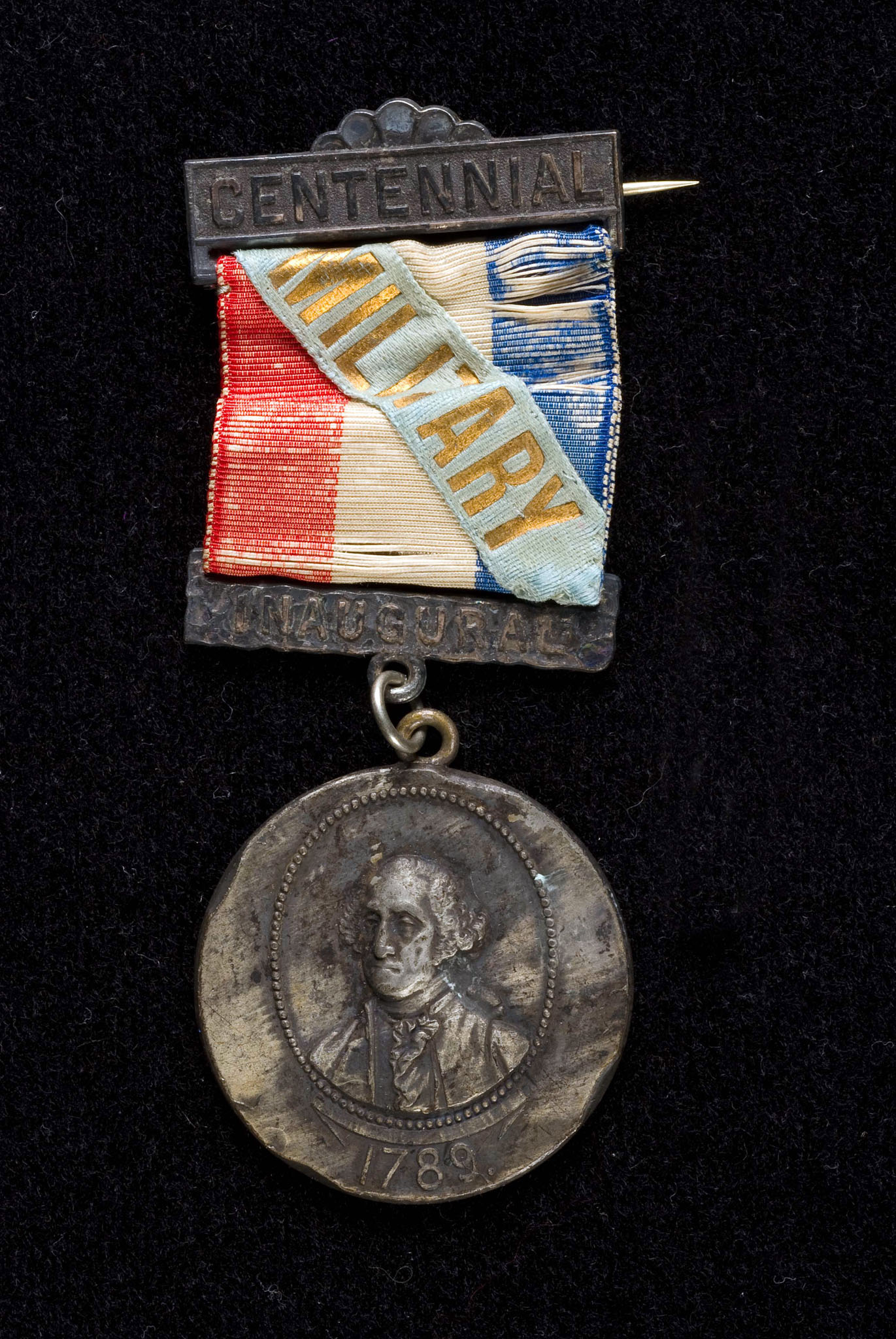
Object: This ribbon was made for the 100th anniversary of the inauguration of George Washington in 1889 and was probably worn during the celebration of this event in Newburgh, New York. [Gift of Elliott Smith, WH.1972.840.10]

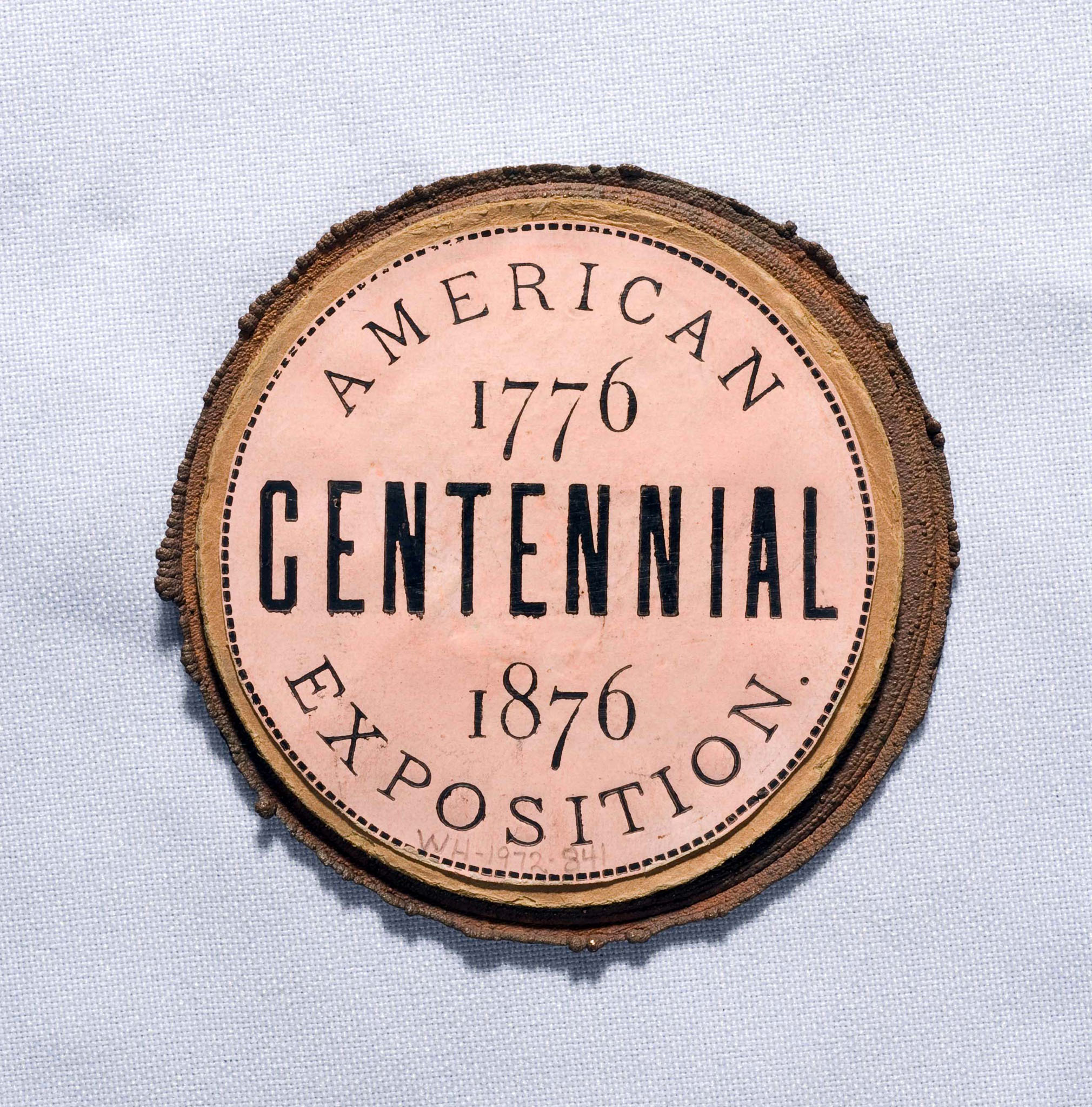
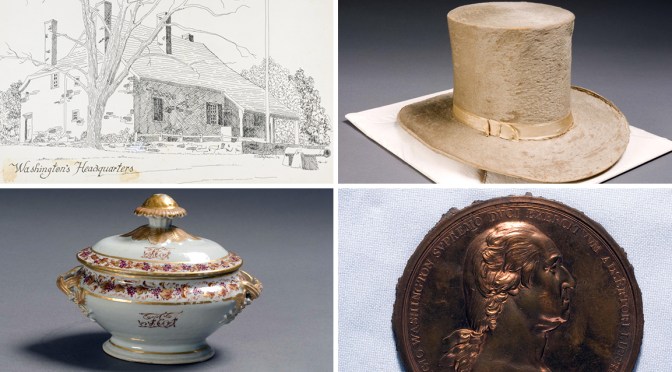
Object: With the approach of America’s Centennial in 1876, coins like this were made that called back to Revolutionary War period. The copper side appears to be the shell of a restrike of one side of the “Washington Before Boston” medal, which was one of the Comitia Americana Series commissioned by the Continental Congress starting in 1776 to commemorate important victories of the Revolutionary War and the commanders involved. [Gift of Elliot Smith, WH.1972.840.14]
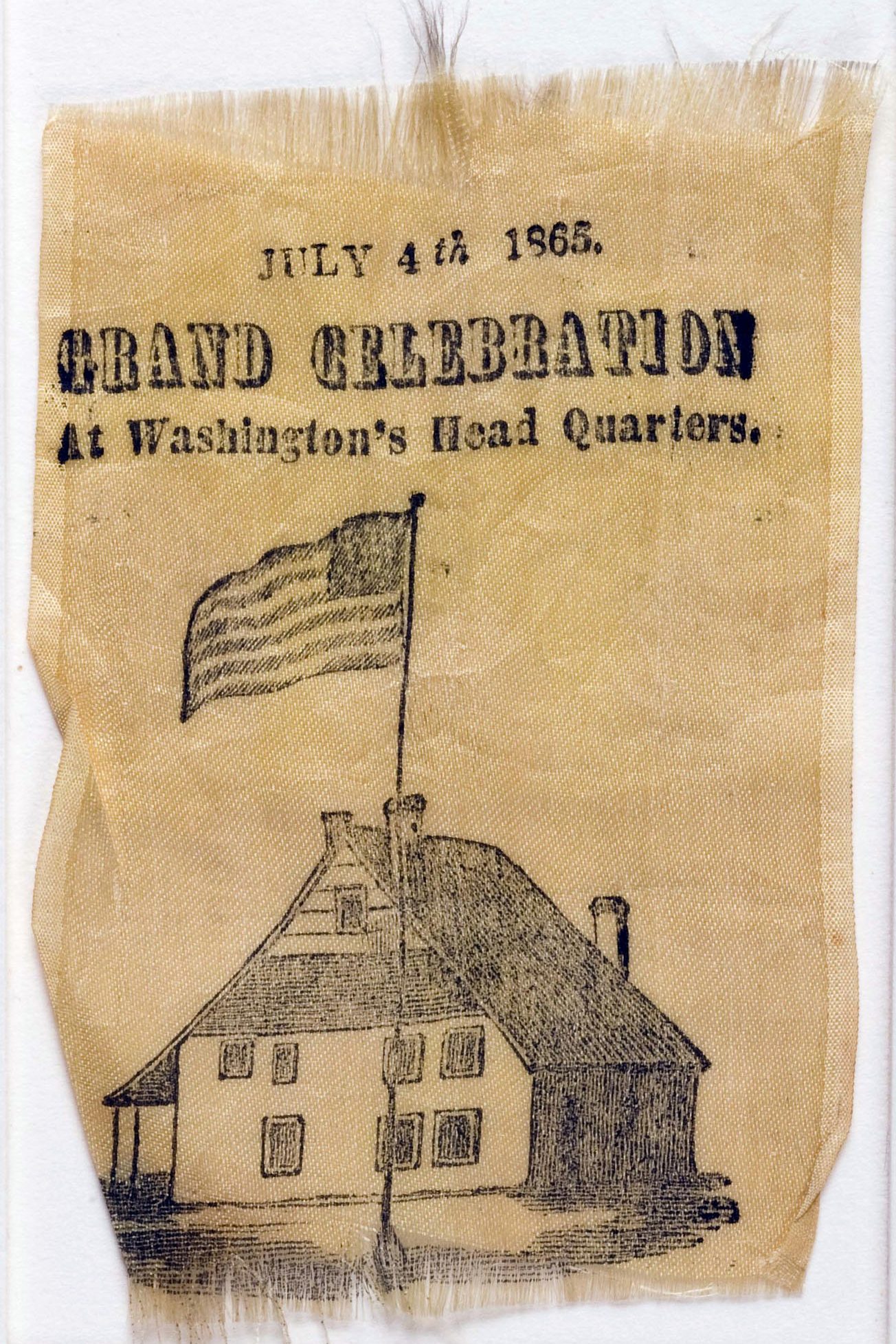
Object: Fragment of a silk ribbon from July 4, 1865 celebration at Washington’s Headquarters. This object has dual meaning: 1) celebration of the anniversary of the country’s founding and 2) the first July 4 after the end of the American Civil War. [Gift of John G. Woodin, WH.1992.19]

Object: Needlework portrait of George Washington (c.1879) by Mrs. Guion of Brooklyn, New York (in a modern frame). George Washington has been a popular subject for all sorts of artwork- from grand paintings and mass produced ceramicware to tributes cleverly created by individuals using their own artistic talents. [Gift of the Common Council of Newburgh, WH.1972.921.AB]
Community Collecting
Many items in Washington’s Headquarters’ collection have little connection to the Hasbrouck family or to George Washington. They are, instead, pieces donated to the site by local residents, such as the objects below:

Object: This white top hat was made by a Peekskill hatmaker J.P. Saunders in the mid-1800s. It has a leather hatbox to match and was gifted to Washington’s Headquarters in the early 1900s when the historic site began to function more like a local museum and not just telling the story of Washington’s stay at the Hasbrouck House. [Gift of Constance L. Beach, WH.1993.1.1]

Object: This tureen is part of a set of twenty-five pieces of tableware with the initials “FEF” painted on each piece and decorated in a grapevine pattern around the edges. Like many items donated to Washington’s Headquarters in the early 1900s, the original owners of this set are unknown. [Found in collection, WH.1988.86.18]

Object: The Hall typewriter was one of the first practical index typewriters. Index typewriters were much cheaper than keyboard typewriters during the 1880s and 1890s. This one was made in Brooklyn, NY in 1884. [Bequest of Edmond Morton, WH.1984.19]
Recent Acquisitions
Washington’s Headquarters continues to acquire objects meaningful to the site and the people who were here. A few recent acquisitions:
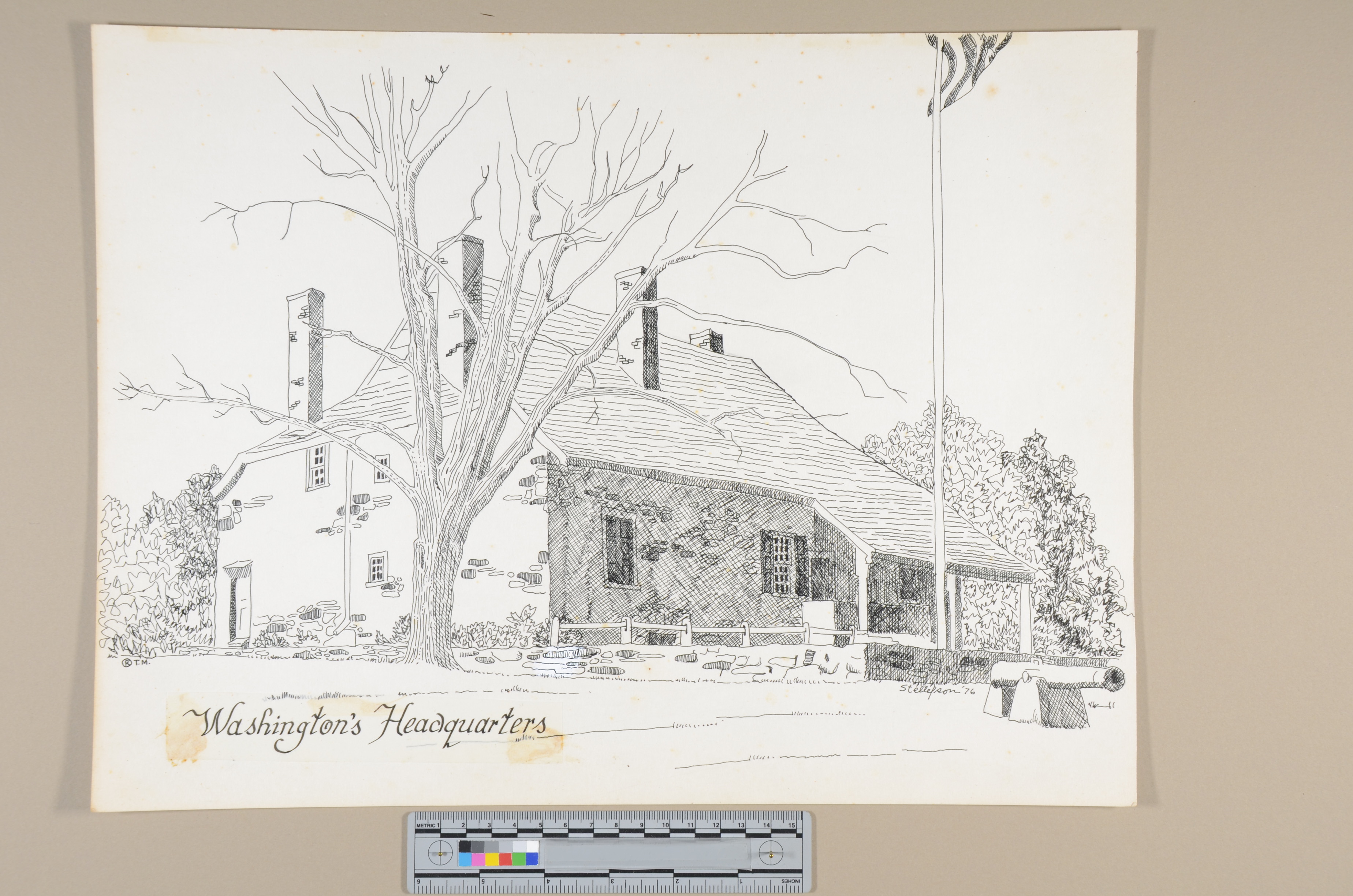
Object: Original pen and ink drawing by Sadie Stellefson, a Hudson River Valley artist and author, donated to the site with a series of other drawings of historic buildings in the Hudson Valley. These were likely created for the 1976 Bicentennial celebrations of the American Revolution. [Gift of Sadie Stellefson Penzato, WH.2020.3]

Object: It is believed that this is a copy of the life mask made by Jean-Antoine Houdon (1741-1828) on George Washington at his home Mount Vernon in 1785. Many copies exist in other museum collections. The life mask was part of Houdon’s tools used to make his famous busts, two of which are in the site’s collections. [Gift of David H. Mortimer, WH.2023.1]
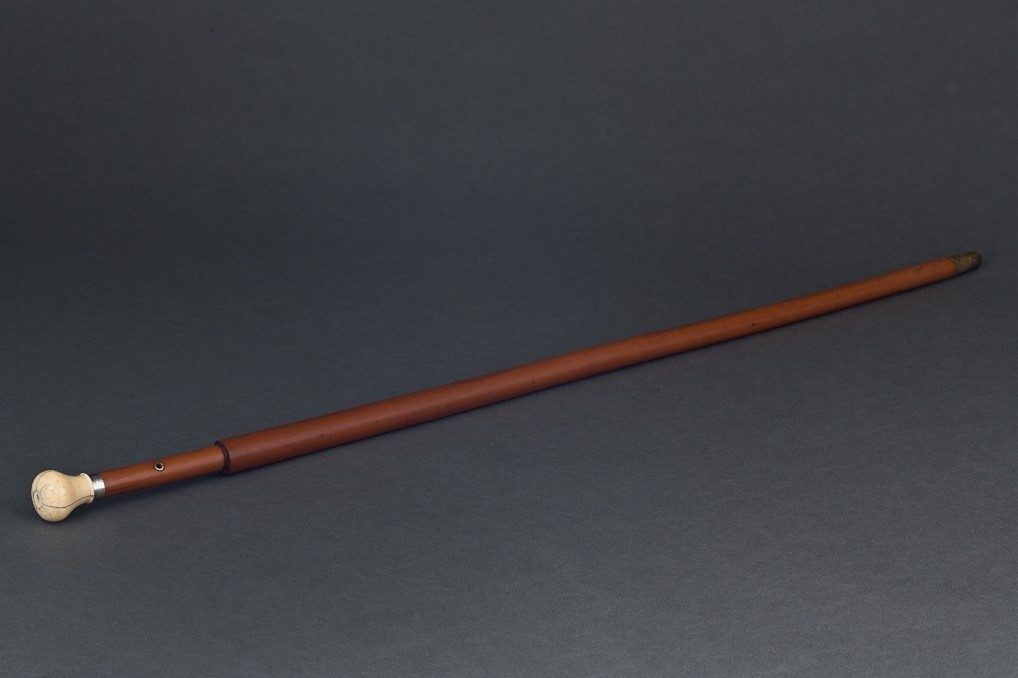
Object: This walking stick belonged to Eli Hasbrouck. The Hasbroucks were the original owners of the house used by Washington for his headquarters. Hasbrouck descendants owned the house until the late 1840s. Eli was a grandson of the original owners. [Gift of Bettie Kruel, WH.2021.1]
— Written by Amanda Massie, Senior Curator. All photos credited to New York State Office of Parks, Recreation and Historic Preservation.
 New York State Parks and Historic Sites Blog
3 thoughts on “175 Years of Collecting Historic Objects in New York State ”