

Most people have heard about insect declines, with recent headlines like “The Insect Apocalypse Is Here” and “The Great Insect Decline: Why Scientists Are Sounding the Alarm.” Bumble bees and butterflies are the best-known examples of declining groups, but there is a growing body of evidence documenting downward trends in other insects. Fireflies, famous for their impressive lightshows in the eastern US, are one such group.
The International Union for Conservation of Nature is the global authority on the status of the natural world. It collates data and classifies the extinction risk of species as Not Evaluated, Data Deficient, Least Concern, Near Threatened, Vulnerable, Endangered, Critically Endangered, Extinct in the Wild, or Extinct. In 2021, the IUCN Red List Firefly Specialist Group assessed the extinction risk of North American fireflies.
They found that there are large data gaps. Over half of the firefly species assessed in the US and Canada are threatened with extinction or lacking enough information for a determination of their conservation status. According to the IUCN Red List Assessments based on global conservation concern, 12 percent of New York’s firefly species are threatened with extinction or are species of conservation concern. The conservation status for 33 percent of New York’s fireflies is “Data Deficient,” so there isn’t enough information to understand how well or how poorly they are doing.
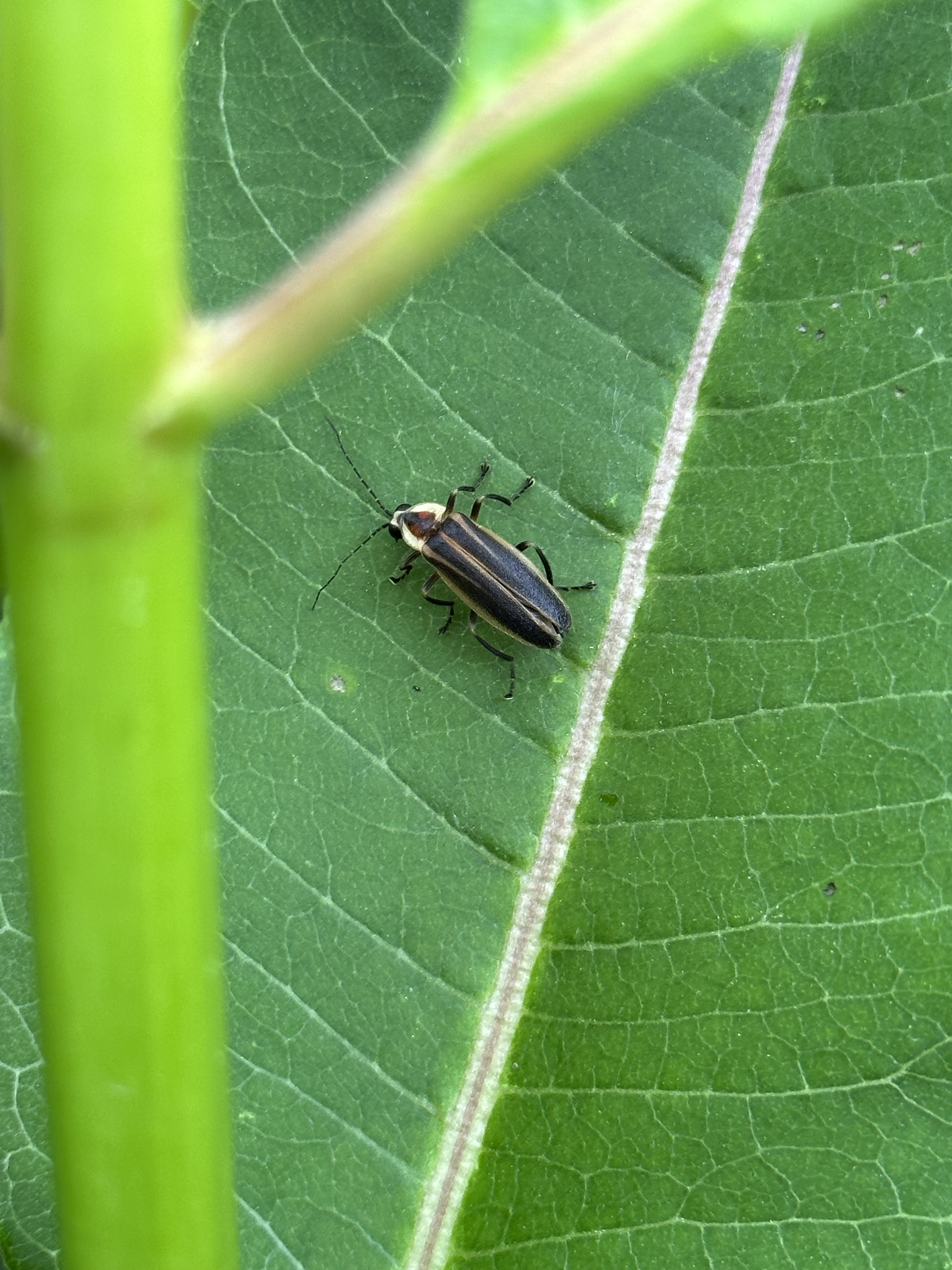

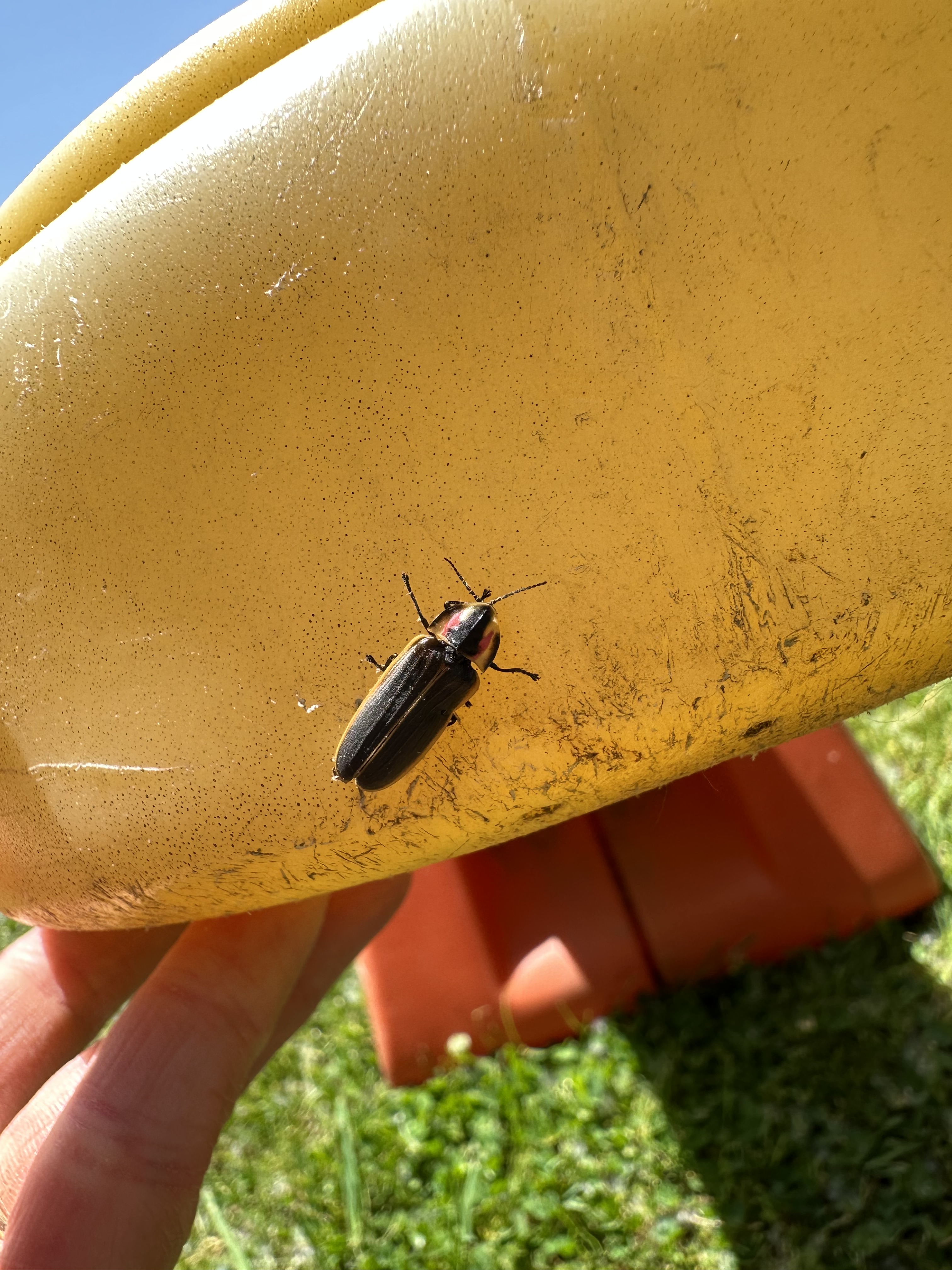
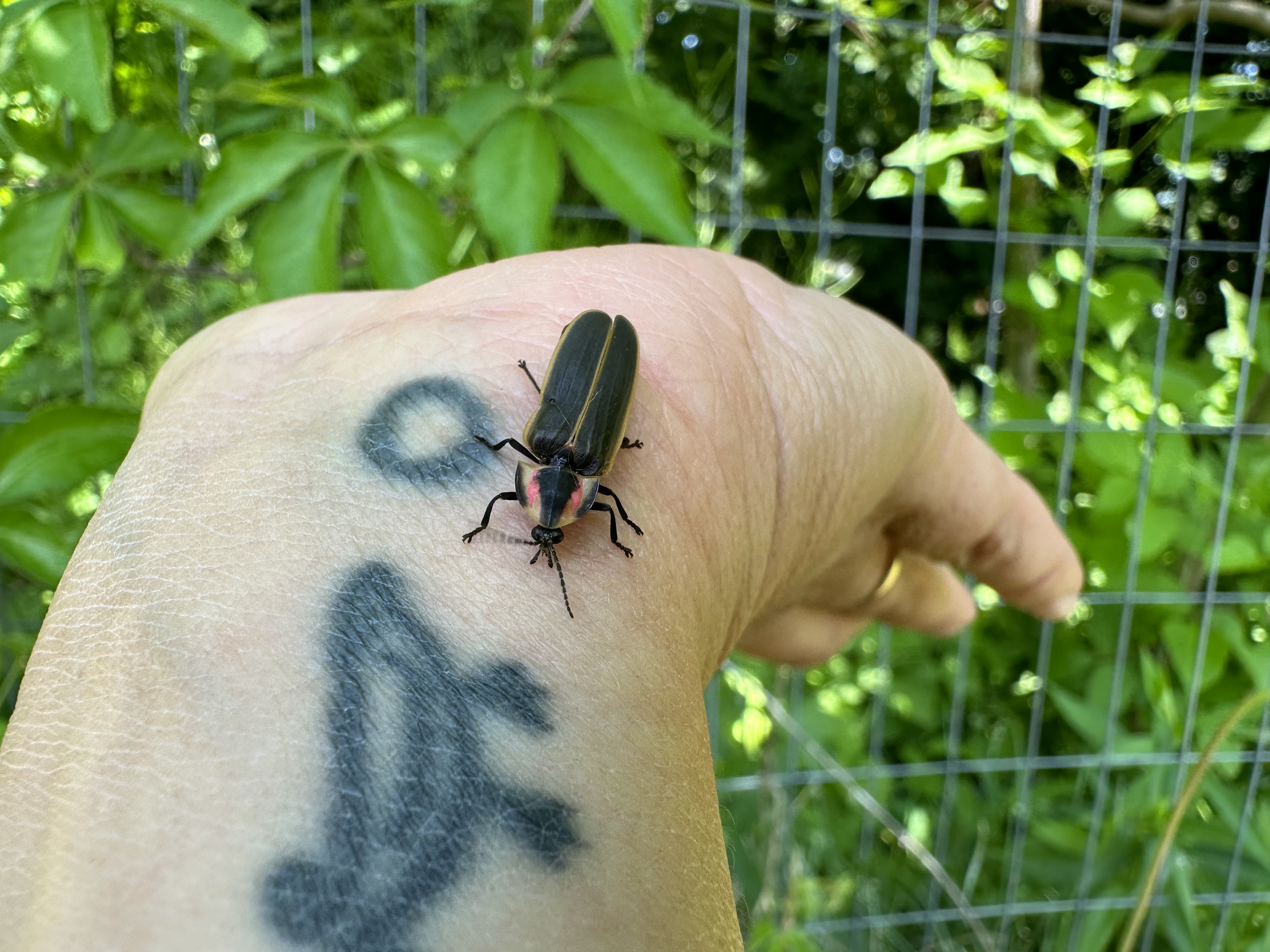
New Yorkers are lucky to have at least 40 species of fireflies sharing the state with them. You may know that fireflies are not flies, but rather beetles in the family Lampyridae. Most, but not all of them, flash to communicate. There are three different groups of flashing fireflies that can commonly be seen in New York in the Photuris, Photinus, and Pyractomena genera. While fireflies are an understudied group, we do know a bit about their fascinating life histories thanks to dedicated researchers who have spent their careers trying to understand the mysteries of firefly biology, communication and life history.
New Yorkers are lucky to have at least 40 species of fireflies sharing the state with them.
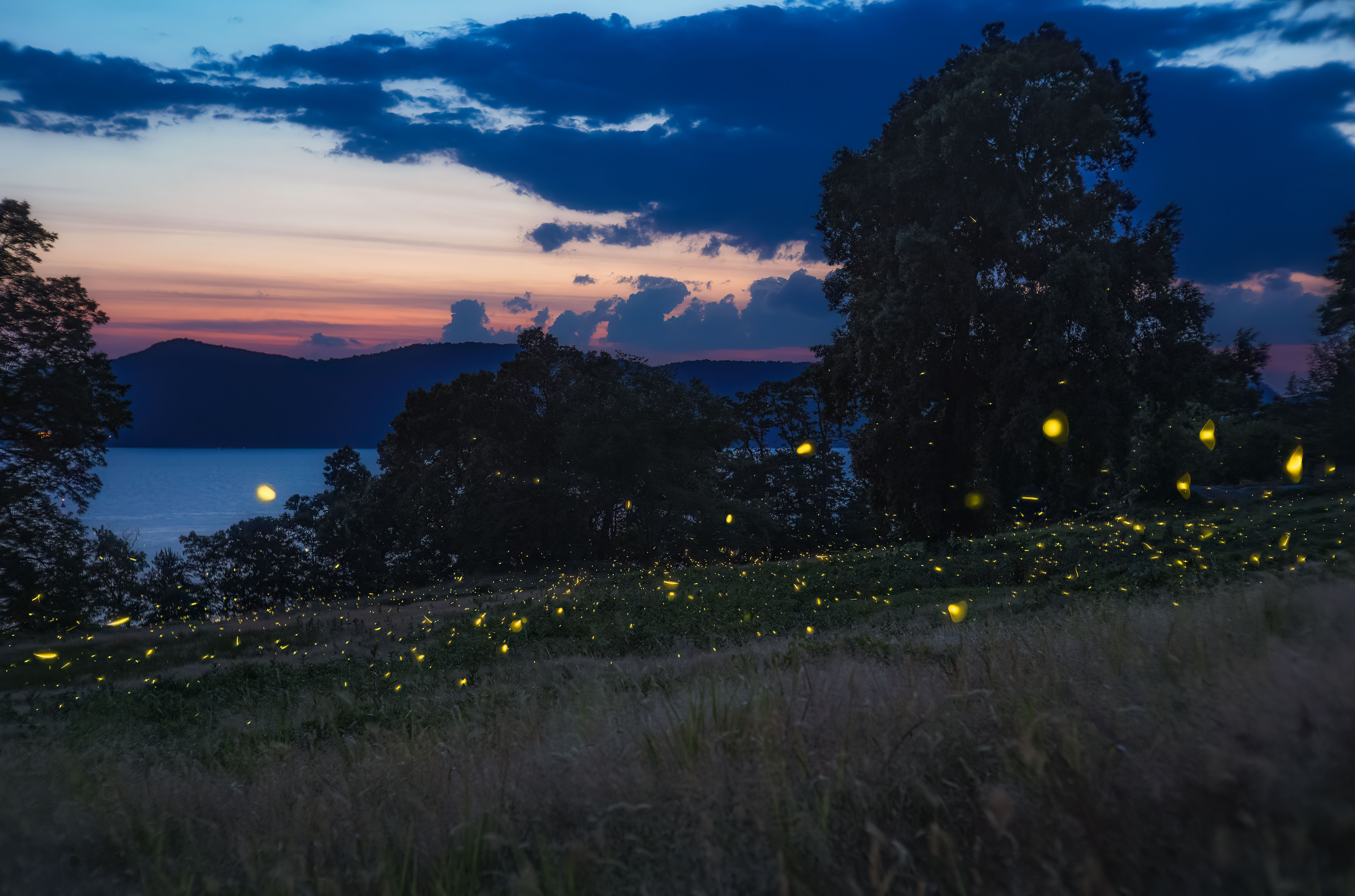
Warm New York summer nights are quite inspiring when the timing is right, and one gets to experience an impressive lightshow. When we watch these lightshows, we are witnessing male fireflies putting on an extravagant display to try and impress female fireflies. The ladies typically sit low in the vegetation and wait until they are impressed by the right fellas. If they see someone they like, they will respond with an alluring flash of their own, which says “come here.”
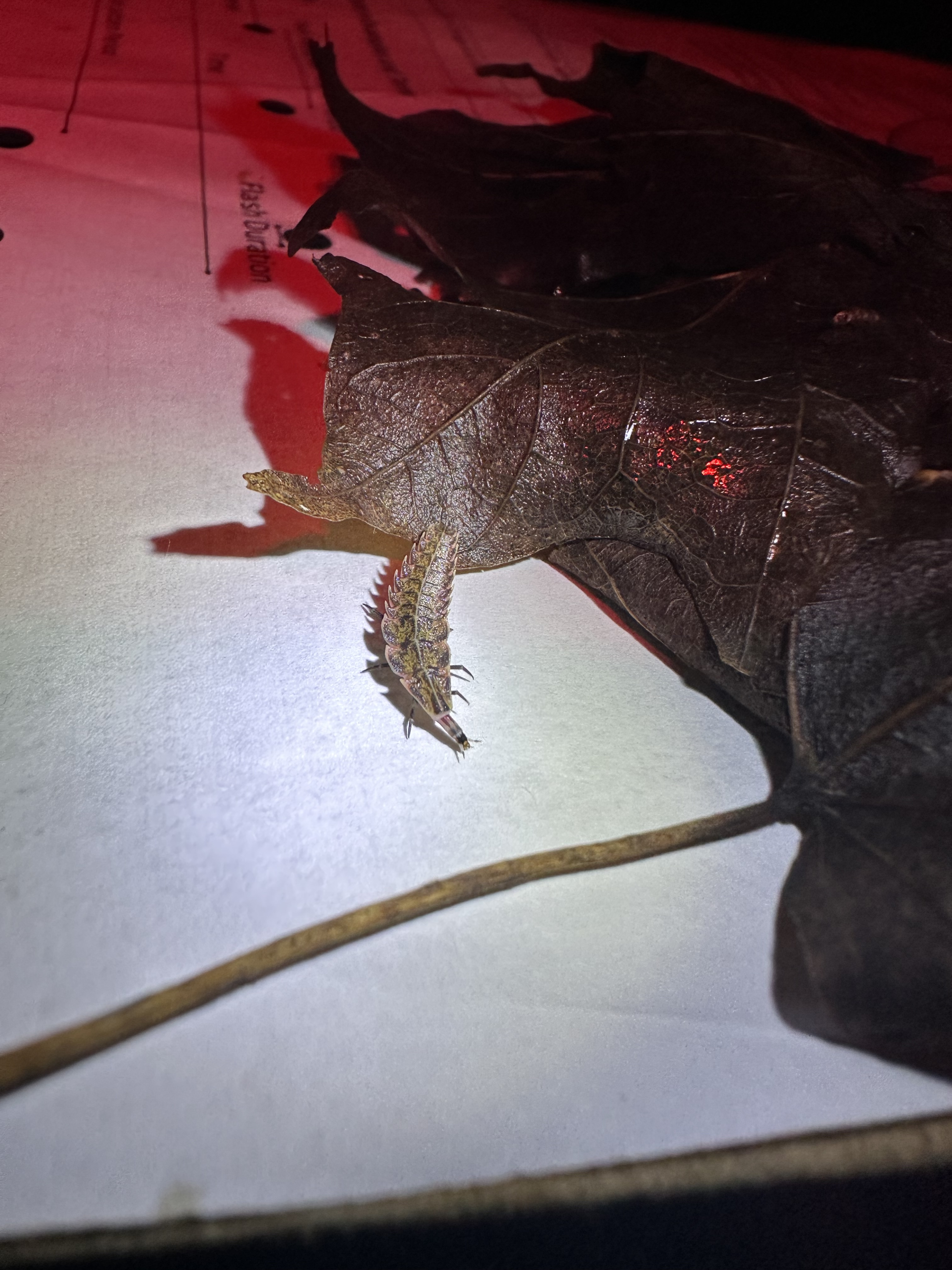
Firefly flash patterns are similar to bird songs in that they are species-specific and allow fireflies to communicate. We can eavesdrop on this conversation to determine which species are present. These lightshows only last for a few weeks in the summer, giving the impression that fireflies are short-lived animals. Many are surprised to learn that fireflies spend the majority of their lives as larvae, typically lasting about 1-2 years. Firefly larvae are insatiable predators that feed on soft-bodied invertebrates, including snails, slugs, worms and other insect larvae. This may sound very appealing if you are a gardener or a land manager. Fireflies are important parts of our ecosystems: they can help manage pests and serve as prey for spiders and other insects, which in turn support birds and other wildlife.
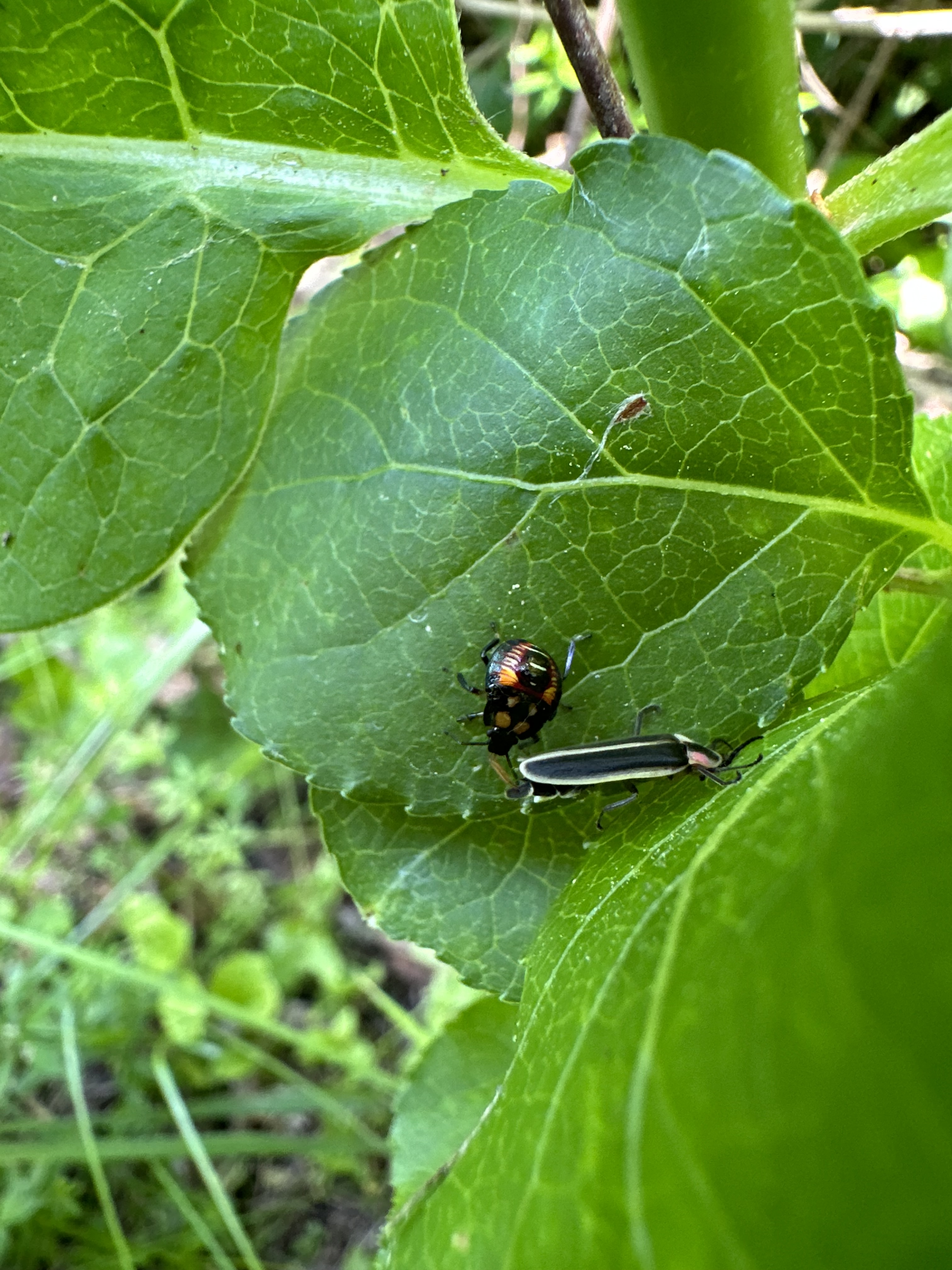
Fireflies can be considered beneficial insects, and their lightshows create magical moments, but we know very little about which species are present in the state and how they are faring. The New York Natural Heritage Program and the Office of Parks, Recreation, and Historic Preservation are partnering on a project called Dark Skies for Fireflies. We are setting out to identify which firefly species occur in New York State parks and focus our survey efforts on rare or potentially at-risk species. We are collecting abundance and distribution data to inform the conservation status of focal species. Our goal is to provide the agency with park-specific recommendations for stewardship to inform management and protect the unique habitats of fireflies and the natural wonder they provide.

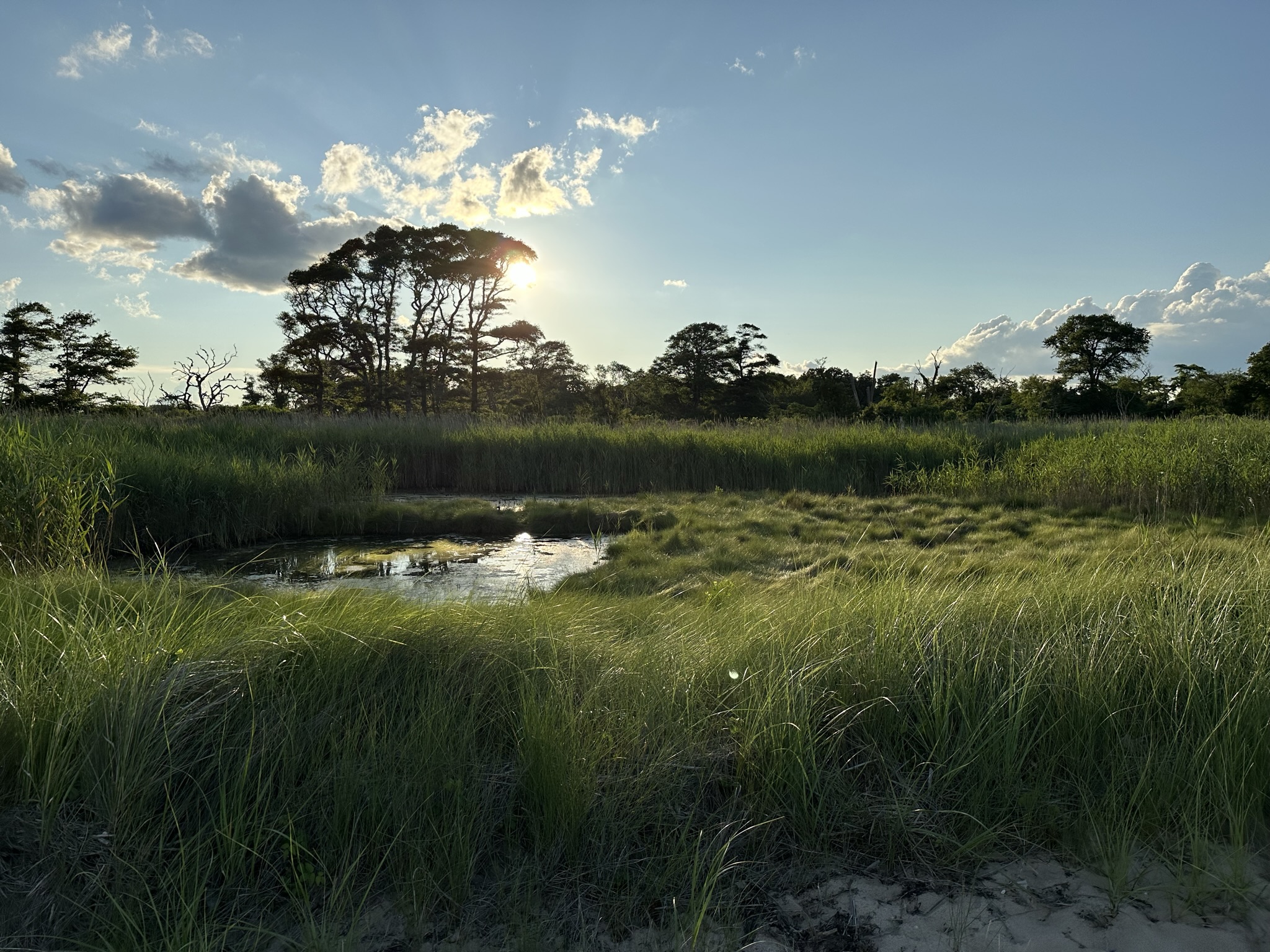
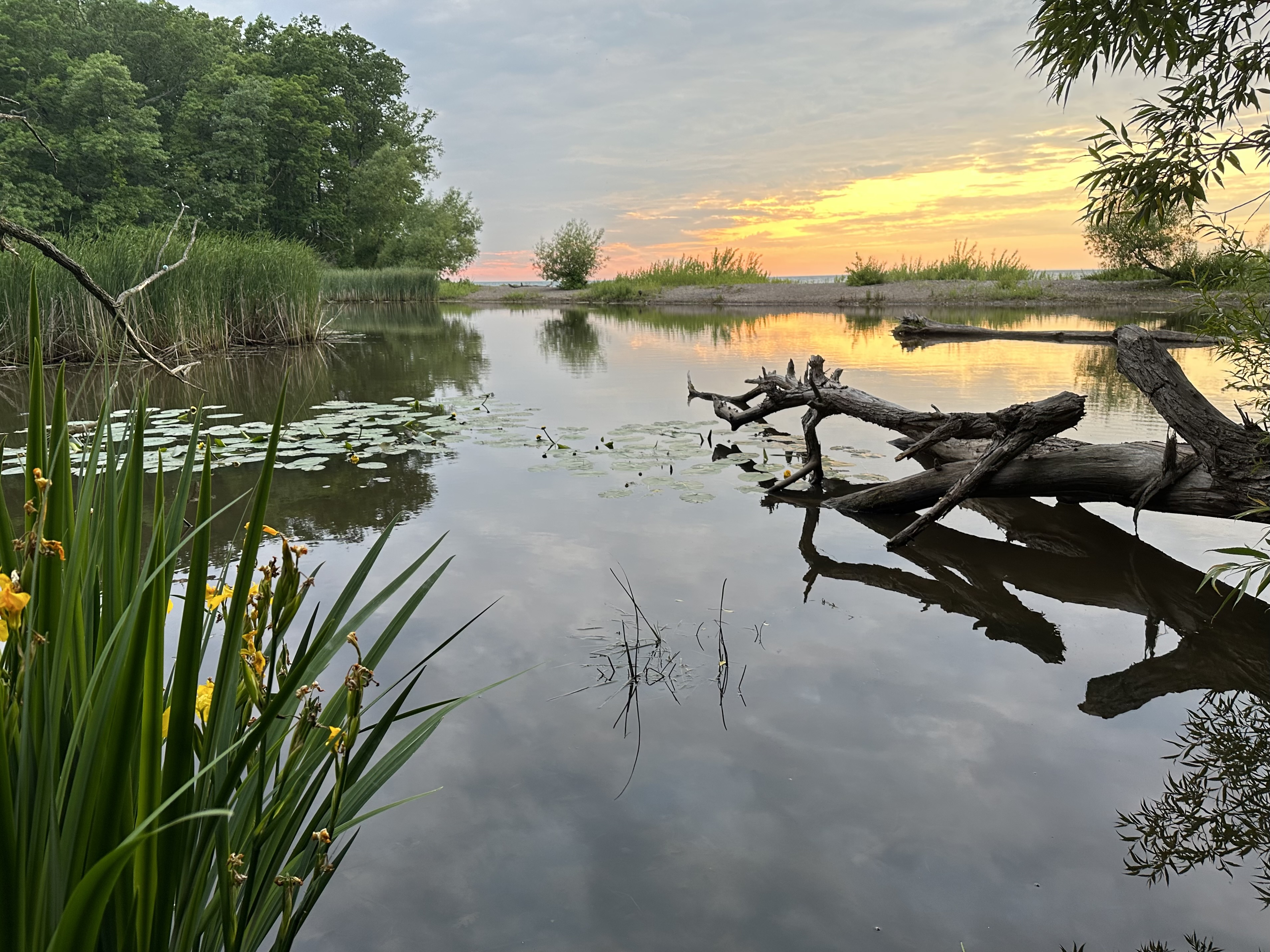
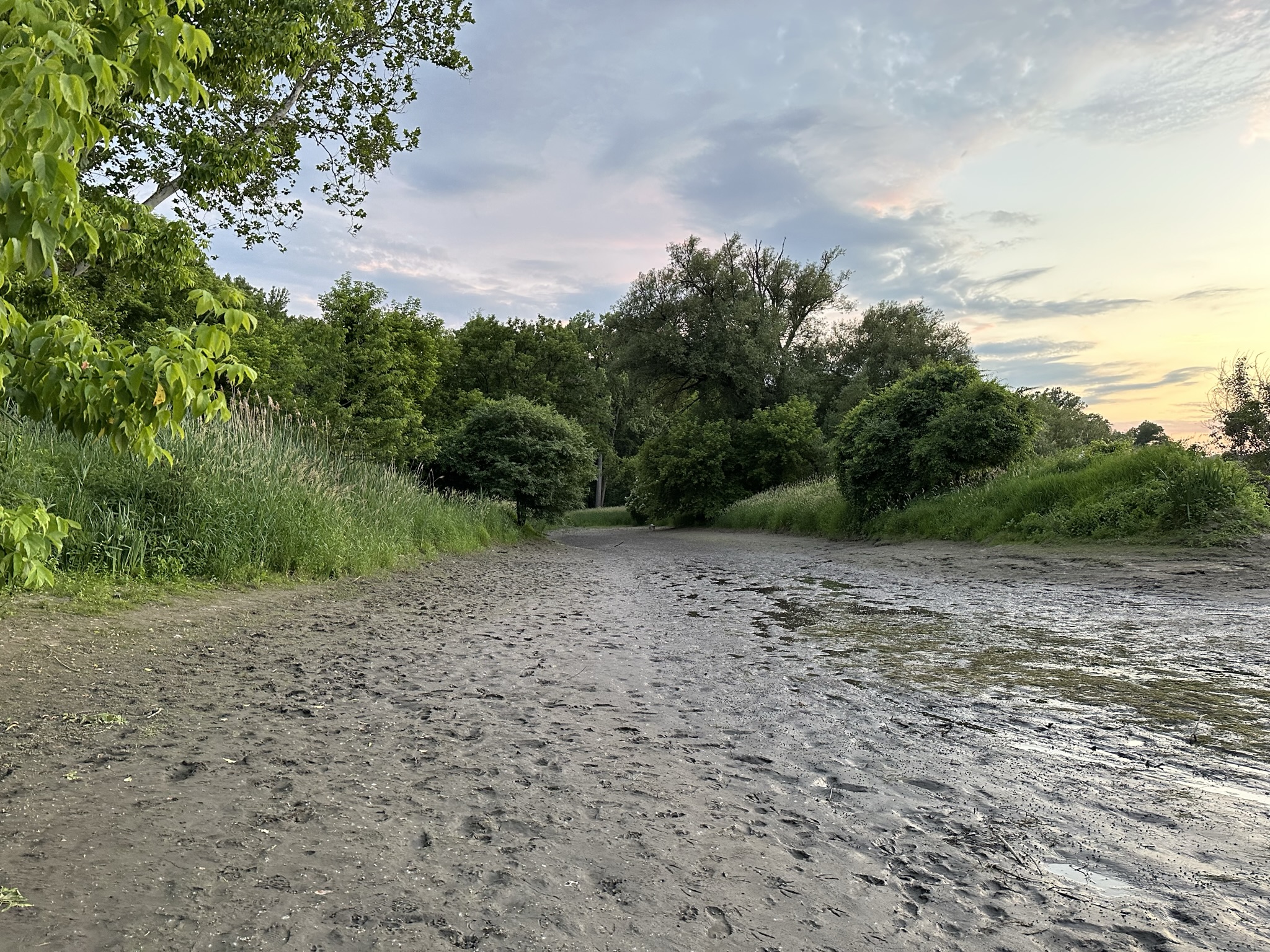
We select sites to survey based on habitat type and historical records. We then scout these sites to ensure they meet the habitat requirements and are accessible. Many fireflies are habitat specialists and poor dispersers, so getting the habitat right is important! Once we’ve found a suitable area to survey, we record weather information, including temperature, relative humidity and windspeed, which all affect firefly activity. Another factor that impacts firefly activity is light pollution. We describe any sources of light pollution from streetlights to cars, to nearby houses or buildings, to the glow of distant cities. Even a full moon can give off enough light to reduce a firefly’s ability to communicate and reduce activity. Then we wait for fireflies.
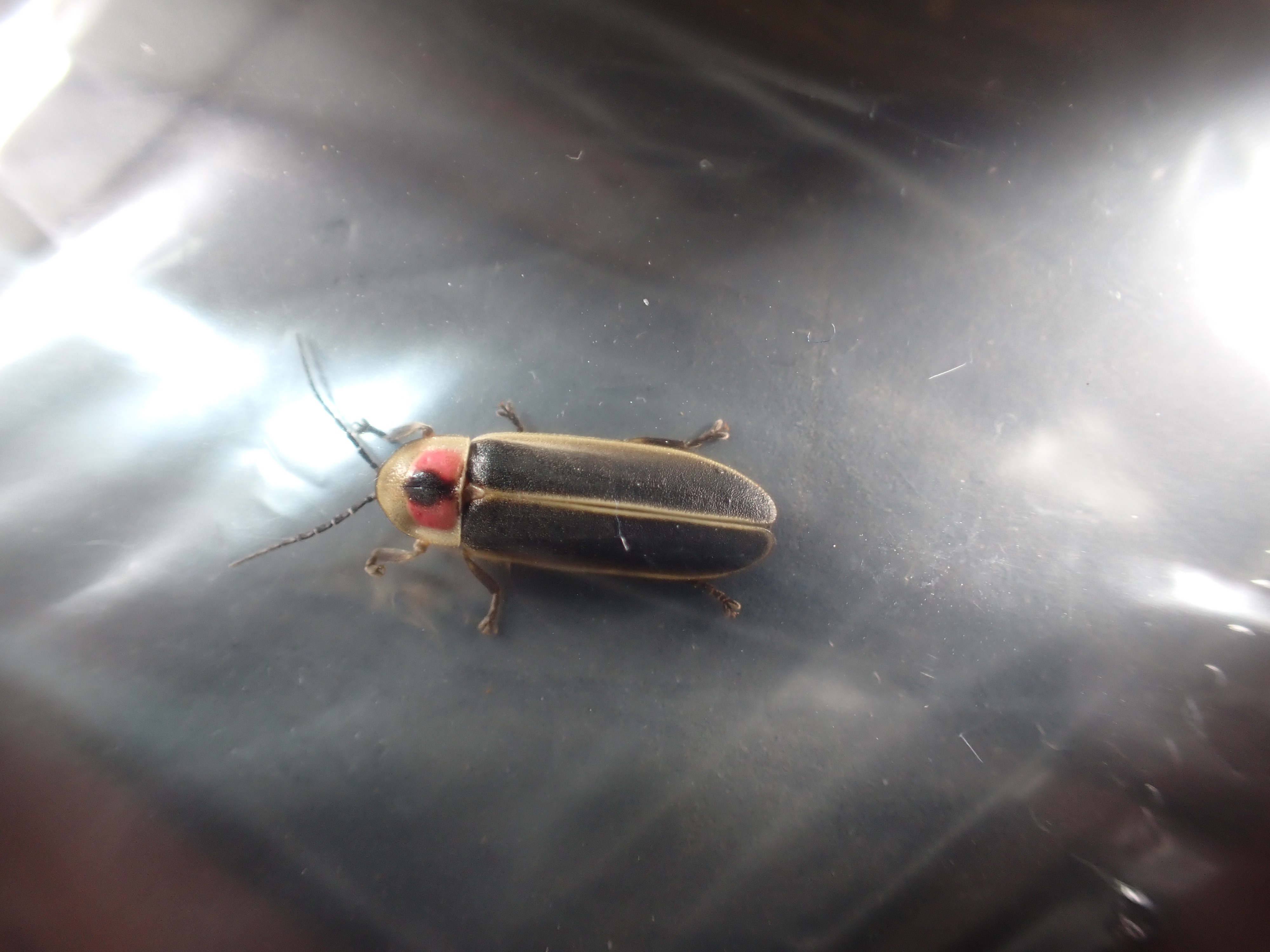
Some species are active at dusk, like the Big Dipper firefly (Photinus pyralis), and some are active only when complete darkness has set in, like the Synchronous Firefly (Photinus carolinus) of the Allegany region. Identifying fireflies to species is particularly challenging — whereas most insects can be identified by their physical features alone, fireflies require both a voucher specimen (a captured firefly to be examined) and behavioral information (the flash pattern) to identify them. Since some fireflies mimic others’ behavior, we need both pieces to the puzzle. Throughout our surveys, we record the type of flash (single, double, triple, or a flash train), the color of the flash (yellow, green, orange, or something in between), and the dark intervals between flashes. After all that, we follow the individual who was emitting that specific flash pattern in an attempt to catch it. Navigating the uneven terrain and thick vegetation in dark conditions, we swing a net at an elusive flying insect. Way too many times, we miss.
Conducting firefly surveys has many other challenges: working into the late hours of the night, working in the dark (lights disrupt firefly communication), and temperature swings (temperature impacts both the rate at which flashes occur and activity level). The fireflies themselves also present some challenges: recording flash patterns of multiple species present at the same time, and identifying firefly mimics that flash the pattern of other species (femme fatales). Even with these challenges, we’ve completed 50 surveys in the last two years (2023-2024) and are in our last year of the project. Our preliminary findings are exciting, and include some of our threatened focal species. Our efforts have even detected two new state records.

Get outside and enjoy your local evening firefly shows, or travel to new areas of the state to see the diversity New York has to offer. You can help fireflies in your own yard by creating habitat. Plant native grasses that grow a little taller to provide the moisture fireflies need. A great way to maintain habitat is by keeping fallen leaves on site or moving them into garden beds or the edge of your yard. Providing this refuge on site will help your firefly population and encourage them to stick around. When managing your yard, consider nontoxic alternatives to managing pests or consider the beauty in imperfection. Reducing the use of pesticides will help firefly populations.
Last, and probably the easiest, is to turn off the lights! Light pollution makes it difficult for fireflies to communicate. Try yelling to a friend across a noisy bar — it is unlikely they will hear you. That’s how a firefly feels when its signal is being drowned out by house lights, streetlights, and sky glow from city centers. Install motion sensor lights, close the blinds, or reach out to your local representatives to start conversations about reducing sky glow.
You can help our effort to better understand New York’s fireflies by learning how to survey for our evening flashers. Check out fireflyatlas.org, a nationwide community science effort to better understand and conserve firefly diversity. The Xerces Society for Invertebrate Conservation has great resources to learn more about fireflies and training videos. Our partners there will share any data submitted to the Firefly Atlas, which will be included in the Dark Skies for Fireflies project here in New York.
—Written by Katie Hietala-Henschell, Zoologist, New York Natural Heritage Program and Matt Schlesinger, Chief Zoologist, New York Natural Heritage Program. All photos courtesy of the authors except where indicated.
 New York State Parks and Historic Sites Blog
One thought on “Dark Skies for Fireflies: Searching for New York’s Rare Nighttime Wonders ”