
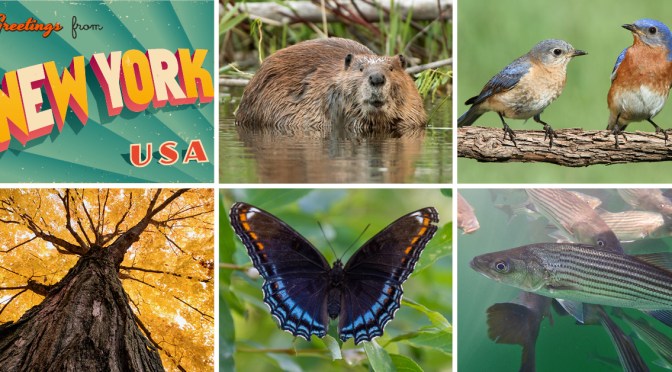
For millions of us, “I Love New York” is more than just a slogan. It’s a way of life. The state’s incredible natural beauty makes it easy to love. On your fall rambles, show off your state pride and take on the Symbols of New York State Scavenger Hunt. See how many of these state symbols you can find!
Red-Spotted Admiral or White Admiral butterflies are one of our newest state symbols. they were designated as the state butterfly in 2008. These butterflies are polytypic – meaning that there are different coloration patterns for this butterfly depending on where it lives. The white admiral variation has blackish blue wings with wide white band.


The red-spotted admiral lacks the wide white bands and sometimes has a row of red spots along the top of the wing. Overall, the wings are a dark blue color with a light blue dusting on the hindwing.
If you are hiking in northern New York, you will only see the white admiral. If you are hiking in any other part of the state, you will see either the red-spotted or white admiral.

Look for Eastern Bluebirds in grasslands and on utility wires. These birds are primarily cavity nesters, using hollowed-out holes in trees and man-made nest boxes to lay their eggs. Bright blue males are easy to spot. Females are a bit more challenging, with blueish grey plumage. Both have rust-colored chests and white bellies. Eastern bluebirds have been our state bird since 1970.
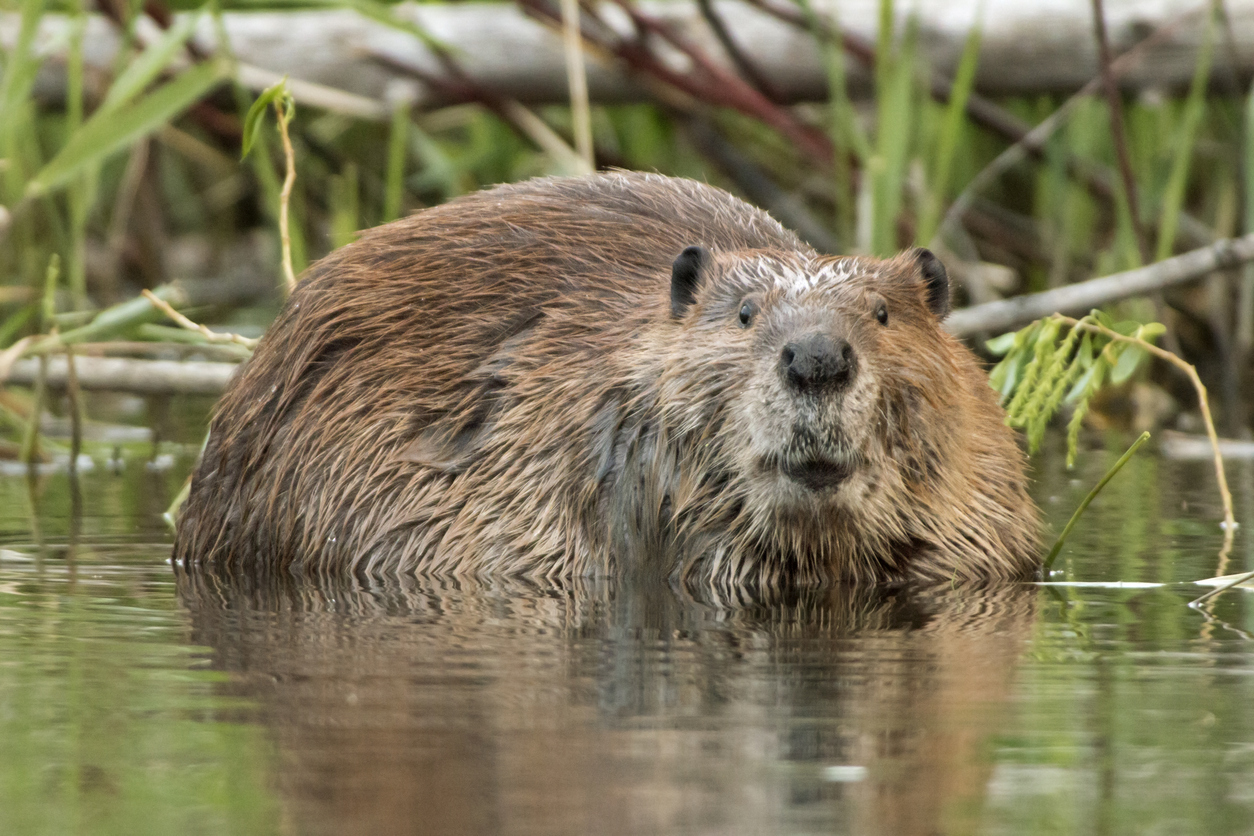
New York’s largest rodent, the beaver, can be found in wooded streams, marshes, and along the edge of ponds and lakes. When you are walking near these wetlands, tree cuttings and chewed trees or shrubs near the shore is a great indicator that beavers live nearby. If you hear a slap on a pond or marsh, the beaver has spotted you and has slapped its tail on the water to warn other beavers that you are around. If you can find a spot to hide and wait, you might get a glimpse of these shy animals. Beavers have been our state mammal since 1975.
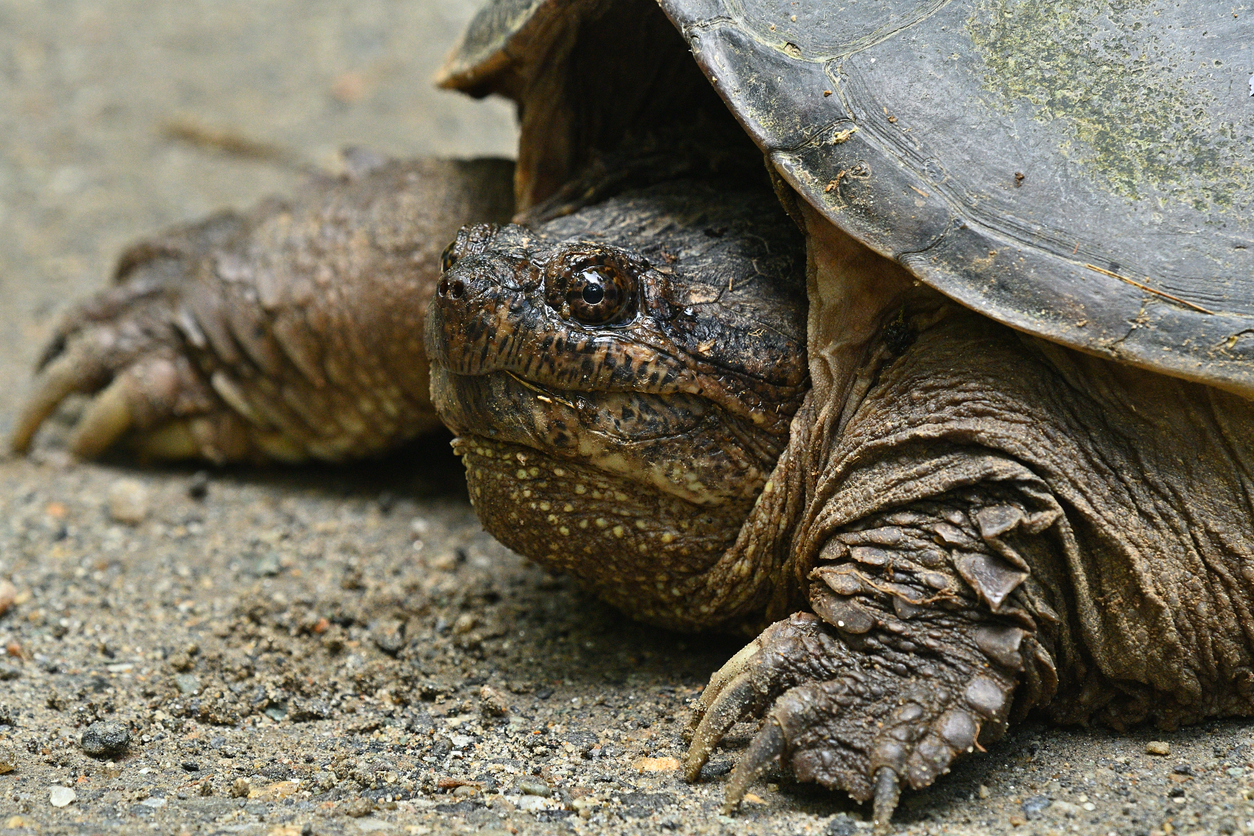

Snapping Turtles can be found in marshes, rivers, streams, lakes, and even in urban waterways. Our largest turtle, their shells can be upwards of 20 inches long and they can weigh up to 35 lbs. The upper part of the snapping turtle shell (or carapace) has three keels or ridges. The turtle’s shell can vary in color from tan, brown, olive gray or black. They have a long tail with saw-toothed ridges. Interestingly, snapping turtles have the smallest plastron (or bottom part of their shell) in proportion to their body of any turtle in New York State. Most of their defense strategy is their large size. Look for these turtles swimming slowly through the water with their head poking out of the surface or perched on rocks near the water’s edge. Remember to keep your distance from these turtles — their jaws have a powerful snap! Snapping turtles became our state reptile in 2006.
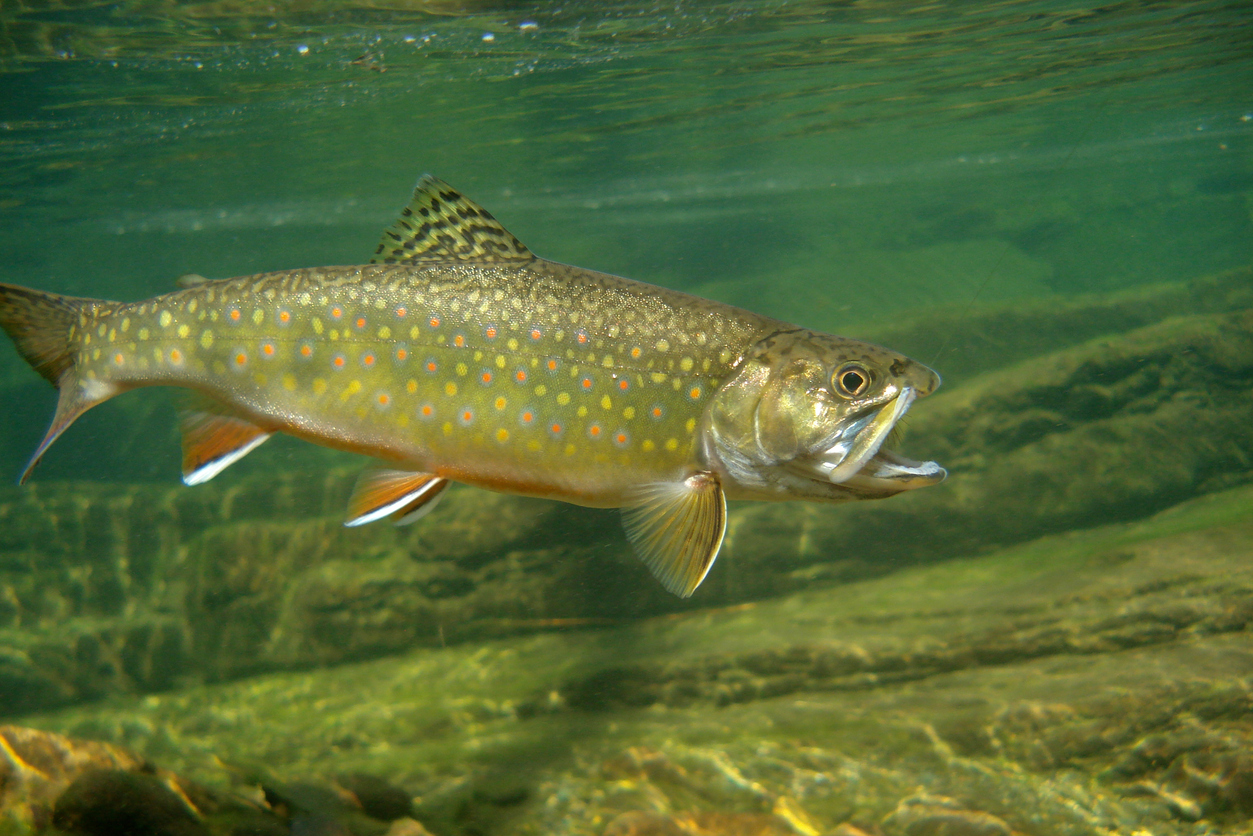
While you’re by the water, take a minute to observe closely. If it’s clear, you just might see our state freshwater fish, the brook trout. Brook trout make their homes in lakes, rivers, streams, and creeks in cold, temperate climates like New York. You can spot them by their dark brown to green color, with a marbled pattern of lighter shades and a reddish belly and lower fins. The brook trout is naturally occurring, but also raised in captivity to help bolster populations and encourage fishing. So if you strike out on your walk, consider crossing the brook trout off your list with a visit to a state fish hatchery.

If you’re lucky enough to have your ramblings take you along the shores of the Atlantic Ocean or the Hudson River Estuary, you may encounter our state saltwater fish, the striped bass. You’ll know them by their silvery bodies and dark stripes. This angler’s prize became the state saltwater fish in 2006, and New York is not alone: New Jersey, New Hampshire, Maryland, Virginia, Rhode Island and South Carolina have also designated the striped bass as their state fish or state saltwater fish!

The rare Nine-Spotted Ladybug has been our state insect since 1989. Slightly bigger than a dime, these oval-shaped insects typically have nine spots on their backs. Not too long ago, the fields and meadows of the northeast teemed with nine-spotted ladybugs. Today, they are believed to have been extirpated (made locally extinct) from New York, with the most recent spotting dating from 2011. Scientists are still unsure what happened, but point to the loss of farmland and the introduction of non-native species from the same insect family, If you think you found one, please take a photo, record where you found it and send the information to The Lost Ladybug Project.

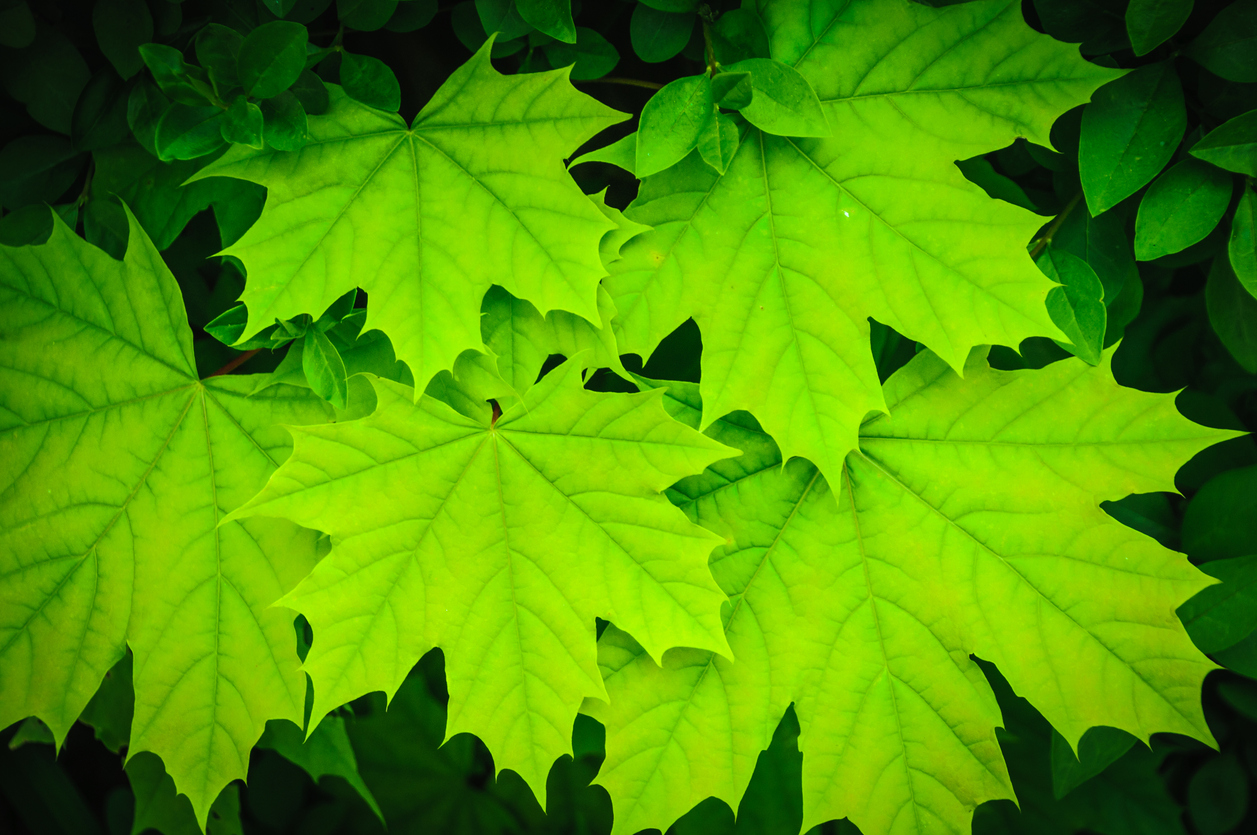
In contrast, the Sugar Maple will be quite easy to find anywhere in New York! It was designated as our state tree in 1956. The bark of a young sugar maple is smooth and dark gray. As the tree ages, the bark becomes furrowed in uneven long plates. Sugar maples have easily recognized leaves that are between 3 to 5 inches long and 3 to 5 inches wide, usually with five shallow ‘u-shaped” lobes. In the days and weeks to come, you’ll see the leaves of these beautiful trees turning red or yellow during your walk.

And remember to stop and smell the roses during your hike. If you do, perhaps you will see some late flowers on some of our native roses such as this Common Wild Rose. The flowers can be observed either individually or in small bunches. Look for the common wild rose along roadsides, fields, and salt marshes. Roses were designated our state flower in 1955; they are our oldest state symbol.

When you are done, enjoy some New York state goodies: milk, the state beverage (designated 1981); apple muffin, the state muffin (designated 1987); apple, the state fruit (designated 1976); or yogurt, the state snack (designated 2014).
— Original post by Susan Carver, OPRHP, with a new introduction and sections on the state fish by Kate Jenkins. All photos are stock images unless credited otherwise.
 New York State Parks and Historic Sites Blog
