All posts by New York State Parks

Belsnickel’s Christmas: Furry Palatine Giftgiver

Today at Christmas, we have Santa Claus, the jolly old elf who brings joy to children, and asks only milk and cookies in return.

In other traditions, the English had St. Nicholas and the Dutch had Sinterklaas. But what did the Palatine children  of the Hudson Valley believe in during the 18th and 19th century?

The answer in a word, Belsnickel. The answer in a photo:

Belsnickel with his sack of gifts.

Rather than a jolly old elf, Belsnickel is a crotchety old man dressed in dirty clothes and furs, usually with his face disguised, who was both gift bringer and child punisher in the Palatine region of southwestern Germany.

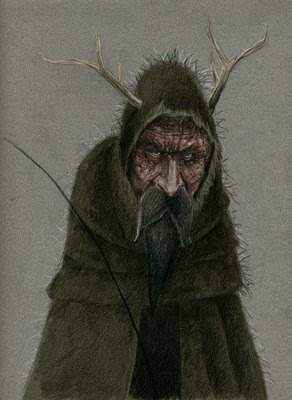
There are several variations of the spelling including Pelznickel, which would seem the most likely as “Pelz” in German means fur and Nickel is related to Nicholas. Sometimes, his fur hat has deer antlers which allude to a pagan origin of the character.

In New York State, Palatine immigrants initially settled in the Hudson Valley, bringing the legend of Belsnickel with them.

In 1710, the largest eighteenth century migrations of Europeans to America took place when three hundred families from the Palatine region sailed 110 miles north up the Hudson from Manhattan. There, they established camps on both sides of the river, with the West Camp later becoming the Town of Saugerties and the East Camp becoming Germantown.

Later in the 18th century, Palatine families also spread into the Mohawk Valley and founded such communities as Herkimer, Palatine Bridge and German Flats.

Belsnickel is different from other variations of Christmas characters in that he combines both threatening and generous aspects of a Christmas spirit.
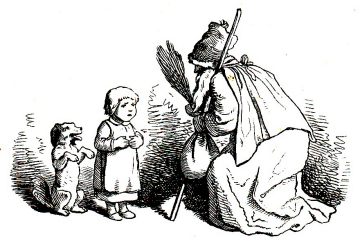
The basic tradition is thus; sometime between St. Nicholas Day and Christmas Eve, Palatine children would hear a tapping at their window at night and suddenly Belsnickel would burst through the door. He would be carrying a sack of presents and a switch. (Belsnickel was the first of the Christmas characters to distinguish between good and bad children. And unlike Santa Claus, who is never to be seen by children, Belsnickel and his message are meant to be seen and heeded…)

The children of the house would be lined up and asked if they were good that year. In some cases they would be asked to recite something from school or a passage from the Bible. If they succeeded they got a present from the sack. If they lied about being good or couldn’t do their recitation, they got a whack from the switch.  In some versions of the tale, Belsnickel might merely leave the switch in the stockings of naughty children, similar to the practice by Santa Claus of leaving coal for those who had misbehaved.
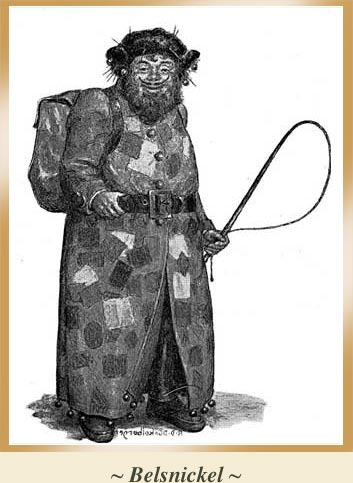
In another variation, Belsnickel would scatter treats or gifts on the floor during his visit. If the children waited for permission, they could have the presents. If they dove in greedily without waiting, then Belsnickel walloped them all with his switch.

It has been difficult to find traces of Belsnickel in the Hudson Valley but his legend has lived on, particularly in the Pennsylvania Dutch, whose roots are actually Palatine German, not Dutch. Perhaps in the Hudson Valley, the Dutch and English influence drove him out earlier.

Belsnickel all but disappeared in the first half of the 20th century thanks to two world wars where Germany and all things German were the enemy. Suddenly many people of Deutsche (German in that language) descent became Dutch and many German traditions were quietly swept under the rug. 


However, Belsnickel has seen a bit of a resurgence in recent years. He now features in several holiday festivals in Pennsylvania and even appeared in a holiday episode of “The Office” a few years ago. 

Dwight Schrute from the television comedy “The Office” channels his inner Belsnickel in a 2012 holiday episode.

So perhaps this year as children in the Hudson Valley prepare for the arrival of Santa Claus, they should listen carefully for a tapping on their window. It just may be Belsnickel checking to see if they have been naughty or nice!

Happy Holidays, Merry Christmas, Fröhliche Weihnachten and to all a good night!


Post by Geoff Benton, Curator of Education and Collections, Clermont State Historic Site.


Check out the Clermont blog for interesting historical items on the history of the Hudson Valley and the former home of New York’s politically and socially prominent Livingston Family. Seven successive generations of the family left their imprint on the site’s architecture, room interiors and landscape. Robert R. Livingston, Jr. was Clermont’s most notable resident. His accomplishments include: drafting the Declaration of Independence, serving as first U.S. Minister of Foreign Affairs, administering the oath of office to George Washington, negotiating the Louisiana Purchase and developing steamboat technology with Robert Fulton.


Read these contemporary accounts of the Belsnickel legend in the Pittsburgh Post-Gazette and the Allentown Morning Call.

Find another version of the tale in the Indiana German Heritage Society newsletter.
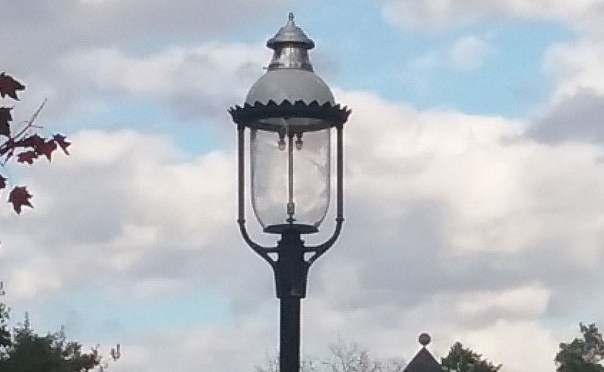
Gaslight Village Carries Flame into 21st Century

After burning almost uninterrupted for more than a century, the natural gas streetlights in this tiny village in western New York were definitely showing their age.

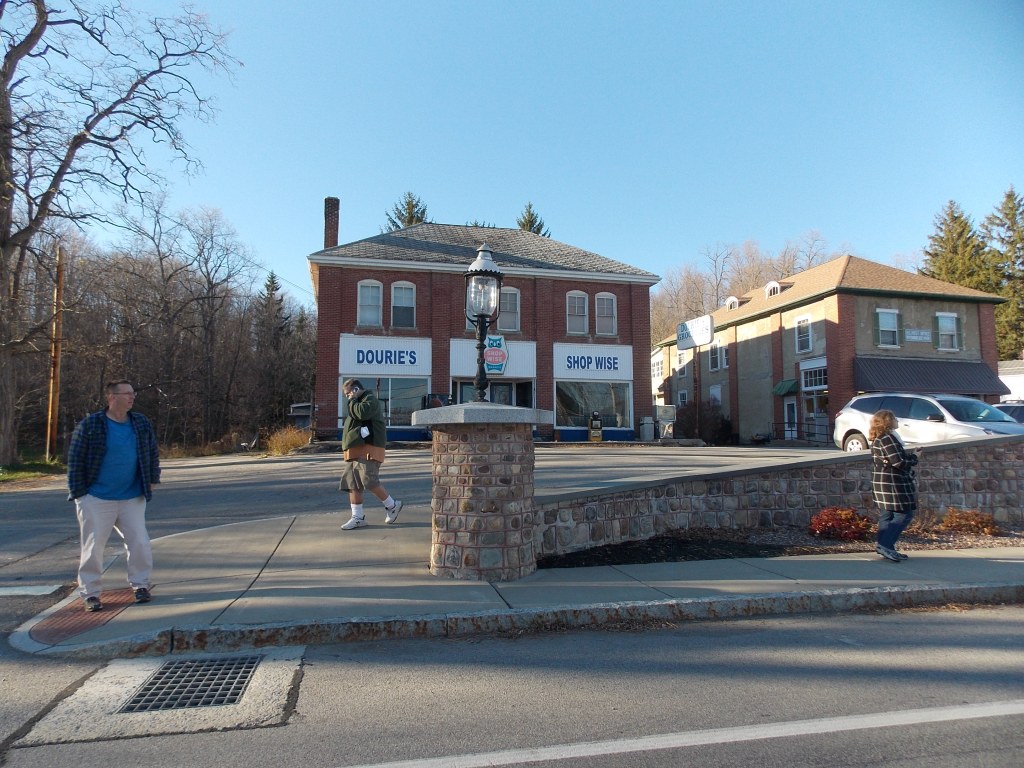
Since 1912, more than 40 of the historic fixtures had illuminated Wyoming, the self-proclaimed “Gaslight Village” and home to about 500 residents of about an hour’s drive south of Rochester.

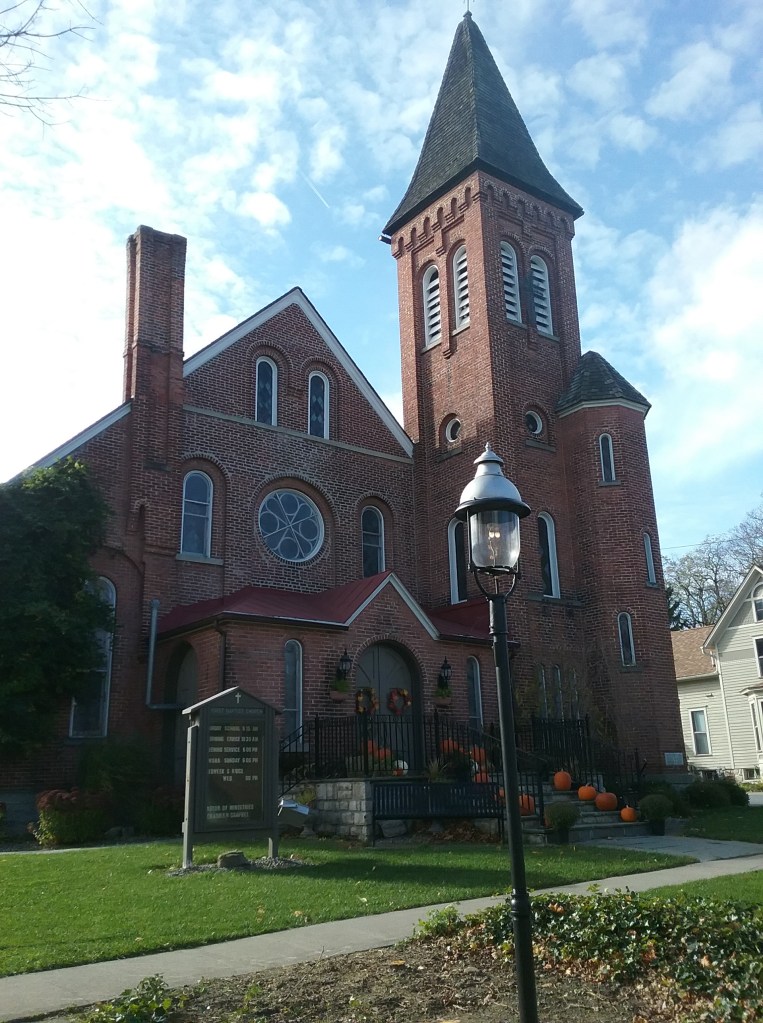
Along the tiny cluster of streets, there are gaslights in front of businesses, homes and churches, including the post office, the Methodist and Baptist churches, and the local grocery store.

But after decades of use and exposure to the elements, the cast-iron light fixtures were falling apart and corroded, leaving village officials facing a decision: Abandon gaslight, which almost all of the country had done long ago, or save their distinctive streetscape as one of the last reminders in New York State of this bygone era?

A broken cast-iron gas streetlamp before being repaired.
Wyoming Village Mayor Nathan Norton examines a corroded streetlight.

“These gas lights have been burning since I can remember,” said Village Historian Doug Norton, who is the mayor’s brother. “The only time they have been turned off was during World War II, because of the blackout regulations.”
Norton said the lights are a point of pride and heritage for the small village. “The lights are pretty cool and something different. They are unique.”

Originally founded in 1809 as Newell’s Settlement, the small village is in a part of the state were natural gas was developed in the 19th century. A gas company outside the village agreed to provide free gas for the public streetlights for 99 years in exchange for being allowed to install pipes in the village so gas could be sold to homes and businesses. That contract expired in 2011 and now the village is paying for its gas.


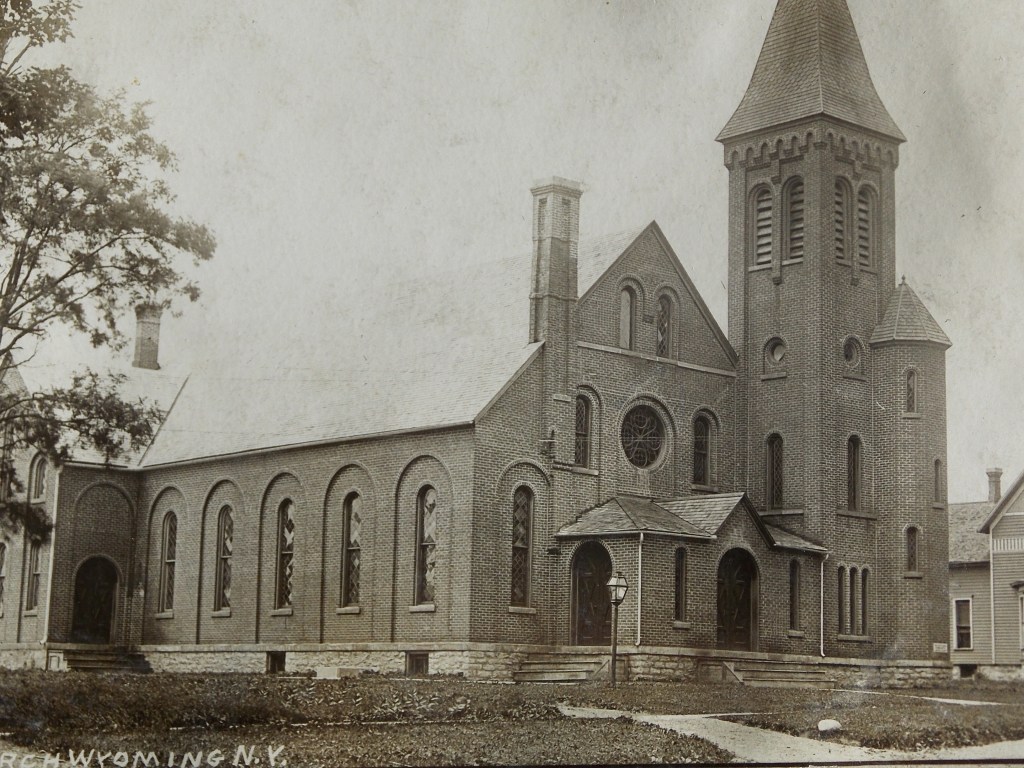
A 1912 advertisement for the model of natural gas streetlight found in Wyoming, followed by historical photographs of the village showing the lights in use.


Wyoming is a reminder of life before electricity was widespread, when natural gas was the most popular method of both outdoor and indoor lighting in cities and towns.

But unlike Wyoming, most places discarded gas streetlights once electricity became widely available after the turn of the 20th century. Natural gas streetlights now can be found only in a handful of places, including parts of Boston, Cincinnati, and New Orleans, as well as in foreign cities like Prague and Berlin.

That makes these remnants of the Gaslight Era a very rare resource here in New York and worth protecting as part of State Park’s mission under the Historic Preservation Act of 1980.

In Wyoming, thanks to a $65,000 state grant obtained by Senator Patrick Gallivan, and with support from the Division of Historic Preservation at State Parks, 19 of the original 42 historic lights were painstakingly restored and now can continue burning for decades to come.

Original luminaries were removed from the poles and sent out for restoration. A professional metalsmith disassembled the lights, removed dents, removed corroded metal and replaced it with new metal, and cleaned up and painted the street lights to match their original finish. After lamps were reinstalled on their refurbished poles, the flow of gas was restored and the lights relit.


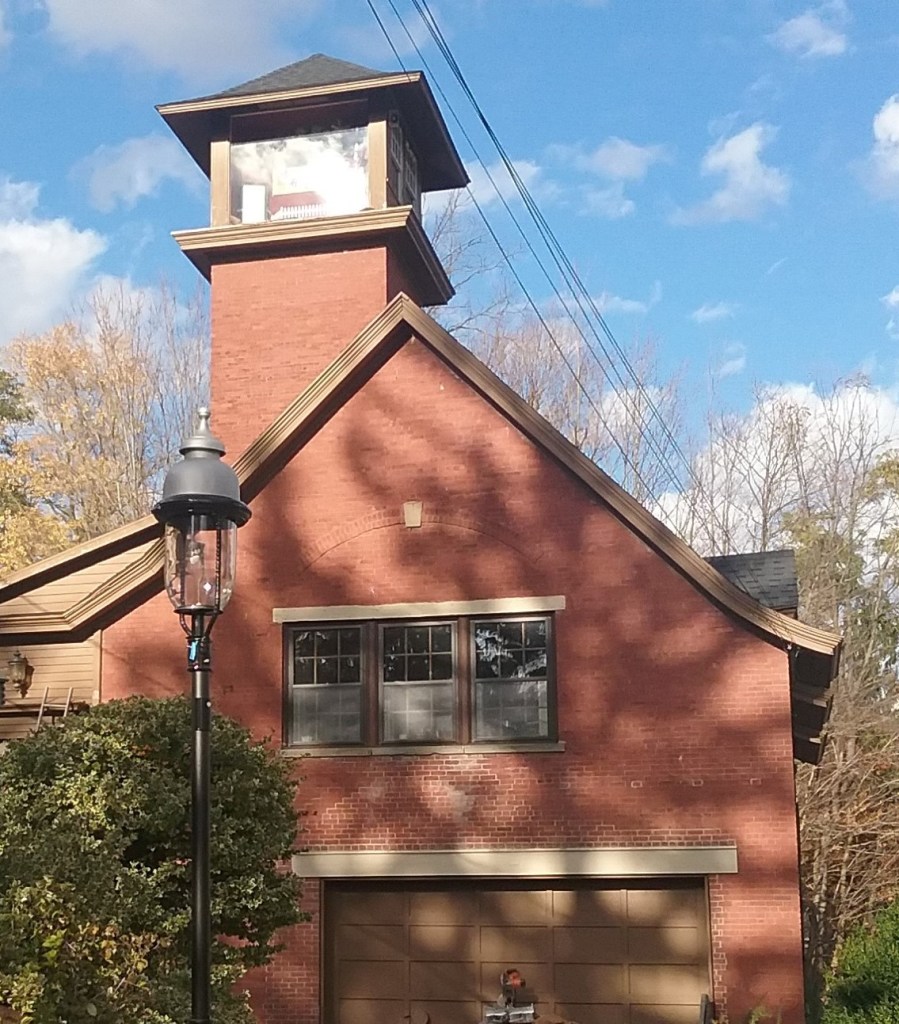
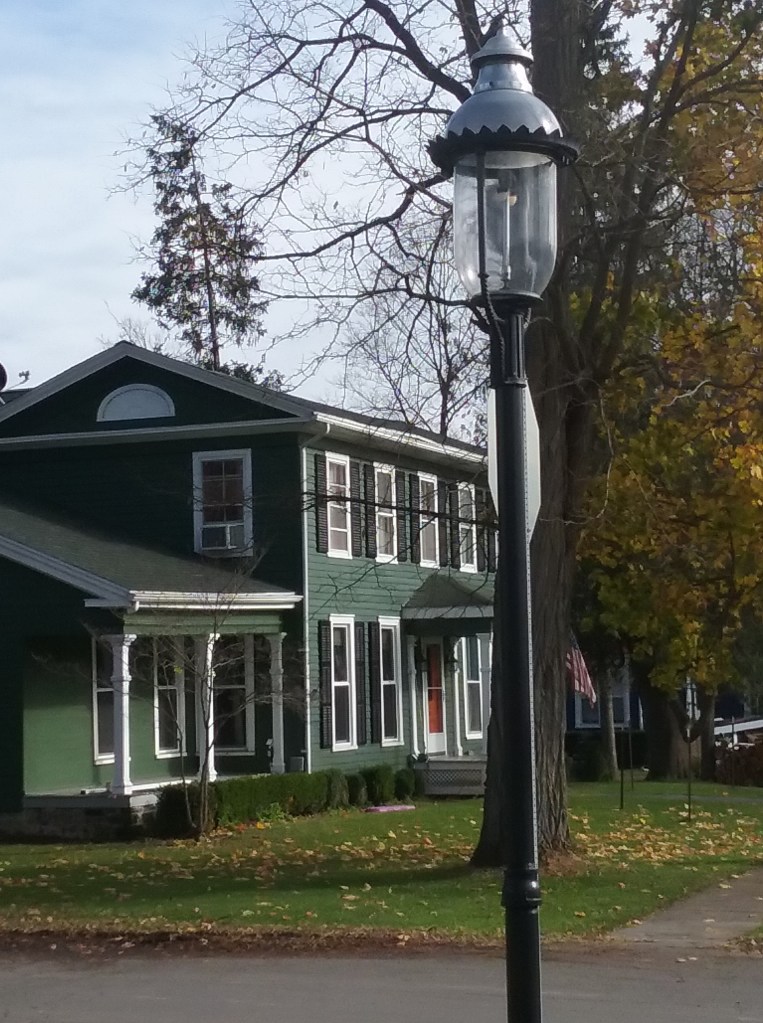
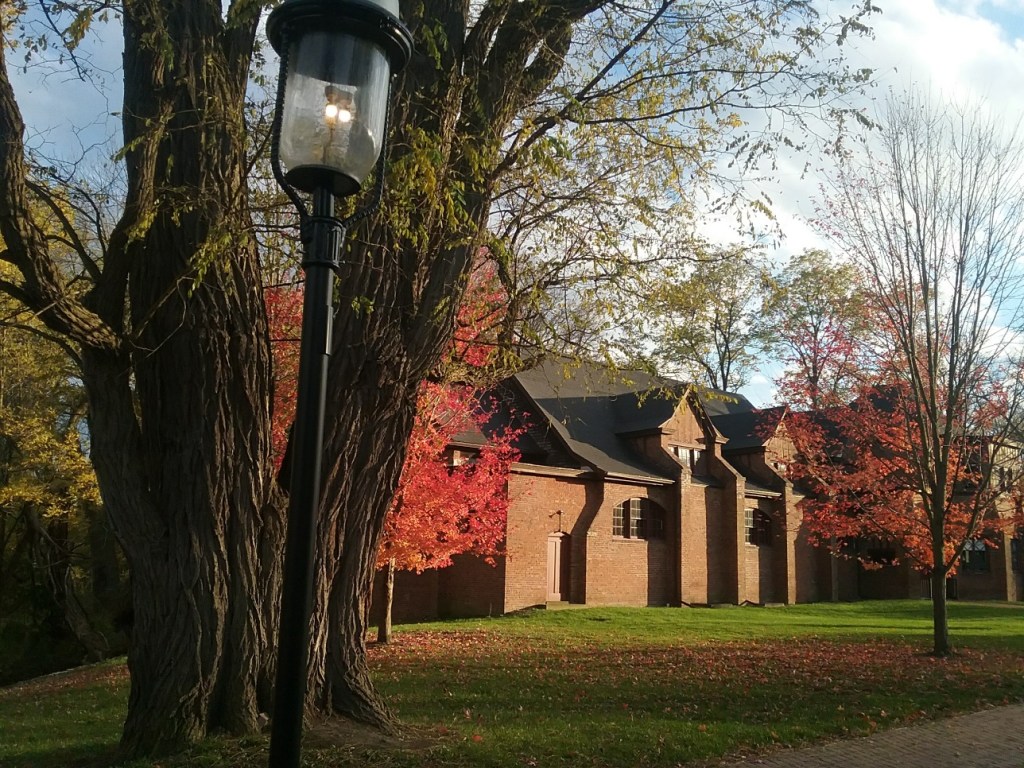
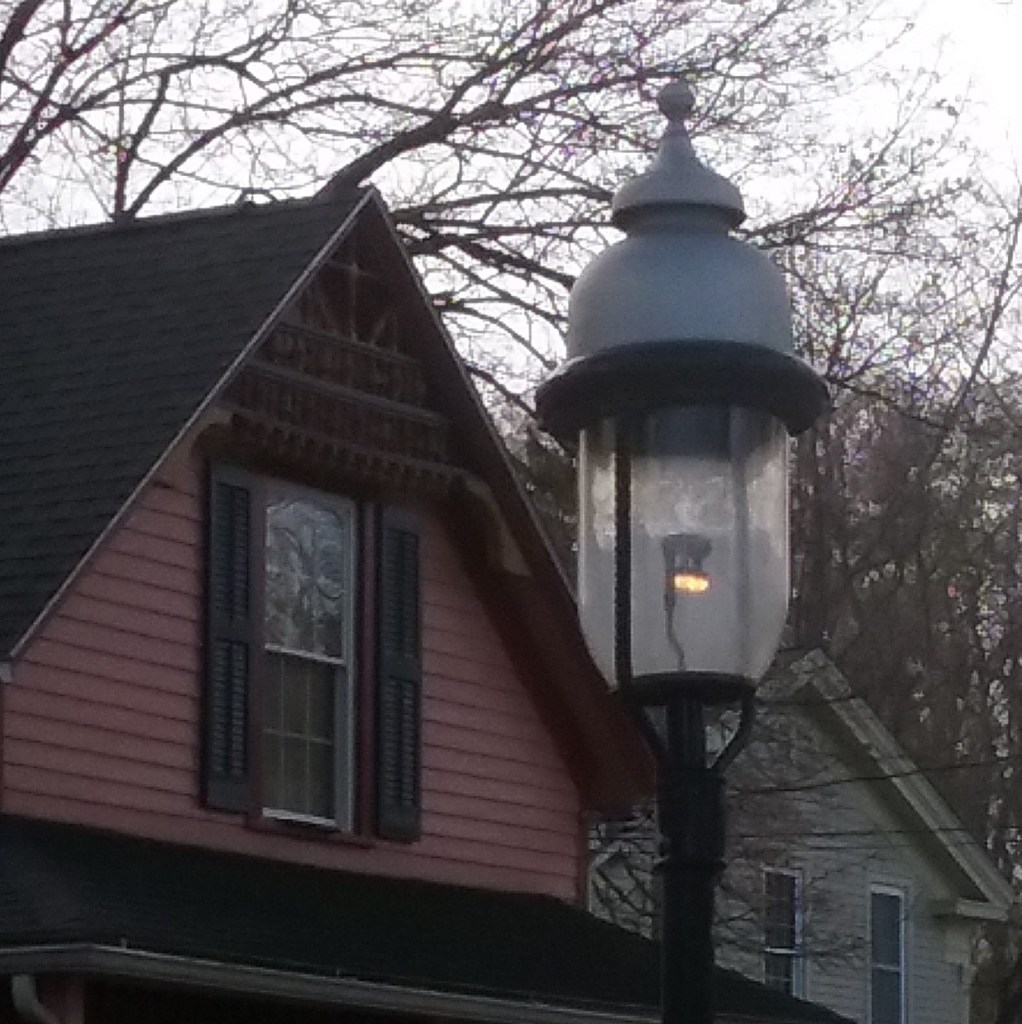
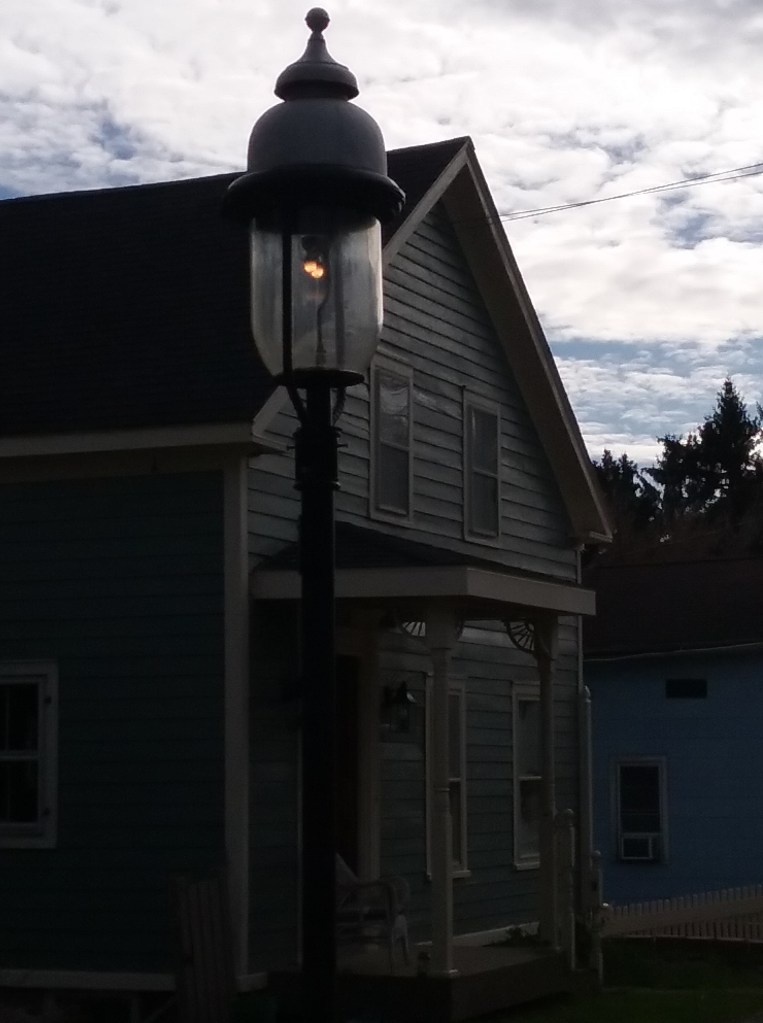
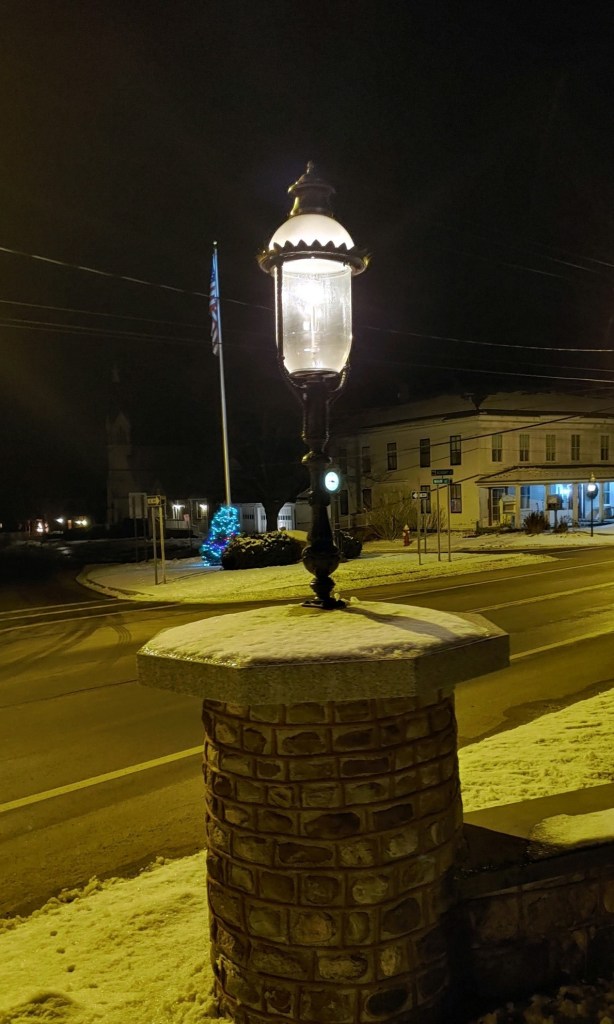
The restored natural gas streetlights of Wyoming.

Lights in The Night


Another 20 lights are replacements – a mix of historic lights from other communities that were discarding their fixtures in the 1970s and 1980s, as well as modern replicas.

Research into the gas luminaries was done by a team headed by Senior Historic Site Restoration Coordinator Beth Cumming, Historic Sites Restoration Coordinator Sloane Bullough, Bureau of Technical Preservation Services Director John Bonafide, and National Register Western New York representative Jennifer Walkowski.

It was learned that the fixtures were made by manufacturer Thomas T. W. Miner Company of New York City. This information was used to augment the existing historic district National Register of Historic Places nomination.

While the Thomas T. W. Miner Company is long since out of business, the quality and endurance of their product is a fitting legacy _ and one that will continue to light the night in Wyoming for generations to come.

Happy Holidays from Wyoming, New York, the “Gaslight Village.”

Post by Sloane Bullough, Historic Sites Restoration Coordinator, and Brian Nearing, Deputy Public Information Officer for State Parks

This project was among ten projects honored this month with State Historic Preservation Awards. Read about the projects here.

All photographs provided by State Parks and Village of Wyoming

Mushroom Tech Cleans Up at Lake Erie State Park

For many people, mushrooms can be a healthy, tasty addition at mealtime. But along the Lake Erie shoreline south of Buffalo, the science of mushrooms is being used in an innovative way – as an environmentally-safe method to reduce harmful bacteria in a stream near the beach at Lake Erie State Park.

At the beginning of this decade, tests of the stream and water at the beach by the State Parks Water Quality Unit were showing consistently high levels of e. coli, a bacteria found in fecal matter which can severely sicken those who have been exposed.

The sand and cobble beach in Chautauqua County had been closed to swimming for several years due to a combination of high bacterial levels and fiscal constraints. Testing indicated that the problem likely was being caused by faulty septic systems or unsewered properties upstream, although additional contamination from animals could not be ruled out as another potential source.

While there are mechanical and chemical techniques  to filter such harmful bacteria from water, in 2014 Water Quality staff decided  to test an innovative mushroom-based system developed by Fungi Perfecti, a Washington-state based company with a long research history into fungus and mushrooms, a scientific field known as mycology.

Company founder and owner Paul Stamets is a nationally- and internationally-recognized expert and promotes innovative uses for mushrooms in bioremediation and medical therapies. He even entered the realm of popular culture when creators of the latest Star Trek franchise, which started in 2017 on CBS All Access, named the ship’s science officer after him as part of the use of a a mushroom-based propulsion system for the Starship Enterprise.

Meanwhile, back here in New York State and with funding support from the federal Great Lake Restoration Initiative, water quality staffers at State Parks installed a Stamets-designed mycofiltration system into this small creek at the Park.

The filtration system uses large plastic containers called totes that contain a mixture of wood chips and mycelium (the tiny threadlike vegetative part of fungi that fruits as mushrooms) that allow water to pass through. This allows the mycelium mixture to absorb bacteria from contaminated water as it flows past.

A crane drops the mycofiltration tote into position within a concrete weir that channels the stream. (Photo Credit- State Parks)
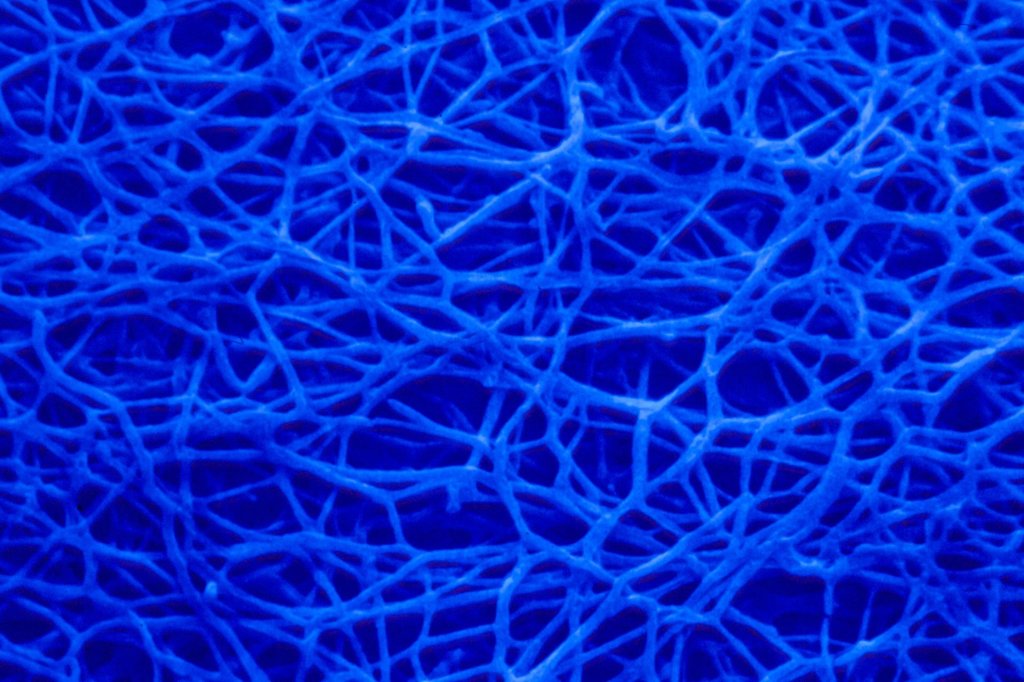
Microscopic image of mycelium (Photo Credit- Fungi Perfecti)

So far, the test results seem promising. E. coli levels downstream of the filtration system have dropped and water quality at the beach has improved, although outside factors, including improvements in the surrounding watershed, may have contributed.

The mycelium in the totes were reinoculated – another way of saying reimplanted and reinvigorated – in 2016 and 2019. Data from this project is being shared with Fungi Perfecti to assist in their research and development of their system.

Said Renee Davis, director of research and development at Fungi Perfecti, “We are proud of the contributions that fungal mycelium has been able to make for Lake Erie State Park and the surrounding ecosystems. Though we still face challenges with scalability of this technology, the applications are promising. We are closely studying the aspects of fungal metabolism that drive these effects, particularly the secretion of specialized compounds from mycelium into the environment.”

She added, “New potential applications have also arisen for bioretention and stormwater. For us, this project is an example of the possibilities that emerge when we look at nature—particularly fungi—in a new, creative, and innovative way. We hope this is the first of many projects to come using mushroom mycelium for water quality.”

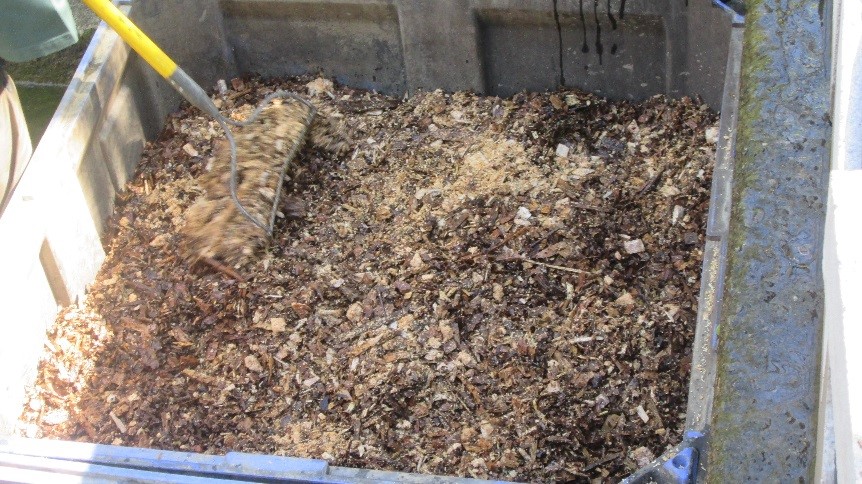
Mycelium and wood chips are mixed together in the totes. (Photo Credit- State Parks)
Totes rest within the concrete channel of the stream. (Photo Credit- State Parks)

Currently, this is the only State Park where this chemical-free, ecologically-safe method is being tested, although it could be introduced into the Finger Lakes region if a suitable location can be found.


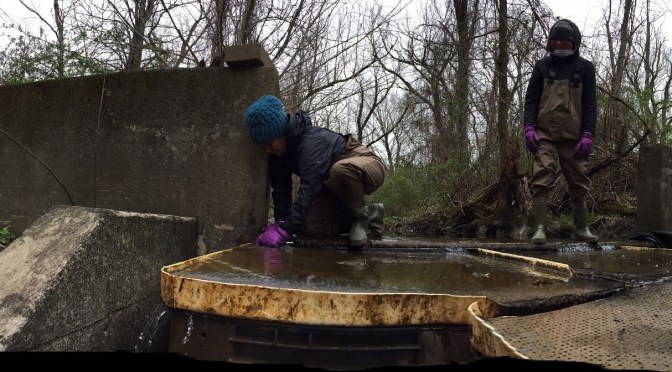
Cover Shot: NYS Parks crews service the mycofiltration unit in Lake Erie State Park in 2016.

More Resources

See a technical display of the project here

Hear Fungi Perfecti Founder Paul Stamets give a TED lecture on the potential uses of mushrooms.

Fungi Perfecti founder and owner Paul Stamets. (Photo Credit- Fungi Perfecti)

Stamets’ awards include Invention Ambassador (2014-2015) for the American Association for the Advancement of Science (AAAS), the National Mycologist Award (2014) from the North American Mycological Association (NAMA), and the Gordon & Tina Wasson Award (2015) from the Mycological Society of America (MSA).

Currently, Stamets is testing extracts of rare mushroom strains at the NIH (National Institutes of Health/Virology) and with Washington State University/United States Department of Agriculture against a wide panel of viruses pathogenic to humans, animals and bees.

Read what local Capital Region entrepreneur Eben Bayer, owner of Ecovative Design, a mushroom-based packaging and development business based in Green Island, has to say about the scientific potential of mycelium.

Check out the Mushroom Blog at Cornell University.


Post by April Brun and Gabriella Cebada Mora, NYS Parks Water Quality Unit

First Day Hikes 2020

Many New Yorkers thrive in winter and are eager for falling temperatures and consistent snowfalls. To these hardy adventurers, a few extra layers of gear combined with the snowy terrain of parklands is a winning recipe for fitness, togetherness and outdoor fun.

Welcome the new decade, enjoy the winter landscapes, and unwind after a hectic holiday season by joining a First Day Hike on January 1, 2020.

First Day Hike

There are more than 75 such hikes planned at state parks, historic sites, wildlife areas, trails and public lands across the state as part of the 9th annual First Day Hikes program. This map can help find one near you…

Hikes are being offered at more than 50 state parks and historic sites (with some facilities offering multiple hikes for different age groups, skill levels and destinations within the park) and 21 state lands, wildlife areas, Forest Preserve trails and environmental education centers run by the state Department of Environmental Conservation.

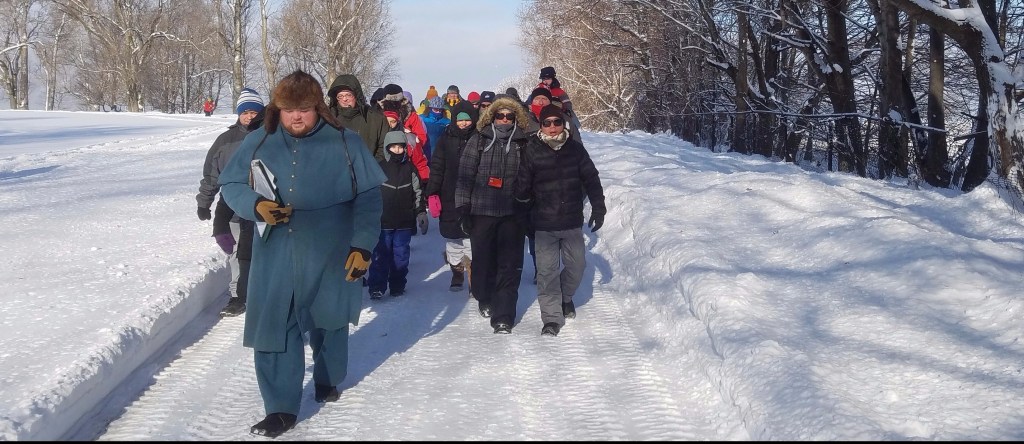
Staff from State Parks and DEC, along with volunteers and partners at many sites, will lead these family-friendly walks and hikes, which range from one to five miles depending on the location and conditions. Remember to dress appropriately and keep this old Scandinavian saying in mind: “There is no such thing as bad weather, only bad clothing.”

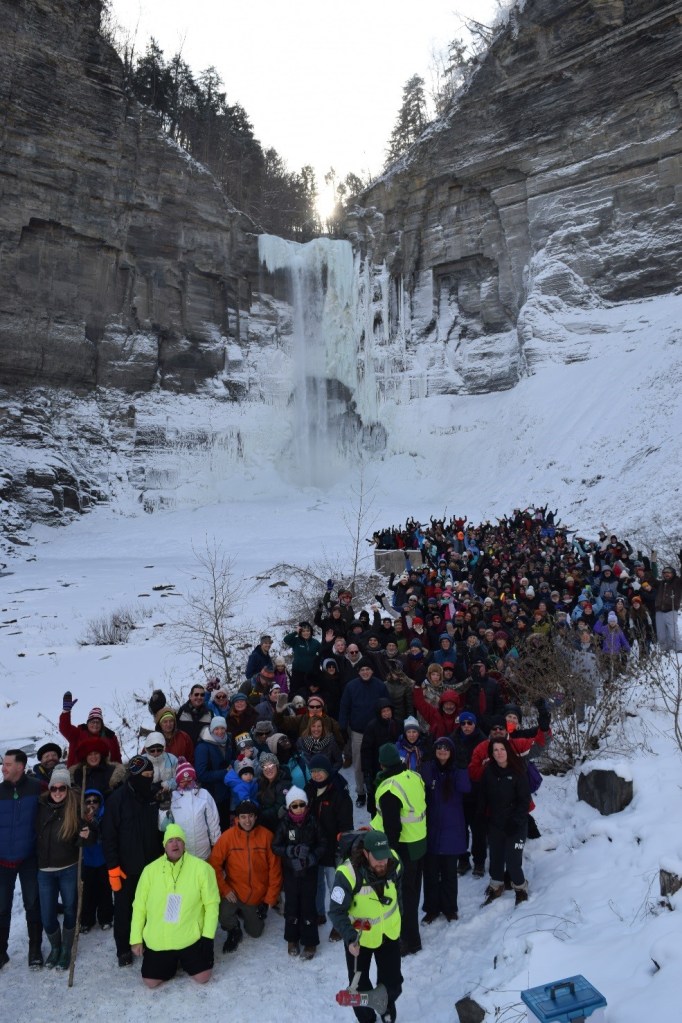
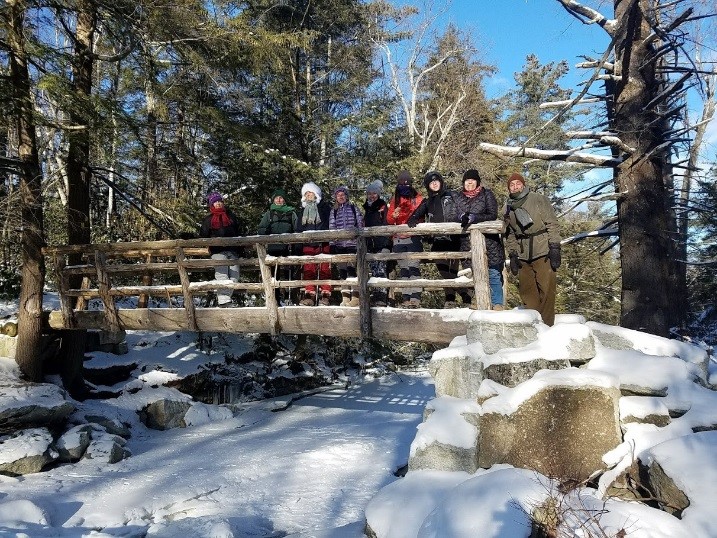
First Day hikers at Taughannock Falls State Park.

A sample of this year’s programs feature a seal walk, walking history tour, snowshoe waterfall hike, pet-friendly treks, gorge walks, fire towers, and more. If weather conditions permit, some First Day Hikes may include snowshoeing or cross-country skiing. Many host sites will be offering refreshments and giveaways.

Participants are encouraged to contact the park for information and pre-registration where noted.

Never too young to go out for a hike.

And know that you are part of something that is happening all across America. First Day Hikes, which started in Massachusetts in 1992, are now a national event taking place in all 50 states.

Last year nearly 55,000 people rang in the New Year, collectively hiking over 133,000 miles throughout the country on the guided hikes.  Numerous others hiked state park trails throughout the day.

If you’ve never been on a First Day Hike, 2020 is the year!


Cover photo: First Day hikers at a DEC fire tower. These hikers are wearing traction gear on their boots, which is important in steep or icy conditions.

Post by NYS Parks Staff

Gorge-ous Gulls of the Niagara in Winter

The Niagara River is well-known as an international destination for its tremendous waterfalls, which form spectacular ice formations during the winter. Perhaps a lesser known fact, however, is that the river is also a critical haven for migrating birds during this time of the year.

Gulls, in particular, are a common sight along the Niagara, with as many as 100,000 gulls stopping over the river during the winter and fall.

The river is attractive to gulls because it offers them food and shelter, and serves as a rest stop for long migrations from the arctic to the Atlantic coast. As well as providing plenty of small fish, the area also serves as protection from storms that can affect the Great Lakes during the wintertime.

Created in 1885, Niagara Falls State Park is the oldest state park in the United States, with hundreds of thousands of visitors annual drawn by the immense power and beauty of the thundering cataracts. Looking down from the edge of Niagara Gorge in autumn or winter, the air above the turbulent waters is at times white with wheeling and diving gulls.

In recognition of the river’s important habitat for feeding, nesting, wintering, and during migration, it has been designated as an Important Bird Area by the Audubon Society.

Just down the river, Fort Niagara State Park on Lake Ontario also is recognized as part of this area.


“The site is particularly noteworthy as a migratory stopover and wintering site for Bonaparte’s Gulls, with one-day counts ranging from 10,000-50,000 individuals (2-10% of the world population). One-day Ring-billed Gull counts vary from 10,000-20,000, and one-day Herring Gull counts vary from 10,000-50,000. The river also hosts a remarkable diversity and abundance of waterfowl.”

Audubon Society on Important Bird Area in Niagara River Corridor

These gull populations peak in the winter, so going bird-watching is a great way to get outdoors during the cold season and see yet another wonder that the falls, the river and this region have to offer.

If you choose to go birding along the river this season, here are some gulls you might end up seeing:

Bonaparte’s Gull

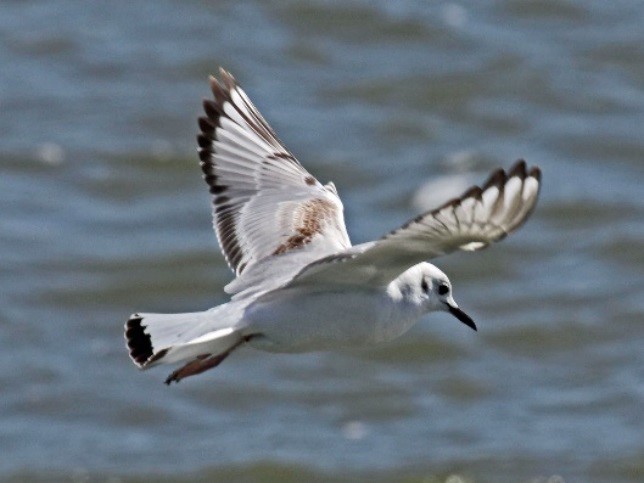
A nonbreeding Bonaparte’s Gull in flight. (Credit- Wikipedia Commons)
A breeding adult Bonaparte Gull, with its distinctive black head. (Credit- Wikipedia Commons)

Bonaparte’s Gull is a small gull with a white underbelly, grey back, and thin, black beak. The top outer parts of its wings have wedges of white edged in black. Breeding adults have black heads but nonbreeding and young gulls have a white head with a dark smudge behind its eye. These gulls like to winter near people and, in fact, are the only gulls that regularly nest in trees!

Ring-Billed Gull

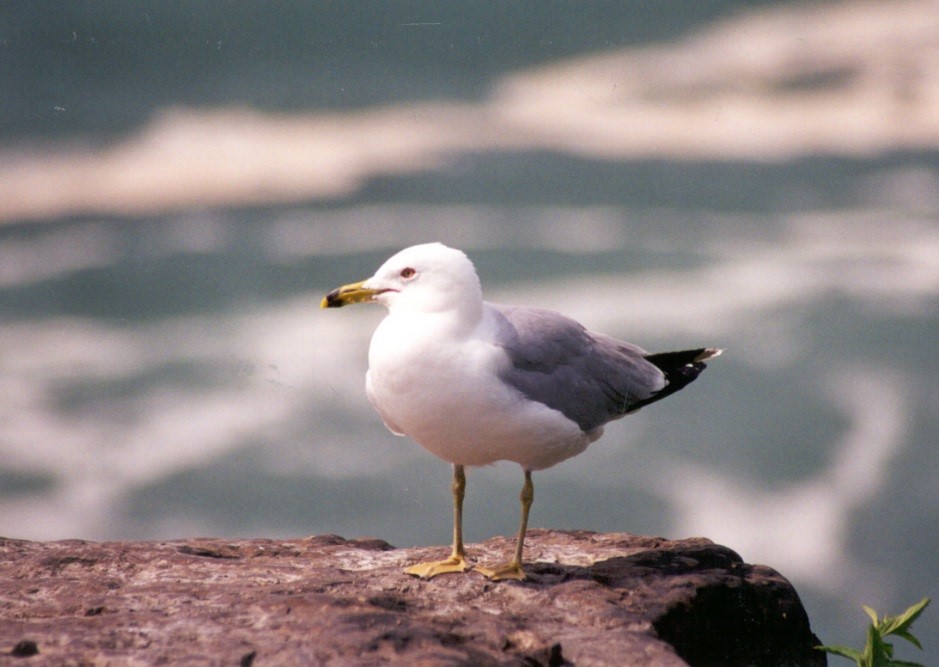
A Ring-Bill Gull stands on a rock. (Credit-State Parks)

Ring-Billed Gulls have yellow beaks with a black band, or ‘ring’, encircling it. The breeding adult has a gray back and black wingtips. In the winter, these birds develop tan streaking across the head. These yellow-legged birds may be found further inland.

Herring Gull

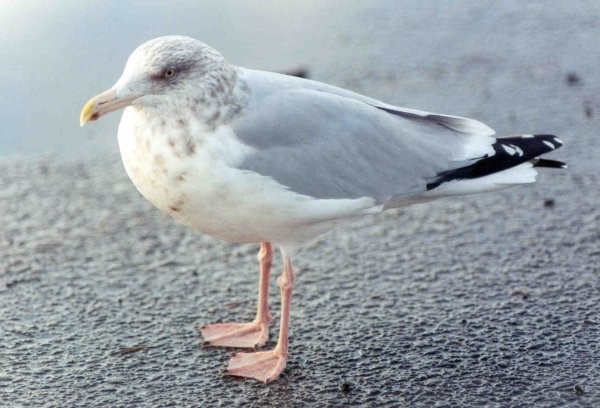
An adult Herring Gull. (Credit-State Parks)

Herring Gulls are on the larger side and are much like the quintessential seagull. They have yellow eyes, pale pink legs, and a red spot on the bottom of their yellow beaks. An adult has a grey mantle and black wingtips, much like the Ring-Billed Gull. These birds start of uniformly dark and then get paler and they grow older, their plumages varying over their first four years. Herring Gulls may be found year-round along the Niagara.

Great Black-Backed Gull

A Great Blacked-Back Gull in flght. (Credit- Wikipedia Commons)

The Great Black-Backed Gull is the world’s largest gull! It has black wings and mantle, a white underside as an adult, and red rings around its eyes. Like the Herring Hull, younger birds’ plumages change as they age; the younger Great Black-Backed Gulls can be differentiated because of higher contrast in their colors than the young Herring Gull. These gulls come to Niagara from the East Coast.

Iceland Gull

An iceland Gull in flight. (Credit-Audubon Society)

Iceland Gulls are slightly smaller than Herring Gulls. These gulls, when adults, have a pale gray mantle and wingtips that can vary in color, from white in the east to black in the west. The darker winged gulls used to be labeled ‘Thayer’s gulls’ and considered a different species, but the two were combined in 2017. These gulls come to Niagara from the Arctic.

Sabine’s Gull

A Sabine’s Gull in flight (Credit-Audubon Society)

This small gull has a spectacular wing pattern, long pointed wings, a notched tail, and a short black bill with a yellow tip . Generally a prized sighting for birders, because it nests on tundra of the high Arctic and migrates south at sea, often well offshore. Those from eastern Canada and Greenland mostly migrate eastward across North Atlantic and then south.

These are just six of the 19 different species of gulls have been spotted here. So, grab your binoculars and see for yourself!


Sources:

Cover Photo: New York State Department of Environmental Conservation

Audubon Society of New York: https://ny.audubon.org/

The Cornell Lab of Ornithology: https://www.allaboutbirds.org/

Important Bird Areas of Canada: https://www.ibacanada.com/