The Centennial celebration of 2024 was a tough act to follow! We launched the second century of Parks and Historic Sites by meeting the moment and building towards the future, and even welcoming the entire golfing world to Bethpage State Park for the Ryder Cup. Let’s take a look back at the year that was!
The story of New York’s state parks and historic sites is not just one of properties, but of people. During our Centennial year, we introduced you to some of them. In this new series, we take our scrapbook of memories down from the shelf and open it to share their stories in more detail.
His resume reads like the start to that old joke: “A quarterback, a politician and a parks administrator walk into a restaurant…” but it’s no joke. Former Western District Director Ed Rutkowski’s career took him through all those careers, and he was a champion at each one.
Ed Rutkowski, right, with his wife Marilou and fellow Buffalo Bills and CFL veteran Doug Flutie. Rutkowski is also a former Erie County Executive and Parks Western Region Director.
Established in 1985, the New York Natural Heritage Program is a partnership between the State University of New York College of Environmental Science and Forestry and NYS Department of Environmental Conservation. The program’s mission is to determine the location and status of New York’s plants, animals, and ecological communities and provide this information to public agencies and scientific and educational institutions to facilitate conservation. Today, they count multiple non-profits, local governments, federal institutions, and state agencies among their partners — including New York State Office of Parks, Recreation and Historic Sites. You may have heard about their long-term firefly study at several of our parks. Ecologist Julie Lundgren shares more highlights from their year of work in New York State Parks.
Companionship with animals ties humans together throughout time. Many of the people who lived and worked at our historic sites had pets who brought them friendship and joy. In our historic collections, we have paintings and photographs of these beloved pets. How do you capture your furry or feathered friends?
Jolly Pets at John Jay Homestead
This portrait of Eleanor Kingsland Field with her pet Italian greyhound was painted in Rome when she was around fourteen years old. Eleanor’s family traveled to Italy frequently during her childhood and this portrait was commissioned during one of her trips. There is a long art history tradition of subjects being painted with their animals. In adulthood, Eleanor married John Jay II, grandson of the famous first Supreme Court Justice, and lived in the family home in Katonah that is now John Jay Homestead State Historic Site.
Eleanor Kingsland Field, Giovanni Battista Canevari, c. 1833, oil on canvas. New York State Office of Parks, Recreation and Historic Preservation. John Jay Homestead State Historic Site. Gift of Westchester County, New York, JJ.1958.295.A
Olana’s Animal Companions
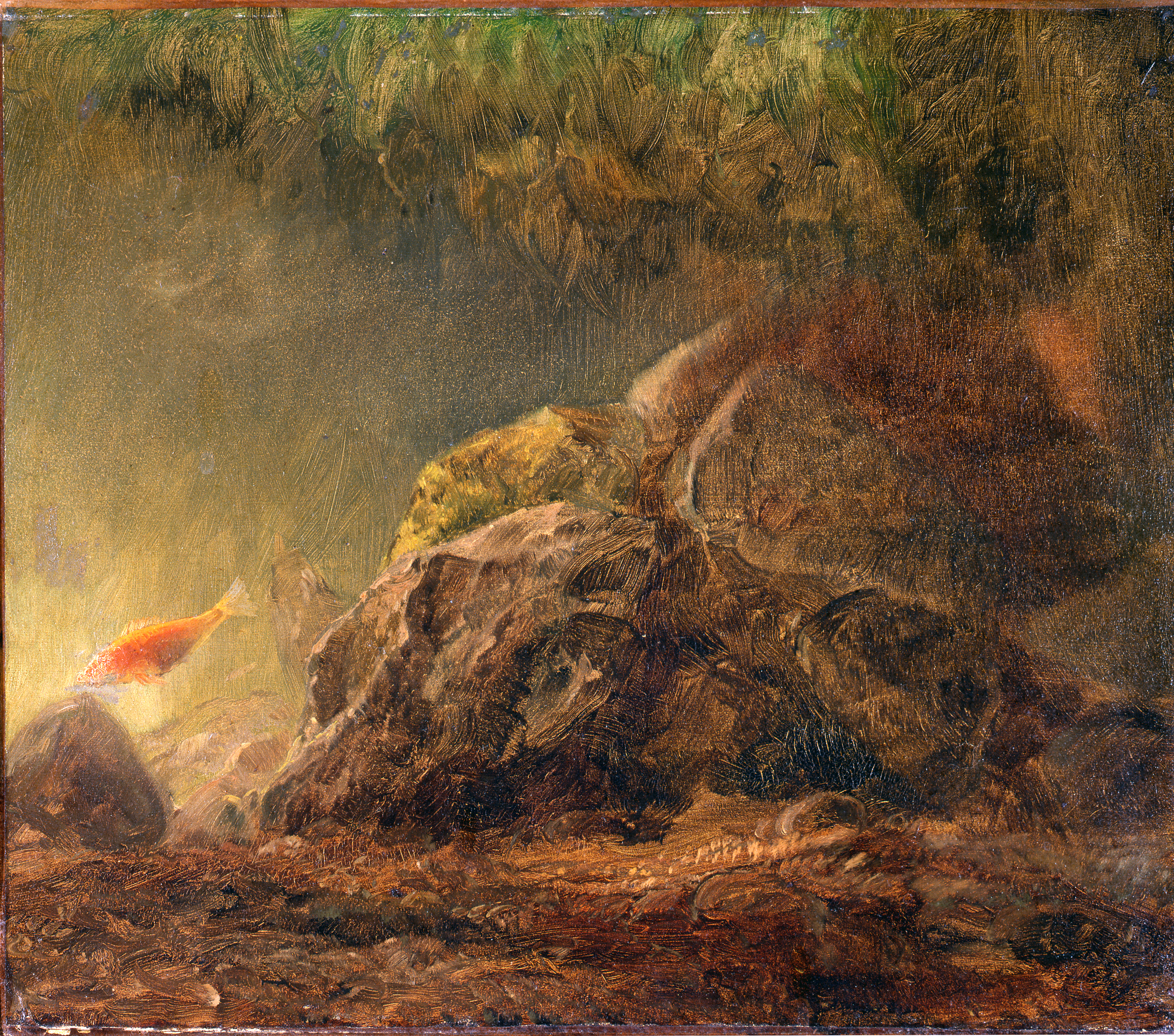
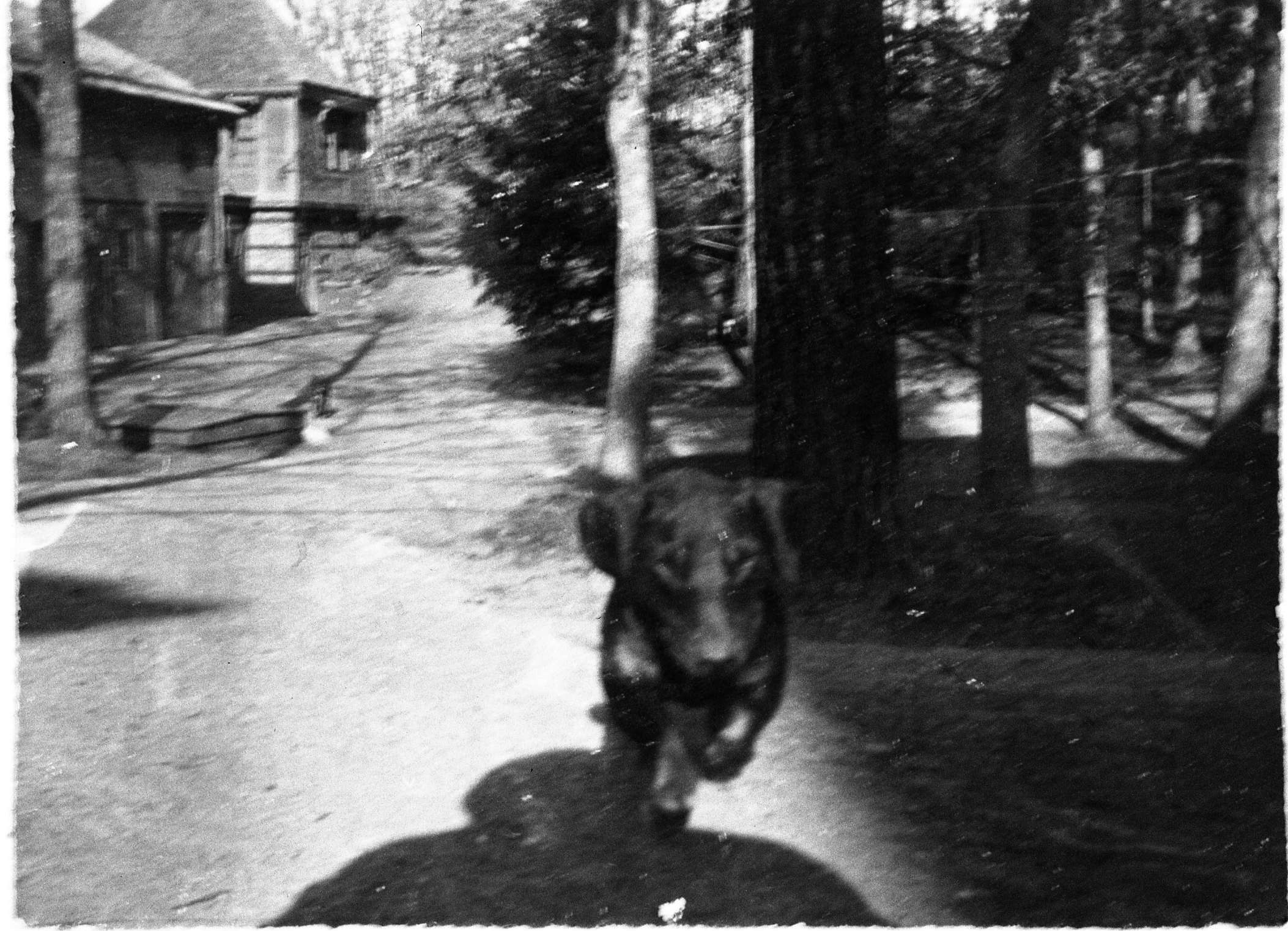
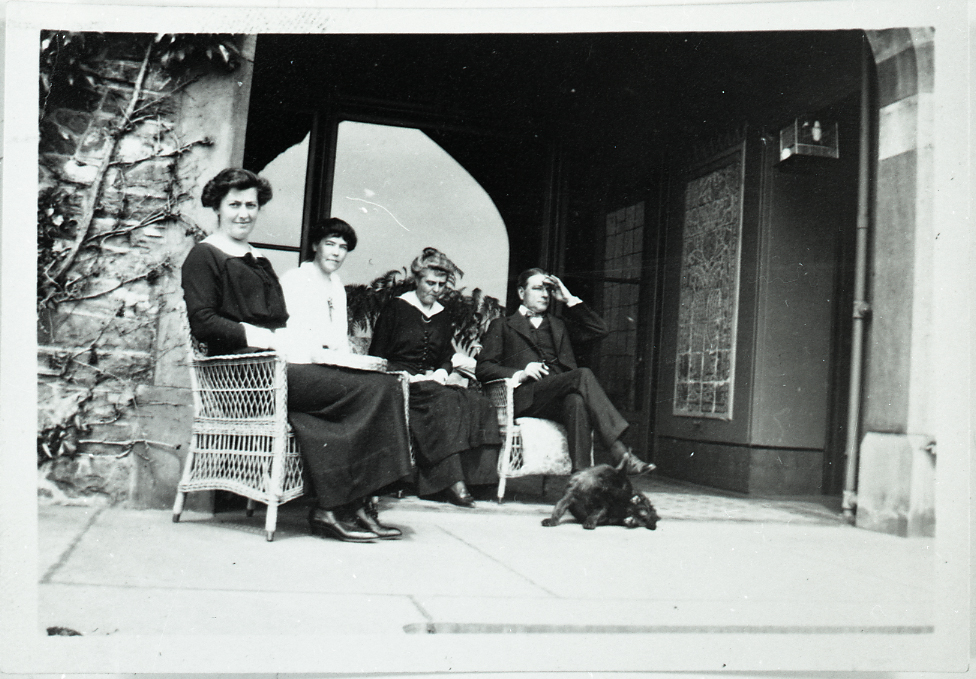
Frederic E. Church and his family lived at Olana State Historic Site outside of Hudson. They had many pets at the family estate, including dogs, a donkey and likely some goldfish. Two large goldfish bowls have survived in the site’s collection. Though this painting is of a goldfish pond, it is believed that Church painted one of the family goldfish from the bowl and created the natural environment around the fish. The painting now hangs in the corridor at Olana’s main house leading to Church’s studio. The family was also pictured with many of their dogs, both inside and outside the house.
Credit: Goldfish Pond, Frederic E. Church, c. 1875-1880, Oil on paper mounted to canvas, New York State Office of Parks, Recreation and Historic Preservation. Olana State Historic Site. Gift of Olana Preservation, Inc. and Museum Purchase. OL.1981.44.A
Credit: Group Seated on Ombra Porch with dog at their feet & Dog Running behind Olana with Carriage House in Background, Photographs, c. 1910-1920. New York State Office of Parks, Recreation and Historic Preservation. Olana State Historic Site. Gift of Olana Preservation, Inc., and Museum Purchase. OL.1987.442 and OL.1987.64
Lorenzo’s Furry Friends
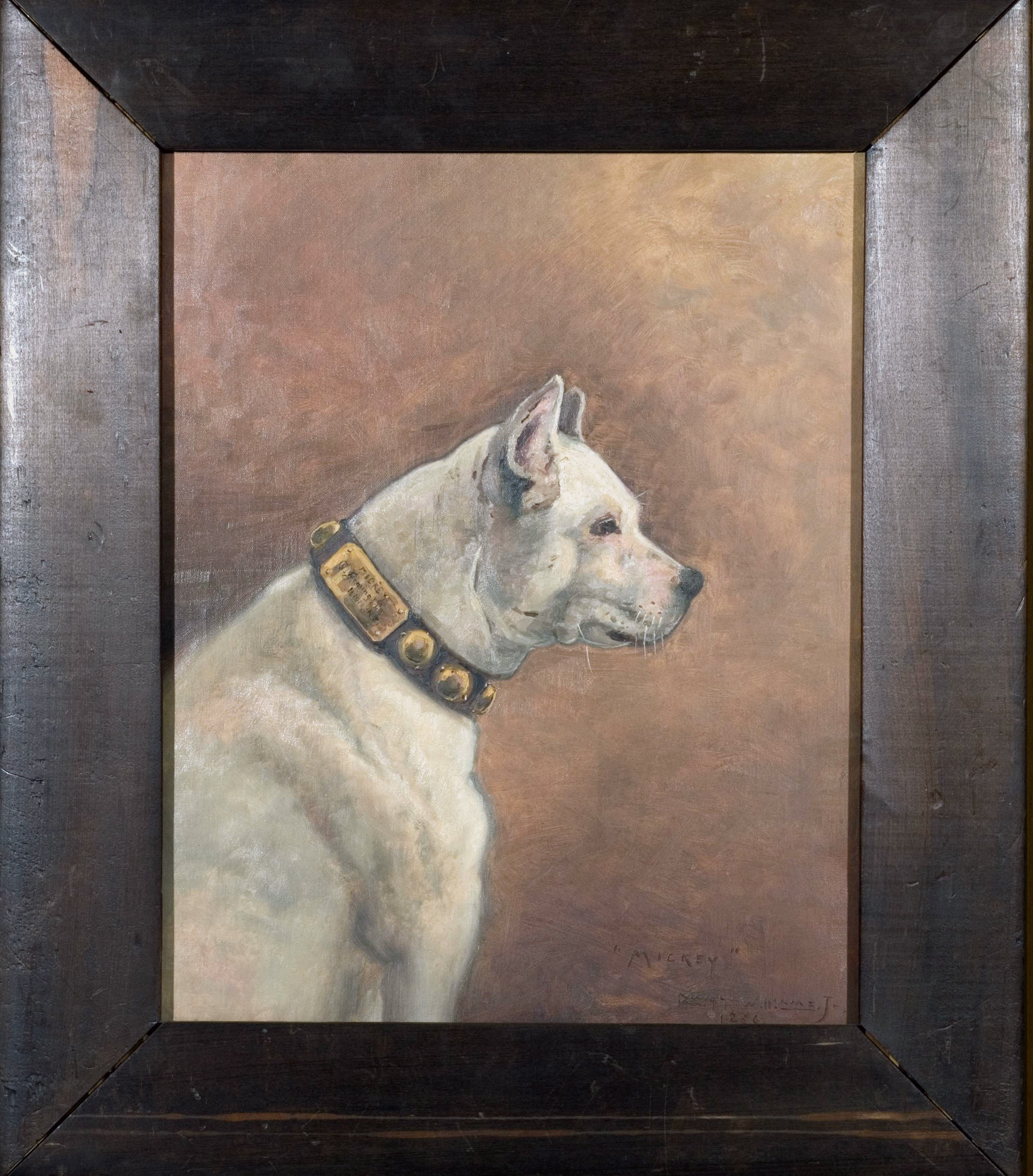
The collection at Lorenzo State Historic Site in Cazenovia also has mementos of cherished pets. Mickey was the dog of Carver Remington, the brother of Eliphelet Remington, one of the owners of Lorenzo in the 20th century. There is a lovely formal portrait of Mickey in profile, painted by central New York artist Dwight Williams.
Credit: Mickey, Dwight Williams, c. 1886, oil on canvas. New York State Office of Parks, Recreation and Historic Preservation. Lorenzo State Historic Site. Museum Purchase, Founding Collection, LO.1974.511.AB
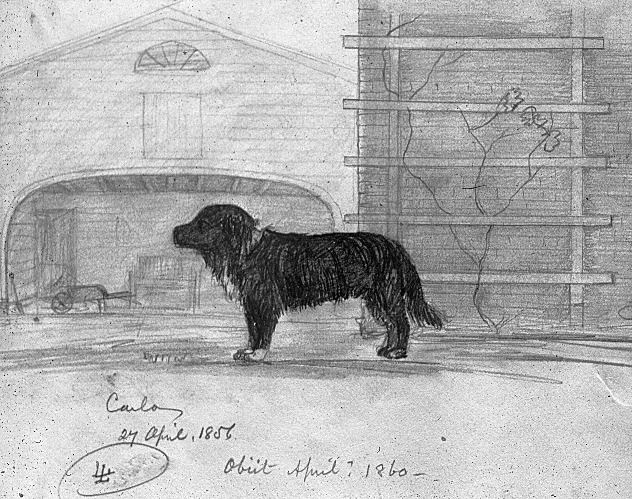
There are also informal renderings of family pets, like this drawing of Carlo. He was the pet of Ledyard Lincklaen, owner of Lorenzo from 1847 until his death in 1864. Carlo is a Newfoundland and shepherd mix. This rendering was done on April 27, 1856. We know Carlo’s breed because he was lost and Lincklaen placed an ad in the Cazenovia Republican offering “a suitable reward paid for his recover.” Thankfully, Carlo was recovered since the drawing adds “Obit April ? 1860,” marking the date of Carlo’s death.
Credit: Carlo, Ledyard Licklaen, c. April 27, 1856, graphite on paper. New York State Office of Parks, Recreation and Historic Preservation. Lorenzo State Historic Site. Museum Purchase, Founding Collection, LO.1976.643.30.B
Clermont’s Cherished Childhood Pets
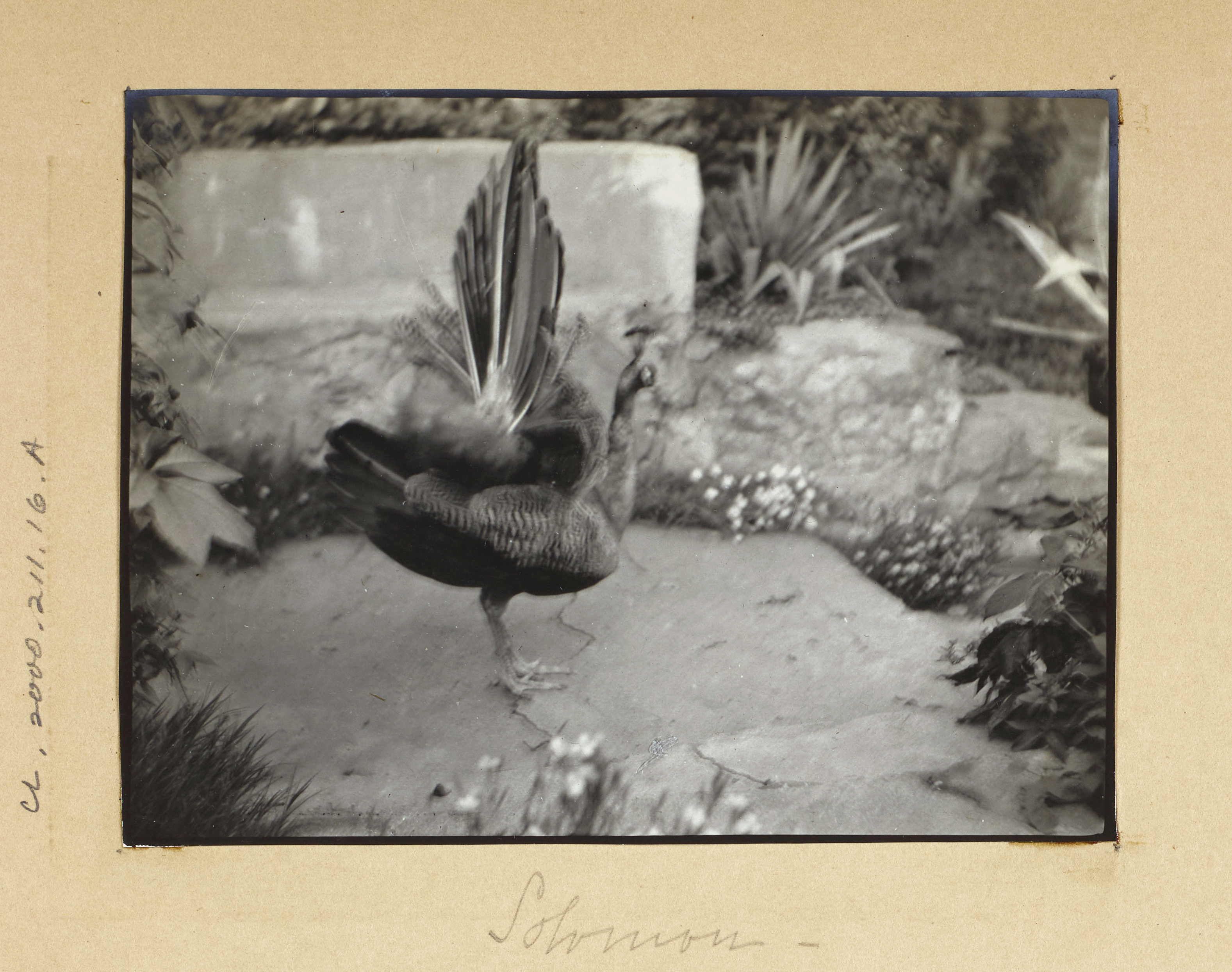
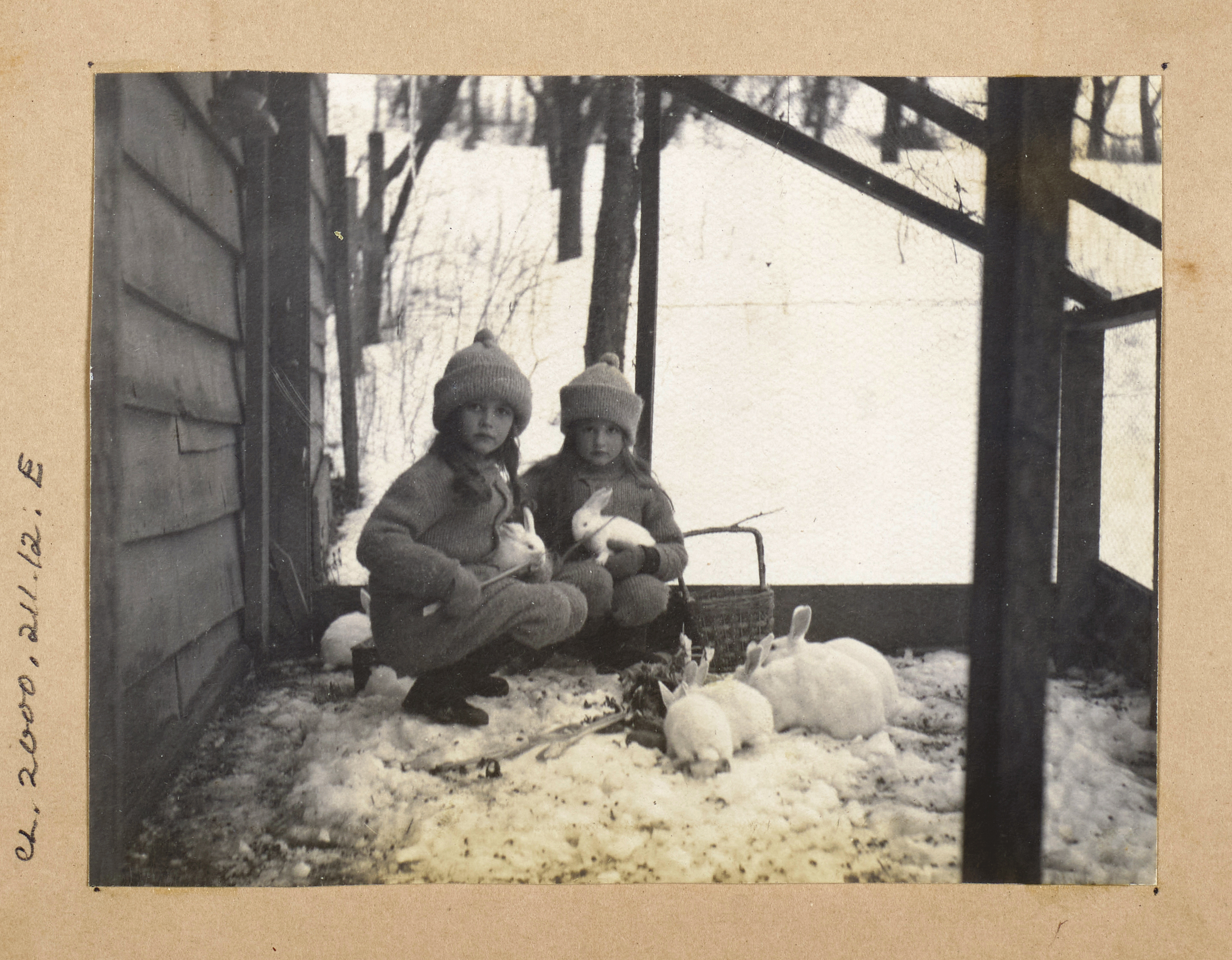
Janet and Honoria Livingston grew up at Clermont State Historic Site in Germantown, one of the Livingston ancestral homes. Their early 20th century childhood was captured in many family photo albums (as seen in a recent blog post on historic costumes). Their pets were frequently included. Their English bloodhound, Rufus, was especially treasured, and features in many photographs. The family also had horses, a pony, rabbits and a peacock named Solomon.
Credit: Solomon the Peacock,Janet and Honoria with Rabbits in Winter, Janet and Honoria Livingston with Rufus, Photographs in Album, c. 1915. New York State Office of Parks, Recreation and Historic Preservation. Clermont State Historic Site. Gift of Honoria Livingston McVitty, CL.2000.211.13.F, .12.E, and .16.A
— Written and developed by Amanda Massie, Senior Curator, Bureau of Historic Sites
What’s your first feeling when you hear the word moth: irritation or wonder? Anyone who’s gotten an unpleasant surprise when taking winter wools out of storage will agree that moths can be a menace to clothing and bedding. But at the same time, the varied species of moths lend beauty and majesty to nights outdoors and play an important role in our ecosystem.
As a textile conservator, Sarah Stevens works with historic site staff to prevent moth damage and respond to it when it occurs. As a wildlife biologist, Kelsey Ruffino facilitates the study of the moth population in New York State parks and ensures it has the support that they need to thrive. Both share their professional perspectives on these winged insects.





 New York State Parks and Historic Sites Blog