Fourth of July weekend is a great weekend to spend in a State Park or Historic Site. You can build sand castles at Hither Hills State Park to camp on the banks of Lake Erie at Evangola State Park, fish in the St. Lawrence River at Wellesley Island State Park, listen to a reading of the Declaration of Independence at Stony Point Battlefield State Historic Site, take a hike, enjoy the forest and more. Find out all that State Parks has to offer this weekend at nysparks.com.
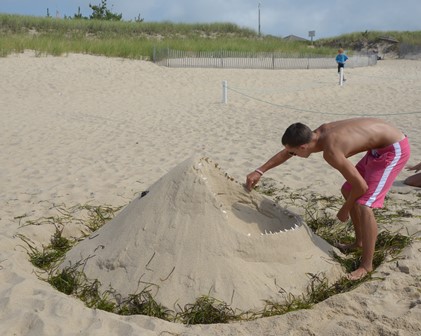
Take a hike on the Indian Ladder Trail at Thacher State Park, Photo by OPRHPHear the cannons firing at Stony Point Battlefield State Historic Site, photo by OPRHPTry your hand at fishing at Wellesley Island State Park, photo by OPRHPPlay one of George Washington’s favorite games at Schuyler Mansion State Historic Site, photo by Schuyler Mansion State Historic SiteTour the gardens at Lorenzo State Historic House, photo by OPRHPCheck out the Farm Market at John Jay Homestead State Historic Site, photo by OPRHPEnjoy a cool gorge in the Finger Lakes Parks or at Whetstone Gulf State Park – photo by OPRHPBuild a sand castle at Hither Hills State Park, photo by John Williams, OPRHPPicnic by the lake, Glimmerglass State Park, photo by OPRHPGet to know the residents, salamander program at Allegany State Park, photo by Tom LeBlanc OPRHPTry your hand at golfing at Rockland Lake State Park, photo by OPRHPGo biking at Grafton Lakes State Park, photo by OPRHPCamp at Cherry Plain State Park, photo by OPRHPGo boating in the Finger Lakes, Allan H. Treman State Park, photo by OPRHPMarvel at old-growth trees in Allegany State Park along the Conservation or Eastwood Meadows Trails – photo of old-growth ash tree in Allegany State Park by J Lundgren, NYNHPSee the fireworks at many parks across the state, photo by OPRHPOr enjoy a quiet evening sunset, Golden Hill State Park, photo by OPRHP
Each week during the summer, volunteers at 34 State Parks campgrounds across the state assist novice and experienced campers with their camping experience through the Camper Assistance Program, CAP. This help varies from teaching new campers the ways of the woods, assisting with camper check-in, and helping campers learn about activities they can do while camping.
Below describes what could be a typical day for a fictional CAP volunteer:
7:00 am: Quiet hours are over. Some campers are up early, fires are getting started and the air smells good with all of the coffee brewing. I get my breakfast going as it will be a full day ahead.
10:00 am: Patrons that are ending their stay are typically packing to go home at this time. I take a morning walk to offer any assistance, and this morning I help a man and his dog get ready to leave. His dog likes to help him fold his tent, which is not very helpful, so I hold his leash until the tent is packed up.
11:00 am: The park manager asks if I can assist with visitor check-in later in the day. Typically, the busiest time is between 3 and 5 p.m. So for now, she would like me to clear out a flower bed at the entrance of the campground.
The maintenance staff arrives with rakes and shovels and we work together clearing away leaves and weeds. We have new flowers to plant in a wonderful design which creates a very welcoming display to campers at the entrance.
12:30 pm: Time for lunch! I head back to my trailer to clean up, grab a bite to eat, and relax at my camp site, enjoying the lovely day.
1:30 pm: Time for another walk around the campground loops.
Most campers have done this all before. However, today I helped a family who has arrived with a new camping trailer. Dad tries to back it in, but it’s clear that this is not a simple procedure, so I offer my assistance. After 20 minutes, we have successfully backed the trailer to the most level spot on his site. He thanks me for the help and they begin their week-long vacation at the campground.
3:00 pm: I head to the camping office and help with check-in. While the campers wait their turn, it’s my job to make sure they have their paperwork ready. This will help with a quick check-in, to get campers on their way to enjoying their stay.
I answer many questions; Yes, we sell ice. I can verify you have a reservation. Here is your site number. Patrons with dogs… Do you have the rabies certificate? Swimming begins at 10am each day. No, we can’t guarantee the weather but we do post the forecast each day.
5:00 pm. The rush is over and I walk back to my site and start my cooking fire for the evening.
5:30 pm. But wait. A patron walks over to my site and asks if I can help. They’ve broken one of their tent poles. I can help! I grab my tool bin and find duct tape…anything can be fixed with duct tape! Another camping disaster avoided.
6:15 pm settle in to my site for the evening.
This slideshow requires JavaScript.
The Camper Assistance Program (CAP) offers seasoned campers an opportunity to share their expertise and love of the outdoors with other people at campgrounds in parks throughout New York operated by State Parks. In return, CAP volunteers receive a free camping site.
You too can participate in the CAP program if you are a seasoned camper, at least 18 years of age, enjoy helping others, and are able to spend a minimum of two weeks at one of the participating state park campgrounds. CAP volunteers serve for a minimum of two, maximum of four weeks, usually between Memorial Day and Labor Day at the park manager’s discretion. They are on duty five days per week, including weekends and holidays. CAPs will be asked to work only two to five hours per day, but they may be on call at all times. In return for their services, they receive a free camping site during their duty. Additional campers may accompany the volunteer, within normal park rules.
CAP volunteers receive an orientation where they learn more about the State Parks and the CAP program and receive suggestions as to how they best can serve campers.






 New York State Parks and Historic Sites Blog