On a trip to a New York State park, you are likely to encounter distinct—and historic—architecture that feels, well, like it belongs in a park. And that’s because many of the historic buildings and structures in our system were originally part of a movement to create a distinct architectural style for park infrastructure. How did that develop? Read on to learn more about park architecture from the 1920s and 1930s…from administration buildings to trail shelters!
Planning and Building for Public Use
The development of the state park system, which began with the adoption of a unified state park plan in 1924, necessitated the construction of buildings and structures that could accommodate increased public usage in the pre-World War II era. These included bathhouses, erected for the use of patrons at parks with swimming facilities; picnic pavilions and smaller trail shelters, which provided shelter to park visitors during inclement weather or for special events; cabins, built to accommodate overnight visitors that did not wish to camp; and other specialized buildings, including park offices, golf clubhouses, and public restrooms.
Rustic Design
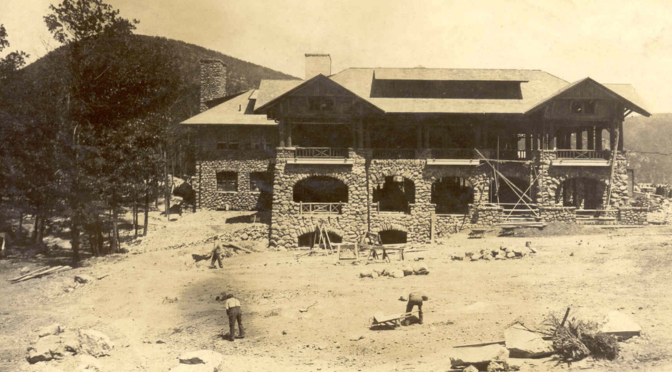
The architectural program of the New York State Park system between the late 1920s and early 1940s was decidedly rustic. This meant that projects usually used locally available natural materials, had a natural color palette, exhibited straightforward but skilled craftsmanship, and were designed to be integrated with their natural surroundings.
READ MORE


 New York State Parks and Historic Sites Blog