

From the sculpted drumlins of Chimney Bluffs to the majesty of Niagara Falls, each of our parks are memorable in their own way. But Chittenango Falls State Park has something you’ll find nowhere else on earth: the Chittenango Ovate Amber Snail, or Novisuccinea chittenangoensis.

First discovered in 1905, the Chittenango Ovate Amber Snail (known to its friends as “COAS” or “Chitt”) is what scientists call an endemic species, meaning it’s found in only one place. While this makes COAS a very special snail, it also makes it a very vulnerable snail. Flooding, drought, climate change, invasive species, and human activity threaten the small snail colony and its habitat. Never very numerous, the colony numbered only about 70 individuals during the 2023 census.
Fortunately, COAS has had allies ever since its discovery. Generations of researchers around the world and close to home have studied the snail to unlock the secrets of its fragile existence. In 2020, this blog told you about efforts to study Chitt’s diet, develop a laboratory breeding program, establish other COAS colonies at carefully chosen sites, and raise funds through a limited-edition beer.
These projects have progressed significantly. They currently rest in the capable and devoted hands of Ally Whitbread of State University of New York College of Environmental Science and Forestry (SUNY ESF) and Delaney Kalsman, Stewardship Specialist at State Parks. Kalsman maintains the habitat at Chittenango Falls State Park and supports the population in the field with the help of the student volunteer program FORCES (Friends of Recreation, Conservation and Environmental Stewardship). Whitbread is charged with the laboratory work, managing a team of three full-time technicians and a temporary student worker. They also partner with the NYS DEC, US Fish and Wildlife and the Rosamond Gifford Zoo.
“They’re very charismatic. They’re very cute. They have personalities.” — Ally Whitbread on snails.
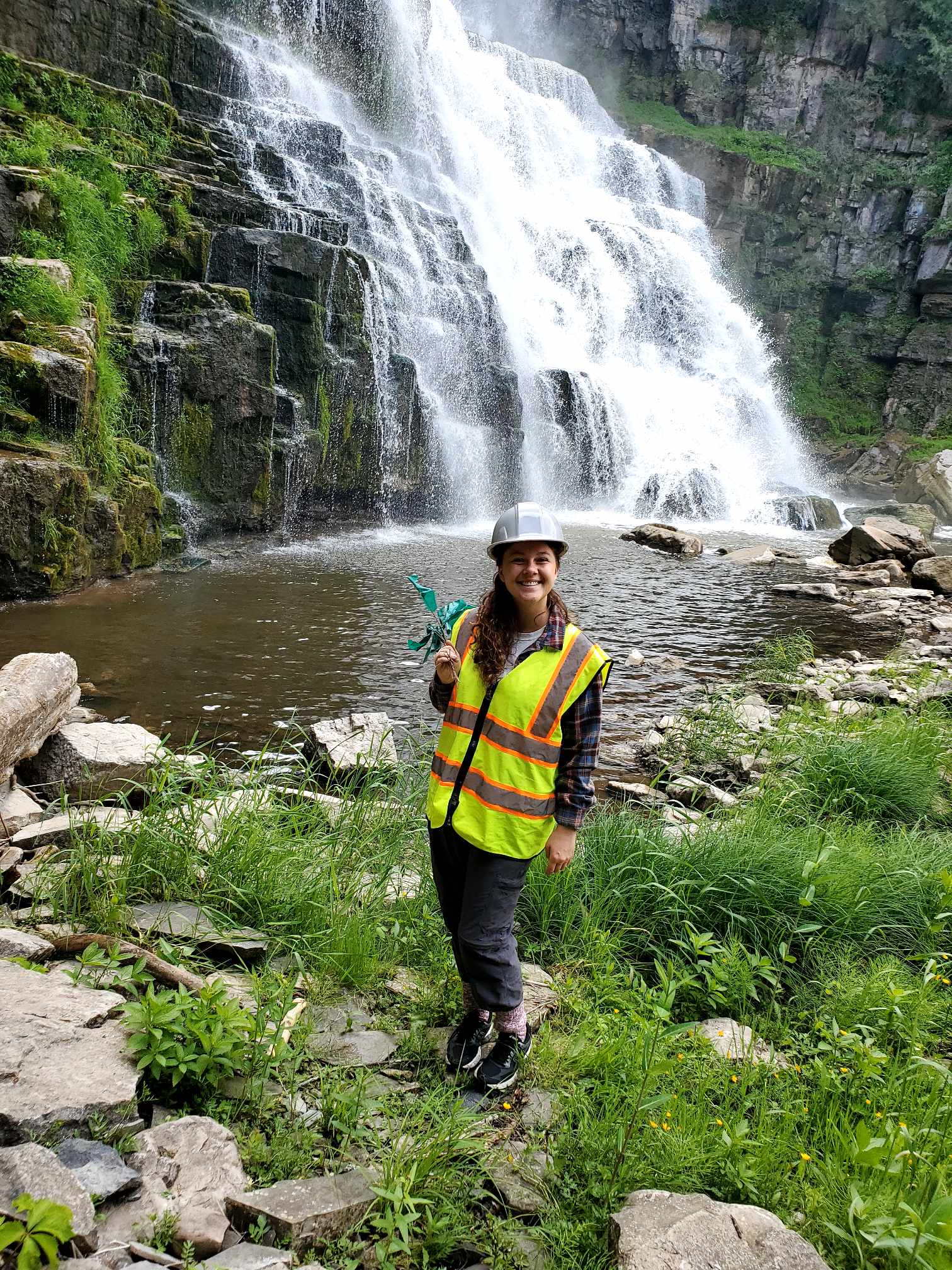

Whitbread started as a volunteer and has been with the project for almost eight years. “I kind of thought I liked snails, so I started volunteering, and I realized I love snails,” she said. “They’re very charismatic. They’re very cute. They have personalities. When I’m having a bad day and don’t want to spend time in the lab, I do it anyway and they cheer me up. It’s nice to see them in their little plastic containers, going about their lives and making the most of it.”
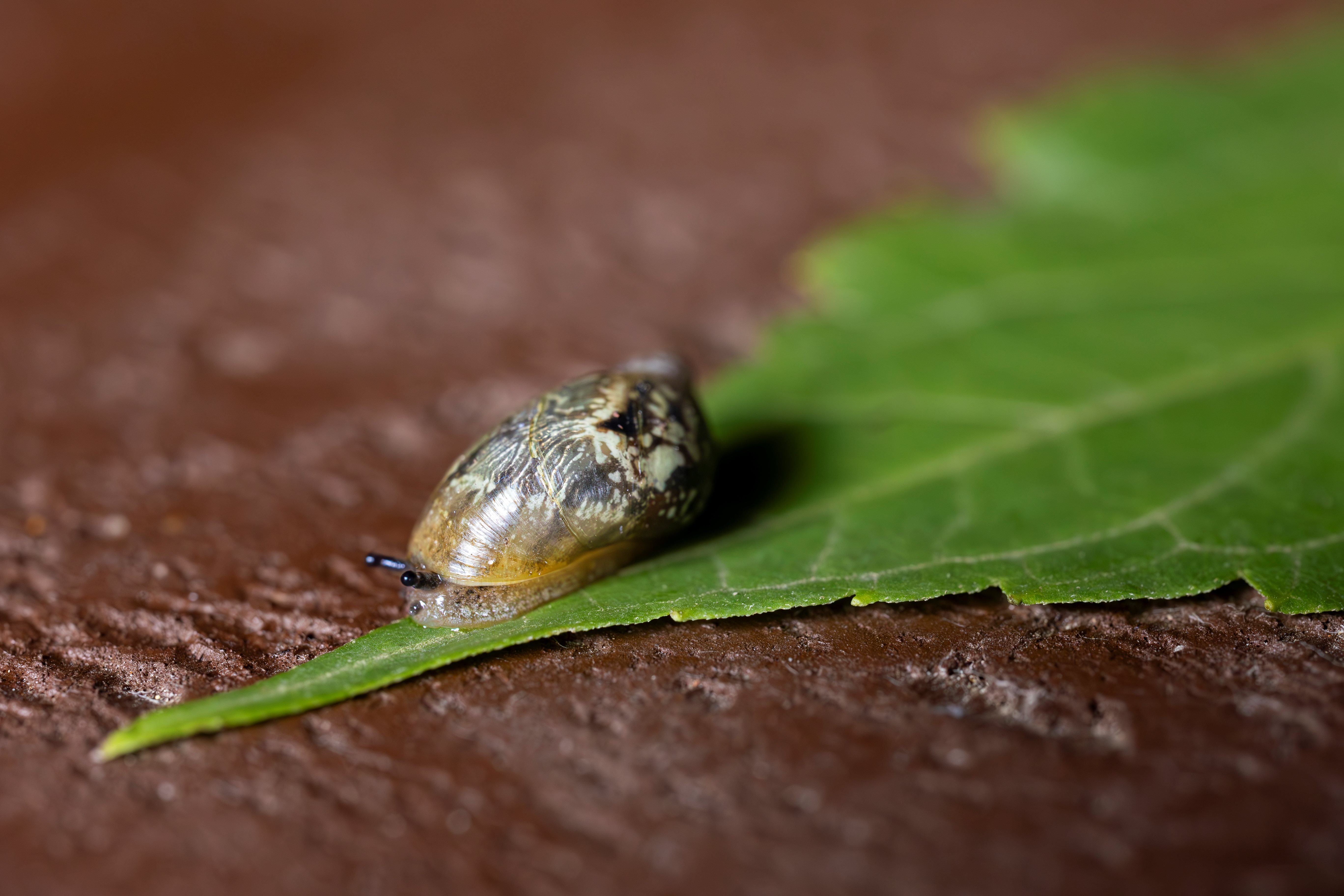
Kalsman agrees. “They’re like humans: each individual is unique, no matter how big or small they are. You wouldn’t think that about snails, but they do have their little personalities,” she said. Although she took the job for other reasons, it didn’t take her long to connect with Chitt and with the larger meaning of her work.
“During the pandemic, we all felt small and powerless, and it felt good to help a small guy out. Just because you’re little doesn’t mean you can’t have a big impact,” Kalsman said. “Snails are very overlooked, but they’re very important. We would have a lot of leaf litter, a lot of dead things around if it weren’t for snails and other decomposers.”

In the lab and in the field, the work of supporting Chitt has a seasonal flow. In the winter, the lab mimics the conditions outdoors that induce a dormant period for COAS. Spring is leaf collection season, in preparation for breeding and for the busy summer months.
“We hand select and hand pick every single leaf we feed to these snails,” Whitbread said. They’ve come to understand the perfect level of decomposition that Chitt needs, and they choose leaves meeting the species criteria in multiple areas.
When spring arrives, invasive species management at the colony site ramps up. Kalsman can be found battling the invasive pale swallowwort that threatens the joe-pye weed and milkweed that make up Chitt’s primary diet and ensuring that protections against human activity remain in place.
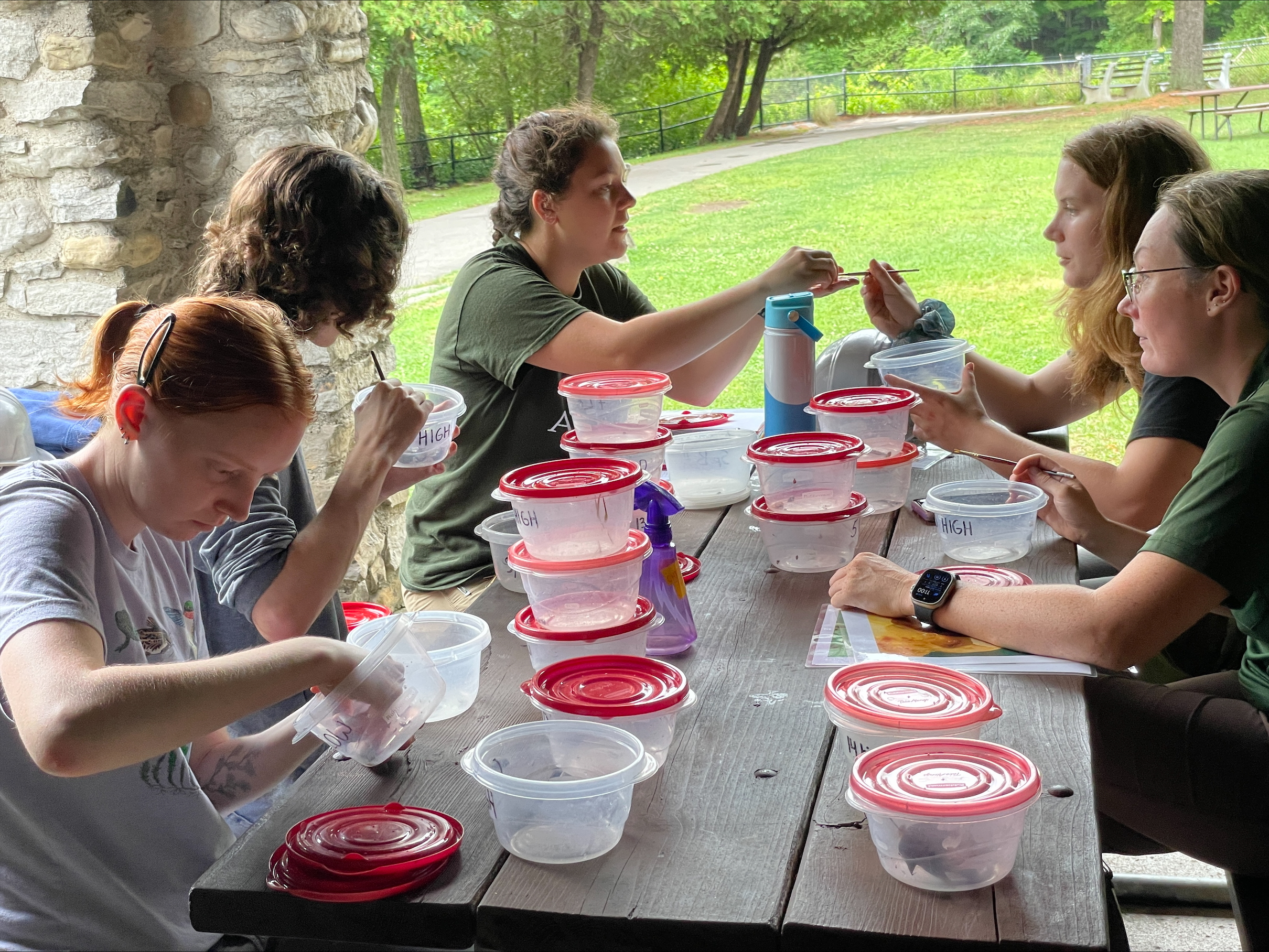
The team conducts an annual census to monitor the size of the colony and determine how many of the lab-released snails have survived. The project has also started attempting to establish other colonies by releasing snails at sites selected after years of thorough research.
Like Chittenango Falls, the chosen sites are in the Oneida Lake watershed, with similar water chemistry, amount of sunlight, relative humidity, availability of joe-pye weed and other favorable vegetation. The COAS program has done three releases at the sites in the past two summers. Although it’s too early to tell whether they will form a colony, the released snails are doing well and are reproducing in the wild.
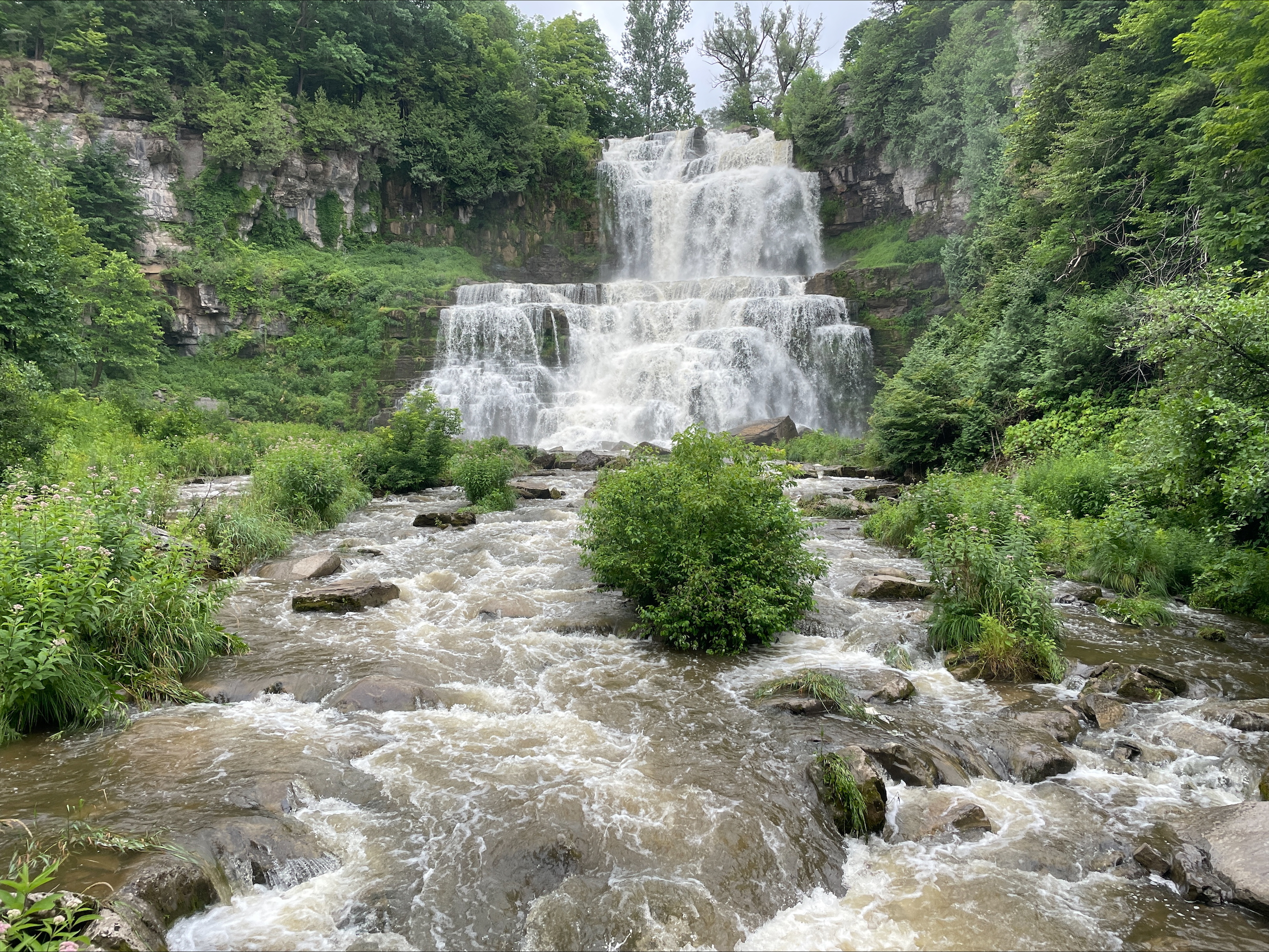
Kalsman and Whitbread say that it’s a balancing act to raise public support for programs aimed at helping Chitt without encouraging excessive visitation leading to deliberate or accidental harm to the Chittenango Falls colony. For many years, the preferred approach was to downplay the species’ existence, to the point where many area residents don’t know of COAS.
That approach has changed. In 2020, a local brewery released a limited-edition beer, which not only raised funds but improved awareness. Kalsman and Whitbread have carefully raised Chitt’s profile through outreach in the schools to kindergarten classes, and in the parks to visitors, which Kalsman finds particularly rewarding.
“I have never had a bad experience with a patron,” she said, adding that they like learning about COAS and are motivated to respect the exclusion area once they understand that it’s home to such a rare being. “They think it’s a really unique thing that makes their park more interesting.”
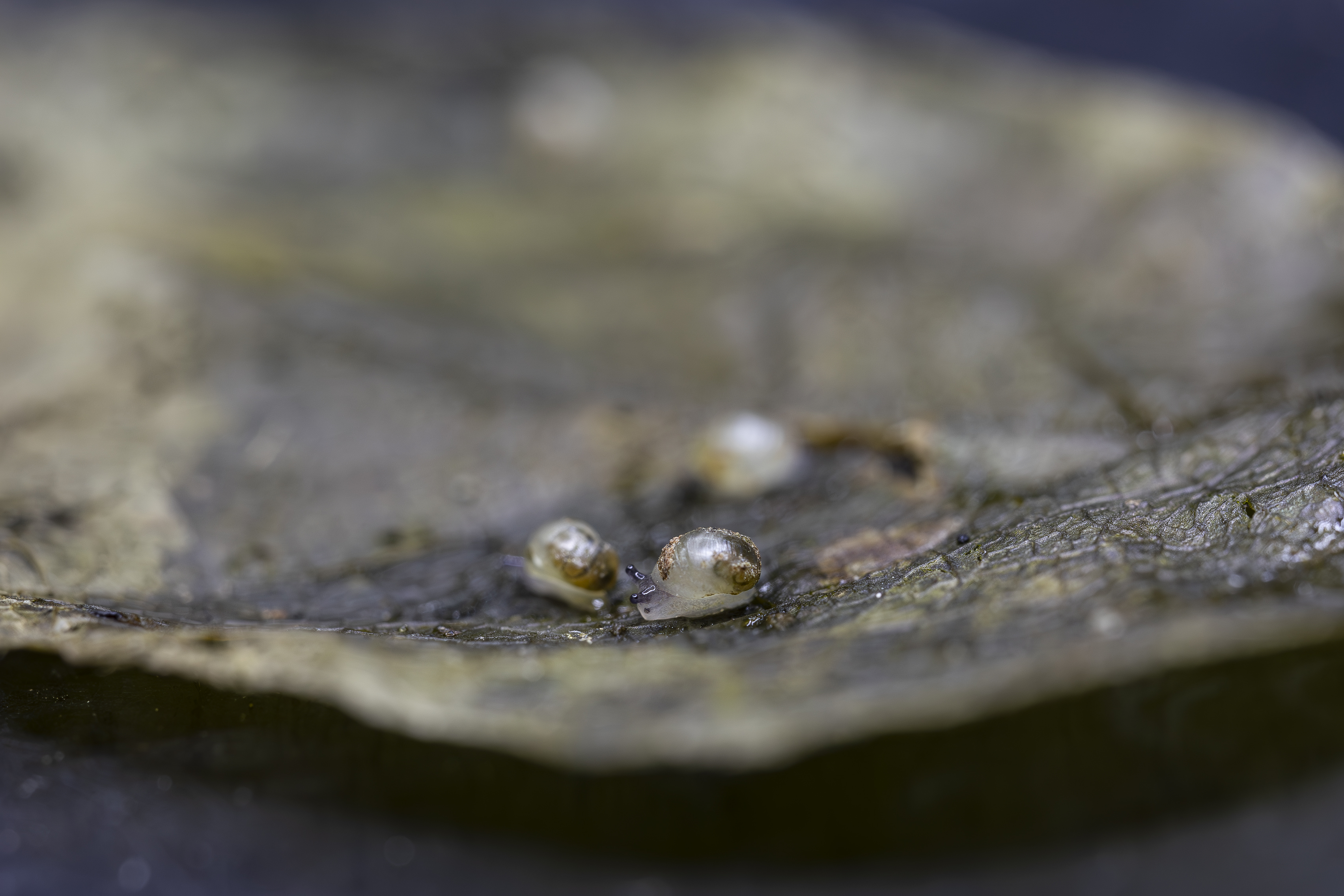
Chitt needs all the allies it can find. The world is in an extinction crisis. Since 1970, there has been an average 73 percent drop in global wildlife population sizes, according to the World Wildlife Federation’s Living Planet Report 2024. A 2014 study published in the journal Conservation Biology indicated that species are dying off 1,000 times more frequently today than during the 60 million years before the arrival of humans. Endemic species like Chitt are at highest risk, since a change in their environment could spell the end of the population.
For now, Kalsman and Whitbread say that simply talking about Chitt can help.
“Spread the good snail word,” Kalsman said, adding that the more who talk about it, the better. You never know who will be inspired. Whitbread noted that her kindergarten class visits encouraged a child to raise a more common variety of snail at home. “You can raise the next generation of snailblazers,” she said.
— Written by Kate Jenkins, Public Affairs Digital Content Specialist. Photos by Connor Jacobs, FORCES Steward, except where noted otherwise.
 New York State Parks and Historic Sites Blog
One thought on “An Update on the Rare ‘Chitt’ Snail from Staff Snailblazers”