

If you’ve ever drifted off to sleep at Betty and Wilbur Davis State Park or gone to a nature program at Minna Anthony Common Nature Center and wondered about their namesakes, this post is for you! During Women’s History Month, let’s explore the stories of writers, activists, politicians, and ordinary women who have lent their names to state parks and nature centers.

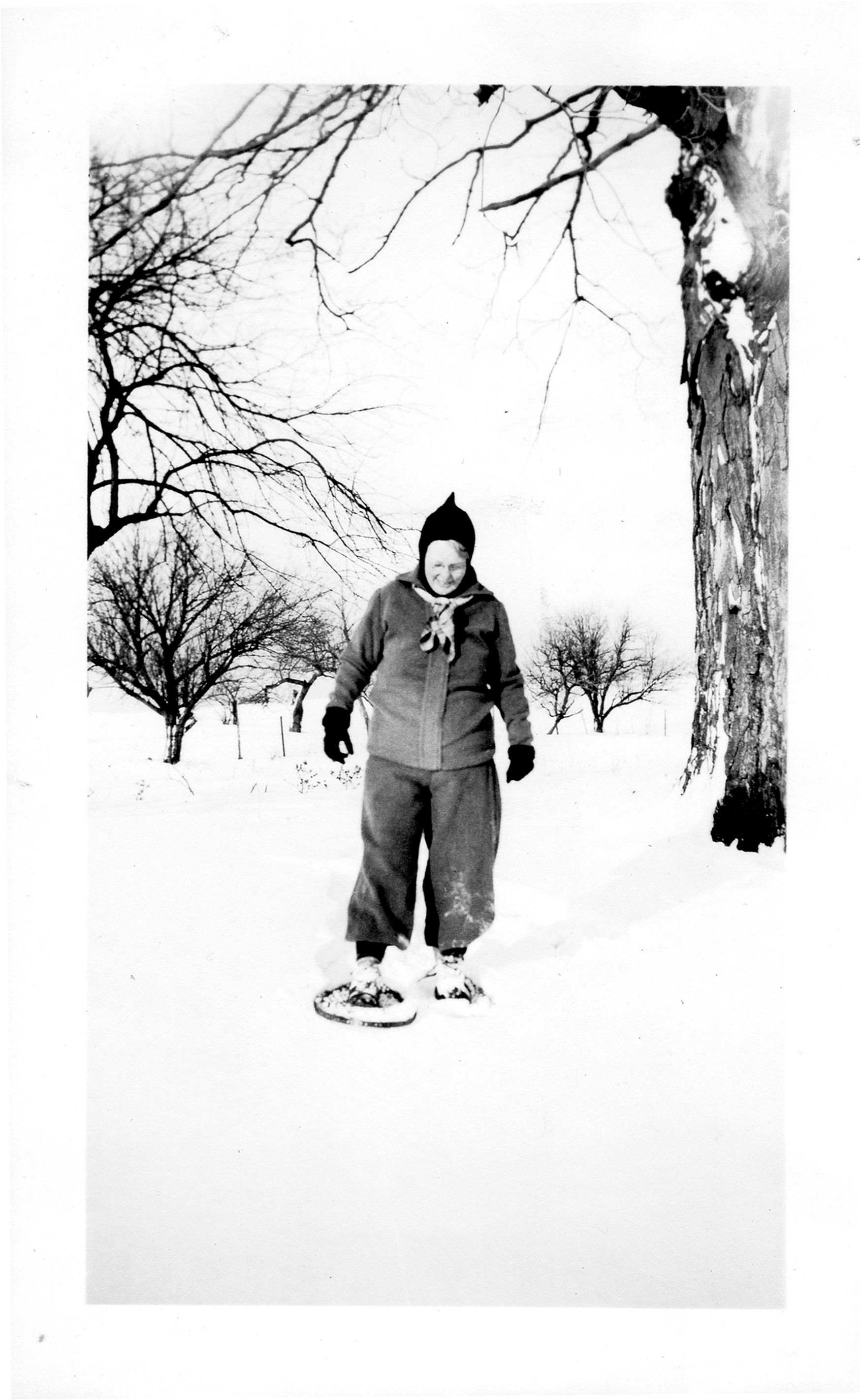
Among the delights of Wellesley Island State Park is Minna Anthony Common Nature Center, a perfect tribute to its namesake. Born in 1882, Minna’s love of the Thousand Islands, the natural world, art, writing, and education animated her life. For decades, she wrote two articles a week for the Watertown Daily Times on birds and flowers. She founded the North Country Bird Club, conducted the yearly local bird census for the Audubon Society, and created the educational Rock Ridges Trail in Wellesley Island. Anthony Common was a tutor and first-grade teacher at various points in her life, and “The MAC,” as the nature center is affectionately known, embodies all her varied interests and passions. Learn more about her life.


Franny Reese State Park pays tribute not only to its namesake, but to the power of individuals. Born Frances Stevens in 1917, she attended Barnard College, majoring in playwriting and English, and Yale Art School. She married law professor Willis Livingston Meier Reese in 1937 and began spending time in the Hudson Valley. When she and a group of neighbors learned about plans to build a power plant on Storm King Mountain, they began a 17-year battle to stop the project. Not only was the project halted, but the rights of citizens to sue in these scenarios was enshrined into law. As for that group of neighbors? It’s known today as Scenic Hudson, and it’s won many more such fights, including for the 251 acres in Highland that were saved from development and comprise Franny Reese State Park.
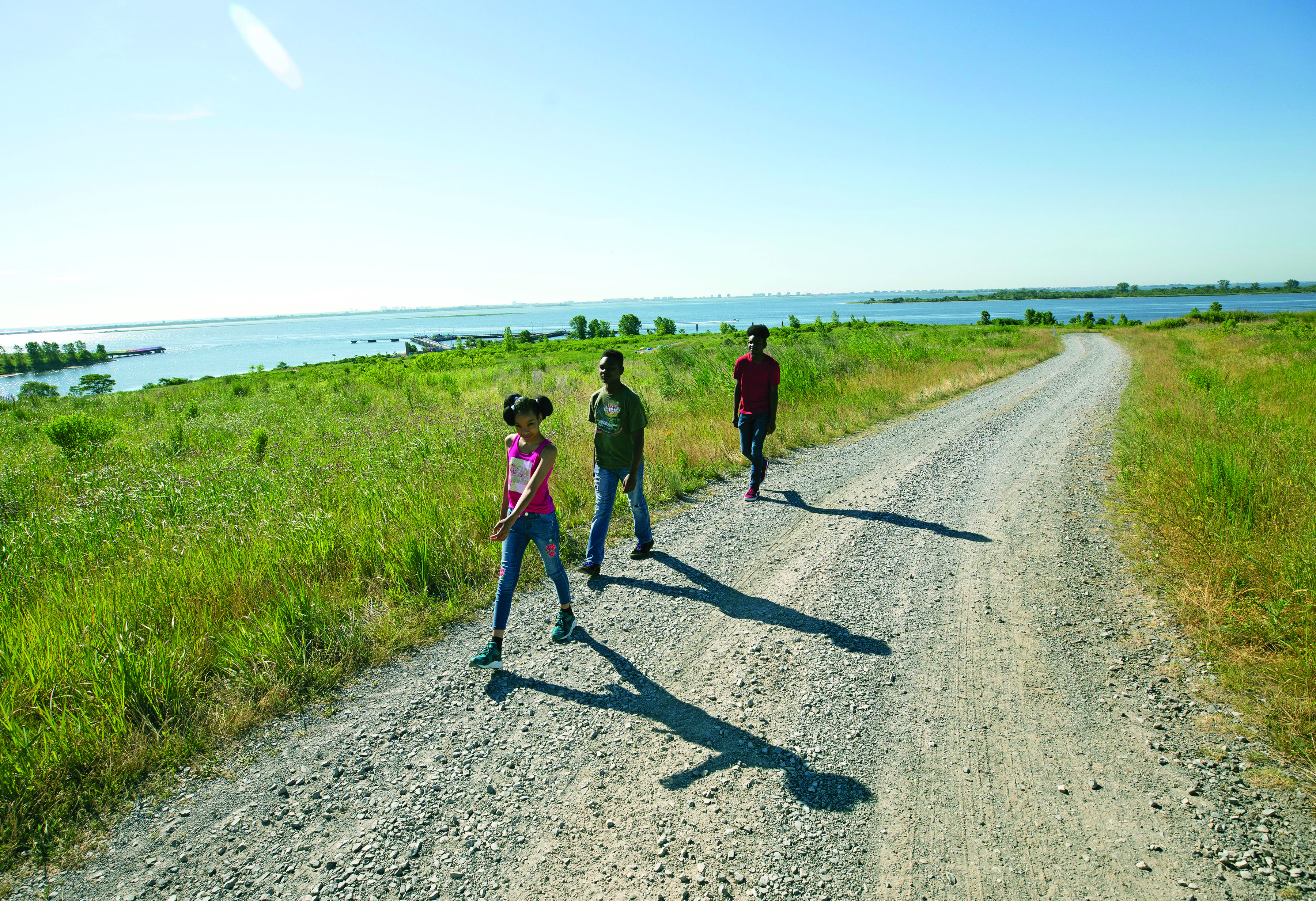

Shirley Chisholm State Park serves the Brooklyn community just like its namesake did. Shirley Chisholm was the first Black woman in Congress and the first Black person to run for president under a major party. During her seven terms in the House of Representatives, she fought to end the Vietnam War, expand food and nutrition programs to people in need, and advance racial and gender equity. After retiring from politics, she became a professor and continued her activism. She died in 2005 at age 80. Chisholm’s roots were in education and childcare, and she would be proud to know that in addition to its breathtaking views, the park named in her honor offers a robust schedule of public programming, particularly for children and families, and a bike library to extend the joy of cycling to all.
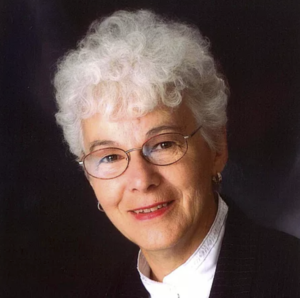
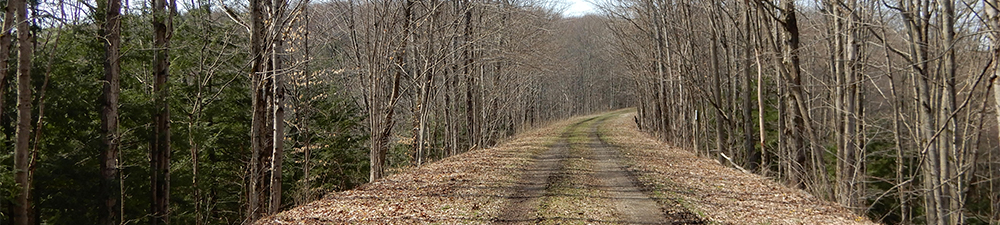
The Pat McGee Trail in Cattaraugus County is named for a respected legislator. Patricia McGee, born in 1934, honed her diligence, attention to detail and respect for all people as an administrative assistant at Jamestown Community College and Franklinville Central School District before becoming the first female majority leader in the Cattaraugus County Legislature. She represented the region in the New York State Assembly from 1987 to 1998 and New York State Senate from 1998 until her death in 2005. The 12-mile trail named after her runs along a former rail bed and connects Salamanca and Cattaraugus.

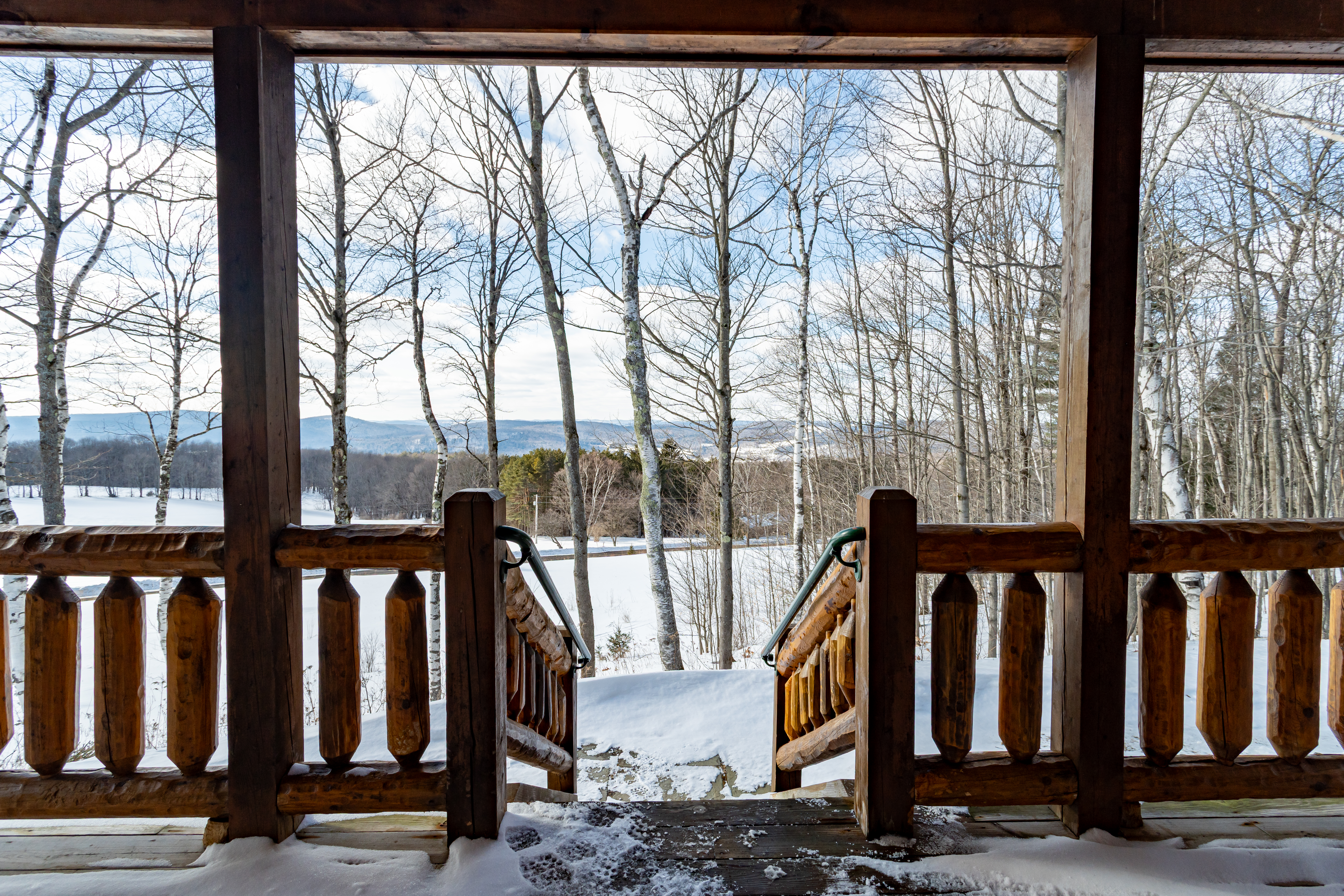
Betty and Wilbur Davis State Park is a testament to love. The couple were married for 76 years, lived in Brooklyn and Riverdale, and shared a love of the outdoors. They maintained land in Schenevus for camping and hunting and donated it for a New York State park in 2001, along with an endowment. Betty’s 2012 obituary noted that she had worked for American Stevedores and was “an avid dancer, a talented seamstress and enjoyed gardening.” Photography, membership in the YM-YWHA, and family time were among her other interests. Wilbur followed her in death a year later. The two are buried in nearby Oneonta.


Emma Treadwell Thacher was born into a wealthy, politically aligned family in 1851. A graduate of the Albany Academy for Girls, she married John Boyd Thacher in 1872. Thacher’s background was similar to hers, and he would go on to become the Mayor of Albany. Emma convinced him to purchase present-day Thacher State Park, both for their enjoyment and to protect it from mining. Under the Married Women Property Act of 1848, Emma donated the land to New York State for a park after her husband’s death. The Emma Treadwell Thacher Nature Center honors her work in making the park a reality.

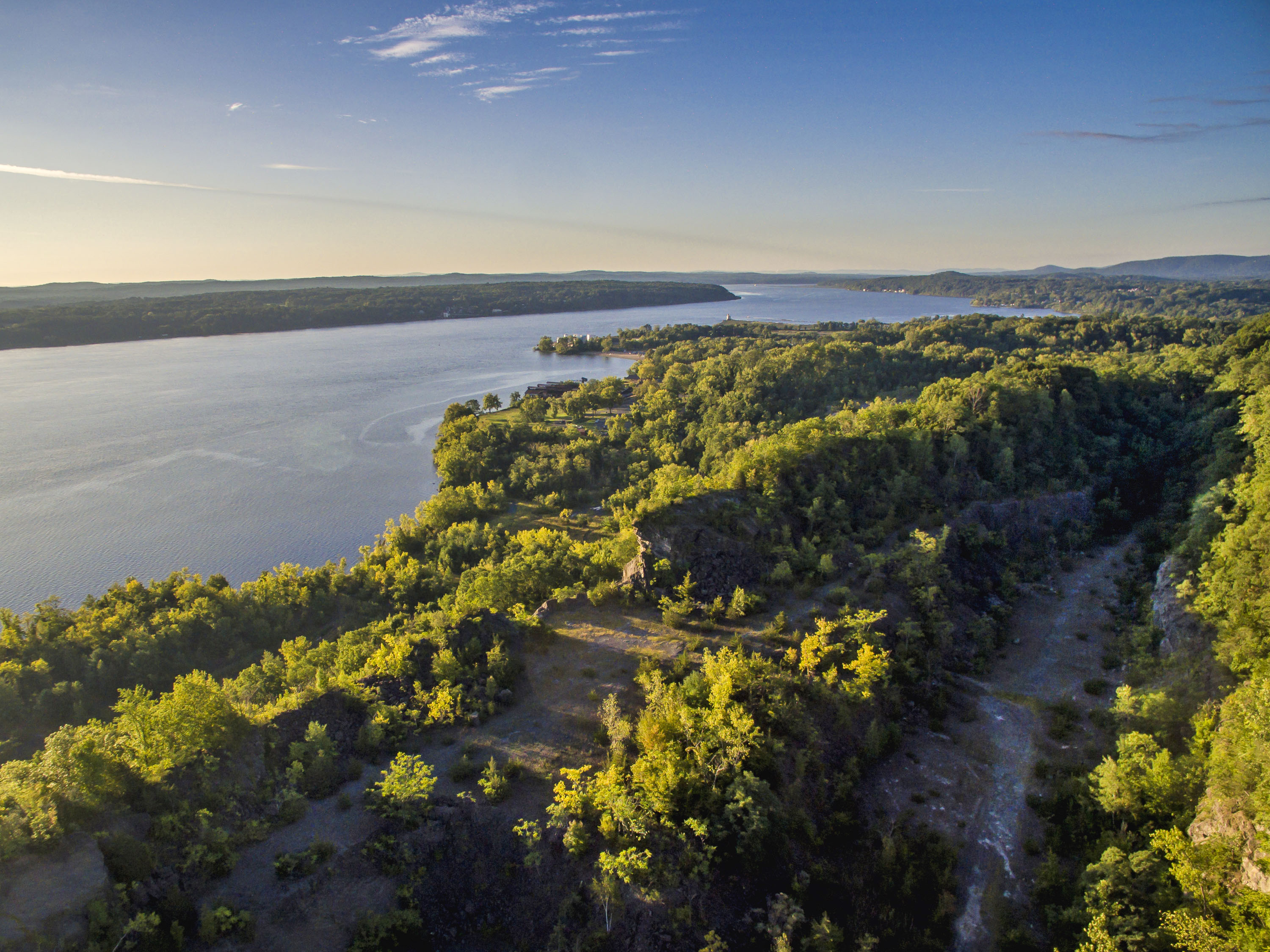
Sojourner Truth is one of the most famous figures in the abolition movement. Born enslaved in 1797 in present-day Rifton, NY, she devoted her life once freed to speaking out in favor of temperance, women’s rights, and the abolition of slavery. She lectured widely throughout the Northeast, and her landmark “Ain’t I A Woman” speech is still taught in schools. She helped recruit Black troops to fight on the Union side during the Civil War, and met with presidents Abraham Lincoln and Ulysses S. Grant in an attempt to secure more assistance for formerly enslaved people. The newest park in our system, Sojourner Truth State Park in City of Kingston and the Town of Ulster, honors this remarkable New Yorker.
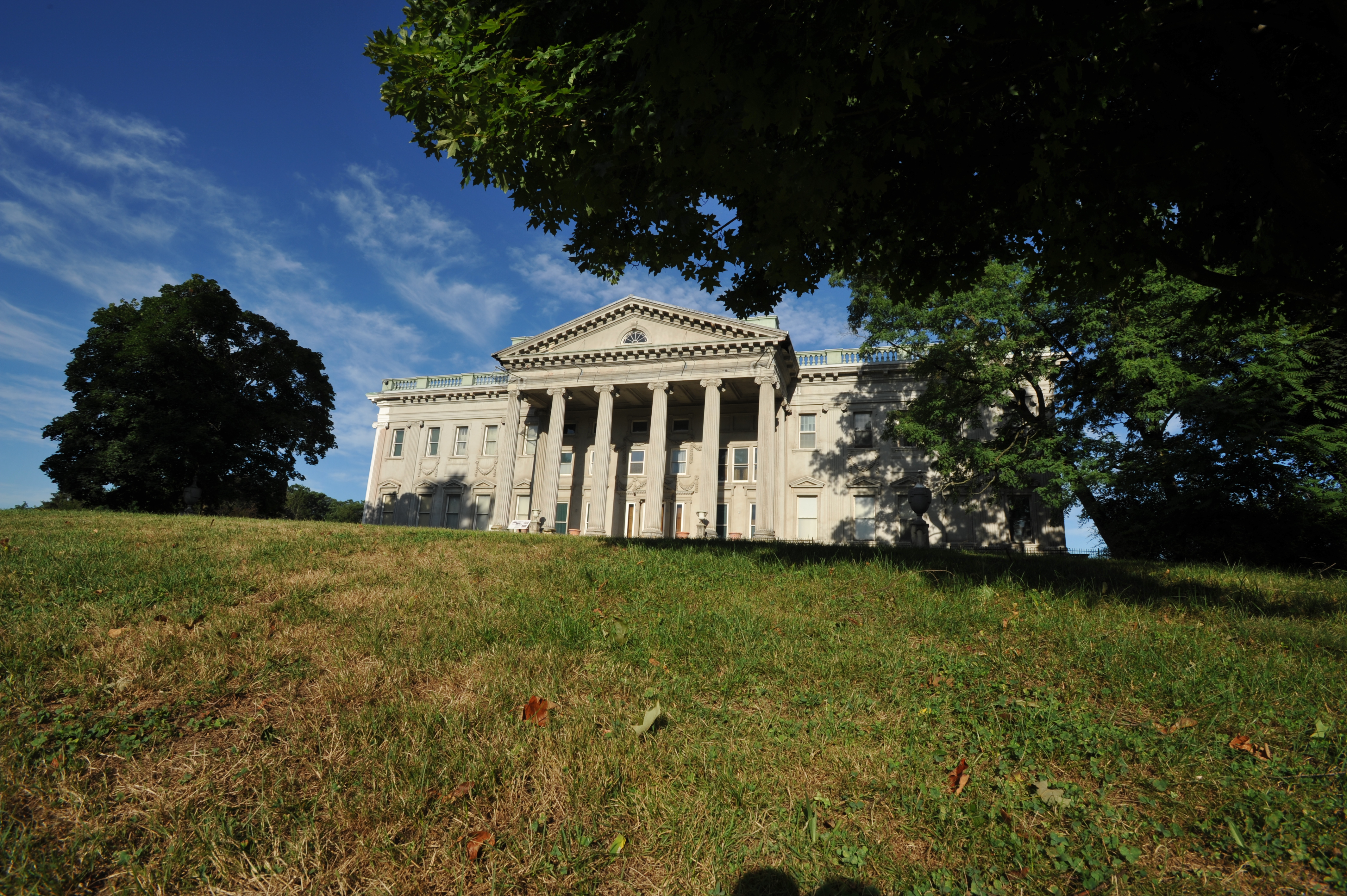


Ruth Livingston Mills and Ogden Mills State Park is named for the couple behind Staatsburgh State Historic Site. Ruth was born into New York’s highest society in 1855 and became known throughout her life as a leader of that society, active in Gilded Era charity work and social life. She was the driving force behind the expansion and renovation of her family’s Hudson Valley estate into the Gilded Era mansion visitors to Staatsburgh State Historic Site see today.

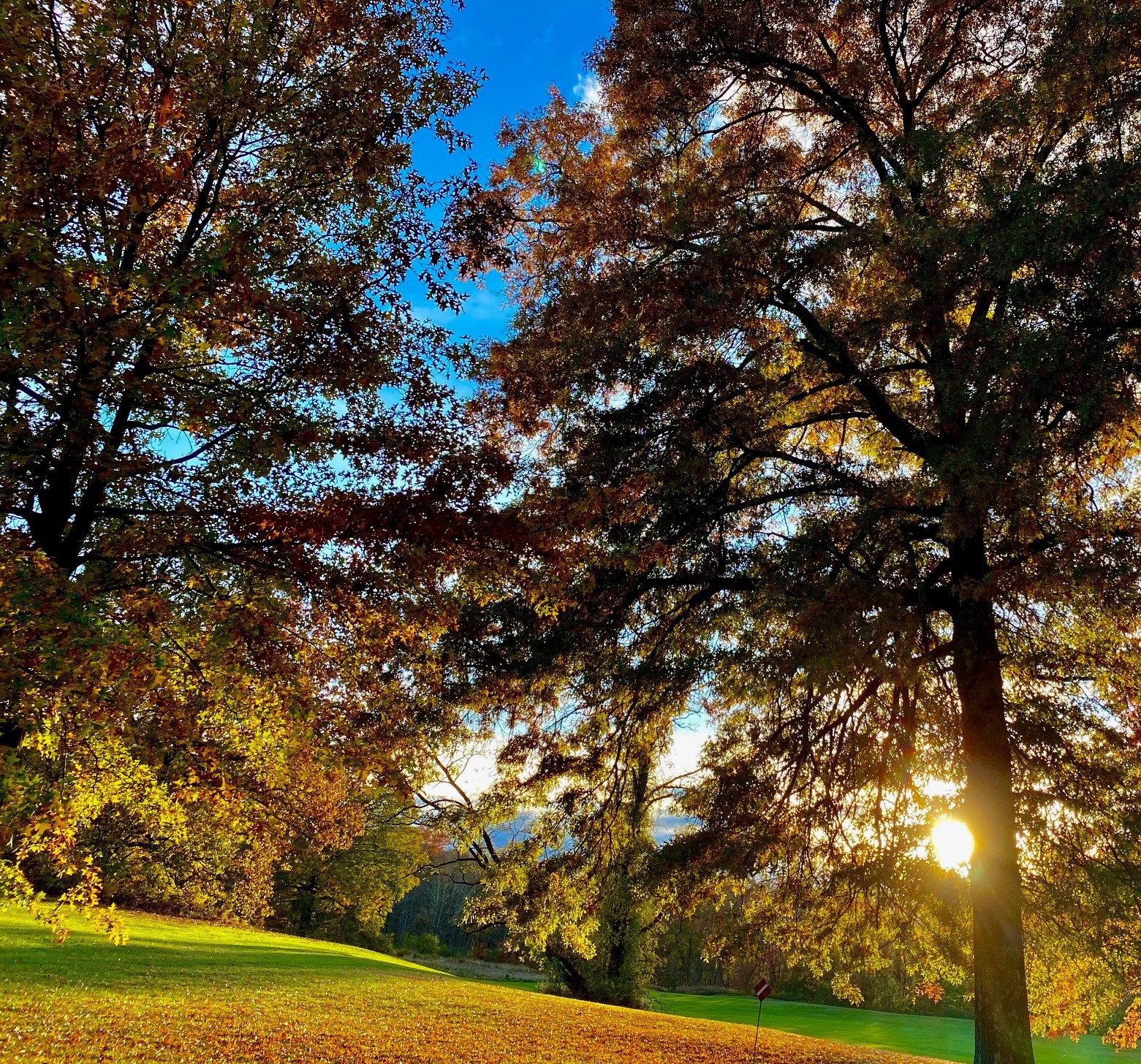
Margaret Lewis Morgan Norrie was a descendant of New York’s powerful Livingston family and of multiple other prominent New Yorkers. She engaged in a life of activism, with her great cause being women’s suffrage. She was a member of more than 28 women’s organizations, turning her attention to helping women practice their right to vote once the 19th amendment was passed. After her death, her sister, Geraldine Thompson was instrumental in making Margaret Norrie Park in Staatsburg a reality. The park adjoins Ruth Livingston Mills and Ogden Mills State Park, and is often referred to as “Mills-Norrie State Park.”

Located south of Honeoye Lake near Canandaigua, Harriet Hollister Spencer State Recreation Area is prized for its trails with remarkable views. Spencer was born in 1887 to a prominent Rochester family and became a civic leader, active in horticulture, architecture, and decorative arts scholarship. She was a founding member of the Landmark Society, and an expert on roses, winning the Garden Club of America Rose Medal Award in 1959 and designing the Garden of Fragrance at the Rochester Museum of Science.


Helen McNitt graduated from Radcliffe College in 1943 and married and moved to Fayetteville the following year. There, she raised her three surviving children and was active in the community as a scout leader and member of the garden club, Trinity Episcopal Church, the Onondaga Golf and Country Club, and the Willow Bank Yacht Club. She was also a lover of nature. In a lyrical reminiscence, her husband James recalled many happy hours watching birds and entertaining at their cottage on Cazenovia Lake. Thanks to the McNitts’ generosity, everyone can visit Helen McNitt State Park and enjoy fishing, hiking, canoeing and birdwatching as the McNitts once did.
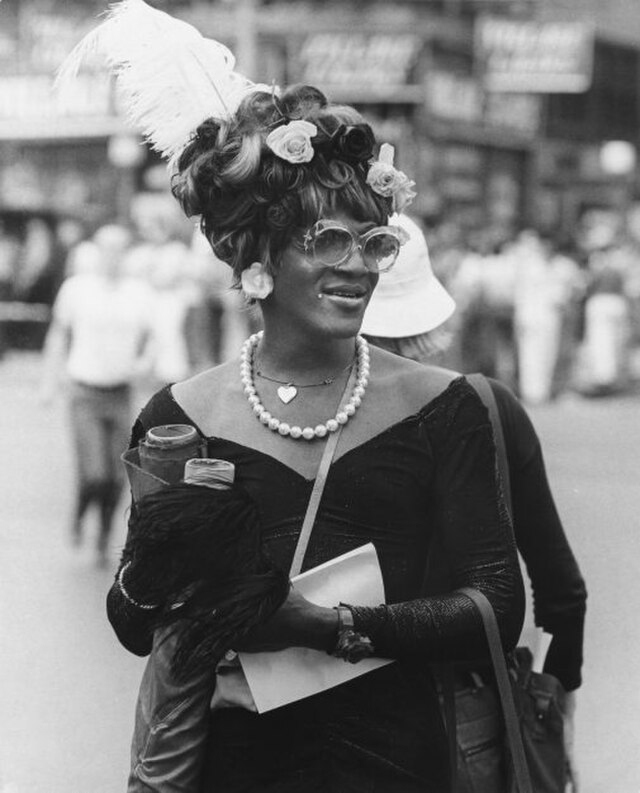
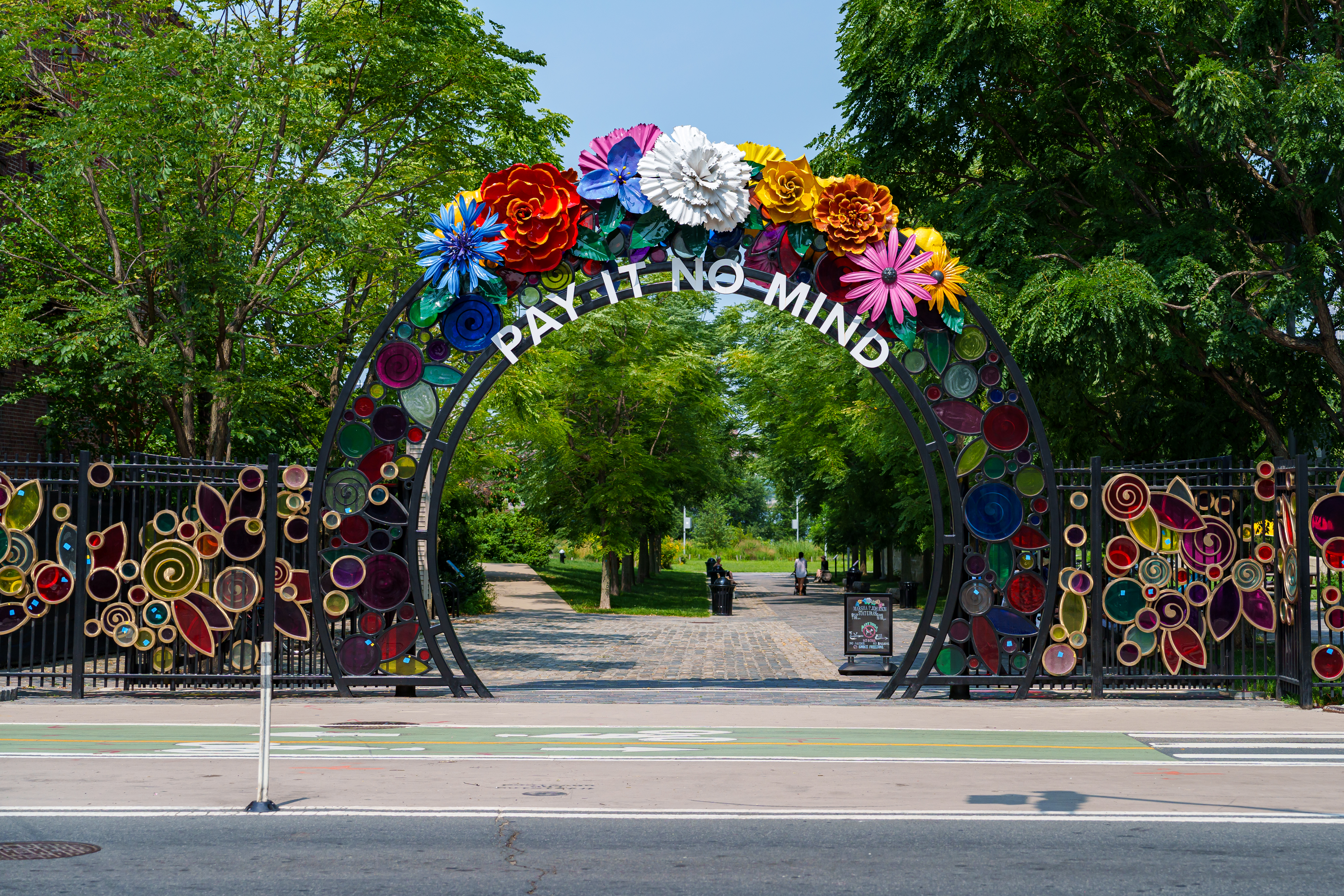
If Marsha P. Johnson were alive today, in an era of increased visibility for the transgender community, it is difficult to say with certainly what gender identity she might claim, or what identity label(s) she might use. Nonetheless, we honor her this Women’s History Month. A self-described drag queen, Marsha was born in 1947 and was a fixture in the gay liberation movement of the 1960s and an AIDS activist. She was part of the Stonewall riot, and could be found on the front lines of most actions for LGBT rights in New York City. Despite struggling with homelessness, Marsha co-founded a shelter for homeless LGBT youth. Despite being HIV positive and facing a future of illness, Marsha courageously cared for friends who were dying of AIDS. In 1992, Marsha was found dead. Initially ruled a suicide, her death was reclassified first as undetermined, then as a homicide. It remains unsolved. To honor Marsha’s advocacy and unparalleled drive to help the LGBT community, the East River Park in Brooklyn was renamed Marsha P. Johnson State Park in 2020.
— Written by Kate Jenkins, Public Affairs Digital Content Specialist
 New York State Parks and Historic Sites Blog