

The Stonewall Inn, a State Historic Site in our system, is the most well-known place in LGBTQ American history. In June 1969, following a routine police raid, patrons at the Mafia-run Stonewall Inn, as well as young queer and trans people who lived or regularly congregated in Greenwich Village, spontaneously erupted in multiple nights of protest. The event was a turning point in the ongoing LGBTQ rights movement and sparked its growth in New York City, New York State, and across the nation. Organizations and groups formed around the country to promote LGBTQ rights, and thousands of people became active in the movement.
LGBTQ history often focuses on large coastal cities like New York and San Francisco. However, the gay liberation movement that emerged in the wake of Stonewall reverberated in small towns and rural settings as well. One such example is the Lavender Hill commune in central New York, listed in the New York State Register of Historic Places on December 5, 2024, and in the National Register of Historic Places on February 3, 2025.
Gay Liberation and Lesbian and Gay Communes
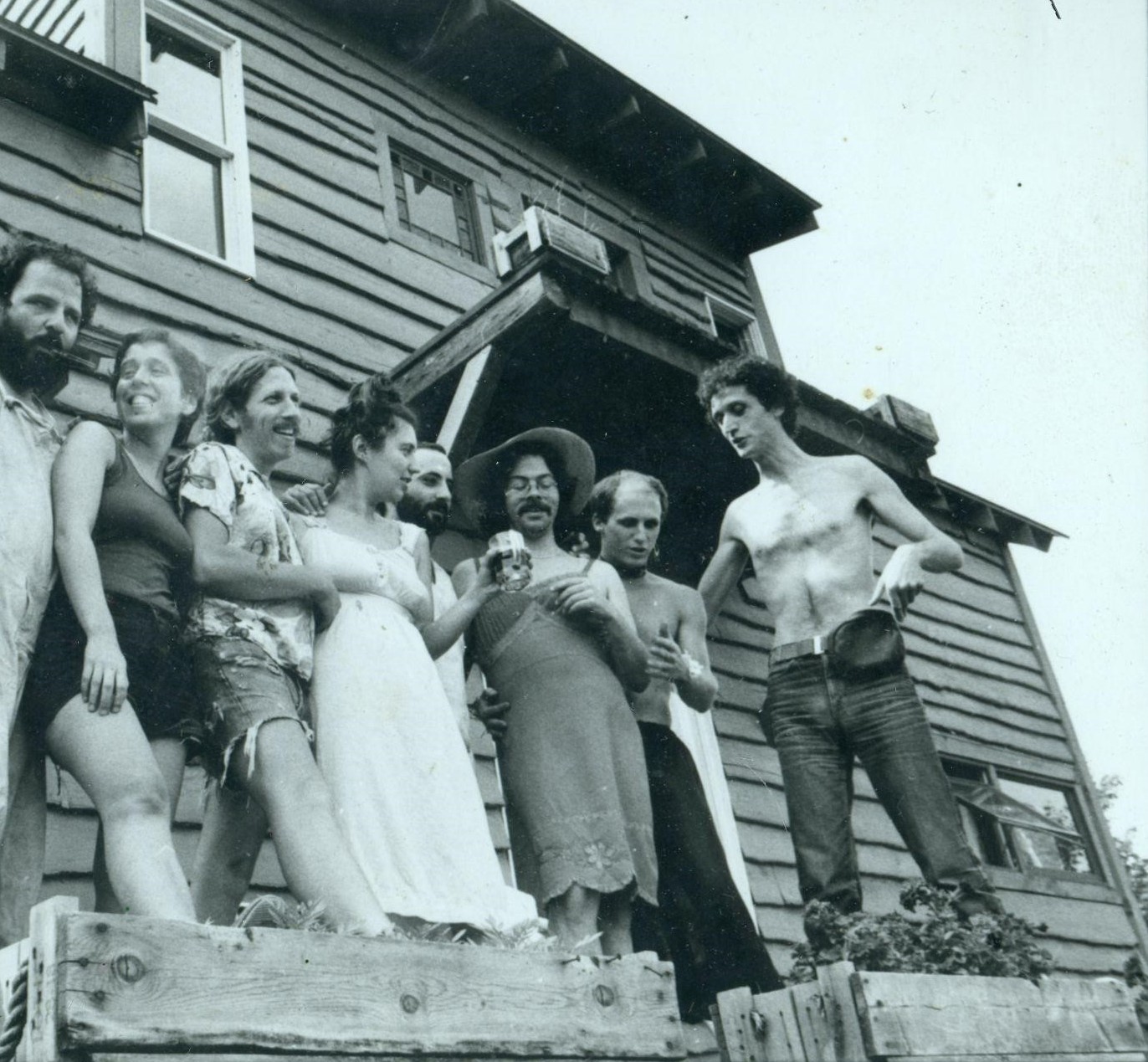
As part of their larger activist projects, gay liberation and lesbian feminist groups began experimenting with living collectives and communes as a means of exploring new forms of sexuality, gender and family outside of heterosexual norms. By the early 1970s, lesbians and gay men began creating rural communes as part of the broader countercultural revolution of the 1960s and 70s. Fueled by white, middle-class, young Americans, the rebellion was a response to mainstream social and cultural norms, values and conventions of the repressive 1950s. Participants, known as “hippies,” set out to not merely reject the established order, but to craft an alternative culture that espoused values of pacifism, nonviolence, anti-authoritarianism, anti-materialism, collectivity, artistic expression, sexual freedom, spiritual enlightenment, and environmentalism. Members of the counterculture also resisted and rebelled against social and political injustice through protesting the Vietnam War and racial inequality and participating in struggles for women’s rights, gay and lesbian liberation, and the environment.
The 25 to 6 Baking and Trucking Society
The direct origins of the Lavender Hill commune began with an earlier commune, founded in 1970—what would come to be called the 25 to 6 Baking and Trucking Society. The commune moved across spaces and places between 1970 and 1974 but had its start in a former hotel in the Catskills region of New York. The twenty-six-room hotel was located in Highmount, just outside the village of Fleischmanns, opposite Belleayre Mountain, a popular ski resort. It had long been operated as the Patria Hotel by married couple John and Halina Raymond. Halina, however, died in 1967 and by 1969, John had put the hotel up for rent. The group’s lease for the Patria was terminated when a fire in one of the fireplaces spread to the roof and was extinguished by the local fire department. Within a few weeks, the core group moved to another house on Lake Street down the road in Fleischmanns.
The commune continued to move, shrink, and then grow again over the course of the next year. On one morning in October 1970, several members of the Lake Street House collective were arrested for narcotics possession as part of a series of police raids on local communes. The commune quickly regrouped, renting a house together in the St. George neighborhood of Staten Island near Richmond College, where Larry Mitchell, the most central member due to his philosophical influence over the group’s evolution, taught.
Mitchell joined the faculty of Richmond College in the fall of 1969 and became a member of the new Gay Liberation Front, a post-Stonewall gay liberation organization, with fellow commune members David Hirsch and Allan Warshawsky. By the end of 1970, he became known as a radical, out gay professor. He had long hair, wore a t-shirt emblazoned with a provocative slur for gay men, and taught courses on community building—where students opened a food co-op called Shanti—sexual politics, and women’s studies for men. Mitchell was one of several prominent gay and lesbian faculty and administrators at Richmond. In 1971, he helped organize a student group, “Gay Lib, Richmond College,” which engaged in a number of activities, including taking over a lounge for two “gay-ins.”
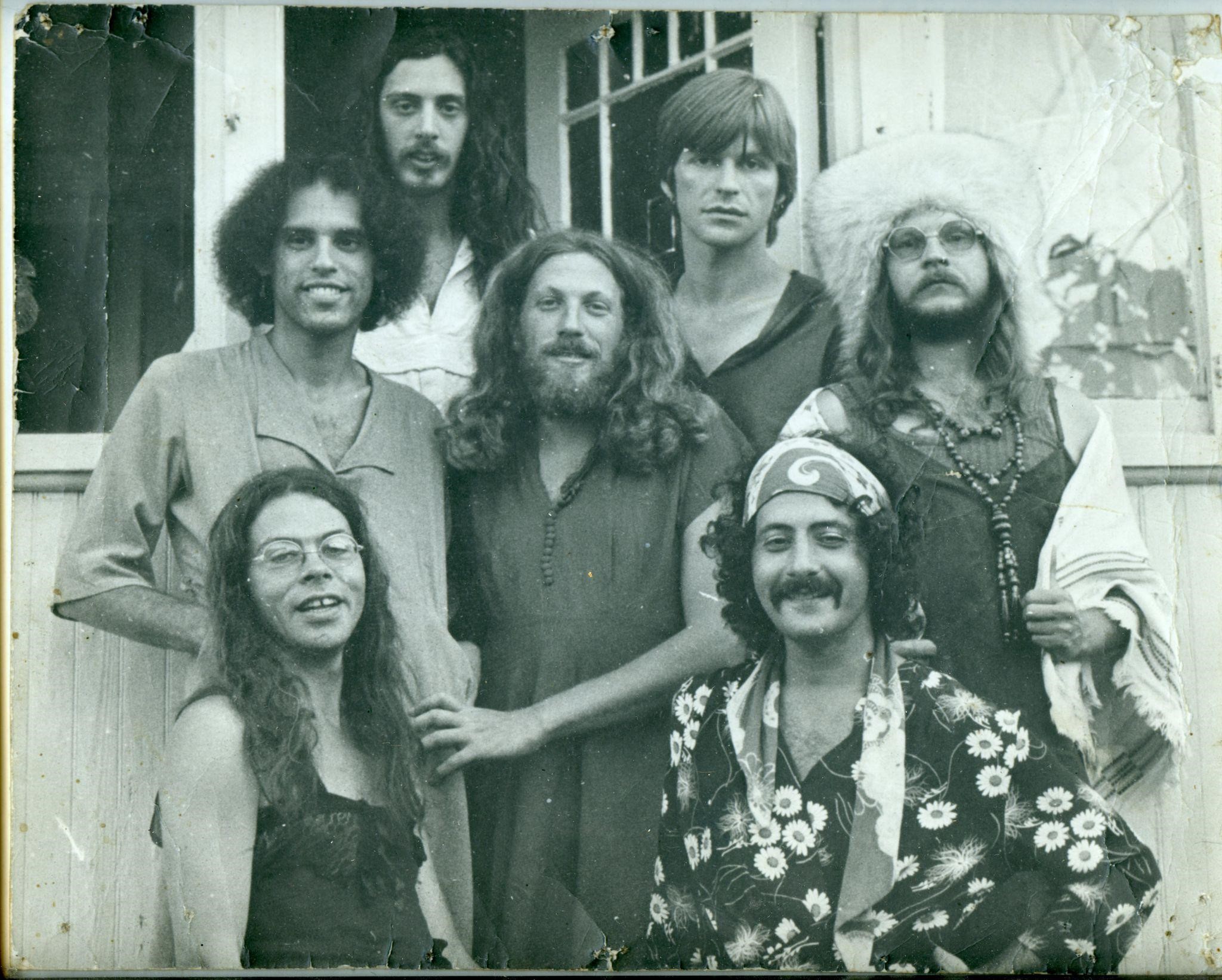
The Staten Island collective recorded their experiences in a short book, Great Gay in the Morning!, formally dubbing themselves the 25 to 6 Baking and Trucking Society—25 to 6, because their clock stopped at 5:35 and no one bothered to reset it; baking, because bread was a cheaply made and easy staple; and trucking as in the 70s catchphrase “keep on trucking.” The book was divided into multiple essays, each written by different members, though none of them individually signed, to emphasize their collectivity.
The Lavender Hill Commune
By the time Great Gay in the Morning! was published in 1972, the 25 to 6 Baking and Trucking Society was preparing to move from Staten Island to land in the country. Larry Mitchell purchased a vacant sixteen-acre parcel of land in the town of Caroline in southern Tompkins County where the collective lived over the summer of 1972, camping in tents and cooking over a fire pit. Their plans were complicated by Hurricane Agnes, a tropical storm that resulted in massive flooding in the Finger Lakes just prior to their arrival in July. The group returned to Staten Island at the end of the summer, and Mitchell sold the Caroline property in July 1973. Fed up with urban life, David Hirsch, Allan Warshawsky, and Bobby Jake Roberts remained and rented an apartment in Ithaca for the winter while they looked for a different piece of land.
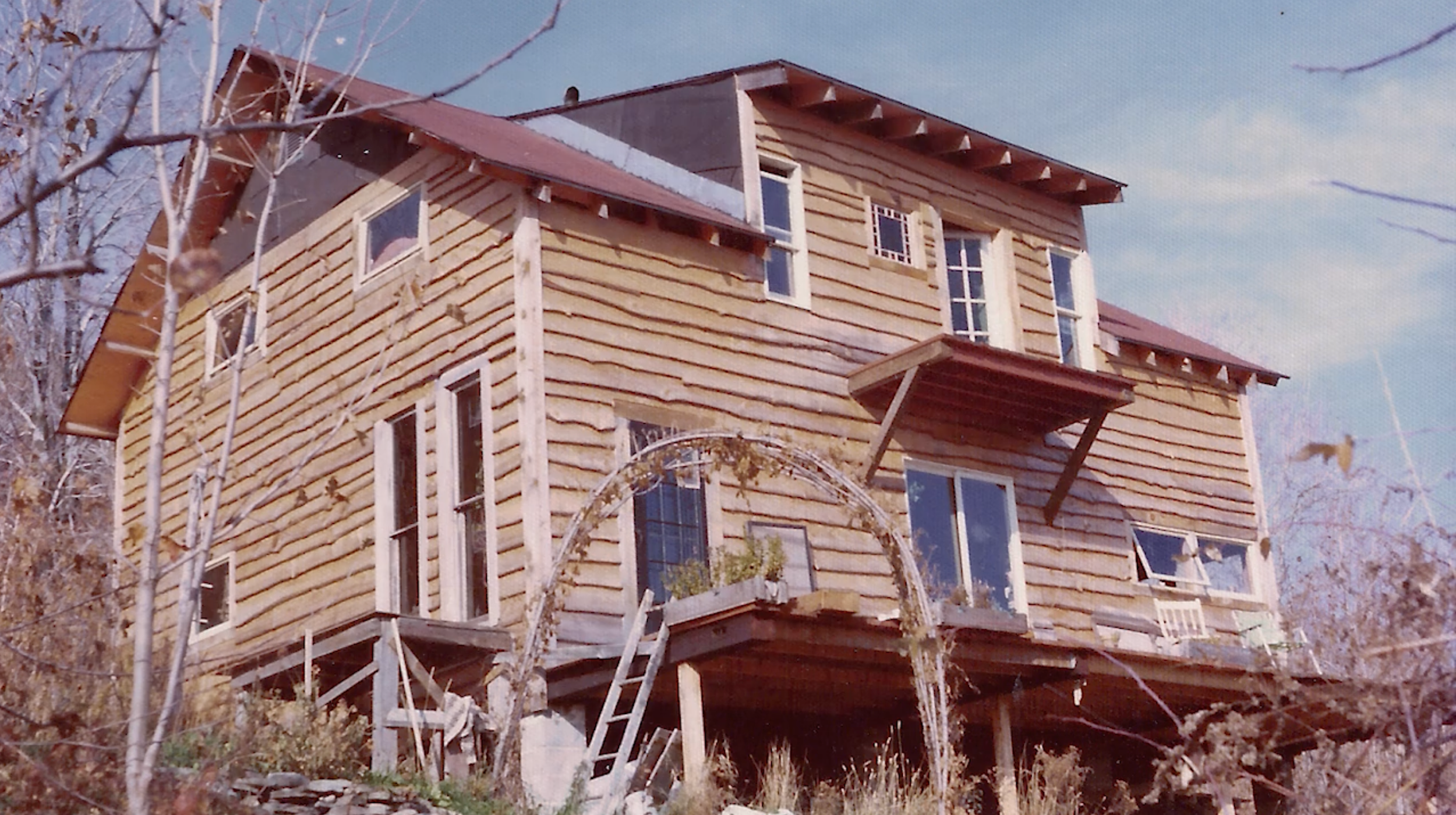
A friend from Richmond College informed the group of an available parcel of land that needed to be sold immediately. In June 1973, under the name “The Lavender Hill Corporation,” the collective purchased an eighty-acre parcel of land in southern Tompkins County for approximately $11,000. The rural setting of Lavender Hill integrated the collective’s back-to-the-land and gay liberation philosophies. During the 1970s, Tompkins County was a hub of the back-to-the-land movement, in particular the towns of Newfield, Danby, and Brooktondale. Land was cheap, and most rural locations were near the progressive city of Ithaca and Cornell, an Ivy League university.
Life at Lavender Hill
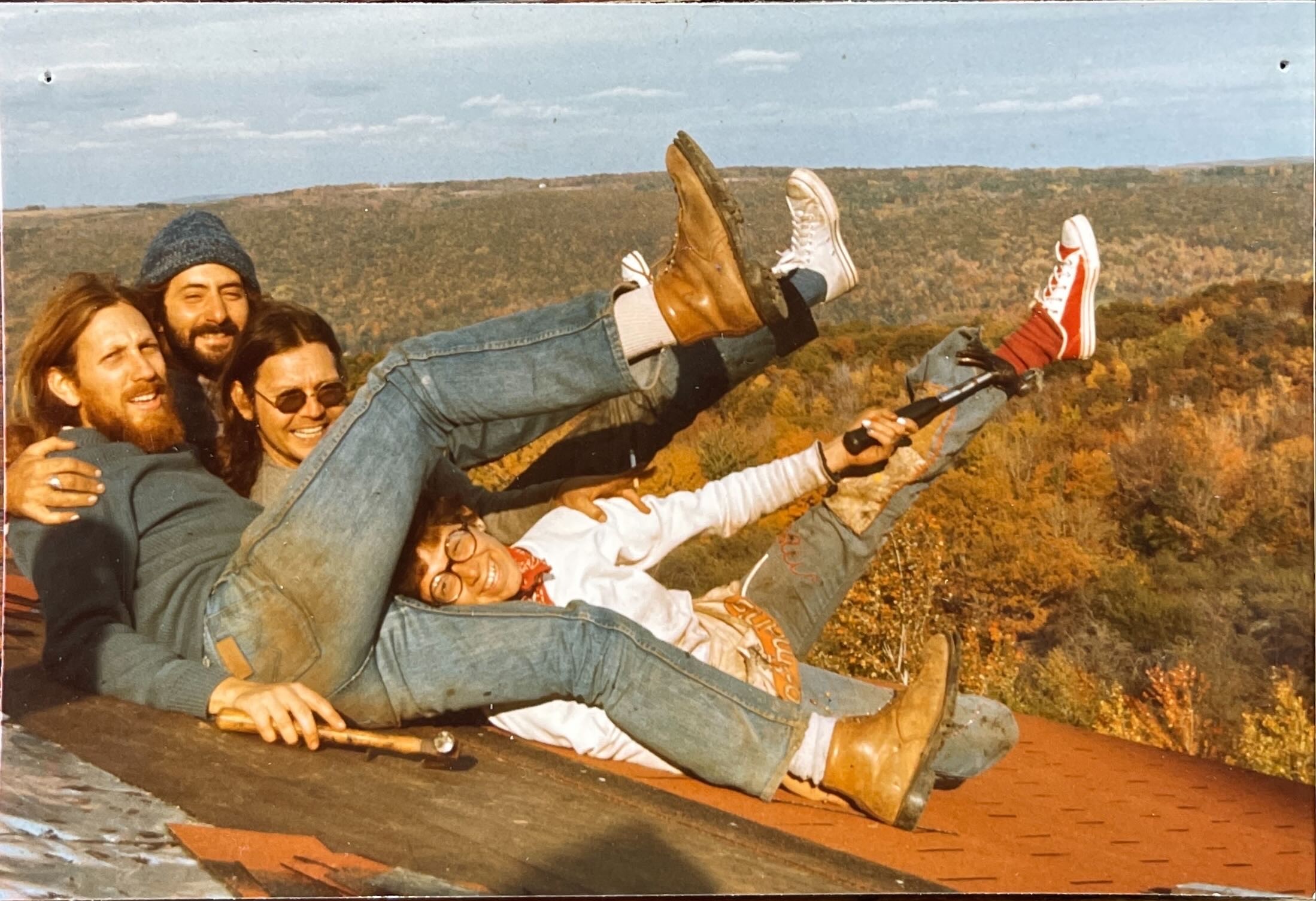
Lavender Hill’s first task was to build a home for their family of choice. Construction of the main house began over the summer of 1973. By day, the group worked under the blazing summer sun. By night, they crammed into a single apartment in downtown Ithaca and watched the Watergate hearings unfold on television. Like many communards of the time, Lavender Hill had no formal training in construction, and it was astounding that a group born and raised in New York City could build anything, let alone an entire house.
Lavender Hill never hid their sexuality from the outside world and was widely known as an expressly gay, lesbian and bisexual commune. Its members never faced outward violence or harassment, which speaks to Tompkins County as a center of communal experimentation during the 1970s. They were, however, sometimes regarded as “different” from the gay and lesbian Cornell students they socialized with at gay dances held on campus at Willard Straight Hall, the Ithaca Gay People’s Center, or Morrie’s, a straight bar in Ithaca that gay people took over on Thursday nights.
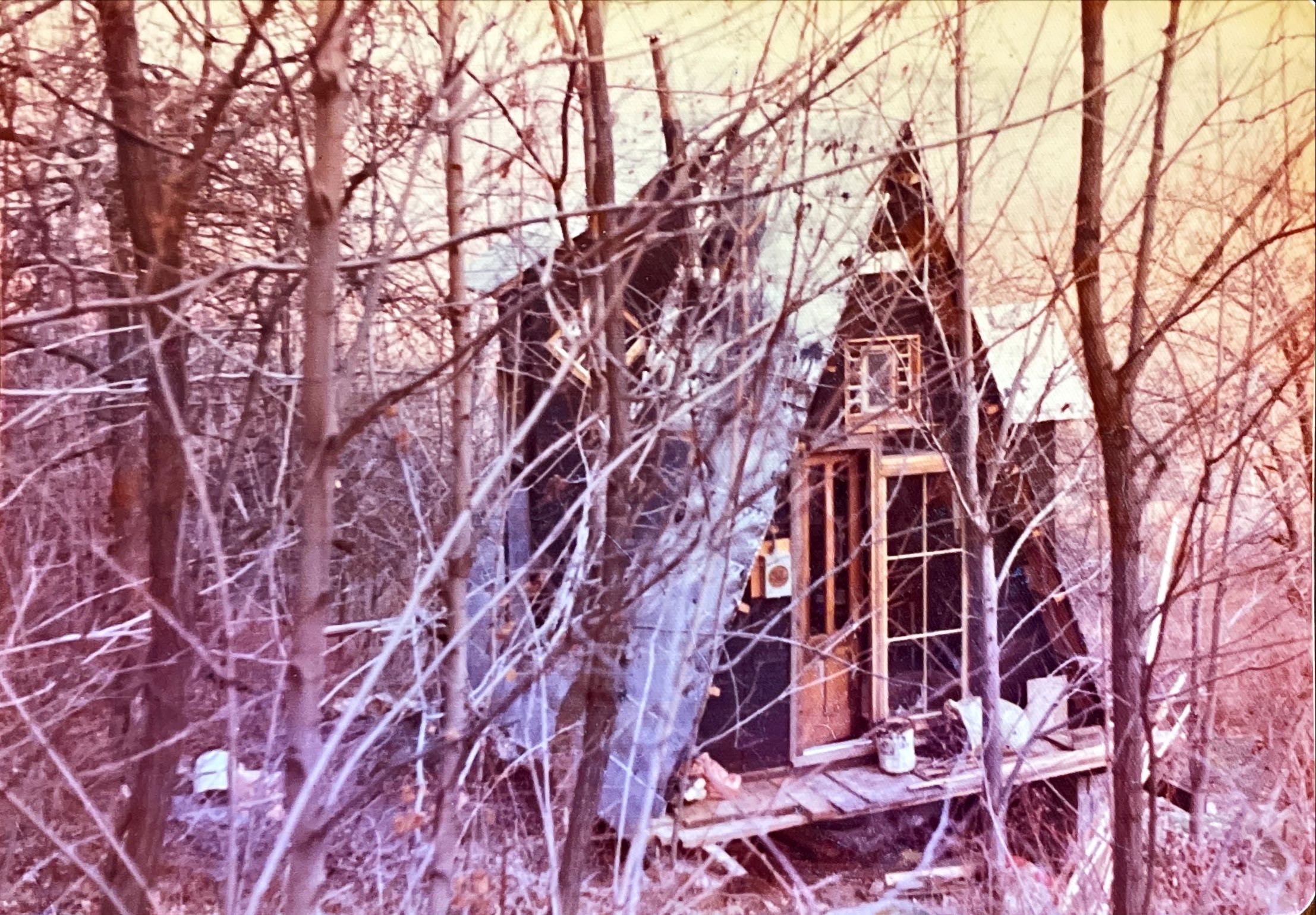
As the 1970s progressed, the number of gay and lesbian communes dotting the American landscape waned or shifted into different arrangements, but Lavender Hill carried on. Lavender Hill’s longevity was, in part, due to the group’s ability to weigh collectivity against the need for individual privacy — a balance easier to strike on an eighty-acre parcel of land. Beginning in the summer of 1974, members began constructing their own temporary dwellings. By 1974-1975, the more introverted members began constructing their own permanent outbuildings. Some members didn’t live at the property year-round and moved between the country and New York City or the San Francisco Bay, spending summers at Lavender Hill and winters in the city. This seasonal movement minimized the conflicts inherent in full-time cohabitation, especially in the long and confining winter months.
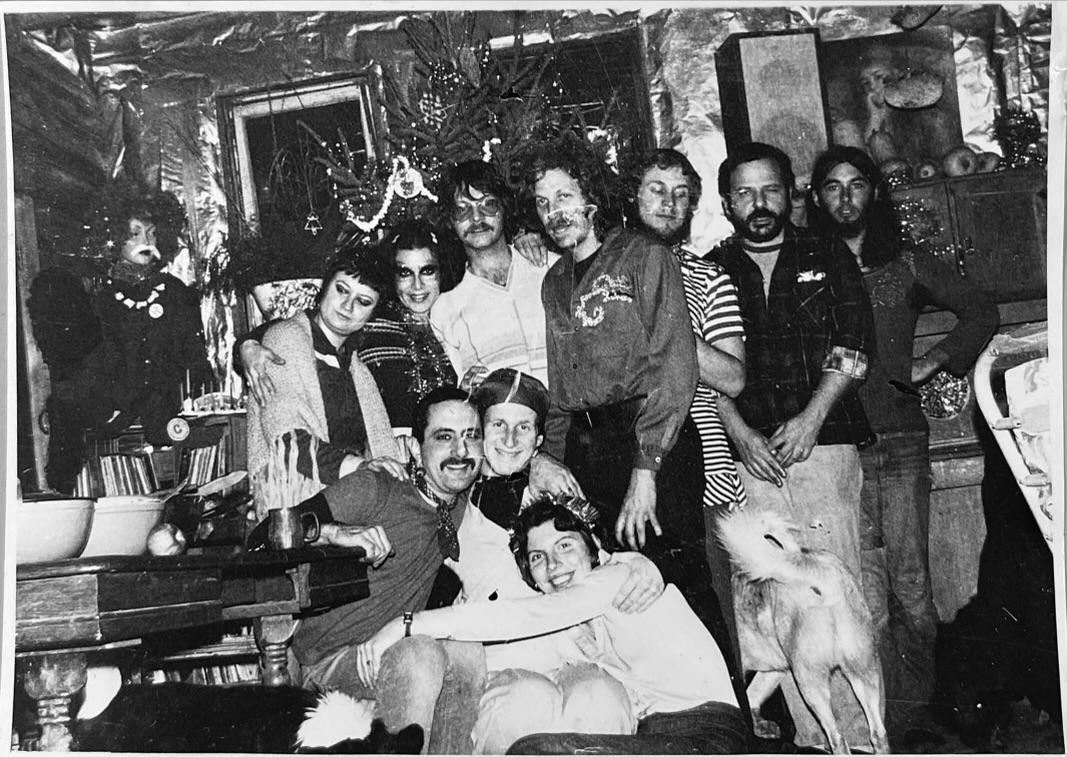
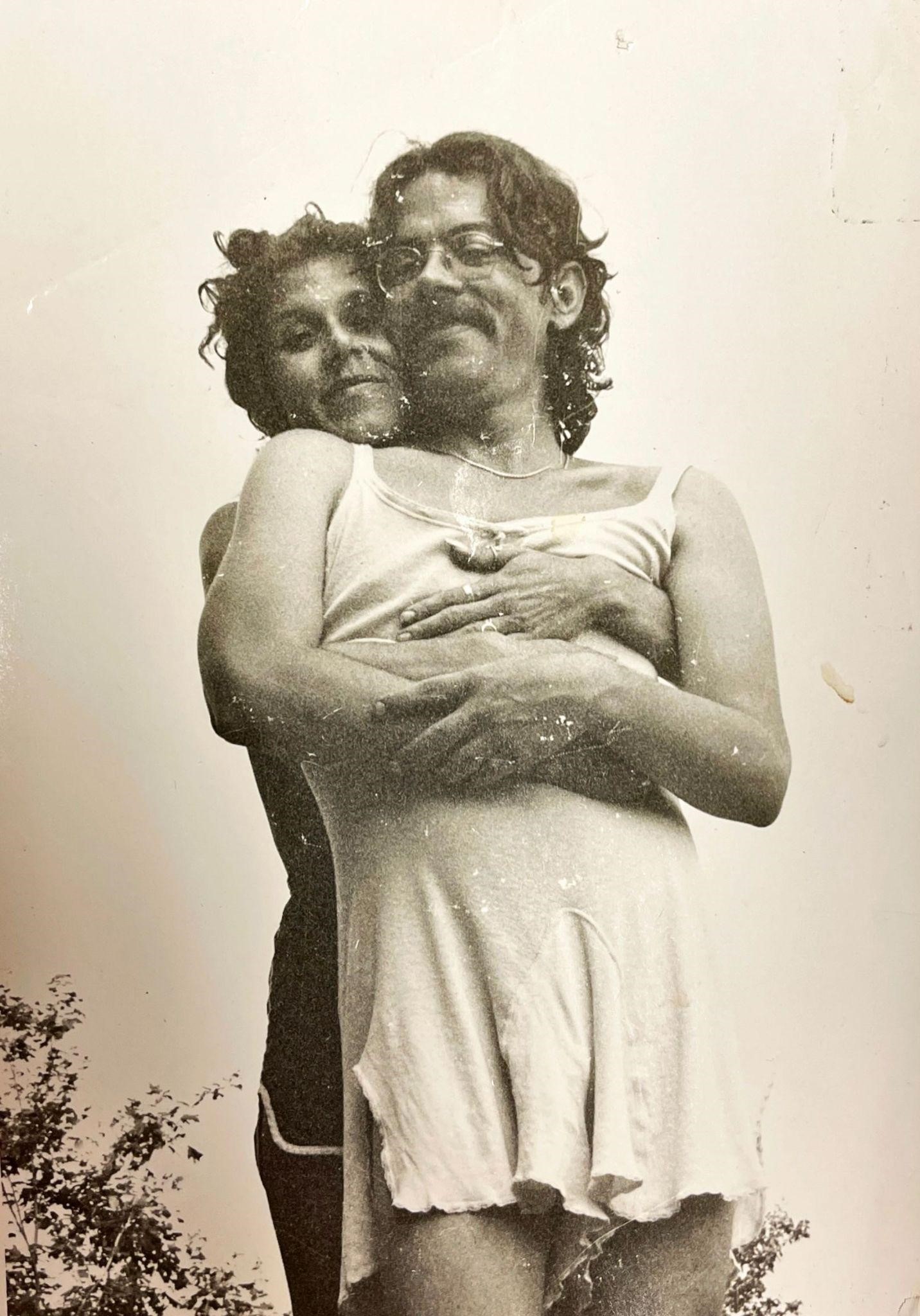
Lavender Hill was a community shaped and informed by feminism. The collective’s belief in rejecting a gendered division of labor for less desirable tasks carried on from the 25 to 6 Baking and Trucking Society and was essential to the success of a mixed-gender commune. The men also had a social and political belief in wearing dresses and crossing boundaries of gender—a practice they referred to in profane terms —that began with the pre-Lavender Hill group in the Catskills. This practice was both fun and a political statement. Its purpose, according to one member, was not to be, or look like, women, but to smash visual stereotypes of masculinity and “do what men weren’t supposed to do.” It also gave men insight into the nature of women’s oppression. Lavender Hill was known for their elaborate, theatrical parties and celebrations, which were also spaces to explore the boundaries of gender through dressing up in costume or drag, and holding what they called “love fests.”
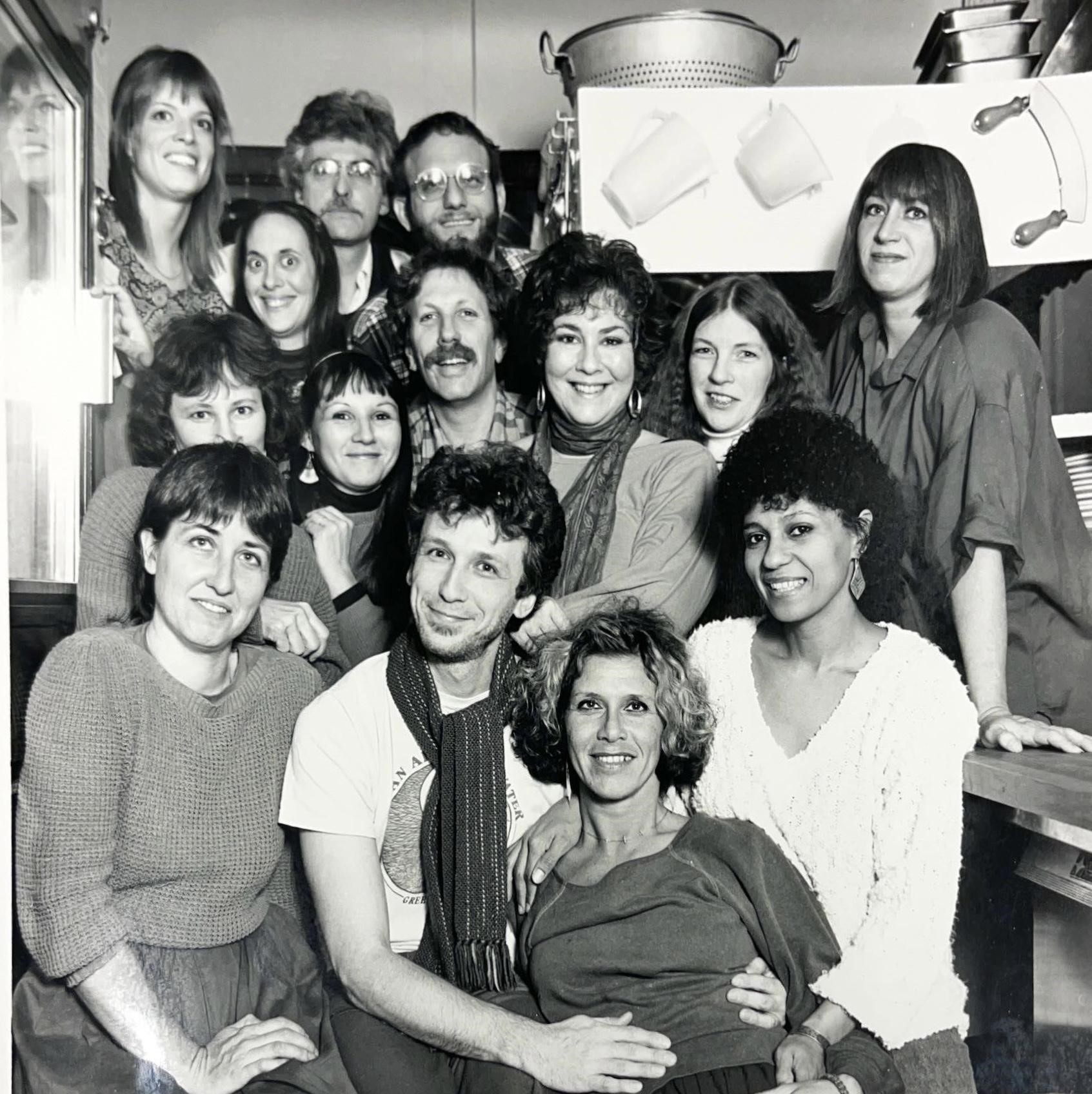
Many of the men also had an affinity for cooking and other “domestic arts,” and the members of Lavender Hill all worked at the Moosewood Restaurant in downtown Ithaca, a national leader in the natural and vegetarian food movements.
Lavender Hill’s influence is also felt in the realm of arts and culture, namely through Larry Mitchell and Ned Asta’s illustrated novel with a provocative title, which became a touchstone text of the gay liberation movement.
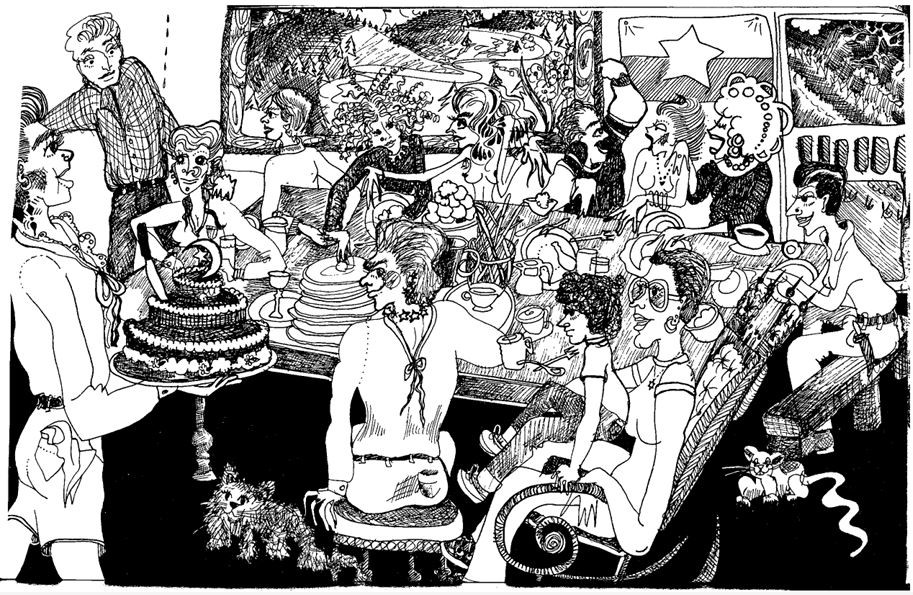
Part gay liberation fable, part radical manifesto, and part allegory of gay communal life, the novel is structured as a series of short parables or aphorisms interspersed with illustrations and tells the story of a capitalist, patriarchal society named “Ramrod” where queer and other marginalized people survive, care for one another, build coalitions, resist mainstream assimilation, envision utopia and plot revolution. When no one expressed interest in the manuscript, Mitchell founded his own publishing company, Calamus Books, one of the first explicitly gay-oriented presses.
Lavender Hill After 1983
The original setup of Lavender Hill lasted until the early 1980s before shifting personal and political circumstances altered the nature of the collective. The election of Ronald Reagan as president in 1980 marked a national shift toward conservatism and ushered in a period of backlash to the gains made by the social activist movements of the 1960s and 70s. In 1981, the Centers for Disease Control identified the first cases of what came to be known as Acquired Immune Deficiency Syndrome (AIDS) among gay men.
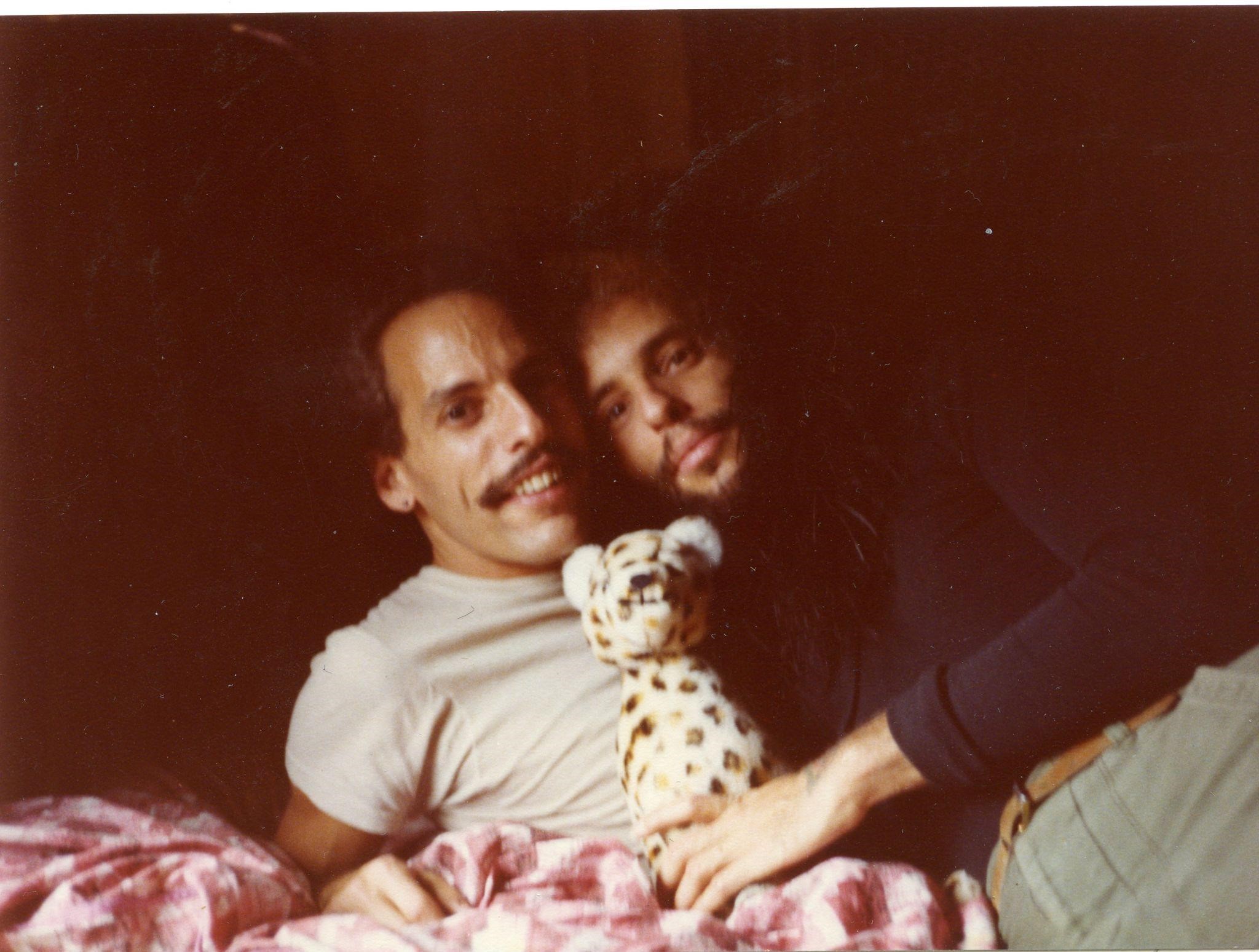
Despite its isolation in rural central New York, Lavender Hill was not impervious to these outside dynamics. Members of Lavender Hill “re-entered” society and dispersed to larger cities. In particular, the death of core member Lazar Mintz from HIV/AIDS complications in 1988 symbolized a significant shift in the arrangement of the commune as it existed since 1973.
Lavender Hill’s Legacy
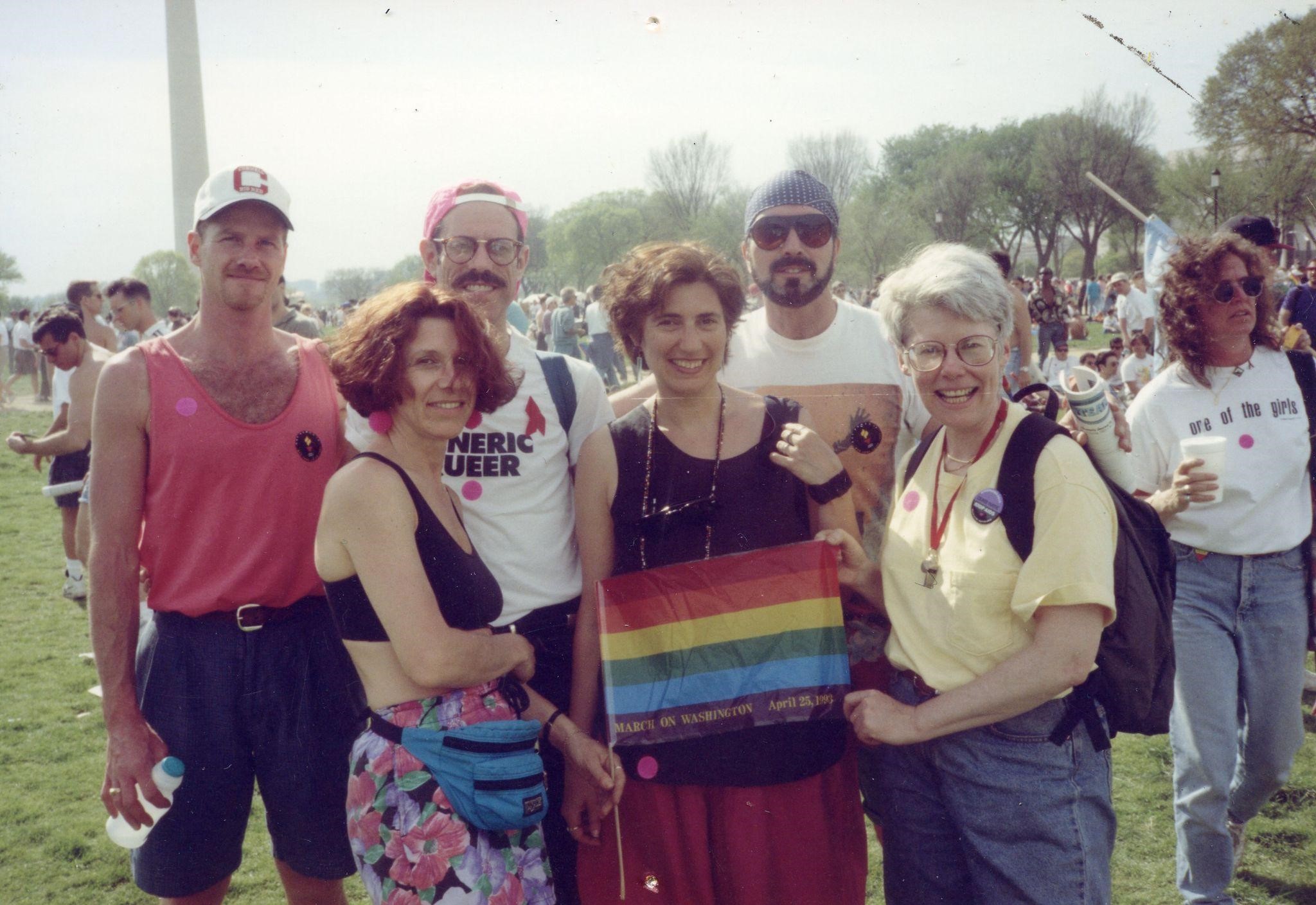
In comparison to other 1970s gay and lesbian communes, Lavender Hill is exceptionally significant for several reasons. First, its mixed-gender composition and feminist orientation was uncommon among gay and lesbian communes of the time. Second, Lavender Hill existed in its original arrangement for around a decade, whereas other gay and lesbian communes tended to be short-lived, lasting around one to two years at most. Third, Lavender Hill was largely composed of visual and performance artists, writers and political activists who left behind an extraordinary level of documentation of their experiment with communal living. Fourth, Lavender Hill had a lasting influence on LGBTQ culture beyond the 1970s through their written works and their contributions to the Moosewood Restaurant. Finally, Lavender Hill is a rare surviving example of a rural historic site built by and for the LGBTQ community.
In recognition of this exceptional significance, the Lavender Hill Commune was listed in the NY State Register of Historic Places on December 5, 2024, and in the National Register of Historic Places on February 3, 2025. The nomination further details the fascinating history of this singular place.
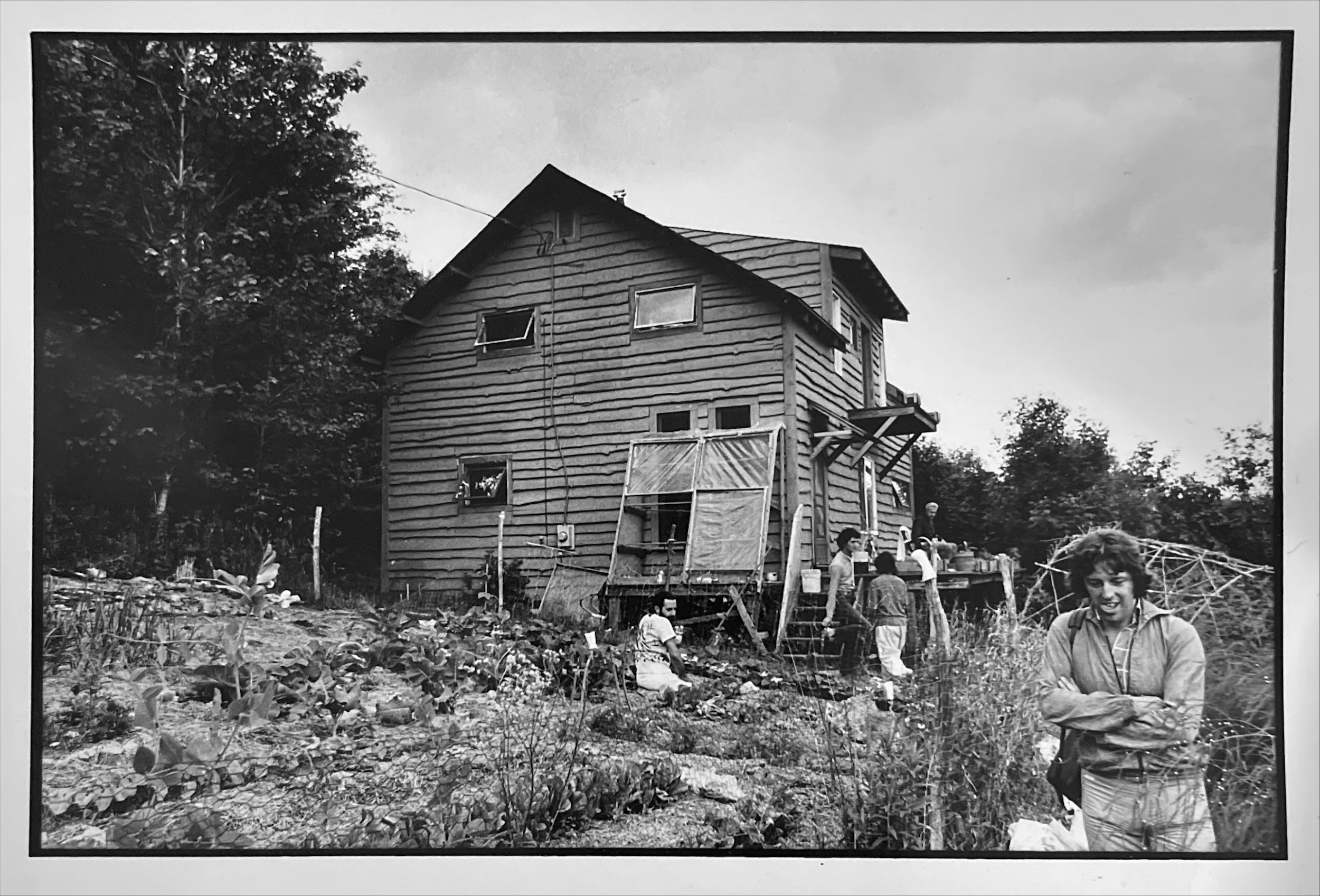
The story of Lavender Hill has two coexisting endings. In the first, Lavender Hill as a 1970s-era commune, as a defined space and place, ends around 1988. The second is that the commune merely transmutes, changes form. In this version, Lavender Hill as a family of choice, an ideological experiment, and a vision of possibility, unfolds into the present as its surviving members continue to live, to dream, to eat, to laugh, to dance, to love, to work toward personal and world freedom.
— Written by Jeff Iovannone, PhD, Historic Preservation Program Analyst, OPRHP


Thanks for the article, Jeff Iovannone. It’s great how they managed to build their own community in their own way and leave a clear impact, even in a quiet, remote place.