

The final chapter of the interactive history timeline, Blazing a Trail: A History of NY State Parks and Historic Sites, has been released, completing the chronicling and sharing of our agency’s history in celebration of our Centennial anniversary. In detailing the future of New York State Parks and our ongoing efforts, we hope that this era leaves you inspired to not only learn more, but to take an active role in shaping the future of our park and historic site system. In the final installment of this eight-era series, “Tomorrow & Beyond” explores how New York State Parks will combat climate change, expand access to our parks and sites, share previously undertold history, use new technology, and improve and expand our system of 250 state parks, historic sites, golf courses, and boat launches.
Investing in New York’s Future

As you’ve learned throughout the ‘Blazing a Trail’ series, New York State Parks has helped meet the challenges of the day for over 150 years! Just as we did with the creation of the first state historic site and state park, we continue to focus on how to best serve present-day and future generations of New Yorkers. In an age of division and fragmentation, the work of State Parks consists of connecting everyone to nature, ensuring that all are welcome at our parks and historic sites, fortifying our properties against climate change, and giving New Yorkers affordable ways to improve their physical and mental well-being.
Part of this includes investment in acquiring new land for state parks and improving existing facilities. Current projects that will create new opportunities for New Yorkers include Sojourner Truth State Park in Ulster County and High Falls State Park in Rochester. Both of these sites were built on land that previously belonged to industry and are undergoing active development. Following remediation, the land that these parks reside on will once again serve the communities that they belong to and provide habitats for native plants and animals.
At Sojourner Truth State Park in the city of Kingston and town of Ulster, plans for development include a new swimming facility and space for public gatherings. In Rochester, High Falls State Park will lie in the heart of the city, providing green space where it is needed most and offering access to stunning views of High Falls for the first time in more than a century.

As technology evolves, so must our agency. Additional investments that integrate technology within our parks include the use of the Parks Explorer app; interactive kiosks that detail New York’s role in the Revolutionary War; and drones which help our staff ensure visitor safety on the trails and at our beaches. Behind the scenes, we use technology to catalog historic properties, administer preservation programs, and preserve archives of sensitive and environmentally vulnerable historic resources. By using new tech, we are better able to create a convenient, safe and modern visiting experience.
Ensuring All Are Welcome

New York’s history reflects the broad human experience. Our state’s built environments, landscapes, sites, historic collections and other cultural resources provide opportunities to research, interpret and present the full history of that experience.
The ‘Our Whole History’ initiative tells the story of New York in a way that captures the true extent of our shared history, ensuring that all peoples are included. Through new interpretative efforts and use of the State and National Registers of Historic Places, the State Historic Preservation Office has brought previously undertold history to the forefront.
These efforts include the Bureau of Historic Sites conducting new research and building relationships with communities throughout the state to paint a more complete picture of our state’s history. The fruits of that work include an exhibit at Washington’s Headquarters State Historic Site in Newburgh that explores contemporary views of George Washington, and festivals that feature Indigenous performers at the Seneca Art & Culture Center at Ganondagan State Historic Site. To ensure that everyone’s story told and that everyone has a chance to learn, the bureau has been hard at work to achieve our agency’s accessibility goals, creating alternate tours and even renovating sites to provide access to our historic resources for people with disabilities.
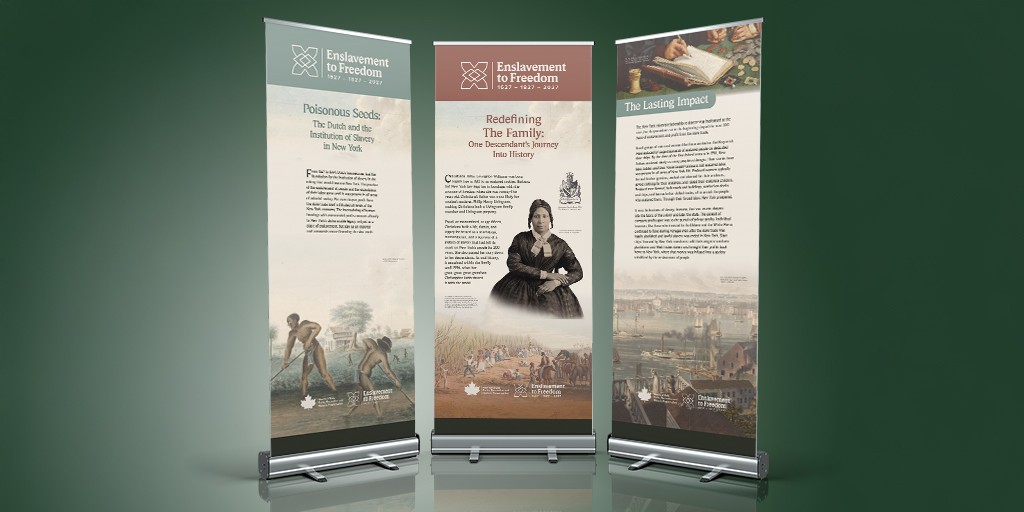
The multi-year ‘Enslavement to Freedom’ educational project explores the lives of Africans and their descendants in what is now New York State. This initiative includes traveling exhibits, temporary installations at state historic sites, professional development materials and a variety of virtual and in-person programs. By sharing recently-uncovered information about the African presence in our state’s past, we honor the people whose rich history has been neglected for far too long and illuminate how and why slavery was foundational to the growth of New York.
While there is a long and grim history of slavery in the state, the ‘Enslavement to Freedom’ project focuses on three time periods: 1627 (when enslaved people were brought to the New Netherland colony in present-day New York), 1827 (when slavery was legally abolished in New York), and 2027 (the 400 and 200 year anniversaries for these moments and expected launch date of the full project). You can learn more about this project here or by visiting the ‘Blazing a Trail’ landing page.
Protecting the Environment

Climate change poses a major threat to New York’s natural and historic resources. At New York State Parks, we are investing millions of dollars to ensure that our parks are able to withstand climate change, meet the needs of growing visitor demand, and provide habitats for native species.
On Long Island, we are creating living shorelines and revegetation projects at places like Sunken Meadow and Bayswater Point State Parks to protect the coastlines from erosion, provide ecosystems for coastal wildlife, and improve water quality. Other projects include ‘30×30,’ which commits New York State to a more environmentally friendly approach to infrastructure. As a part of this project, New York State Parks aims to utilize 100 percent renewable sources of energy and contribute to the larger statewide goal of planting 25 million trees by the year 2030.

A large part of our mission also includes educating and engaging future generations in our work so that they too may carry with them a passion for the environment. At New York State Parks, we provide hands-on opportunities for college students and young adults through the NYS Parks Corps, the NYS Parks Hudson Valley Corps Programs and the FORCES program. Enrollees learn about environmental stewardship, assist with projects like trail maintenance and habitat remediation, and lead educational programs alongside our professional team of environmental educators. Taking place across our nature centers, these environmental education programs continue the cycle of stewardship, inspiring younger generations to take an active role in the conservation of the world around them. Access initiatives like Ladders to the Outdoors and Connect Kids bring this experience to K-12 students who may not otherwise visit state parks or experience this level of hands-on programming.
Be on the lookout for future, in-person ’Blazing a Trail’ action this fall! Until then, visit the ‘Blazing a Trail’ landing page to explore the full experience and follow us on Facebook, Instagram, and X to stay informed on this project’s progress.
— Written by Jennifer Robilotto, Public Affairs Assistant
 New York State Parks and Historic Sites Blog
That final chapter is inspiring! 🌿 It’s uplifting to see New York State Parks looking ahead—tackling climate change, expanding access, sharing overlooked histories, and embracing new technologies. The “Tomorrow & Beyond” vision isn’t just a celebration of the past but a call to action for all of us to play a part in shaping the next century of parks. Well done to everyone involved in this thoughtful, forward‑looking finale.