

Established in 1985, the New York Natural Heritage Program is a partnership between the State University of New York College of Environmental Science and Forestry and NYS Department of Environmental Conservation. The program’s mission is to determine the location and status of New York’s plants, animals, and ecological communities and provide this information to public agencies and scientific and educational institutions to facilitate conservation. Today, they count multiple non-profits, local governments, federal institutions, and state agencies among their partners — including New York State Office of Parks, Recreation and Historic Sites. You may have heard about their long-term firefly study at several of our parks. Ecologist Julie Lundgren shares more highlights from their year of work in New York State Parks.
Our partnership with New York State Parks brings us to all corners of the state to survey for rare plants and animals and for high-quality natural communities. Our surveys continue well into the fall season. Check out some of our cool finds.
Niagara Region Fieldwork
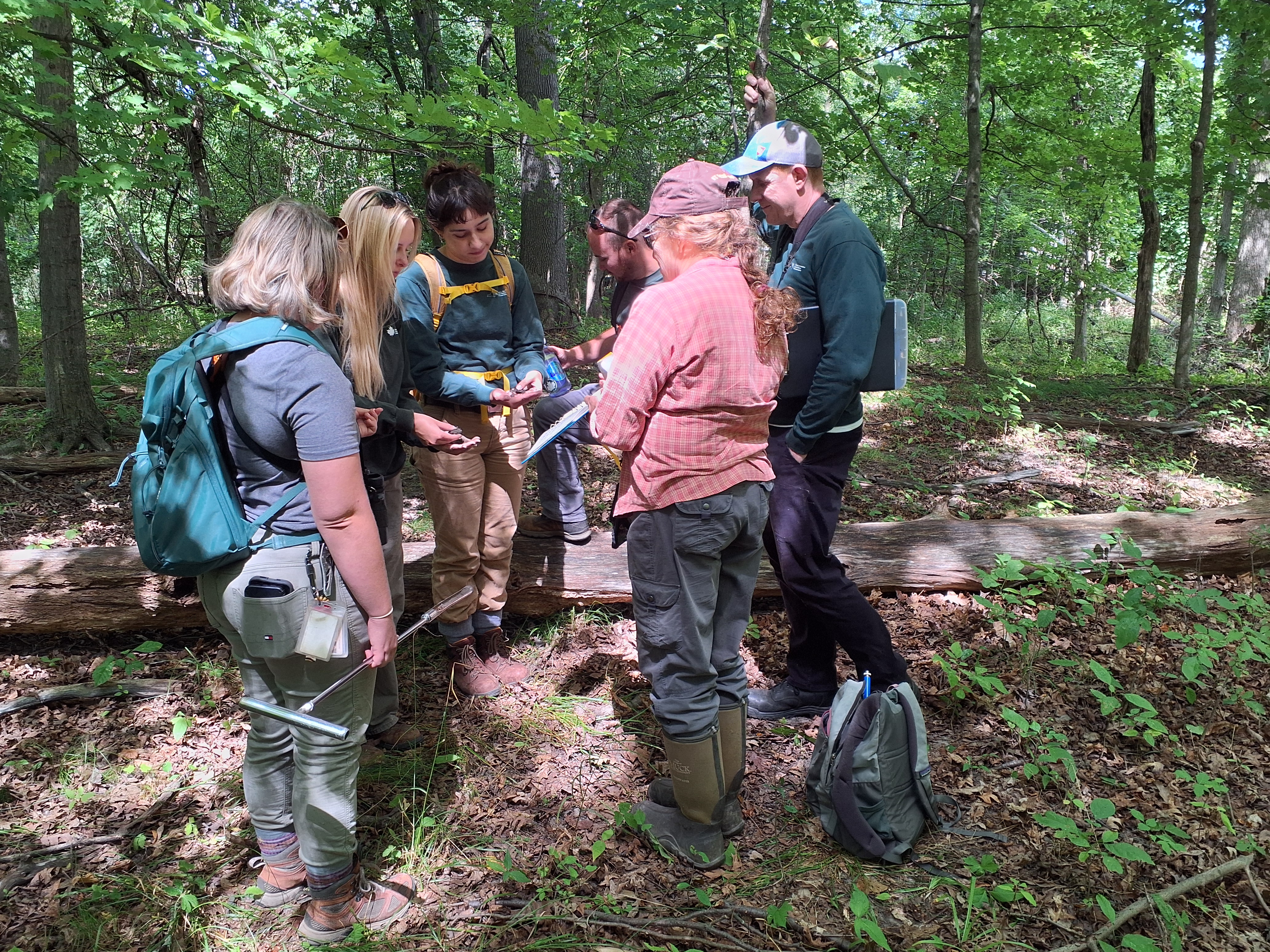
In the Niagara region, we teamed up with park biologists to collect data on the vegetation (plants and structure) and the soils in the oak-hickory forests at Buckhorn and Beaver Island State Parks. We are working to describe a new forest type for New York State: the Oak-Hickory Flatwoods, similar to what is found on the lake plains in Michigan and Ontario, Canada.

We saw a lot of different kinds of oaks on that trip including these really big Swamp White Oaks (Quercus bicolor)!

At Whirlpool State Park, signs describe the success story of partnering to restore sky-blue aster (Symphyotrichum oolentangiense), a state-endangered wildflower. The aster was not yet in bloom, but we could see dozens of plants just starting to form flower buds, ready to put on a show in late September to October.
A Rare Sighting in the Thousand Islands

In the Thousand Islands Region, our botanist and ecologist teamed up to explore and survey several parks on the St. Lawrence River and were happy to find the stunning state-endangered smaller fringed gentian (Gentianopsis virgata) still in bloom.
Hudson Valley Highlights

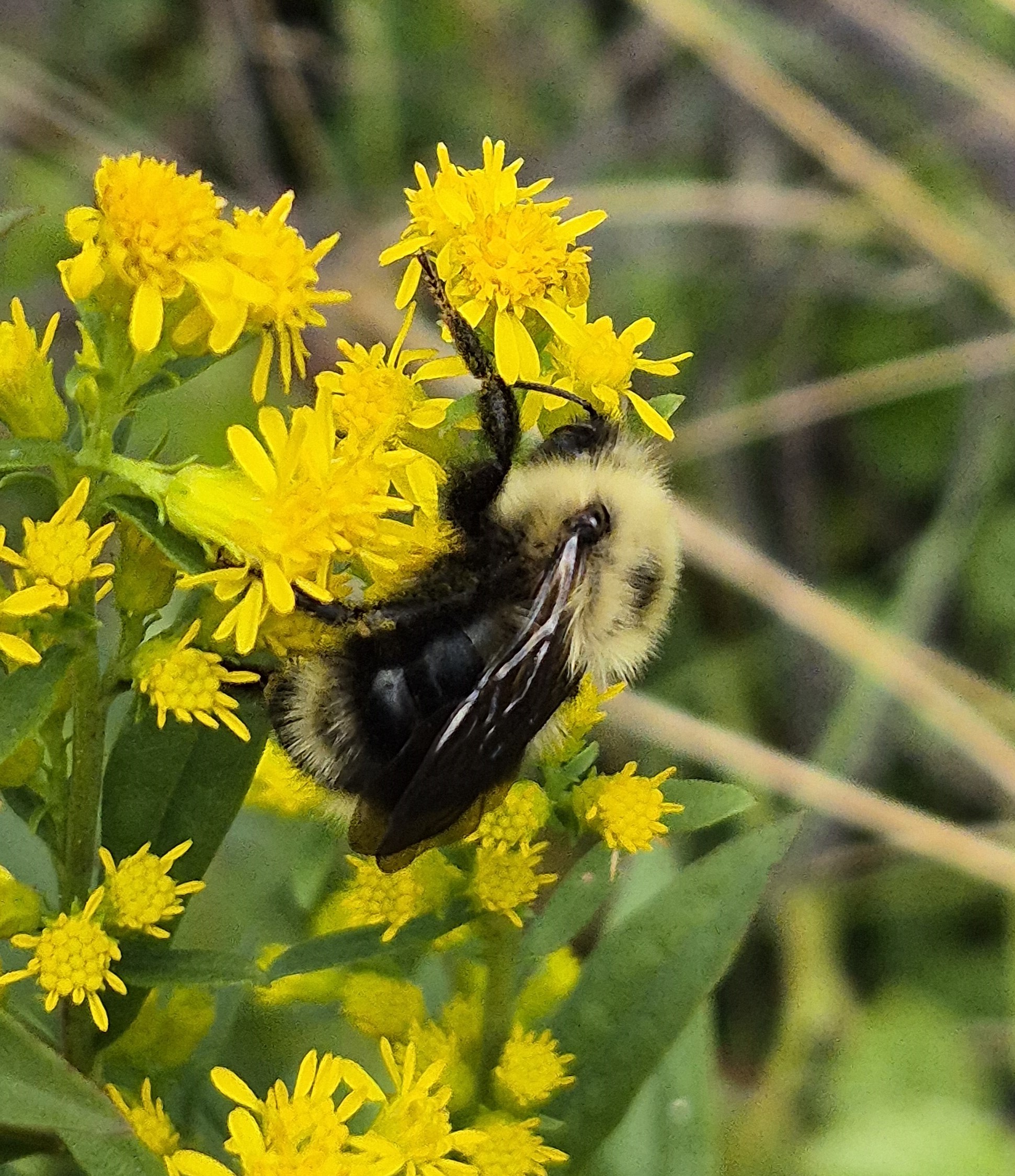
Here’s proof that even insects can be cute and fuzzy! At Minnewaska State Park Preserve, our zoologists found the rare inland barrens buckmoth (Hemileuca maia maia) at several locations, and an imperiled cuckoo bumble bee (Bombus flavidus). This buckmoth depends on scrub oak for its food and life cycle. The bee requires a variety of native nectar sources like this goldenrod found in fields and woodland edges in the park.
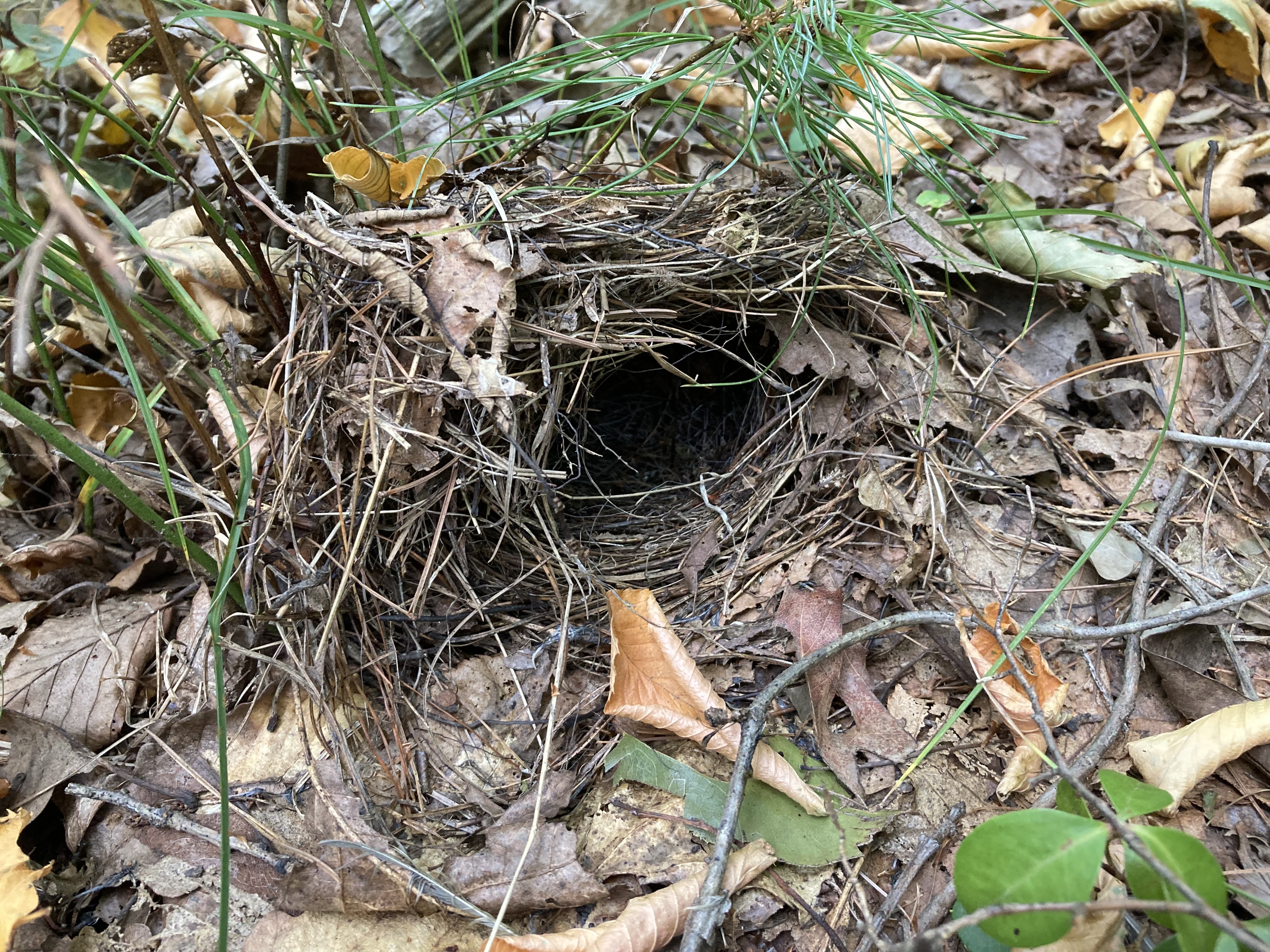
And at Sterling Forest State Park, our ecologist happened upon this oven bird nest. Built from pine needles and twigs and looking a bit like a little outdoor oven, after which the bird was named, it was barely visible on the forest floor. Oven birds are a common species that are easy to identify in spring or summer by their song, but mostly quiet by late fall.
Skimming the Surface and Diving Deep Into Aquatic Ecosystems


Botany by boat at Moreau Lake State Park in the Saratoga Capital Region! While the ecologists studied the natural underwater community, the park biologist brought his dissecting scope on board to identify the different pondweeds, in hopes of finding one of the rare ones. We got to see native freshwater mussels like this eastern elliptio (Elliptio complanata) on the right.
Up All Night For Bats

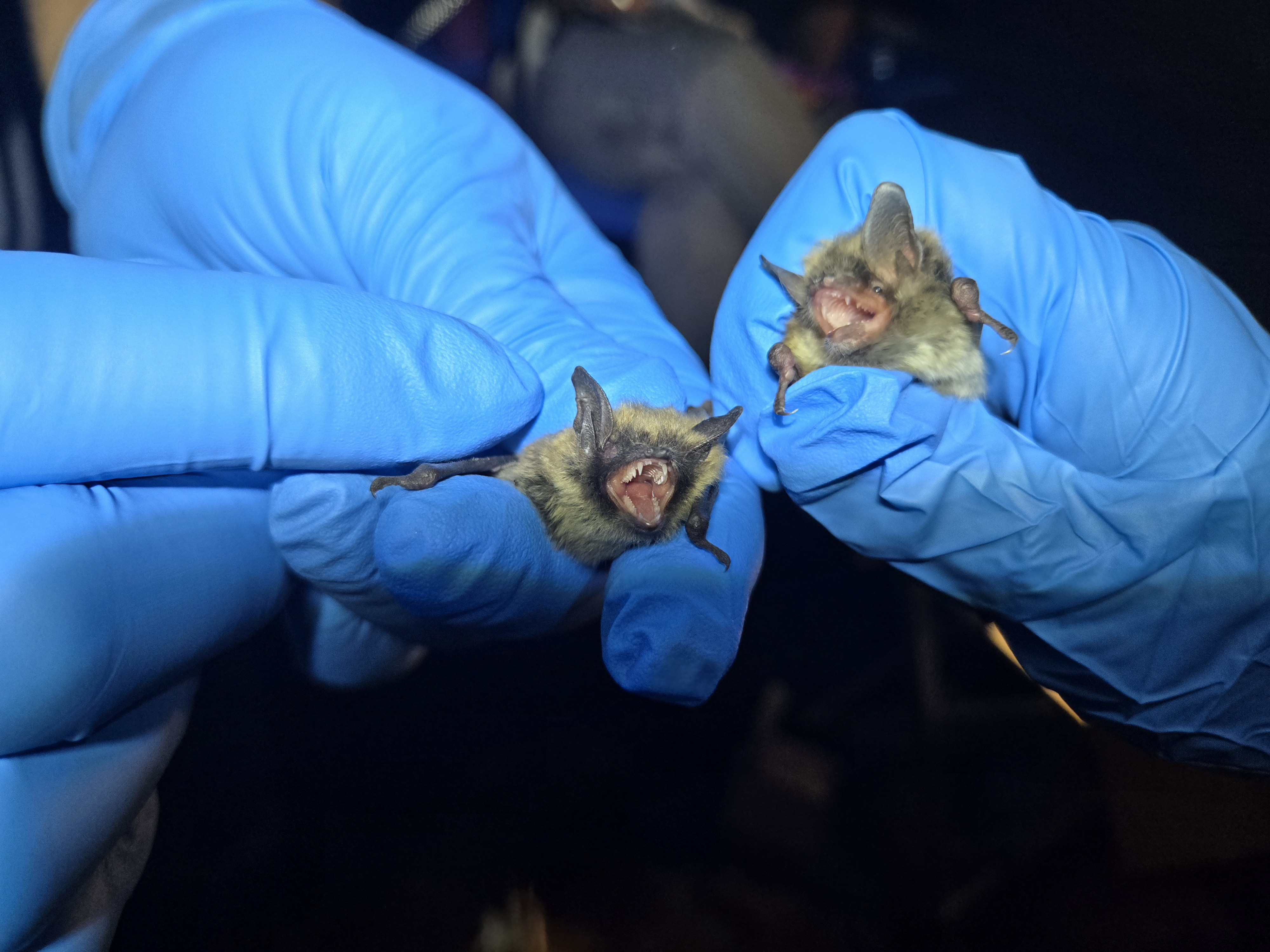
Our zoologists did some night work in Fahnestock and Clark Reservation in the Taconic and Central Regions respectively to determine which kinds of bats were present. Using fine mist nets, biologists catch and identify each bat. They record type and take measurements before letting the bats go unharmed. Eastern small-footed myotis (Myotis leibii, special concern) and little brown bat (Myotis lucifagus, common) were among the species found.
Long Island, Late Season
Much of our Long Island work is done at the end of the field season when the asters, goldenrods, and many other plants are in bloom there.

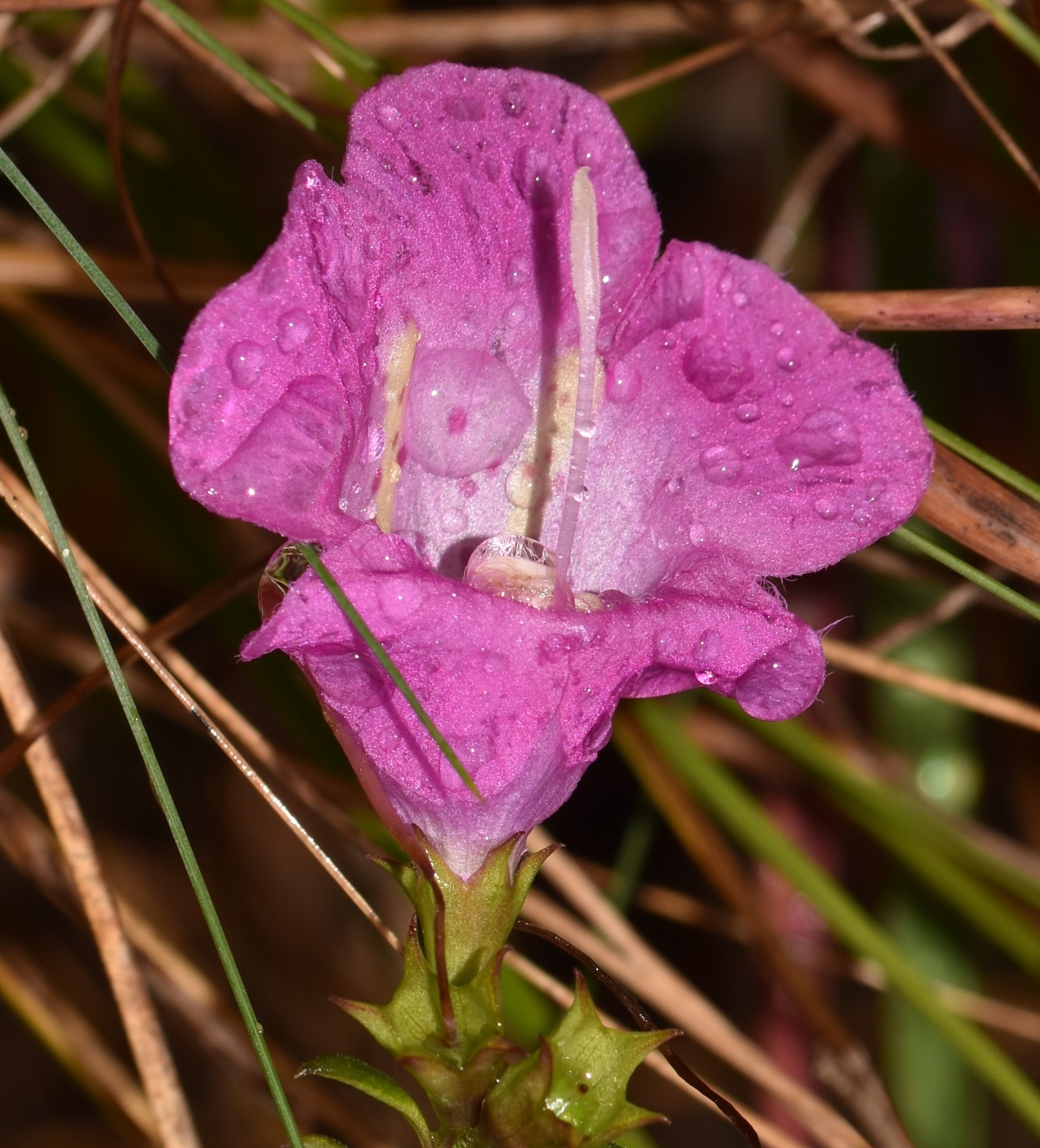
Stiff-leaved aster (Ionactis linariifolia) and purple agalinis (Agalinis purpurea) are somewhat uncommon in the state and hard to pass up for photo opportunities. Although we focus on identifying where the rare species are, our database has a wealth of information on locations for plants and animals we do not track. The information is useful for research and for expanding our knowledge of species distribution or presence of host plants for moths, bees and other insects.


But after the mild distractions from the showy stuff, our ecologists focused on the lovely mix of mosses and lichens found in the dune habitats of Napeague and Hither Hills State Parks. We collected data to describe the communities, and collected and labeled specimens to bring to the New York State Museum for identification and to add to its permanent collection in the herbarium.

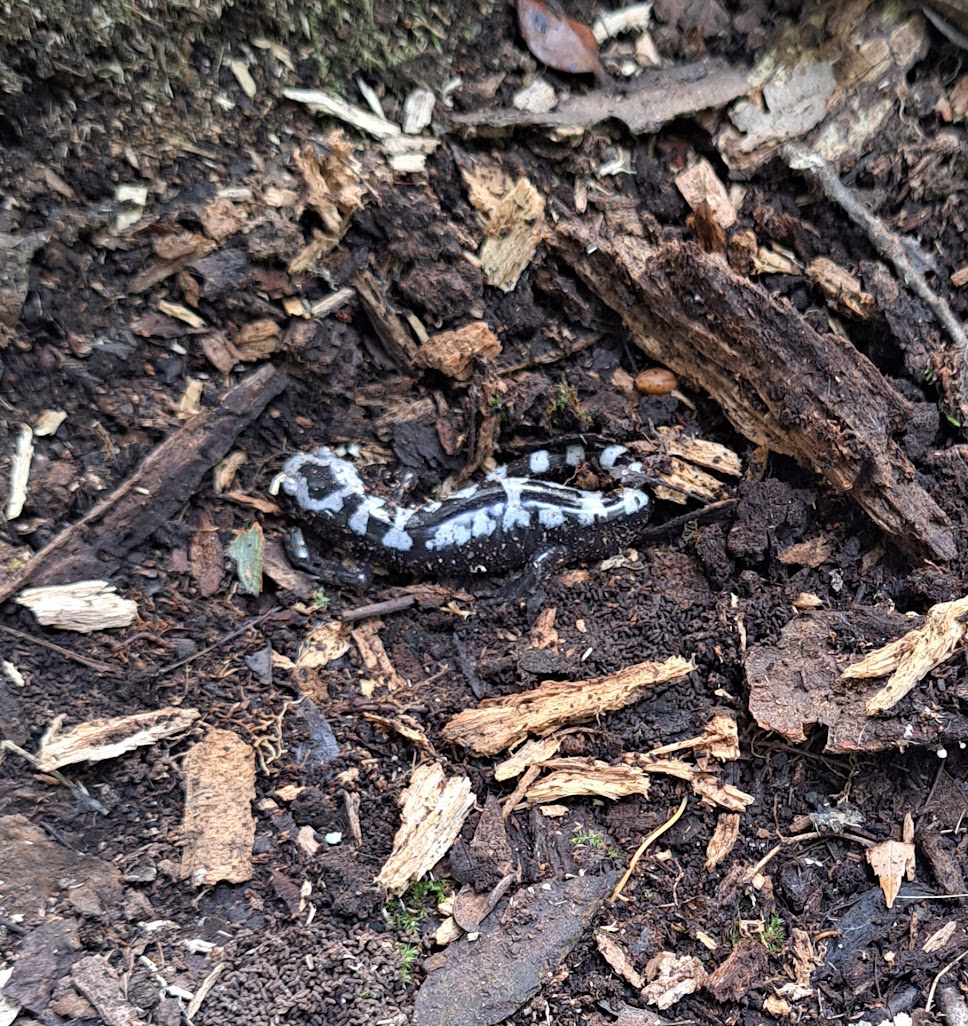
Fall is also the time to look for marbled salamanders. Although typically called “vernal pools,” some of these seasonal pools fill up with water in the fall when marbled salamanders (Ambystoma opacum, Special Concern) lay their eggs. This was a newly-confirmed location for them in state parks.
Over the years, New York Natural Heritage biologists have been to almost every state park in search of rare species and natural communities. That information gets shared with park staff so they can be the best stewards, take care of sensitive areas, flora and fauna and incorporate the findings into environmental education programs. We never stop searching. There are always new finds, and always another place to survey. Thanks to the continued years of support from New York State Parks, we have mapped over 2,000 current records of rare plants, rare animals and exemplary natural communities in State Parks alone. That is almost 20 percent of what our program has mapped statewide. Think of this the next time you enjoy a visit to your favorite state park!
—Written by Julie Lundgren, State Parks Ecologist, New York Natural Heritage Program
 New York State Parks and Historic Sites Blog