

With nearly 450 miles of blazed trails crisscrossing almost 130,000 acres of publicly accessible open space, the Palisades region’s hiking system is among the most expansive in New York State. The region hosts the oldest section of the Appalachian Trail running through Bear Mountain State Park and Trailside Museums and Zoo, an extensive section of the Long Path, approximately 50 miles of carriage roads in Minnewaska, and dozens of other well-loved trails that bring the region’s 7 million annual visitors to waterfalls, wetlands, streams, lakes and forests.
All of these trails require ongoing maintenance and protection, and we take pride in keeping them safe and traversable for all visitors.
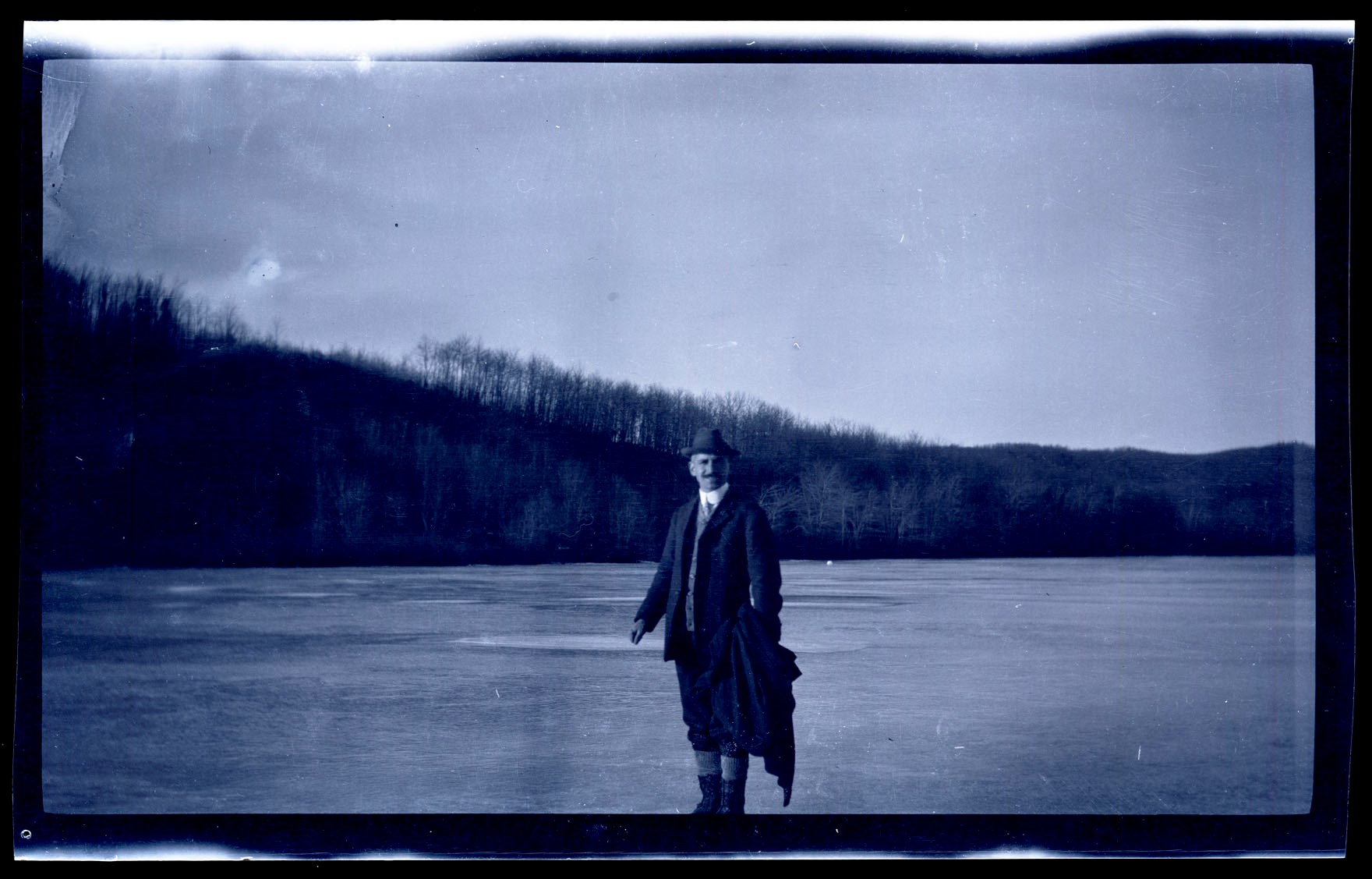
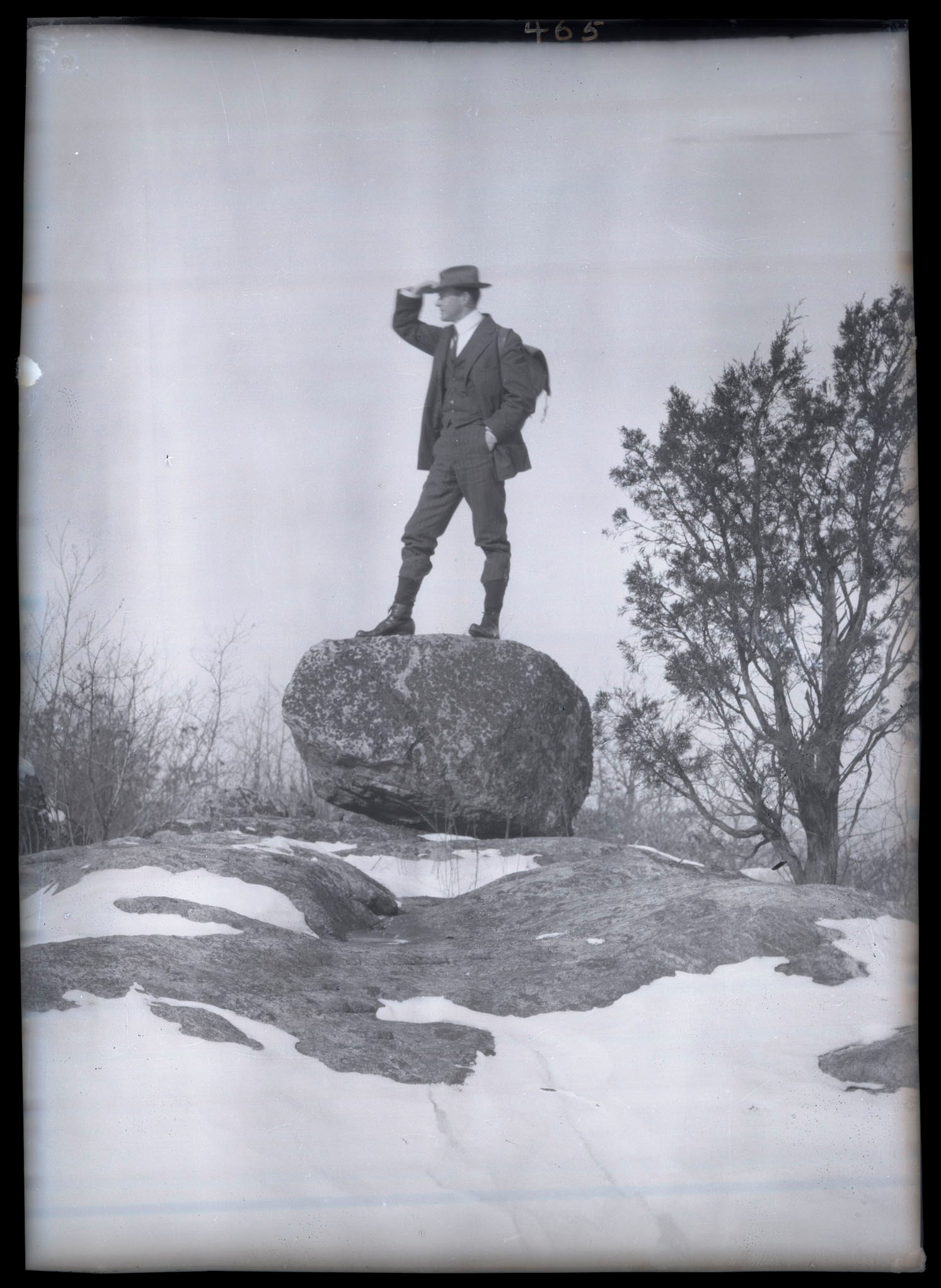
Hiking in the Palisades has long been a favorite pastime, from the days of hiking in three-piece suits and top hats when visitors to the park rode the train or the steamer to get to the woods from New York City and beyond.
These early days of tramping in nature predated the establishment of state parks, but the hiking trails they developed would later become established trails that are still in use today.
By 1910, the Palisades Interstate Park Commission had dedicated Bear Mountain State Park and begun assembling Harriman State Park. Hook Mountain was being acquired from quarry operators and swimming areas were being constructed on the Hudson River in Nyack. By the time that the National Parks Service was established in 1916, Bear Mountain State Park was receiving 500,000 annual visitors. The parks were a hit, and the people needed places to go.
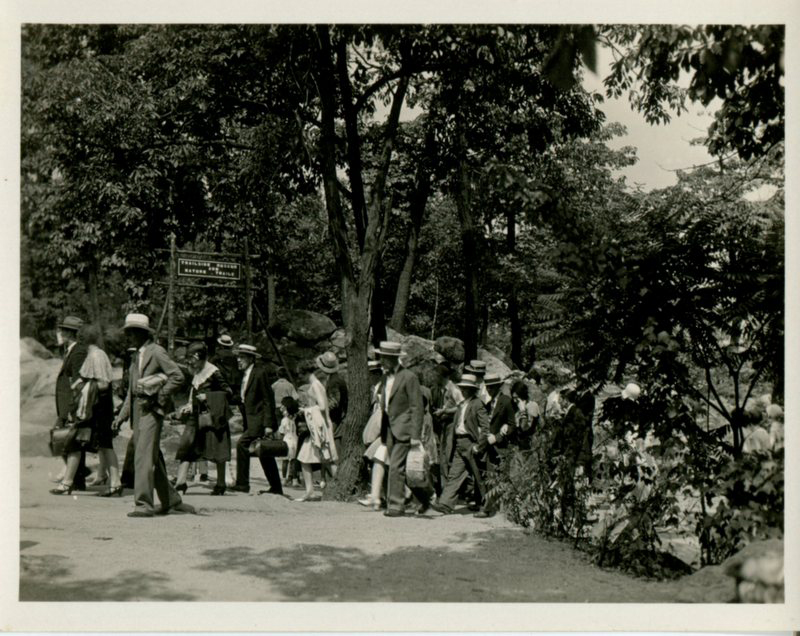
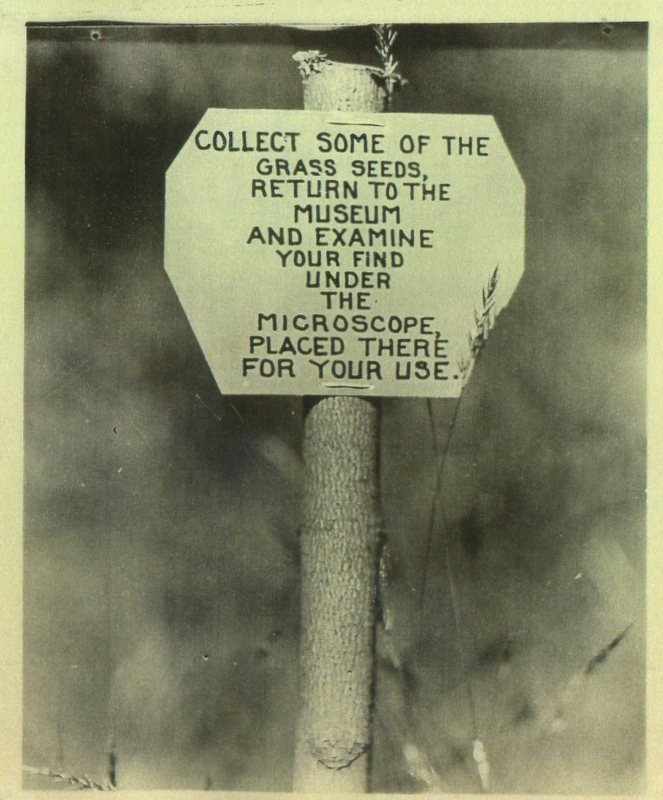
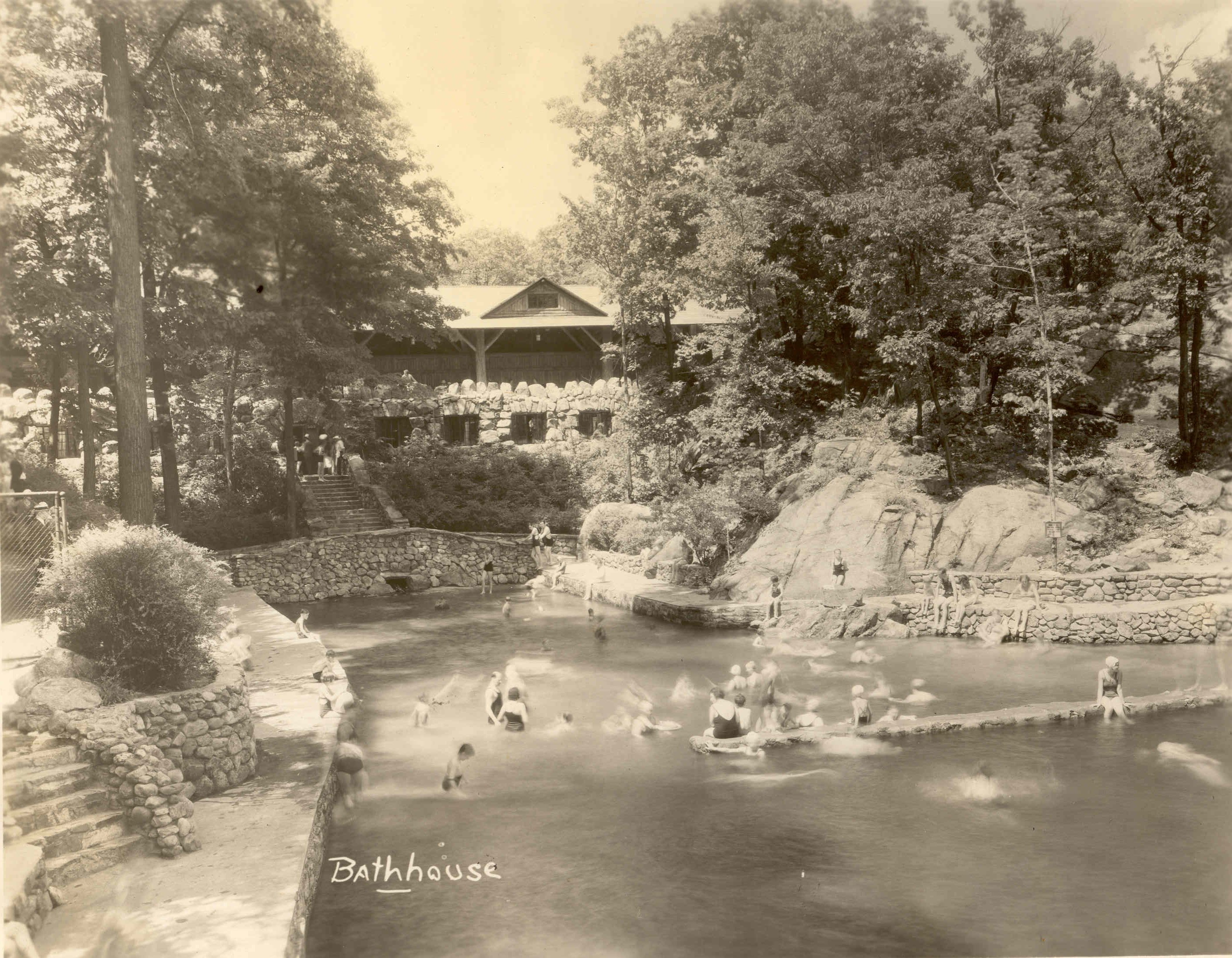
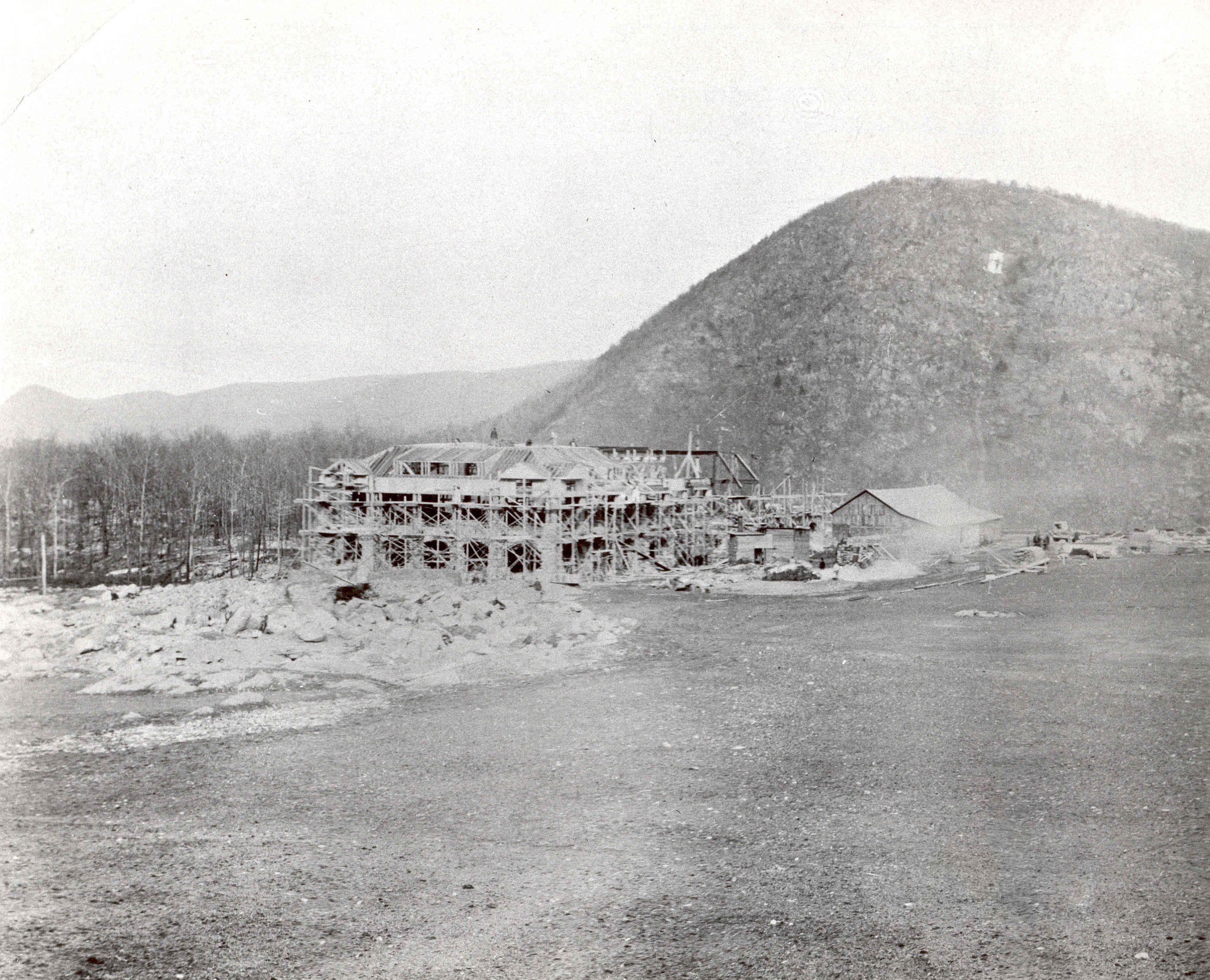
The Palisades Interstate Park Commission (PIPC), who owns the parkland of the Palisades region of New York State Parks, set out to give them places to go and ways to get there. During the 1910s and 1920s, PIPC constructed the Bear Mountain Inn and Trailside Museums and Zoo, constructed larger boat docks at Bear Mountain and swimming, picnicking, and gathering spaces at Bear Mountain, Harriman, and the Hook Mountain area. They also began the process of officially establishing the region’s first hiking trails, including the Ramapo-Dunderberg Trail in 1920 and the Suffern-Bear Mountain Trail in 1924.
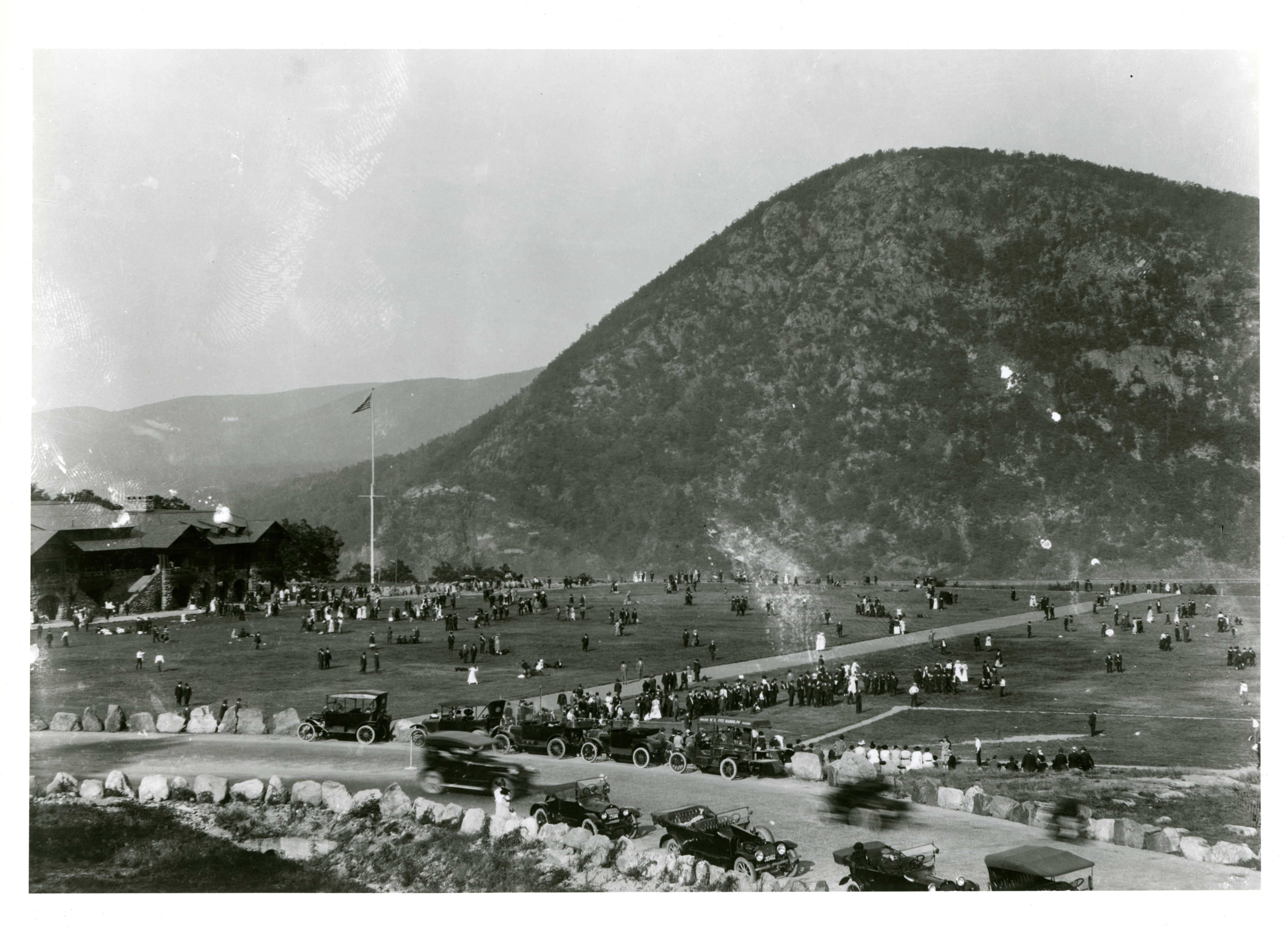
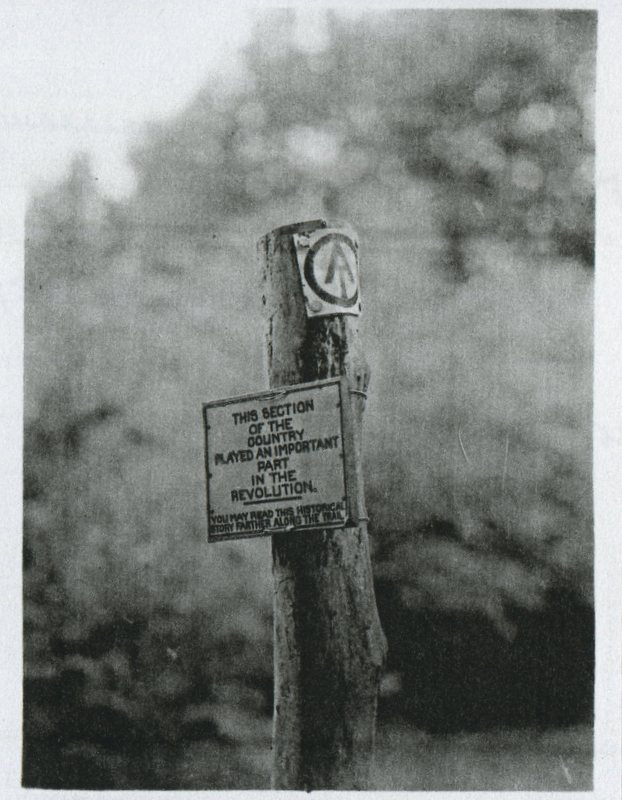
To construct and maintain these trails, the Commission founded the Palisades Trail Conference in 1920. Over time, this group grew into the present-day volunteer-powered New York-New Jersey Trail Conference. Today, the Trail Conference builds, maintains and protects a network of over 2,150 miles of public trails; leads efforts to protect open spaces, acquire new public lands, monitor invasive species, and educate the public about conservation; and publishes maps, guidebooks, and digital tools to help outdoor enthusiasts navigate and explore public trails with confidence.
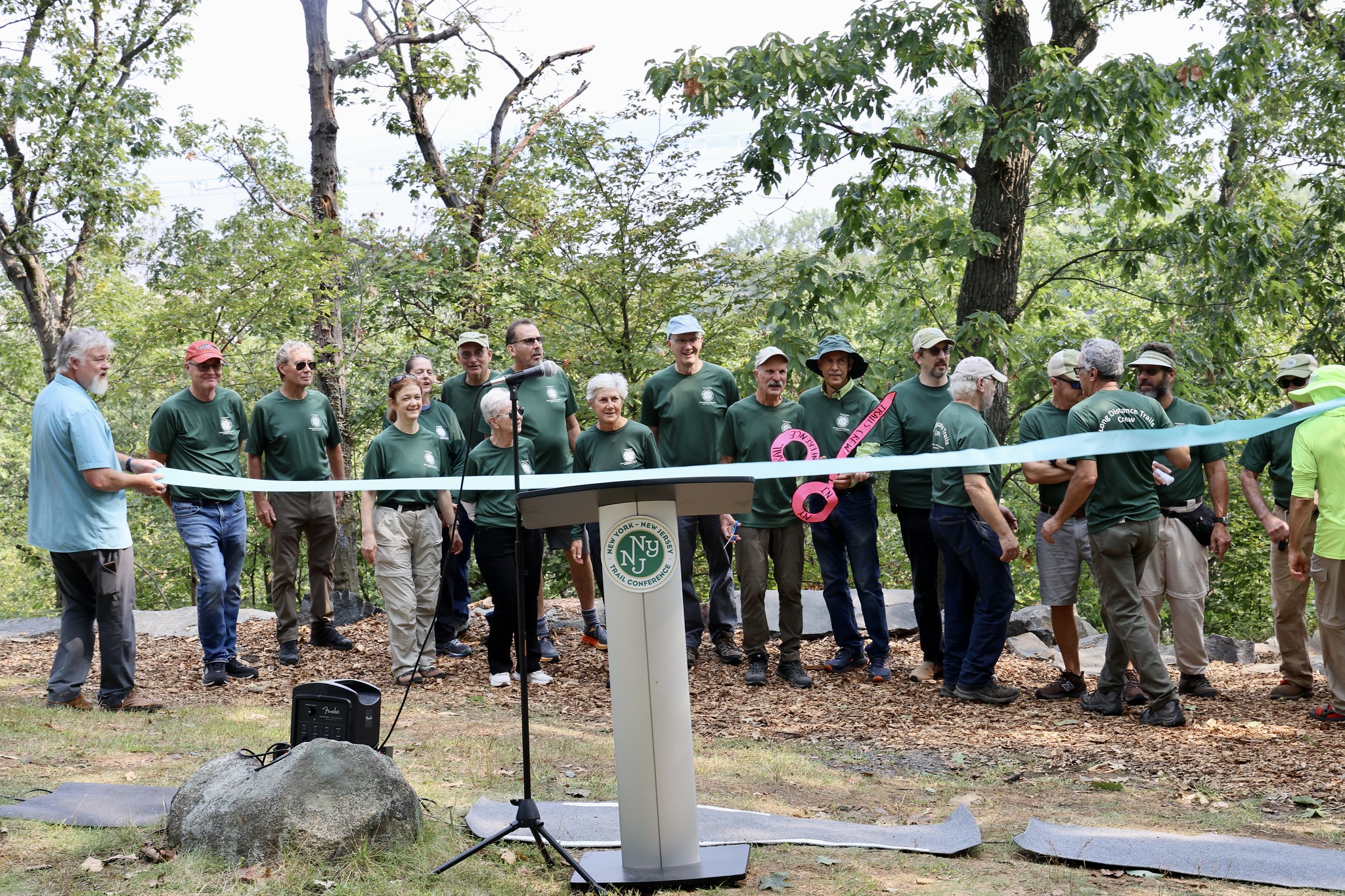
The intervening decades saw the trail system within Bear Mountain and Harriman State Park expand as new trails were built to provide recreational access to new parks like Storm King, Minnewaska State Park Preserve, Sterling Forest, Rockland Lake, Schunnemunk, and the newest state park, Sojourner Truth. These trails accommodate millions of annual visitors, day-trippers and long-haulers alike, providing access to some of New York’s most beautiful and wild places.
But these trails aren’t merely static lines on a map. They are ever-changing, moving, expanding and eroding. Heavy use by park visitors, falling trees, and storms all take their toll on these pathways to nature. And as storms get stronger and more frequent, there is more work to do to keep trail systems functioning and safe for the public to enjoy. The Trail Conference and other organizations do what they can to maintain the system, build new trails, and make trails sustainable in the face of new challenges and increased use, but there is more to be done than our partners can do alone.
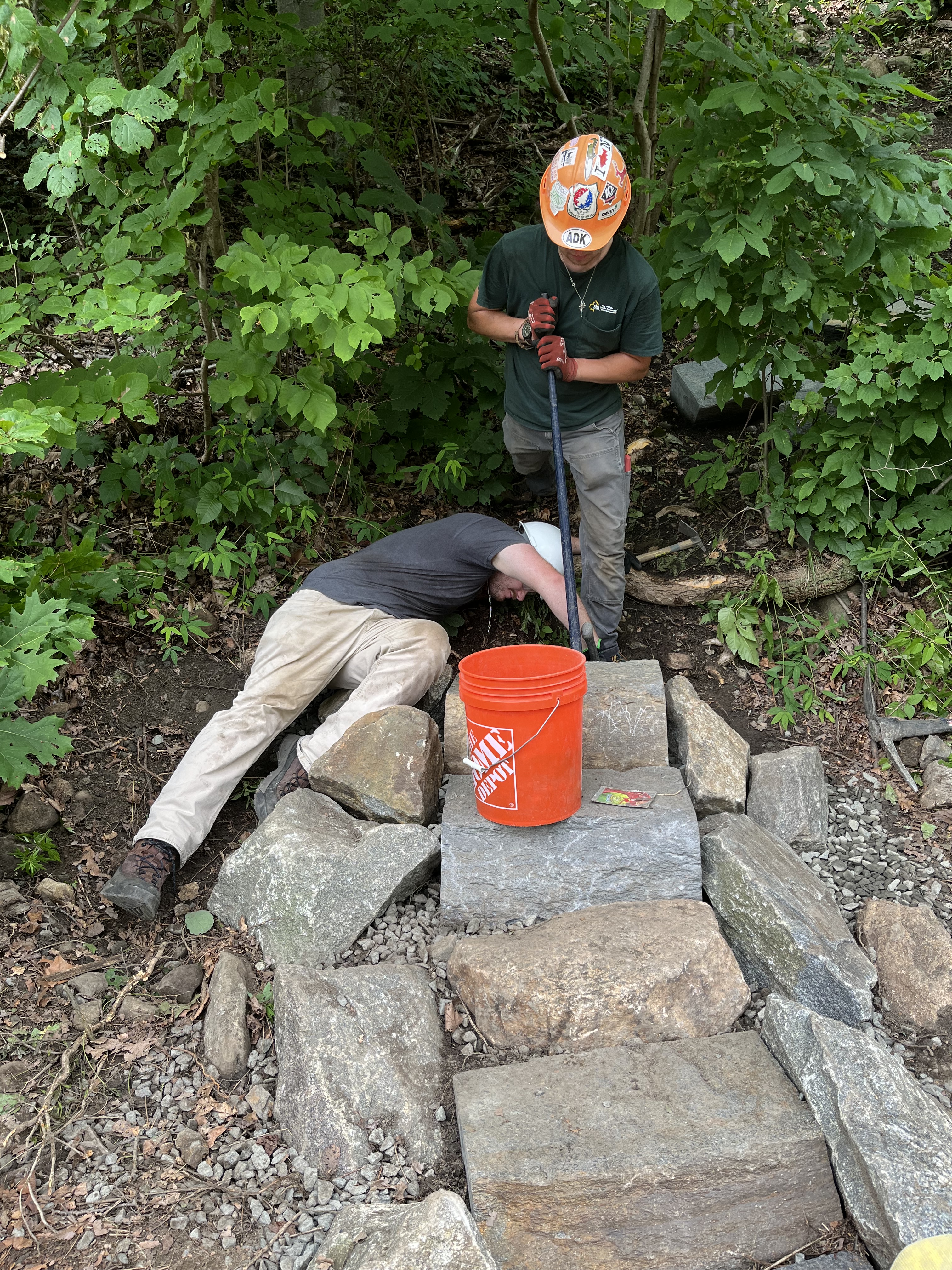
To ensure that our trail system continues to be safe and accessible for the hiking public, New York State Parks has developed a statewide trails program. This program funds staff in each region and provides them with the tools and materials needed to make improvements to trails, repair damage, and more. In the Palisades Region, two trail crew leaders work with NYS Forest Rangers, regional staff, and seasonal trail staff to assess trail conditions, map problem areas, make repairs to existing trails, and in some cases make major improvements or build new trails.
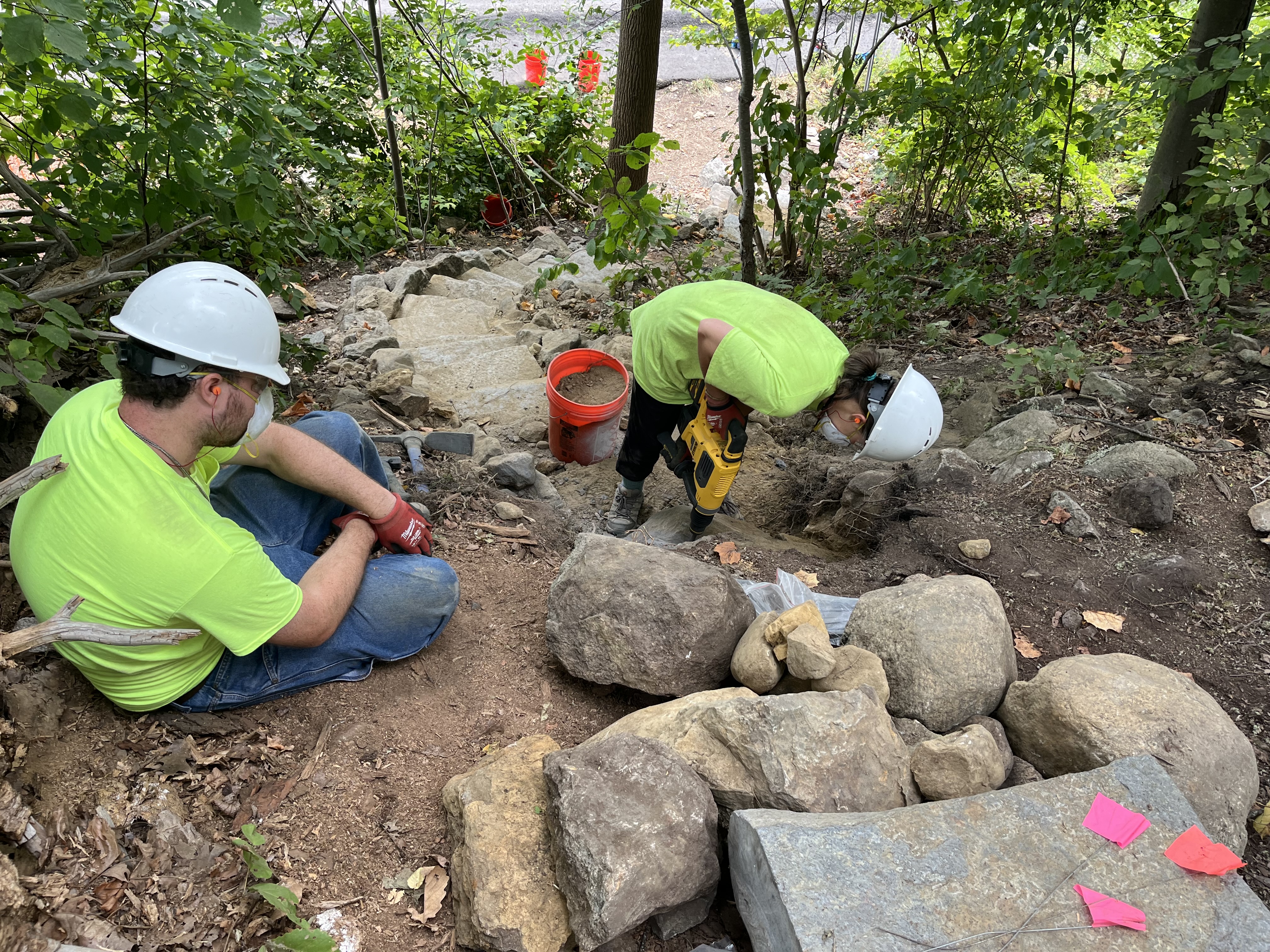
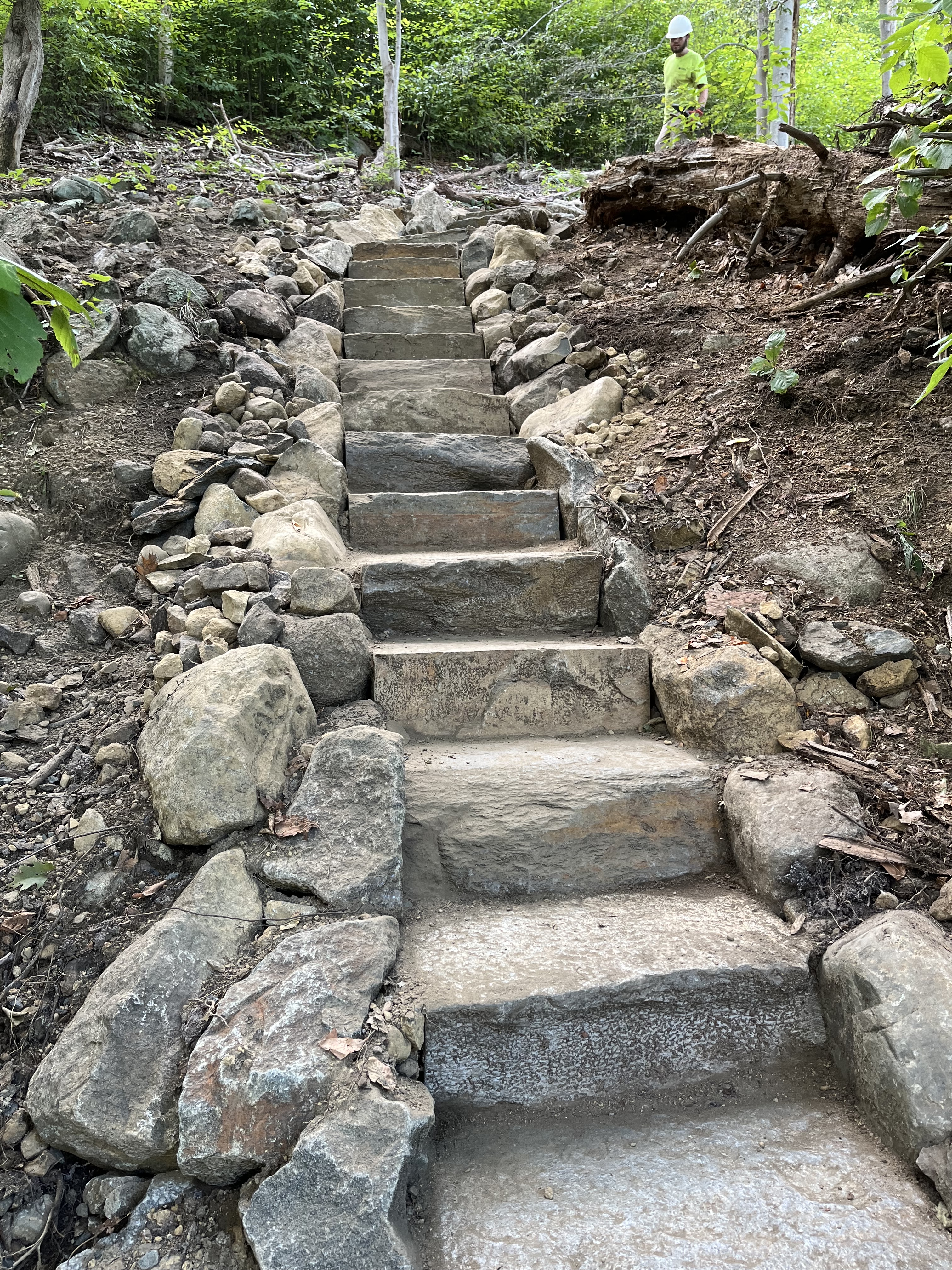
This summer, the Palisades Trail Crew completed its first major trail construction project: installing stone steps to reopen the Cornell Mine Trail at Bear Mountain State Park. This trail had been closed for two years after a major storm event dropped 11 inches of rain in a few short hours on Bear Mountain in 2023. The storm shut the park down for a month, destroyed infrastructure, damaged water treatments and maintenance systems, washed out roads, and decimated the trails in the area known as Doodletown.
During heavy rains, trails can become the path of least resistance for torrents of water rushing downhill. As trails become stream channels, rutting takes place. In some cases, water carves deep channels down the center of the trail. In Doodletown, the heavy rains also washed away rocks and roots, creating depressions as much as six feet deep and a dozen feet across. Water washed away drainage systems, dumped rocks and debris in pathways, and knocked over trees. The cost to repair the damage to the trail system was estimated to be in the millions of dollars.
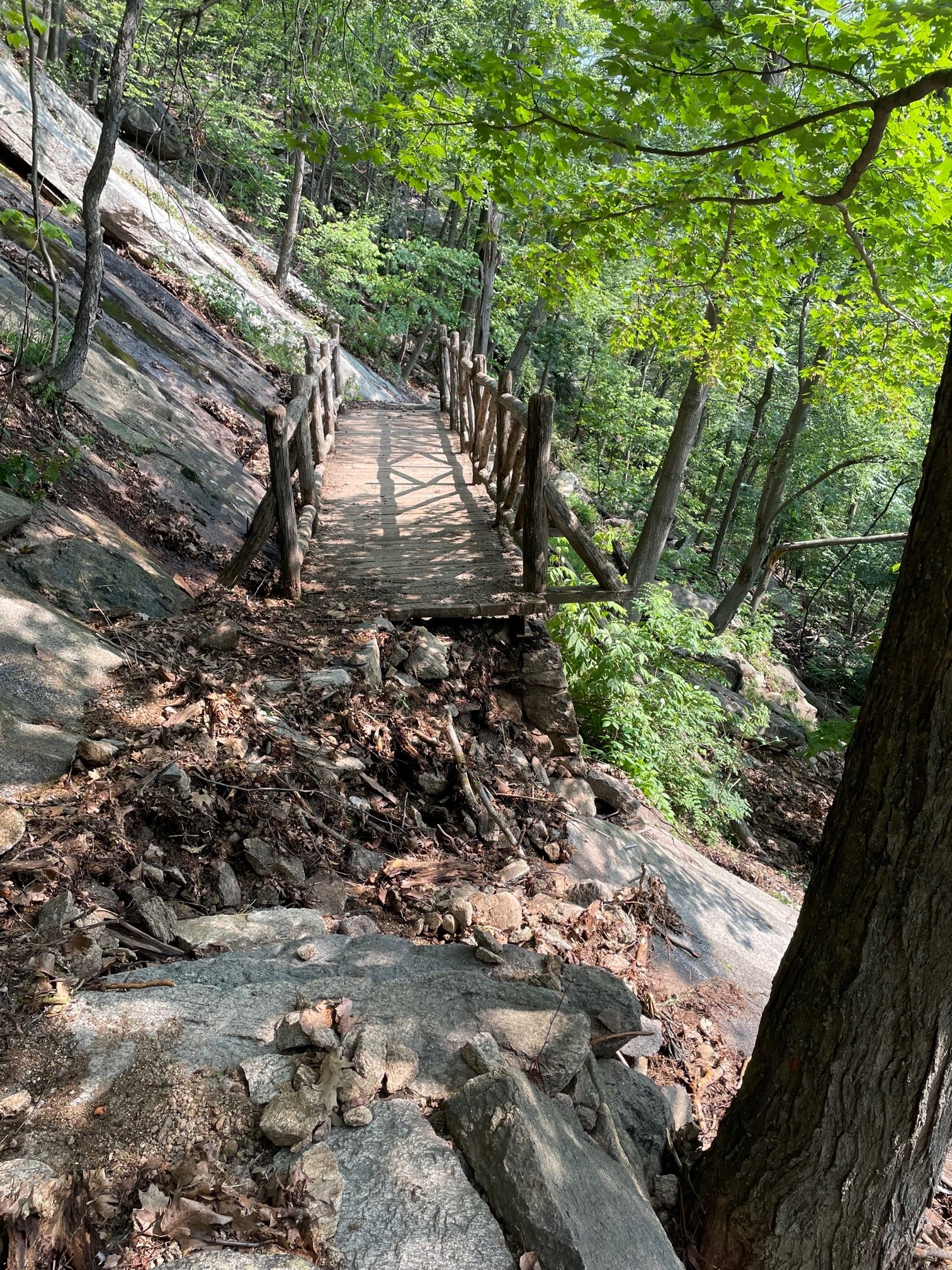

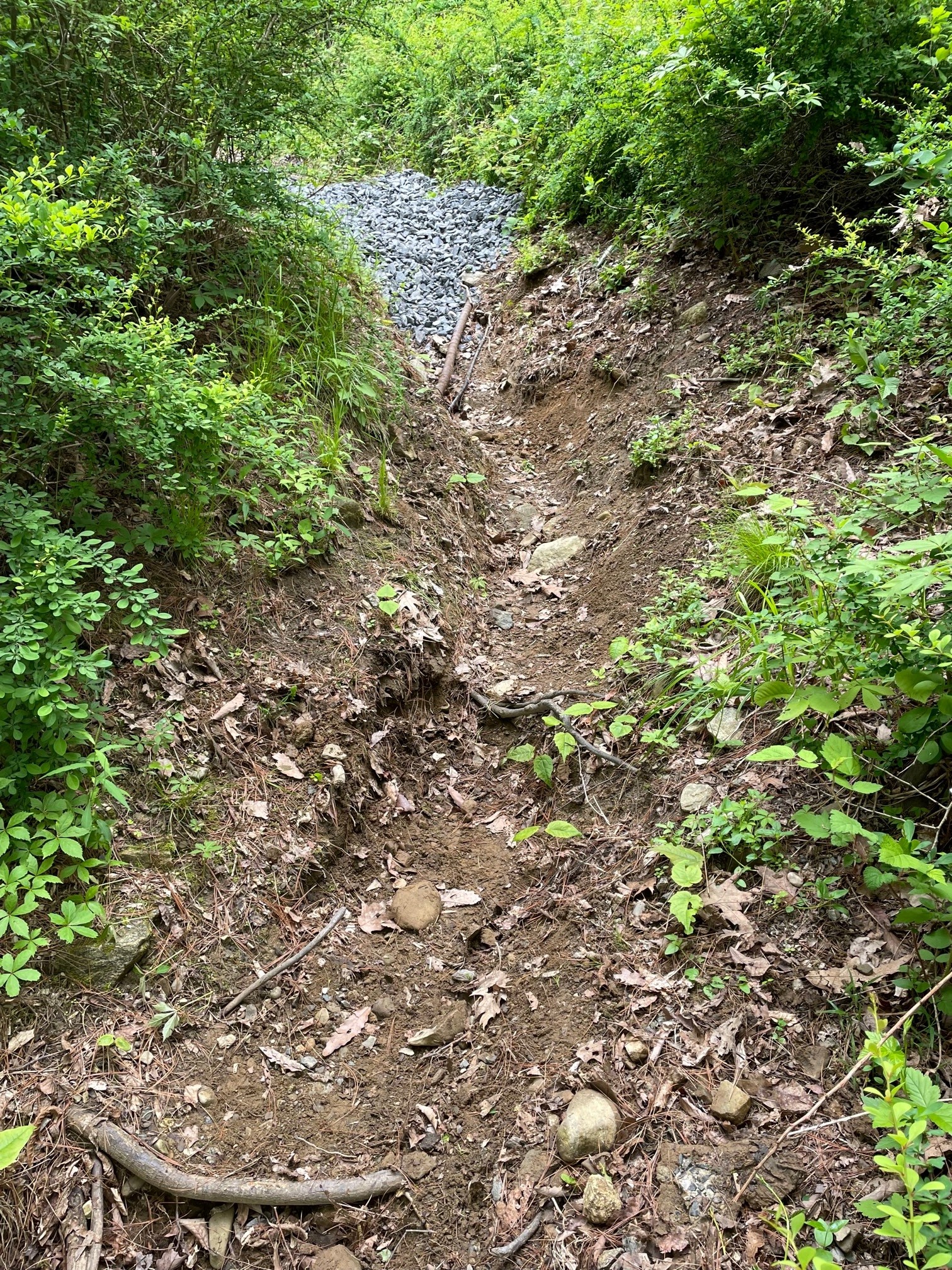
After the storm, the Palisades Trail Crew mapped every foot of the more than 45 miles of hiking trails in Bear Mountain to identify damage and ensure public safety. They closed hazardous trails, developed maps, and worked with engineering staff to develop plans to reopen. And for 24 months, they have worked to reopen the trails, mile by mile, so that some of the most-loved areas of Bear Mountain can once again be accessed.
The reopening of the Cornell Mine Trail was an incredible accomplishment, showcasing not only the skills of the Palisades Trail Crew, but also their ability to work with partners toward a common goal. They received training and support from the Jolly Rovers Trail Crew, who specialize in monumental stonework, employed interns from the Rockland Conservation and Service Corps, worked with the NY-NJ Trail Conference, and coordinated with NYS Parks regional staff as they laid down 40 massive stone steps designed to withstand heavy use and major storms. This project is a testament to the skill of the crew as well as to the power of partnership.
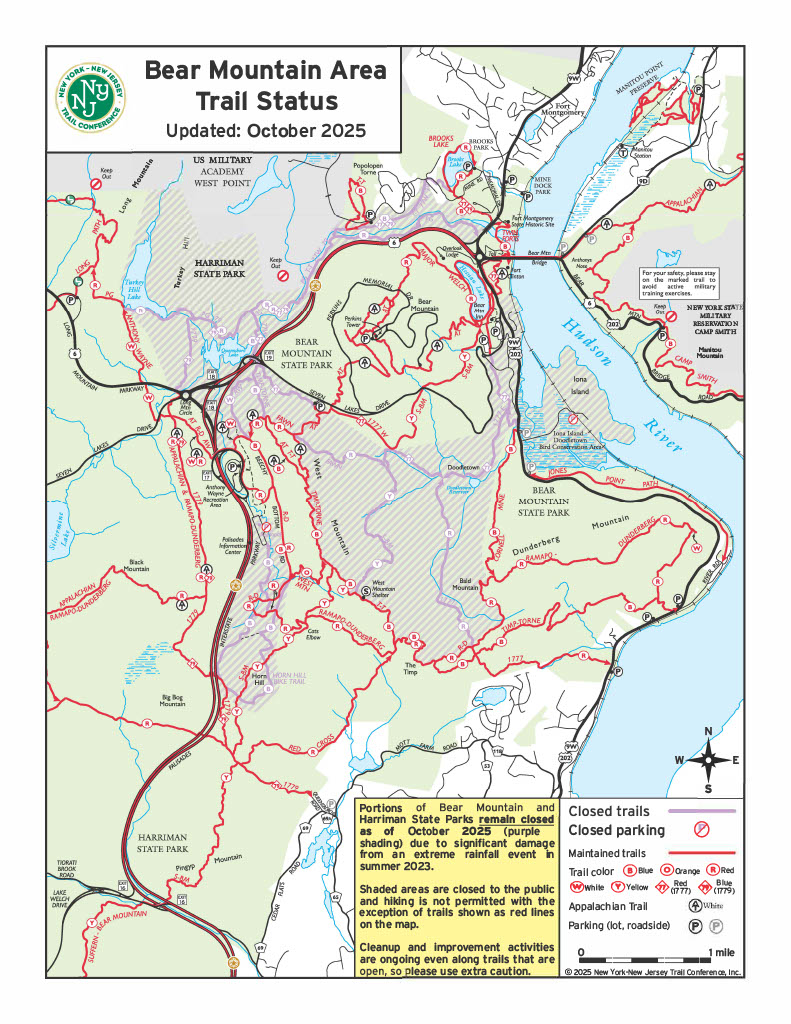
Still, there is more to do to get all of Bear Mountain’s trails reopened. A major construction project is underway to repair some of the roadways through Doodletown and to replace washed-out culverts. That project will allow access to the heart of the area after three years and fortify it against future closures. From there, the Trail Crew and our partners will work to repair the last few miles of trails, finally providing full access to Doodletown and beyond.
—Written by Matthew Shook, Palisades Interstate Park Commission Chief of Staff. All photos courtesy of New York State Parks and its archives unless credited otherwise.
 New York State Parks and Historic Sites Blog