What’s your first feeling when you hear the word moth: irritation or wonder? Anyone who’s gotten an unpleasant surprise when taking winter wools out of storage will agree that moths can be a menace to clothing and bedding. But at the same time, the varied species of moths lend beauty and majesty to nights outdoors and play an important role in our ecosystem.
As a textile conservator, Sarah Stevens works with historic site staff to prevent moth damage and respond to it when it occurs. As a wildlife biologist, Kelsey Ruffino facilitates the study of the moth population in New York State parks and ensures it has the support that they need to thrive. Both share their professional perspectives on these winged insects.
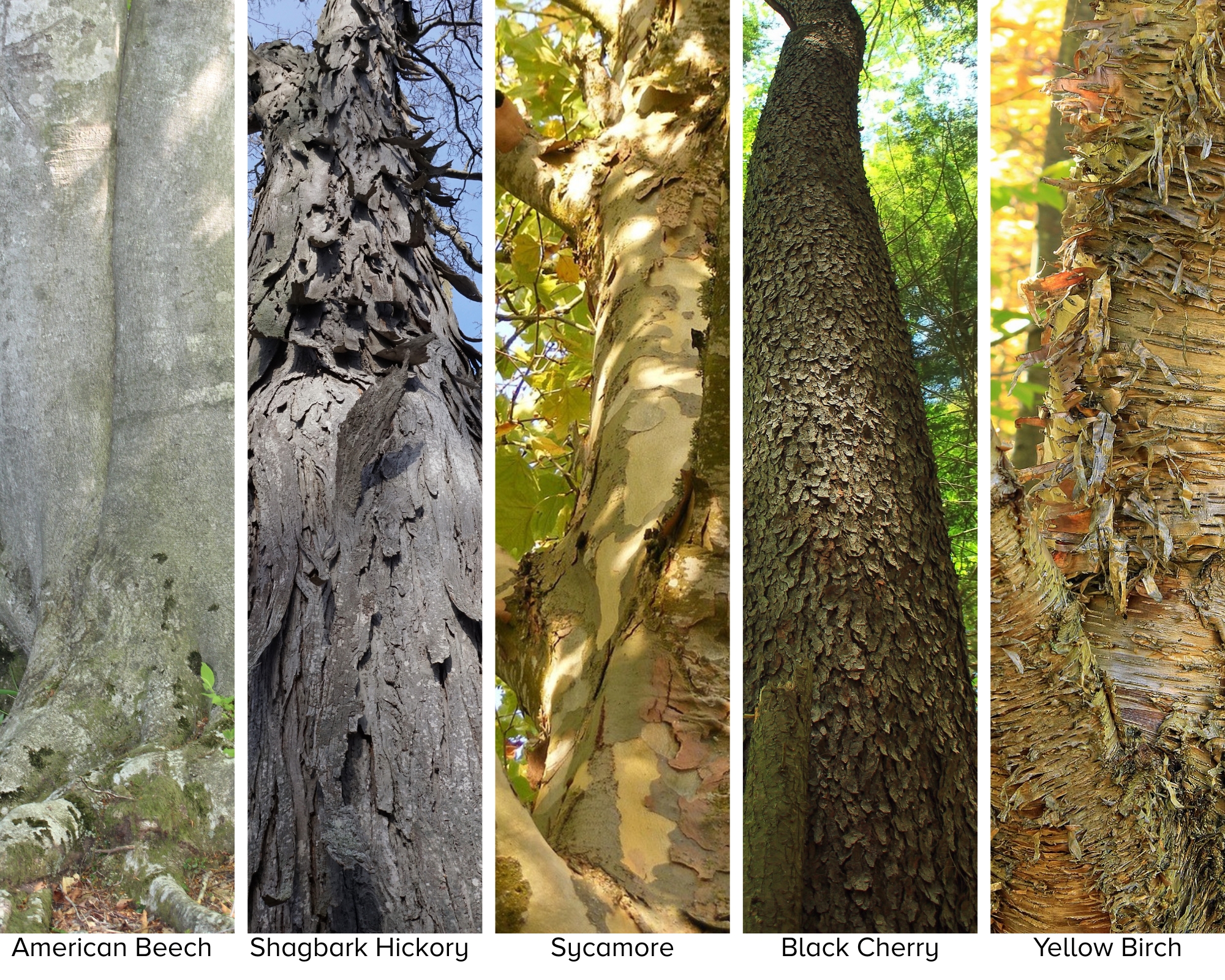
When the weather turns brisk and the leaves have dropped, tree identification can feel like a puzzle with missing pieces. But winter reveals its own set of clues — bark, buds, branch patterns, fruit and leaf scars. By learning to read these signs, you’ll see your winter woods in a new light.
Bark: The Tree’s First Impression
Bark is often the first clue you’ll notice. Some trees have such distinctive bark that once you have learned to recognize it, you can spot it instantly.
Most people have heard about insect declines, with recent headlines like “The Insect Apocalypse Is Here” and “The Great Insect Decline: Why Scientists Are Sounding the Alarm.” Bumble bees and butterflies are the best-known examples of declining groups, but there is a growing body of evidence documenting downward trends in other insects. Fireflies, famous for their impressive lightshows in the eastern US, are one such group.
The International Union for Conservation of Nature is the global authority on the status of the natural world. It collates data and classifies the extinction risk of species as Not Evaluated, Data Deficient, Least Concern, Near Threatened, Vulnerable, Endangered, Critically Endangered, Extinct in the Wild, or Extinct. In 2021, the IUCN Red List Firefly Specialist Group assessed the extinction risk of North American fireflies.
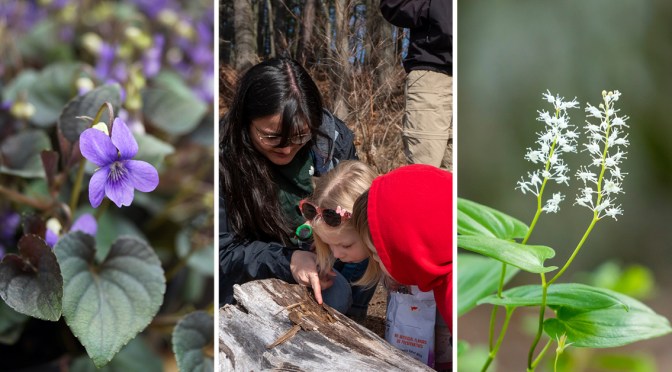
As Tom Petty once sang, “You belong among the wildflowers, you belong in a boat out at sea.” At New York State Parks, we cannot offer you a boat at sea, but we CAN offer you wildflowers! New York State is blessed with a bounty of native wildflowers that you can view throughout the year, but they are particularly brilliant in the spring.
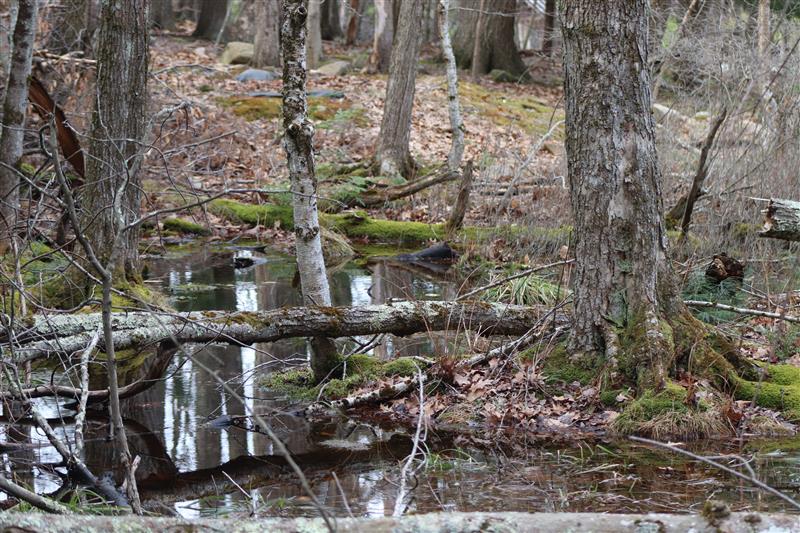
Winter lingers long on the Rensselaer Plateau. The snow piles deep, muffling the landscape in an icy hush, and the trees stand still in their frozen slumber. But as the days lengthen and the sun begins its slow work of softening the land, the transformation begins. The snow melts, trickling down into the forest floor, pooling in low spots, carving out secret, glistening pockets of water between the trees. These pools, often small and shallow, are the first sign of life returning to the woods.
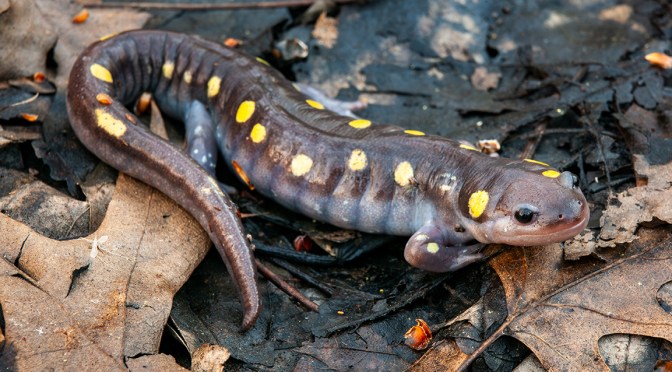
More than just large puddles, vernal pools like these are essential to life for frogs, salamanders, and insects.