Category Archives: Cool Science

Tender Care For A Most Egg-cellent Collection

How do you clean an egg more than a century old? Very, very carefully…

That was the challenge facing conservator Heidi Miksch at the State Park’s Historic Preservation Division at Peebles Island State Park. She had just gotten a case of bird eggs that had been collected in the late 19th century by the children of famous Hudson River School landscape painter Frederic Church.

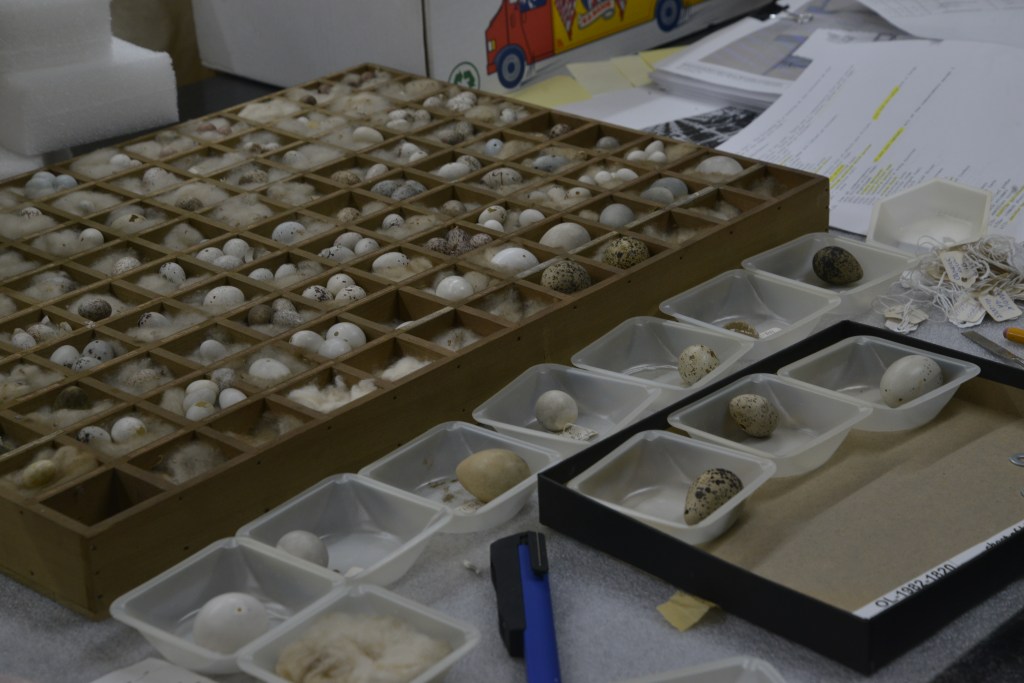
While growing up in the family home at Olana in Columbia County, Church’s four children were part of the then-popular hobby of bird egg collecting, also known as oology or “birdnesting.” The children managed to collect and fill a large case with hundreds of specimens in wooden trays, each in a small labeled box lined with cotton.

The case had been stored ever since at what is now the Olana State Historic Site, where staffers intend to display part of the collection for the first time ever this spring in an exhibit on connections between art and the environment.

*** UPDATE***

Due to the COVID-19 pandemic, this display was cancelled last year. It is now scheduled for June 12, 2021 through October 31, 2021.

The mansion at Olana State Historic Site, where landscape painter Frederic Church and his wife, Isabel, , raised their four children who took up the popular Victorian-era hobby of egg collecting.

But many of the eggs were blackened with decades of dust and grime, and had to be cleaned before being displayed. So Miksch, who has conserved objects from a stuffed black bear to a piece of the Parthenon, researched a bit, and came up with her technique _ using conservation-grade cotton swabs, a dab of water, and gently rubbing. An average-sized egg takes about 20 minutes to clean, and the case contains eight trays, each with 36 boxes with most boxes containing one or more eggs. Miksch uses water, and not a cleaning solution, for fear of degrading the delicate eggshells.


Curator Heidi Miksch shows how she cleans bird eggs more than 100 years old.

Click through the slideshow as conservator Heidi Miksch (wearing the blue sweater) shows the Church childrens’ egg collection.


“The Church children collected many different kinds of eggs,” said Miksch. “I have even found a flamingo egg in there.” (For the record, a flamingo egg is white and oval in shape, appearing much like an oversized chicken egg.)

In the early 20th century, conservation concerns over the impact of bird egg collecting began to mount, and the practice later was limited in the U.S. under the Migratory Bird Treaty Act of 1918

But when Church’s children – Frederic, Theodore, Louis, and Isabel – were growing up in the Hudson Valley during the 1870s and 1880s, egg collecting was seen as a good way for children to learn about nature while also engaging in healthy outdoor exercise.

To preserve a collected egg, a tiny hole would be drilled into it, and the contents would be aspirated out of the hole, and then the egg would be rinsed out to prevent rot and decay. Or two holes could be drilled and then the contents would be blown out. The empty egg was then carefully stored.

Egg collecting was not just a hobby for children. Cultured gentlemen of the era, particularly in England, amassed large collections and ranged over many nations in pursuit of rare or unusual eggs. One of the world’s richest men at the time, English financier Baron Rothschild, had a collection of nearly 12,000 bird eggs, which now resides in the British Museum of Natural History.

Egg collecting was at its zenith from about 1885 through the 1920s, with children being the vast majority of collectors, according to a 2005 research paper by Lloyd Kiff, past director and curator with the California-based Western Foundation of Vertebrate Zoology.

Collectors of the day would trade eggs among themselves. There also were commercial egg sellers, who would offer eggs for sale in catalogs, just like dealers in stamps or coins.
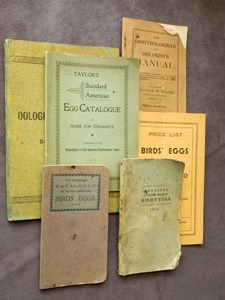
Examples of egg collector catalogs. (Photo Credit- The Western Foundation of Vertebrate Zoology)

An American collector, William Brewster, who in the 1880s was the chair of the American Ornithologists’ Union Committee on Bird Protection, collected thousands of eggs that are now held in the Museum of Comparative Zoology at Harvard University in Massachusetts.

But the hobby began dying out as conservation principles and legal restrictions took hold, and by the 1940s the practice was all but gone. Today, it is illegal to collect bird eggs in the U.S. without a permit issued for research purposes.

The practice is also outlawed in England, although a few fanatical collectors persist despite legal sanctions.

Kiff’s study estimates that there about 80 major egg collections in the U.S., composed of about a half million egg sets, representing some two million individual eggs. These collections have demonstrated significant scientific value in subsequent years, supporting the discovery that exposure to the pesticide DDT was causing eggshell thinning in birds like bald eagles, Peregrine falcons, and pelicans.

This evidence formed the basis of a $140 million federal government settlement with DDT manufacturers in 2001, which Kiff described as the most important ecological use of any bird-related specimens.


“By now, hundreds of eggshell-based studies of (DDT) have appeared in all major regions of the world, and the present ban on DDT use in all but a handful of countries is a direct result of this research.” – Lloyd Kiff

History, Present Status, and Future Prospects of Avian Eggshell Collections in North America, The American Ornithologists’ Union (2005)

He suggests that eggshell collections may also be useful in the future for the study of ongoing climate change and its impacts on birds.

This comes as expertise in this field is fading away, Kiff wrote, adding “The body of traditional oological knowledge may vanish, except on the browned pages of extinct journals, and existing egg collections may gradually become objects of greater interests to historians than to biologists.”

If you would like to see the eggs collected by the Church children displayed in the home where they grew up, visit Olana between May 9 and Nov. 1 for the exhibition entitled “Cross Pollination: Heade, Cole, Church, and Our Contemporary Moment.”

This exhibition features Martin Johnson Heade’s 19th-century series of hummingbird and habitat paintings – The Gems of Brazil – and their relationship to Hudson River School landscape painters Thomas Cole and Frederic Church.

Co-organized by the Olana State Historic Site, The Olana Partnership, and the Thomas Cole National Historic Site, as well as the Crystal Bridges Museum of American Art in Arkansas, this exhibition will also feature work by contemporary artists including Nick Cave, Mark Dion, Jeffrey Gibson, Paula Hayes, Patrick Jacobs, Maya Lin, Dana Sherwood, Rachel Sussman, and Vik Muniz.

And finally … here is a look at that flamingo egg.

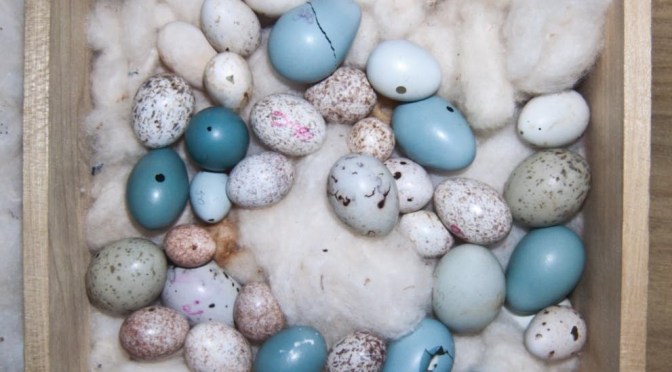
Cover Shot- Close-up of part of the Church children’s egg collection. (All photos and videos by NYS Parks unless otherwise noted)

Brian Nearing, Deputy Public Information Officer, NYS Parks


Resources

History, Present Status, and Future Prospects of Avian Eggshell Collections in North America, 2005, Kiff, Lloyd L., American Ornithological Society.

The Code of Nomenclature and Check-list of North American Birds

Ornithologists and Oologist, Semiannual, January 1889 – Victorian-era instructions on collecting and preserving. Explains collector practices of the time period.

Fragile Beginnings: Bird Egg Collection – Blog post on collection decisions made at Wesleyan University

University of WisconsinSearchable online database for egg identification

Parks Cave As Sanctuary for Embattled Bats

More than a decade after a devastating, bat-killing fungus was first discovered at a State Parks cave in the Capital Region before sweeping across half of the U.S., that same cave now offers a glimmer of hope for some survivors.

Hailes Cave stretches for nearly a mile beneath the 100 million-year-old limestone escarpment at Thacher State Park in the rural western portion of Albany County. It was in this cave, long an important winter hibernation site for thousands of bats, that state wildlife biologists in 2007 observed the first cases of what was later known as White Nose Syndrome (WNS).

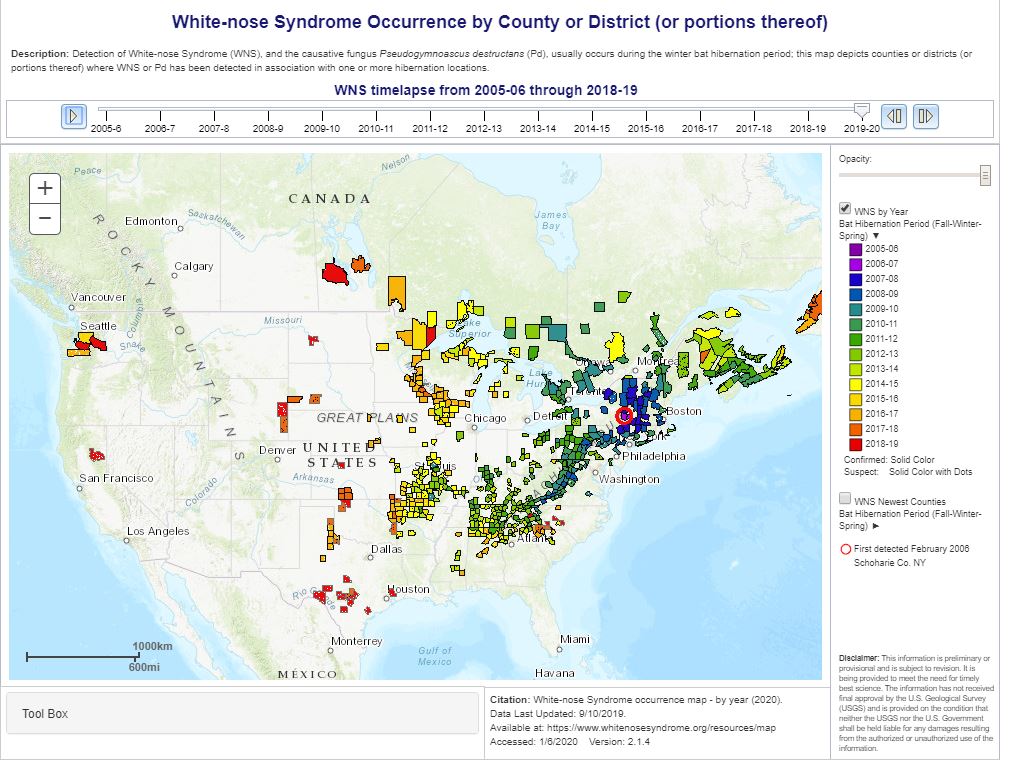
This fungal disorder kills bats by infecting their skin, disturbing their hibernation, exhausting critical fat reserves needed for winter survival, and rousting them early from caves to starve without insects to eat. WNS has swept out since in all directions, killing millions of bats in 32 states and seven Canadian provinces

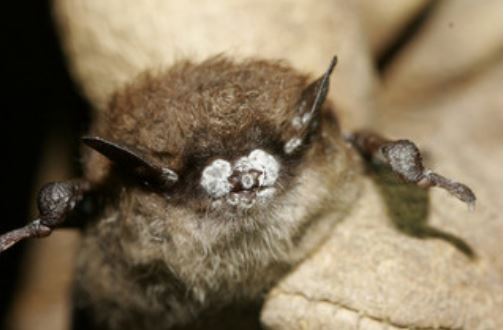
“White nose” refers to a ring of white fungus seen on the nose of affected bats, and which can spread to the rest of its body. The fungus originates in Europe and Asia, where native bats have developed a resistance to it.

Map shows how White Nose Syndrome has spread since its first discovery 2007 in Hailes Cave in Thacher Thacher State Park. Click here to see an animation of this map. (U.S. Fish and Wildlife Service)

With bat populations exposed to WNS in the U.S. plummeting by 90 percent or more, the outlook has been uniformly bleak for more than a decade, since there are no known methods of treating infected bats or eliminating the cave-dwelling fungus, identified as Pseudogyymnoascus destructans.

Some Bats Fending Off White Nose Syndrome

But now, it appears that a certain species of bat – the little brown bat, or Myotis lucifugus – is evolving its own natural resistance to better survive the fungal infections, according to a December 2019 study of hibernating bats in a former cement mine in Ulster County in the Hudson Valley. (The location of this mine is not revealed to reduce the risk of human intrusion, which can reduce the bats’ potential for survival.)

Little brown bats cling to the ceiling at Hailes Cave during their hibernation. This is when bats enter a episodic state called “torpor,” in which their metabolism slows. Torpor allows the tiny mammals to sustain critical levels of body fat reserves needed to survive hibernation until springtime, when they can emerge and find insects to eat. (Photo Credit- New York State Department of Environmental Conservation)
A little brown bat infected with the white fungus around its nose and face. The fungus can also spread to other parts of the bat’s body, and disrupts the bat’s period of torpor, causing it to use critical body fat reserved critical to surviving hibernation. (Photo Credit- Department of Environmental Conservation).
State Parks biologist Casey Holzworth checks cracks and crevices for hibernating bats during a 2015 visit to Hailes Cave to count the bat population. (Photo Credit- Department of Environmental Conservation)

The recent study is co-authored by Carl Herzog, a wildlife biologist with the state Department of Environmental Conservation (DEC); Craig L. Frank, with the Department of Biological Sciences at Fordham University, and April D. Davis, with the Griffin Laboratory at the state Health Department’s Wadsworth Center in Albany.

Historically, Hailes Cave has been a critical statewide cave for hibernating bats. Caves provide a constant temperature above freezing all winter long that allows bats to hibernate until spring, and as such, is called a hibernaculum. During this period, bats are in a state called torpor, in which their bodily functions slow dramatically, allowing them to slowly draw down a reserve of body fat needed to survive until spring, when insects return as a food supply.

Hailes Cave can be tight quarters. State researchers crawl on their hands and knees to reach the bat hibernaculum. Read Parks’ staffer Emily DeBolt’s account of the 2015 visit here. (Photo Credit- Department of Environmental Conservation)

Hailes Cave Shows Rebound in Bat Population

Researchers have found that the numbers of bats hibernating at Hailes Cave, which plummeted after the onset of WNS to a low of about 1,200 bats by 2010, have been steadily rebounding, and by 2019 totaled about 7,200 animals. Before the fungus arrived, however, bat populations at Hailes were at least double this level. Bat populations at the Ulster County hibernaculum also increased significantly during that same period.

Most importantly, the recent study found that little brown bats at the Ulster County site are somehow developing a natural resistance to the fungal infection, so that an increasing number of bats get only a moderate infection, or perhaps no infection at all, even though the fungus is present in the cave. And this resistance appears to be behind the increased population at Hailes Cave.


“Clearly, Hailes Cave provides what little brown bats need, but exactly what those factors are is a subject of some speculation… there is some research suggesting that caves draw bats from a geographically larger summer range than mines, because caves have been available for thousands of years, whereas most mines only became available in the 20th century.”

DEC Wildlife Biologist Carl Herzog

Normally, bats wake from torpor during hibernation about once every three weeks. Bats infected with WNS were waking up every week and using up precious calories in the winter months, causing them to leave caves early and die of starvation. Now, little brown bats are waking up an average of once every two weeks, the study found.

This allows these bats remain in hibernation longer and retain sufficient fat reserves needed to survive until spring. Exactly how the little brown bats are developing this resistance to WNS is still unknown.

However, this encouraging evolutionary adaptation applies only to little brown bats, meaning that other bat species found at Hailes Cave, including the endangered Indiana bat (Myotis sodalis), the Northern long-eared bat (Myotis septentrionalis), and the tricolored bat (Perimyotis subflavus) are so far demonstrating no such defense, and their numbers are not rebounding.

The resurgence in the little brown bat at Hailes is also tempered by the fact that this species has not rebounded at other bat caves surveyed by state wildlife officials in Albany and Schoharie counties. This implies that surviving WNS-resistant bats from around the region might be congregating in Hailes for reasons as yet unknown. Brown bats can travel many miles from their summer ranges to ar hibernaculum, with the record for a little brown bat being a journey of 300 miles.

But for now, the study is a small bit of hope in a story that so far has been very grim.

State Parks, DEC and Cave Explorers Group Work Together To Protect Hailes Cave

In 2013, to protect the remaining beleaguered bats at Hailes from being disturbed by human intruders, crews from Thacher State Park, DEC and the Schoharie-based, not-for-profit Northeastern Cave Conservancy installed a two-ton steel “bat gate” near the Hailes entrance. The gate has bars that allow bats to come and go, but blocks human entry.

Crews haul steel bars for the construction of the “bat gate” inside the entrance to Hailes Cave. (Photo Credit- Department of Environmental Conservation)
The “bat gate” is welded into position. (Photo Credit- Department of Environmental Conservation)

Read this 2014 account in the New York State Parks blog about the gate project…

State Parks crews at Thacher keep an eye on the cave to ensure the gate remains in place to deter trespassers. When crews last spring noticed that some emerging bats died after becoming trapped in burdock patches near the mouth of the cave, those plants were cut away.

Every entry by people into a hibernaculum while the bats are present is likely to cause harm to the bats. It is illegal to enter most active bat hibernation sites in New York. To help the bats, people must stay away to prevent spread of WNS and to not disturb the bats.

Hailes Cave is among the largest bat hibernation caves in New York, and plays an important role in supporting our remaining bats. This cave, along with the Ulster County mine site, is now also giving us insight into how this tiny mammal appears capable of a rapid evolutionary response to a fungal attacker, which may help it to survive as a species.


Post by Brian Nearing, State Parks Deputy Public Information Officer

Cover Shot: Little brown bats cling to the ceiling at Hailes Cave (Photo Credit- Department of Environmental Conservation)

What Can You Do To Help Bats?

  • Build a bat house for their use during the summer season.
  • Reduce your use of pesticides and more, based on these tips from the U.S. Fish and Wildlife Service.
Tips from the U.S. Fish and Wildlife Service.

For More Information

Read the Bats of New York brochure; some of these bats are rarer than they were when brochure was created.

New York Natural Heritage Program Conservation Guides, which cover seven of the nine species of bats found in NY.

Growing the Future in Gilded Age Greenhouses

State Parks contain a diversity of habitats, from forest and fields, to shrub swamp, marshes and streams. All these landscapes support a wide variety of native plants.

As part of efforts at Parks to restore land and protect biodiversity, it is important to have the right plants for the right habitats in order to support healthy ecological function, provide critical habitat for wildlife and reduce the threat from invasive species.

Such projects require a source of plants that are native to the area. Since it can be difficult to find such plants commercially, the Plant Materials Program was started at Sonnenberg Gardens & Mansion State Historic Park in 2016.

This program was created by the Finger Lakes Environmental Field Team, which was working at Ganondagan State Historic Site in Victor, Ontario County, to restore a grassland habitat critical for endangered birds. And the job called for 200 different species of native plants.

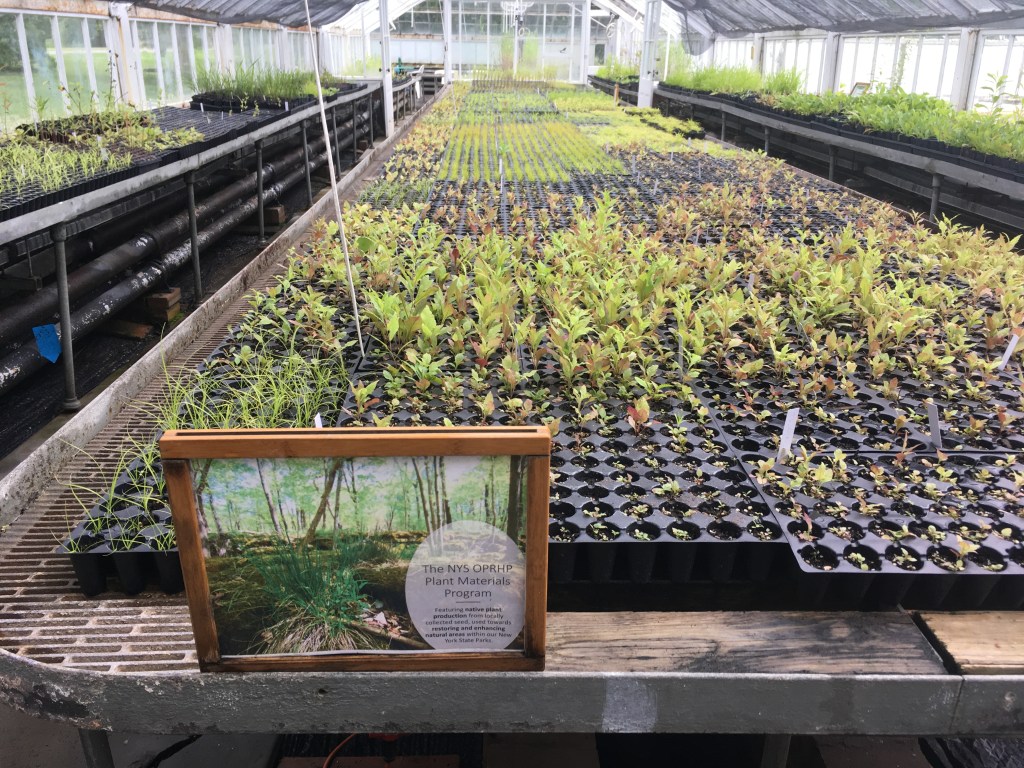
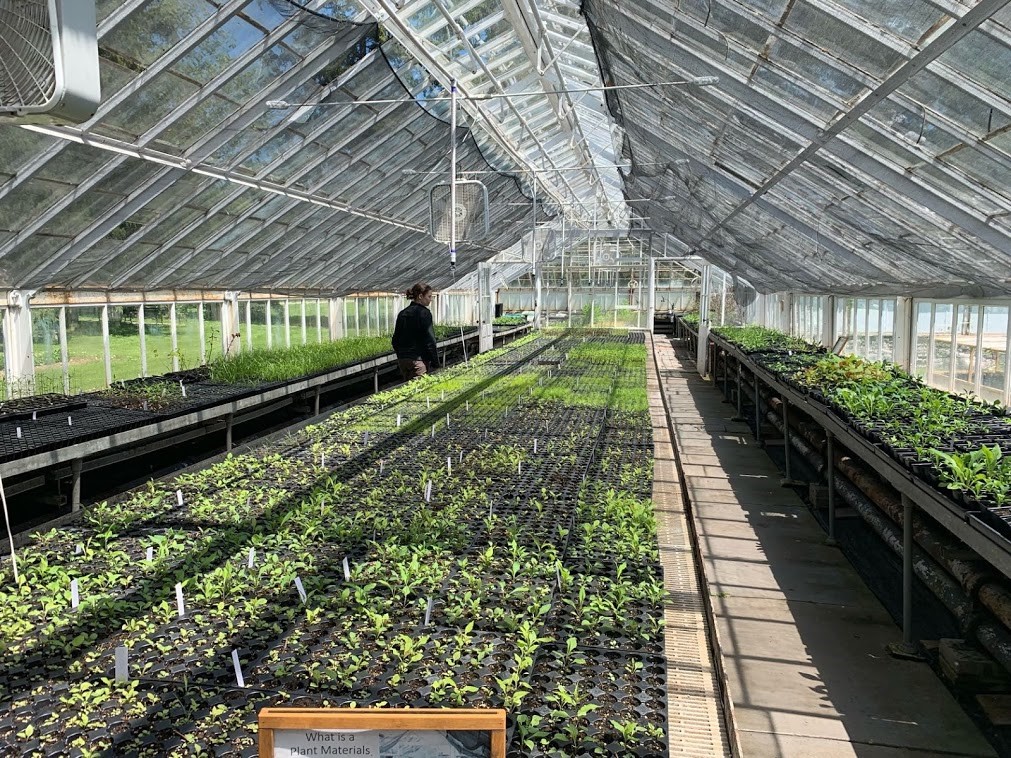
Since then, such plants have been grown in the Sonnenberg’s historic greenhouses in Canandaigua, at the north end of its namesake lake in the Finger Lakes region, to cover parks projects in the eastern part of New York. Many of the Sonnenberg greenhouses had been vacant for years, so this was a perfect match for the facility.

Seedings for native plants, grown from seeds hand-collected in the field by State Parks staffers at the Plant Materials Program, fill the greenhouses at Sonnenberg.

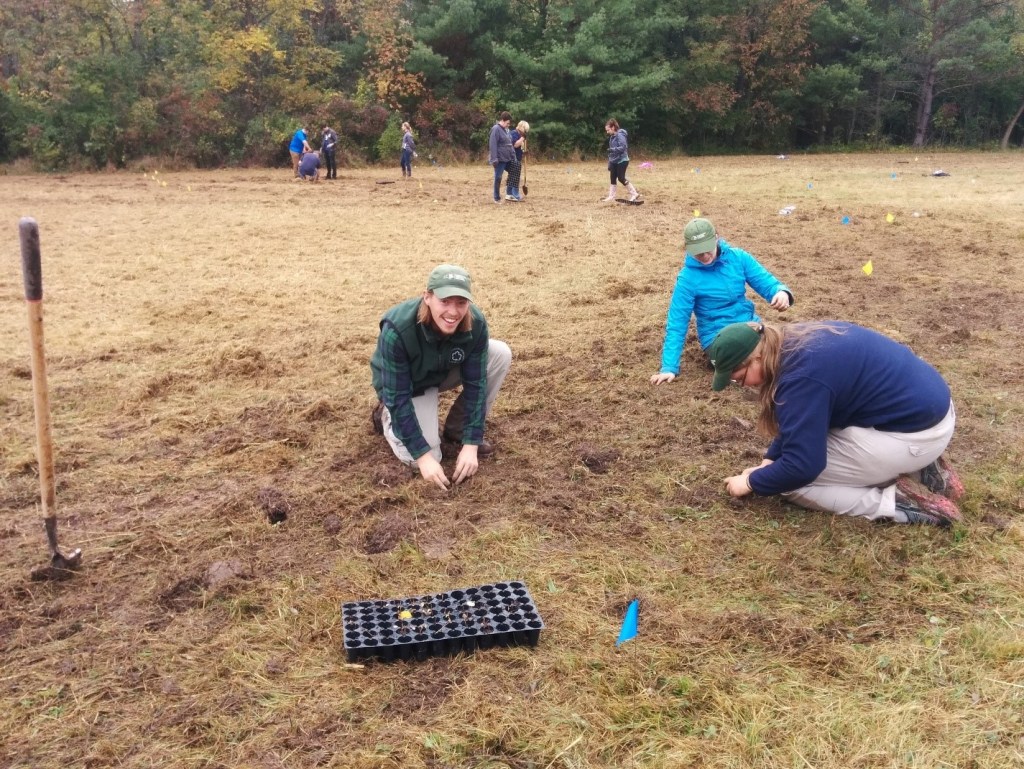
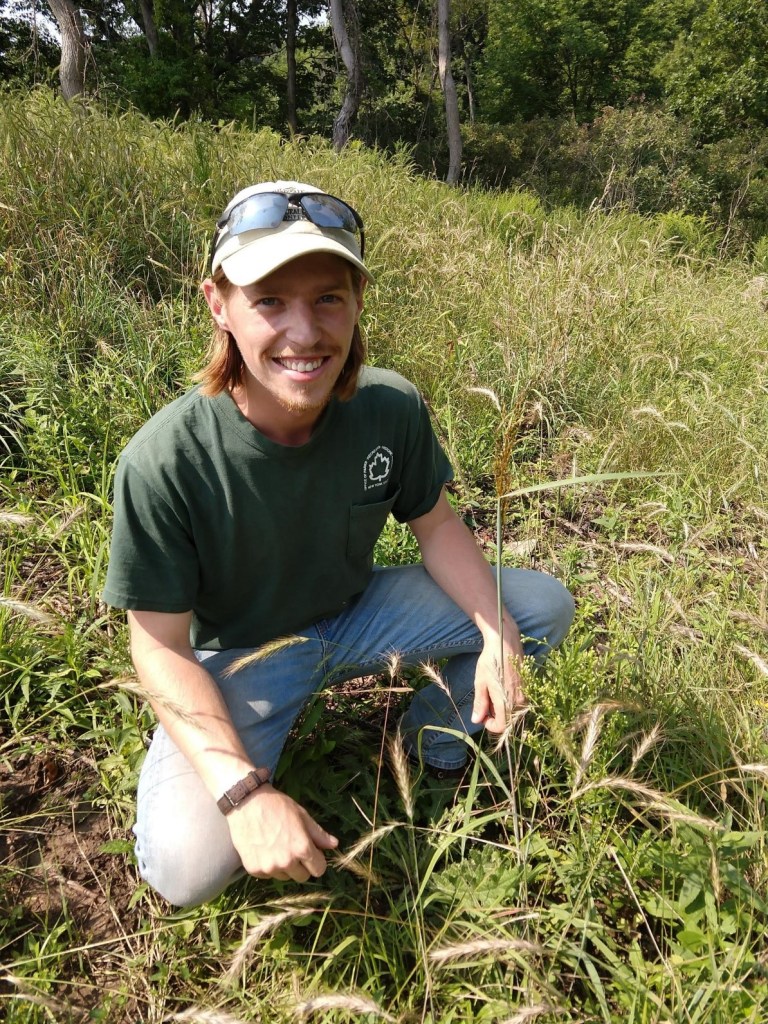
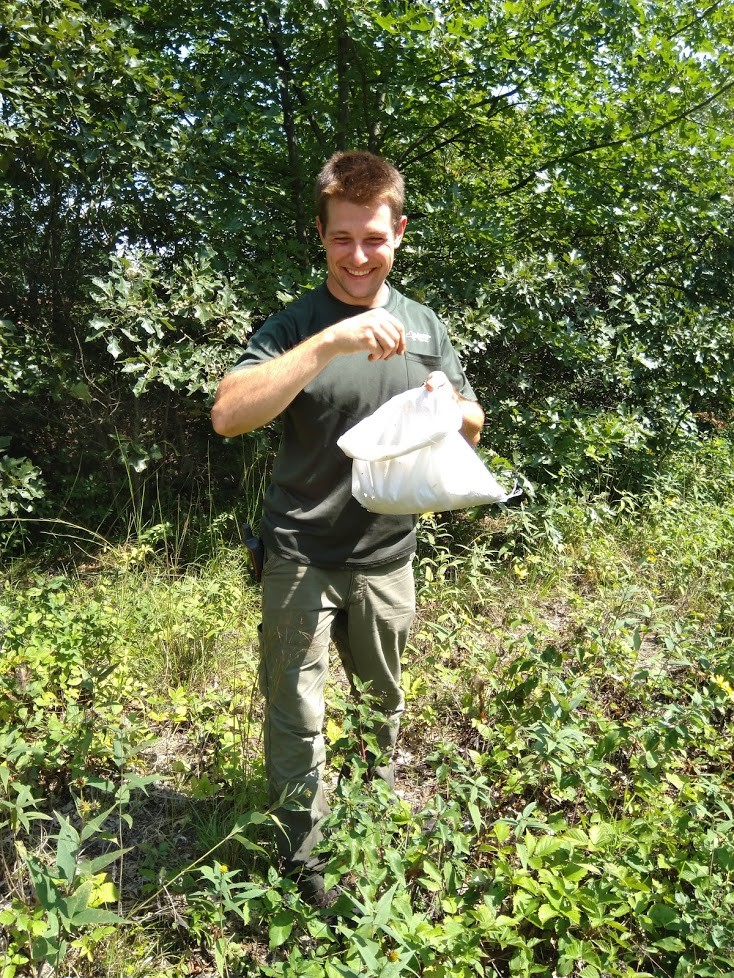
Plant Materials Program Coordinator Brigitte Wierzbicki, Lead Technician David Rutherford and technician Elizabeth Padgett, supported by seasonal staff, partners, and interns, run the program. To fill orders, they identify native species in the field, sustainably collect seeds, propagate those seeds in the greenhouses, and deliver plants back to project sites.

Now in its fourth year, the Ganondagan project aims to recreate the oak savanna grasslands found there in the 1600’s, when the land was managed by the Onöndawá’ga (Seneca) people. This last season, the Plant Materials Program provided more than 5,000 plants towards this project, and over 100 pounds of hand-collected seed have been sown on site.

Currently, the Plant Materials Program provides for environmental stewardship projects across six State Park regions of the state, from the Finger Lakes Region and eastward to the Taconic Region. The program also works with Parks Western District Nursery and its Native Landscape Resource Center, managed by Kevin McNallie at Knox Farm State Park in Erie County, which provides native plantings for the western regions of the state.

Additional guidance on plant suitability for specific habitats or sites is provided by NY Natural Heritage Program.

Why Native Plants?

A wealth of literature points to native plants and species diversity as critical factors for successful restoration. Native plantings are better able to compete against invasive species than non-native plants. Planting more native species also increases both plant and animal diversity. Ensuring that plants are not only native, but regionally appropriate and genetically diverse increases the likelihood that the plantings will be successful and contribute to their local ecosystem.

Plant Materials Program staff search for wild, naturally-occurring populations for each project within the same ecoregion. Ecoregions are zones defined by their plants, soil, geography, geology, climate, and more. Plants that live in the same ecoregion have adaptations that help each species survive in those precise conditions, so seed has the best chance of survival if it is replanted within that zone.

New York State is split into 42 different ecoregions, with each region warranting a different seed collection so that seed is often not shared across projects. In the Sonnenberg greenhouses, plants are not allowed to hybridize (or cross-pollinate) with plants from other regions. Preserving the plant genetics of each ecoregion is important to maintain each unique habitat.

Science of Collecting Native Seeds

Seed collection involves more than just taking a seed from a plant. Our collectors ensure collections aren’t harming the population. Only a small fraction of seed is taken from each plant, so that enough seed remains to support that population, and to serve as food for insects and other animals.

Populations of a plant must be large enough to support seed collection. Areas are monitored before and after collection, and they are not collected from again for multiple years. The conservation of intact ecosystems is more effective than planting and restoring ecosystems, so it is important that seeds are collected in a way that protects existing plant populations.

Measures are also taken to capture genetic diversity, including collecting multiple times a season and using field techniques to collect evenly or randomly across a population. Collectors avoid selecting for specific traits, as that can reduce a population’s ability to adapt, and can in turn negatively impact other populations.

Native Plants Help an Endangered Butterfly

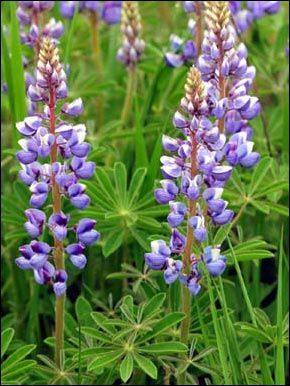
In the Capital Region, the Plant Materials Program collects wildflower seed to support Parks Stewardship staff in restoring rare butterfly habitat. Saratoga Spa State Park is home to the state and federally-endangered, and globally-rare Karner blue butterfly. This small butterfly lives in pitch pine-scrub oak barrens, and during its caterpillar stage, it feeds on only one wildflower: the blue lupine (Lupinus perennis).

Blue Lupine. (Photo Credit- U.S. Fish and Wildlife Service)
Karner blue butterfly on lupine. (Photo credit- C. Voight)

Picking seeds from the right lupine plants is extremely important, as the chemical makeup of lupine has been shown to vary across the range of the species. Introducing a new strain of lupine might be harmful or even toxic for the butterflies. For example, the same species of lupine growing in another state could be different enough from the ones growing at Saratoga Spa State Park that, if planted there, could be toxic to the Karner blue butterflies living in the park.

A 2015 study found that survival and development of the Karner blue was linked to which lupines caterpillars had fed upon. Expanding lupine at Saratoga Spa through local seed is the safest option to protect the unique genetics of both the butterflies and lupine.

New Life for Sonnenberg’s Historic Greenhouses

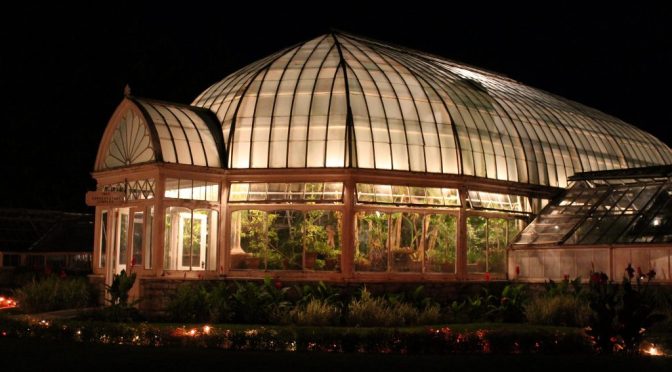
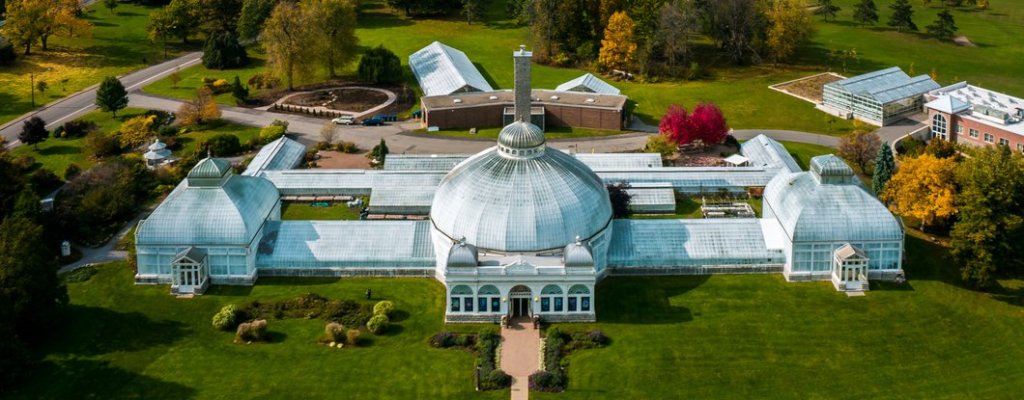
Each spring, the Plant Materials Program grows a new cycle of plants in Sonnenberg’s historic Lord & Burnham greenhouses. These are greenhouses which date back to the Gilded Age of the early 1900s and reflect the botanical passions of the home’s original residents, Frederick Ferris Thompson and Mary Clark Thompson, two prominent philanthropists.

The historic greenhouse complex at Sonnenberg Gardens and Mansion State Historic Park. (Photo Credit- Sonnenberg Gardens and Mansion)
One of the greenhouses that is currently under restoration. A not-for-profit group that manages the site is fundraising to help support such work. (Photo credit- Sonnenberg Gardens and Mansion).

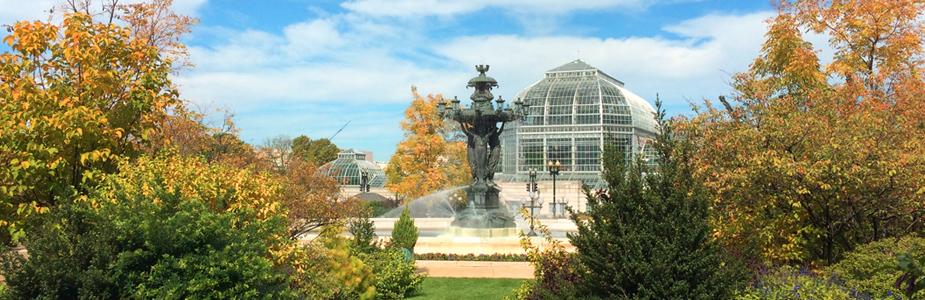
At the time of construction between 1903 and 1915, the greenhouses at Sonnenberg reflected state-of-the-art technology. Only a handful of other such Lord & Burnham structures survive today, with some major examples found at the New York Botanical Garden in The Bronx, The Buffalo and Erie County Botanical Gardens, the United States Botanic Garden in Washington, D.C., and the Phipps Conservatory and Botanical Gardens in Pittsburgh.

The federal government acquired the Sonnenberg grounds in 1931 and passed it to a not-for-profit preservation organization in 1972. State Parks bought the property in 2005, while the not-for-profit group continues to manage it and raise funds to support the restoration of these historically-significant greenhouses.

This 50-acre estate and its greenhouses, gardens, and Queen Anne-style mansion are all open to the public from May through October. A portion of the greenhouses interprets the legacy of the site, including a palm house, orchid house, and cactus house.

Patrons can tour the greenhouses utilized by the Plant Materials Program and learn about the thousands of plants grown for restoration of native ecosystems. Housing the program at Sonnenberg expands the interpretative value for park visitors and supports the restoration of these historic structures.

During this long winter, know that the next generation of native plants for New York State Parks projects is being nurtured in a historic greenhouse complex that dates to the Gilded Age, and come spring, will be ready to preserve and protect some of our most precious places.

Sonnenberg Gardens and Mansion State Historic Park in winter. The site is open May 1 to Oct. 31 each year.

Post by Brigitte Wierzbicki, Plant Materials Program Coordinator

Cover photo by Sonnenberg Gardens and Mansion State Historic Site


Consider Native Species When Planting At Home

  •  Check if you have natives already coming up in your garden or yard. It is likely that you already have some native plants that are providing habitat, and these will be best adapted to your local ecosystem. Use indentification resources to see what is from NY or New England. Apps like iNaturalist, online guides like GoBotany, or field guides like Newcomb’s (Newcomb’s Wildflower Guide, Lawrence Newcomb) are great resources for getting started.

  • Native Plantfinder is a great resource to choose which plants are native to your zip code! It also ranks plants based on the number of native butterflies and moths that can use the plants—meaning you will be bringing in more wildlife into your garden including pollinators and birds. It is still in development and only a small fraction of these will be available commercially, so double check your favorites with what’s available.
  • Use the New York Flora Atlas to ensure the plant you’re interested in is native to the state. Even better if it’s native to the county you’re planting in!
  • Utilize the New York State Department of Environmental Conservation Saratoga Tree Nursery. The 2020 Seedling Sale is currently ongoing and is an affordable way to purchase native plants and support environmental conservation work in the state.
  • Check out the Native Plant Nursery Directory to find your local native plant nursery. Request that your local garden center carries native plants, and ideally, ones that are from New York. Often the native species in nurseries are sourced from outside of New York, or even the southern U.S. These won’t be as well adapted to New York.
  • Avoid cultivars of native species. You may find some natives in nurseries with different names signifying they have been bred for different colors or flower shapes. These changes can reduce the ecosystem function of the plants, or even populations beyond your garden if they are able to breed. Our native species evolved with the native pollinators, and changes can make the plants completely unusable for native pollinators.
  • Do not collect from the wild for your garden. Taking from the wild can be more damaging to the ecosystem than the benefit that it may bring to your garden. Collecting from the wild is also often illegal. Many factors need to be considered for safe harvests, and many of our plant populations are experiencing declines due to development, habitat fragmentation, invasive species, deer overabundance, climate change, and more. It can be hard to know if the seeds you’re taking will damage the population or remove a critical food source, so don’t take the risk!

References

Bakker, J.D. & Wilson, S.D. (2004) Using ecological restoration to constrain biological invasion. Journal of Applied Ecology, 41, 1058–1064.

Fargione, J.E. & Tilman, D. (2005) Diversity decreases invasion via both sampling and complementarity effects. Ecology Letters, 8, 604–611.

Handel, K. (2015) Testing local adaptation of the federally endangered Karner blue butterfly (Lycaeides melissa samuelis) to its single host plant the wild lupine (Lupinus perennis). (Electronic Thesis or Dissertation).

Hereford J. 2009. A quantitative survey of local adaptation and fitness trade-offs. American Naturalist 173:579-588.

Johnson R, Stritch L, Olwell P, Lambert S, Horning ME, Cronn R. 2010. What are the best seed sources for ecosystem restoration on BLM and USFS lands? Native Plants Journal 11(2): 117-131.

Kline, V.M. (1997) Orchards of oak and a sea of grass. In: Packard, S.; Mutel, C.F., editors. The Tallgrass Restoration Handbook. Washington, DC: Island Press:3-21.

Omernik, J. M. (1987). Ecoregions of the conterminous United States. Annals of the Association of American geographers77(1), 118-125.

Plant Conservation Alliance, P. (2015). National Seed Strategy for Rehabilitation and Restoration 2015-2020. Bureau of Land Management. Available at: https://www. blm. gov/programs/natural-resources/native-plant-communities/national-seed-strategy.

Mushroom Tech Cleans Up at Lake Erie State Park

For many people, mushrooms can be a healthy, tasty addition at mealtime. But along the Lake Erie shoreline south of Buffalo, the science of mushrooms is being used in an innovative way – as an environmentally-safe method to reduce harmful bacteria in a stream near the beach at Lake Erie State Park.

At the beginning of this decade, tests of the stream and water at the beach by the State Parks Water Quality Unit were showing consistently high levels of e. coli, a bacteria found in fecal matter which can severely sicken those who have been exposed.

The sand and cobble beach in Chautauqua County had been closed to swimming for several years due to a combination of high bacterial levels and fiscal constraints. Testing indicated that the problem likely was being caused by faulty septic systems or unsewered properties upstream, although additional contamination from animals could not be ruled out as another potential source.

While there are mechanical and chemical techniques  to filter such harmful bacteria from water, in 2014 Water Quality staff decided  to test an innovative mushroom-based system developed by Fungi Perfecti, a Washington-state based company with a long research history into fungus and mushrooms, a scientific field known as mycology.

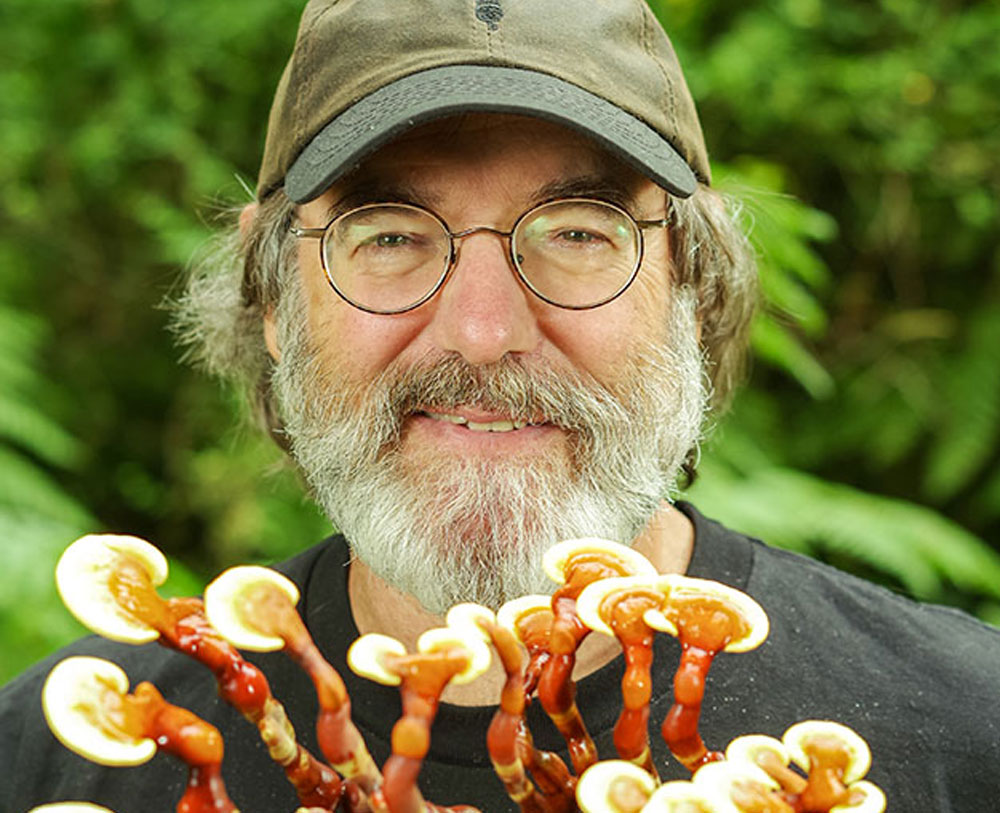
Company founder and owner Paul Stamets is a nationally- and internationally-recognized expert and promotes innovative uses for mushrooms in bioremediation and medical therapies. He even entered the realm of popular culture when creators of the latest Star Trek franchise, which started in 2017 on CBS All Access, named the ship’s science officer after him as part of the use of a a mushroom-based propulsion system for the Starship Enterprise.

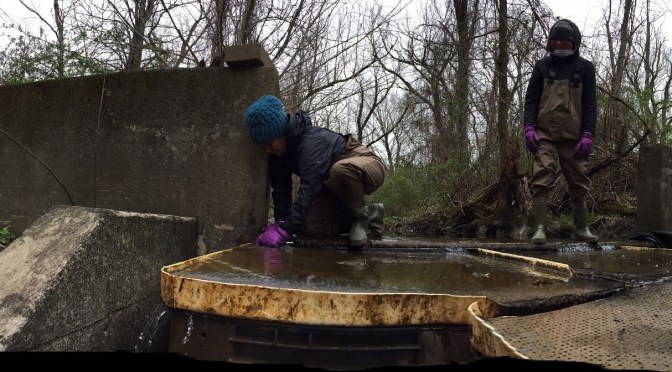
Meanwhile, back here in New York State and with funding support from the federal Great Lake Restoration Initiative, water quality staffers at State Parks installed a Stamets-designed mycofiltration system into this small creek at the Park.

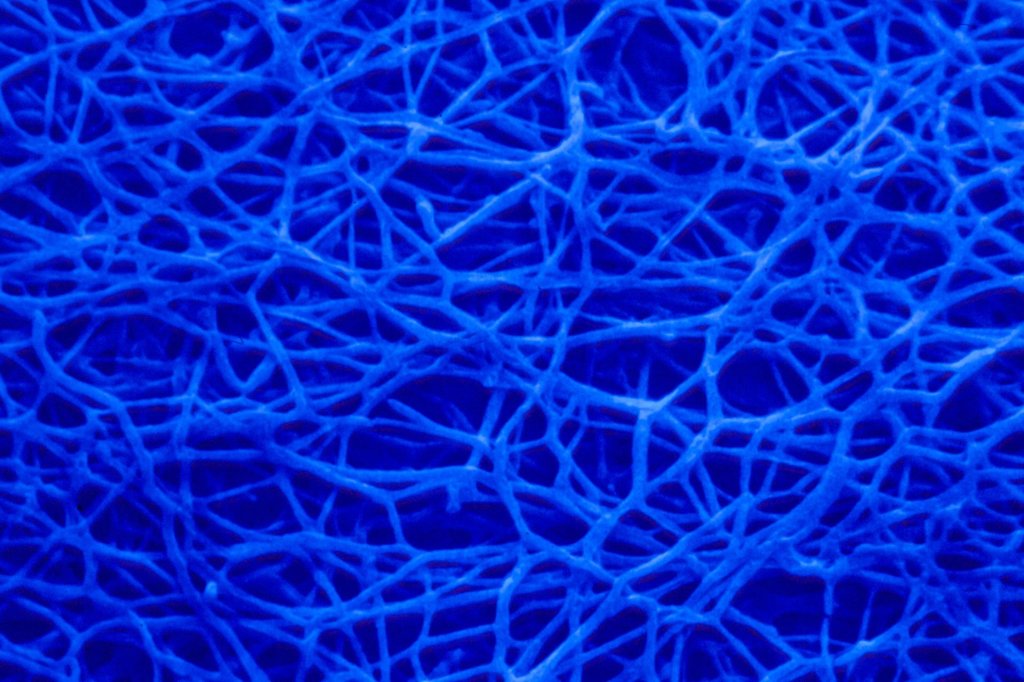
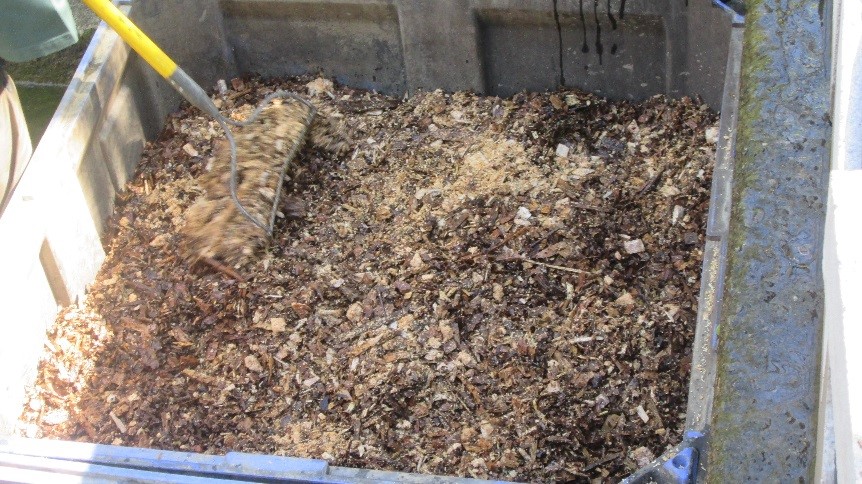
The filtration system uses large plastic containers called totes that contain a mixture of wood chips and mycelium (the tiny threadlike vegetative part of fungi that fruits as mushrooms) that allow water to pass through. This allows the mycelium mixture to absorb bacteria from contaminated water as it flows past.

A crane drops the mycofiltration tote into position within a concrete weir that channels the stream. (Photo Credit- State Parks)
Microscopic image of mycelium (Photo Credit- Fungi Perfecti)

So far, the test results seem promising. E. coli levels downstream of the filtration system have dropped and water quality at the beach has improved, although outside factors, including improvements in the surrounding watershed, may have contributed.

The mycelium in the totes were reinoculated – another way of saying reimplanted and reinvigorated – in 2016 and 2019. Data from this project is being shared with Fungi Perfecti to assist in their research and development of their system.

Said Renee Davis, director of research and development at Fungi Perfecti, “We are proud of the contributions that fungal mycelium has been able to make for Lake Erie State Park and the surrounding ecosystems. Though we still face challenges with scalability of this technology, the applications are promising. We are closely studying the aspects of fungal metabolism that drive these effects, particularly the secretion of specialized compounds from mycelium into the environment.”

She added, “New potential applications have also arisen for bioretention and stormwater. For us, this project is an example of the possibilities that emerge when we look at nature—particularly fungi—in a new, creative, and innovative way. We hope this is the first of many projects to come using mushroom mycelium for water quality.”

Mycelium and wood chips are mixed together in the totes. (Photo Credit- State Parks)
Totes rest within the concrete channel of the stream. (Photo Credit- State Parks)

Currently, this is the only State Park where this chemical-free, ecologically-safe method is being tested, although it could be introduced into the Finger Lakes region if a suitable location can be found.

Cover Shot: NYS Parks crews service the mycofiltration unit in Lake Erie State Park in 2016.

More Resources

See a technical display of the project here

Hear Fungi Perfecti Founder Paul Stamets give a TED lecture on the potential uses of mushrooms.

Fungi Perfecti founder and owner Paul Stamets. (Photo Credit- Fungi Perfecti)

Stamets’ awards include Invention Ambassador (2014-2015) for the American Association for the Advancement of Science (AAAS), the National Mycologist Award (2014) from the North American Mycological Association (NAMA), and the Gordon & Tina Wasson Award (2015) from the Mycological Society of America (MSA).
Currently, Stamets is testing extracts of rare mushroom strains at the NIH (National Institutes of Health/Virology) and with Washington State University/United States Department of Agriculture against a wide panel of viruses pathogenic to humans, animals and bees.

Read what local Capital Region entrepreneur Eben Bayer, owner of Ecovative Design, a mushroom-based packaging and development business based in Green Island, has to say about the scientific potential of mycelium.

Check out the Mushroom Blog at Cornell University.


Post by April Brun and Gabriella Cebada Mora, NYS Parks Water Quality Unit

Hope Takes Wing for Endangered Bird

Here in New York, we have residents nicknamed ‘snow birds’: People who enjoy summers on New York’s beaches, but escape our harsh winters by traveling south to Florida. Making that journey right along with them is another species of beach bum — the small, endangered shorebird called the Piping Plover.

Usually weighing about two ounces or less, the Piping Plover is a tiny bird that is undeniably and objectively cute; just ask anyone that is working to restore the population. It’s a bird that’s easy to fall in love with but that requires hard work to recover.

There are three distinct populations of Piping Plover: the Atlantic Coast and the Great Lakes, which both breed in New York State, and the Great Plains. Due to shoreline habitat loss and disturbance, all three populations significantly declined in the mid-twentieth century, leading to their listing under the Endangered Species Act as threatened (Atlantic and Great Plains populations) and endangered (Great Lakes population) in 1986.

The recovery of the Piping Plover has been a slow and intensive process. At the time of listing, the endangered Great Lakes population had only an estimated 17 breeding pairs — with no birds nesting on the Great Lakes shores of New York. For 29 years, no plover nests had been seen on New York’s lake shores.

Finally, in 2015 a pair of Piping Plovers showed up on the eastern shoreline of Lake Ontario in and around Sandy Island Beach State Park in Oswego County.

Sandy Island Beach State Park is located on the eastern shore of Lake Ontario. (Credit: Google Maps)

New York State Parks and Department of Environmental Conservation employees, Audubon New York employees, and volunteers teamed up to monitor the plovers and reduce disturbances from humans and predators in hopes that the birds would stick around and raise their young.

Although the birds were not successful that year, plovers kept returning each summer to the State Park, and in 2018 and again in 2019, were able to raise chicks

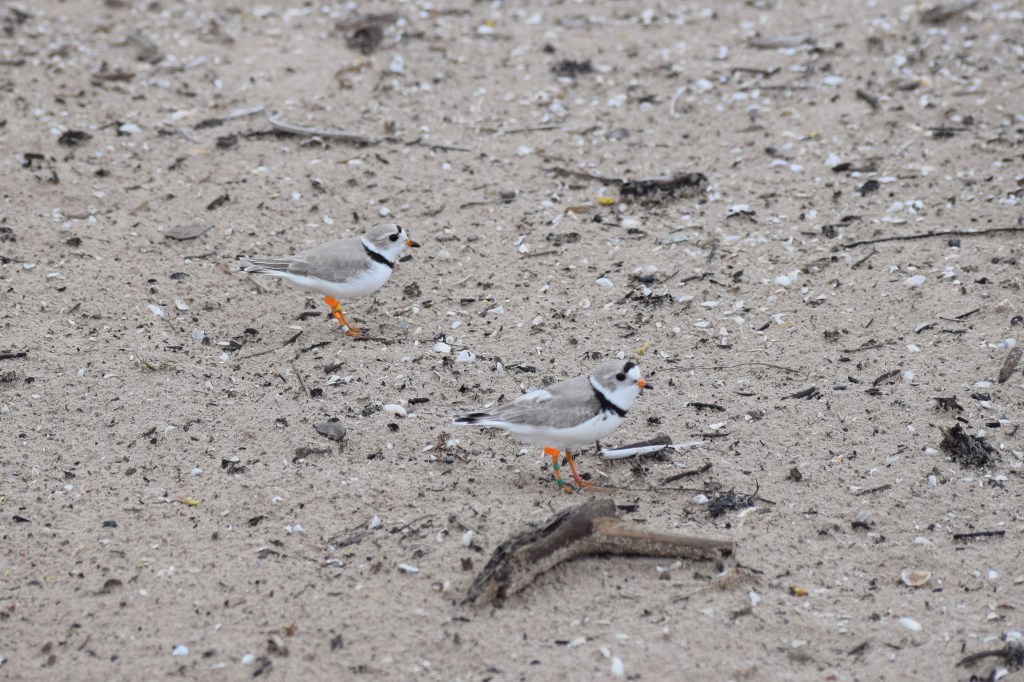
These adult Piping Plovers, banded with orange flags on their legs, successfully nested at Sandy Island Beach State Park in 2019. The male plover (right), can be distinguished from the female by its bolder brow and neck bands.

Throughout the spring and summer months when Piping Plovers are found at breeding sites, shorebird technicians monitor nests and chicks until young birds are fledged, meaning they are capable of sustaining flight. Researchers also band as many plovers as they can in the Great Lakes. Used for identification, bird banding is a common research practice, and is an extremely useful tool in understanding behavior, life expectancy, population sizes, and migrations of birds.

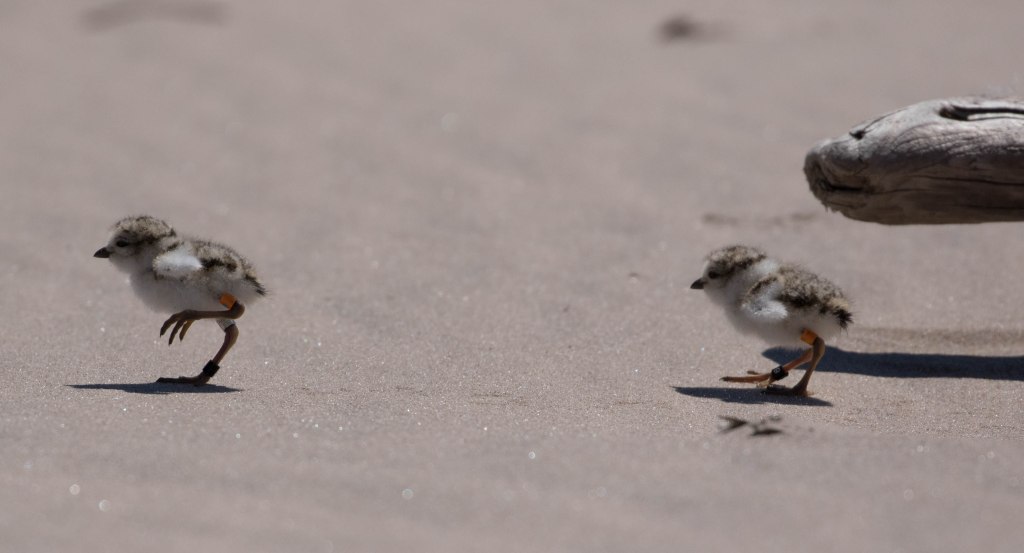
Above: A trained and licensed bander prepares to apply unique bands to a chick in 2018. Below: In 2018, the Piping Plover chicks had Lord of the Rings-inspired nicknames: Frodo (right) and Pippin (left) show off their new bands as they scurry back to their nearby parents. Photo Credit: Tom Morrissette.

For endangered populations, banding can provide essential information about site use that can guide future conservation in both breeding and wintering grounds. For the plovers at Sandy Island Beach State Park, bird banding helped researchers track two fledglings after migration, one to Georgia in 2018 and another to Florida in 2019. These were the first Great Lakes fledglings from New York to be spotted in their wintering grounds in the south.

The young birds are each marked with a unique combination of bands, like name tags, which allows staff to identify individual birds and assign fun nicknames to the newly hatched chicks. The fledge sighted in Georgia in 2018 was named Gimli, and our 2019 fledge, affectionately nicknamed Chewie (proper name Chewbacca) was spotted in Florida soon after it had left New York. The first fledge from the Great Lakes seen on wintering grounds in 2019, little Chewie had made the nearly 1,300-mile journey in only three to four days!

Chewie (background) and its sibling, Yoda (foreground) both successfully fledged from Sandy Island Beach State Park in 2019. They can be distinguished by the unique combination of colored bands on their legs.

This feat is no small matter, as plovers face many challenges before the eggs have even hatched. Coastal development has reduced available nesting habitat, and the open sand suitable for nesting is also the most desirable location for human recreation. Conflict with humans can lead to birds abandoning territory, nesting attempts, and even viable eggs. If a nest can be established, the threat of predation now looms.

Piping Plovers lay their eggs in the sand. These nests generally contain four eggs, and the adults often spend time “decorating” the nests with delicate rocks and shell fragments.

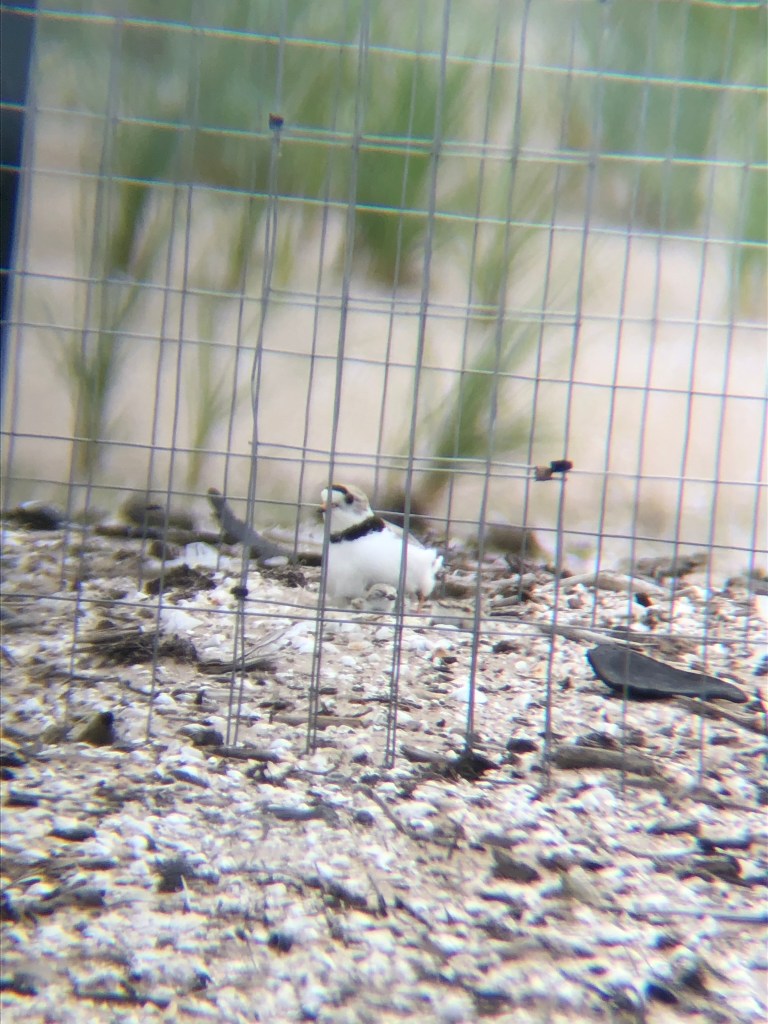
Plovers lay their well-camouflaged eggs in shallow depressions, called scrapes, on sparsely vegetated sand. This makes it easy for plovers to spot predators, but also provides no protection from critters that discover the nests. Therefore, it is common for shorebird stewards to build an exclosure around the nest. This is a fence with spaces large enough for plovers to pass through, but small enough to prevent predators from reaching the eggs (click here to learn more about the work of State Parks Plover Stewards). This can prevent eggs from becoming a meal for foxes, crows, gulls and other predators, but still does not guarantee hatching. Their beach home can get flooded by high water levels and the exposed sand can become very hot.

Still, Piping Plovers are adapted to these conditions and are dedicated and attentive parents. Exclosed nests have a high chance of reaching their hatch date.

The new chicks hatched safely within the wire of the predator exclosure that was placed around the nest. But they won’t stay in there for long!

But our small friends are not in the clear yet! The chicks are precocial, meaning they are able to leave the nest only a few hours after hatching. The highly mobile chicks obtain food on their own under the watchful eyes of their parents, but constant running can easily exhaust the hatchlings and makes them an easy target for predators.

Combined with the stressors of human recreation, it truly becomes a miracle to reach fledging age. Humans can disturb plovers, often unintentionally, by scaring adults off nests, preventing adults and young from feeding near the water, or even accidentally stepping on nests and eggs. Remember that these birds are very small with feathers and eggs that are well camouflaged for sandy beaches, so be sure to keep an eye out when visiting beaches with designated nesting areas!

It should be no surprise to learn that, on average, for every pair of plovers only about one chick typically survives to fledging. This one fledgling must then face a long journey south to wintering grounds on their own. That two young birds, including Chewie, were raised at Sandy Island Beach State Park and made it to their winter homes was a good sign. Continued monitoring in New York will tell us whether these plovers return to raise their own young.

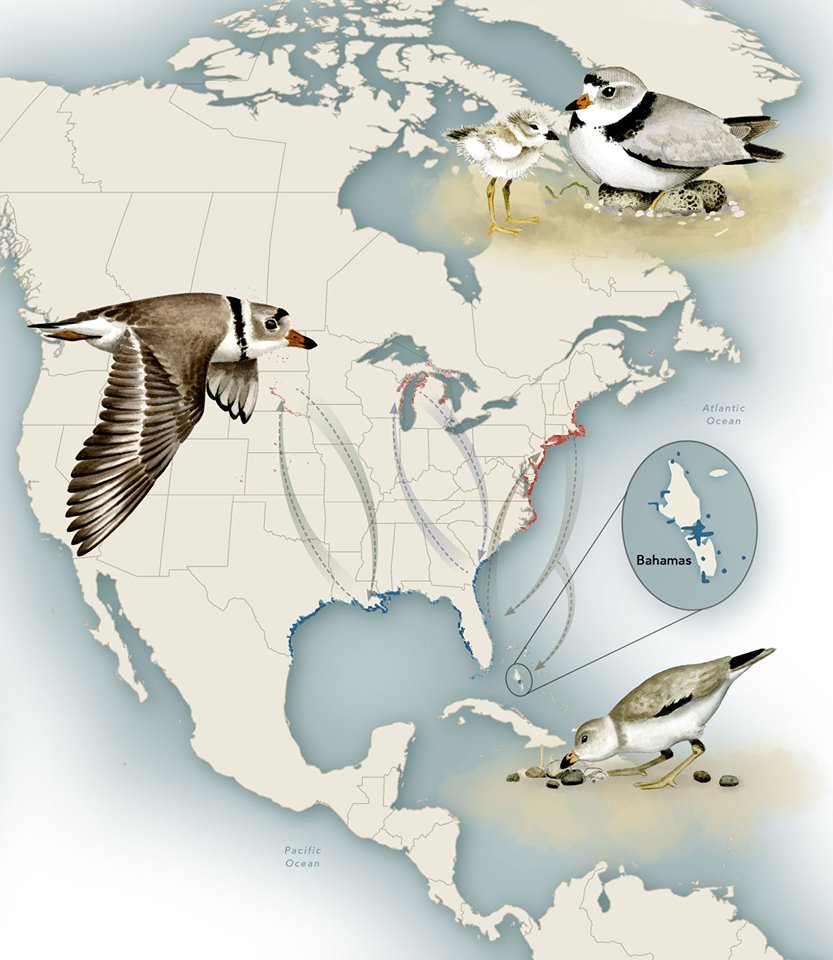
This map shows the typical migration routes for all three populations of Piping Plover. Credit: Illustration by Megan Bishop/Cornell Lab of Ornithology and accessed via Facebook page for Great Lakes Piping Plover Recovery Effort.

From egg-laying and hatching to fledging and migrating, Piping Plovers face threats and obstacles at every turn. Since the return of the Piping Plovers to the eastern shores of Lake Ontario, there have been six successful fledges from Sandy Island Beach State Park. Until we know if the young survived their first migration south, it can be difficult to gauge the success of the recovery plan. Therefore, this incredible flight of young Chewie, documented by its unique bands, is a symbol of success and high hopes for the ongoing efforts to recover the population of this charismatic shorebird.


Post by Lindsey DeLuna, OPRHP Environmental Steward and Student Conservation Association member

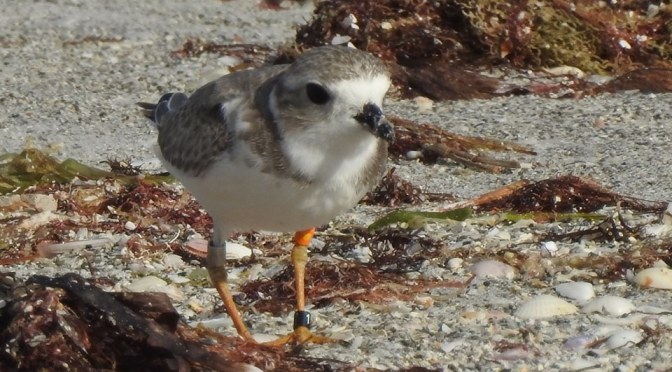
Cover Photo: The fledgling from Sandy Island Beach State Park, nicknamed “Chewbacca,” after his arrival at a Florida beach in early August 2019. Photo Credit: Wendy Meehan.

To learn more about Piping Plover banding and how to report sightings, follow the links below:

https://www.greatlakespipingplover.org/reporting-plover-observations

https://www.fws.gov/northeast/pipingplover/report_bands.html

All photos, unless otherwise stated, were provided courtesy of Alivia Sheffield, the Great Lakes Piping Plover Coordinator at Sandy Island Beach State Park and a trained staff member. Remember to observe wildlife from a safe distance, and never approach nests or chicks.