Category Archives: Flora & Fauna

Rare or noteworthy wildlife spotted in New York State Parks

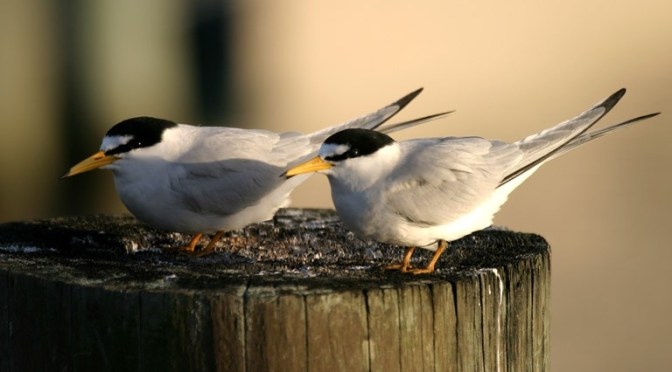
Wildlife Spotlight: Least Terns

A rare denizen of NYS Parks in Long Island is the least tern. This state-threatened species is challenged by both loss of nesting habitat, as well as predation by rats, dogs, cats, and other birds.

The least tern is so named because it is the smallest member of the gull and tern family, growing to a maximum of only nine inches in body length. These beautiful birds make their homes on the Atlantic coast. In the winter, least terns migrate to the southern United States and the Mexican coast, but once it becomes warmer, they return to the beaches of Long Island to nest. Even though they are small, least terns are mighty. If an intruder crosses a nest, the tern will dive at the possible predator screeching to frighten the danger away. Least terns also make a habit to roosting with larger terns for protection.

The importance of Long Island shoreline habitat to least terns, as well as a plethora of other migratory bird species, is the main reason why some Long Island beaches are off limits to dogs. Even where pets are allowed, be conscious of how your dog might be affecting wildlife and protect the habitat of this small, but magnificent bird.

featured image is a pair of least terns, by Larry Master. Post by Paris Harper

Bees in the Butterfly Garden

It may be some time before we get to see bees and butterflies again, but when spring comes, we know that our friends at Fahnstock State Park will be ready to welcome them back with open arms and bouquets of native flowers. Check out this vibrant post from Native Beeology!

tamarack72's avatarNative Beeology

Anne Odell Butterfly Garden – Fahnestock State Park –

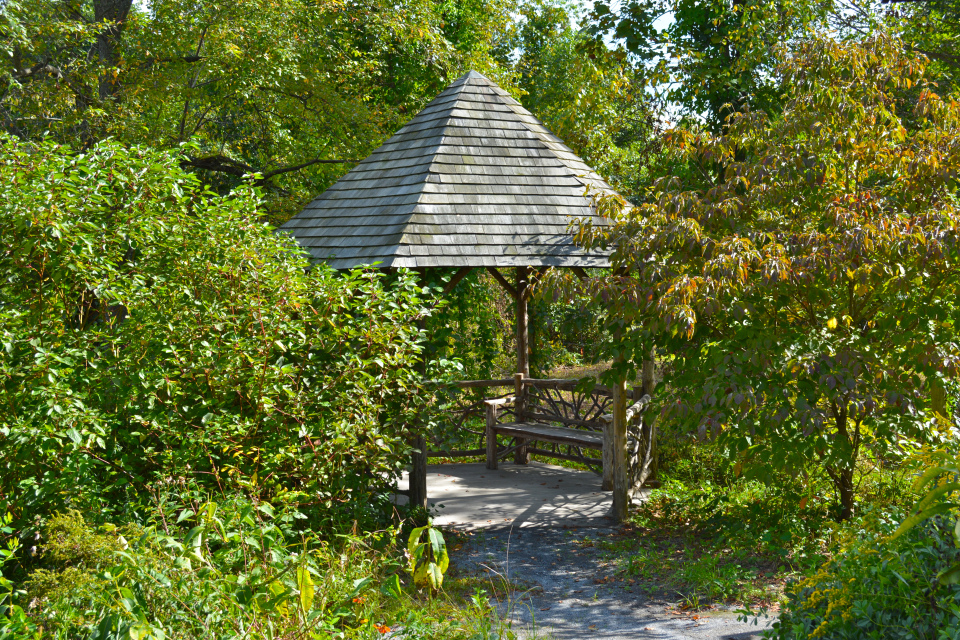
In a recent venture to The Hubbard Lodge in Fahnestock State Park, I explored a butterfly garden flourishing with beautiful native flowering plants. The garden was alive with tired butterflies sporting tattered wings, queen bumblebees fattening up for a long winter hibernation, and a diversity of solitary bees finishing up their nests.  This garden named the Ann Odell Butterfly Garden was created in 2003 in memory of Ann Odell, an art teacher and gardener.  The winding paths in this tranquil place is a fitting tribute, inviting those who enter to explore and discover all things wild and beautiful.  Indeed, this garden is much more than a butterfly garden.

DSC_0218 Gazebo near the Entrance to the Ann Odell Butterfly garden

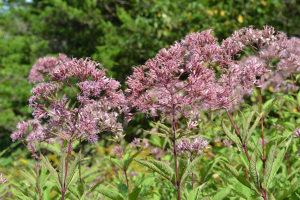
DSC_0222 Joe-pye-weed

DSC_0237 Asters and goldenrods

The most notable feature of this autumn garden is the purple New England asters that stand tall in the…

View original post 577 more words

Witch Hazel

Just as we have to say goodbye to the resplendent colors of fall, the last flowering plants of the year put on a final show of color before we resign ourselves to a season of white snow, gray skies, and cold winds.

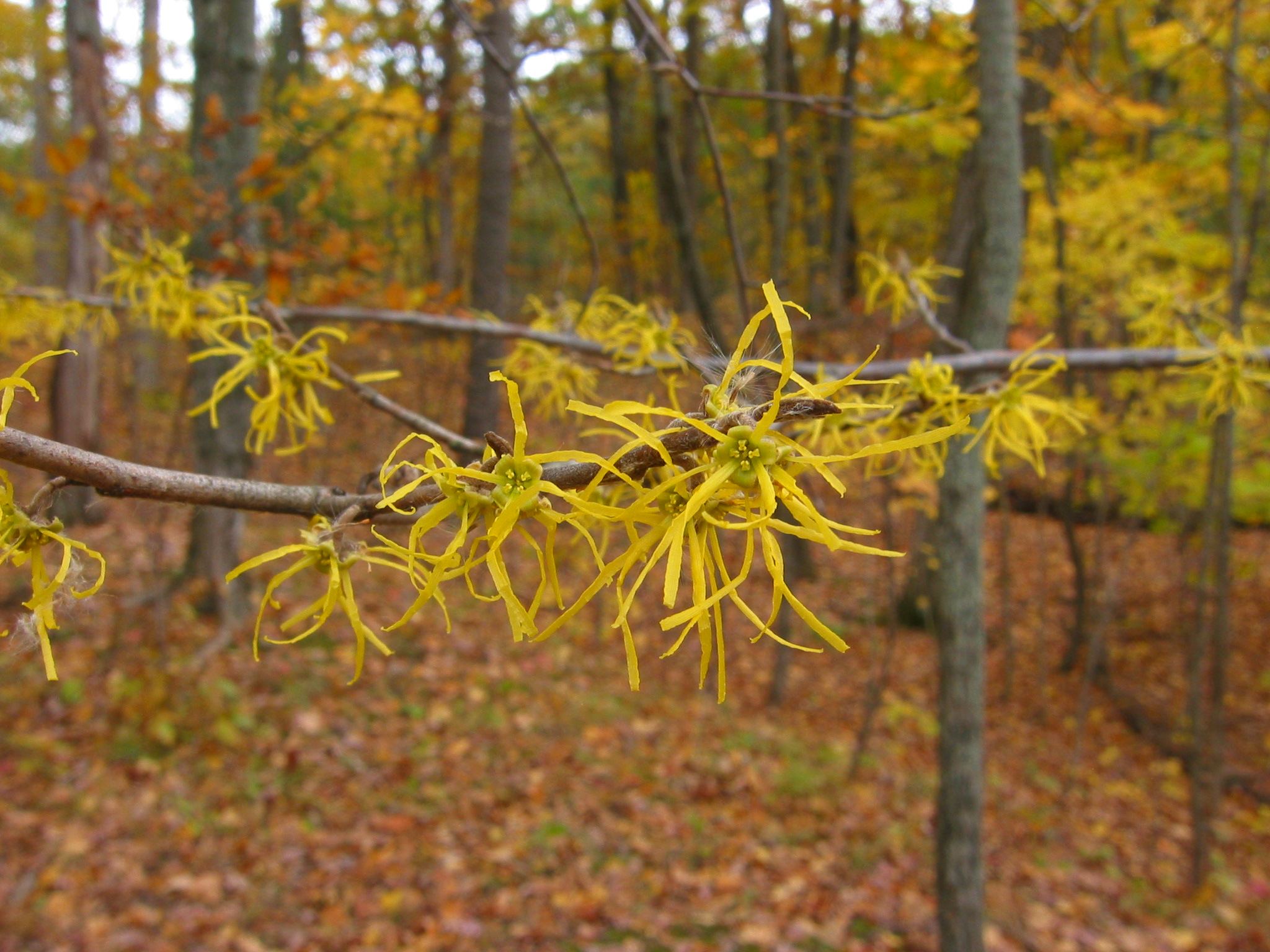
Witch-hazel, Hamamelis virginiana, is a generally inconspicuous understory species, often overshadowed by the birches and maples of New York’s forests, but when the trees lose their leaves every year, it gives this common shrub and opportunity to take the spotlight.

In early fall, witch-hazel plants begin to disperse their seeds, which have been ripening over the course of the entire year. At this time, the fruits of the plant open up to reveal two glossy black seeds which are explosively ejected away from the plant—this unusual behavior earns it the colloquial name, snapping hazel.

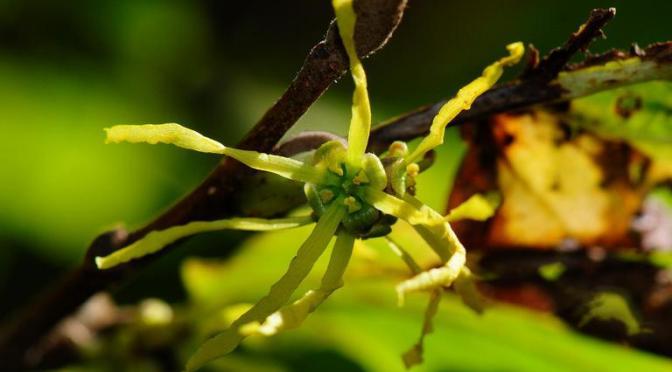
After the seeds have been dispersed, witch-hazel flowers bloom in preparation next year’s fruit. In New York, you’ll see the spidery yellow blooms beginning in mid- to late October and early November. Regional variations in colors range from greenish gold to red, but yellow is the most common color, especially in the Hudson Highlands region.

Photo by Tim Howard
Photo by Tim Howard

Featured image is a witch-hazel blossom. Photo citation: Vern Wilkins, Indiana University, Bugwood.org. Post by Paris Harper

Hellbenders: salamanders in peril

As the largest salamander in the Western hemisphere, you wouldn’t think that hellbenders could easily slip under the radar. However, these well-camouflaged, aquatic creatures are rarely seen, and due to loss of suitable habitat, they are being seen with increasing rarity.

In New York, hellbender salamanders live exclusively in the Susquehanna and Allegheny river drainages, including their associated tributaries. Numbers are declining in both of these ranges, particularly in the former, where hellbenders are all but extirpated. A “hellbender head-start program” has focused on the Allegany Region, where earlier this year a number of captive-raised hellbenders were released into the park’s streams. The captive-rearing program has been a collaboration between the New York State Department of Environmental Conservation, the Bronx Zoo, the Buffalo Zoo, the Seneca Park Zoo in Rochester, NY, and the Seneca Nation of Indians. More information on that project can be found here.

Check out this cool video featuring awesome hellbender action produced by Freshwaters Illustrated, an organization which produces educational media about the life, study and conservation of freshwater ecosystems.

featured image is hellbender habitat in Allgany State Park, by Andrea M. Chaloux. Post by Paris Harper

Milkweed

Besides cleaning up our parks, invasive species removal teams sometimes get the opportunity to enjoy the truly lovely flora of New York State Parks. The following pictures are from Invasive Species Awareness Week, where a team cleared out wild parsnip from bird habitat in Thacher State Park.

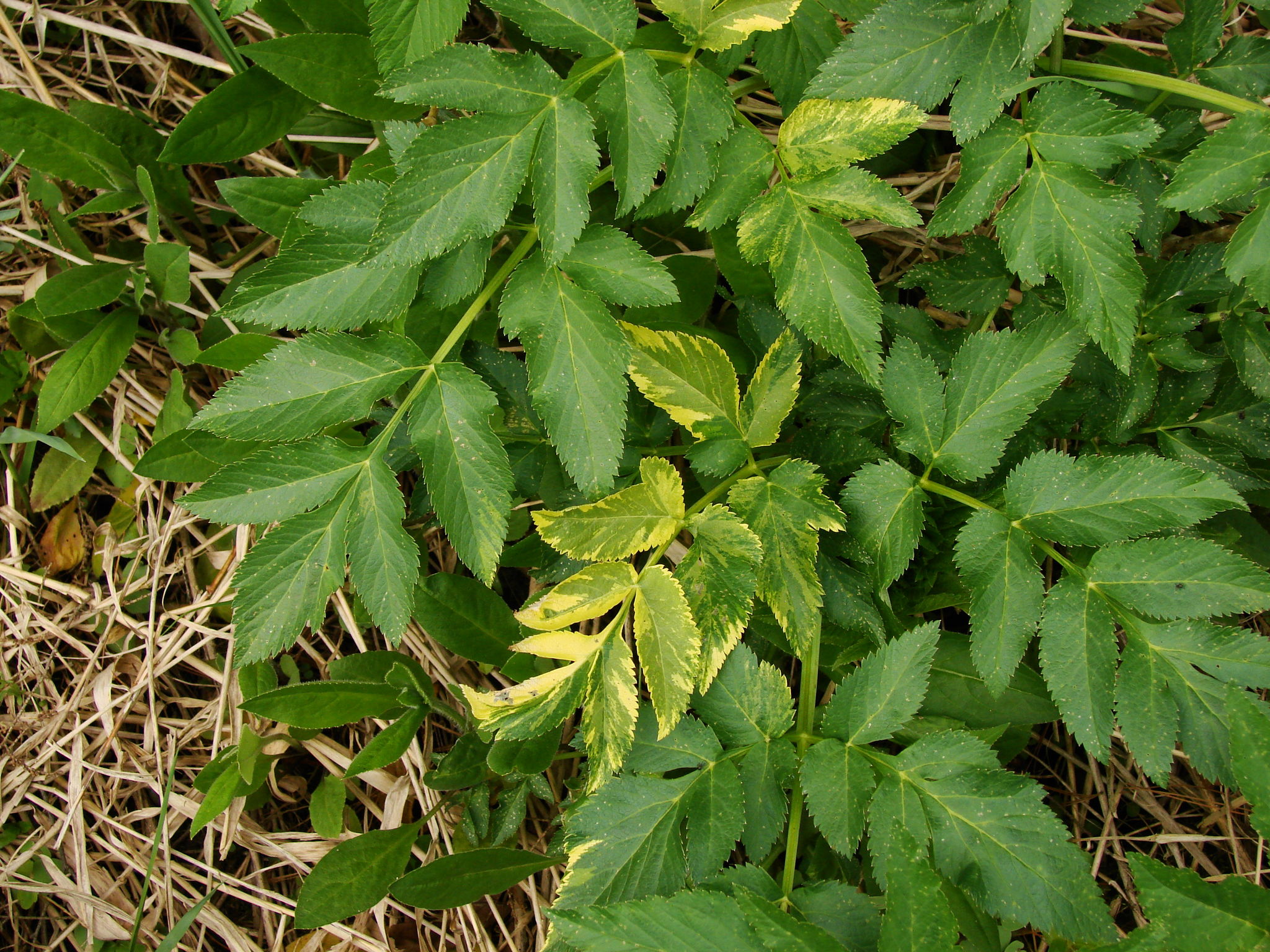
Wild parsnip - beware! by Steve Young, NYNHP
Wild parsnip – beware! by Steve Young, NYNHP

Wild parnsip (Pastinaca sativa) is a member of the carrot family, but unlike their tasty orange relatives Wild parsnips can bite back! Wild parsnip contains chemicals called furanocoumarins, which, when exposed to sunlight on skin, can cause phytophotodermatitis, a toxic skin reaction. The chemicals prevent the skin from protecting itself from ultraviolet rays, resulting in the worst sunburn of your life.

A far-off bobolink thrives in the grassland, by Melissa Plemons
024
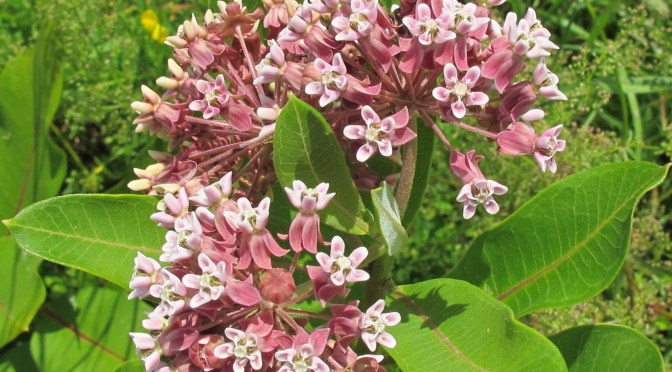
Lovely milkweed blossoms, by Melissa Plemons

The removal of wild parsnip from the field benefits grassland birds, like the bobolink, and also promotes the growth of native plants like milkweed. Milkweed plants (Asclepias spp.) have been used culturally as food, fiber, and medicine. In addition to being the only plant that monarch caterpillars can live and feed on, milkweed species are attractive to many other insects, including the large milkweed bug, common milkweed bug, red milkweed beetle, blue milkweed beetle, and all sorts of bees. Certain predators, like yellow jackets and crab spider, make a point of targeting flies and bees that visit the flowers. Native birds enjoy snacking on these insects, too!


The featured image is of milkweed blossoms at Thacher State Park, by Melissa Plemons. Post by Paris Harper.