Category Archives: Park History

Black History Month In New York State Parks

There is a rich heritage of New York history all around us to explore during Black History Month this February.

While the stories of civil rights icon Martin Luther King, Jr., his march at Selma, Alabama, and 19th century abolitionist Fredrick Douglass are well known, these people and places represent only a small part of our common cultural landscape.

Some of this fascinating African American history is closer to home, right here in New York State. This year, how about delving into New York’s own aspects of Black history by learning more about our own unique people and places?

Using the state’s parks, historic sites, the historic preservation agency, and I LOVE NY’s Path Through History and blog, you can find nearly four hundred years of interesting stories effortlessly, on such topics as the our state’s role in the the Civil Rights movement and the Underground Railroad, a network a network of secret routes and safe houses established in the United States during the early to mid-19th century, and used by enslaved African-Americans to escape into free states and Canada.

In the U.S., Black History Month traces its origins to 1915 and the national 50th anniversary emancipation celebration in Chicago, where African American historian, author and journalist Carter G. Woodson staged a history exhibit.  In1926, Woodson selected the second week in February for Negro History Week as a nationwide event. It grew into a month-long celebration and was federally recognized by President Gerald Ford in 1976 during the U.S. Bicentennial.

To learn more about Dr. Woodson’s life and work, and his founding of the Association for the Study of African American Life and History (ASALH), visit https://asalh.org.

Figuring out where to begin on such a historical journey in New York may seem challenging, but here are some ideas to get you started. We hope you enjoy your step into the extraordinary history of Africans and their descendants.

Niagara Falls State Park, 332 Prospect St., Niagara Falls, USA: On Feb. 13, the falls will be illuminated in red, black and green (colors of the Pan-African flag) starting at 6 p.m., for a 15-minute period at the top of the hour continuing through 11 p.m.

Pan-African flag (Photo credit – Wikipedia Commons)

Shirley Chisholm State Park, 950 Fountain Ave., or 1750 Pennsylvania Ave., Brooklyn: Named in honor of Shirley Chisholm, a Brooklyn-born trailblazer who was the first African American Congresswoman, as well as the first woman and African American to run for President. As 507 acres, this amazing park leads you into the life of Ms. Chisholm, and also into the wonderful world of environmental justice. Sitting on a reclaimed landfilled, the paths and views of Jamaica Bay can refresh your spirit while introducing you to one of New York’s most noted Black politicians.


Walkway Over the Hudson State Historic Park, 87 Haviland Road, Highland: Although many people think Sojourner Truth was from the South, this former enslaved woman, abolitionist and suffragette was actually born and raised in Ulster County and grew up speaking Dutch. In August of 2020, a bronze statue of her was unveiled at the main entrance of Walkway Over the Hudson State Park in Highland. Learn more about her life, and about Vinnie Bagwell, the African American sculptor who made the statue, here.
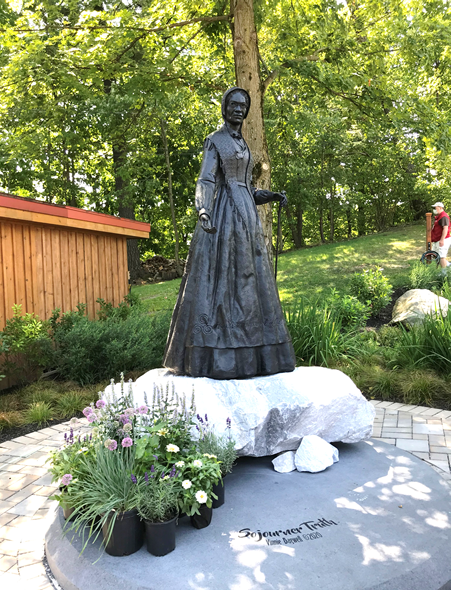
Sojourner Truth statue in Walkway Over the Hudson State Park.

Jones Beach Energy & Nature Center, 2400 Ocean Parkway, Wantagh: The newly opened Center will be offering several programs during the month of February, including an exhibit of Black History related posters, including Heroes of the Great Outdoors shown below. The center is also hosting socially-distanced showings of  No Time To Waste: The Urgent Mission of Betty Reid Soskin. The film shares the story of an amazing 99-year old National Parks Ranger’s inspiring life, work, and urgent mission to restore critical missing African American chapters of America’s story.  The center is also hosting free online screenings of this film from Feb. 11 to 15. Registration is available here.


Marsha P. Johnson State Park, 90 Kent Ave., Brooklyn: Renamed for a transgender African American woman and dynamic pioneer who advocated for the LGBTQ+ and HIV/AIDS communities, this seven-acre park in Brooklyn offers a river front view of Manhattan and an opportunity to relax in a place where everyone is welcome.

Note: the park is undergoing extensive renovations including the installation of public art honoring Marsha P. Johnson and the LGBTQ+ community. Some areas of the park will be temporarily limited during construction to be completed June 2021. The north section of the park will remain accessible through neighboring Bushwick Inlet Park.


Old Fort Niagara State Historic Site, Youngstown: A Feb. 6 tour highlighting African American military service at post from the 18th through the 20th centuries, including the story of formerly enslaved Richard Pierpoint, who served during the American Revolution. The tour will also address the history of the 24th Infantry Regiment, a unit of African American “Buffalo Soldiers” raised after the Civil War. Tour size is limited to 20 persons, and preregistration is required by contacting Erika Schrader at 716-745-7611, ext. 221, or eschrader@oldfortniagara.org.

Clermont State Historic Site, 1 Clermont Ave., Germantown: A free walking tour at 2 p.m. Feb. 21 on the role of the Livingston family, as well as their enslaved people and tenants on their estate, during the Revolutionary War.

National Purple Heart Hall of Honor, 374 Temple Hill Road, Route 300, New Windsor: The mission of the newly reopened National Purple Heart Hall of Honor is to collect, preserve, and share the stories of all Purple Heart recipients. There and online you can learn about our brave service men and service women including men like Ensign Jesse L. Brown, the first African American naval aviator during the Korean War. You can also learn about registering a Purple Heart recipient for the Roll of Honor.

U.S. Naval aviator Jesse L. Brown

New York also has many sites of African American history on the State and National Register of Historic Places, including:

Sag Harbor Hills, Azurest & Ninevah Subdivisions (SANS), Sag Harbor, Suffolk County: The Sag Harbor Hills, Azurest, and Ninevah Subdivisions (SANS) Historic District, is a mid-twentieth century African American beach community on Long Island that has and continues to serve as a retreat created by and for families of color. Famous individuals who summered at SANS included Langston Hughes and Lena Horne. The district’s stewards are the recipients of a 2019 NYS Historic Preservation Award.

Stephen & Harriet Myers Residence, Albany, Albany County: The Stephen and Harriet Myers Residence was a headquarters for Underground Railroad activity in the Capital Region in the mid-1850s, as documented by a Vigilance Committee flier that has survived from that period with additional historic records. Today the site is operated by the Underground Railroad History Project of the Capital Region as a historic site where the community can learn about the Underground Railroad, the first integrated Civil Rights movement in the United States, and its relevance to today. This site is the recipient of a 2015 NYS Historic Preservation Award and was also featured in the “We Are NY” series. and the Underground Railroad Education Center

James Baldwin Residence, Manhattan (Harlem), New York County: Prominent author and activist James Baldwin (1924-1987) lived in this building during his last decades, 1965-1987. Baldwin made profound and enduring contributions to American literature and social history, addressing the major questions America faced in those decades. Recently, portions of Manhattan park were renamed after James Baldwin to further honor his legacy. His former home is featured in the New York City LGBT sites project.

John W. Jones Museum, Elmira, Chemung County: The John W. Jones House in Elmira is listed in the State and National Registers of Historic Places and is now a museum open to the public. John W. Jones became an active agent in the Underground Railroad in 1851 and continued to help enslaved individuals escape to freedom for many years. The museum explores Mr. Jones’ community involvement and his relationship with his contemporaries, as well as the location’s function as the only Underground Railroad station between Philadelphia, Pennsylvania, and St. Catharines, Ontario Canada.

Colored Musicians Club, 145 Broadway, Buffalo: Formed in 1917, the Colored Musicians Club was one of the oldest continually operating African-American musicians’ clubs in the country as well an office for Buffalo Local 533, an early African-American union of musicians. These organizations were part of the response to racism and segregation in Buffalo’s musical community. The Colored Musicians Club was home to performances by such notable artists as Duke Ellington, Ella Fitzgerald, Louis Armstrong, Nat “King” Cole, Miles Davis and Cab Calloway.

Storefront of the Colored Musicians Club in Buffalo.


Given the need for social distancing amid the ongoing COVID-19 pandemic, NYS Parks also has an array of virtual and online events and information. Here are a few examples:

John Jay Homestead State Historic Site, Katonah: A Zoom lecture on the history of enslavement in this prominent Colonial-era family starts 7 p.m. Feb. 24. Registration available at www.johnjayhomestead.org The website also includes virtual exhibits, school programs and tours to explore the Jay family’s history as enslavers, and the dedication of later generations of Jays to the abolitionist cause.

Olana State Historic Site, Hudson: A webinar on the life of 19th century African American and Ojibwe sculptor Mary Edmonia Lewis, presented by University of New Mexico professor Kirsten Buick. Starting 6 p.m. Feb. 24, access to this event requires paid membership in The Olana Partnership available at www.olana.org/membership.
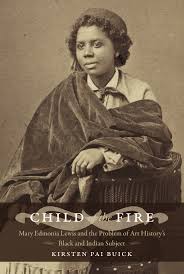
Mary Edmonia Lewis, from the book Child of the Fire, by author Kirsten Buick.

Jay Heritage Center, Rye: A Zoom lecture by Dr. Gretchen Sorin, director of Cooperstown Graduate Program in Museum Studies, on her new book, “Driving While Black: African American Travel and the Road to Civil Rights” will be held 7 p.m. Feb. 11. Registration is available here.

Clermont State Historic Site, Germantown: A Facebook Live event starts 2 p.m. Feb. 20 hosted by comic artist Emily Ree on how the Red Scare of the 1950s led to blacklisting in the comic book industry, which at the time supported a diverse workforce of people of color and women.

Schuyler Mansion State Historic Site, Albany: In 1793 a good portion of the City of Albany burned down. Three enslaved Africans were accused of setting the blaze. In this fictionized drama based on historic evidence, see how the community of enslaved and free, Africans and Europeans interacted during this tense time in a legal system where the enslaved had little voice. Here is a guide to The Accused: Slavery and the Albany Fire of 1793.

Facebook posts on African American related items from Parks’ historic sites are also available, including:

Fort Montgomery State Historic Site, Fort Montgomery: This post offers a glimpse into the life of Benjamin Lattimore, one of the few known African American soldiers to fight in this 1777 Revolutionary War battle in the Mohawk Valley.

Fort Ontario State Historic Site, Oswego: This post describes the World War II training of Harlem Hellfighters, the segregated African American 15th New York National Guard Regiment who were stationed at the fort.

Formerly the 15th NYNG Infantry Regiment, the unit was activated into federal service and began training as the 369th Coast Anti-Aircraft Artillery Regiment at Fort Ontario in January 1941. This occurred after FDR federalized the National Guard in preparation for WWII. It was the first opportunity for blacks to serve in a technical role in the U.S. Armed Forces, a milestone in the Civil Rights movement. The regiment is now the 369th Sustainment Brigade with an armory on 5th Avenue in New York City.

Shown below is the 369th depicted in a promotion for the Netherland Dairy of Oswego which supplied the 2,000-man garrison with milk. It appeared in the May 28, 1941 issue of the Post Script, the regiment’s newspaper while stationed at Fort Ontario until September 1941.


And finally, the New York State Parks Blog also has recent posts on African American historical items, including the Dutch colonial-era African American holiday of Pinkster, 19th century abolitionist Sojourner Truth and her life in the Hudson Valley, the 19th century emancipation holiday of Juneteenth which last year became an official state holiday, and the role of African American leadership in the Civilian Conservation Corps in New York State during the Great Depression.

So, take advantage of these many opportunities to learn about the history of people and places that form a more complete story of New York State.

African American members of the Civilian Conservation Corps work on a project in New York State during the Great Depression.

Cover Shot: African American Cemetery in Montgomery, Orange County, believed to hold graves of about 100 people, mainly slaves brought to the region in the mid-18th cemetery. (Photo Credit – Lavada Nahon) All other photos from NYS Parks unless otherwise noted.

Post by Lavada Nahon, Interpreter of African American History, Bureau of Historic Sites, NYS Office of Parks, Recreation and Historic Preservation
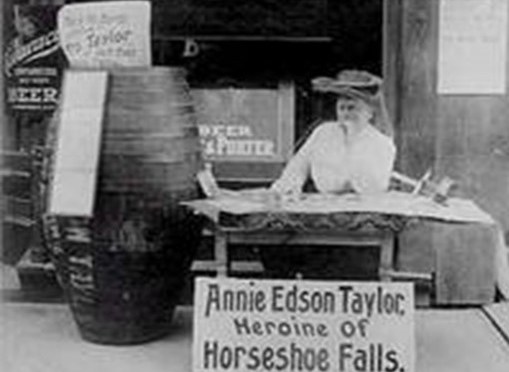
Remembering The Queen of The Mist

It is 1901 and the dawn of a new century. The Pan-American Exposition is going on in Buffalo, a world’s fair that was attracting people from all over the world, with many of those visitors taking train excursions to nearby world-famous Niagara Falls.

During the expo, visitation was running between 10,000 to 50,000 people daily at Niagara Falls Reservation State Park. And the attention of these crowds is exactly what Finger Lakes native Annie Edson Taylor wanted to grab.

A 63-year-old widow and retired schoolteacher living in Bay City, Michigan, Annie was in financial straights at that point in her life. Sensing an opportunity in Buffalo, she went there with the idea to become rich and famous by doing something no one had ever done – going over Niagara Falls in a barrel.

People had been barrel-riding the rapids below the falls to much popular acclaim during a time when there were no rules in place for such dangerous stunts. Today, there are laws in place at the falls making it illegal for anyone attempting such actions, which since the 1950s have been subject to prosecution and substantial fine by both the U.S. and Canadian governments.

Inspired by the daring barrel-riders in the Whirlpool Rapids below the falls, Annie had her own barrel made of white Kentucky oak to her specifications by a local company.  Cushions, pillows and a harness were placed inside for protection. The barrel had a tube through a hole so air could be pumped in when the barrel was sealed.

First, the rookie daredevil decided she had to test it. So Annie sent out the barrel with a cat inside for a run over Niagara’s Horseshoe Falls on Oct. 18, 1901. When the barrel washed to shore and was opened, the cat emerged unharmed, boosting Annie’s confidence that she too could survive the 167-foot plunge.

Annie Taylor with her barrel and a cat, possibly the cat that went in the test run over Horseshoe Falls. (Photo Credit – U.S. Library of Congress)

On Oct. 24 – her 63rd birthday – Annie set out with her two assistants, William Holleran and Fred Truesdale, to Port Day on the U.S. side of the river that led to the rapids above Horseshoe Falls on the Canadian side. She had announced her intentions, and onlookers had gathered.

The daredevil had changed into more comfortable clothes – a lightweight blue skirt and blue blouse for her journey. Her assistants tied the barrel to a rowboat, making sure Annie was secured inside before closing the lid. Some air was pumped inside the barrel using a hose, and the men rowed into the river with the barrel in tow.  With the rope cut, the barrel floated off toward the roaring falls.

Annie and her two assistants soak the barrel prior to the trip to help seal it. (Photo Credit – Niagara Falls Public Library)
Annie goes into the barrel before the top is sealed. (Photo credit – Niagara Falls Public Library)
Onlookers are onshore as Annie inside her barrel is rowed into the river above the rapids. (Photo credit – Niagara Falls Public Library)
Annie comes ashore after her plunge, suffering only a few cuts and bruises. (Photo credit – Niagara Falls Public Library)

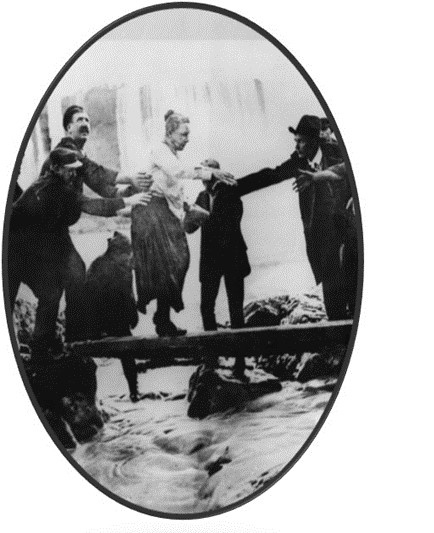
A few minutes later, several men waiting on shore drag the slightly beat-up barrel to the river’s edge on the Canadian side. They remove the lid to see how she has fared. And Annie is alive!

She gets out stumbling, with only minor injuries, for which she is brought back to the U.S. side and taken for medical treatment. Her stunt has worked, and she has made history as the first person to ever go over Niagara Falls in a barrel and survive.

Now, she must have believed her quest for fame and fortune would be rewarded. Making an appearance at the Pan-Am Expo’s last day on November 1 to sensational newspaper headlines, Annie posed next to a barrel, most likely labelled, “Queen of the Mist.”

After this feat, Annie made her home in Niagara Falls hoping to cash in. While she had some immediate fame, fortune was to elude her. She found little success on the lecture circuit and even lost her barrel after it was stolen by her manager.

Rather than becoming rich, she was able only to eke out a meager living selling postcards and other souvenirs from a stand in front of a store near the falls. She never attempted any other stunt.

Indigent in her old age, Annie ended up becoming a resident of the County Home in Lockport. She became blind and passed away two decades after her famous plunge at age 82.

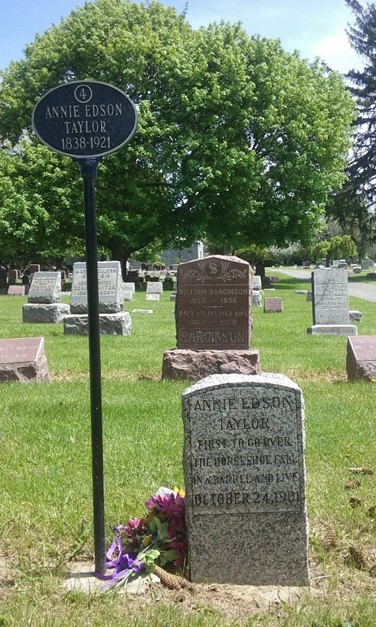
The people of Niagara Falls raised funds to help provide Annie with a burial plot at the historic Oakwood Cemetery in a section called “Stunters’ Rest” for daredevils who have braved the falls, either successfully or unsuccessfully, according to an entry on the cemetery in the National Register of Historic Places.

Other stunters buried there included Matthew Webb who died in 1883 in an attempt to swim the Niagara rapids and Carlisle Graham, who survived a trip through the rapids in a barrel in 1886.

While riches eluded Annie in life, her legacy from a bygone era of daredevils lives on. Her records as the first and oldest person to survive a trip over the falls remain intact, nearly a century after her death.

Annie Taylor’s final resting place in the Stunters’ Rest section of historic Oakwood Cemetery in Niagara Falls. (Photo Credit – Carol Rogers)

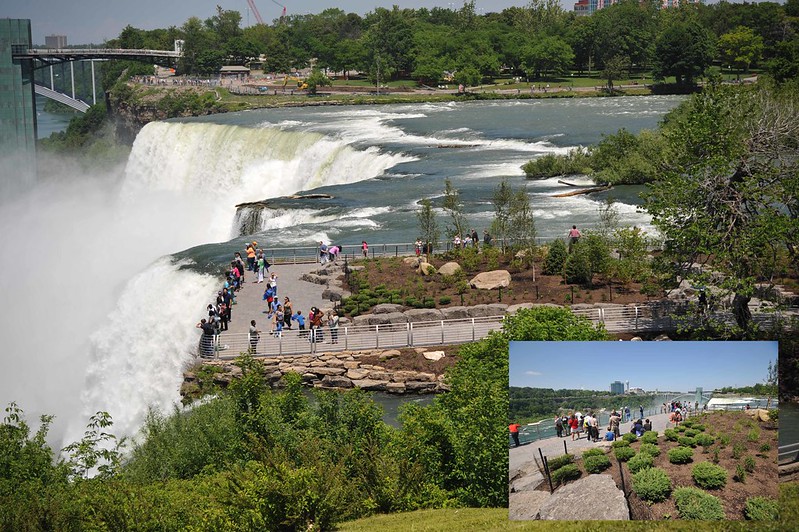
While Niagara Falls are essentially the same as they were in Annie’s time, Niagara Falls Reservation State Park, created in 1885 as the oldest state park in the United States, has undergone major improvements as part of the NY Parks 2020 initiative . The park remains open during the COVID-19 pandemic. Click through this slideshow to take a look…

Cover Photo – Annie Taylor on the street in Niagara Falls at her souvenir stand. (Photo Credit – Niagara Falls Public Library)

Post by Carol Rogers, Environmental Educator, Niagara Region Interpretive Programs Office, NYS Parks

Sources

Niagara Falls Public Library History Department, Niagara Falls

NYS Parks, Niagara Region, Interpretive Programs Archives

Oakwood Cemetery, Niagara Falls

Growing Freedom in Adirondack Wilderness

While the John Brown Farm State Historic Site is the former Adirondack home of a famed abolitionist, the farm also is part of a larger story about an ambitious, well-intentioned but ultimately unsuccessful  effort in those rugged mountains before the Civil War to help free African Americans gain prosperity and political rights.

Located just outside of Lake Placid, the 270-acre farm occupied by Brown’s  family reflects his common belief with prominent New York State abolitionist and social reformer, Gerrit Smith, as well as many others in that movement, that owning and farming land would aid people of African descent move from enslavement to freedom.

A photograph of John Brown taken in 1859.


Throughout most of human history, the ownership of property in the form of land has been greatly esteemed. During medieval times, property set apart the landed gentry from the serfs, while in colonial-era New York it meant the wielding of political power by the “Lords of the Manor” over their rent-paying tenants.

Political power after the American Revolution was narrowly held, compared to today, as property ownership was directly linked to whether a man of any color could participate in civil engagement. In the 1906 book, A Political History of the State of New York, De Alva S. Alexander noted that “The right of suffrage was so restricted that as late as 1790 only 1,303 of the 13,330 male residents of New York City possessed sufficient property to entitle them to vote for governor.”

In 1790, legal slavery still existed in the new state of New York. There also were quite a number of free men of African descent but like men of other races, they had to own property to be able to cast a ballot.

In New York, men regardless of race had to hold a minimum of $100 worth of property before they could participate in elections.  In 1821 New York state ratified its second constitution, which required Black men to have at least $250 worth of property (about $5,700 in today’s dollars) while eliminating any such property requirement for whites. This change almost completely disenfranchised the Black community.

Such discrimination was opposed by Smith, a wealthy, land-rich abolitionist and social reformer in Madison County who also owned 120,000 acres of land in the Adirondacks across Essex, Franklin and Hamilton counties. In 1846, Smith offered a free piece of that land to any Black man willing to stake a claim.

Gerrit Smith (Photo Credit – Library of Congress)


Broken into 40 to 50-acre parcels, deeds for Smith’s land were granted to individuals and families, with the idea that with improvements land values would increase beyond the $250 requirement, giving not only industry and wealth to the family, but also the right to vote to the male head of household.

Throughout the 19th century, farming as a way to both sustain a family and grow financial wealth was pushed as the preferred way for free people of African descent to become valuable members of society.

Since enslaved people of African descent had worked on farms, it was a collective belief by Smith and other abolitionists that farming, husbandry, and related industries were natural bridges to civil advancement. However, he and many others pushing this idea didn’t consider that working a mono-crop plantation in the mild climate of the South was very different from clearing timbered forests in northern New York.

Nor did they think about those who had spent their entire lives in urban environments. Many viewed Smith’s generosity as truly expansive, but few, including Smith himself, took a close look at the land he’d shared or considered the substantial costs involved in getting a productive farm up and running.  The maps with their neatly drawn sections looked good on paper but the actual parcels were often filled with thin soil, rocky terrain and ancient trees in a land with poor roads, brutal winters and a shortened growing season.

Unaware of such hurdles, thousands of people from across the mid-Atlantic states applied for the free land. Men from New York City, and many Hudson River and Central New York counties, were among those who traveled north.  About 3,000 people accepted land, with initial settlers facing numerous challenges with varying degrees of success. Gerrit’s scheme and arrival of early homesteaders, especially those struggling with limited farming knowledge, caught the attention of the abolitionist John Brown, who lived in Springfield, Massachusetts at the time.

Brown had grown up on a farm and wanted to be of service in Smith’s project, by being a living example of how things were to be done and available to provide direct assistance if needed. Brown wrote to Smith, saying he’d like to support the new farmers by renting acres for himself and his growing family. Smith took Brown up on his offer, and it wasn’t long before the Brown family found themselves with their own bit of Smith’s mountain paradise near what is now Lake Placid.

The close proximity of some of the plots lent to the natural development of colonies or small villages which gave both support and protection to those living there. North Elba saw a long standing African American community as a result.

Other grantees arrived from outside of New York. Articles appeared in Black newspapers bringing people from Philadelphia and other southern cities, many taking up the plough for the first time in their lives. Sometimes plots were granted, but those seeking a new way of life never appeared. None of Smith’s acreage in Hamilton county was ever given out.

This area near Lake Placid also was home to another small colony called Timbuctoo, named for the ancient center of learning in the African nation of Mali, and was mentioned by Brown in several of his surviving letters. The presence of it in his writings gives focus to an exhibit on the historic site, sponsored by the friends group John Brown Lives! titled ‘Dreaming of Timbuctoo.’ (Click on the slideshow below) On-going archeological research keeps the memory of this colony alive, even as it and other sites of these intrepid homesteaders have long ago faded from the area.

Despite the hardships, a few grantees of Smith land prevailed to become established and active residents of the Adirondacks. Lyman Erastus Epps arrived in 1849, with his wife and two of his eight children. Epps left a rich legacy of his life in the area. Not only did he farm, but he also taught music to local residents in North Elba, was a charter member of its first church, was one of the founders and an early trustee of the Lake Placid Public Library. He also became a well-known guide in the High Peaks region of the central Adirondacks. 

Brown himself was ever on the move and spent little time at the farm, although his wife and younger children were there. He and his older sons spent time in Kansas and other locations as part of their abolitionist activities, which eventually culminated in his failed raid with three of his sons on the federal arsenal at Harpers Ferry, Va. in 1859.

In addition to being the benefactor of the Adirondack project, Smith was very involved with the Underground Railroad – a network of abolitionists who helped guide escaped enslaved people to freedom – and his estate in the Madison County hamlet of Peterboro was an official stop that abolitionist Harriet Tubman and others used regularly. The remains of his estate are part of New York’s Underground Railroad Heritage Trail and a National Historic Landmark.

Putting historical figures like Brown, Smith and Epps into the full communities in which they lived allows us to see a vast tapestry. No one lives alone in a silo, they are part of a multicultural, multi-linguist world much like what we live in today. Enrich the story, look beyond the obvious tale, and see what was really going on. You’ll discover one of our most treasured secrets, what a wonderful place we live in!  


Cover Shot- John Brown Farm State Historic Site, NYS Parks Timbuctoo photographs courtesy of John Brown Lives!, exhibit curator Amy Godine and exhibition designer Karen Davidson Seward.

Post by Lavada Nahon, Interpreter of African American History, New York State Parks

Resources


Sally E. Svenson, Blacks in the Adirondacks, 2017

Leslie M. Harris, In the Shadow of Slavery, African Americans in New York City 1626-1863, 2003

Tom Calarco, The Underground Railroad in Upstate New York, 2014

Curated Cemeteries Tell Tales at State Parks

With Halloween coming up, the setting of an old cemetery might come to mind. Cemeteries are beautiful, poignant, old and sometimes just creepy, but these places are also a powerful reminder of the past and a record of the people who came before.

As part of its mission to preserve the state’s heritage, New York State Parks is responsible for the care of numerous cemeteries – from dozens and dozens of small old homestead cemeteries and large military cemeteries to burial vaults and even pet cemeteries. And cemeteries, just like any other historic item, do require maintenance and repair from time to time.

It is the job of the Historic Site and Parks Services (BHSPS) to preserve these cemeteries and the individual gravestones. That means tackling the challenges posed by time and weather, but also repairing the damage done by vandals, who break or damage stones.

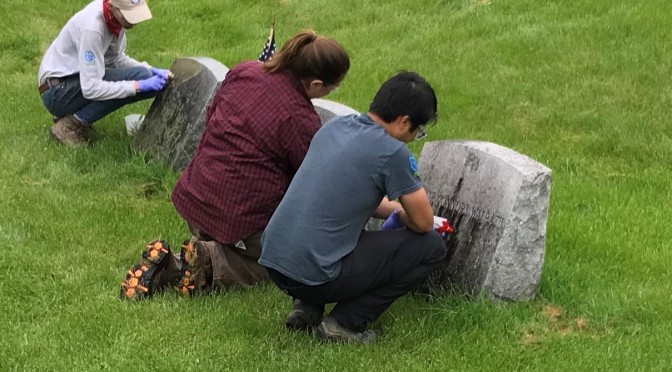
Intact stones can be cleaned and inventoried in place, but fractured stones in need of repair are brought to our historic preservation labs Peebles Island State Park, where conservators perform the needed repairs. That work has been assisted by members of the New York State Excelsior Conservation Corps, who learn how to document, map, clean and reset gravestones.

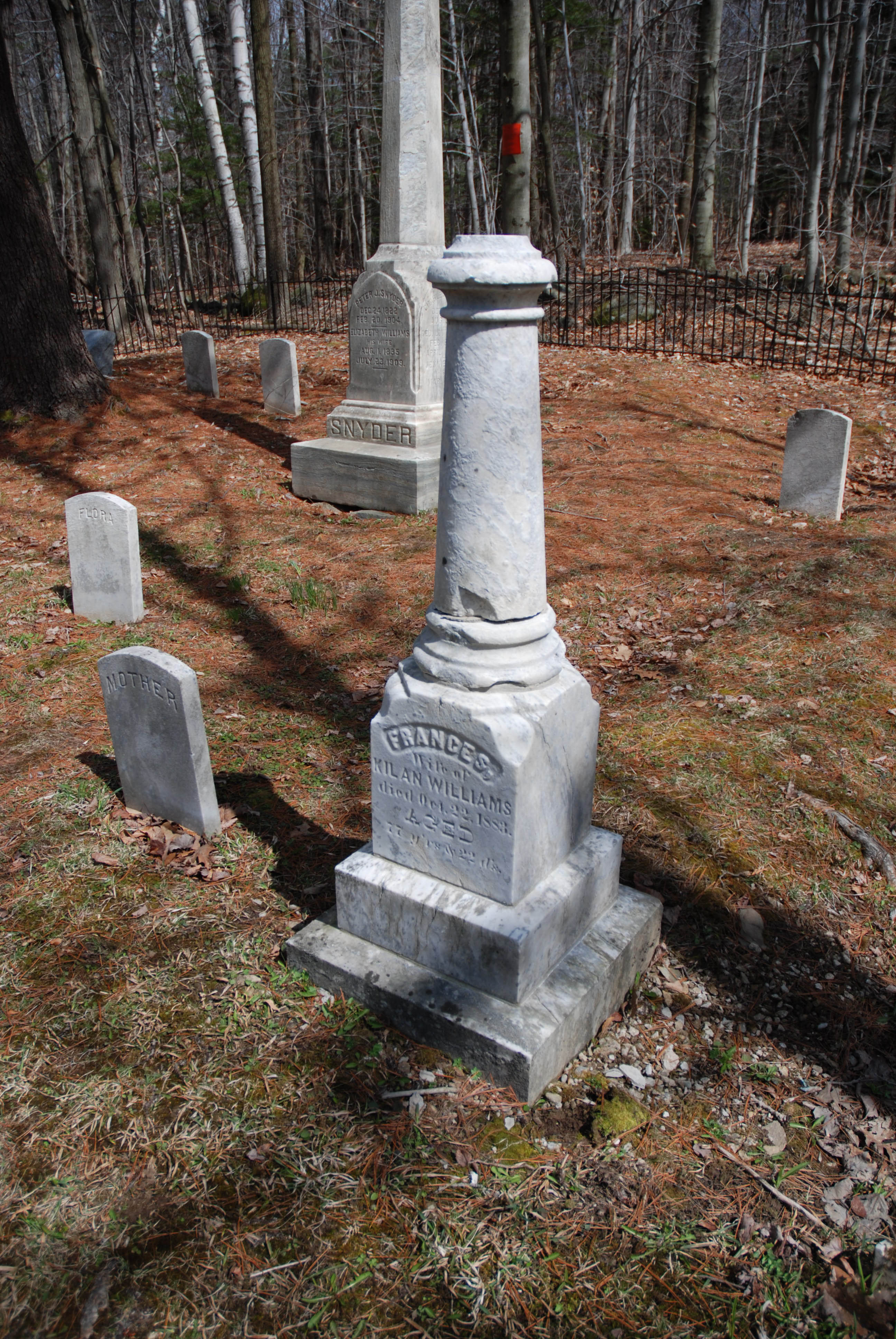
A visit to a historic cemetery can be a time of contemplation in a quiet natural setting. For example, Grafton Lakes State Park in the forests of the Rensselaer Plateau in the Saratoga/Capital Region, has four historic family cemeteries.  The Old Snyder Cemetery is just above the Mill Pond and shadowed by the forest.  The small cemetery, dating to the 19th century is surrounded by a decorative iron fence and features obelisks, and marble and bluestone gravestones.

At the historic preservation labs at Peebles Island State Park, a fractured gravestone from a historic family cemetery within Grafton Lakes State Park is reset.
Gravestones freshly cleaned by State Parks staffers shine at Grafton Lakes State Park.

The gravestones tell the story of life in 18th and 19th century New York. Some stones simply feature a name while others feature beautifully carved weeping willows or crosses.  The Thomas West, Frances West and Hicks cemeteries are smaller and buried deeper in the Park.  The cemeteries are marked by fieldstone walls or split rail fence.  

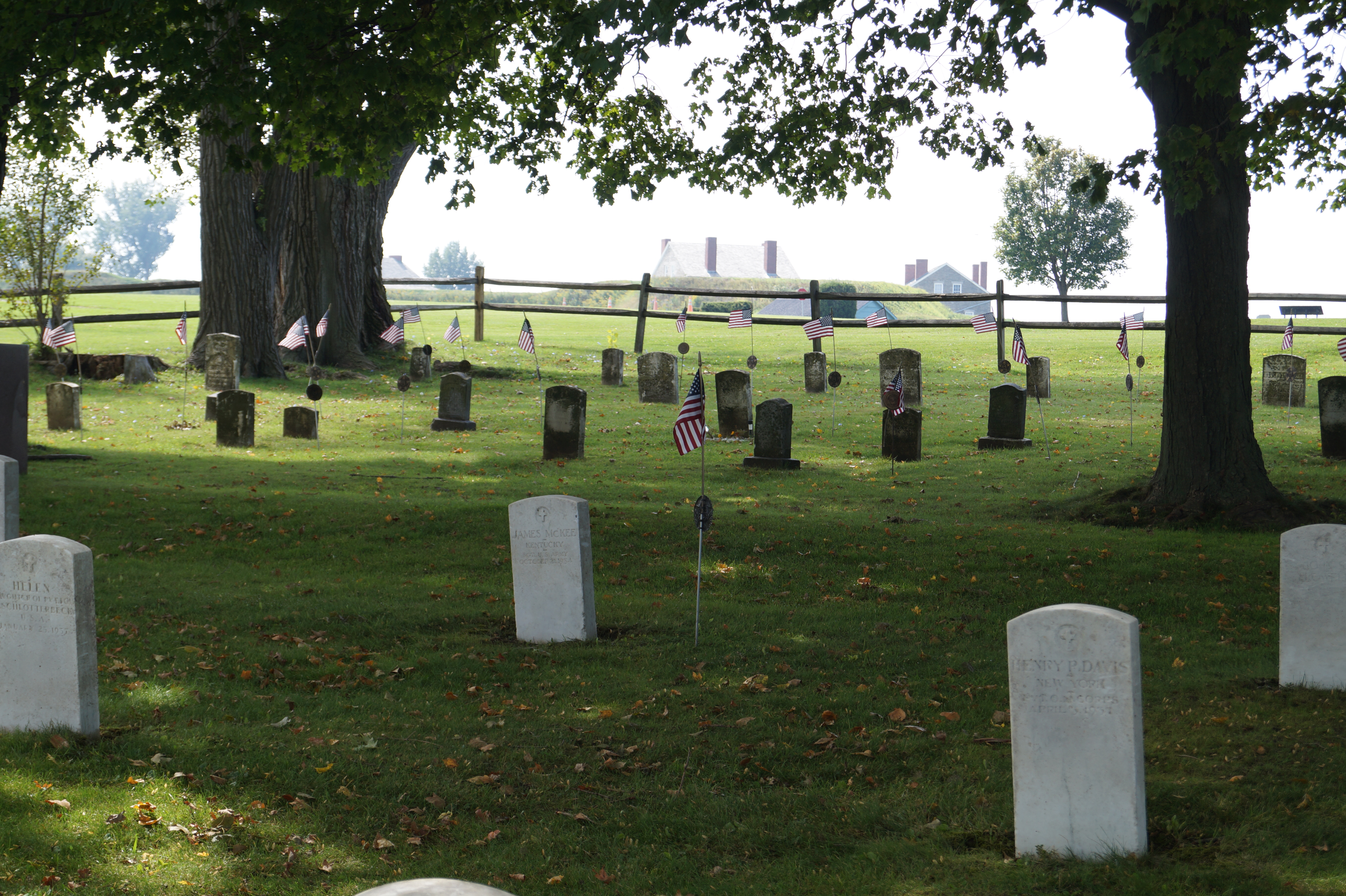
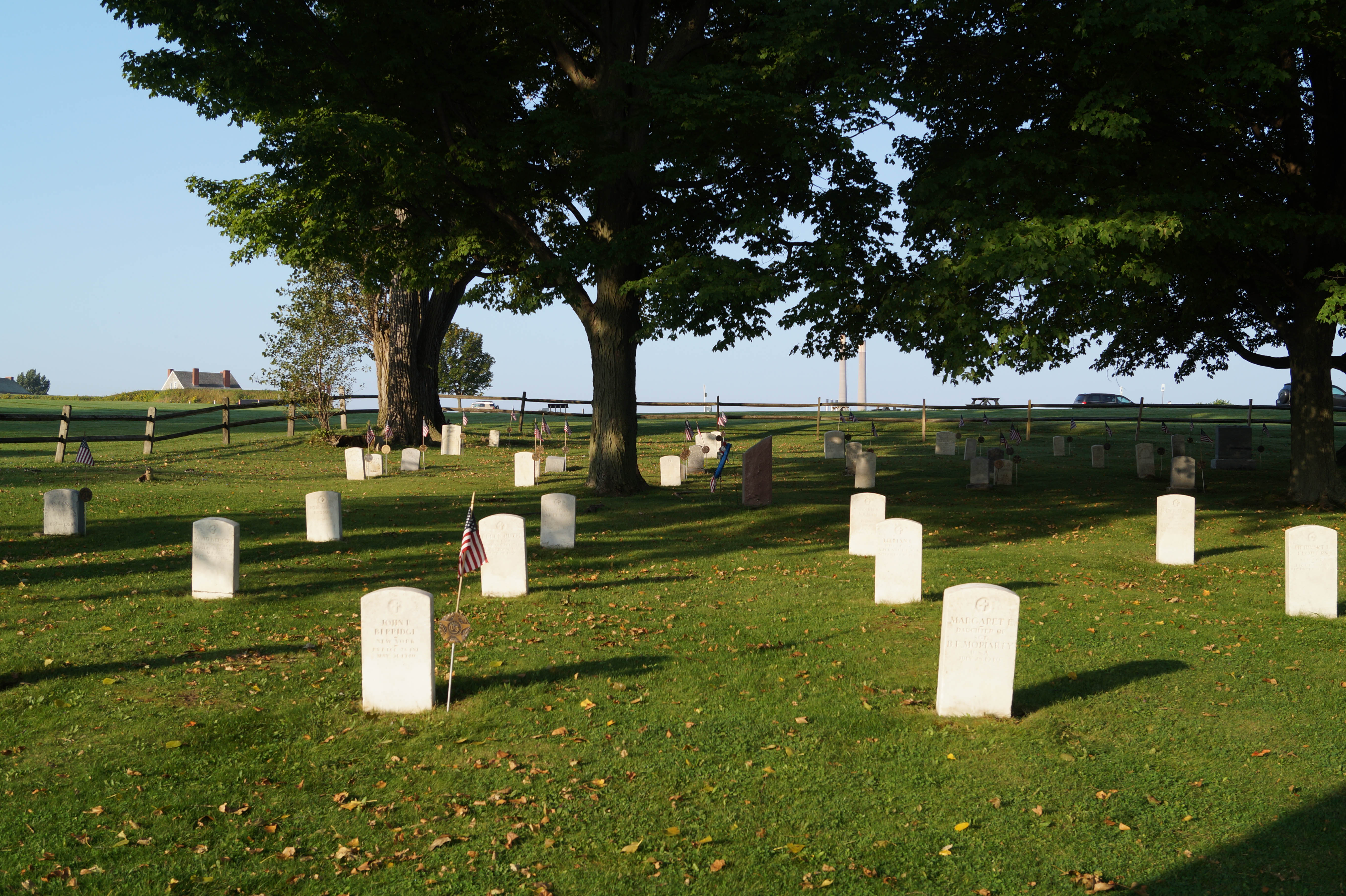
At the other end of the state, the 1812 Cemetery at the Old Fort Niagara State Historic Site, is the resting place of the fort’s soldiers and their families from the War of 1812 through the 1930s. This cemetery is shaded by mature oaks, pines and maple trees and overlooks the Niagara River.  Traditional military tombstones are intermixed with large granite and marble memorials to the Unknown Soldiers who died during the campaigns of Western Expansion, the Revolutionary War and the war of 1812. The Victorian and Gothic gravestones feature finely detailed cannons, urns, flowers, shields and crosses.   

State Parks conservator Heidi Miksch gently cleans the bronze plaque on a tombstone at Old Fort Ontario State Historic Site.
Gravestones at Old Fort Ontario during and after a cleaning session. Use the slider bar to compare pictures.

The Herkimer Home State Historic Site and Fort Ontario State Historic Site in central New York also feature military and local cemeteries. The Herkimer Home cemetery has large memorials flanked by cannons intermixed with delicate 18th-century marble gravestones and 19th-century zinc memorials, and includes the resting place of Revolutionary War General Nicholas Herkimer, who died of wounds after the Battle of Oriskany.

A member of the Excelsior Conservation Corps (ECC) cleans a gravestone at the Herkimer Home State Historic Site.

Back at the historic preservation labs at Peebles Island, an ECC member repairs a broken gravestone from Herkimer Home State Historic Site.
A map of the Herkimer Home cemetery created by Excelsior Conservation Corps members.
In Oswego at Fort Ontario, a small cemetery features 77 marble military tombstones of veterans from the French and Indian War to World War II. Inside the fort are fragile and rare gravestone from the 1700s.

Sonnenberg Gardens & Mansion State Historic Park in Canandaigua has a small pet cemetery under an old oak tree near the 19th century Victorian mansion. The cemetery is surrounded by a low iron fence and features large boulders carved with the names of family pets owned by Frederick and Mary Thompson, the estate’s former owners.  A marble statue of a resting dog guards the small resting place.

Pet cemetery at Sonnenberg Gardens, where a statue of a reclining dog stands watch.

At Katonah’s John Jay Homestead State Historic Site, in the historic house’s Terrace Garden, there is a simple marker in the memory of Old Fred, a horse that served in the Civil War with Colonel William Jay II, with both rider and steed coming home safely at war’s end.

Its inscription reads: “In memory of Old Fred, who carried Colonel Jay through the Battles of Chancellorsville, Gettysburg, Peeble’s Farm & Appomattox, and who died at Bedford in May 1883, aged 28 years.”

The grave and historical marker for Old Fred, the faithful warhorse of Colonel William Jay II. At bottom, Colonel Jay is shown in uniform with his sister, Eleanor Jay Chapman.

So, a quiet October afternoon could be a perfect time to appreciate the hand carved stonework, and imagine the lives marked by the gravestones, which are another aspect our shared history being protected by New York State Parks.


Cover Shot: Members of the Excelsior Conservation Corps cleaning gravestones at the Herkimer Home State Historic Site. (All photos by NYS Parks)
Post by Erin E. Moroney,  architectural conservator, Bureau of Historic Site & Park Services

King of the Road at Rockefeller State Park Preserve

The words John D. Rockefeller and “Do It Yourself” might not naturally come to mind in the same sentence.

But visitors to the Rockefeller State Park Preserve – the former Hudson Valley family estate of petroleum magnate John D. Rockfeller, who was one of the 20th century’s richest men – will see one of this state’s most ambitious DIY projects.

The preserve is part of the 3,000-acre the Rockefeller Pocantico Hills Estate Historic District, recently added to the National Register of Historic Places, which is honeycombed by more than 55 miles of historic “carriage” roads that gracefully showcase its woodlands, vistas and the river valley.

Near the start of the 20th century, many miles of these roads _ and the picturesque views each step of the way _ were envisioned and laid out on foot by “Old John D” as he was known by neighbors at the time. He passed along his passion for road building to his son, John Jr., who completed and enhanced his father’s vision for the extensive network into the 1930s.

As the head of the Standard Oil conglomerate, Rockefeller was fabulously wealthy, and could have hired any engineer he wished to create the road network for the Westchester Country country estate where he, and his brother William, were to each have luxurious mansions.

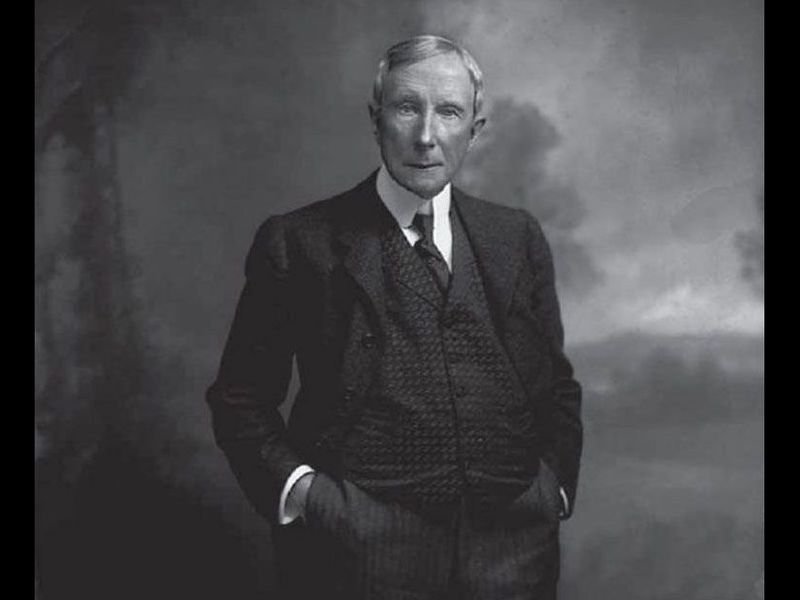
John D. Rockefeller St. (Photo Credit- Oscar White/Wikipedia Commons)

But Rockefeller knew what he wanted his roads look like and where they ought to be, so he did it himself, traipsing around the woods with his surveyor’s tools to get it just right.

And he wanted the roads to be suitable for travel in a horse and carriage, which is how he wished to tour the estate. That meant roads with crushed stone surfaces, gentle grades and good drainage to prevent erosion.

In the nominating form for listing the site on the State and National Historic Register, State Parks researcher William Krattinger located some of Rockefeller’s own words recalling his road work..

“I have spent many delightful hours studying the beautiful views, the trees and the final landscape effects of that very interesting section of the Hudson River … I had the advantage of knowing every foot of the land, all the big old trees were personal friends of mine, and with the views at any given point, I was perfectly familiar.”

“In a few days, I had worked out a plan so devised that the roads caught just the best views at just the angles where in driving up the hill, you came upon impressive outlooks and the ending was the final burst of river, hill, cloud and great sweep in country to crown the whole; and here I fixed my stakes to show where I suggested the roads should run.”

Roberts, Ann Rockefeller (1990) Mr. Rockefeller’s Roads: The Untold Story of Acadia’s Carriage Roads & Their Creator
There are miles of carriage roads at Rockefeller State Park Preserve surveyed and laid out by industrialist John D Rockefeller Sr. at the turn of the 20th century. (Photo Credit- NYS Parks)


A contemporary newspaper account in the Dec. 31, 1904 edition of the Utica Journal also expressed admiration for Rockefeller’s skill as a surveyor and road builder:

“With only an assistant to carry the transit and hold the rod, the old man (Rockefeller was 65 at the time of the article) has trampled all over his vast estate on the Pocantico Hills and has made his own surveys for the huge park which he is laying out there.”

“More than this, he has shown himself to be an expert road builder. When all the roads he has mapped out are completed they will stretch for nearly 40 miles and “Old John D.,” as the whole countryside calls him, has planned every foot of them himself. Landscape gardeners and civil engineers alike agree that, whether from the viewpoint of artistic effect or mere utility, the work could not have been better done.”

The roads themselves, of course, were built by hired workers following the Rockefeller’s routes.

A carriage road passes along a meadow. (Photo Credit – NYS Parks)

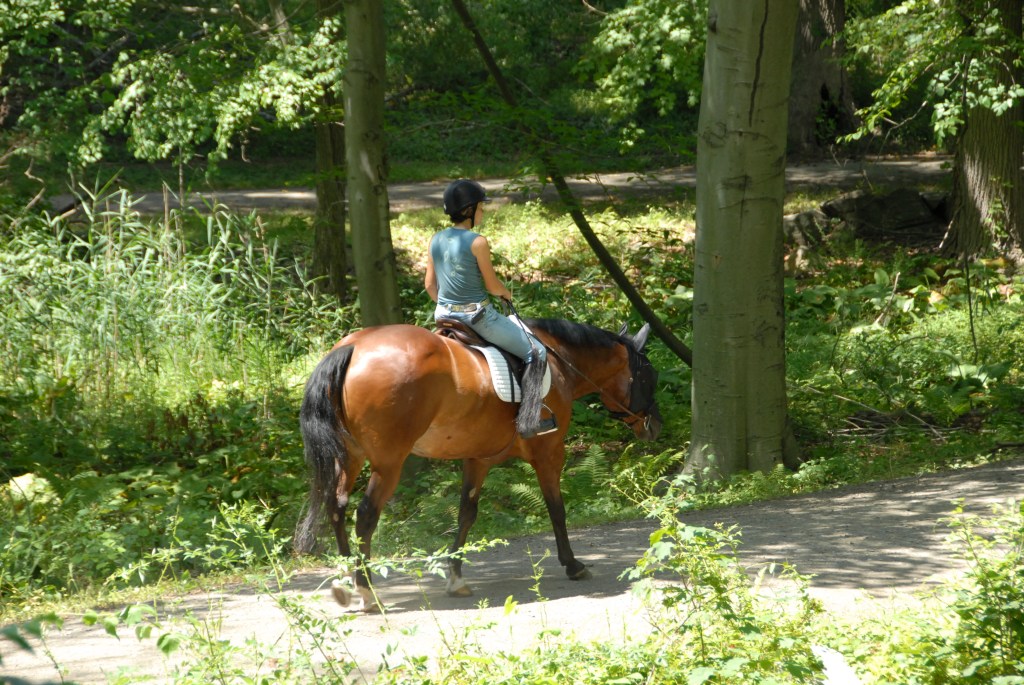
The carriage roads are a favorite of equestrians. (Photo Credit – NYS Parks)

Rockefeller’s vision for his estate was also different from that of many opulent estates of his day, in that he did not want an elaborately designed, geometrically landscaped estate of exotic or imported plants.

Rather, Rockefeller wanted to showcase the natural beauty of the land, sky and river valley.

As described by Bill Krattinger: “The outer estate landscape of the Pocantico Hills estate was not designed, in the formal sense, but was instead “culled back” to reveal or otherwise highlight what were deemed to be the most desirable existing features and views … it might more properly be defined as a refined or culled landscape, in that its creation was not so much a process of introducing new plant and tree material and adding or modifying topographic features, but instead one of honing the existing landscape’s natural features to bring to the forefront those characteristics which were deemed to be the most desirable and beautiful.”
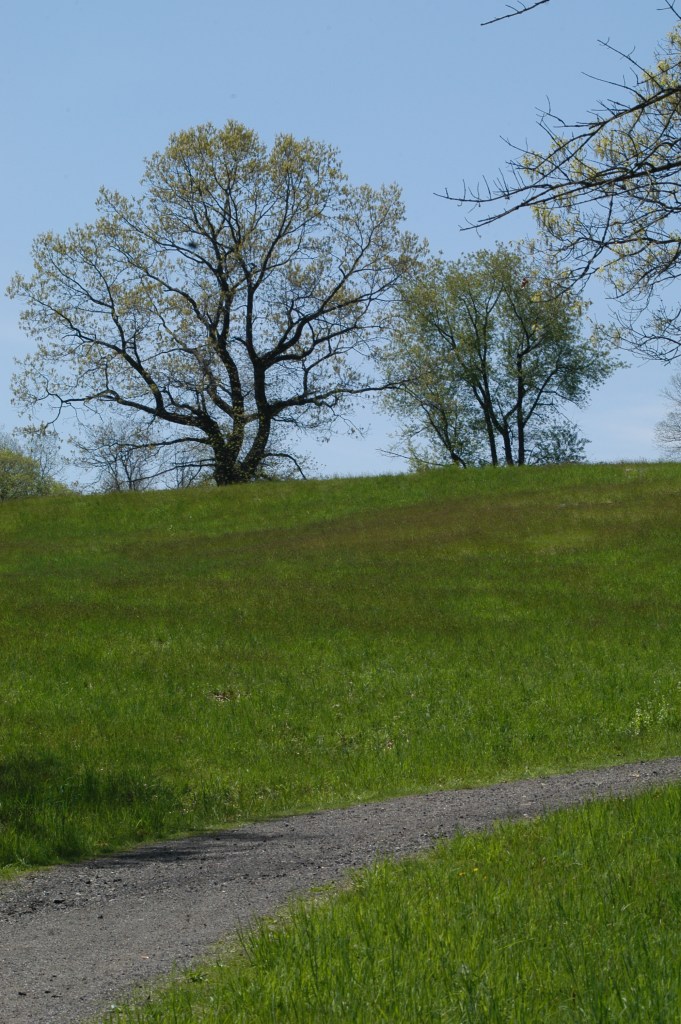
Rockefeller’s work was picked up and continued by his son, John Jr., whose instincts for landscape design and road building were as sharp as his father’s, so much that John Jr. was bestowed with an honorary membership in the American Society of Landscape Architects in the late 1930s.

Long popular for walking, riding, jogging, and carriage driving, the trails lead through varied landscapes and past natural and historical features, such as Swan Lake, the Pocantico River with its wood and stone bridges, gurgling streams, colonial stone walls and rock outcroppings.

The Park Preserve occupies about 1,700 acres in this district, with the rest privately held.

So, come experience the beautiful carriage roads here at Rockefeller State Park Preserve as the fall leaves turn color, and as you take in the views, imagine one of the country’s richest men, happily tramping through his woods and envisioning what you now enjoy today.

For a trail map, click HERE.


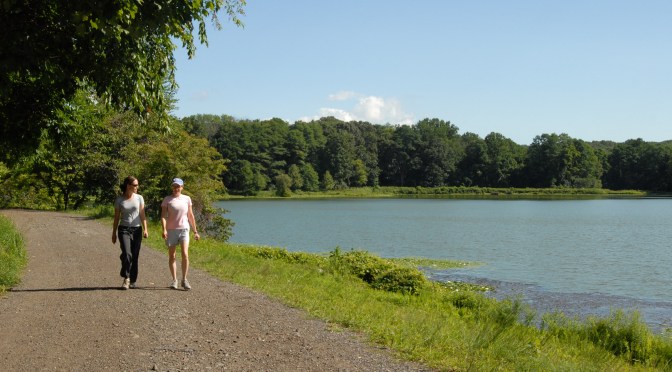
Cover Shot- Walking the carriage trails at Rockefeller State Park Preserve (Photo Credit – NYS Parks)

Post by Brian Nearing, Deputy Public Information Officer, NYS Parks