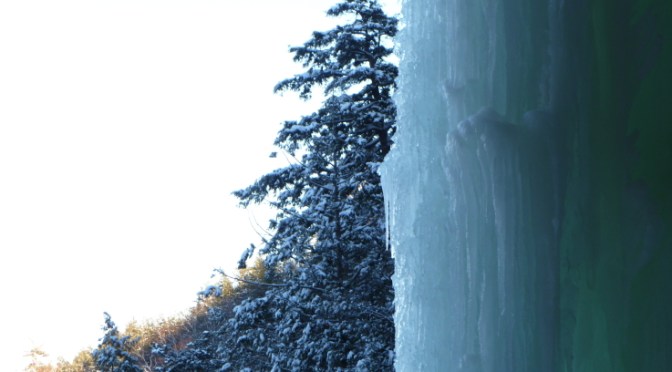
In winter, New York’s gorges and waterfalls turn into frozen ice sculptures that are no less beautiful than their summertime counterparts. These pictures of frozen waterfalls at Thacher State Park are iconic of New York’s natural beauty at any time of the year. Don’t let the cold and snow keep you cooped up inside all winter long. Thacher, and many of our other state parks in New York, offers wonderful opportunities for outdoor recreation, including hiking and snowshoeing.
Besides cleaning up our parks, invasive species removal teams sometimes get the opportunity to enjoy the truly lovely flora of New York State Parks. The following pictures are from Invasive Species Awareness Week, where a team cleared out wild parsnip from bird habitat in Thacher State Park.
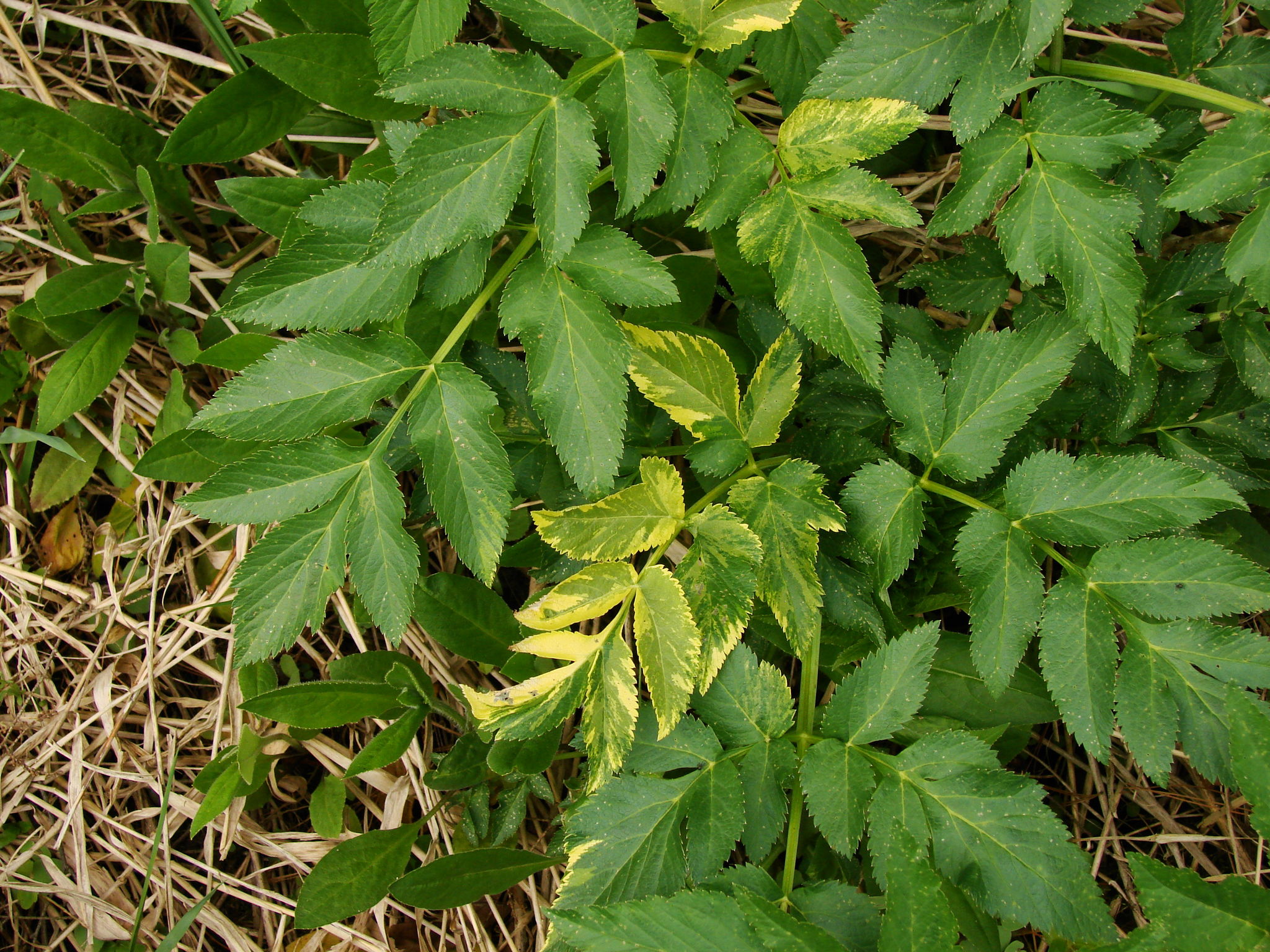
Wild parsnip – beware! by Steve Young, NYNHP
Wild parnsip (Pastinaca sativa) is a member of the carrot family, but unlike their tasty orange relatives Wild parsnips can bite back! Wild parsnip contains chemicals called furanocoumarins, which, when exposed to sunlight on skin, can cause phytophotodermatitis, a toxic skin reaction. The chemicals prevent the skin from protecting itself from ultraviolet rays, resulting in the worst sunburn of your life.
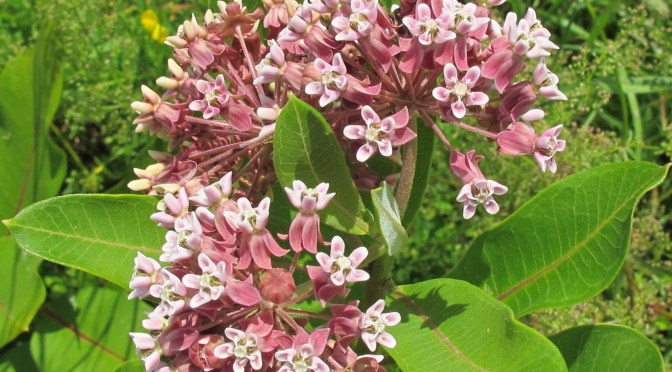
A far-off bobolink thrives in the grassland, by Melissa PlemonsLovely milkweed blossoms, by Melissa Plemons
The removal of wild parsnip from the field benefits grassland birds, like the bobolink, and also promotes the growth of native plants like milkweed. Milkweed plants (Asclepias spp.) have been used culturally as food, fiber, and medicine. In addition to being the only plant that monarch caterpillars can live and feed on, milkweed species are attractive to many other insects, including the large milkweed bug, common milkweed bug, red milkweed beetle, blue milkweed beetle, and all sorts of bees. Certain predators, like yellow jackets and crab spider, make a point of targeting flies and bees that visit the flowers. Native birds enjoy snacking on these insects, too!
The featured image is of milkweed blossoms at Thacher State Park, by Melissa Plemons. Post by Paris Harper.




 New York State Parks and Historic Sites Blog