

Looking for a simple, affordable way to get outside, move your body, and clear your mind? Hiking might be just what you need—and there’s no better place to begin than New York State’s vast network of parks and trails. With options that suit every skill level, from casual woodland strolls to more adventurous treks, hiking in New York can be both accessible and deeply rewarding.

Why Hiking?
Hiking is more than just walking in the woods. It can be a form of moving meditation, a way to reconnect with nature, and an excellent way to take a break from screens and stress. Studies consistently show that time spent outdoors improves mood, reduces anxiety, and boosts mental clarity. Even short excursions into natural spaces can offer a noticeable lift in spirits and energy levels.
And unlike many hobbies, hiking is incredibly affordable. All you need are comfortable shoes, a water bottle, and a small daypack.
Tips for a Successful First Hike
Start small: Choose a hike that’s within your limits. Start under 3 miles with minimal elevation gain. Remember to listen to your body. The journey is as enjoyable as the destination, so take pleasure in the process—you’ll improve over time!
Check the weather and dress in layers. Even in warmer months, trails can get cool or breezy. Wear a small pack to carry the extra layers as you discard them, as well as items like sunscreen and bug spray.
Bring water and snacks to stay hydrated and energized. Check the map ahead of time to see if refilling your water bottle along the route is an option, so you are sure to bring enough. Respect nature by practicing leave no trace principles: pack out everything you bring in.
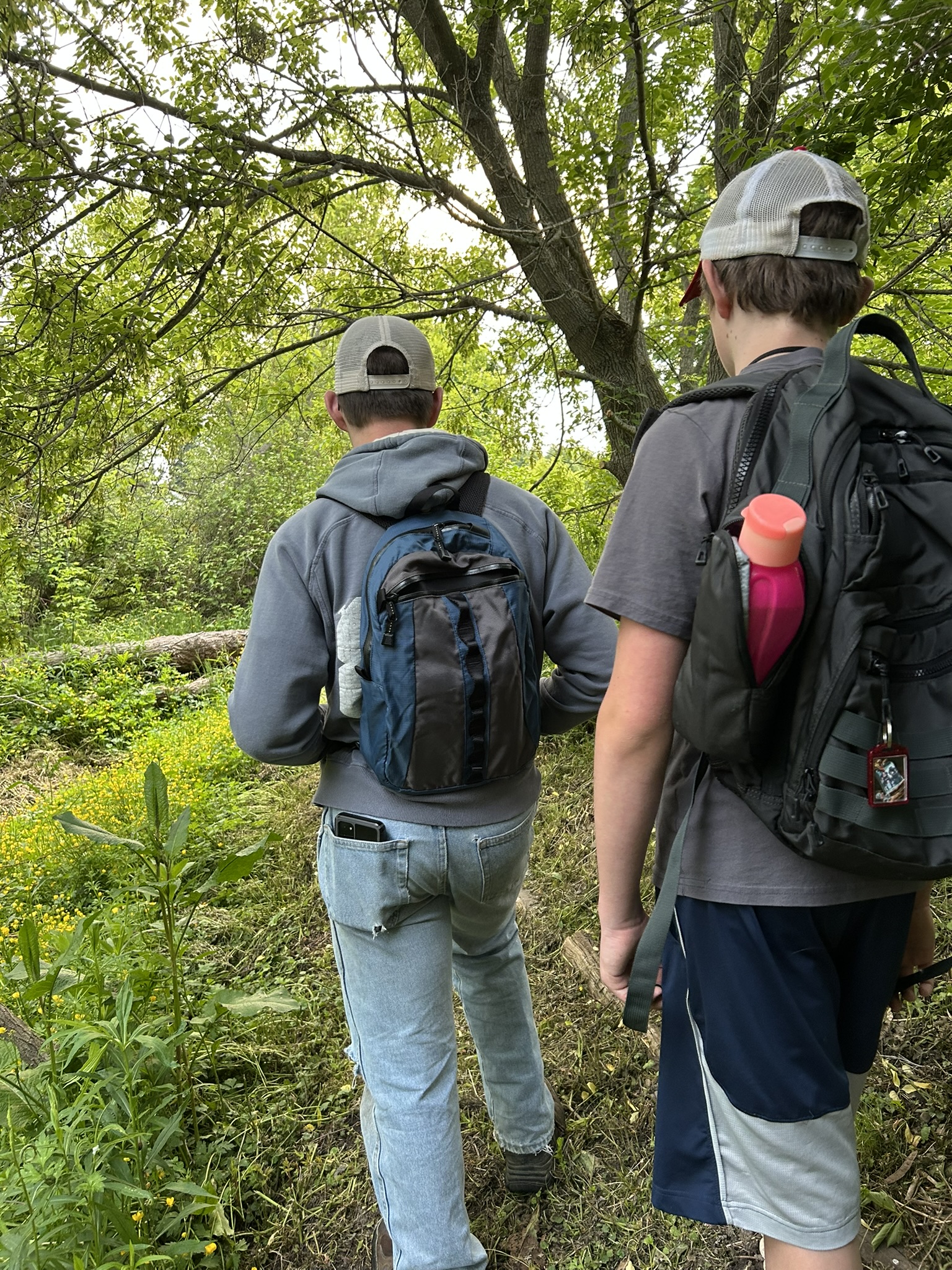
Wear good footwear: Sneakers or athletic sandals work for most basic trails, but trail shoes or boots are better for rough terrain. To prevent injury, ensure you have well-fitted footwear with good arch and ankle support.
Bring only what you will need: your pack will feel heavier the longer you walk. You should aim to carry no more than 10 pounds. In addition to your water, weather protection, and food, it’s a good idea to have a flashlight, a small first aid kit and a signaling whistle in case of emergencies. Beyond these six essentials, decide if the weight is worth the wear. Some small items that you may want to add include: camera, binoculars, portable phone charger or a journal.
Getting Started: Where to Hike in New York State
Wherever you are in New York, there’s likely a scenic trailhead not far from where you live, work or vacation. A few beginner-friendly favorites include:
Green Lakes State Park (Central): Green Lake Trail- with the optional extension around Round Lake, will take you around an incredible glacial lake (or two) that is meromictic. Not sure what that means? Stop at one of the trailside interpretive signs that explains the unusual hydrology that makes Green Lakes, well, green!
Letchworth State Park (Western NY): Nicknamed the “Grand Canyon of the East,” and recently named the #1 state park by popular vote, Letchworth has 66 miles of interconnected trail system with lots of parking areas along the way to create shorter hike options.

Whirlpool State Park (Western NY): Niagara Gorge Trail System – Whirlpool is situated near the center of the approximately 7 mile long Niagara Gorge, but the trail system connects south to and beyond the Horseshoe Falls at Niagara Falls State Park, as well as north through Devil’s Hole State Park and Artpark State Park. Trail options range from wide paved winding paths through fields of wildflowers to rugged, challenging trails down into the gorge.
Taughannock Falls State Park (Finger Lakes): Gorge Trail – Relatively flat trail that leads to the base of the tallest single-drop waterfall east of the Rockies.
Thacher State Park (Capitol Region): The Indian Ladder Trail (0.40 miles long) is a hike through geological history. You get an up close look at the 1,200 foot high limestone escarpment as you climb metal staircases to start (and end) your hike along the bottom of the Helberberg Escarpment. Along the hike, you can see waterfalls (if it’s not too dry), marine fossils, small caves, and stand near the crowns of mature trees growing below the escarpment. Best of all are the views of surrounding valleys, the urban landscape, and the Adirondack Mountains of New York and the Green Mountains of Vermont. This short but impressive trail will build your confidence and make you fall in love with hiking!
Allegany State Park (Southern Tier): An array of wide trails through dense forest, great for quiet strolls. Many lead to or through historical, ecological or geological points of interest.
Rockefeller State Park Preserve (Hudson Valley): With 55 miles of crushed stone carriage roads traversing the former country estates of oil tycoons John D. Rockefeller and William Rockefeller, the preserve offers a wide variety of hikes, with the carriage trails providing a consistent, predictable surface. The preserve is home to more than 180 different species of birds and 120 different species of native bees.
Sterling Forest State Park (Hudson Valley): The Lakeville Ironworks Trail Loop is an easy loop about a mile long with views of Sterling Furnace, the Lake Mine, and other iron mining remnants. This trail is among more than 30 trails, including the Appalachian Trail, within this 21,935-acre park.
Black River Trail (Thousand Islands/North Country): A 4.5-mile, fully accessible paved multi-use trail in Watertown. A converted railroad bed, the trail winds through a mix of forests, agricultural lands, and quiet neighborhoods. Along it are bridges that remind you of the trail’s past as part of the New York Central Railroad.
Caumsett State Historic Park Preserve (Long Island): This large park has many trails for pedestrians, equestrians and cyclists. The most popular is the 2.4 mile paved loop trail, which is bicycle and stroller-friendly. The trail passes the Marshall Field III estate, which offers a beautiful vista of the Fresh Pond, the Long Island Sound, and Connecticut.
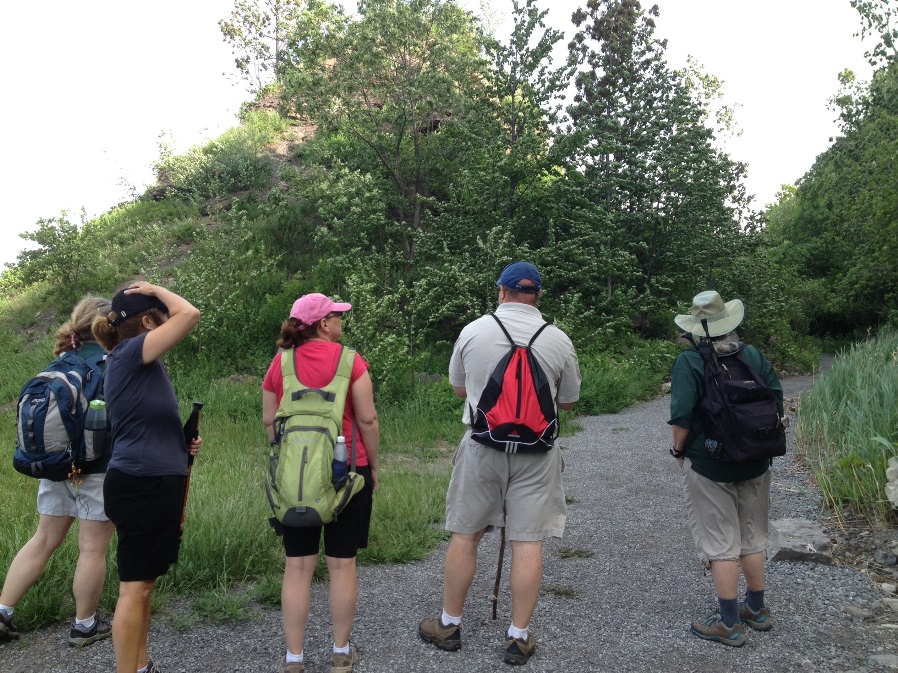
Still not sure where to go? Get suggestions from a trusted friend, or better yet, invite them along. You can also join one of the many guided hikes offered across New York within our State Parks, which can be found on the events page of the New York State Parks website. For beginners, hiking with others is a great way to gain confidence. It provides support, and you’ll have someone to answer questions along the way. You can also find trail and park updates, closures, and descriptions on the New York State Parks Explorer App or on the New York State Parks website.
Make It Mindful: Hiking for Mental Health
Feeling stressed? Hiking naturally lends itself to embracing mindfulness. The benefits of a mindful walk will extend far beyond your time out on the trail.
Focus on your breath. As you begin to walk, sync your steps with your inhales and exhales at a pace that feels manageable to breathe. Pay attention to the sensations of the body. How do your feet feel inside your shoes? How do your muscles shift as your balance changes through movement? How do your arms move at your sides?
Unplug and leave your headphones behind. Instead, listen to the natural symphony around you. Pause often to observe your surroundings closely: the rustle of leaves, the texture of bark, or the look and feel of sunlight filtering through the tree canopy.
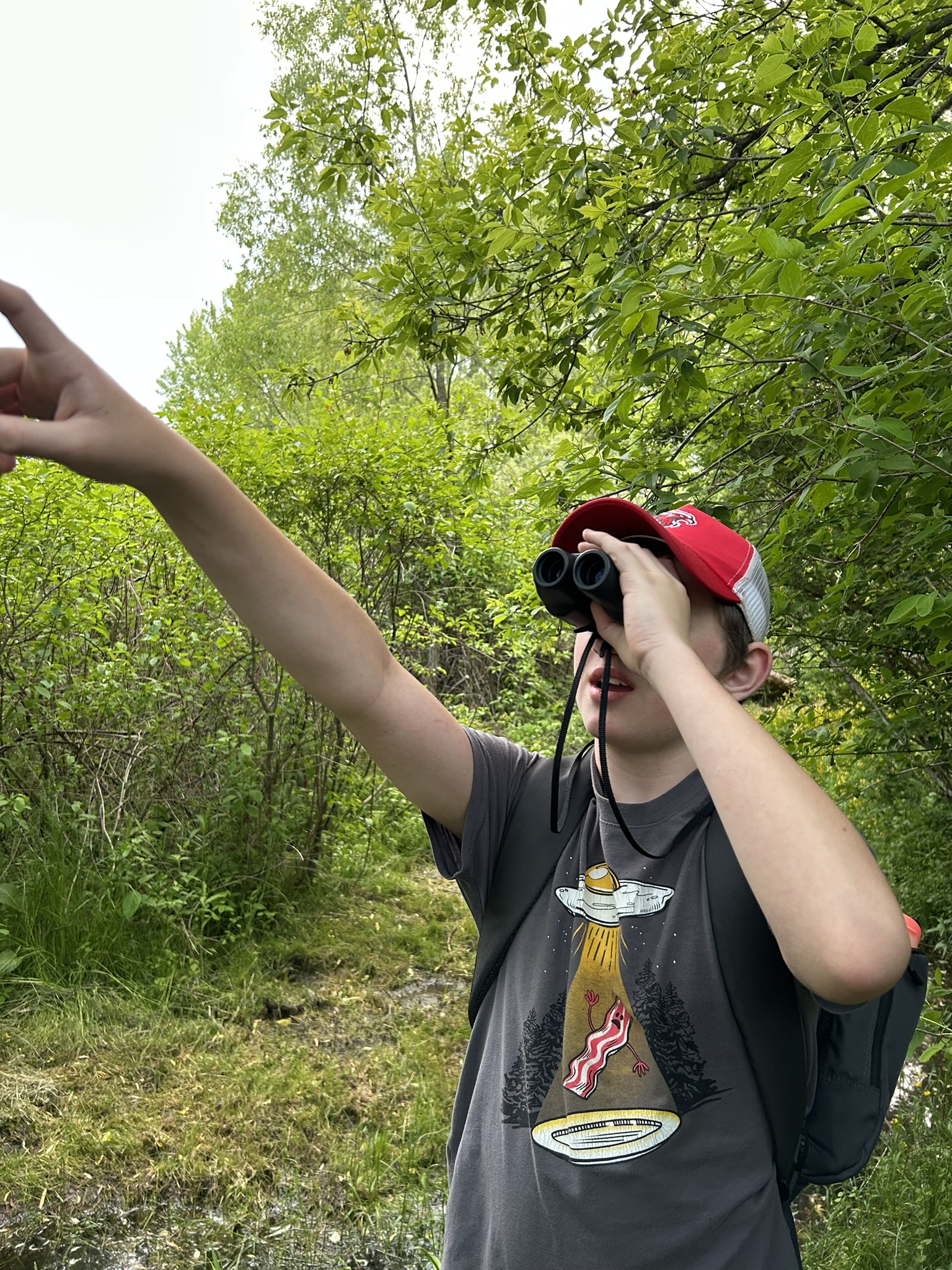
Learning to be present and appreciate each moment in time while on the trail, without judgement or goal, is a transformative experience. Each step connects you with yourself and with the world around you. As you move from simply observing the world to truly experiencing it, you’ll discover the beauty in every twist and turn in the path. This mindset leads to a deeper appreciation for the trail you are on, both in the park and in life.
Even children can hike mindfully. If you have little ones, try going on a “color walk.” Pick a color before you start and look for as many examples of it as you can on the trail! If they are still learning their colors, grab a paint swatch from the local hardware store.
If you’re taking on the 2025 Wellness Challenge, there are many missions you can complete while hiking!
Enhance Your Hike with Nature Apps
If you want to turn your walk into a more interactive and educational experience, try these free apps:
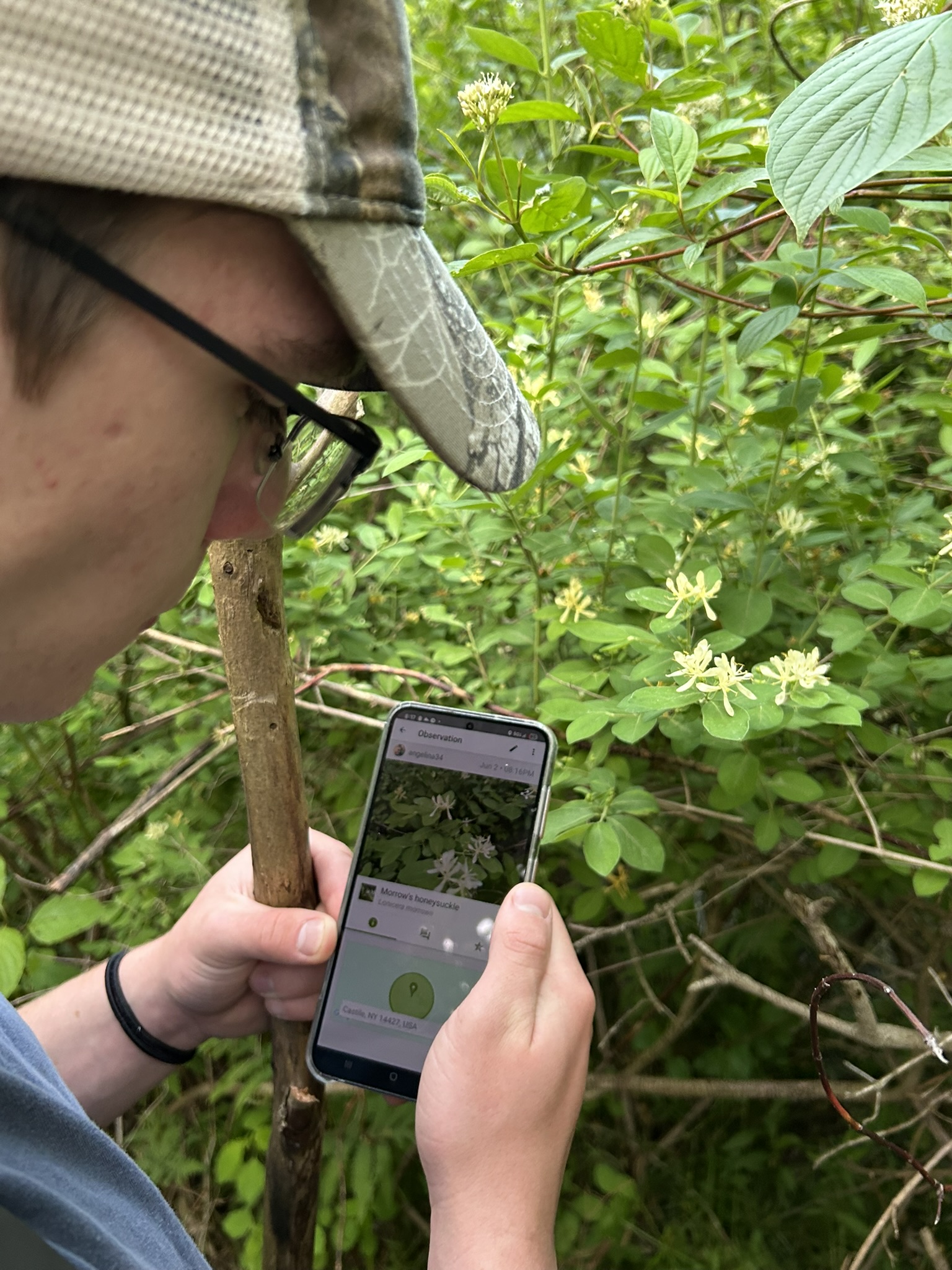
Merlin Bird ID (Cornell Lab of Ornithology): Identify birds by sound or sight.
iNaturalist: Snap photos of plants, insects, and fungi, or animals to identify them, learn more, and contribute to community science. Also, use the “Missions” tab to see what others have spotted nearby.
Star Walk 2: Explore celestial objects in real time with augmented reality while on an evening stroll. Identify planets, stars, satellites and constellations.
These apps add purpose and wonder to your hike, especially if you’re introducing children to the outdoors. You can also create your own scavenger hunt or trail bingo with items like pinecones, different shaped leaves, or animal tracks.
Final Thoughts
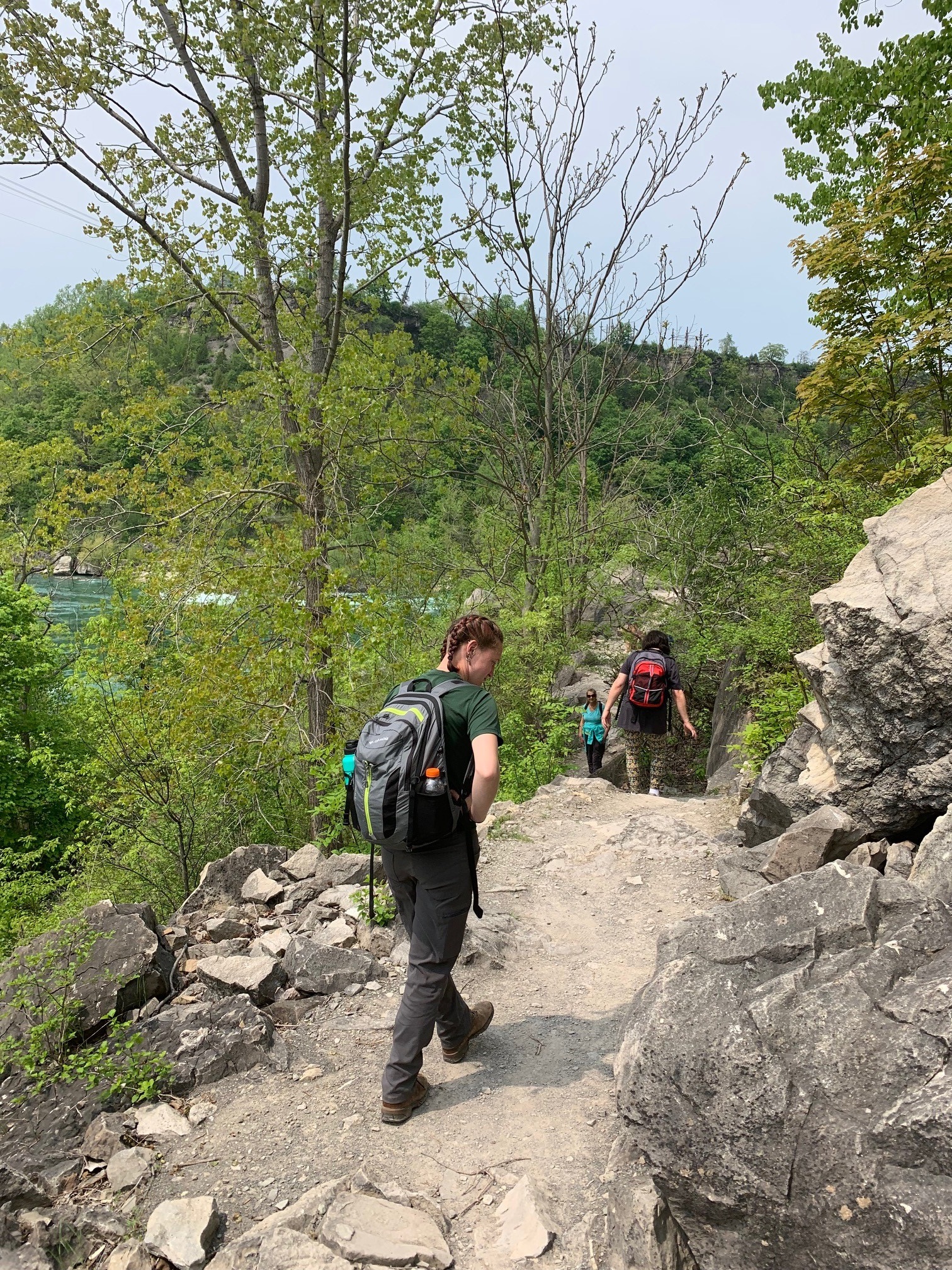
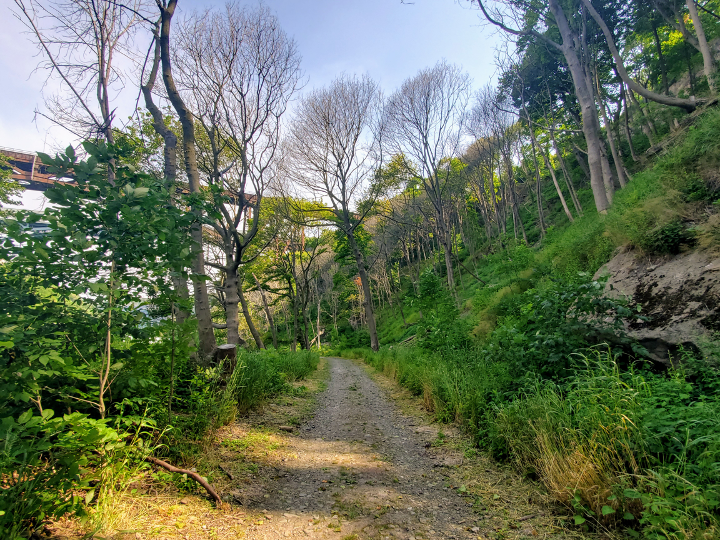
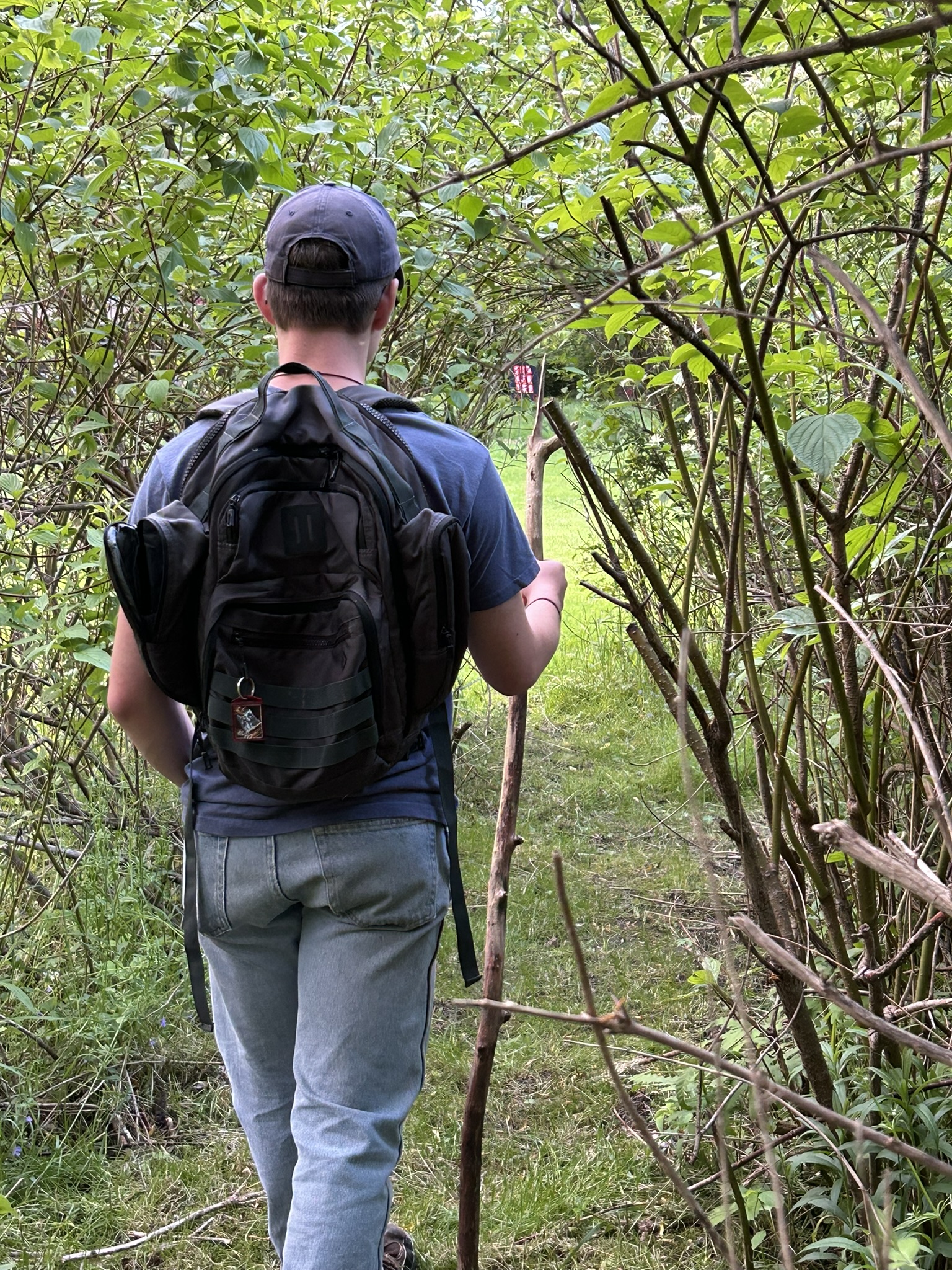
Hiking in New York State Parks is one of the most cost-effective ways to improve your mental and physical health, explore natural beauty, and spend meaningful time alone or with loved ones. Whether you’re seeking solitude, adventure, or just a moment to breathe, the trail is always waiting.
So lace up your shoes, download a trail map, and start your journey. Your mind—and your mood—will thank you.
— Written by Angelina Weibel, Niagara Region Environmental Educator. Photos by Niagara Region Environmental Education staff.
 New York State Parks and Historic Sites Blog