
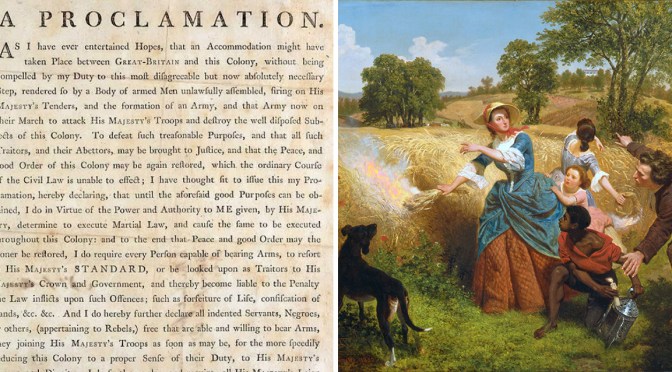
For eight years (1775-1783), the battles of the Revolutionary War crisscrossed New York. From the Canadian border to the shores of the Atlantic Ocean, enslaved and free Blacks managed the shifting tides of the rebel’s fight against the British with mixed results. All of the changes did not come at one time, but eight years is wearing. Ultimately, Blacks living in the state paid a heavy toll.
Continue reading Eight Years of Chaos and Little Change: Black Experiences During the Revolutionary War in New YorkCategory Archives: history
Revisit the American Revolution in New York State
New York State is commemorating the 250th anniversary of the American Revolutionary War this year. With more than 40 state historic sites and parks that have relevance to the eight-year-long conflict, the New York State Office of Parks, Recreation and Historic Preservation is gearing up to welcome visitors from around the country well beyond 2026! Whether you’re a history buff or just getting familiar with this period of the nation’s history, we invite you to join us in exploring the people, places and pivotal moments that connect New York to the American Revolution.
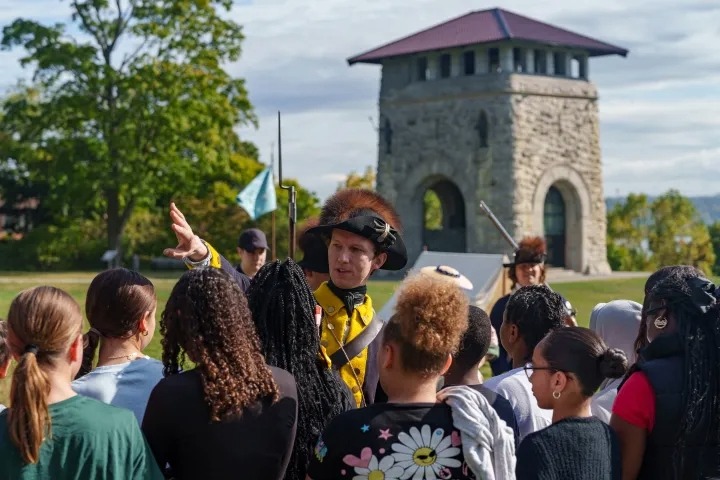

Pets From the Past at New York State Historic Sites
Companionship with animals ties humans together throughout time. Many of the people who lived and worked at our historic sites had pets who brought them friendship and joy. In our historic collections, we have paintings and photographs of these beloved pets. How do you capture your furry or feathered friends?
Jolly Pets at John Jay Homestead
This portrait of Eleanor Kingsland Field with her pet Italian greyhound was painted in Rome when she was around fourteen years old. Eleanor’s family traveled to Italy frequently during her childhood and this portrait was commissioned during one of her trips. There is a long art history tradition of subjects being painted with their animals. In adulthood, Eleanor married John Jay II, grandson of the famous first Supreme Court Justice, and lived in the family home in Katonah that is now John Jay Homestead State Historic Site.

Olana’s Animal Companions
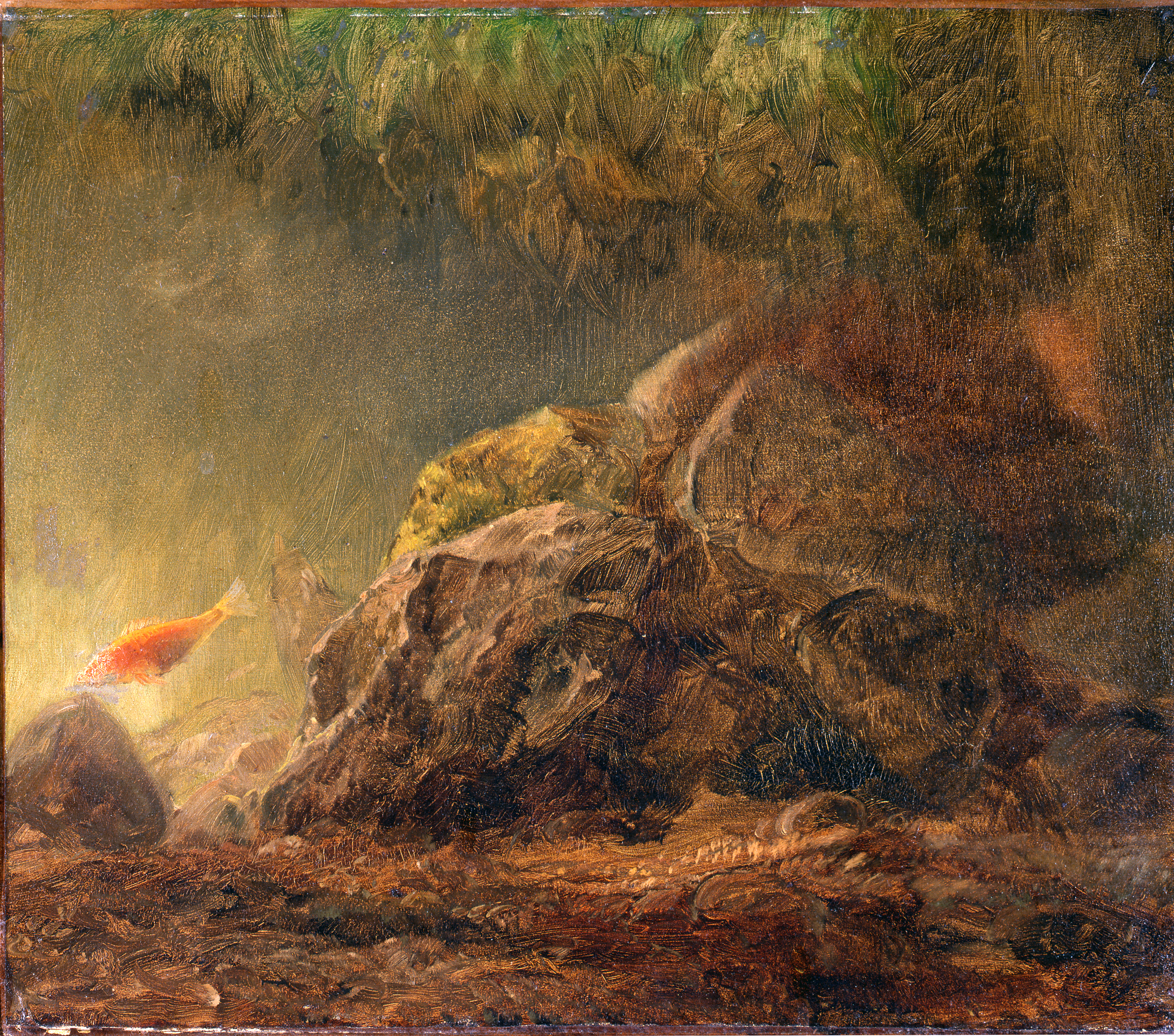
Frederic E. Church and his family lived at Olana State Historic Site outside of Hudson. They had many pets at the family estate, including dogs, a donkey and likely some goldfish. Two large goldfish bowls have survived in the site’s collection. Though this painting is of a goldfish pond, it is believed that Church painted one of the family goldfish from the bowl and created the natural environment around the fish. The painting now hangs in the corridor at Olana’s main house leading to Church’s studio. The family was also pictured with many of their dogs, both inside and outside the house.
Lorenzo’s Furry Friends
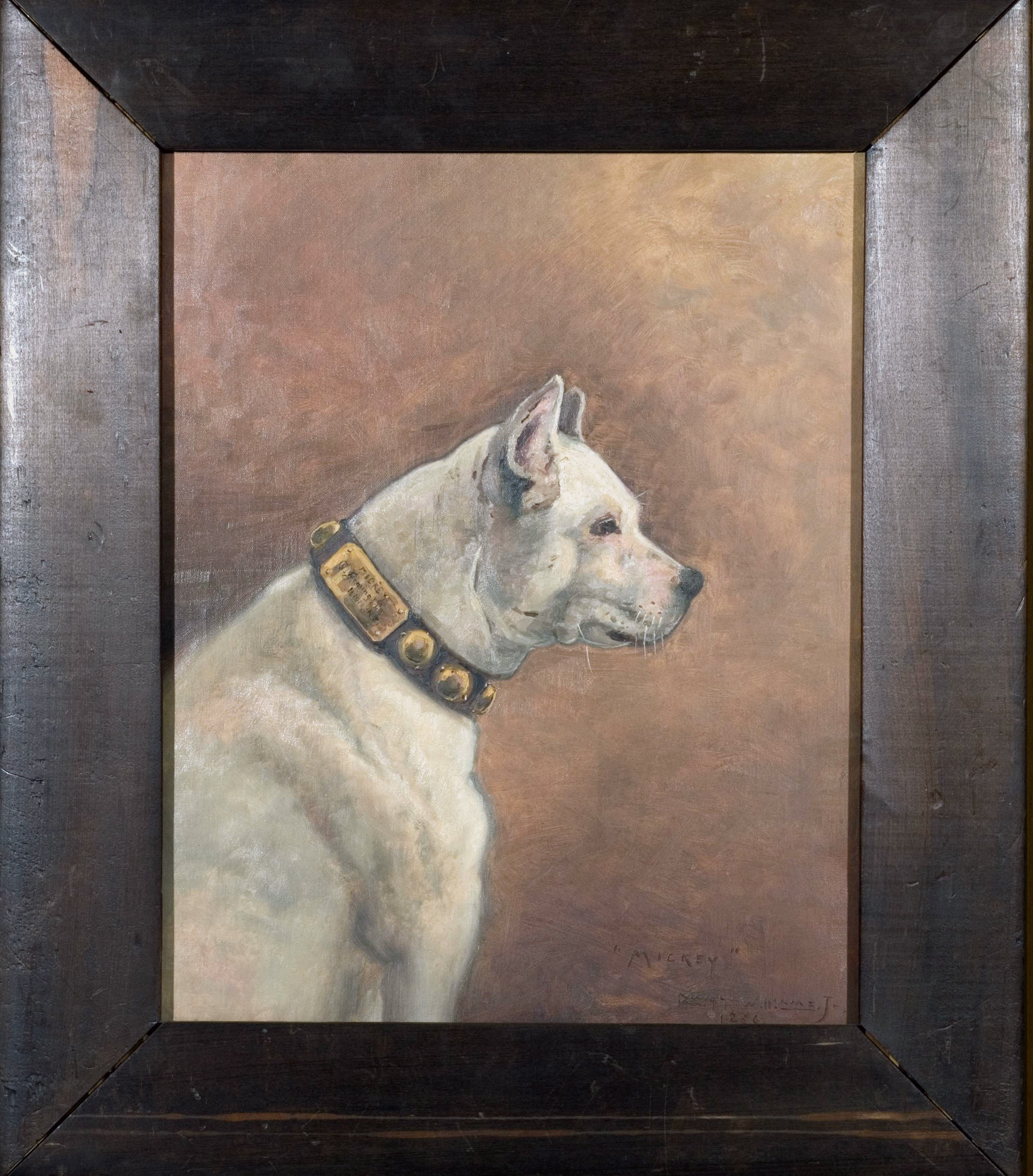
The collection at Lorenzo State Historic Site in Cazenovia also has mementos of cherished pets. Mickey was the dog of Carver Remington, the brother of Eliphelet Remington, one of the owners of Lorenzo in the 20th century. There is a lovely formal portrait of Mickey in profile, painted by central New York artist Dwight Williams.
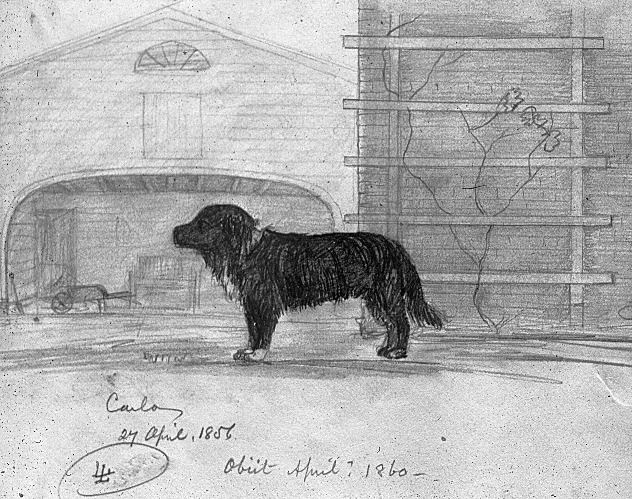
There are also informal renderings of family pets, like this drawing of Carlo. He was the pet of Ledyard Lincklaen, owner of Lorenzo from 1847 until his death in 1864. Carlo is a Newfoundland and shepherd mix. This rendering was done on April 27, 1856. We know Carlo’s breed because he was lost and Lincklaen placed an ad in the Cazenovia Republican offering “a suitable reward paid for his recover.” Thankfully, Carlo was recovered since the drawing adds “Obit April ? 1860,” marking the date of Carlo’s death.
Clermont’s Cherished Childhood Pets
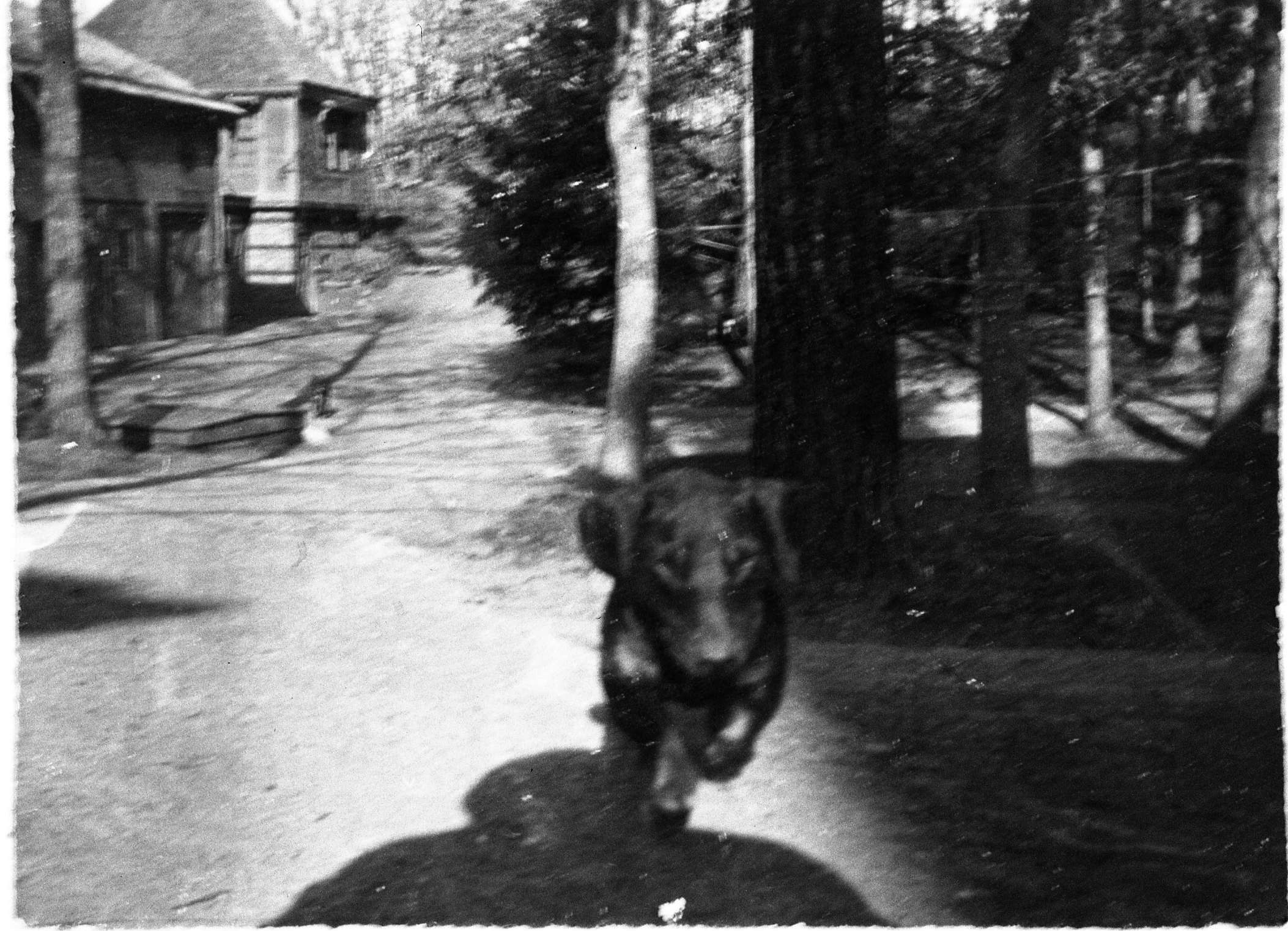
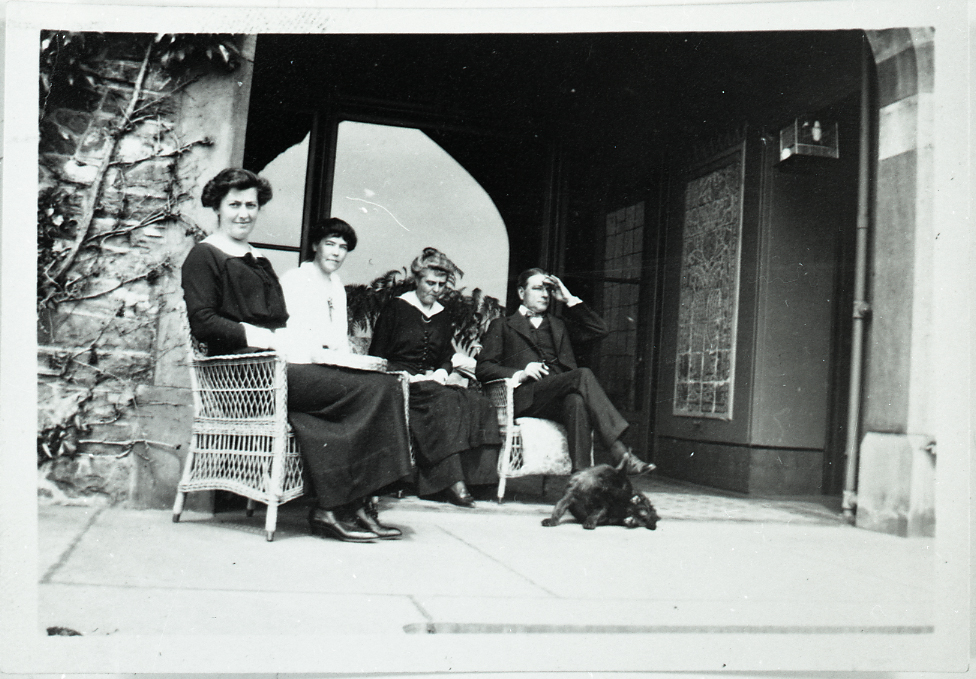
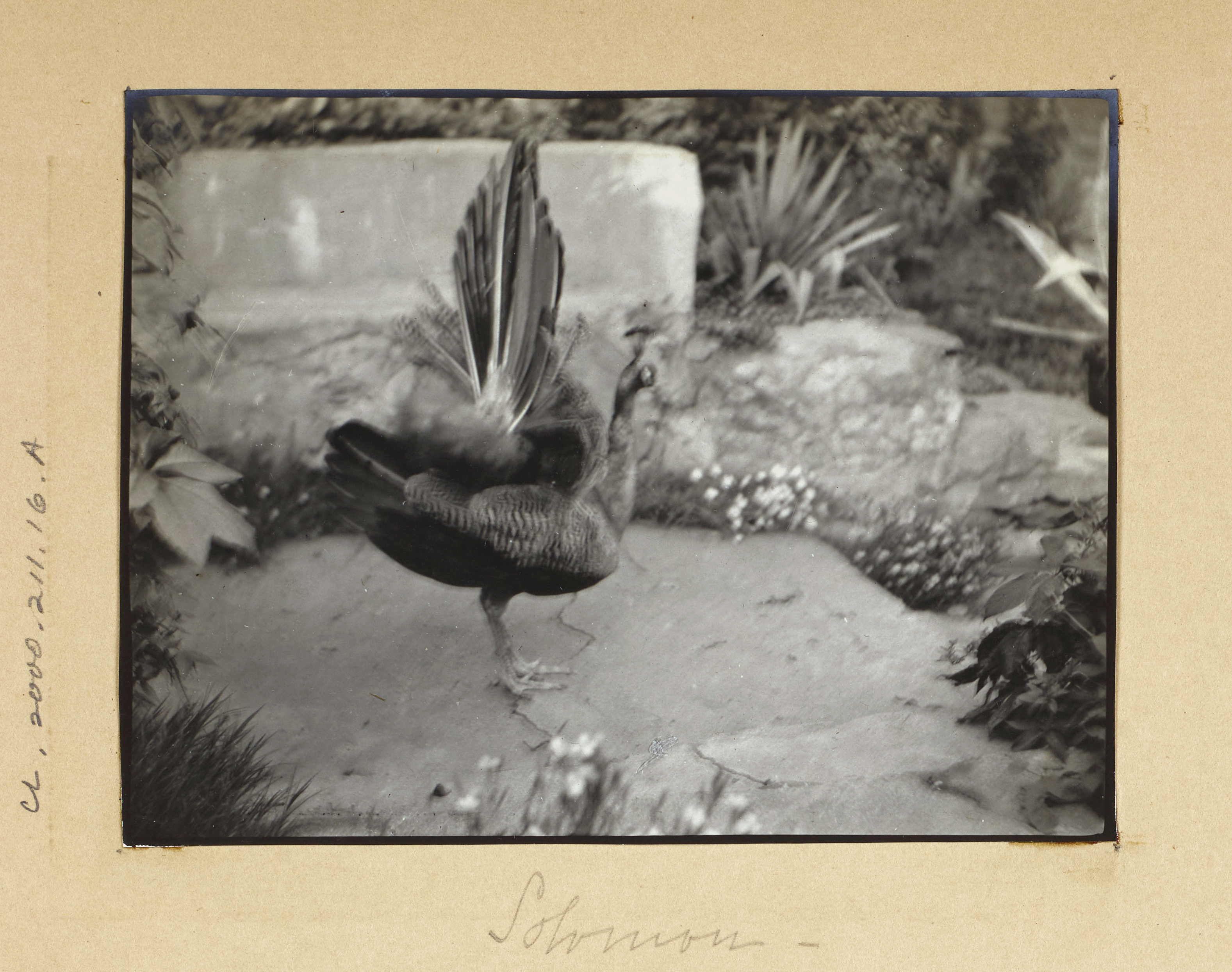
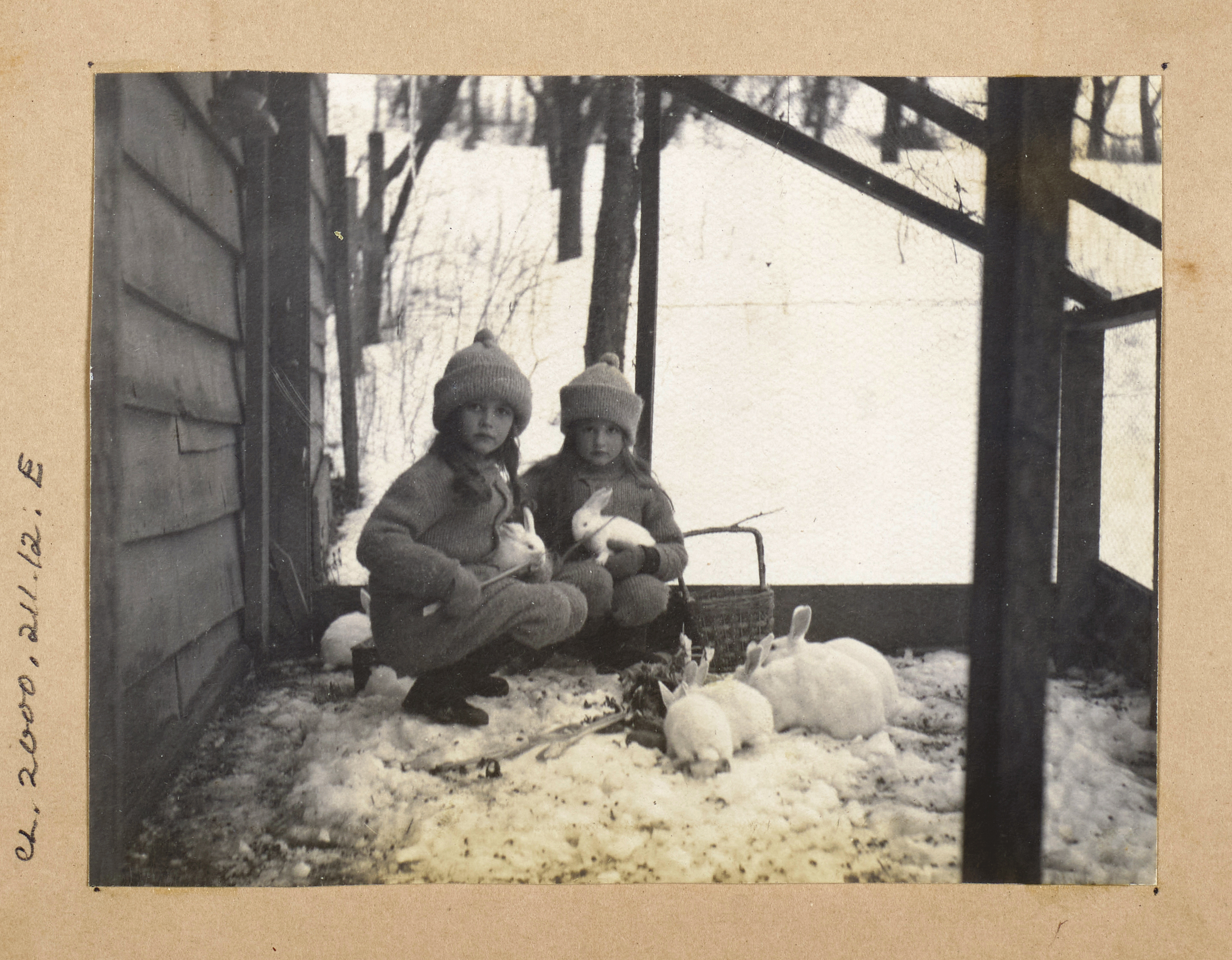
Janet and Honoria Livingston grew up at Clermont State Historic Site in Germantown, one of the Livingston ancestral homes. Their early 20th century childhood was captured in many family photo albums (as seen in a recent blog post on historic costumes). Their pets were frequently included. Their English bloodhound, Rufus, was especially treasured, and features in many photographs. The family also had horses, a pony, rabbits and a peacock named Solomon.

— Written and developed by Amanda Massie, Senior Curator, Bureau of Historic Sites
Infrastructure’s Second Act: Transforming Rails to Trails
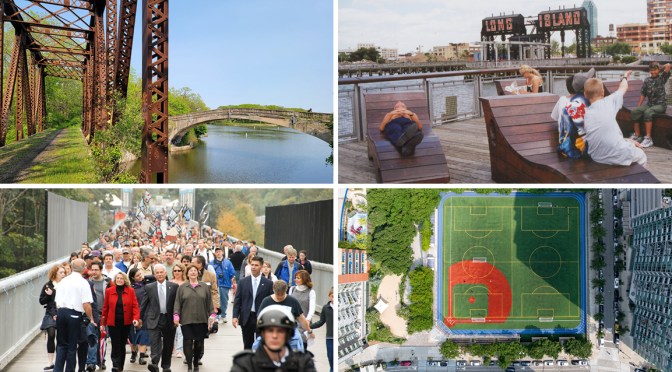
Across New York, outdated infrastructure is getting a second chance to serve communities. Former factories, railroads, and hospitals are now spaces for New Yorkers to get outside, get some exercise, and disconnect from their electronic devices. In this new series, we explore how your favorite state parks once served a very different but equally important purpose to our state.
In this first installment of Infrastructure’s Second Act, fasten your seatbelts and learn about the state parks built from former transportation infrastructure, including railroads and canals. These sites served as critical community connectors in the past, and now connect communities in a much different way: as places to recreate, relax, and enjoy the natural world.
Continue reading Infrastructure’s Second Act: Transforming Rails to Trails
Playful Costumes From the Past, Just in Time for Halloween
Halloween is almost here and that means costumes! Maybe you’re putting the finishing touches on your own or your child’s. Maybe your creation has been done for weeks and you’re ready to show it off. Maybe you’re about to close this window and type “easy Halloween costumes for sale, next-day shipping” into your search engine. Or maybe all of the costume chatter simply brings back memories of costumes from years past.
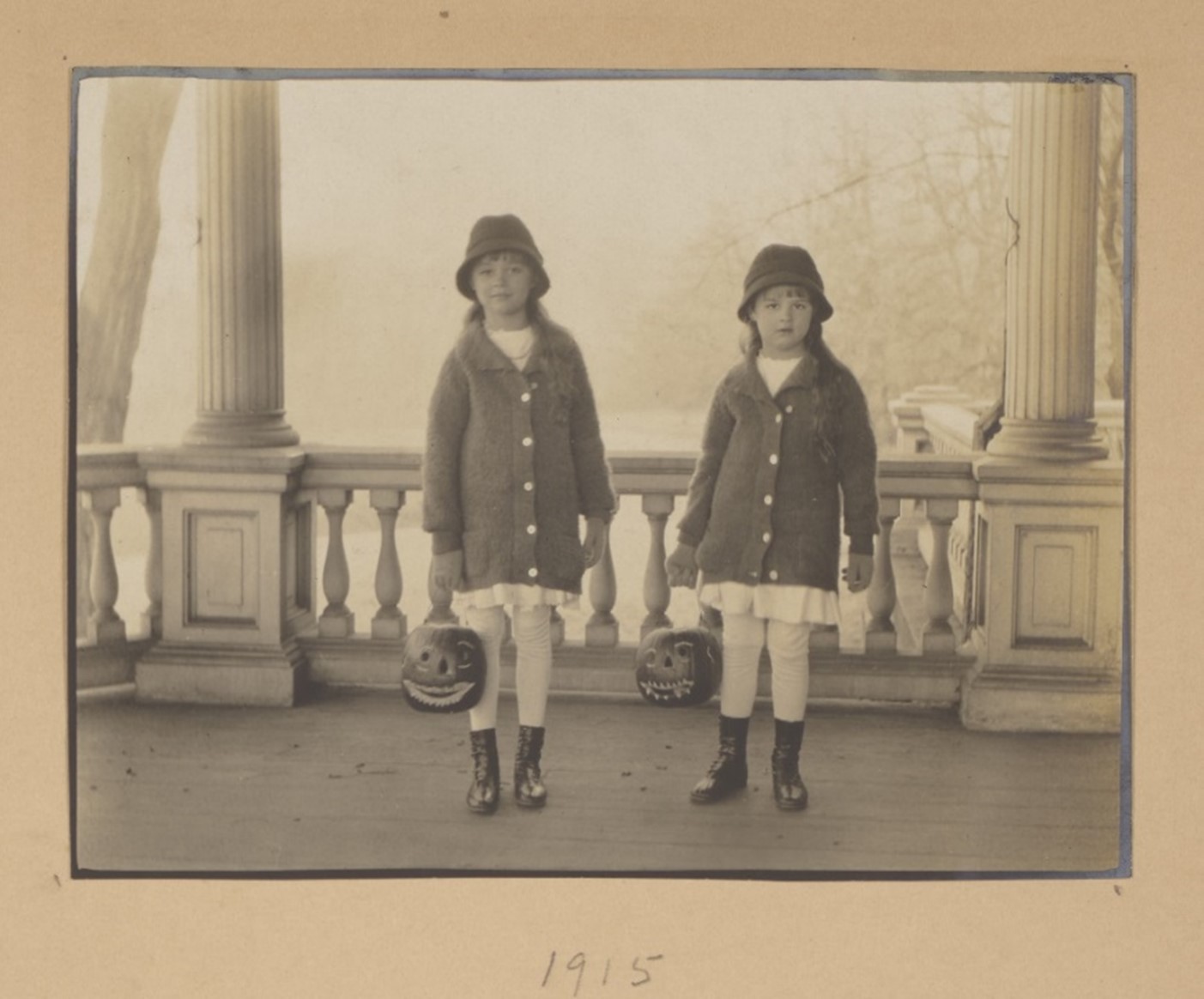
Costumes are nothing new. Worn for parties or plays, they have been popular throughout history. Explore some costumes that were photographed and featured in the family albums from Clermont State Historic Site in Germantown and John Jay Homestead State Historic Site in Katonah. (Bonus: Some costumes were saved and are now part of their historic collections!)
 New York State Parks and Historic Sites Blog