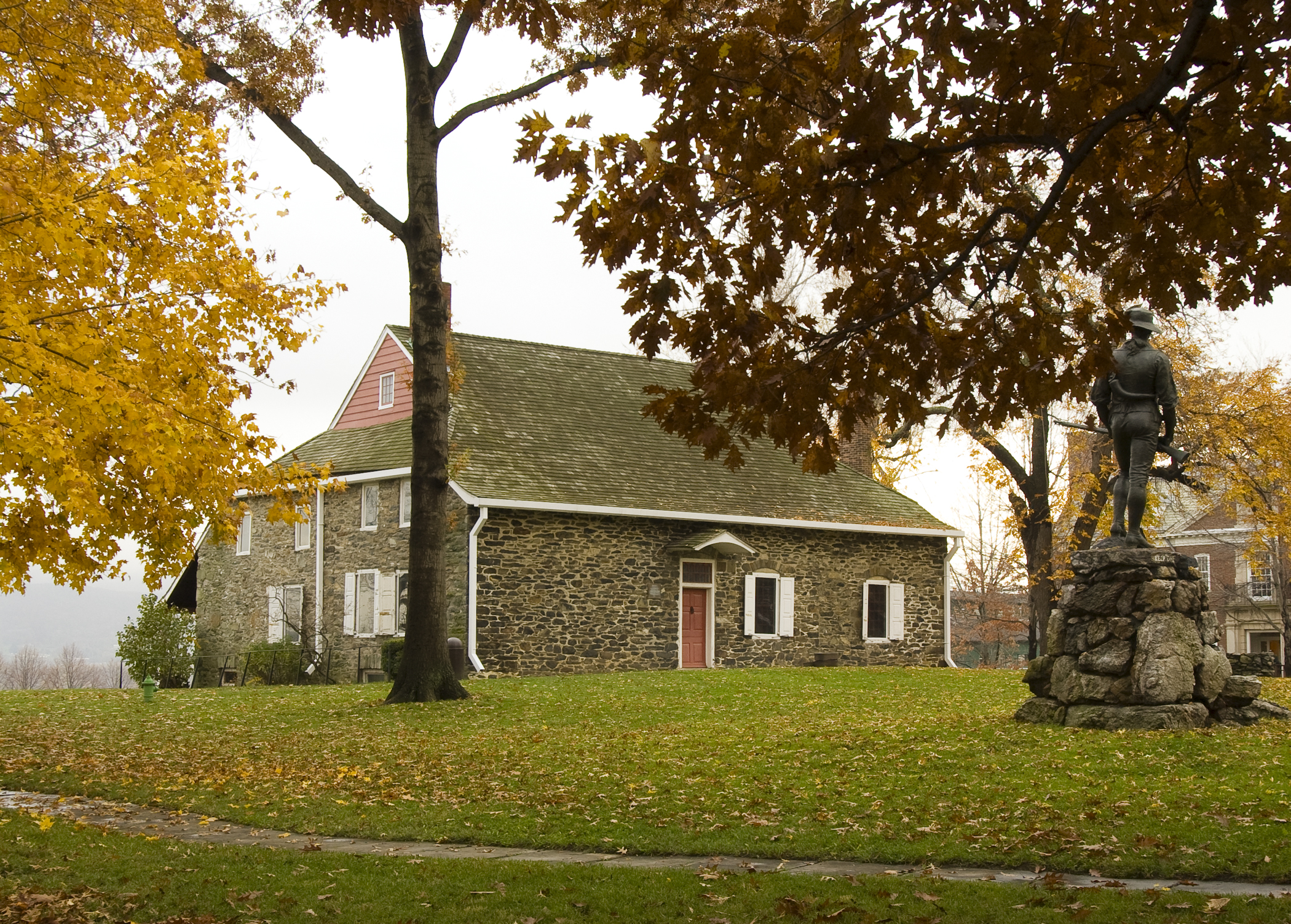
Washington’s Headquarters State Historic Site in Newburgh includes the Hasbrouck House and the Museum Building (shown in background). The Hasbrouck House is furnished to reflect when General George Washington was using it as his headquarters during the American Revolutionary War. The Museum Building houses and displays historic artifacts and exhibitions.
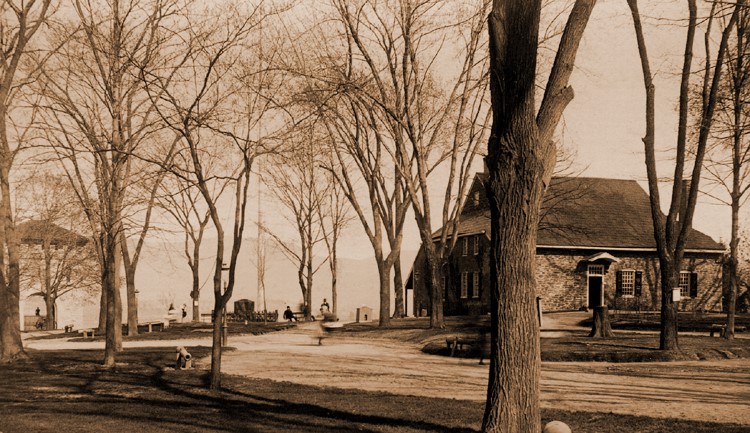
1895 view of the site and grounds. Washington’s Headquarters was the first state-owned historic site in New York.
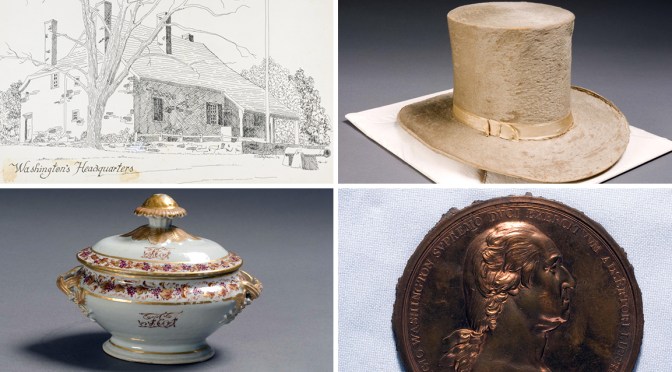
Since then, New York State has collected objects, archival materials, and other items related to New York’s history. 2025 marks the 175th anniversary of New York’s state historic sites – which now number over 35 locations, over a million historic objects, and over three million archaeological objects.
In New York, spring means maple! Maple syrup and sugar are key agricultural products in New York and part of the state’s heritage. Many of our state parks and historic sites offer maple programs during the late winter and early spring. The last two weekends of March are Maple Weekends in New York, when producers large and small invite the public to see the process and sample some syrup. In this post, we’ll not only tell you how maple syrup is made, but uncover its past as a symbol of American independence and of the anti-slavery movement.
From Sap To Syrup
Making maple syrup has a lengthy tradition in Northeastern North America. Long before anyone wrote about it, Native Americans gathered sap from cuts made in maple trees that they boiled to concentrate the sugar. Once Europeans arrived in North America, they too began collecting sap and boiling it in large pots, evaporating the water to make syrup and sugar.
In 2025, New York State commemorates the 200th anniversary of the opening of the Erie Canal from Albany to Buffalo. This event was transformative for both the state and the nation, linking the Great Lakes with the Hudson River and the Atlantic Ocean in an unprecedentedly efficient waterway. During the bicentennial, we are offered an opportunity to reflect on two centuries of rich and complex history and discover how that period’s impacts allow us to explore and enjoy the Canal today.
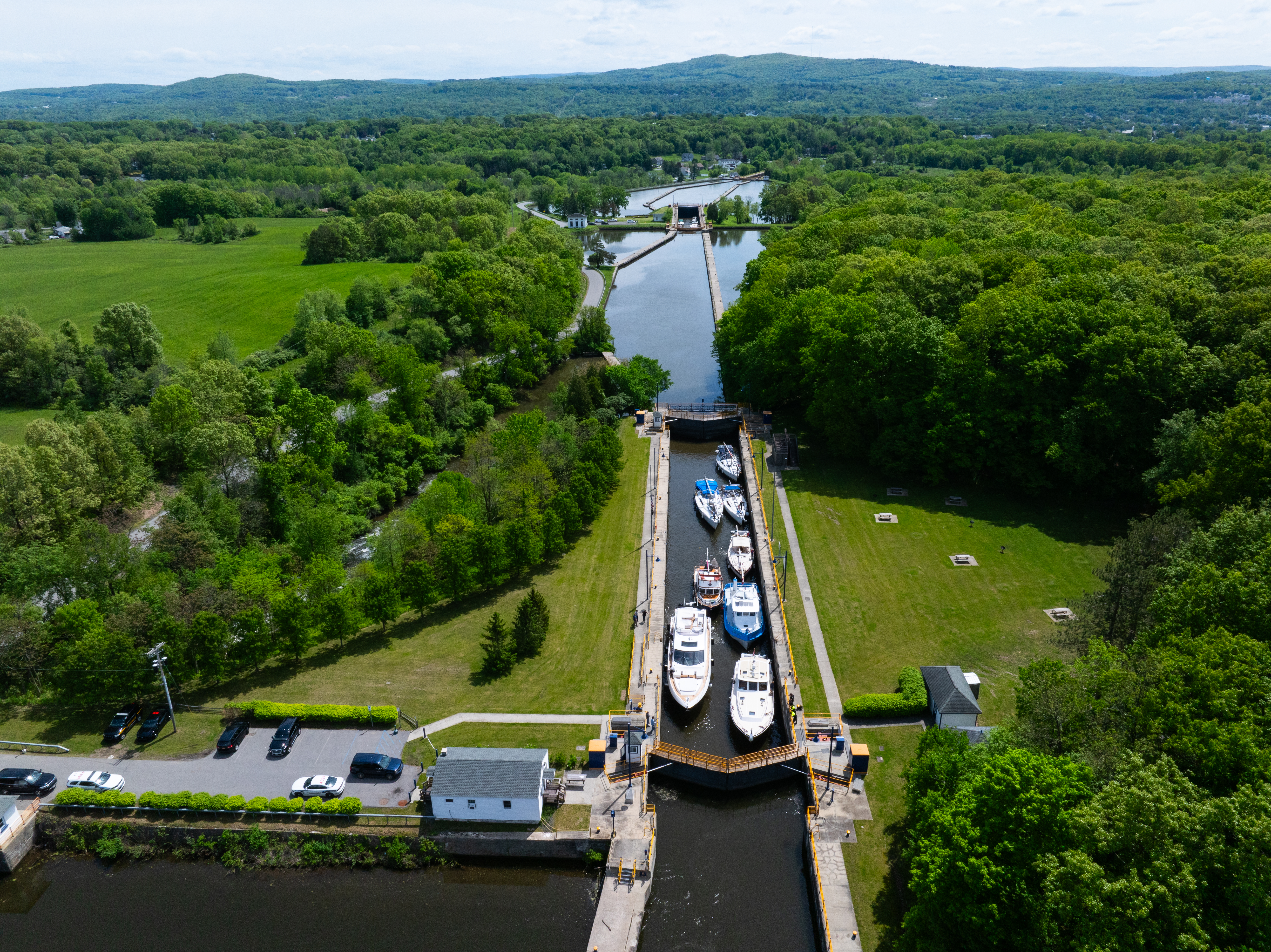
Aerial of Lock Canal 6 park as part of the Flight of Locks in Waterford, NY. Photo credit: NYPA/Canal Corp. (Philip Kamrass/ New York Power Authority).
If you’ve ever drifted off to sleep at Betty and Wilbur Davis State Park or gone to a nature program at Minna Anthony Common Nature Center and wondered about their namesakes, this post is for you! During Women’s History Month, let’s explore the stories of writers, activists, politicians, and ordinary women who have lent their names to state parks and nature centers.
As our understanding of history grows, so do the stories we tell about our past. The upcoming commemorations of the 250th anniversary of the American Revolution (2026) and the 400th anniversary of the arrival of the first enslaved Africans in New York and 200th anniversary of the ending of legalized slavery in New York (both in 2027) provide the perfect opportunity for a re-examination of these key events in American history.
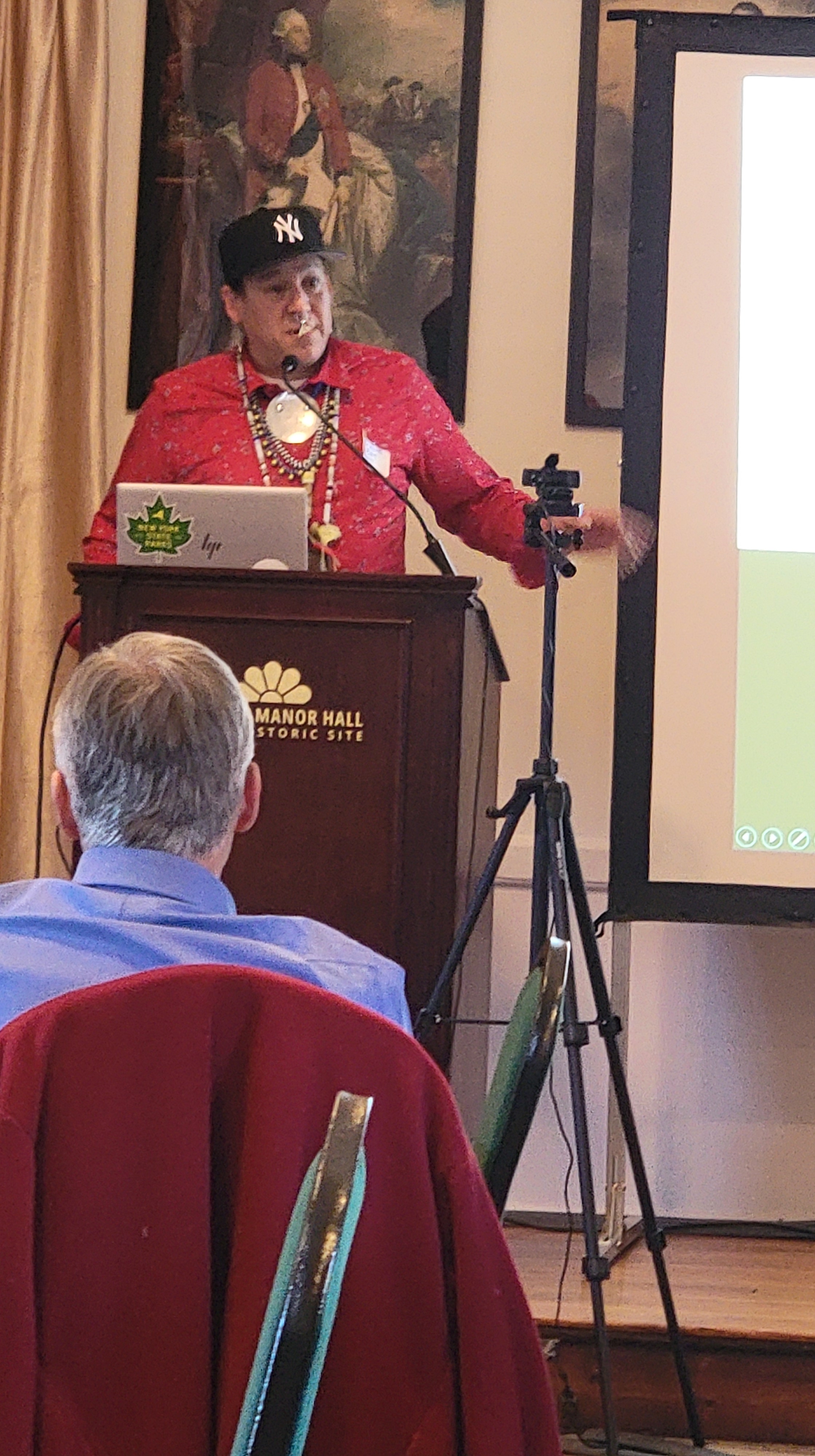
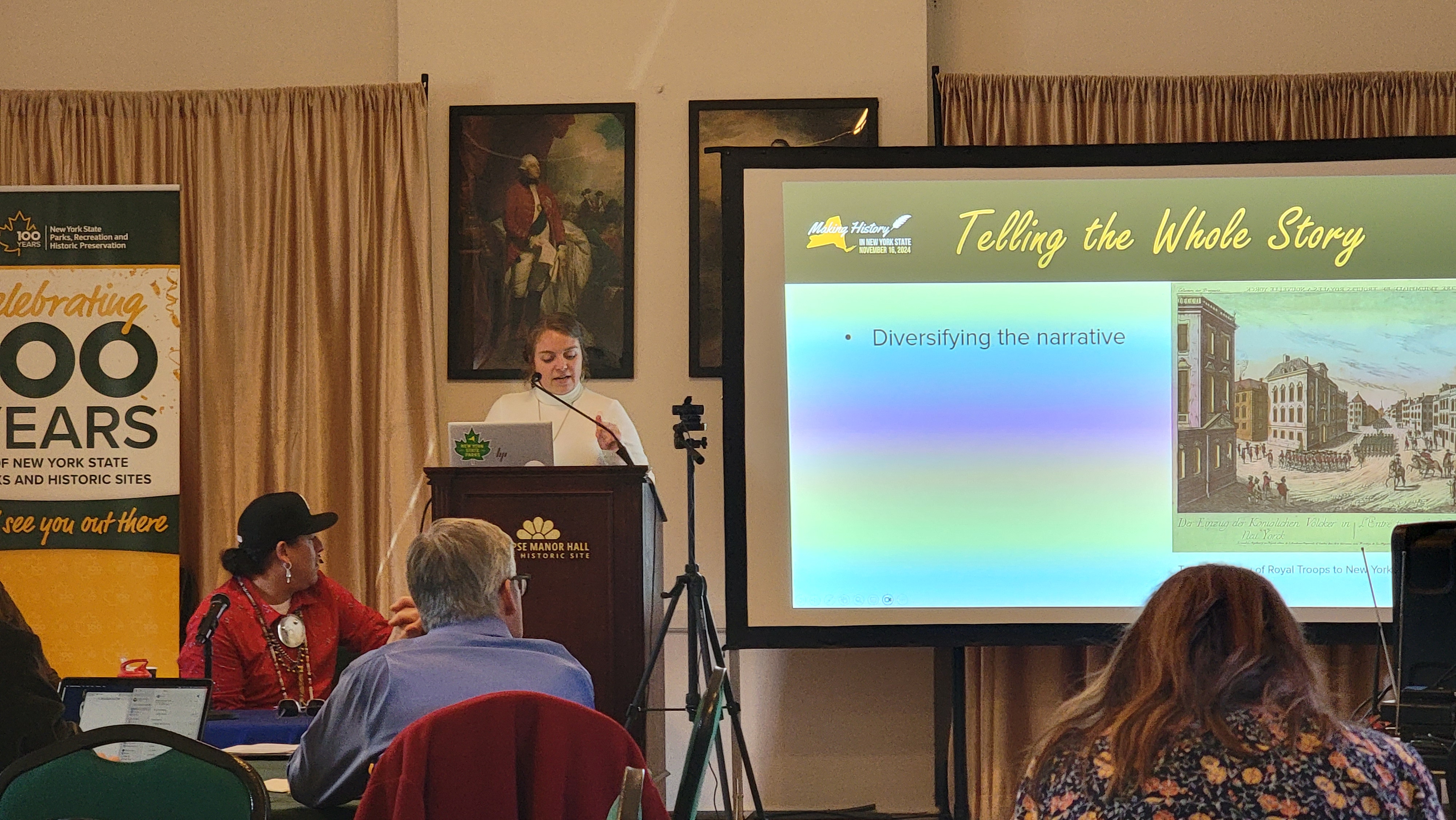
On Saturday, November 16, 2024, the public and staff members from New York State Parks, Recreation and Historic Preservation gathered at Philipse Manor Hall State Historic Site in Yonkers and online for “Making History: Revolution, Abolition, and Preservation in New York State,” a symposium highlighting the agency’s Our Whole History initiative. The initiative starts with acknowledging that our understanding of history is complex and nuanced, and evolves with historical research. Our Whole History actively fills in parts of history that were previously ignored to gain a more complete understanding of the past.







 New York State Parks and Historic Sites Blog