Category Archives: State History

Juneteenth — Coming to Terms with Freedom

Tonight, the digital lights used to illuminate Niagara Falls will transform the thundering cascade into red, black, and green. Why?

There are three major threads in the answer: this date, June 19th; the colors red, black, and green; and our continued search for freedom. These threads are tightly woven into the fabric of New York’s history, and that of our country.

And one of the threads also carries a man who was born to a farm family in 1821 in a little hamlet called Joy in Wayne County, not far from Lake Ontario.

First the date, Juneteenth

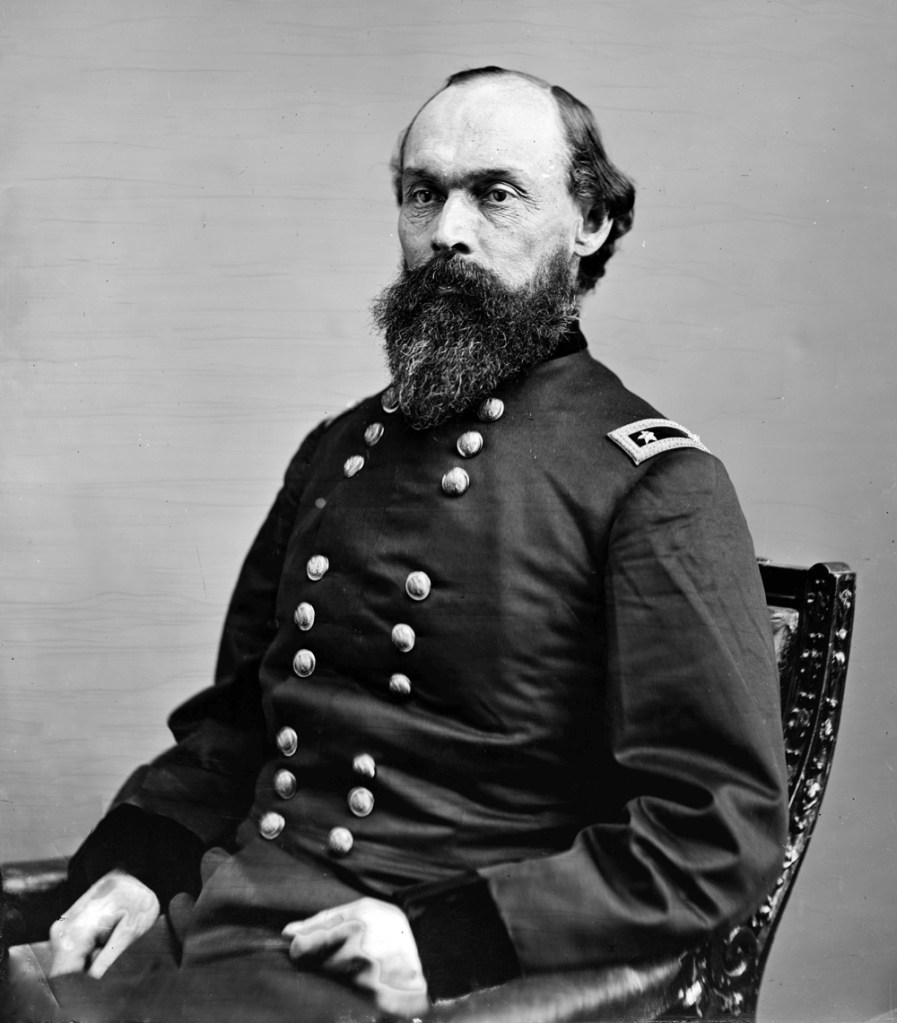
On June 19, 1865, in the Galveston, Texas, Major General Gordon Granger of the Union Army stood in front of a crowd of enslaved people of African descent and their enslavers, and declared the freedom established by the Emancipation Proclamation. Two years after President Lincoln issued that proclamation, those enslaved in Texas finally learned they were free.

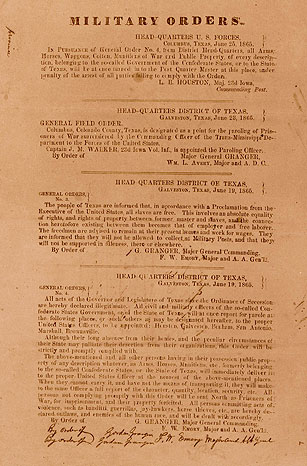
“The people are informed that in accordance with a Proclamation from the Executive of the United States, all slaves are free. This involves an absolute equality of personal rights and rights of property, between former masters and slaves, and the connection heretofore existing between them, become that between employer and hired labor. The freed are advised to remain at their present homes, and work for wages. They are informed that they will not be allowed to collect at military posts; and that they will not be supported in idleness either there or elsewhere.”

General Order # 3, as read publicly June 19, 1865 in Galveston by Major General Gordon Granger of the Union Army.

Major General Granger was a New Yorker from the hamlet of Joy, in the town of Sodus, Wayne County. A a young man, Granger taught for a time in the one-room schoolhouse on Preemption Road in Sodus. He then enrolled at the West Point military academy, graduating in 1845, going on to serve in the Mexican-American War from 1846 to 1849.

Granger remained in the U.S. Army, with subsequent assignments in Oregon and Texas, and when the Civil War began in 1861, he was posted to Ohio. He later served in Missouri as part of Union forces that protected a key federal armory at St. Louis from falling into Confederate hands. In 1863, he played a decisive role in averting Union defeat the Battle of Chickamauga.

As war’s end, Granger was assigned to the newly-subdued Confederate state of Texas, where he read General Order #3 . That reading in Galveston became the basis of the African American community’s Juneteenth celebration, which was also known as Emancipation Day.

“In retrospect, it is very fitting that a man from Joy brought so much joy to a suppressed people in our country,” said Wayne County Historian Peter Evans.


Why did it take two years? Well…there are various tales about two earlier Union messengers, who traveled over land, but ultimately did not arrive in Texas. Granger entered the last Confederate state by water, with a fully loaded army.  Texas is a big place, and held many of the enslaved.

Even though Confederate General Robert E. Lee had surrendered on May 9 in Virginia, it took time for word to get out that the war was essentially over.  Major General Granger and army moved from place to place after Galveston, reading General Order #3 repeatedly, setting off much rejoicing from the formerly enslaved, as well as variations of the same question, ‘What now?’

Historical marker in Galveston, Texas, the site of the original Juneteenth. (Photo credit- Galveston Historical Foundation)

Coming to terms with freedom was not an easy task for those newly freed, or for those who had enslaved them. Where were the freedmen to go? What were they to do? Who was going to bring in the crops, cook the meals, care for the children? What had been ‘normal’ life was changed in an instant. A new reality now existed but what did it mean?

Theirs was a position much like what we find ourselves in today. One minute things are moving along pretty much as they had been the day before, our routines keeping everyone’s life flowing, then suddenly wham! We’re faced with something we don’t quite understand and the big question ‘What now?’

Although people point to June 19th  as the exact catalytic moment for celebration, it is the process of coming to terms with freedom that is the driving force behind the celebration of Juneteenth in the 21st century. Spreading the word about freedom and defining what that meant took time and it is something we are still grappling with today.

The Colors: Red, Black, and Green

On August 13, 1920, at Madison Square Garden, New York City, members of the Universal Negro Improvement Association and African Communities League (UNIA-ACL) adopted the Pan-African flag, also known as the UNIA flag, and the Black Liberation flag as ‘the’ flag for black people across the diaspora and in Africa. The organization, founded by Marcus Garvey, was composed of members from around the globe. The flag was created in response to a popular 1920 song, “Every Race Has a Flag but the Coon.”

Pan-African flag.

In 1921 the UNIA published the Universal Negro Catechism, which outlined the meaning of the colors of the flag. “Red is the color of the blood which men must shed for their redemption and liberty; black is the color of the noble and distinguished race to which we belong; green is the color of the luxuriant vegetation of our Motherland. “

At a time when racism was living in our country under the title of Jim Crow, and segregation was real even in New York, African Americans were working to improve their circumstances in every way possible. The UNIA flag took flight and the colors were embraced. They were seen throughout the Civil Rights Movement, the Black Power Movement, and various black liberation movements around the world. They appeared everywhere and are also the colors of the candles used during Kwanzaa. They are the colors which symbolize to most African Americans and others who have supported their fight for human rights that the struggle was and remains real and the work continues.

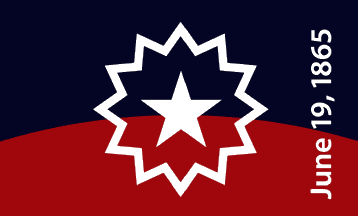
Although in 1997 the National Juneteenth Celebration Foundation (NJCF) created a flag to honor the day, we have chosen at this pivotal time in our Nation’s history to use the colors most New Yorkers would recognize as those representing the continued struggle for freedom, dignity and human rights by African Americans and members of the African diaspora: the red, black, and green of the Black Liberation flag.  

On Wednesday, Governor Andrew Cuomo announced that Juneteenth will now be an official state holiday.

“Friday is Juneteenth – a day to commemorate the end of slavery in the United States – and it’s a day that is especially relevant in this moment in history,” Governor Cuomo said. “Although slavery ended over 150 years ago, there has still been rampant, systemic discrimination and injustice in this state and this nation, and we have been working to enact real reforms to address these inequalities. I am going to issue an Executive Order recognizing Juneteenth as a holiday for state employees and I’ll propose legislation next year to make it an official state holiday so New Yorkers can use this day to reflect on all the changes we still need to make to create a more fair, just and equal society.”

Juneteenth is now recognized as a holiday or special day of observance by 47 states, with New York first marking it as a day of observance in 2004.

The Juneteenth Flag. (Photo credit- National Juneteenth Observance Foundation)

Freedom in Our Time

At the Office of Parks, Recreation and Historic Preservation, we continue to work to bring forward the under-told stories of the lives, cultures, and work of Africans and African Americans who helped to build New York and our Nation. The thread of their lives must be woven back into the whole cloth of our State’s history.

We do so by sharing with you the entire historic timeline. From the arrival of the first Africans who were enslaved in New Netherland in 1625 to 20th century locations that mark important cultural shifts and points of pride from around our State.

Exhibits like the Dishonorable Trade at Crailo State Historic Site help us to understand how an empire was laid on the foundation of the global slave trade. We celebrate the preservation of African culture In New York, during the years of enslavement at Pinkster.

Reviving A Dutch Holiday with African Flavor

As spring moves toward summer, we are in the time of an historic celebration dating to New York’s colonial era known as Pinkster – the Dutch word for the religious holiday of Pentecost. Pinkster was a three- to five-day celebration beginning the Monday following Pentecost Sunday held in Dutch Colonial New Netherland and later New…

In the Adirondacks, we operate the John Brown Farm State Historic Site, at the home of a New York abolitionist who took up arms in a bid to liberate slaves in the South.

We honor the dedication of service given by men of African descent, first to the colony of New York and later to the United States at many of our military parks, from New Windsor Cantonment to Fort Ontario. Remembering the enslaved and free who served in the Revolutionary War all the way to the Harlem Hell Fighters during World War I.

We bring to light the work of men just trying to make a living during the Great Depression, through their employment in the Civilian Conservation Corps.

A Legacy of Strength

During the 1930s when racial segregation and Jim Crow held sway over much of America, there was a Depression-era federal public works unit where African-Americans, not whites, were in command. And it was here in New York State Parks. To combat rampant unemployment among young men, President Franklin Roosevelt had created the Civilian Conservation Corps…

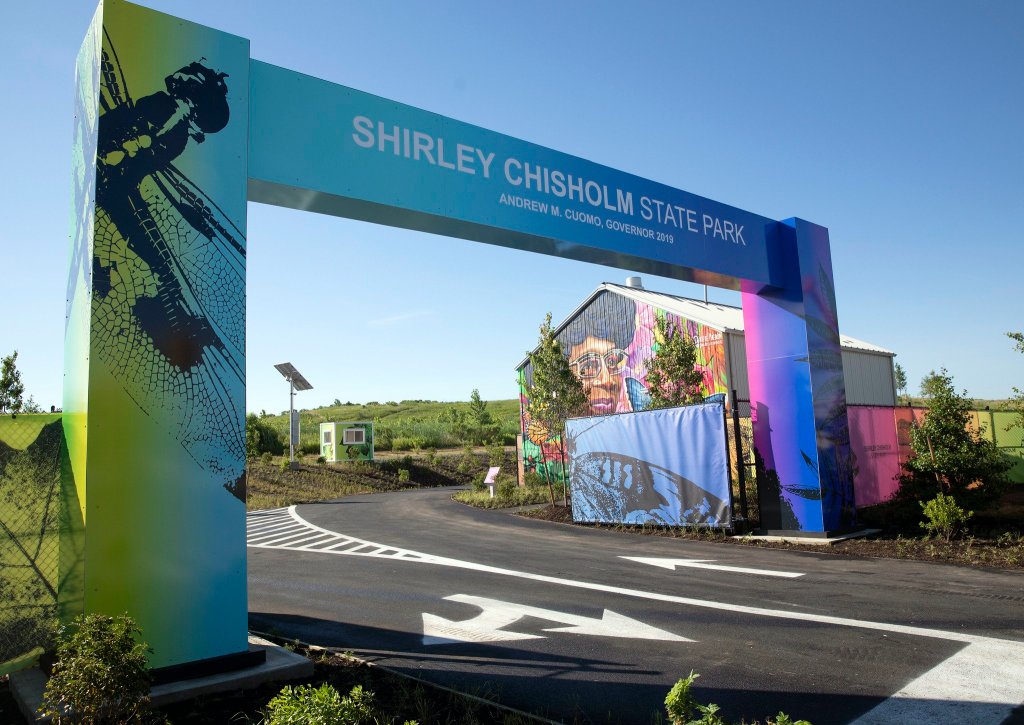
The work and commitment of women like Sojourner Truth and Shirley Chisholm, the first African American woman to run for President and the inspiration for the largest State Park in New York City.  All while saving important landmarks connected to Black culture across 200 hundred years of State history.

Shirley Chisholm State Park

Wonderful places right in our own neighborhoods like the historic Plymouth Church in Brooklyn Heights, where Dr. Martin Luther King, Jr. delivered “The American Dream” address, to the Colored Musicians Club in Buffalo, through the State’s Registry of Historic Landmarks and supporting them as they seek national recognition. We do this, not only for the African American community, but for all the communities that have helped to build New York.

Colored Musicians Club in Buffalo. (Photo Credit- Empire State Development)

Our history has always been blended. Henry Hudson did not find an empty land, but one filled with people and culture; the Munsee, the Wappingers and Lenape among them, to this more was added. The formation has been forward moving, but not always easily.

New York is and has been one of the main gateways through which people have entered this country and continue to do so. It has also been a way towards freedom as thousands passed through on the Underground Railroad, heading north to Canada. Aiming for Niagara Falls and the freedom that lay just on the other side.

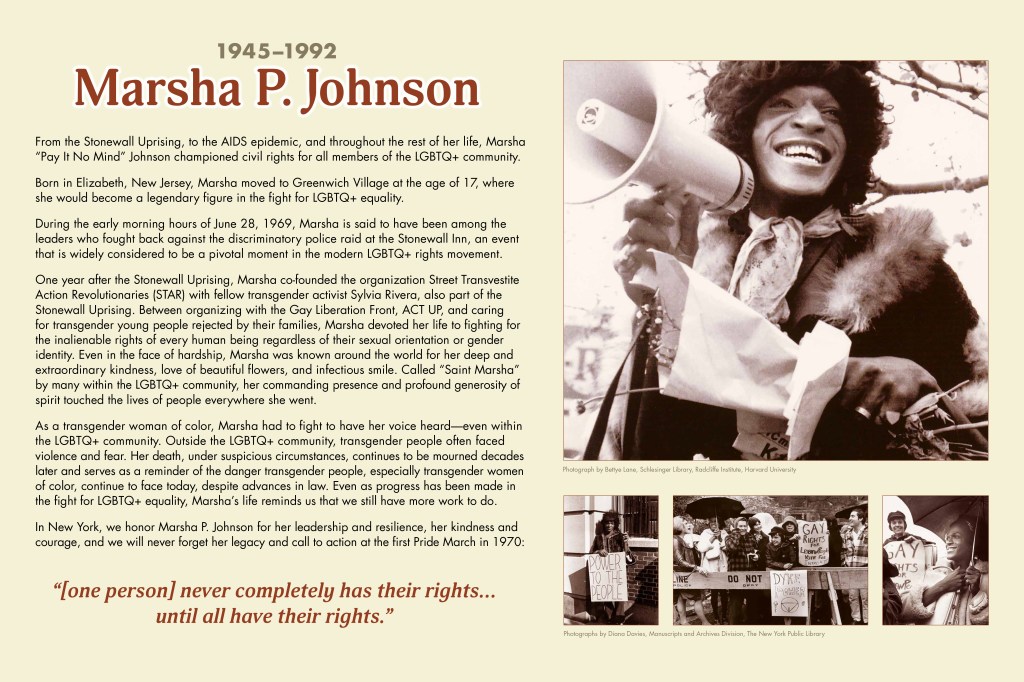
As we continue to come to terms with freedom, we invited you to explore the rich stories of others who have also found themselves struggling with defining what those terms meant to them. Narratives to be found at our parks and historic sites, online and in person. These stories, from those of the Native Peoples at Ganondagan to the newly renamed Marsha P. Johnson State Park cross over and through all the cultures and timelines that create the vibrancy of New York.

Marsha P. Johnson State Park in New York City.

And, what became of Gordon Granger? A year after he read General Order #3, he was reassigned as an officer in the 25th Infantry Regiment, which was of four racially segregated regiments made up of African American enlisted men and white officers.

These four regiments became known collectively as the “Buffalo Soldiers,” which was the nickname given by Native Americans to African American soldiers who fought in the Indian Wars of the west.

With the Statue of Liberty at one end and Niagara Falls at the other we offer this lighting of Niagara Falls as a symbol of our continued willingness to be inclusive and open, even amidst struggle and pain.

A young participant tries her hand at drumming during a 2012 Juneteenth celebration at the John Brown Farm State Historic Site in Lake Placid.

Cover Photo- Niagara Falls at Niagara Falls State Park, by New York State Parks. All photos by NYS Parks unless otherwise credited.

Post by Lavada Nahon, Interpreter of African American History, Bureau of Historic Sites, NYS Office of Parks, Recreation and Historic Preservation

New York’s Forgotten Patriotic Vow

It was 245 years ago this month that, shortly after the start of the Revolutionary War, a bold declaration of American liberty rang out.

No, it was not the Declaration of Independence, which came from Philadelphia in in July 1776 and became a widely celebrated national holiday. This earlier, largely-forgotten declaration came from northern New York along the shores of Lake Champlain.

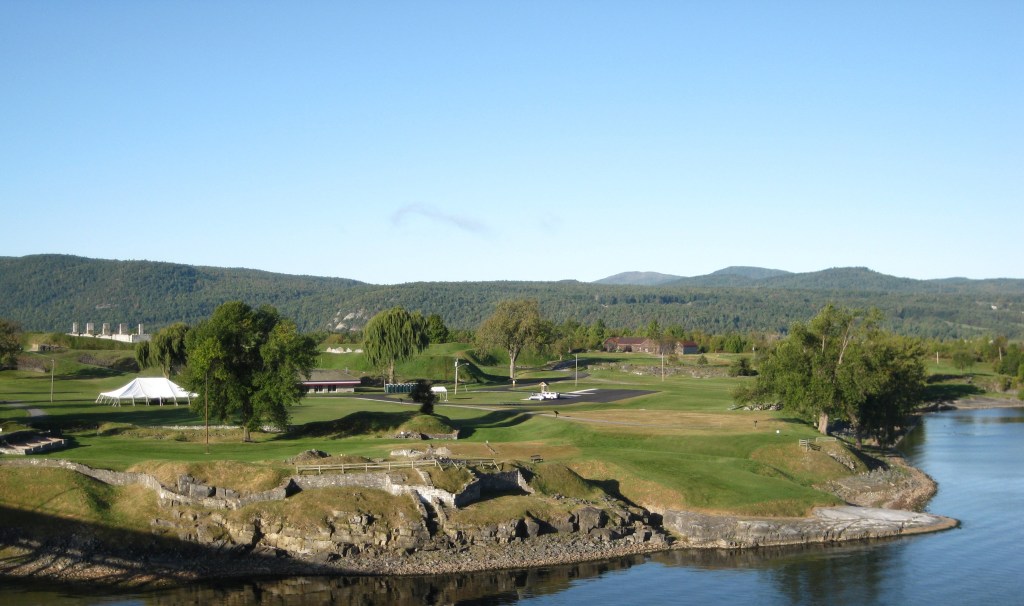
On June 15, 1775, not far from what is now Crown Point State Historic Site, 31 men from the Northeast signed a so-called “Declaration of Principles,” vowing they would “never become slaves,” calling for a “union” of the states, and giving their allegiance to the newly formed Continental Congress in Philadelphia.

Among those who publicly embraced armed resistance to the British Crown in the name of a new government was the document’s author, a man who went from one of the Revolution’s earliest battlefield heroes to its most despised traitor five years later.

That man was Benedict Arnold (1740-1801), and the path to his infamous treason in New York stretches from that now largely forgotten declaration, issued from the state’s northern frontier in what is now Essex County, to an infamous meeting with a spy along the shores the Hudson River— now within Rockland Lake State Park—where he agreed to betray the Revolution and deliver the river’s critical West Point fortress to the British.

In the five years between those two events, Arnold distinguished himself by buying the Revolution a critical year at the naval Battle of Valcour Island on Lake Champlain in 1776. The following year, he contributed to the relief of Fort Stanwix after the Battle of Oriskany in the Mohawk Valley and was instrumental in the decisive American victory at Saratoga.

His earlier role in capturing Fort Ticonderoga in May 1775 to the south of Crown Point had provided Patriot forces with desperately needed heavy cannon that later helped drive British troops out of Boston. That victory set the stage a month later for Arnold, as commander at Ticonderoga, to issue written principles from Crown Point to rally support for the Patriot cause. 

At the time, Arnold and the other men who signed the declaration did so at great personal risk, as it targeted them personally as potential traitors to Great Britain when the punishment for treason was death.

Flush from success at Ticonderoga, here is what Arnold wrote and he and other prominent early supporters, who came from New York, Connecticut, Massachusetts and what later become Vermont, signed.

Benedict Arnold’s Declaration of Principles

Crown Point, 15th June, 1775

Persuaded, that the Salvation of the Rights and Liberties of America, depends, Under GOD, on the firm Union of its Inhabitants, in a Vigorous Prosecution of the Measures necessary for its Safety And Convinced of the Necessity of preventing the Anarchy and Confusion which attend a Dissolution of the Powers of Government, WE, the Freeman, Freeholders, and Inhabitants of the Province of New York, being greatly alarmed at the avowed Design of the Ministry to raise a Revenue in America; and, Shocked by the bloody Scene now Acting in the Massachusetts Bay, DO, in the most Solemn Manner Resolve never to become Slaves; and do Associate under all the Ties of Religion, Honour, and Love to our Country, to Adopt and endeavour to Carry into Execution whatever Measures may be Recommended by the Continental Congress; or Resolved Upon by our Provincial Convintion for the purpose of preserving our Constitution and opposing the Execution of the Several Arbitrary and oppressive Acts of the British Parliament; Untill a Reconciliation Between Great Britain and America, on Constitutional Principles Which we most Ardently Desire Can be obtained And that we will in all Things follow the Advice of our General Committee Respecting the purposes aforesaid, The Preservation of Peace and Good Order, and the Safety of Individuals, and private party.


Click on this slideshow of images from the Crown Point State Historic Site, near where the Declaration of Principles was issued 245 years ago shortly after the start of the Revolutionary War.

Arnold’s words may have been largely forgotten, but his ultimate fate remains relatively well known. As the war went on, he felt slighted and upset from being passed over for promotion, with other officers getting credit for his accomplishments. Arnold could be brusque and headstrong, which alienated some. He borrowed heavily to support a lavish lifestyle.

And while military governor of Philadelphia, Arnold married a woman named Peggy Shippen, who came from a prominent city family loyal to British King George III. His new wife introduced him to one of her former suitors _ the British spy Major John Andre.

Arnold had been given command of West Point by George Washington, on the advice of his trusted advisors, Albany resident and General Philip Schuyler and Robert Livington of the Hudson Valley . (The residences of both men are now state Historic Sites.)

Once his plot with Andre to surrender West Point was found out, Arnold fled to the safety of British lines, where he was made an officer and fought against his former comrades. After the war, he lived in Canada and England, before dying in London in 1801 at age 60.

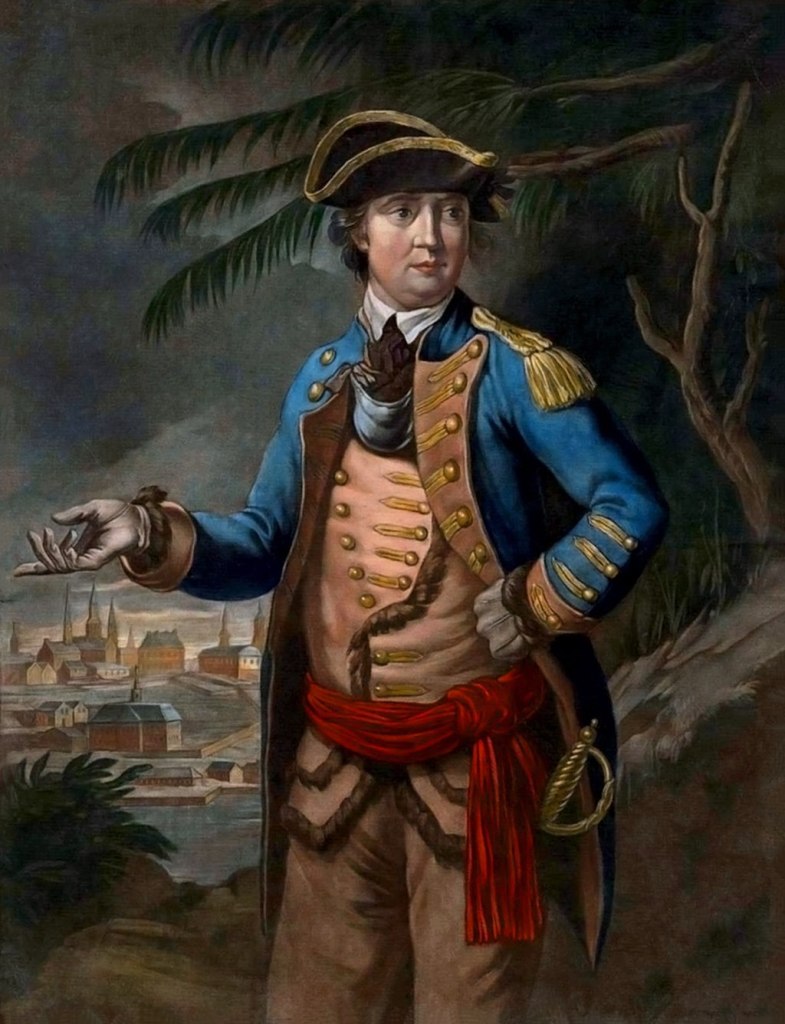
Benedict Arnold, from a 1776 mezzotint by artist Thomas Brown, and now in the Anne S.K. Brown Collection at Brown University.

A historical marker at the site in Rockland Lake State Park where Benedict Arnold met with Major John Andre to plot the surrender of the American fort at West Point. (Photo Credit- Wikipedia Commons)

Use this map to locate Crown Point and the other historic places in New York State described in this story.


Signatories of the Crown Point declaration had a variety of fates. One of its most prominent signers, William Gilliland, was an Irish immigrant and New York City merchant who was the first European to settle the lands west of Lake Champlain. He was founder of the town of Willsboro, and at one point, controlled about 50,000 acres in the region between Crown Point and Plattsburgh, leasing some of it out to tenant farmers and developing gristmills and sawmills.

In spite of Gilliland’s wealth and influence, as well as his signing of the Crown Point declaration and his financing of Patriot militia, he was mistrusted because of “unfounded allegations relative to his loyalties,” likely due to disagreements  and entanglements involving Arnold and Ethan Allen, commander of the Green Mountain Boys, a militia from Vermont, as recounted in documentary sources.

With both sides suspecting that he was secretly supporting the other, Gilliland was confined to Albany during part of the war. The aftermath destroyed Gilliland’s vast fortunes, stripped him of his lands and left him destitute by the time he died in Willsboro in 1796 at age 62. He is buried in the town that still bears his name.


But most other signers of the Crown Point declaration fared better. Among them was Dirck Swart, a Dutchess County native and a member of the Albany Committee of Correspondence from Saratoga, according to information collected by the Fort Ticonderoga Museum

These committees were shadow governments organized by Patriot leaders on the eve of the Revolution. They shared plans for strategy and by the early 1770s they wielded considerable political power.

Swart owned a tavern in Stillwater, Saratoga county, and his home still stands in the village. The residence was built in 1757 and remains among the oldest extant dwellings in Saratoga County. It was from Swart’s home that Arnold began his 1777 march to relieve Patriot forces at Fort Stanwix.

After the war, he was the town’s first postmaster, served as the Saratoga County Clerk, and was elected to the state Assembly.  In 1788, he was a delegate to the state convention to accept the new U.S. Constitution.

At age 70 in 1804, Swart died a venerable and respected citizen, having prospered in the new country that he had helped launch by signing that bold statement from Crown Point.


Cover Photo: Crown Point State Historic Site (Photo Credit- NYS Parks) All photos NYS Parks unless otherwise noted.

By Brian Nearing, Deputy Public Information Officer for New York State Parks


Signers of the Crown Point Declaration of Principles by State

New York

  1. Benedict Arnold
  2. John Corbin
  3. Zadok Everest
  4. Joseph Franklin
  5. William Gilliland
  6. Charles Graham Jr.
  7. Ebenezer Hyde
  8. Benjamin Kellogg
  9. Robert Lewis
  10. Moses Martin
  11. Ebenezer Marvin
  12. Martin Marvin
  13. Daniel McIntosh
  14. Elisha Painter
  15. George Palmer
  16. William Satterlee
  17. Thomas Sparham
  18. Dirck Swart
  19. Thomas Weywood
  20. Hugh Whyte

Massachusetts

  1. Jonathan Brown
  2. Ezra Buell
  3. James Noble

Connecticut

  1. John Watson Jr.
  2. Samuel Keep

Vermont (this state was created a year after the Crown Point Declaration)

  1. John Grant
  2. Issac Hitchcock
  3. Robert Lewis
  4. David Vallance
  5. Samuel Wright

State Unclear

  1. Francis Moor
  2. James Wills

Source: Fort Ticonderoga Musuem

Reviving A Dutch Holiday with African Flavor

As spring moves toward summer, we are in the time of an historic celebration dating to New York’s colonial era known as Pinkster – the Dutch word for the religious holiday of Pentecost.

Pinkster was a three- to five-day celebration beginning the Monday following Pentecost Sunday held in Dutch Colonial New Netherland and later New York from the 17th century through the late 19th century.

This year, Pinkster began Sunday, May 31, and will run through Thursday. While revival of the Dutch version of Pinkster began in the Hudson Valley in the early 20th century, recently there has been a push to revive a unique expression of the holiday by enslaved Africans of that earlier time.

A ban by Albany city lawmakers enacted in 1811 against African Pinkster put an end to the tradition. But in 2011, this prohibition was symbolically lifted by the city after two centuries, opening the way for the celebration’s return to the Capital Region.

Past celebrations at Crailo State Historic Site and Schuyler Mansion State Historic Site have helped spread the word about this important historical event which documented early African cultural expression in our state.


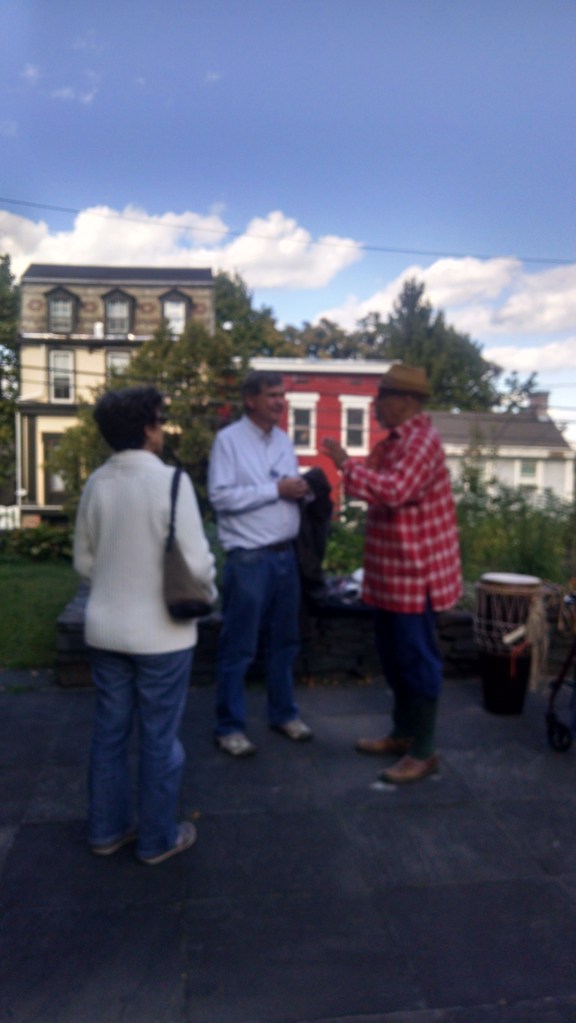
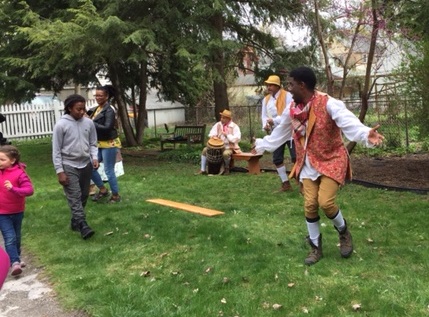
Scenes from the 2019 Pinkster celebration at the Crailo State Historic Site and Schuyler Mansion State Historic Site.


Contemporary newspaper articles, a pamphlet of the ‘Pinkster Ode’ a poem detailing the celebration, and other documents about Pinkster celebrations describe African drumming, languages and other cultural expressions or Africanisms used to uplift spirits of the enslaved during a time of rest before the summer planting season. Pinkster also helped maintain cultural links between family and friends, even as they lived under the yoke of slavery.

To attend a Pinkster gathering, the enslaved often had to travel many miles to get to the appointed place. Walking, riding in a wagon or on a horse, by boat or any combination of these meant time and physical effort, when many were already tired from work.

There were enslaved who could not or chose not to attend these large gathering. Even when permission was granted, the travel requirements were often daunting. Despite all that, Pinkster was still celebrated, but in smaller groups or even perhaps alone.

The Dutch residents retained many of the old customs of their mother land, and no reminiscence of Holland was more earnestly kept in remembrance than Pinkster. This occasion by consent had been made a holiday time for the blacks, and they enjoyed it in a good, old fashioned measure of hilarity and carousing. The meadow in front of Col. Schuyler’s house, between it and the river, was the place usually selected for the celebration, and here they met and danced and frolicked with all the zeal they could… Occasionally they would go to Albany and aid their neighbors in drinking to Prince Charlie, but this was too often a hard day’s work and did not always pay for the trouble it cost in rowing down and back.”  — Troy Daily Times, 18 September 1874


A newspaper ad taken out by a slave owner offering a reward for an African man who had left to celebrate Pinkster and not returned.

In years past, the Pinkster celebrations brought people together to rejoice in spring and the opportunity to see family and friends again. Here at State Parks, our celebrations planned for 2020 have been cancelled as we live in the time of COVID-19 and social distancing.

However, like many of the enslaved we gathered to remember, celebrating African Pinkster does not have to stop because we aren’t able to gather in those ‘big’ places.

We can still celebrate Pinkster and we invite you to join us!


All photos by NYS Parks

Post by Lavada Nahon, Interpreter of African American History, Bureau of Historic Sites, NYS Office of Parks, Recreation and Historic Preservation


Resources To Host your own Happy Pinkster 2020 Celebration

Be a part of this spring gathering to honor those enslaved in New York, the African cultures they came from and the lives they lived here. Here are some of the ways:

ANCESTORS & LIBATIONS

Honoring the ancestors with libations opens African celebrations across the continent and throughout the diaspora. Pouring libations is the act of honoring the ancestors, those who have come before us by sharing water, one of nature’s greatest gifts. Prayers said or thoughts shared during the pouring of libations center around showing gratitude for what we have in our lives, honoring our ancestors or people important to us by calling their names, keeping the memory of them alive. Remembering the names and lives of loved ones in our own family and other’s lives is a great way to begin. In preparation, make a list of people you would like to honor, perhaps create a family tree to help you remember. How far back can you go over the week of Pinkster?

Libations can be poured on the ground, into a plant, or a few drops of water on your fingertips can be sprinkled on the floor. A simple glass or a special pitcher can be use. Create a ceremony of your very own and film it!

MUSIC – DRUMS PLEASE

African drums were played during Pinkster celebrations up and down the Hudson River Valley. Drums are voices calling to us, to the ancestors, and to the Divine. Drums bring joy, encouraging us to move our bodies to their rhythms freeing us of stress and everyday worries and concerns, as they did the enslaved. Other instruments were played too. Hands were clapped, pieces of metal were beat together to keep time or accent the drum’s rhythms. Voices were lifted in song. There are so many ways to produce music for your Pinkster 2020 celebration.

YouTube and Spotify are just two of the many places you can find African drum music. Create your own playlist or check out one of these amazing musicians!

Babatude Olatunji – a master drummer who was a great influence on many famous musicians, Including Carlos Santana and the Grateful Dead.

Fatala – Exhilarating traditional African music from Guinea-Bissau in West Africa.

Bolokada Conde—Experience the complex rhythms of the popular djembe drum.

DANCING

Where there’s music there is dancing! Moving our bodies to the rhythm or our own tune is a human activity we all can enjoy. Dancing takes many forms and there is often nothing better than taking a dance break to help you feel better. The enslaved in New York danced in both the African and European styles. Today, we can move in a more formal style or however we please. Take some of the music you found yesterday and get up and dance! Be sure to send a picture!

10 Traditional African Dances

Dance Africa 2020 – A virtual Celebration — The 42nd Anniversary of the oldest African Dance festival in New York.

GAMES

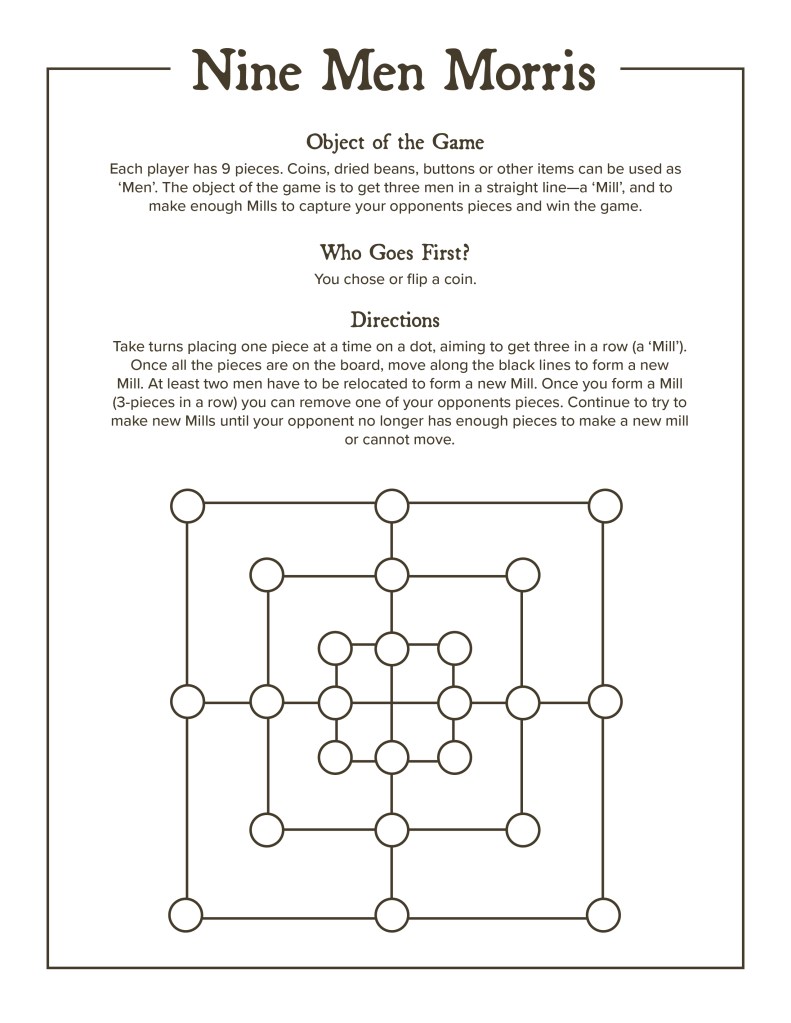
Games were a big part of the entertainment of Pinkster and life overall. Board games like Mancala and Nine-Men’s Morris, Draughts (checkers), other games like marbles, string games, cards, running games like tag, all the way to wrestling were just a few games children and adults enjoyed during Pinkster. Take a break and play a game today! Pull out your favorite board game, make your own Nine-Men’s Morris board and learn to play or go outside and jump rope, play tag or fly a kite. Inside or out, there are so many ways to play!

Nine Men’s Morris Board & Instructions

SPRING FLOWERS

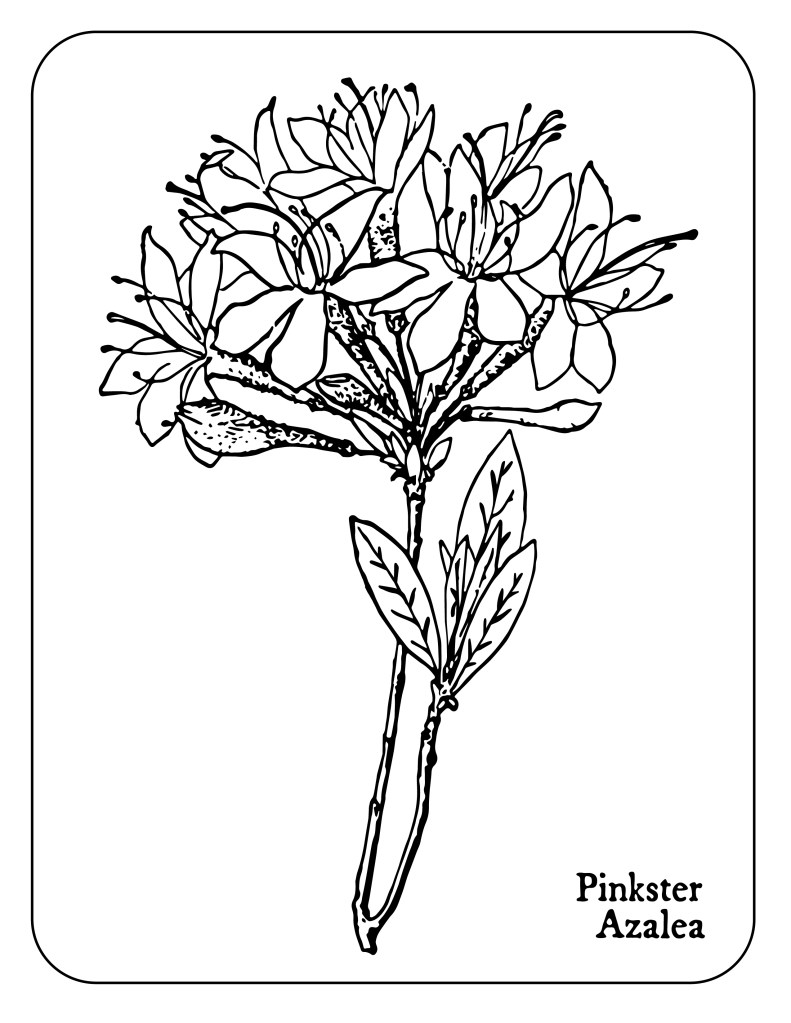
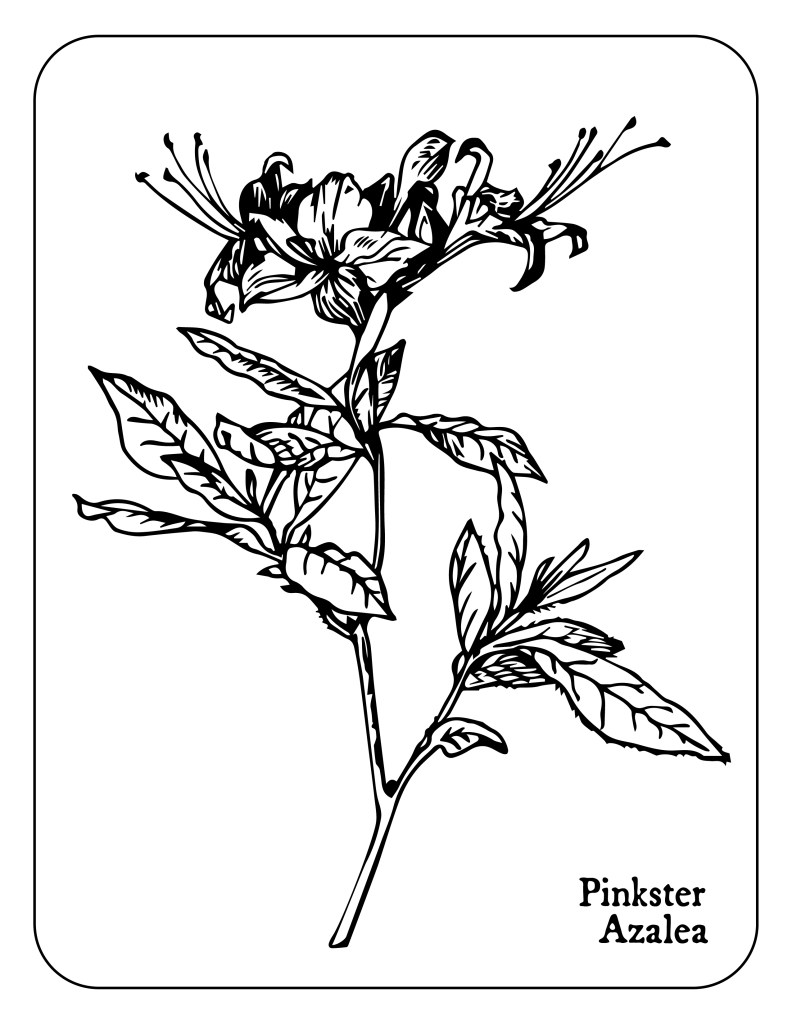
Dressing up the Pinkster grounds with branches of flowering trees, and the official Pinkster bloom, a pale pink Azalea, were part of making things festive. Creating a place for your own Pinkster celebration can be simple and fun. Decorating with flowers immediately brightens up the space. Fresh flowers are great, so are those that are handmade. Coloring your own Pinkster blooms and hanging them up can do the trick as well.

Pinkster Bloom Coloring Pages

THE FEAST

The seasons of the year dictated what was available to eat during the colonial and New Nation periods in New York. Late May and early June offered very few garden or field crops for people to enjoy. Dried beans and grains, fresh dandelion greens, left over root vegetables from last year’s harvest, fresh eggs, fish, fowl, and small game filled cooking pots of the enslaved celebrating Pinkster.

Travel also restricted the amount of cooking equipment people could carry with them. Cooking in one or two pots, spit roasting, and baking or roasting in the fire’s ashes connected them to their African roots. Traditional Central and West African meals centered around a main dish (soup/stew), a side starch (pounded yam/rice), and fresh fruit for dessert. One pot soup or stew meals, a mixture of beans/meat/fish and vegetables or whatever is on hand, can be found in every culture in the world. For your feast cook up your favorite stew or try this delicious Vegetarian Peanut Soup adapted from several West African recipes.

Vegetarian Peanut Soup Recipe

The soups are often accompanied by a starch of some kind. For enslaved Africans in New York, many of whom came from the Kongo/Angola area, the traditional starch would have been a pounded yam dish called ‘foo-foo’ or rice. In New York many would make maize pudding or Johnny cake in its place. Native to the Americas, ‘maize’ was historically called ‘Indian Corn’ in cookbooks, but today we simply call it corn meal. Maize pudding or corn meal mush was popular with New York’s colonial Dutch, who called it Sapahn. Recipes for variations of this Native American dish can be found in cookbooks all over the world.

Maize Pudding

Create a Pinkster feast of your own and share your results with us! 

We look forward to joining you next year at a large gathering. Till then thank you for joining in our Pinkster 2020 Celebration!

LEARN MORE

New York is rich with a variety of information on those enslaved in New York and the African celebration of Pinkster. From the arrival of the first in 1625 until the end of slavery in 1827, Africans or people of African descent were a vital part of the development of our State and the region. Pinkster is just one of many ways to honor their memory, celebrate their lives, and rediscover the African cultures they were from.

Front Line Nurse: A Tale of Sacrifice

As the Revolutionary War was drawing to an end, General George Washington wanted an award that recognized merit in the common soldier. So, he created the Badge of Military Merit _ the precursor to the Purple Heart _ while at his Newburgh headquarters in the Hudson Valley.

It was more than 150 years later when a New York resident and immigrant became the first woman to receive the Purple Heart for suffering wounds in wartime. And she was a nurse, a profession that has again finds itself at risk in the front lines during the current COVID-19 pandemic.

One night in August 1917 during World War I, a German aerial bomb exploded at a military field hospital in Belgium. It was about four miles behind trenches where hundreds of thousands of British, French, Belgian and German troops were fighting the Third Battle of Ypres, also known as Passchendaele.

Metal shrapnel ripped through a tent at Casualty Clearing Station #61, where 36-year-old U.S. Army nurse Beatrice Mary MacDonald was rising from her cot to start her shift caring for wounded Allied soldiers. Jagged shards struck her face, damaging her right eye so badly that it later had to removed by doctors.


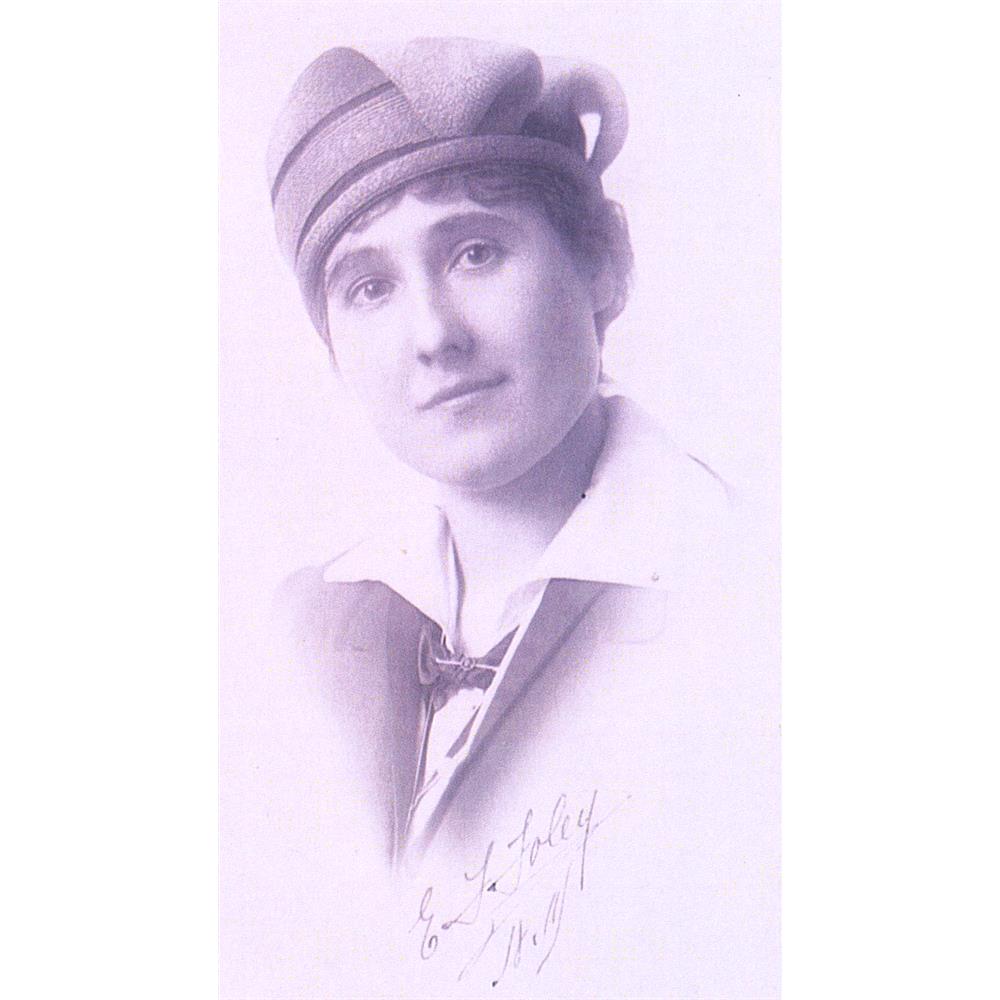
Beatrice Mary MacDonald in 1905 after completing her nurses’ training.

Although serving in the U.S. Army Nurse Corps, MacDonald was a native of Canada, where she grew up in a large family on Prince Edward Island. She had come to New York to get her nursing training in 1905 and chose to live there afterward to pursue her career. When war came, she volunteered for the American war effort. She was part of a unit organized by Presbyterian Hospital, now part of New York-Presbyterian Hospital.

Beatrice Mary MacDonald in her military uniform after recovering from her wounds.

After a six-week recovery from her injury, Macdonald returned to duty serving in military hospitals in France and Belgium. “I’ve only started doing my bit,” she said, according to material from her wartime scrapbook, which is now in the collection of the Radcliffe Institute for Advanced Study at Harvard University.

In her scrapbook, the young nurse described her training to deal with one of the horrors of the battlefield _ poison gas. That included “. . . entering chambers containing a certain amount of Phosgene and other gasses, in order that we should be able to recognize them in case of an attack, and to become adept in adjusting our gas masks in less than ten seconds.”

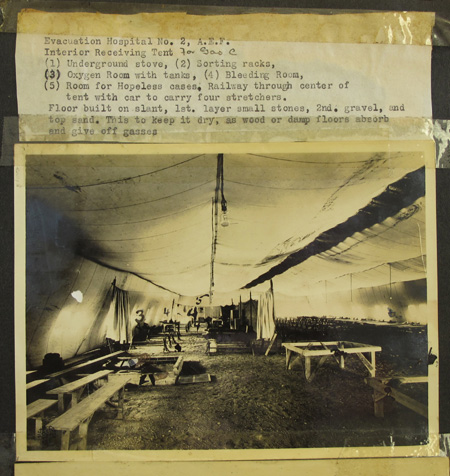
She kept photographs of the tent where gas casualties were treated, including a shot of one area that was set aside for “hopeless cases.”


A gassed soldier being treated as the military field hospital where Nurse Beatrice Mary MacDonald was stationed. (Photo Credit- Ann Fraser Brewer papers, Radcliffe Institute for Advanced Study, Harvard University)

The area at the military hospital set aside for the “hopeless cases” of gas attacks. (Photo Credit- Ann Fraser Brewer papers, Radcliffe Institute for Advanced Study, Harvard University)

After the war ended in 1918, MacDonald served with Allied forces in Germany until returning to the U.S. There, she resumed living in New York City to continue her profession, and later served as director of the Pennsylvania Hospital School of Nursing for 23 years until her retirement in 1956.

The war had been over for years when MacDonald received her Purple Heart in 1936, four years after the award has been reestablished under an order by President Herbert Hoover. The modern award was meant as a tribute to Washington’s original award, which he represented with a cloth or silk purple heart.

In authorizing the Purple Heart, the award was made retroactive to living World War I veterans like MacDonald, who was among thousands of male soldiers who subsequently applied for and received the award.

MacDonald received numerous awards in recognition of her bravery and is perhaps one of the most highly decorated women of World War I. Her commendation for the Distinguished Service Cross states:

“It is interesting to note that this cross is to be conferred upon a woman and a nurse. This war has, of course, taken the nurses, who are the ministers of mercy, up to the very front lines of battle, and because of the carrying of the war into the third dimension the airplane has, of course, made their task more perilous.”

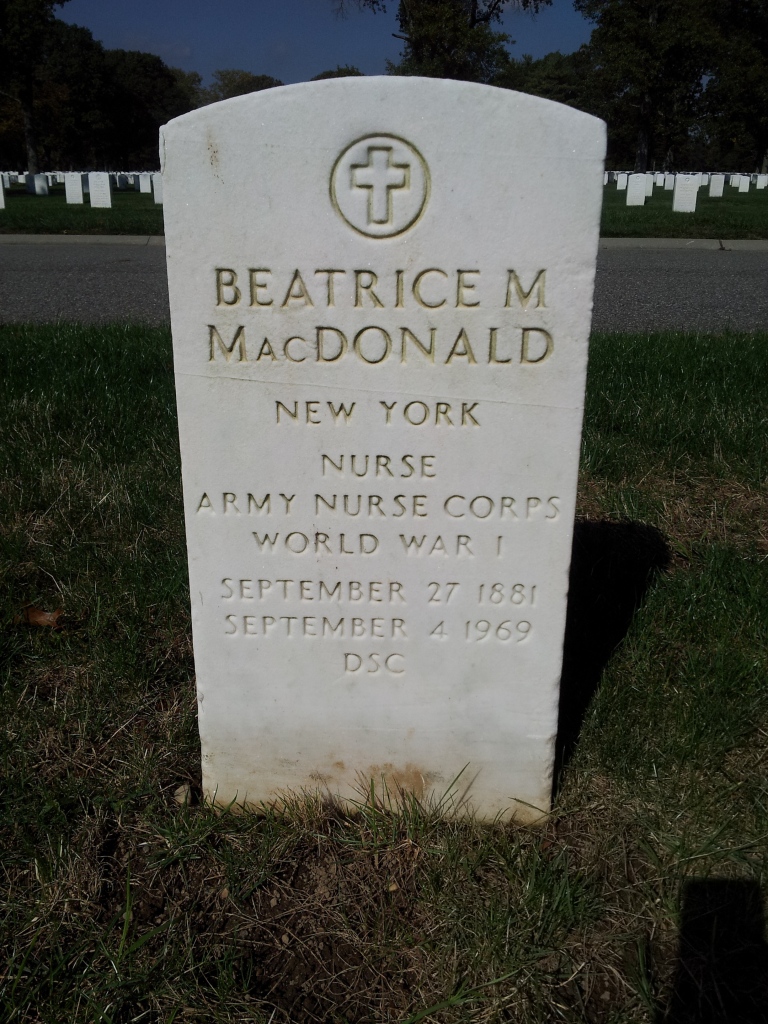
MacDonald died in 1969, at age 88, in a nursing home in White Plains, Westchester County. MacDonald received a full military funeral at Long Island National Cemetery in Suffolk County.

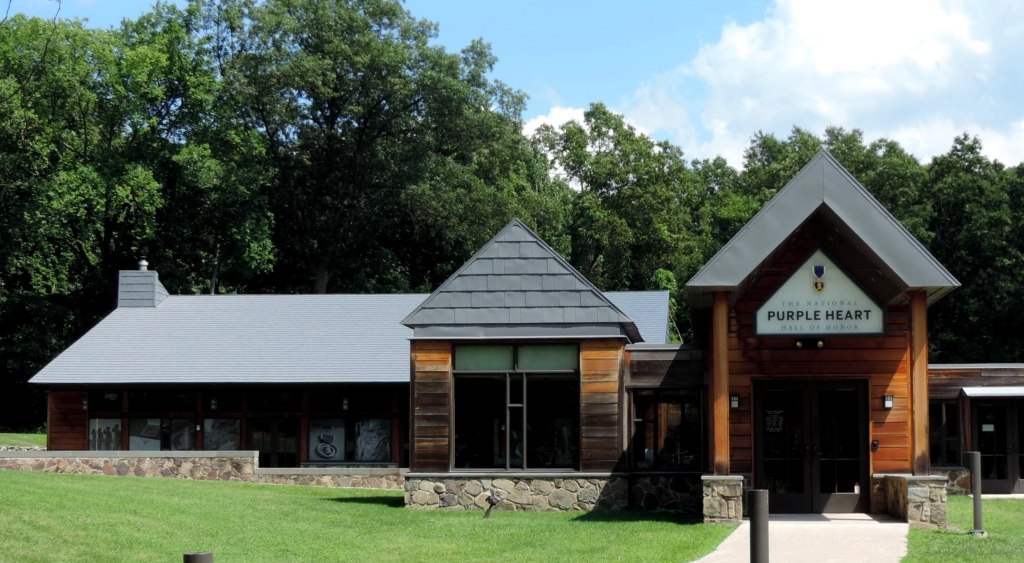
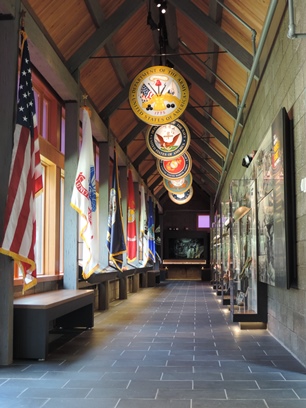
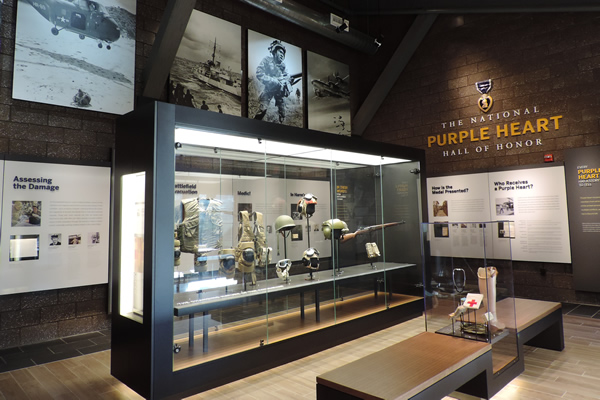
MacDonald is one of many stories found at the National Purple Heart Hall of Honor in New Windsor, Orange County.  Opened in 2006, it is the first facility in the nation dedicated to the estimated 1.8 million recipients of the Purple Heart, which is awarded to American military personnel who have been wounded or killed by enemy action.

This season, the facility was is temporarily closed to undergo a $17 million expansion to add nearly 7,000 square feet of new and refurbished exhibit space, with an increased emphasis on stories of individual award recipients.

***UPDATE***The expanded Purple Heart Hall of Honor reopened on Veterans Day, 11 November 2020. ***UPDATE***

Other famous Purple Heart recipients include President John F. Kenney, and U.S. senators John McCain, Bob Dole, Tammy Duckworth and Daniel Inouye.

Although the Hall of Honor is now closed, the online database can be used to explore the stories of Purple Heart recipients like MacDonald and others. Purple Heart recipients or families of recipients can enroll in the database. Enrollment is voluntary and more information on that can be found here.

The expansion project will incorporate integrated audio-visual and media presentations, as well as museum-quality casework for each area with interpretive graphics, locally controlled lighting, touch-screen interactive monitors, and multiple large-format graphic displays. Once completed, the Hall will feature new exhibits that tell stories about joining the service, the day of the incident, field treatment and evacuation, the changing nature of warfare, the consequences of war, road to recovery and the ultimate sacrifice. The expanded exhibits will include more personal stories, interactive displays, and artifacts that highlight the experiences of featured Purple Heart recipients.

Currently, the online Roll of Honor database represents Purple Heart recipients from all 50 states, Washington, D.C., Puerto Rico, Guam, Samoa and the Philippines.
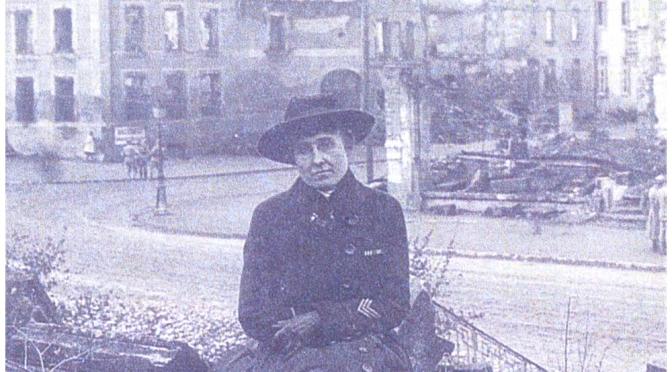

Cover Photo- U.S. Army Nurse Beatrice Mary MacDonald in the ruins of a French town. All photographs from NYS Parks unless otherwise noted.

By Brian Nearing, Deputy Public Information Officer, NYS Parks


COMMON MISPERCEPTIONS ABOUT THE PURPLE HEART

George Washington created the Purple Heart: FALSE

General Washington created the award called Badge of Military Merit in 1782. It was a heart shaped piece of cloth or silk. It was to be awarded for a “singularly meritorious act”. It all but disappeared after the American Revolution. It was never referred to as the “Purple Heart” in Washington’s time. That language was used in General Order #3, establishing the Purple Heart award in 1932.

All casualties receive the Purple Heart: FALSE

Only those casualties resulting from enemy action are eligible for the Purple Heart. “Non-hostile” injuries or deaths (e.g. disease or accidents)  are not eligible. The injury must require medical attention, be treated by a medical professional and documented. Numerous instances have occurred where the award was not made due to clerical errors, confusion after a battle or lack of proper documentation.

If you are wounded you automatically get a Purple Heart: FALSE

If the wounding was caused by the enemy, required professional medical attention and was documented, then the individual is eligible and should receive the award. However, there is a “paperwork process” that must be completed. Also, from 1932-1942 the majority of recipients had to apply for their awards as they were WWI (and earlier wars) wounded veterans, and therefore no longer in the military.

General Douglas MacArthur received the 1st Purple Heart: FALSE

While General MacArthur did sign General Order number 3 creating the modern Purple Heart on 22 February 1932, he did not apply for his Purple Heart until July 1932. By that time many WWI wounded veterans had applied for and received their awards (including the 136 veterans at the Temple Hill Ceremony held on the Grounds of what is now the Hall of Honor, 28 May 1932). General MacArthur’s medal however, was numbered “1”

The Government has a list of all Purple Heart recipients: FALSE

There is no list of Purple Heart recipients maintained by the Federal Government. The information is found on the record of the individual, or in copies of General Orders. This information has never been extracted to generate a list of all recipients.

Those wounded or killed in all wars are eligible for the Purple Heart: FALSE

When the award was created in 1932, it was open to any living veteran who felt that he or she was qualified. This resulted in a small number of recipients from the American Civil War and Spanish-American War. However, current regulations limit the award to those killed or wounded after 5 April 1917.

You have to be in combat to receive a Purple Heart: FALSE

The term “enemy action” has a much wider application than traditional combat. Changes in the regulations now recognize: injury or death while a prisoner of war; certain instances of friendly fire; as well as considering international and specific types of domestic terrorist acts.

Lt. Annie G. Fox was the first women to be awarded the Purple Heart: FALSE

Lt. Fox was the first known woman to receive a Purple Heart during World War II. For many years it was believed that she was the first female recipient. However (as you now know), Beatrice Mary MacDonald, an Army Nurse during World War I was wounded on 17 Aug. 17, 1917, when German planes bombed her hospital. The resulting wound caused her to lose her right eye. As with all other WWI veterans, she had to apply for her Purple Heart (Remember there was no Purple Heart prior to 1932). She was officially awarded her Purple Heart Jan. 4, 1936.

The first 136 Purple Hearts were awarded May 28, 1932 at Temple Hill, now the site for the National Purple Heart Hall of Honor: FALSE

Purple Hearts had been awarded prior to May 28, 1932. We know of one Civil War veteran who received his in April 1932. One of the Temple Hill day recipients also received his in late April and was formally awarded the medal at the Temple Hill Day ceremony.


Gilded Age Ice Skater Carved Early Path

Staatsburgh State Historic Site, formerly the Gilded Age estate of the very wealthy and socially-prominent Ruth Livingston Mills and her husband, financier and philanthropist Ogden Mills, sits along the eastern bank of the Hudson River in the mid-Hudson Valley.

Commanding a view of the river and the Catskill Mountains, the estate’s Beaux-Arts mansion was once the scene of elegant house parties each autumn weekend for the glitterati of American society. The home is still filled with the original furnishings, art and décor chosen by Ruth and Ogden Mills after its redesign by prominent architect, Stanford White, circa 1895, from a 25-room home built by Ruth’s great-grandfather into the 79-room house we see today. 

Touring the home, one is struck by its opulence but also by its regal formality: Ruth’s bedroom, with its hand-carved bed on a platform, surmounted by a lavish baldachin (a kind of ceremonial canopy), and surrounded by walls of raspberry silk brocade, seems well-suited for a queen of society. 

Ruth Mills’ bedroom at the Staatsburgh Mansion.
A formal portrait of Ruth Livingston Mills painted in 1909 by artist François Flameng. Learn more about this portrait in this January 2018 post in the NYS Parks Blog.

Among her peers, Ruth was known for her acumen as a hostess, her exclusivity (reportedly opining that there were only 20 wealthy families in New York worth knowing), and her imperious poise.  As one of her contemporaries said:

“[Ruth Mills] would invite [guests] to her house…greet them with a limp hand, languidly extended, and a far-away expression, and then apparently forget their existence.  They were chilled but impressed.”

While it might be difficult to image, this reserved, aloof woman also had an athletic side uncommon for most women of that time. She helped build the popularity of the sport of figure skating as an early prominent practitioner and benefactor. And she also had a hand in the opening of one of the earliest indoor refrigerated ice rinks in North America.

My research into her history revealed some parallels with my own life. I have been a competitive figure skater for more than 20 years, and am a U.S. Figure Skating Gold Medalist after passing tests in four disciplines including freestyle and ice dancing. Now, I coach young skaters at a rink in nearby Saugerties.
For me, like it might have been for Ruth Mills, skating is athletic and artistic, allowing one expression through music and dancing.

Ruth Mills’ skating was widely recognized during her time. An 1893 New York Herald article praised her as an accomplished and graceful ice skater.  According to the newspaper, Ruth started skating with her twin sister Elisabeth when they were girls. That would have been during the 1860s, which was a time when skating was starting to become very popular in the United States. By that time, men and women were skating together on the same ponds (one of the few athletic activities where both genders were involved together), and even the press was supportive of women skating, extolling the health benefits.
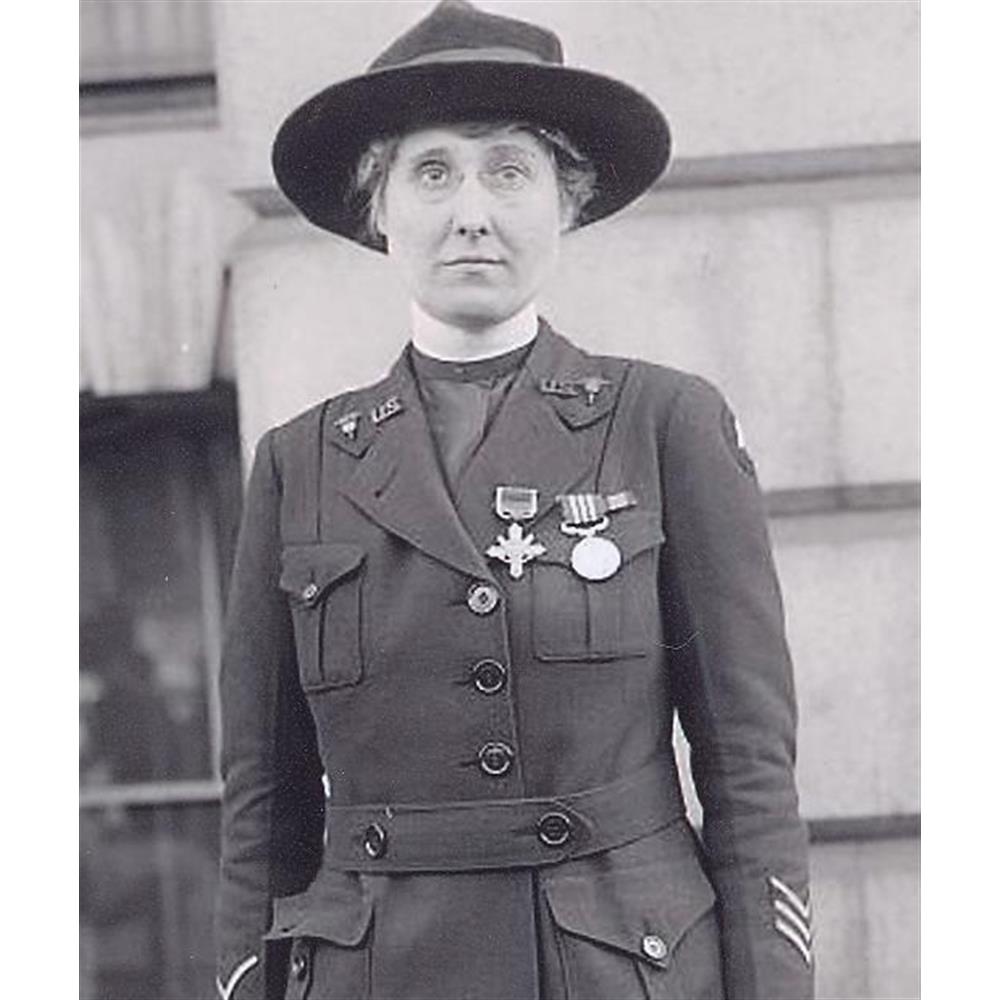
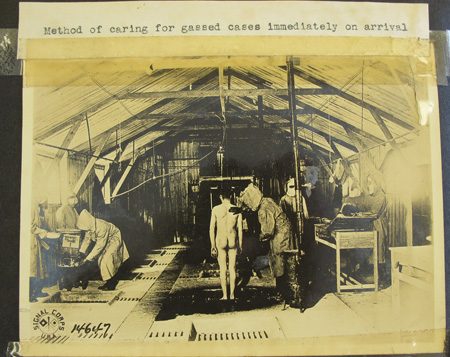
Figure skating was the first sport where women participated for the pure joy of it and where their participation with men was widely accepted.  Skating became so popular in the mid-19th century that there was an estimated crowd of 100,000 on the pond in New York City’s Central Park on Christmas Day in 1860.

Newspapers of the day took note of Ruth Mills, with one reporter writing in the 1890s: “Mrs. Ogden Mills is quite too graceful and proficient.  As if by common assent, the others stop a moment to watch her do the double Philadelphia grapevine, about the most difficult gyration on ice known to the expert.” By this point, Ruth Mills would have been about 40 years old.

A portion of an account from the New York Herald on Jan. 6, 1895 on Ruth Mills’ skating technique.

Watchers of skating today might not recognize this move, but the double Philadelphia grapevine was seen as one of the most complex techniques of its time. As described in a contemporary magazine: “The double grapevine is the same as the single, except that a loop is introduced at the beginning and also at the end of the figure. It is executed, as in the single grapevine, by passing the right foot in front of the left foot with the chain step; but instead of making a half revolution, as in the single, the body is swung completely around by the means of two turns on the right foot and an inside loop on the left.”

Maria Reynolds demonstrates the double Philadelphia grapevine skating technique.
Illustration of the double grapevine technique from a skating instruction book of the period.

While newspapers of this time made a habit of fawning praise over wealthy and powerful members of New York society, it is clear that Ruth was an accomplished skater. To the modern skater, the fact that Ruth could maneuver gracefully on ice, in the corset and multiple layers of clothing covering her from neck to foot, which Gilded Age women were required to wear, makes her ability even more impressive.

Given Ruth Mills’ self-composed demeanor, I find it hard to imagine her falling on the ice in front of people. But she must have started skating very early in life and put in much practice to become as skilled and confident as she was. Some of that early practice likely must have been on the rough ice of the frozen Hudson River at Staatsburgh when she was growing up.

We know that the river was a very popular place to skate and we have a photo of the estate superintendent’s family skating in 1916.  The cove area near the estate’s powerhouse was a popular place for local village residents to skate.

Agnes and Bill Blair, children of the caretaker of Staatsburgh State Historic Site, skate on the Hudson River circa 1916.

While Staatsburgh was the primary residence of Ruth and Ogden Mills in the autumn, like many of their social set, the couple traveled with the seasons. New York City was where the elites dwelled in the winter months, as it was the season of the opera, and of lavish balls given in assorted Fifth Avenue mansions.

Whether dancing or ice skating, the elites of New York always preferred to pursue their leisure apart from the common folk, and in 1896, many of the wealthiest families, including Ruth and Ogden Mills, contributed to the construction of one of the earliest indoor ice rinks built in New York City, the St. Nicholas Skating Rink.

Skaters at St. Nicholas Rink in 1901. (Photo Credit- Wikipedia Commons)

When skating depended on a pond or river to freeze, skaters were at the whim of mother nature (sometimes they had only 15 to 20 days a season to skate), but after the creation of indoor ice surfaces, the skating season would extend much longer.

The St. Nicholas Skating Rink also was one of the earliest indoor ice rinks made of mechanically frozen ice in North America. The arena also was the site of the first game between women’s ice hockey teams in the United States, when in 1917 the St. Nicholas team defeated Boston 1–0.

An illustration in a 1900 issue of Harper’s Bazaar magazine shows fashionable women playing ice hockey at the St. Nicholas Skating Rink in New York City. (Photo Credit- Hockeygods.com)

Building this rink was an investment of $300,000 (more than $9 million today) contributed principally by elite patrons like the Mills. Located on West 66th street, the rink was less than four blocks from the couple’s mansion, and contemporary newspapers accounts stated that Ruth Mills skated there nearly every morning.

Shortly after the rink opening, an article in The New York Times noted that Mrs. Mills was to host an “ice tea.”  Not the popular beverage, this exclusive social event included both skating on the rink and tables to consume tea and light refreshments.

An item in the April 5, 1896 edition of the New York Times announcing Ruth Mills’ “ice tea” event at the St. Nicholas Skating Rink.

So here, Ruth Mills got to combine her interests in both luxurious entertaining and skating. Sadly, the St. Nicholas Rink was demolished in the 1980s after a long history of hosting skating and boxing matches.

If you would like to know more about this family, and the Gilded Age lifestyle they led and the mansion in which they lived it, make a trip to Staatsburgh State Historic Site the Taconic Region.

Nearly 200 acres of the historic Mills estate is within the Ogden Mills and Ruth Livingston Mills Memorial State Park, which is open every day, all year, from sunrise to sunset, with no fee for park entry.  It includes the Dinsmore Golf Course, one of America’s oldest golf courses, as well as trails for hiking and cross-country skiing.

Guided tours and special programs are offered at the Mills mansion year-round; for programs information and hours of operation, call (845) 889-8851, or visit our website.

The 79-room Mills Mansion, which is located on the 120-acre Staatsburgh State Historic Site in Dutchess County. (Photo Credit- Andrew Halpern)

Cover Photo: The St. Nicholas Skating Rink in New York City. Unless otherwise noted, all photos courtesy of NYS Parks.

Maria Reynolds, Ph.D., Historic Site Assistant / Curator, Staatsburgh State Historic Site

Reynolds has given lectures at Staatsburgh on “Gilded Age Tea & Talk” program series, presented each winter.  Now in its sixth season, this program series offers guests the chance to enjoy the site’s custom tea blend, created by Harney & Sons, along with scones, clotted cream, tea sandwiches and sweets, served in the mansion’s opulent formal dining room while listening to talks on various aspects of Gilded Age history.