Category Archives: Stewardship

Environmental Stewardship At NY State Parks

Environmental conservation was a driving force in creating New York’s state parks system that you know and love today. From protecting Niagara Falls from industrial development to preserving the views outside of Albany at Thacher State Park, our agency has been working to preserve our lands and make them available for public enjoyment since its founding. This simple mission has taken on a different meaning in the face of climate change and the shift to clean energy. Here are some ways we’re meeting the challenges of environmental conservation in the 21st century.

Shifting to Renewable Energy

New York State Parks is charged with shifting all operations to renewable energy by 2030, either through the purchase of renewable energy or through generating our own.
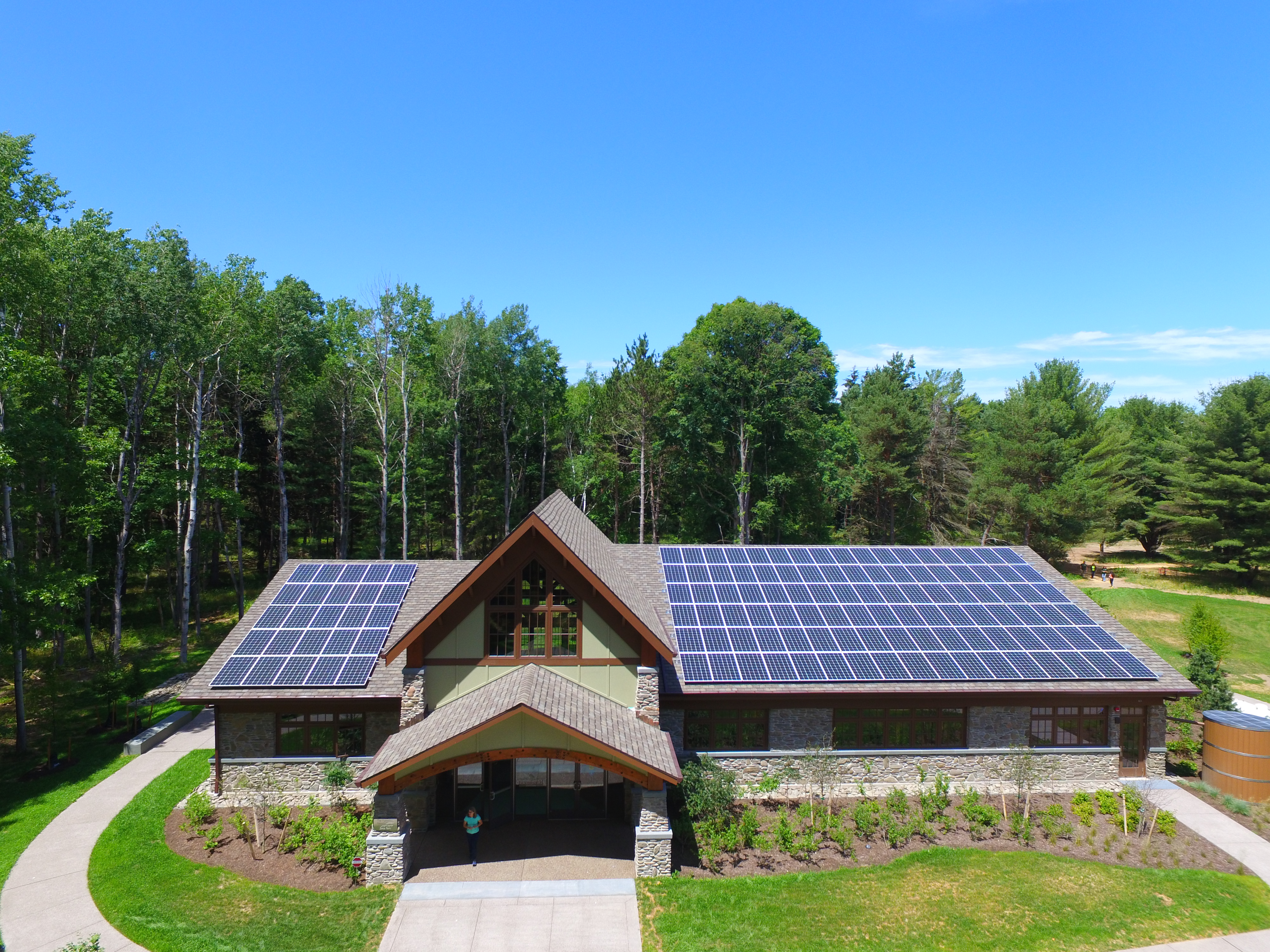
The solar array on the visitor center at Letchworth State Park in Livingston and Wyoming Counties.

Statewide, Parks operations consume around 45 million kilowatt hours of electricity (the same annual usage as about 4,000 homes). The agency currently has 50 solar arrays around the state generating more than 6MW, which help reduce carbon emissions and save money. This includes everything from roof-mount arrays to large ground-mounts built in pre-disturbed areas like the back of parking lots.

Continue reading Environmental Stewardship At NY State Parks

By The Numbers: NY State Parks and Historic Sites  

Gather ‘round, New Yorkers. The New York State Park and Historic Site system’s Centennial Celebration is underway, and we want to make sure visitors near and far understand: this system was built for you.

When most people think of “NY State Parks,” they likely think of hiking trails, summer swimming and cookouts, or fall and winter staples like leaf peeping and cross-country skiing. But our park and historic site system encompasses so much more. Through the fun statistics below, learn about the impact our parks have on communities, the environmental progress we’re making, and fun factoids State Parks facilities are hiding in plain sight.

Your Parks and Historic Sites 

250: properties we have throughout New York State. That includes not only parks and historic sites, but trails, campgrounds, golf courses, and beaches, too. There’s always more to discover. Find one near you at parks.ny.gov

54: State Parks with beaches. From the oceanfront vistas at Jones Beach, Sunken Meadows and other Long Island parks, to the endless expanses of the Great Lakes beaches like Southwick and Evangola, to the friendly feel of smaller beaches like Delta Lake, our parks are the perfect place to enjoy the surf and sand! 

Continue reading By The Numbers: NY State Parks and Historic Sites  

Reflect, Adapt, Evolve: Tackling New York’s Invasive Species Together

Saratoga Spa State Park is remarkable not only for its heralded mineral springs, but also for its architecture and historic theater. Now known as the Spa Little Theater, the space was originally designed for the scientists who studied the surrounding mineral springs to share their findings.

In September, the Spa Little Theater and nearby buildings and grounds were once again a place of scientific knowledge sharing, hosting the 2023 New York State Invasive Species Expo that brought land managers, researchers, and the public together for an immersive three-day interactive learning experience and conference.  

Around 600 people attended the highly interactive 2023 Invasive Species Expo held at Saratoga Spa State Park.
Continue reading Reflect, Adapt, Evolve: Tackling New York’s Invasive Species Together

Where Art and Science Meet: A Q&A with Art Conservators

Art and artifact conservators are the guardians of our cultural heritage. Their fascinating work blends art and science to protect the treasures of the past for future generations. But that work is often invisible to the public. 

The American Institute for Conservation showcases this field through the annual Ask A Conservator Day. This year, NY State Parks and Historic Sites’ Department of Historic Preservation conservators Elizabeth Robson (Paintings) and Paige Schmidt (Wooden Objects) took a break from their labs to answer questions about their work. 

What do conservators do? What is outside the scope of their field?  

Conservators are highly skilled, highly trained professionals who care for art and artifacts. They assess the condition of a particular object and carry out a course of treatment for it. They also provide guidance on how to store and exhibit an object or work of art.

Conservators also specialize in one area of expertise, such as paintings, paper, objects, textiles, or architecture. There are further specialties within these categories, like murals, books, photographs, frames, wooden objects, archaeological objects, metals, and more. While a conservator’s treatment may improve the aesthetics of an object (e.g. replacing missing paint), they never do so at the expense of any original material. Nor do they give appraisals of artworks or artifacts.

Continue reading Where Art and Science Meet: A Q&A with Art Conservators

Cemetery Etiquette for Spooky Season

With the chill in the air and pumpkins popping up everywhere, many folks are making plans for Halloween. Signs are out inviting ghosts and goblins, large and small, to join historic cemetery tours that highlight the resting places of the victims of murder and mayhem as well as the rich and famous, some even by candlelight. If you’re thinking of adding a cemetery visit to your agenda, these tours offer safe ways to weave through complicated landscapes and monuments for the dead. For many reasons, however,  the last ten years have also seen a marked increase of people visiting historic cemeteries around Halloween on their own.

In the 19th and early 20th centuries, cemeteries in or near urban spaces were used as places to picnic and relax before public parks were readily available. These days, Halloween, which is fast approaching the social status of a major holiday, has increased people’s interest in them. Not just for visiting family or friends buried there, but also as locations for weddings and other celebrations. Mortuary art has evolved over the years, and the artistry of historic gravestones and mausoleums can often rival what is seen on public and private building, allowing people to get up close in a way they cannot in many locations.

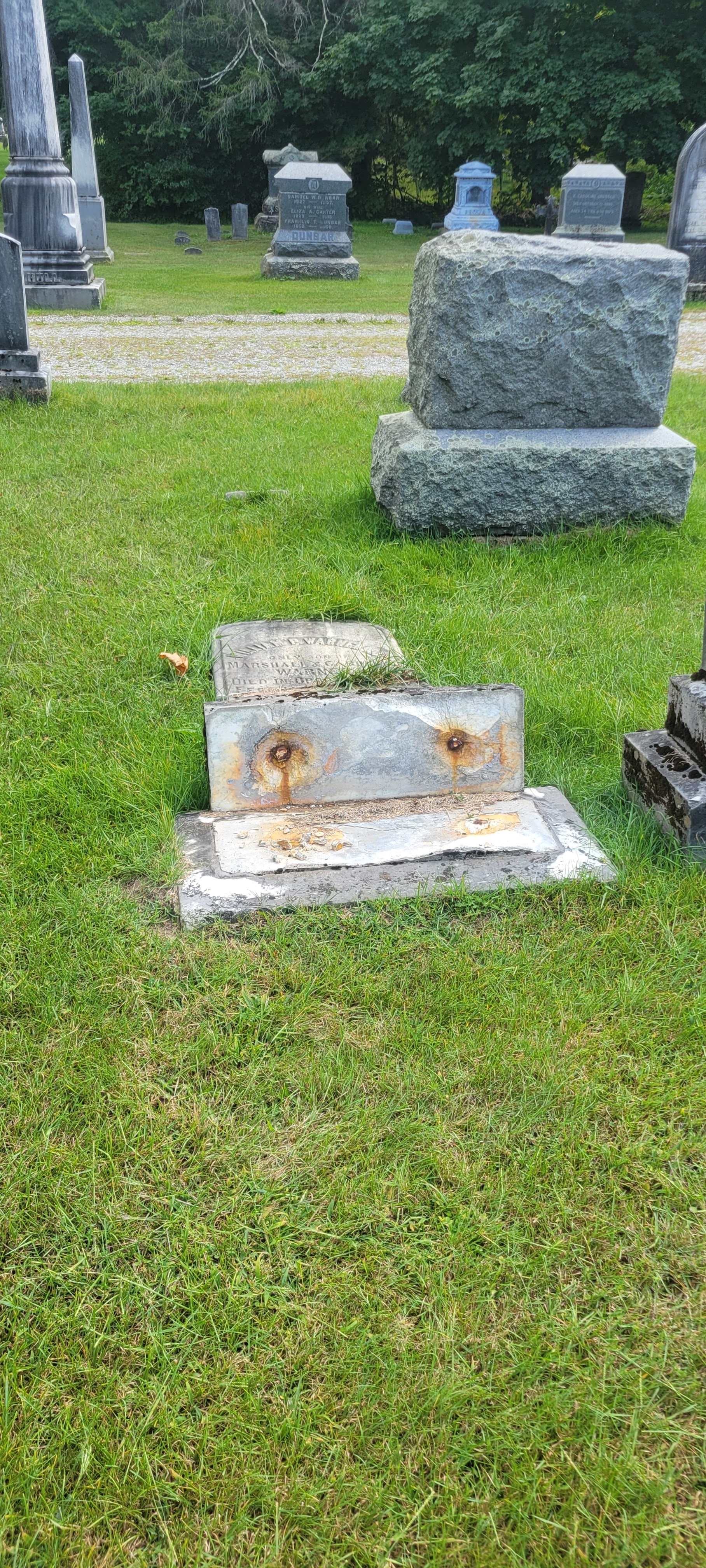
A toppled headstone. Photo credit: Ian Stewart, Preservation Inc.

Within these sacred spaces the sizes and types of stones or cement work used to mark graves can range from folk art to opulent cement work and newly created stones with laser cut designs. To preserve these artistic and historically significant pieces it is important that a few etiquette rules be observed. By doing so, we can ensure the history they represent remains for years to come.

Continue reading Cemetery Etiquette for Spooky Season