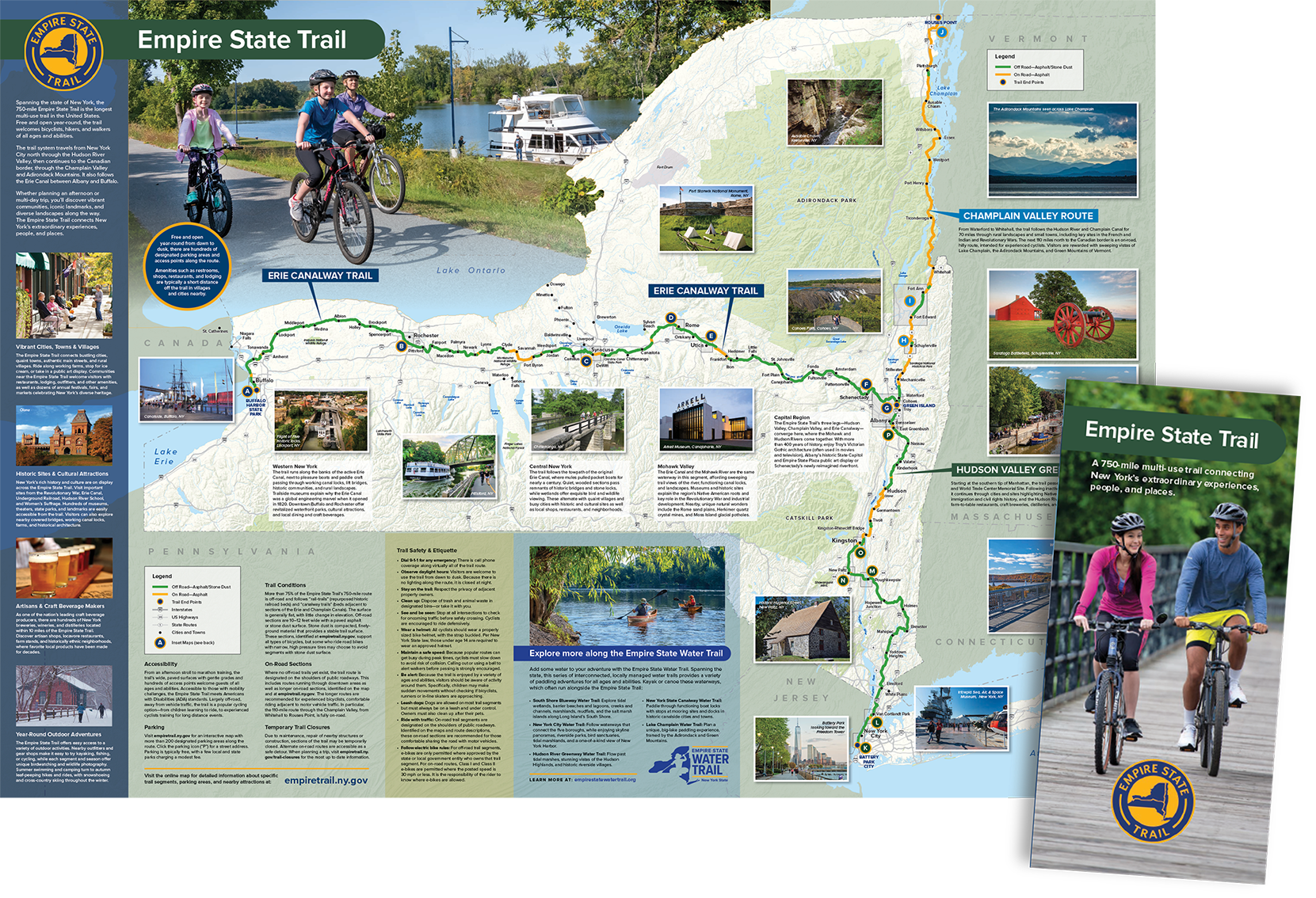
From New York City through the Hudson River and Champlain Valley up to Canada, and from Albany to Buffalo along the Erie Canal, New York State’s 750-mile Empire State Trail is the longest single-state multi-use trail in the United States. Weaving in and out of village main streets, urban centers, and rural communities across the state, the Empire State Trail provides a safe and scenic pathway for residents and tourists to experience New York’s varied iconic landscapes, rich history and diverse recreational offerings one mile at a time.
The Empire State Trail (EST) is open year-round, including winter, welcoming bicyclists, walkers, cross-county skiers and snowshoers of all ages and abilities. This jewel of the New York State Parks system connects 20 regional trails to create a continuous statewide signed route –75 percent of which is off-road on a mix of gravel and paved paths.
In this second installment of our Empire State Trail itineraries series, we invite you to explore the Finger Lakes, Northern New York, and New York City. We’ll see you out there!
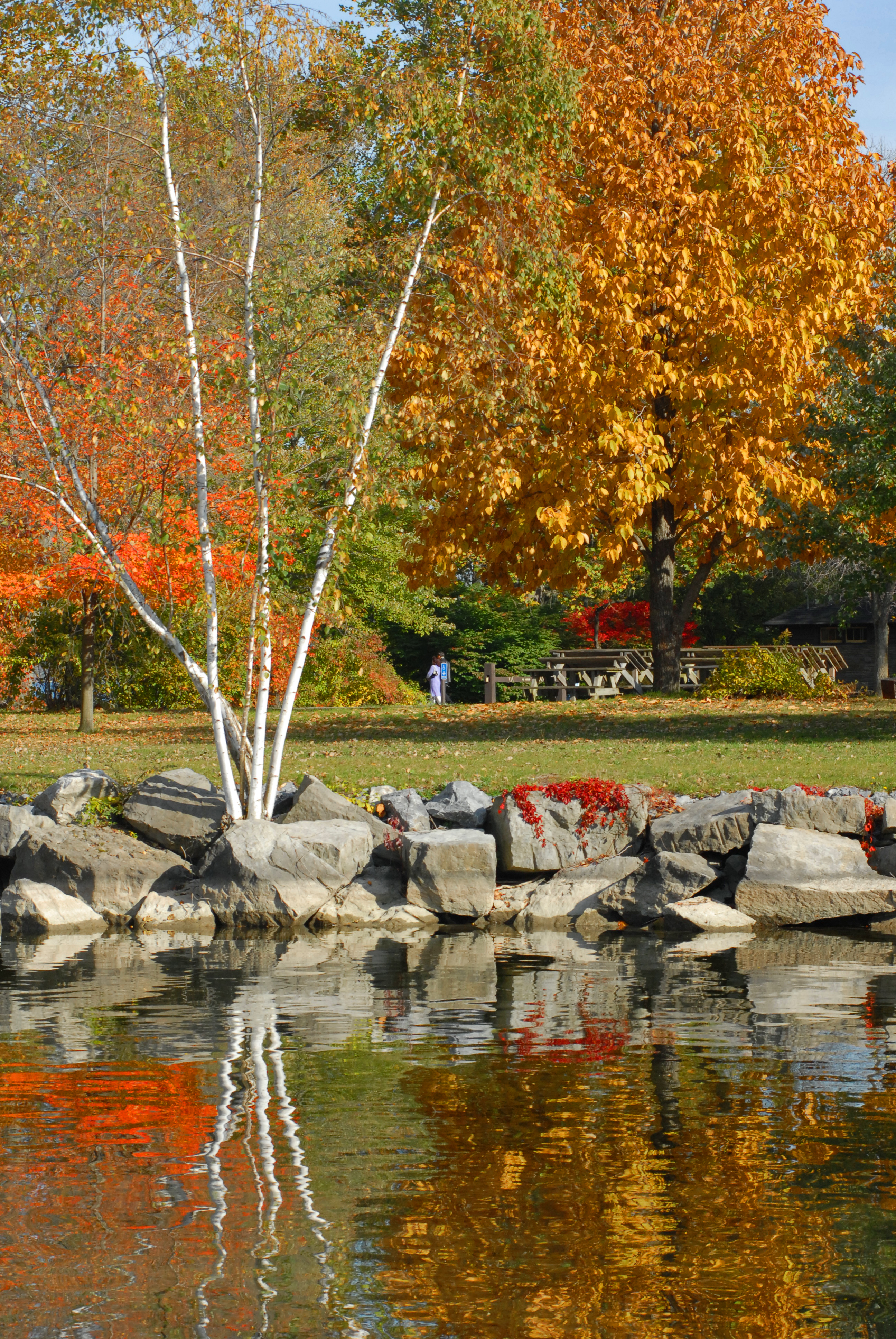
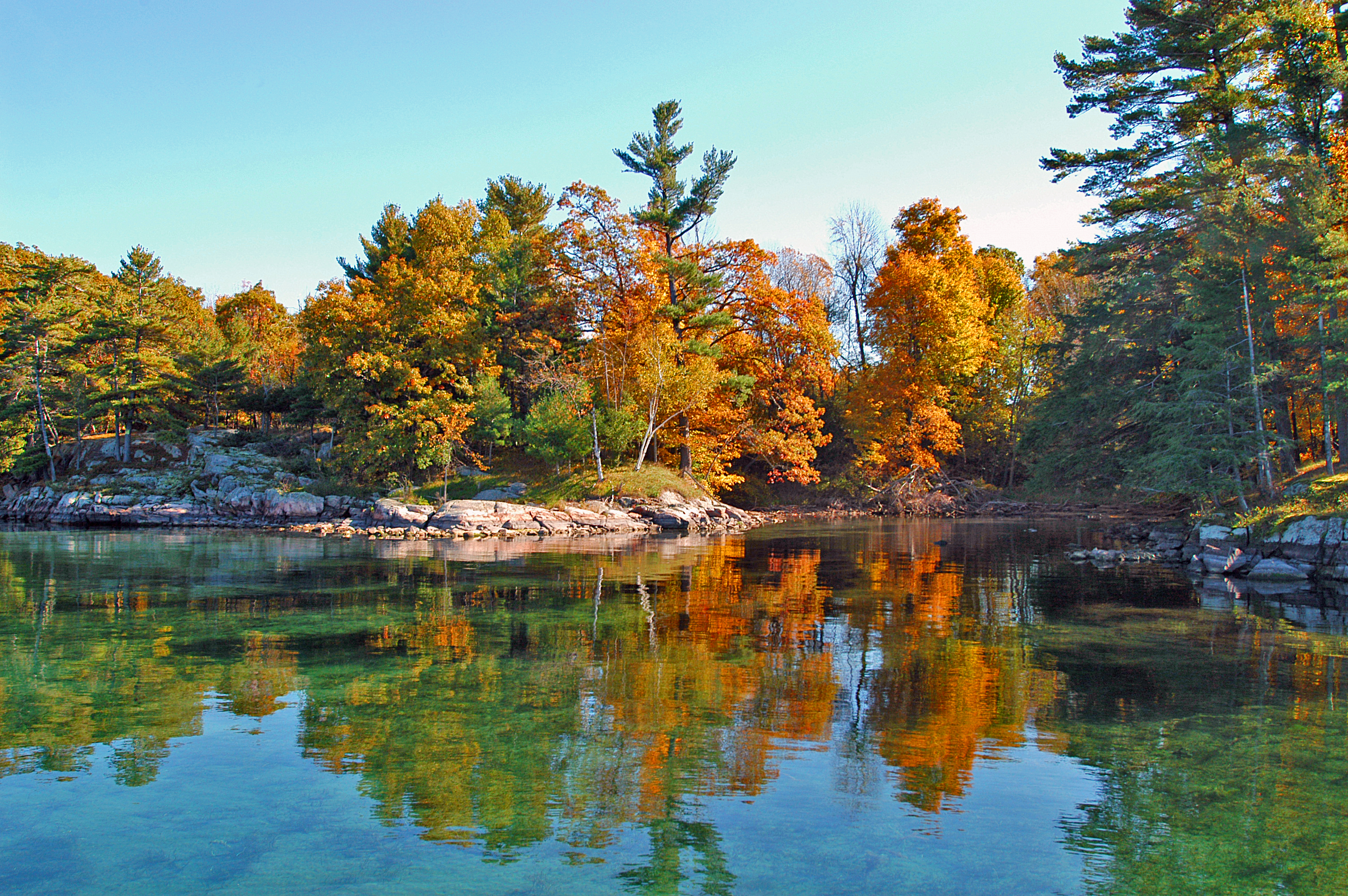
Crisp air. Crunchy leaves. Fall is a magical season. Temperatures are just right for hiking, biking and outdoor adventure. There’s vibrant color everywhere and honking geese overhead. It’s the season of apple cider donuts, pumpkin spice, and of course, Halloween! Maybe that’s why fall has eclipsed summer as the busiest time of year at our parks and historic sites? For your consideration and enjoyment, our seasonal outdoor fun experts have returned to help you squeeze every last drop out of this delightful season!
From New York City through the Hudson River and Champlain Valley up to Canada, and from Albany to Buffalo along the Erie Canal, New York State’s 750-mile Empire State Trail is the longest single-state multi-use trail in the United States. Weaving in and out of village main streets, urban centers, and rural communities across the state, the Empire State Trail provides a safe and scenic pathway for residents and tourists to experience New York’s varied iconic landscapes, rich history and diverse recreational offerings one mile at a time.
The Empire State Trail is also open year-round, including winter, welcoming bicyclists, walkers, cross-county skiers and snow-shoers of all ages and abilities. This National Trails Day, we celebrate this jewel of the New York State Parks system, which connects 20 regional trails to create a continuous statewide signed route –75 percent of which is off-road on a mix of gravel and paved paths.
In this first installment of our Empire State Trail itineraries series, we invite you to explore the Capital Region, Central New York, Mid-Hudson Valley, and Western New York. We’ll see you out there!
Printed Empire State Trail maps are available by request on the EST website.
Did you know that in New York State Parks alone there are over 2,000 miles of trails? That’s a lot of hiking, biking, running, and riding! From smooth paved paths, to steep rugged climbs, there’s a type of trail for nearly everyone. Often, trails are the only way we can get to special places like waterfalls, lakes, and mountain tops. Because trails are so popular, it’s important to know how to enjoy them responsibly so we can protect those special places for everyone.
Leave No Trace and the Seven Principles
The Leave No Trace Center for Outdoor Ethics is a non-profit organization that works to educate people on responsible ways to enjoy and experience the outdoors. To do this, they created the Leave No Trace Seven Principles (below) as guidelines you should follow every time you’re out in nature.
Leave No Trace Seven Principles
Plan Ahead and Prepare
Travel and Camp on Durable Surfaces
Dispose of Waste Properly
Leave What You Find
Minimize Campfire Impacts
Respect Wildlife
Be Considerate of Other Visitors
Here are some examples of how you can use the Leave No Trace Seven Principles next time you head out on a trail:
Know Before You Go
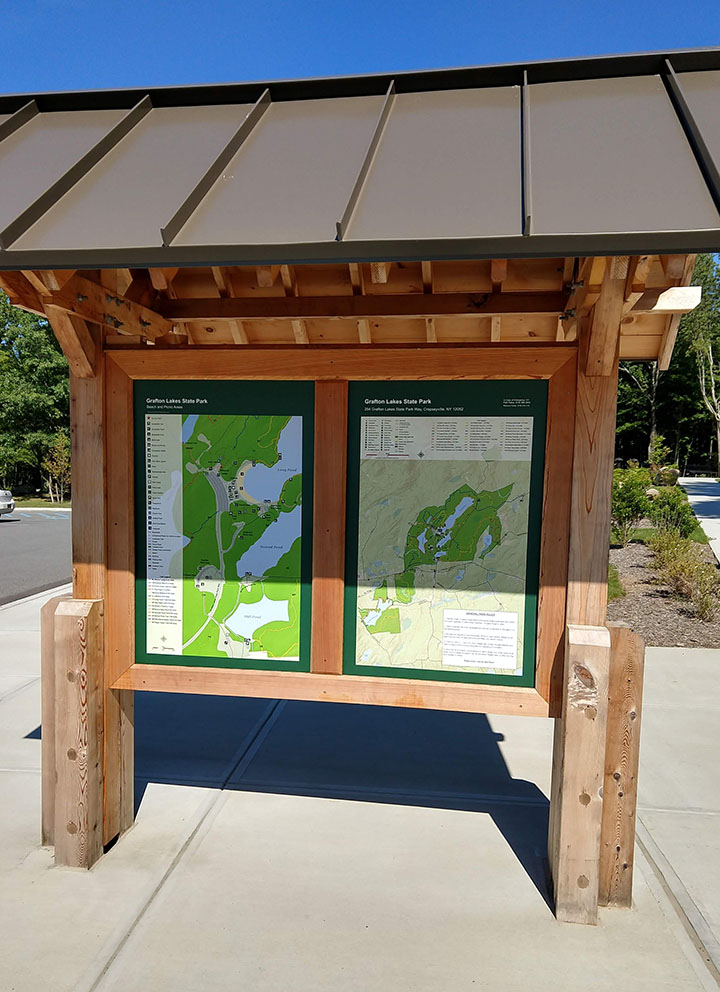
Be prepared! Check the forecast and bring the right clothes for the weather. Use maps to make sure you know the route and you won’t get lost. Bring a water bottle and enough water to stay hydrated. Learn about the areas before you visit to make the most of your trip.
Grafton Lakes State Park kiosk.
Choose The Right Path
Follow the trail! Going off the trail damages plants and can create trails where they shouldn’t be. Read signs and follow trail markers so you won’t get lost. If you’re camping, look for a designated site to camp rather than creating a new one.
Trail marker
Social Trail
Remember to carry out your trash.
Trash Your Trash
Pack out what you pack in! Don’t leave litter. Bring a baggie to store your trash and dispose of it properly when you leave. That includes food waste like apple cores and banana peels that don’t belong in nature.
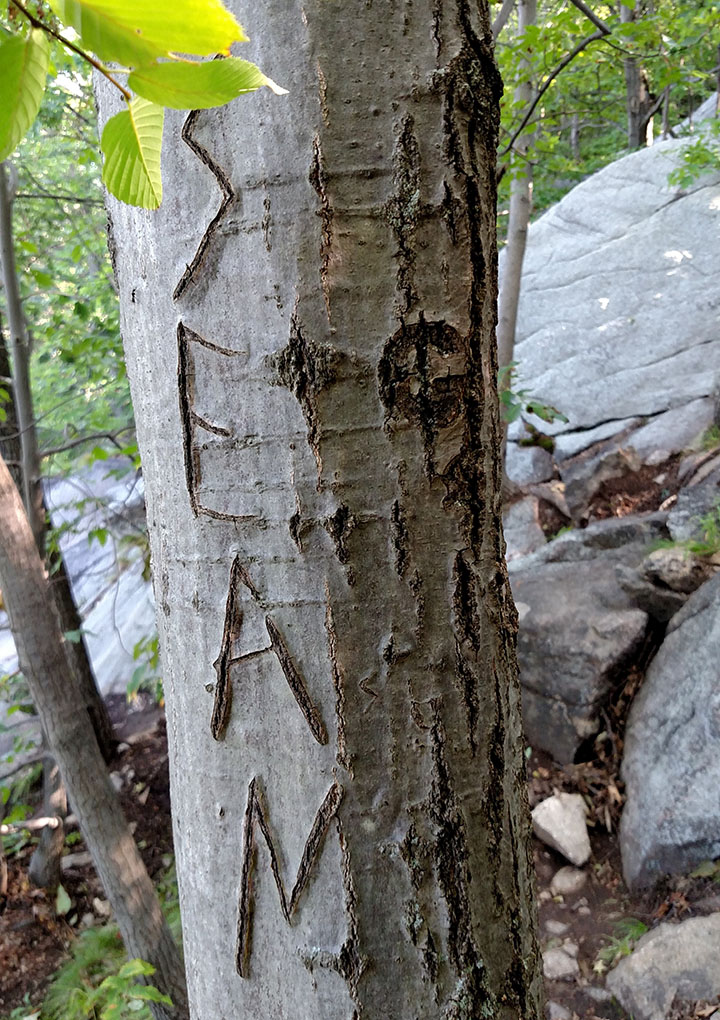
Carving in tree bark may harm a tree.
4. Leave What You Find
Leave plants, rocks, and other natural features as you find them for others to enjoy. Treat living things with respect; don’t pull plants, break limbs, or carve on trees.
5. Be Careful With Fire
Follow the rules and don’t build fires where they aren’t allowed. If allowed, use an existing fire ring, keep the fire small, and only use down and dead wood. When done, douse with water to make sure fires are completely out and check the coals to make sure they are cold.
Check with the park office or park map to learn where you can have a fire.
Respect Wildlife
Observe animals from a distance; never approach, feed, or follow them. Human food is not healthy for animals and feeding them starts bad habits. If you bring a pet, make sure to keep them on a leash.
Watch a wood turtle from a distance, photo by Lilly Schelling
Be Kind To Other Visitors
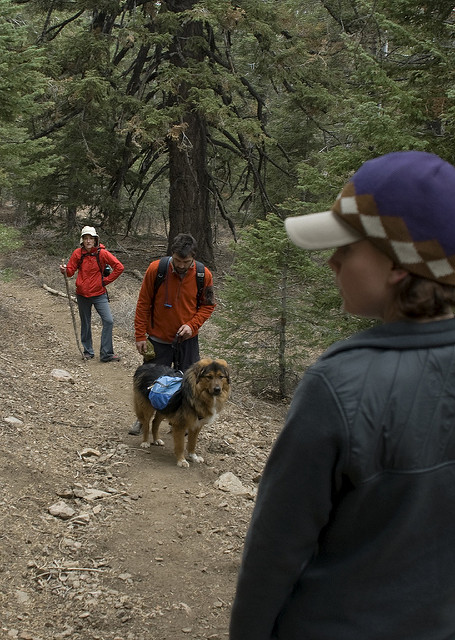
Share the trail and say hello! Have fun, but let others enjoy nature as well. Avoid loud noises and yelling. You’ll see more animals when you are quiet!
Share the trails, photo by Jennifer Natali.
Trails are one of the best ways we can all get outside for fun, exercise, and adventure. Following the Leave No Trace Seven Principles is a great way to do your part and protect our trails and outdoor spaces for the future. To learn how you can plan for your next trail adventure, visit the State Parks Trail Tips page. For more information on Leave No Trace, visit their website.










 New York State Parks and Historic Sites Blog