

Established in 1985, the New York Natural Heritage Program is a partnership between the State University of New York College of Environmental Science and Forestry and NYS Department of Environmental Conservation. The program’s mission is to determine the location and status of New York’s plants, animals, and ecological communities and provide this information to public agencies and scientific and educational institutions to facilitate conservation. Today, they count multiple non-profits, local governments, federal institutions, and state agencies among their partners — including New York State Office of Parks, Recreation and Historic Sites. You may have heard about their long-term firefly study at several of our parks. Ecologist Julie Lundgren shares more highlights from their year of work in New York State Parks.
Continue reading A Year in the Field With the NY Natural Heritage ProgramTag Archives: Biodiversity

Five Invasive Species To Know For 2025
Invasive species are non-native species that cause harm to the environment, the economy, or human health. Invasive species come from all around the world. When they’re introduced to a new environment, there is often no natural predator to stop the invasive species from spreading and pushing out native species. With too many invasive species in an ecosystem, native species can’t effectively create habitat for wildlife and support native pollinators.
Like everywhere in New York, our state parks and historic sites have to consider the impact from invasive species. Everyone can help, even if it’s just keeping an eye out and reporting your observations of invasive species to iMapInvasives!
Continue reading Five Invasive Species To Know For 2025
“Shifting Baselines:” Traveling The Tides Of Time At Hamlin Beach State Park’s Yanty Marsh Trail
At the western edge of Hamlin Beach State Park, beyond a row of trees, is Yanty Marsh Trail. The trail loops through a deciduous (broadleaf) forest along the lake, pausing to overlook a large marsh and winding beneath the canopy of a white pine grove. In the fall, beech leaves paint the sky in their wistful yellow hues as the birdsongs of spring and summer slowly grow fainter. Chipmunks gather their last nuts for the winter and the mystical great blue heron observes overhead. The white pines stand stoic among the falling leaves. As chilly mornings and early sunsets lure the marsh into slumber, the world stalls. The 65 acres of Yanty Marsh are released from the sweltering days of summer, the balance of the seasons returning.
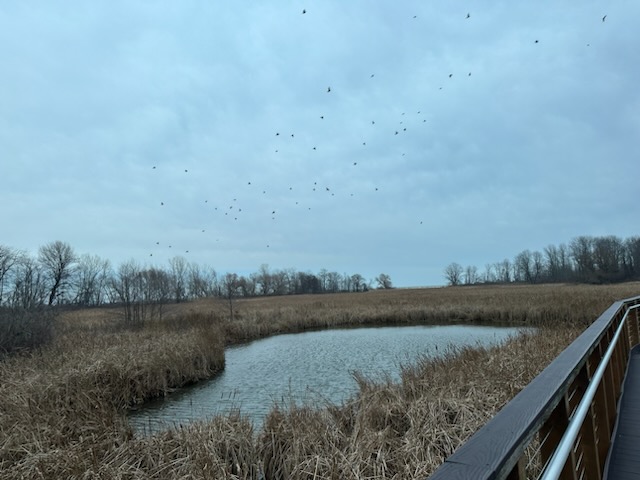
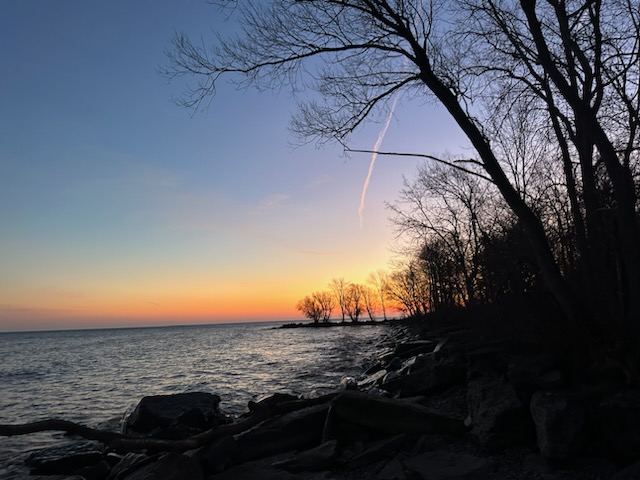
A hundred years ago, this scene looked different. With each freeze and thaw of the marsh, the stories of its past fade alongside time. An area once deforested and at risk of disappearing, the marsh and surrounding land have transformed over the past hundred years into the deciduous trail and marsh so many enjoy today.
Continue reading “Shifting Baselines:” Traveling The Tides Of Time At Hamlin Beach State Park’s Yanty Marsh Trail
An Update on the Rare ‘Chitt’ Snail from Staff Snailblazers
From the sculpted drumlins of Chimney Bluffs to the majesty of Niagara Falls, each of our parks are memorable in their own way. But Chittenango Falls State Park has something you’ll find nowhere else on earth: the Chittenango Ovate Amber Snail, or Novisuccinea chittenangoensis.

First discovered in 1905, the Chittenango Ovate Amber Snail (known to its friends as “COAS” or “Chitt”) is what scientists call an endemic species, meaning it’s found in only one place. While this makes COAS a very special snail, it also makes it a very vulnerable snail. Flooding, drought, climate change, invasive species, and human activity threaten the small snail colony and its habitat. Never very numerous, the colony numbered only about 70 individuals during the 2023 census.
Continue reading An Update on the Rare ‘Chitt’ Snail from Staff Snailblazers
Environmental Stewardship At NY State Parks
Environmental conservation was a driving force in creating New York’s state parks system that you know and love today. From protecting Niagara Falls from industrial development to preserving the views outside of Albany at Thacher State Park, our agency has been working to preserve our lands and make them available for public enjoyment since its founding. This simple mission has taken on a different meaning in the face of climate change and the shift to clean energy. Here are some ways we’re meeting the challenges of environmental conservation in the 21st century.
Shifting to Renewable Energy
New York State Parks is charged with shifting all operations to renewable energy by 2030, either through the purchase of renewable energy or through generating our own.
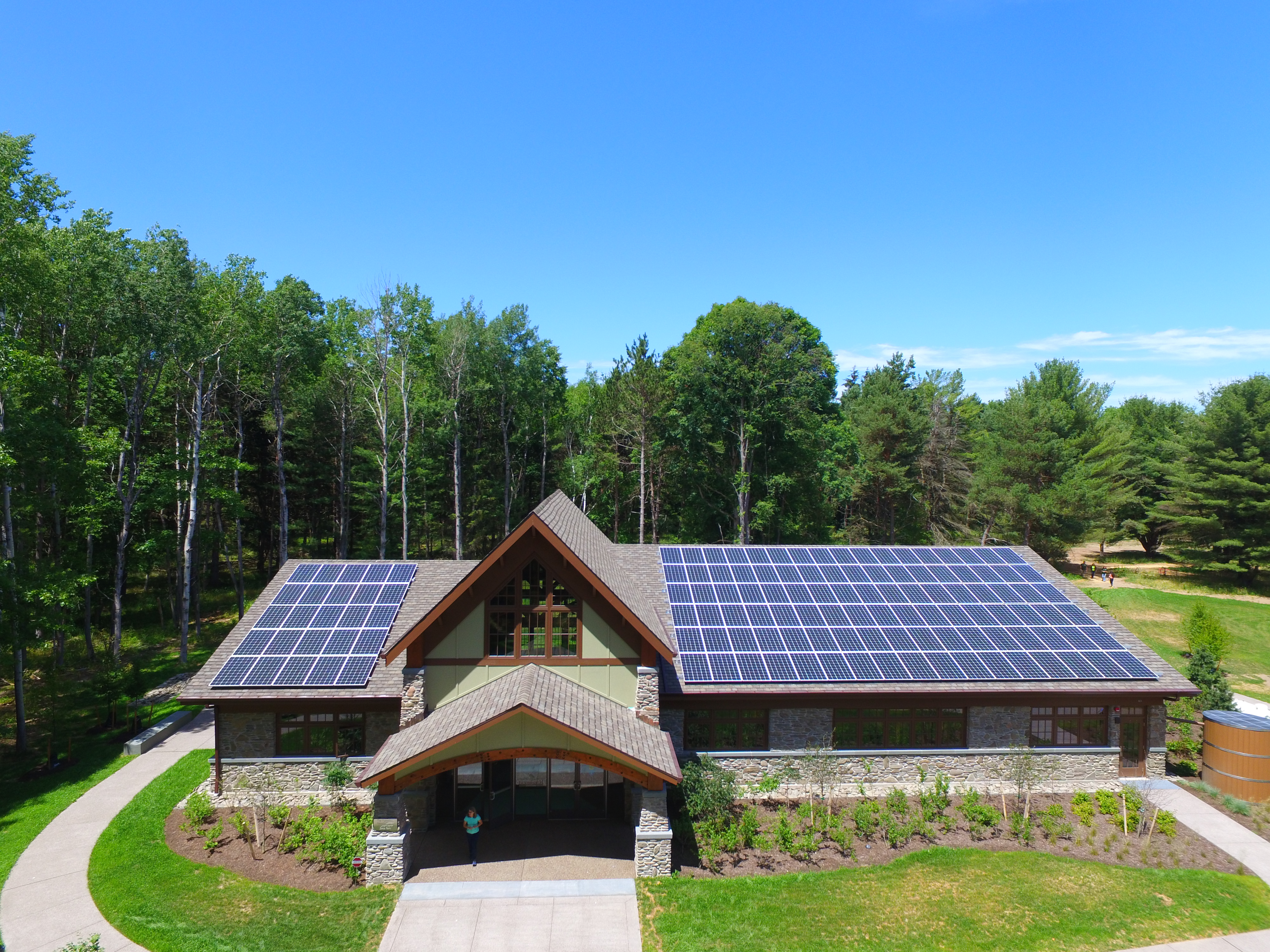
Statewide, Parks operations consume around 45 million kilowatt hours of electricity (the same annual usage as about 4,000 homes). The agency currently has 50 solar arrays around the state generating more than 6MW, which help reduce carbon emissions and save money. This includes everything from roof-mount arrays to large ground-mounts built in pre-disturbed areas like the back of parking lots.
Continue reading Environmental Stewardship At NY State Parks New York State Parks and Historic Sites Blog