When the weather turns brisk and the leaves have dropped, tree identification can feel like a puzzle with missing pieces. But winter reveals its own set of clues — bark, buds, branch patterns, fruit and leaf scars. By learning to read these signs, you’ll see your winter woods in a new light.
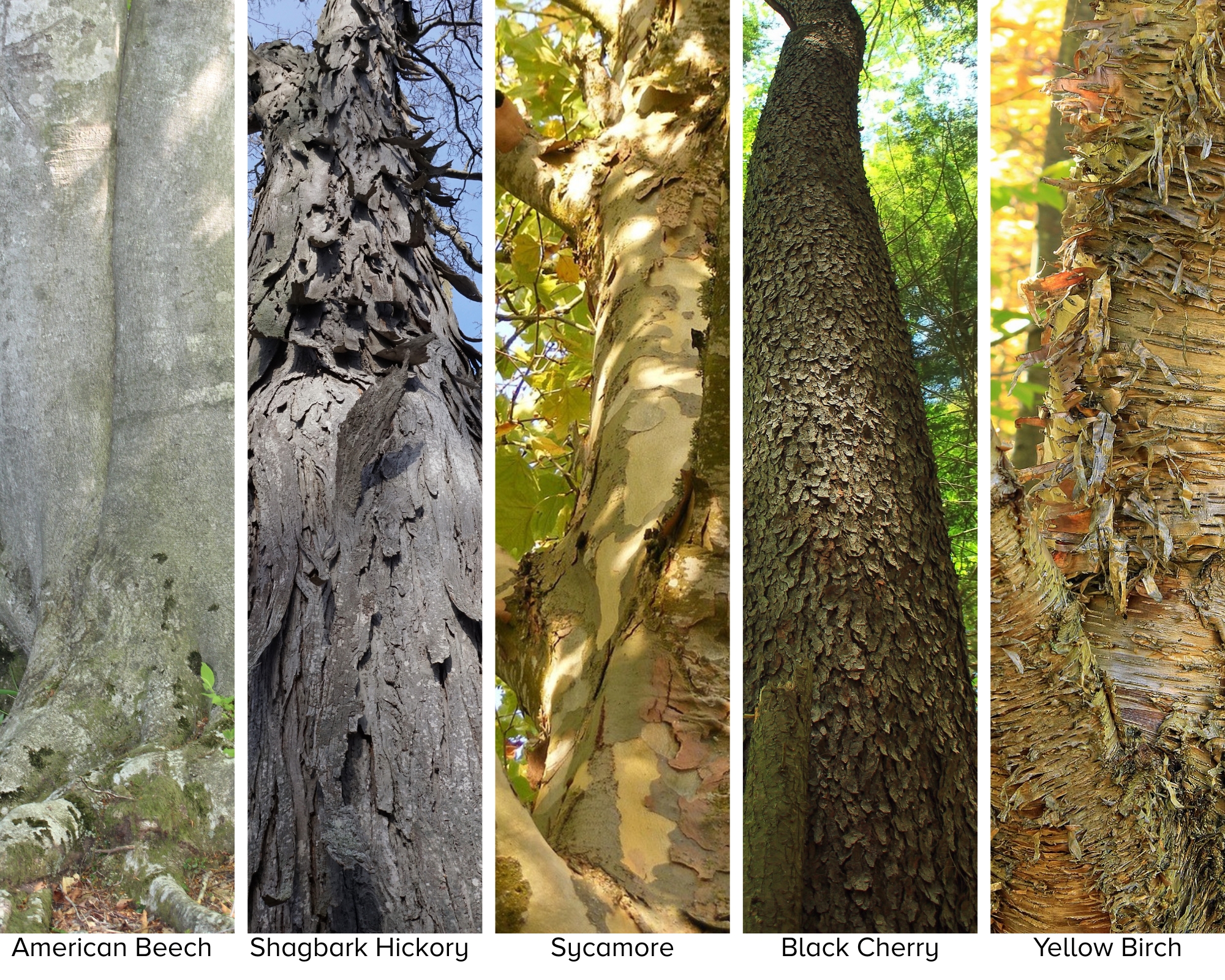
Bark: The Tree’s First Impression
Bark is often the first clue you’ll notice. Some trees have such distinctive bark that once you have learned to recognize it, you can spot it instantly.
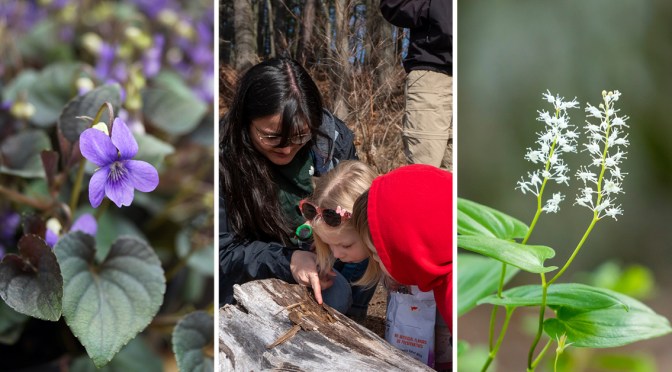
As Tom Petty once sang, “You belong among the wildflowers, you belong in a boat out at sea.” At New York State Parks, we cannot offer you a boat at sea, but we CAN offer you wildflowers! New York State is blessed with a bounty of native wildflowers that you can view throughout the year, but they are particularly brilliant in the spring.
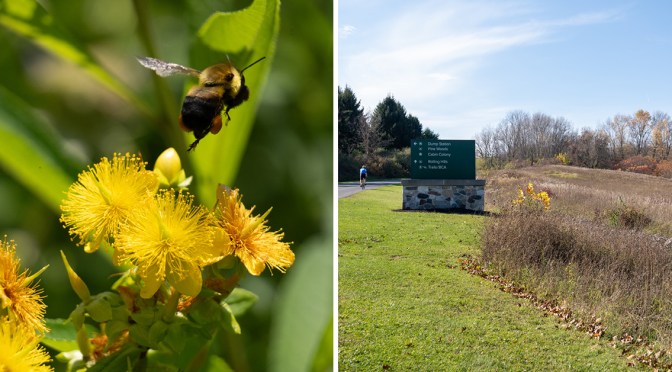
Close your eyes and picture this: You’re visiting your favorite New York state park, and as you drive along park roads or walk pathways near the visitor center, you notice tall grasses swaying in the breeze, bees and butterflies flitting between flowers, a chorus of young birds chirping in the distance, and a peaceful quiet without the hum of constant landscaping machinery.
Sound like a dream? Well, it’s become a reality! Through the ongoing implementation of the Reduced Mowing Policy—part of the New York State Pollinator Protection Plan—grow zones have become a staple at all state parks and historic sites. These zones, where native grasses and wildflowers are allowed to grow tall, continue to benefit the environment and local wildlife, proving to be more sustainable than traditional mowed areas and enhancing visitor experience in new ways.
These signs greet visitors at many of the reduced mowing sites at our parks and historic sites in an effort to inform them of our work.
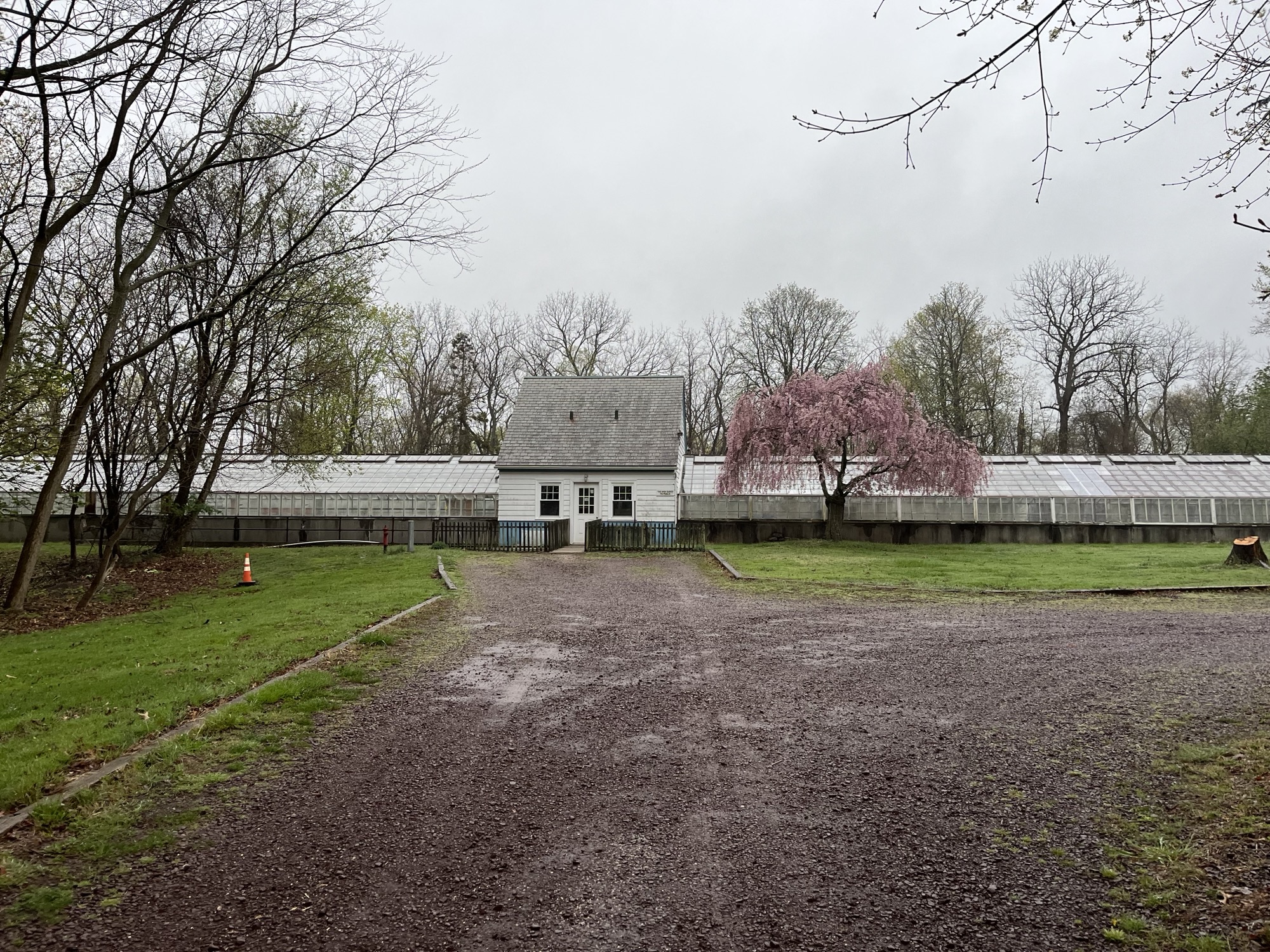
Where does New York State Parks get its flowers, perennials, shrubs and trees? For the parks on Long Island, the answer for the past two and a half years may be simply “Michelle.” Since becoming the manager of the Nissequogue River State Park greenhouse, Horticulture Technician Michelle Doran-Leute has launched an ambitious program of seed collection, propagation and planting that’s not only making Long Island parks beautiful, but supporting its ecosystem. Her mantra has always been: You can’t have a park without plants! Follow along as Michelle takes us inside the operations at the Nissequogue River greenhouse and nursery.
L to R: the historic Nissequogue River State Park greenhouse and nursery;Michelle and a colleague pose at the potting bench;Emma Halliday at work.
The Nissequogue River State Park (NRSP) greenhouse and nursery is home to the growing operations for the Long Island Region of New York State Parks. Operated and managed by myself and assistant Emma Halliday, its main purpose is to grow plant material to be distributed to the state parks of Long Island. We focus on growing native United States perennials, trees, shrubs, and ornamental mums, cabbage, kale, and asters for the fall season.
Long Island has a distinct ecology, salt spray, exposure to tides and hurricanes, and increasing urbanization. From the beach parks to forest parks, we have differences in the plants that naturally grow here.
Is there a greater source of inspiration than nature? The natural world has inspired great works of art in every genre and style from cave paintings to classical sculpture, lyric poetry to hit movies, orchestral works to electronic soundscapes. Landscape architecture takes this process one step further, in which nature becomes the art. A landscape architect studies for years to learn the art, science and craft of working with plants and trees to make an artistic statement that complements both the natural surroundings and the architecture and meets the needs of their client.
New York State Parks and Historic Sites preserves many remarkable landscapes. As National Garden Week draws to a close, discover iconic landscapes at our historic sites and the fascinating stories behind them.






 New York State Parks and Historic Sites Blog