
If you were out hiking, camping, or taking in a view at a state park or historic site this past summer, you may have spotted a few Parks employees snapping pictures of valuable infrastructure — trash cans, dumpsters, and dog waste bins.
These photos are part of a multi-year project of cataloging and mapping waste bins across all state parks to improve waste management. Building on the 2024 Green Lakes State Park pilot program, the 2025 season’s sustainability stewards took the waste challenge head-on in the Finger Lakes and Thousand Islands regions.
The Finger Lakes is home to abundant waterfalls and clear lakes, with Watkins Glen State Park drawing in nearly 1,400,000 visitors in 2024. Thousand Islands boasts the largest camping complex in the state at Wellesley Island State Park, with a mix of woodland and beach surroundings. As visitation to New York state parks and historic sites grows, the waste ecosystem in each region changes and faces new challenges. With these challenges comes renewed opportunity for waste-wise practices and sustainable adaptations.
Collecting data on waste infrastructure helps the Office of Parks, Recreation, and Historic Preservation adhere to state policy Executive Order 22. The goal of the policy is to reduce emissions and waste across New York State public agencies through materials management approaches, including reuse, recycling, and composting. Encompassing all these actions is waste diversion, the practice of keeping reusable or recyclable materials out of landfills and incinerators.
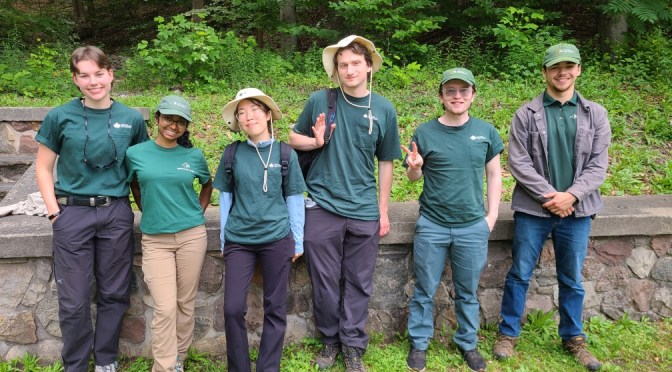
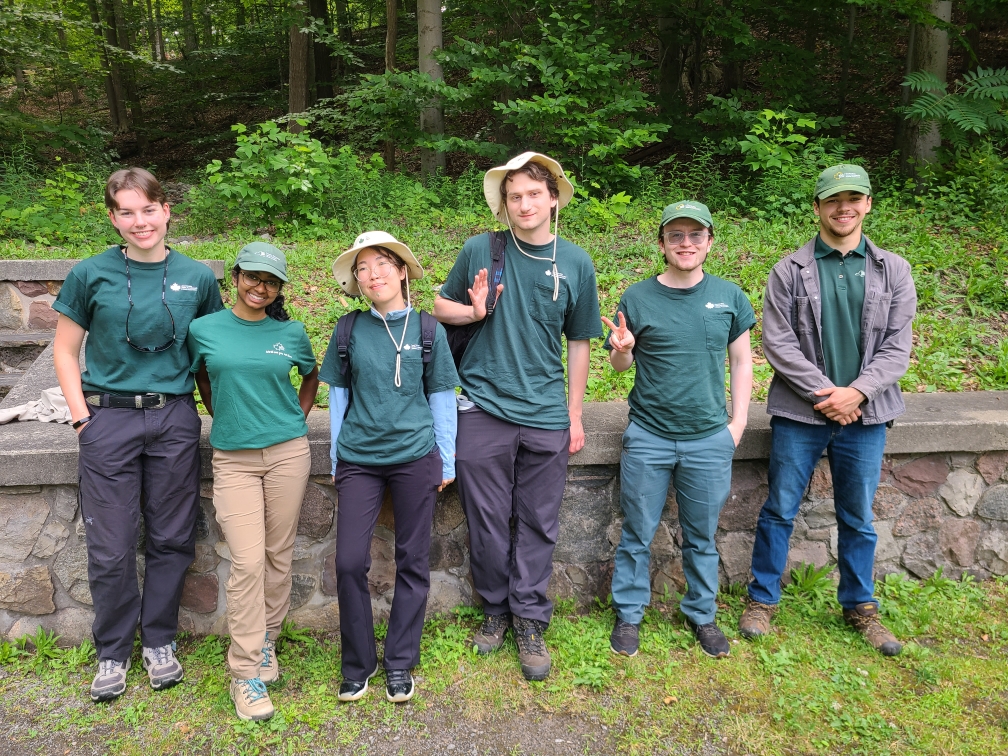
Facilitated by sustainability manager Jordan Elliott and regional staff, SUNY Climate Corps interns Soelma Purbueva, Adrian Elie, Samuel Viteri, and Samuel Scott began work in June 2025. At each site, data collection started with a facility tour led by the park manager to locate dumpsters, trash bins, dog waste bins, cigarette disposal towers, and everything in between. In addition to waste bin mapping, the stewards worked towards a more sustainable park system by engaging staff in waste reduction training and conducting waste assessments. Throughout the project, the insight of facility operations was key in developing diversion programing that addresses the challenges that maintenance staff face keeping our public lands and historic sites beautiful.
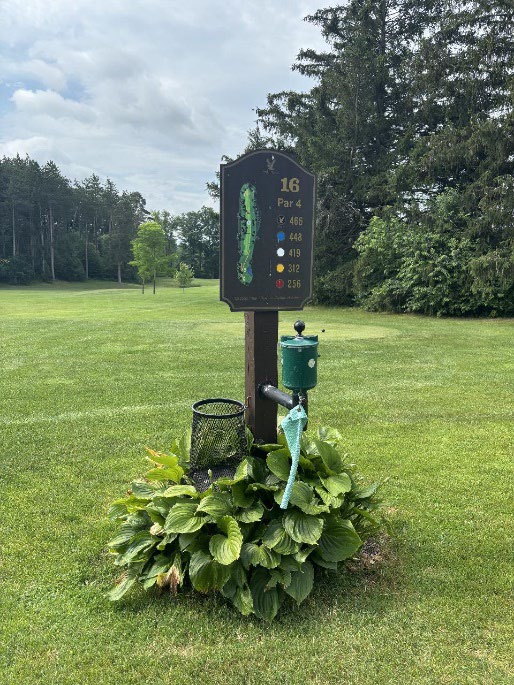
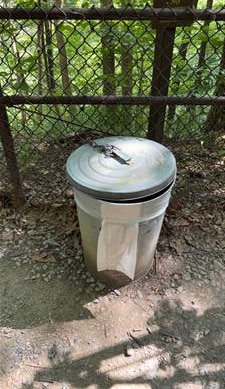
Waste infrastructure varies greatly from park to park and region to region. The waste bins above are only two of 1,050+ captured during the 2025 summer season.
Waste assessments were conducted at each park to evaluate the effectiveness of current programs, highlight where waste diversion efforts should be concentrated, and identify sites for signage and bin upgrades. Compostable organic material, recyclable items like plastic and paper, and trash items are separated out of a sample of available waste. From there, the piles are weighed. This data will inform changes to waste infrastructure, programming, and education efforts and is essential in monitoring effectiveness.
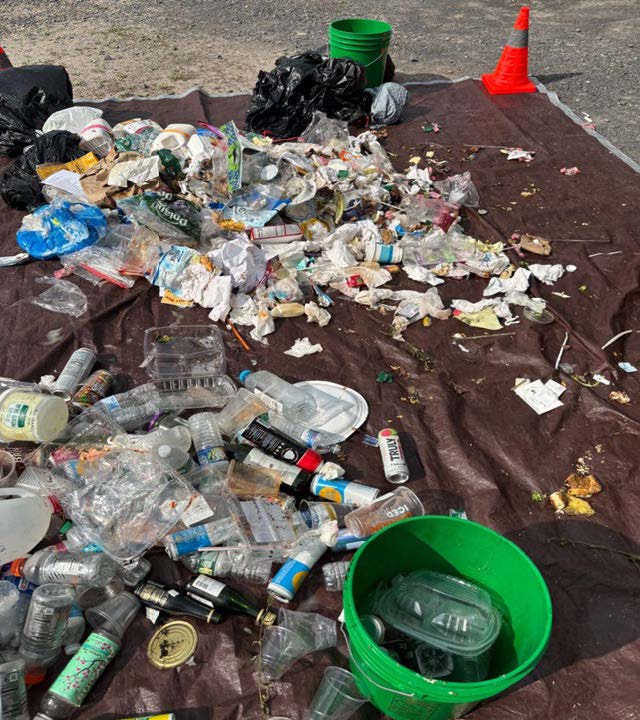
A typical assessment at a state park or historic site varies, since grounds are diverse; campgrounds, museums, beaches, food concessionaires, golf courses, and fishing areas are all in the mix. Parsing the contents of a full trash bin reveals valuable information on how accurately visitors are recycling, highlights areas with excess food waste for composting programs, and flags where guidance and infrastructure can be improved. At carry-in carry-out parks with no trash bins, a litter audit can provide this information.
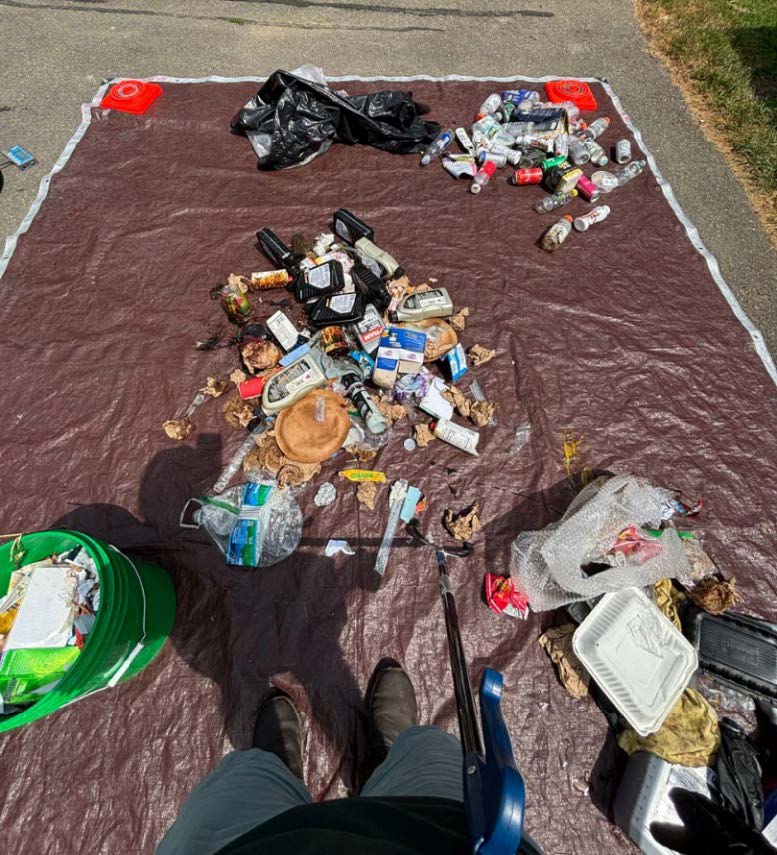
In total, waste assessments and waste infrastructure surveys were completed at 68 state parks, historic sites, and marinas. A total of 2,700 pounds of waste was assessed and over 1,050 infrastructure data points were recorded. The Finger Lakes region was found to have more waste infrastructure, with multiple composting programs and hundreds of indoor and outdoor bins. The Thousand Islands region is primarily carry-in carry-out and has substantially less waste infrastructure, a noteworthy difference. Recycling accuracy was an impressive 77 percent in recycling dumpsters in the Thousand Islands region and 61 percent in the Finger Lakes region. In trash dumpsters, 54 percent of items in the Thousand Islands region and 42 percent in the Finger Lakes region could have been diverted to recycling or composting.
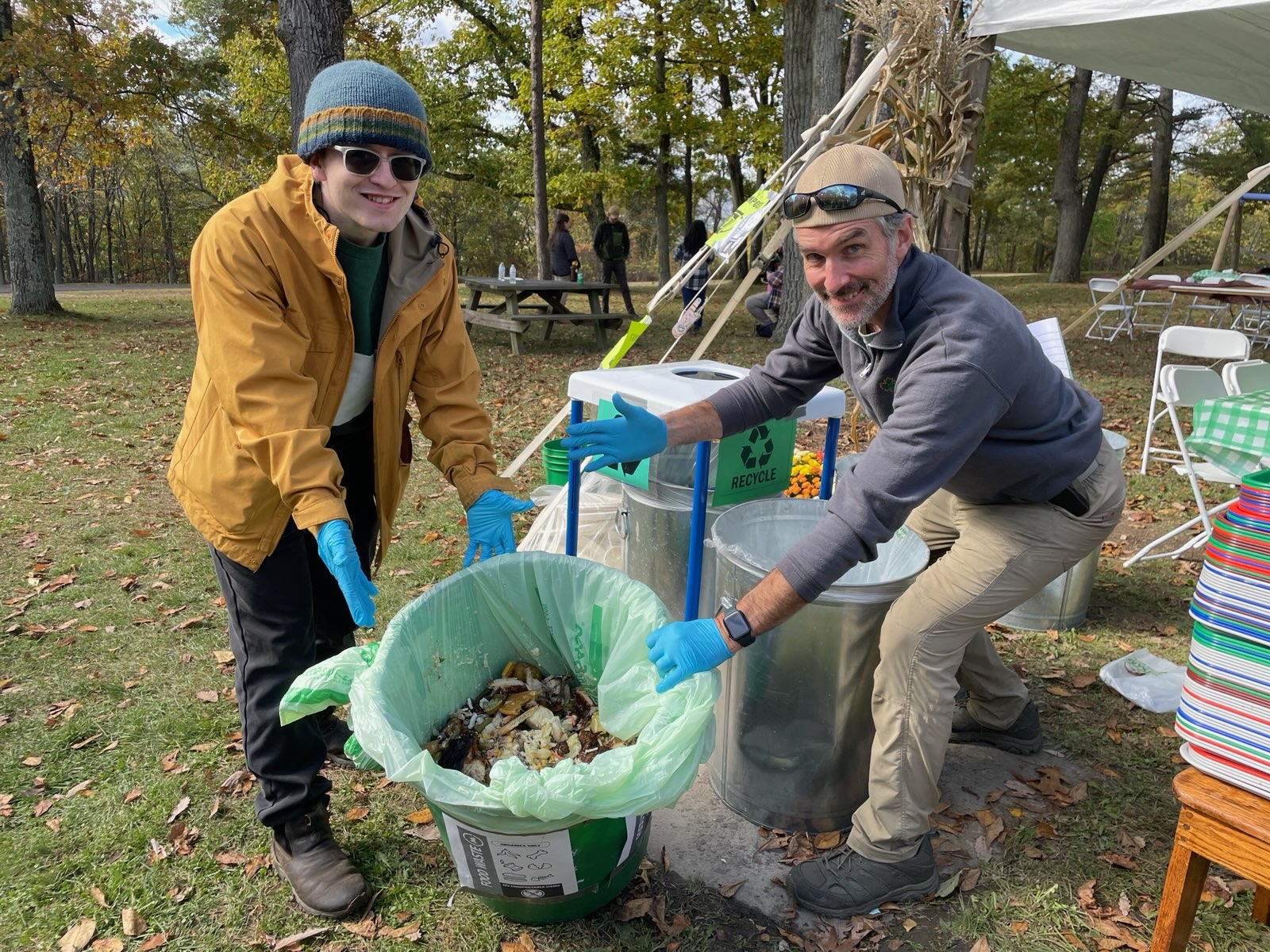
With these results in hand, the Parks Sustainable Operations team will continue to build on the two summers of data collection to inform regional waste management needs. The efforts of this project are ultimately designed to promote responsible stewardship of New York State’s valuable public resources and create safe and accessible outdoor spaces for all residents. Such regional changes are steps towards building a sustainable state park system, one bin at a time.
—Written by Parks Sustainability Researcher Rheanna Fleming and SUNY Climate Corps Intern Samuel Scott

