Category Archives: Park Projects

Safety, Streams & Salts

Whether you’re enjoying one of the numerous recreational opportunities of the season, or keeping warm by the cozy fire, one thing is on every New Yorker’s mind- snow! This frigid ice blanket provides more than a slick surface to ski, sled, and snowboard on; it can also create a hazard on our roadways and sidewalks. New York State, along with several other northeastern states, has historically used salt to melt any existing ice, prevent further ice from forming, and improve traction. While this method of salting has greatly improved the safety of our roadways, it has an acute impact on the environment- particularly on New York State’s reputable freshwater lakes, ponds, and streams.

snowfall at Allegany_KH
Fresh snowfall at Allegany State Park. Photo taken by Kate Haggerty, NYSOPRHP EMB Water Quality Unit (12/1/2010).


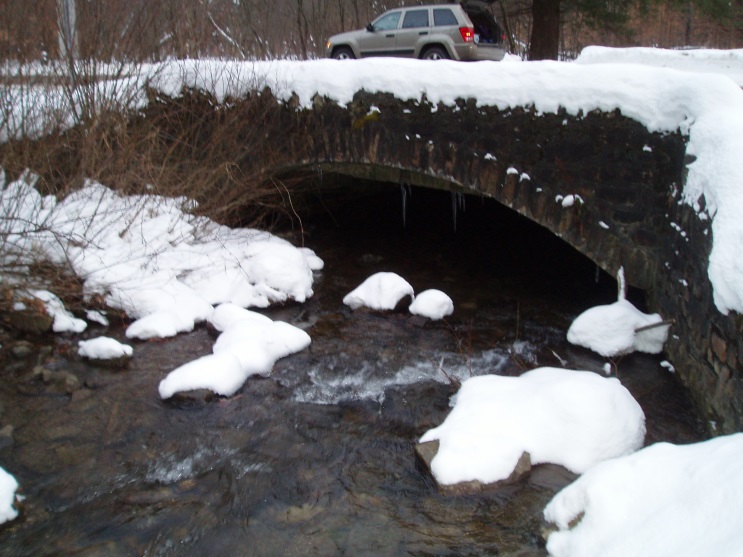
Cleared roadway over stream xing_Allegany_DM
Cleared roadway over a stream crossing in Allegany State Park. Photo taken by Dan Munsell, NYSOPRHP EMB Water Quality Unit (1/08/2013).


During the washout period of the spring, when snow and ice melt due to increasing outdoor temperatures, residual salts (and other chemicals) wash off of roadways and into our freshwater waterways. In large amounts, these salts can be toxic to aquatic organisms by altering the chemical composition of our waters. Several of our favorite fish, amphibian, and plant species aren’t adapted to these saltier environments, which can lead to substantial changes in the aquatic food web.

Currently, innovative alternatives are being studied to reduce the amount of road salt needed in the winter. This includes the use of granular volcanic material, beet molasses, and fireplace ashes to minimize or even replace road salts. Innovative infrastructure designs, such as pervious (porous) concrete roadways have also been suggested to reduce the amount of water (and ice!) accumulated on street and sidewalk surfaces. These innovative alternatives could ultimately eliminate the need for road salt use during New York’s winters, while still providing safety for drivers and walkers alike!

In order to decrease the environmental impacts of using road salt, while also ensuring the safety of our patrons, NYS Parks adopted a policy to minimize the use of road salt in our parks. By focusing the use of road salt on high-risk park roadways, and using other materials to improve traction (such as sand and gravel), NYS Parks reduces the amount of salt needed, which has further protected our park enthusiasts and our beloved freshwater resources!

Post by Nate Kishbaugh, photos by Dan Munsell and Kate Haggerty.


New York State Removing Sandy Marine Debris from 10 Sites

NOAA’s Marine Debris Blog has a blog post up on the great work that New York State Parks is doing in Long Island parks to clean up Sandy debris. The featured image is post-storm damage at Jones Beach State Park, by NYS Parks.

Protecting Mud Lake

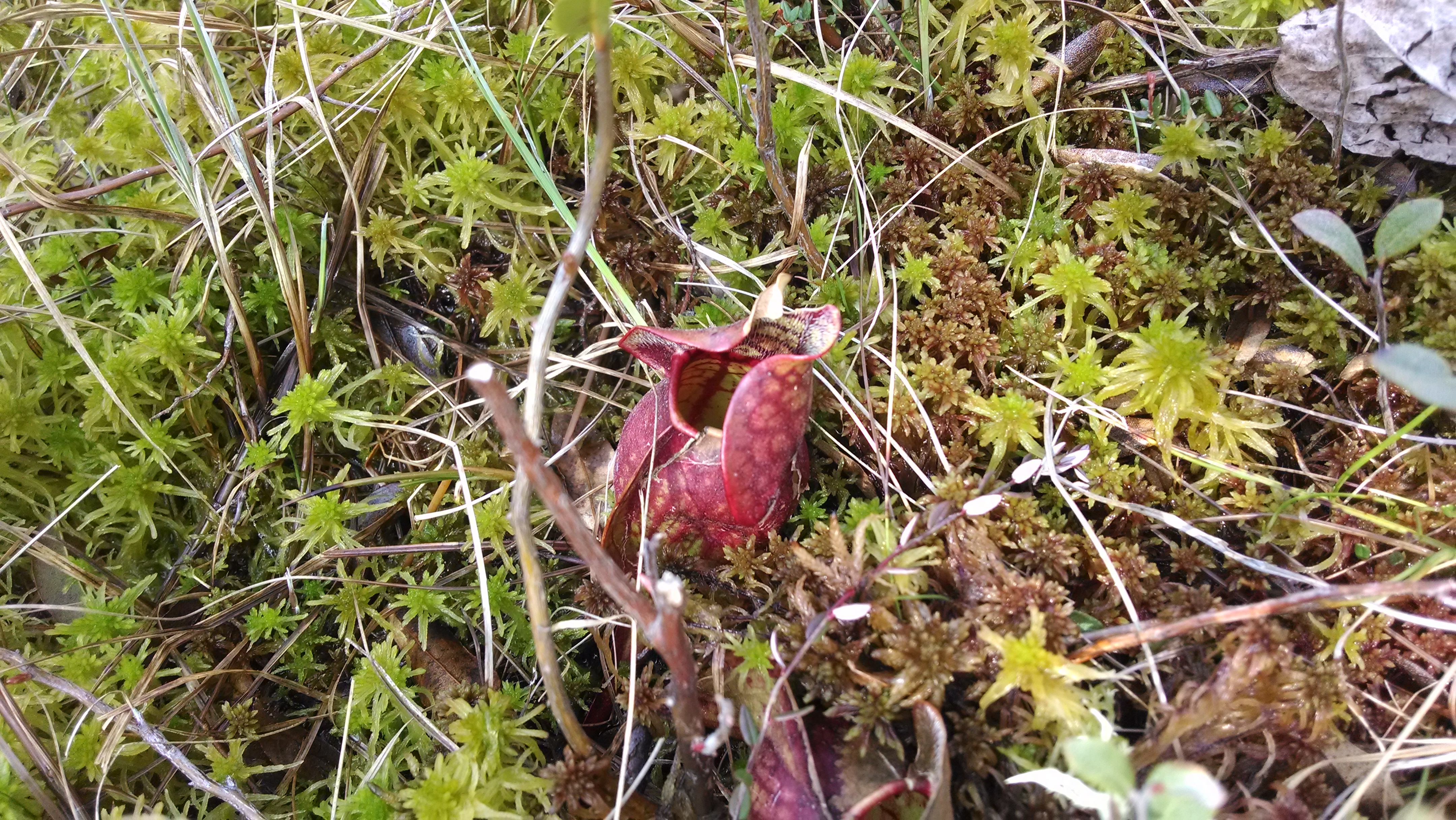
Riddell_Skunk_cabbage_ParisHarper
Skunk cabbages grow in the damp peat at the shady, forested edge of the bog.

NYS Parks often has to perform a balancing act between meeting the needs of the wildlife and environments, and providing the opportunities for recreation that sometimes negatively impact ecosystems, but also allow people to experience nature and buoy the public interest in maintaining and protecting our parks.

Mud Lake, at Robert V. Riddell (RVR) State Park in Delaware County, is a good example of such a place. The NY Natural Heritage program (NYNHP) completed a vegetation map based on field surveys at Robert V. Riddell State Park, and has documented one rare insect species and a high quality dwarf shrub bog, both at Mud Lake. Mud Lake is a very scenic feature in the park, but as park use increases, this fragile ecosystem faces greater risks. For this reason, the Office of Parks, Recreation and Historic Preservation (OPRHP) is looking to provide better visitor access to Mud Lake while protecting the fragile bog and pond habitat.

Given that RVR has only recently been designated a state park, there has been relatively little development beyond trail surveys and invasive species removal. Because the park is so close to Hartwick College, one of the most important uses of the park is for education and research, which only adds to the importance of protecting a rare and high-quality ecosystem like Mud Lake. Hartwick College has been a long time partner of State Parks and continues to utilize Robert V. Riddell State Park for educational opportunities.

Mud Lake is located on the parcel of land recently acquired from Hartwick College. It’s a small, spring-fed pond surrounded by forest and circled by a narrow band of spruce and tamarack trees, transitioning to low shrubs, and finally to a floating mat of sphagnum peat at the edge of the open water. This type of ecosystem is called a dwarf shrub bog, and it is a particularly fragile environment. Wild cranberries only grow in dwarf shrub bogs, as do carnivorous pitcher plants and sundews. These plants can be found growing out of the peat moss.

Pitcher plants grow out of peat moss, which is lower in nutrients than regular soil. Pitcher plants capture and digest insects to make up for this!

The peat is strong enough to walk on, but the water flowing through the thick vegetative mat gives you the feeling of standing on a waterbed – I was afraid of falling through!

The peat will hold up up, but not without getting your shoes wet!
The peat will hold you up, but not without getting your shoes wet!

Visitor access to Mud Lake is challenging. Currently, there is no defined pathway that can take you from the edge of the forest out to the open pond and bog area. This means any park visitors that want to get a closer look are making their own paths through the edge of the bog, and putting fragile plants at risk of being crushed.

To protect Mud Lake and also to enhance visitor experiences, OPRHP is in the process of designing a boardwalk from the upland edge of the bog to the water’s edge, including a gathering space where groups of students and other visitors can be brought to view the bog. However, building a solid structure on a bog presents unique challenges. Last winter, core samples taken from the peat went as far as 27 feet deep and still did not hit hard earth. At the tree line, solid ground was 20 feet below the surface of the soft, damp peat layer. OPRHP is still working on resolving all the construction challenges in this project, but we are hard at work to protect Mud Lake.

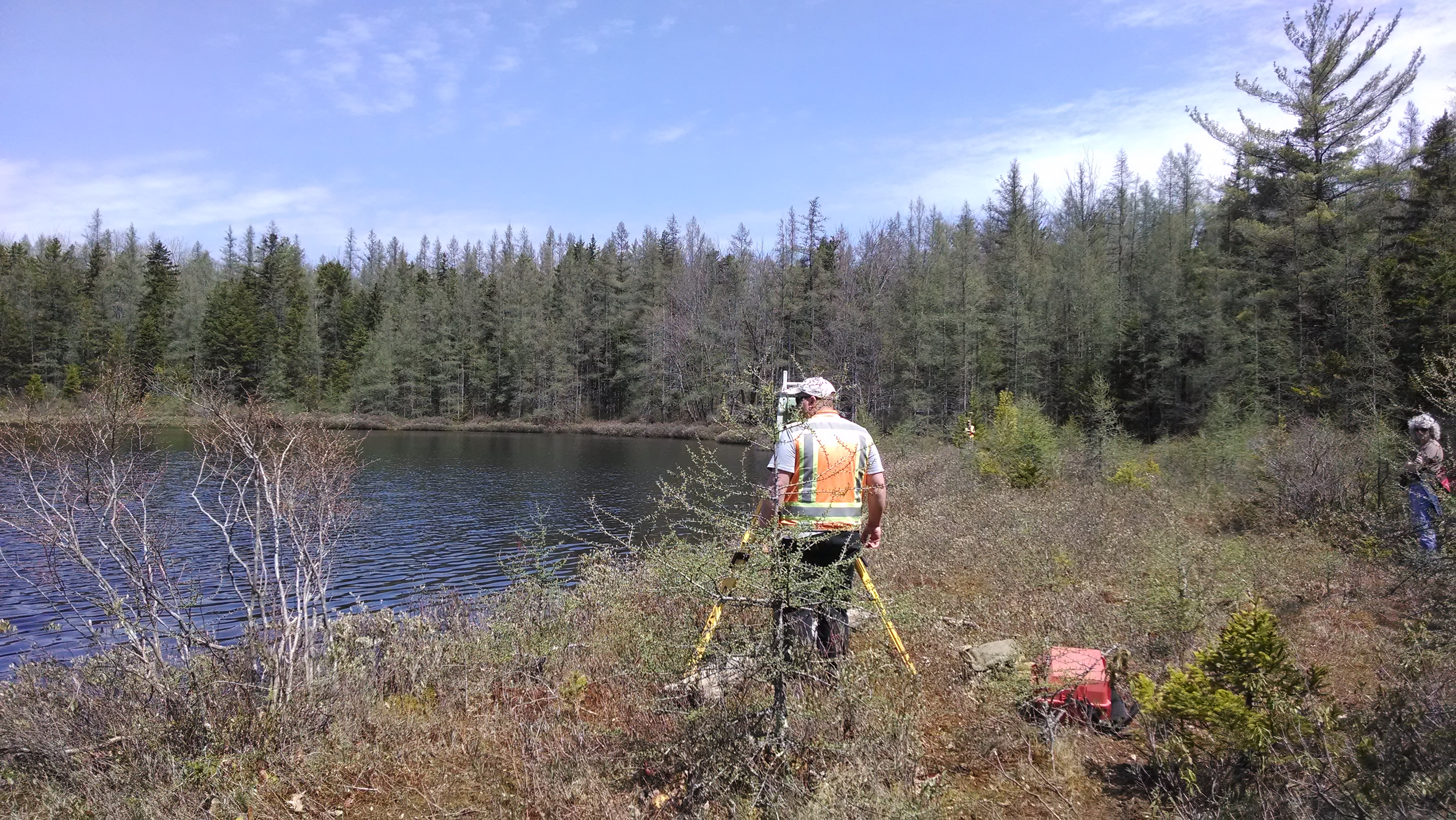
Surveyors at work on Mud Lake

featured image is of Mud Lake in early May. Post and photos by Paris Harper 

Grassland Conservation at Green Lakes State Park

The NYS Bird Conservation Area Program (BCA) deems certain areas as especially worth protecting due to their importance as a habitat for one or more species. In general, a site is nominated because of its importance to large numbers of waterfowl, pelagic seabirds, shorebirds, wading birds, migratory birds, or because of high species diversity, importance to species at risk, or its importance as a bird research site. The Green Lakes BCA is located within Green Lakes State Park. Green Lakes is about 5 miles East of Syracuse and is bordered on the north by portions of the Old Erie Canal State Historic Park. The park offers an eighteen hole golf course, camping, biking, hiking, swimming, and cross-country skiing.

Bobolink, photo by NYS Parks

The Green lakes BCA is an important habitat for migratory bird species and it is a diverse species concentration site, meaning that many different kinds of birds use this habitat to nest, feed, and shelter. In particular, this BCA is unique because it contains significant tracts of both mature forest and grassland habitat, providing habitat for an unusually diverse suite of bird species. Grassland habitat, and the birds that depend on that habitat, have been declining throughout the northeastern U.S. The grasslands within Green lakes BCA represent the largest concentration of grassland habitat in the New York State Park system. This makes it a perfect shelter for grassland-breeding species including Northern Harrier (threatened), Bobolink, and Grasshopper Sparrow (special concern). In addition, the BCA contains a relatively large tract of interior forest, including old-growth forest, which provides important breeding habitat for mature forest birds, such as Ovenbird, eastern wood-pewee and wood thrush. Finally, the meromictic lakes, from which the BCA takes its name, provide stopover and foraging sites for many birds dependent upon open water, including Bald Eagle, Osprey, and Wood Duck.

The Green Lakes BCA is also in need of conservation. In the western portion of the Green Lakes State Park, the BCA’s important grassland habitat is currently undergoing succession, with shrubs and trees gradually becoming established within these fields. The majority of these woody plants are non-native invasive species. Continued establishment of woody plants will eliminate habitat for grassland-dependent bird species, many of which are state-listed. For this reason, NYS Parks has developed a grassland management plan to protect and conserve this important bird habitat.

The management plan calls for:

  • Removal of woody vegetation from critical fields, and maintaining these fields as grassland bird habitat through regular mowing (every two to three years).
  • Selective removal of hedgerows, which fragment the grasslands and provide travel corridors for nest predators such as raccoons
  • Removal of invasive species, such as Pale Swallow-wort. These non-native species have the potential to significantly transform the current habitat within the BCA, and reduce habitat quality for a wide range of birds.
  • Reducing the deer population. The deer population within the BCA is currently impacting the survival and regeneration of native vegetation, particularly within forested habitats.

For more information:

New York State Breeding Bird Atlas 2000, Maps and Species Lists 

OPRHP 2010, Green Lakes State Park Master Plan 

NYS Parks Bird Conservation Areas

The featured photo is the Green Lakes Bird Conservation Area at Green Lakes State Park. Photo by Lilly Schelling. Post by Paris Harper.

Benthic Barriers in Rudd Pond

No one likes to hop into the water on a hot day and find a slimy, tangled forest of plants. In many state parks, aquatic invasives plants encroach on public swimming areas, ruining recreational areas as well as habitat for native species in the same lakes and ponds. At Rudd Pond in Taconic State Park in Columbia County, a simple management strategy may prove to be an effective way to protect a swim area against unpleasant and unwelcome weeds.

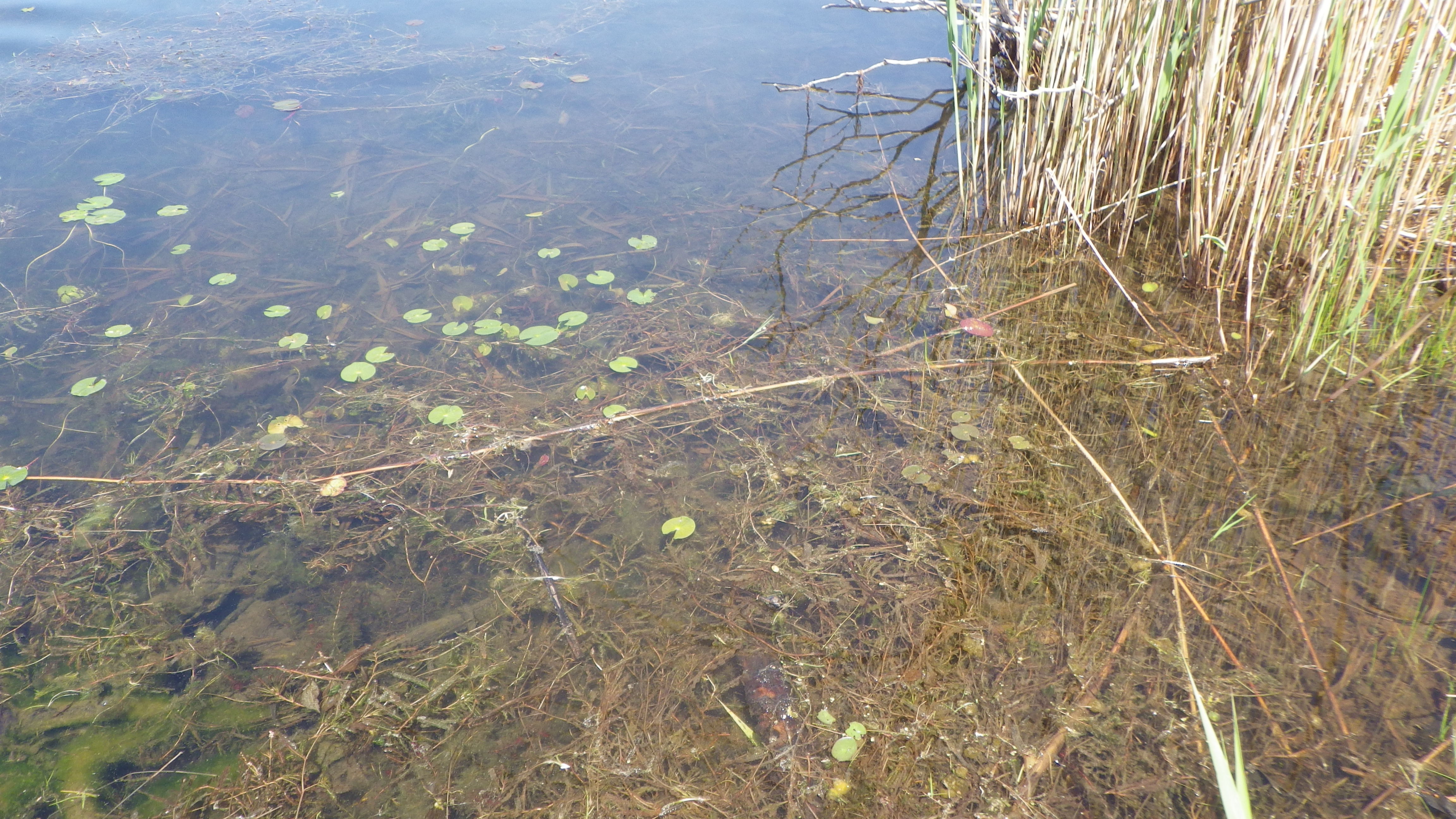
Eurasian watermilfoil and water chestnut grow densely along the shoreline of Rudd Pond.

Rudd Pond, at the southern end of Taconic State Park, is a popular swimming and fishing area, supporting populations of panfish, largemouth bass, and chain pickerel. Unfortunately, the pond also supports thriving populations of aquatic invasive species including water chestnut, curly pondweed, and Eurasian watermilfoil.

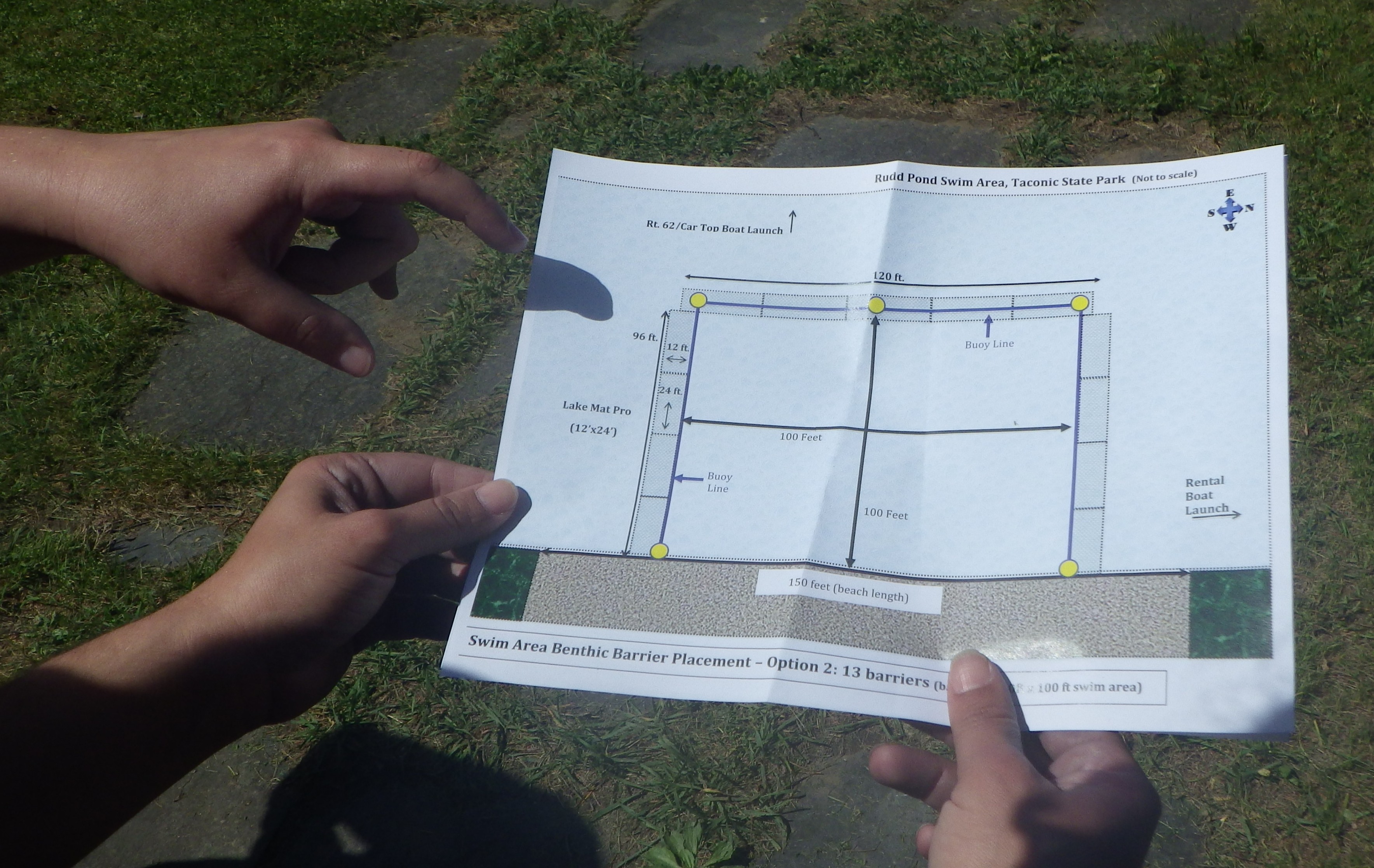
Benthic barriers are porous mats that are placed on the bottom of a lake or pond. They restrict sunlight from reaching the lake bottom in the areas where they are installed. The absence of sunlight restricts the growth of aquatic plants.

The benthic barrier mats were placed all around the swimming area.

The benthic mats are used to create a buffer zone to prevent aquatic invasive species from threatening the utility of the public swimming area. An aquatic weed harvester is used to cut the plants below the surface in the main part of the pond. However, harvesters do leave behind fragments of plants that can regrow. There is no single perfect solution to managing aquatic invasives, but the use of several management strategies continues to show improvement at Rudd Pond.

The mats were assembled on land, and then the water quality unit placed them in the water
The mats were assembled on land, and then the water quality unit placed them in the water. Some park staff donned SCUBA suits to position the deeper mats!

Check out the NYS Parks poster on preventing the spread of aquatic invasive species

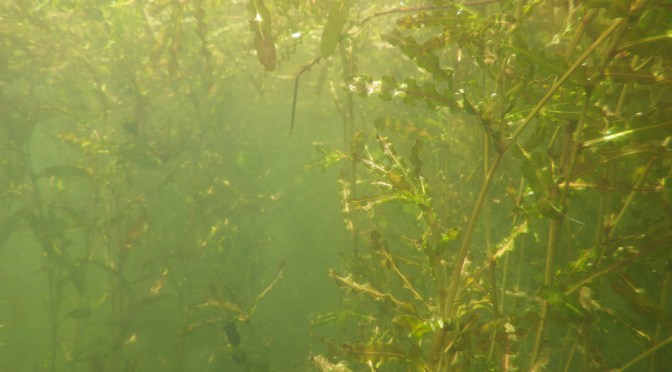
Featured image is of curly-leafed pondwater underwater adjacent to the Rudd Pond swimming area. Photos and post by Paris Harper.