Fall in Love with New York State Parks’ Waterfalls

Map

Did you know that Niagara Falls State Park is the oldest state park in the United States? Established in 1885 as Niagara Reservation, the breath-taking waterfalls at this park are considered some of America’s greatest natural wonders. Did you also know that the American Falls at Niagara Falls State Park, at around 100 feet tall, is not the tallest waterfall in New York? To find this peak waterfall, we must actually go to another New York State Park! From high plunges to rocky cascades, waterfalls are all over New York State Parks. In fact, there are 15 parks that have sizeable waterfalls. Few can deny the mesmerizing power and beauty of a waterfall, so why not try to add some of these destinations to a road trip this summer?

  1.  Niagara Falls State Park
Niagara Falls JAR
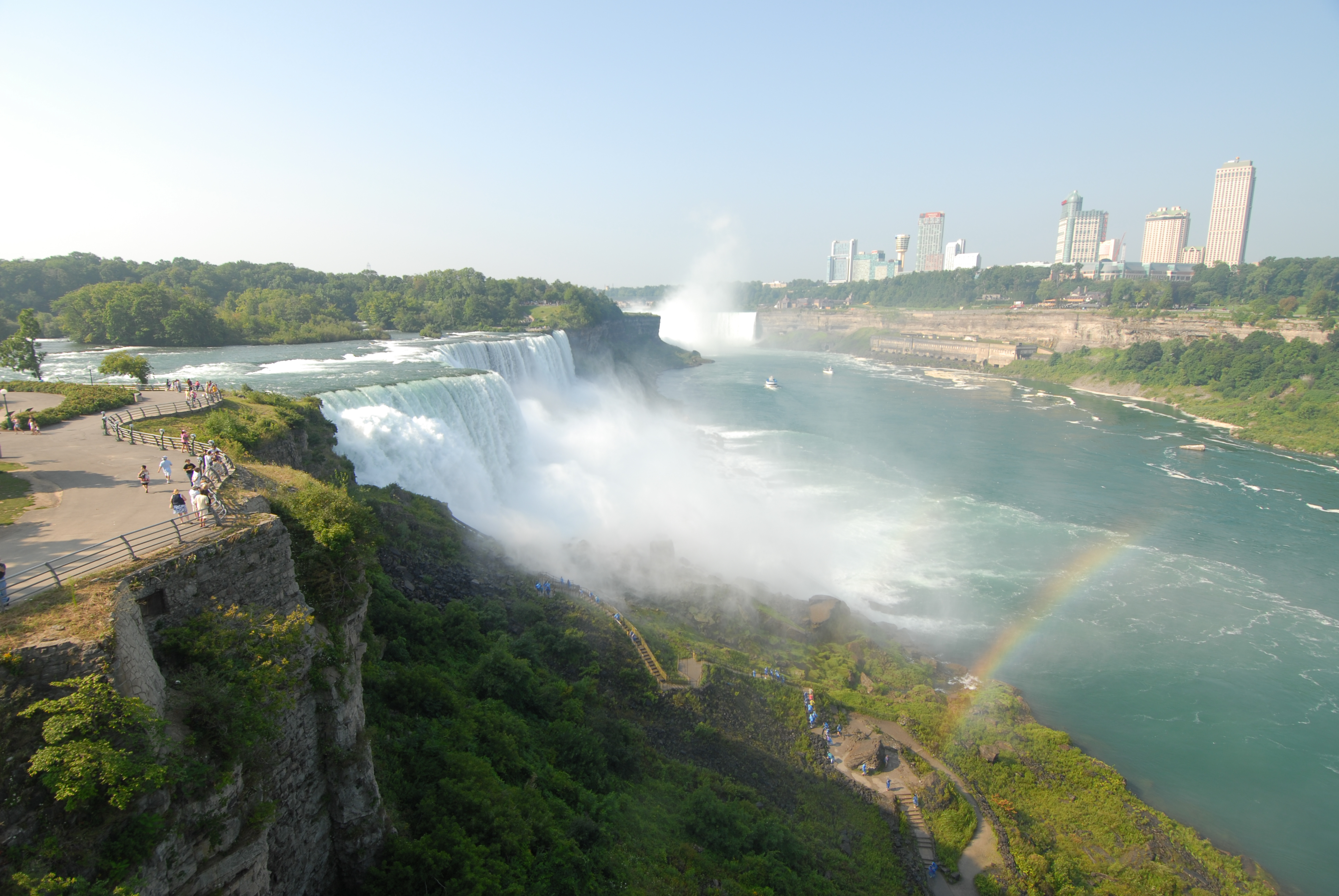
All three waterfalls at Niagara Falls State Park, photo by State Parks

Easily the most well-known of New York’s waterfalls, Niagara Falls is actually composed of three distinct waterfalls. The smallest is Bridal Veil Falls (the middle falls in the picture), which measures around 50 feet wide and 80 feet down to the rocky cascade below. Luna Island separates Bridal Veil Falls from the American Falls, both of which are on the American side of the Niagara River. American Falls (located on the far left of the picture) is around 100 feet tall (measured from the top to the rocky piles below) and around 830 feet wide. Horseshoe Falls (on the right in the picture), which runs between New York and Canada, averages 188 feet tall and 2,200 feet wide.

  1.  Letchworth State Park
Lower Falls Letchworth
Hiking near the Lower Falls at Letchworth State Park, photo by State Parks

Considered the “Grand Canyon of the East,” Letchworth State Park southwest of Rochester has three major cascading waterfalls – Upper, Middle, and Lower Falls – which range from 70 to 100 feet tall. There are also numerous smaller waterfalls as the Genesee River cuts through the gorge.

3. Stony Brook State Park

Stony Brook
Pausing next to the Lower Falls at Stony Brook State Park, photo by State Parks

Stony Brook State Park, near Dansville, contains a large, rocky gorge common in the Finger Lakes. Visitors can hike along the Gorge Trail to see two of Stony Brooks’ three main waterfalls, as well as several smaller ones in between. Lower Falls, the largest of the three, cascades about 40 feet down to Stony Brook below.

4. Buttermilk Falls State Park
Buttermilk Falls
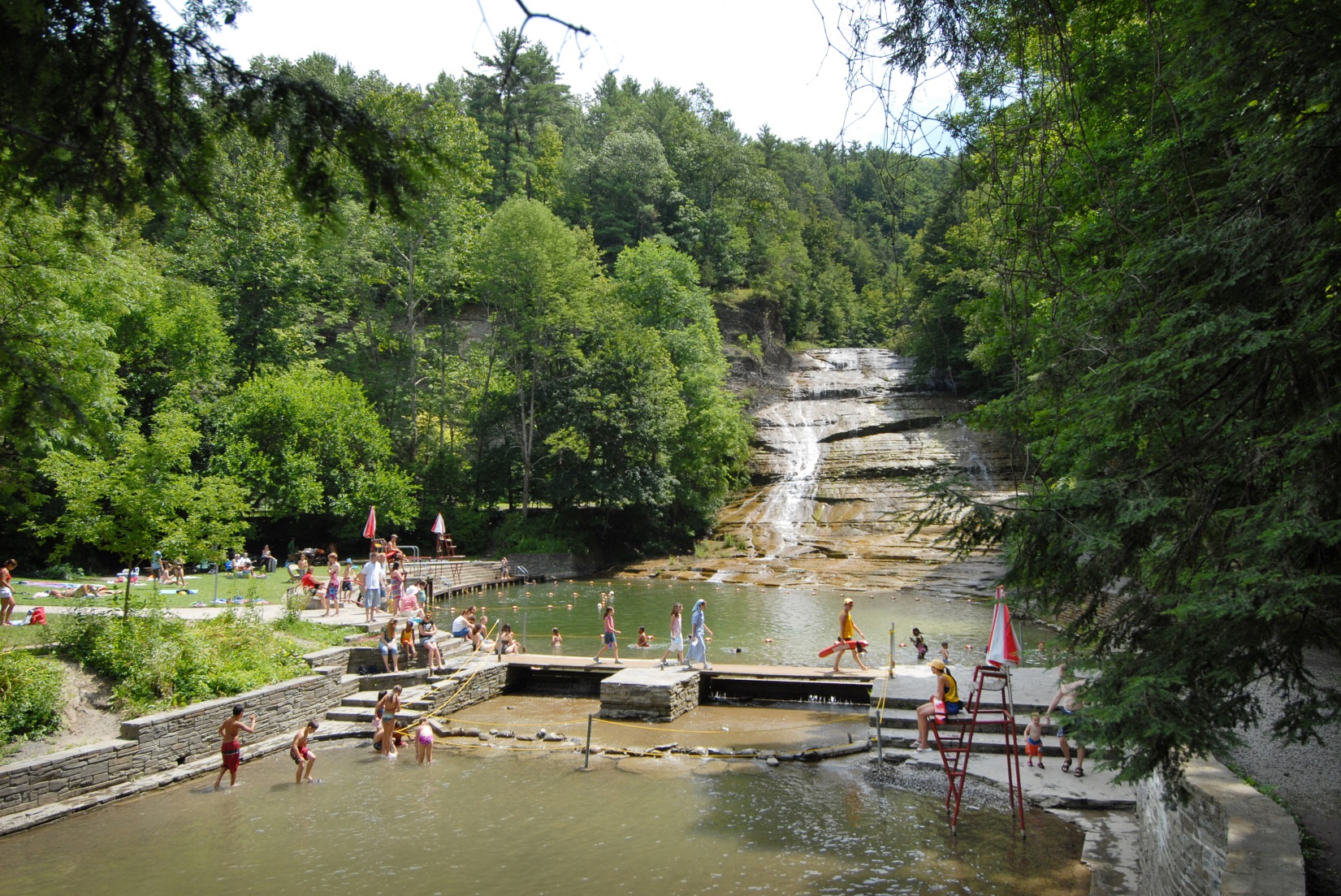
Enjoying a day of swimming by Buttermilk Falls at Buttermilk Falls State Park, photo by State Parks

Buttermilk Falls State Park, near Ithaca in the Finger Lakes, contains a large cascading waterfall, 165 ft, right near the entrance to the park. If you hike up the Gorge Trail, you will find several other minor falls along Buttermilk Creek. There is even a natural swimming area at the base of these falls.

5. Watkins Glen State Park
Watkins Glen
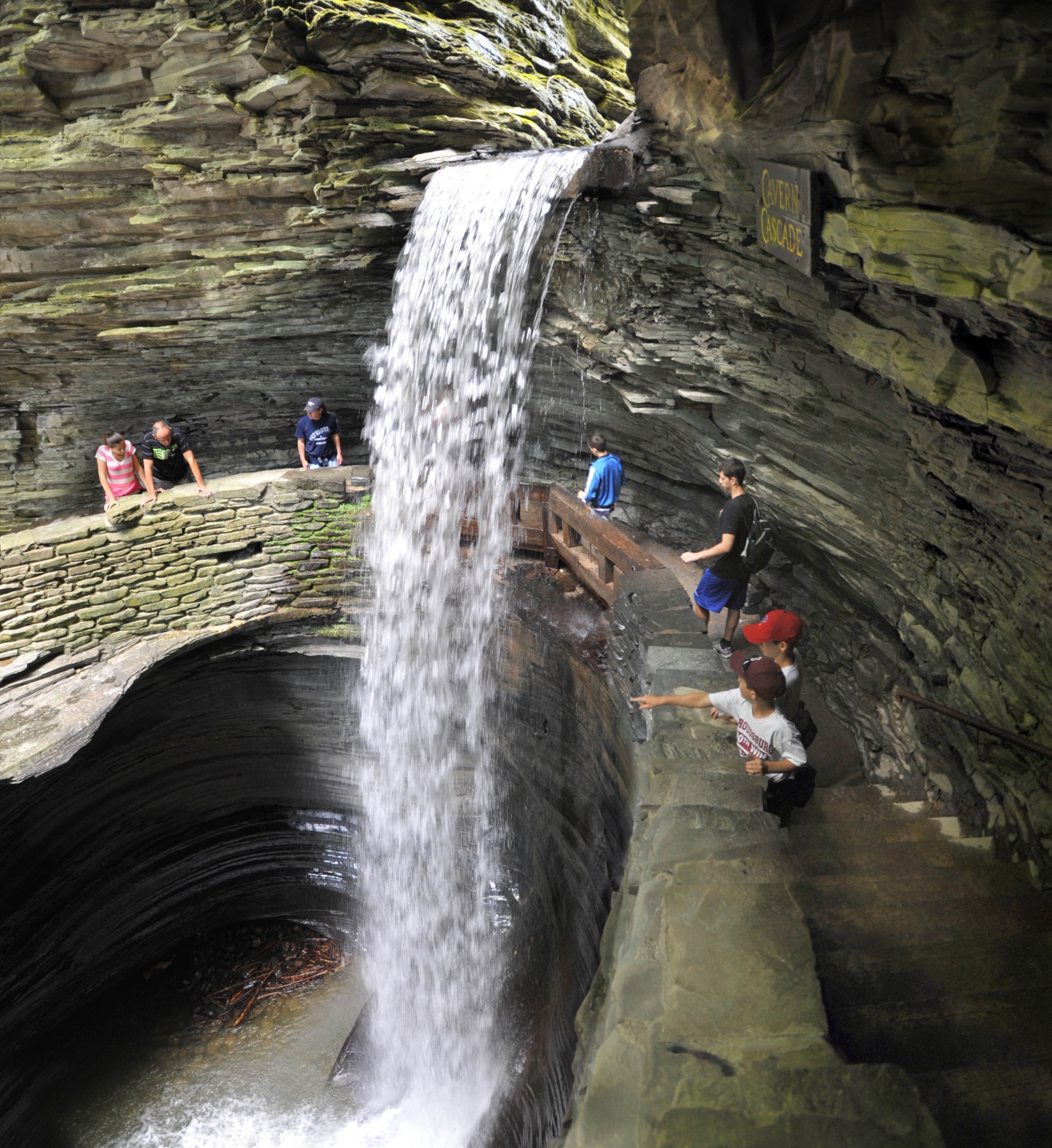
Walking underneath Cavern Cascade at Watkins Glen State Park, photo by State Parks

At Watkins Glen State Park, located at the southern tip of Seneca Lake in the Finger Lakes, you can walk through the gorge along the scenic Glen Creek. Within the two-mile glen there are 19 waterfalls that you are able to walk past, two of which you can even walk behind! Central Cascade is the park’s largest waterfall, plunging more than 60 feet.

6. Robert H. Treman State Park
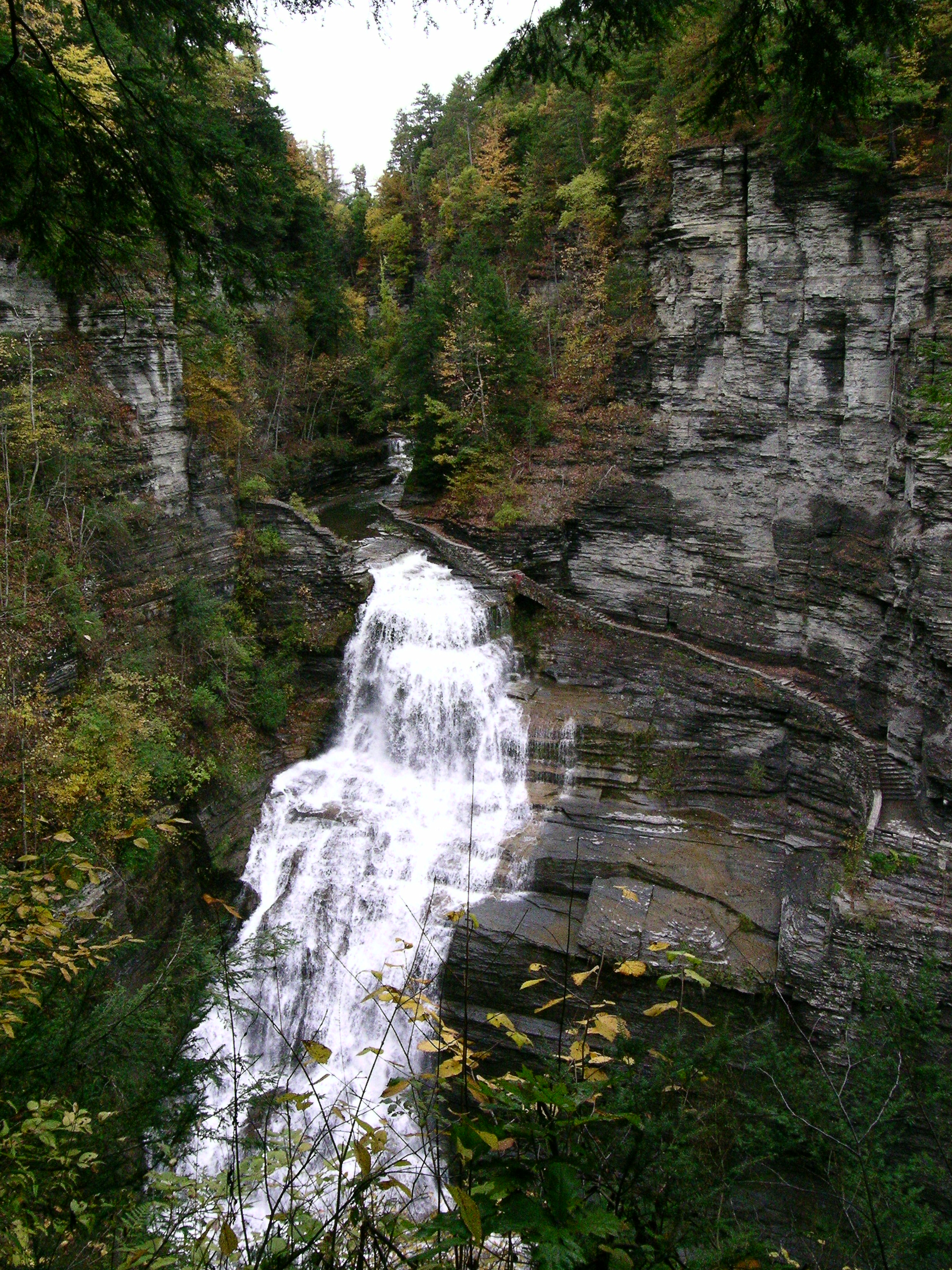
Lucifer Falls, RH Treman SP, photo by J Teeter
Trail along the top of Lucifer Falls, Robert H. Treman State Parks, photo by Josh Teeter

Home to ten smaller and two major waterfalls, Robert H. Treman State Park is located in Ithaca in the Finger Lakes. In the Upper Gorge you can hike to Lucifer Falls, a 115-foot cascading waterfall. Another park highlight is the stream-fed pool right at the base of the cascading Lower Falls.

Enfield Falls RH Treman SP, photo by J Teeter
Swimming at the base of Enfield Falls at Robert H. Treman State Park, photo by Josh Teeter

7. Taughannock Falls State Park

Taughannock
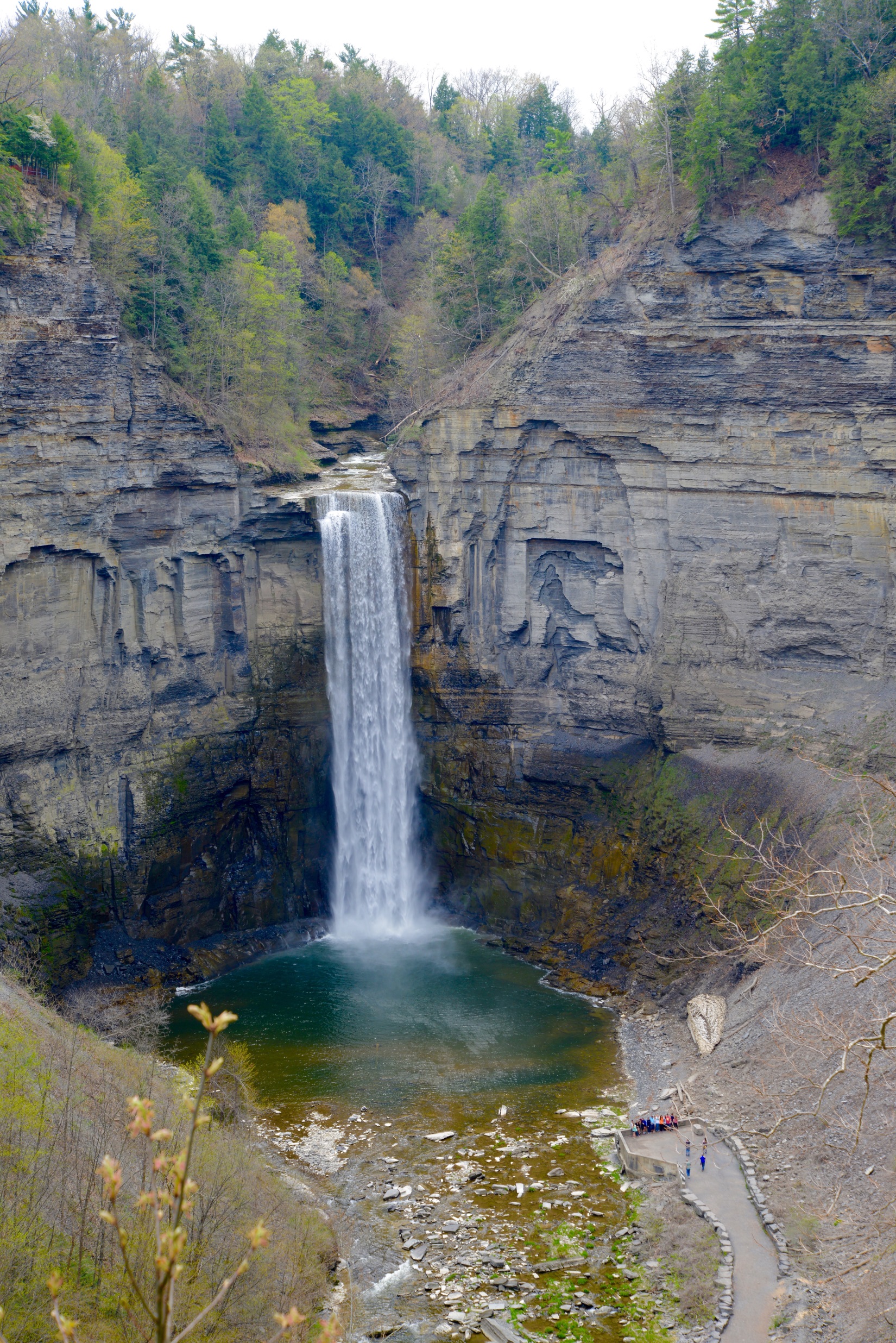
Taughannock Falls, Taughannock State Park, photo by State Parks

Taughannock Falls State Park, located in the Finger Lakes north of Ithaca, is home to the highest vertical single-drop waterfall in the eastern United States. Carved into 400-foot cliffs, water from Taughannock Creek plunges 215 feet over Taughannock Falls. Two smaller waterfalls, Upper and Lower Falls, can also be found at this park.

8. Fillmore Glen State Park

Filmore Glen
Cowshed Falls at Filmore Glen State Parks, photo by State Parks

Another classic gorge of the Finger Lakes, Fillmore Glen State Park (about 20 miles northeast of Ithaca) is home to five waterfalls. These range from 5 feet in height to the largest in the park, Dalibarda Falls, which is around 85 feet tall. Dry Creek, which runs the length of the park, helps create a stream-fed swimming pool in the Lower Park area.

9. Chittenango Falls State Park

Chittenango Falls
A view of Chittenango Falls at Chittenango Falls State Parks, photo by State Parks

Chittenango Falls, a beautiful 167-foot staircase cascade, is the highlight of Chittenango Falls State Park, located in Central New York southeast of Syracuse. Enjoy the view from the picnic area above or from a wooden bridge over Chittenango Creek below. Chittenango Falls is also home to the world’s only population of the federally threatened Chittenango ovate amber snail!

10. Pixley Falls State Park
Pixley Falls
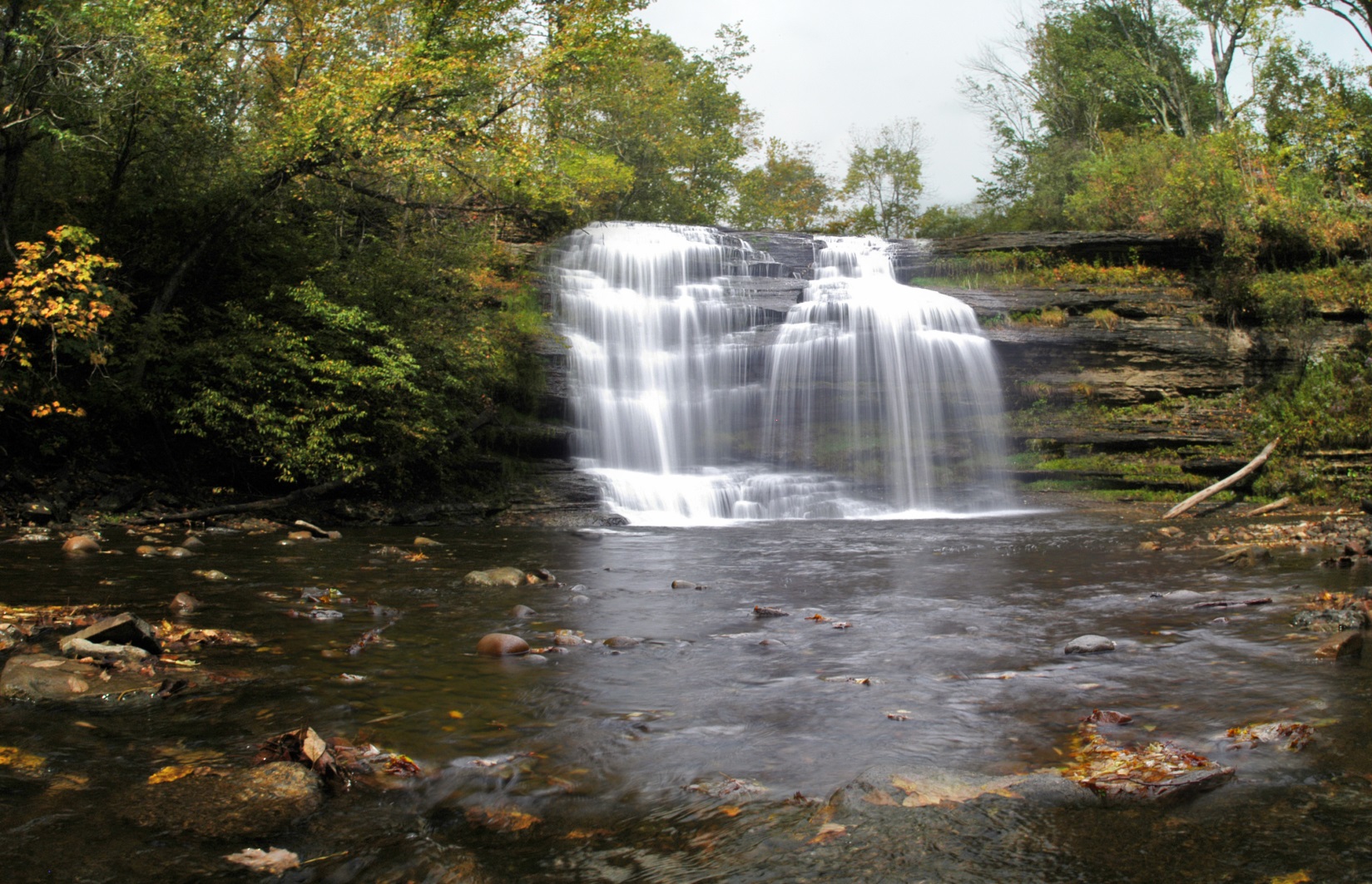
Pixley Falls, Pixley Falls State Park, Photo by State Parks

Pixley Falls State Park is named after its main attraction, the 50-foot waterfall on the Lansing Kill. There are also a few smaller falls in nearby streams. This park is in Central New York, about 20 miles north of Utica.

11. Mine Kill State Park

Mine Kill
Lower Falls at Mine Kill State Park, photo by State Parks

Located southwest of Albany, Mine Kill State Park features an 80-foot cascading waterfall that cuts through a narrow gorge. Hike down to the base or check out the separate parking area (1/4 mile south of the park’s main entrance) that provides access to the overlook viewing platform.

12. John Boyd Thacher State Park

Thacher_Michelle Johnston
Minelot Falls at John Boyd Thacher State Parks,  photo by Michelle Johnston, State Parks

John Boyd Thacher State Park, just west of Albany, contains numerous waterfalls which range from 5 feet to over 100 feet. Indian Ladder Falls (also called Minelot Falls) and Outlet Falls are two of the larger falls at this park, each plunging around 100 feet.

Peebles Island State Park is just north of Albany, located at the merging of the Mohawk River into the Hudson River. There is a waterfall here, about 15 feet high, in the Mohawk River near the southern end of the park.

Peebles Falls_SAR3156
Kayakers enjoy views of the waterfalls at Peebles Island State Parks, photo by John Rozell, State Parks

14. Taconic State Park

Taconic
Standing at the base of Bish Bash Falls, Taconic State Park, photo by State Parks

Taconic State Park shares borders with Massachusetts and Connecticut. Many people flock to this park to see Bash Bish Falls, which is actually just a short hike across the New York border into Massachusetts. After a long cascade and a 60-foot drop, it is Massachusetts’ tallest single-drop waterfall.

15. Minnewaska State Park Preserve
Awosting_Minnewaska
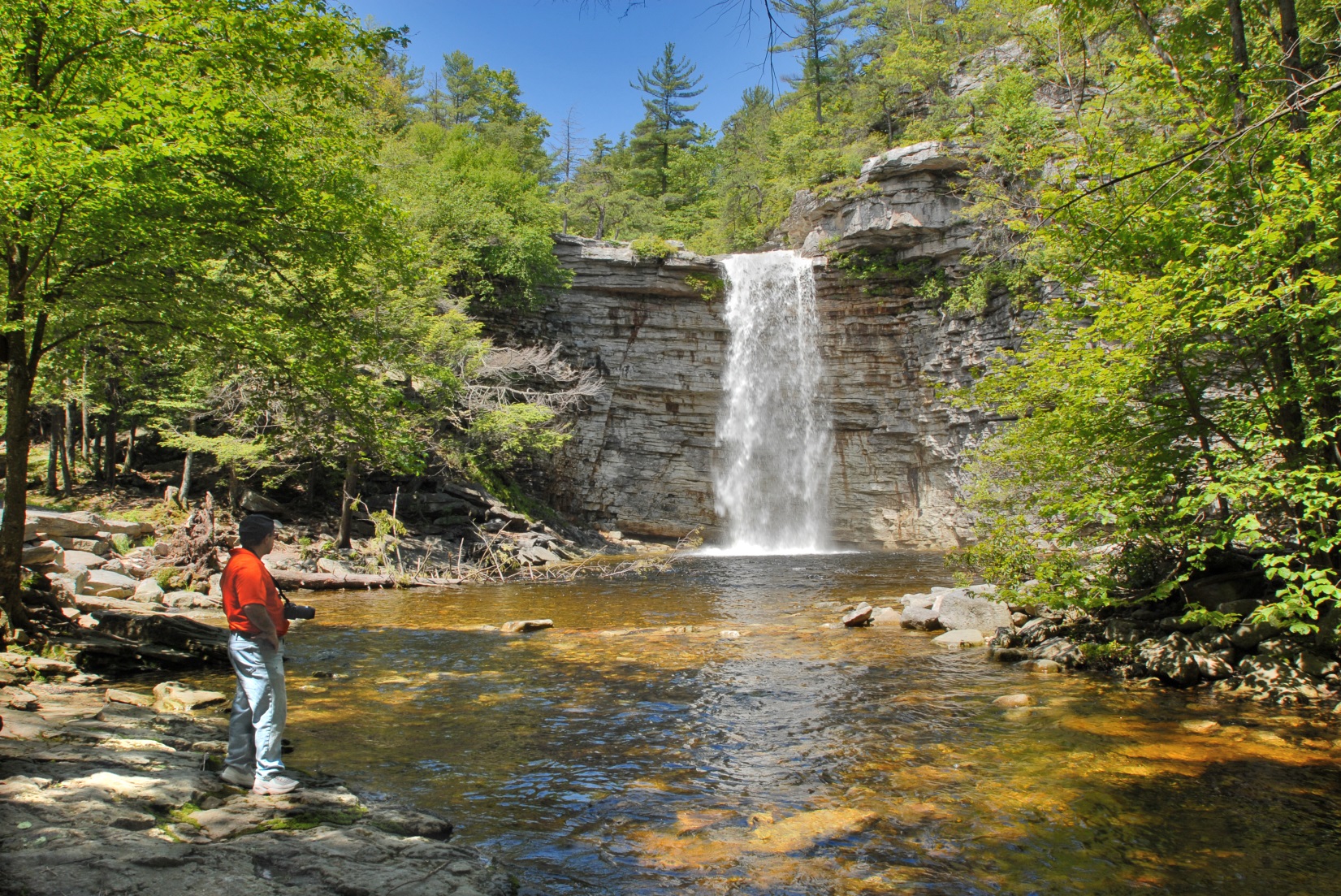
Photographing Awosting Falls, Minnewaska State Park Preserve, photo by State Parks

Minnewaska State Park Preserve, located in the Hudson Valley near New Paltz, contains many waterfalls. Near the gate house, the Peters Kill plunges around 70 feet at Awosting Falls. Stony Kill is another plunging waterfall, reaching about 90 feet in height. Some other well-known falls include Rainbow Falls, Bogerman Falls, Peterskill Falls, Sheldon Falls, and Verkeerderkill Falls near the Sam’s Point Preserve area.

Please remember that waterfall conditions are dynamic, changing with weather and seasons. Stay on the trail and be cautious of your surroundings, like slippery or rocky terrain, fast moving water, or steep drops.

For more information, check out some of these great waterfall resources:

 Post by Kelsey Ruffino, Student Conservation Association & State Parks


National Trails Day, Saturday, June 3, 2017

From the tip of Long Island, to the St. Lawrence River, the forests of the Taconic Mountains to the Niagara River Gorge, New York State is home to thousands of miles of trails. Every year on the first Saturday in June we celebrate these places with National Trails Day®.

9fe63f0013d7b070eeaf04be3b93f145Created by the American Hiking Society in 1993, the 2017 celebration marks the 25th anniversary of the event. National Trails Day® seeks to connect people and trails across the country. Organized trail events are hosted at parks and recreation locations across the country and people are encouraged to “participate, recreate, and give back”. Many locations have events where folks can join other trail lovers in an organized hike, paddle, bike or horseback ride. Other spots host trail work days where volunteers can lend a hand and clean up their favorite stretch of trail or even help a trail crew construct a new one. In 2016 there were over 100 events in New York alone!

Outdoor recreation is more popular than ever and many people are finding enjoyment on trails. Whether it’s cycling on a greenway trail, hiking to a scenic view, or paddling a river, trails provide a connection to the natural world.  That connection is important as studies now show that, in addition to our hearts, lungs, and legs, trails are good for our brains as well![1]

With greater numbers of people heading out on the trail, it’s more important than ever to recreate responsibly by following the seven principles taught by the Leave No Trace Center for Outdoor Ethics.

Leave-No-Trace_logo_tagline_url

The Seven Principles are:

  1. Plan Ahead and Prepare
  2. Travel and Camp on Durable Surfaces
  3. Dispose of Waste Properly
  4. Leave What You Find
  5. Minimize Campfire Impacts
  6. Respect Wildlife
  7. Be Considerate of Other Visitors

It is also good practice to prevent the spread of damaging insect pests and weeds by brushing off your boots or boat before you leave the trail or water. Following these steps will help you have a safe and satisfying experience and ensure that the trail will be there for the next person to enjoy as well.

To find out more information on National Trails Day® including links to events near you, visit the American Hiking Society’s website. To learn more about the Leave No Trace Center for Outdoor Ethics, visit their website. For maps and information on trails in New York State Parks, visit Trails webpage. National Trails Day® events in State Parks can be found here.

See you on the trails!

Post by Chris Morris, State Parks

This slideshow requires JavaScript.

[1] New York Times, How nature changes your brain.

Harmful Algal Blooms: Keep you and your pets safe: Know it, avoid it, report it!

A group of tiny bacteria has been making a splash in New York State waters, and not in a good way. Harmful Algal Blooms (HABs, also known as cyanobacteria, Blue-green algae, BGA) are actually a type of bacteria rather than algae. If the right conditions are met, the bacteria can form what are called “blooms”, or massive amounts of floating material on the surface of a lake or pond. These blooms can look like brightly colored paint, oil, or scum, on the surface and at the shoreline of lakes and ponds. The blooms can move around a lake with wind action, or currents, and can appear, and even disappear, in a matter of hours.  Harmful algal blooms have been spotted at an increasing rate around the US in the last several years, including within some New York State Parks’ waterbodies.

The worst part about these colorful phenomena are that some species of HABs are known to produce toxins that are harmful to both humans and animals. Humans can be affected through swallowing water while swimming, touching blooms, and wading in blooms.  If the HABs are producing toxins, some swimmers can experience a range of symptoms, from simple rashes, to stomach issues, and even to muscular paralysis.  New York State Park bathing beaches are closed when a HAB is present. NYS Parks follows NYS Department of Health criteria when reopening the beach, which requires that the HAB bloom be visibly absent from the swim area for 24 hours.

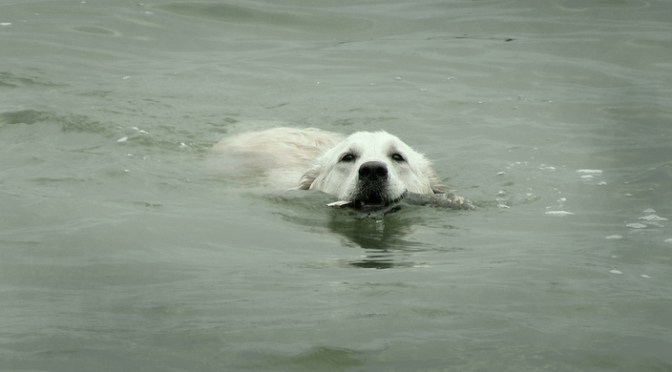
Dogs are also particularly susceptible to these toxins and should not be allowed, under any circumstance, to drink or swim in a bloom.  Dog owners are encouraged to educate themselves on identifying HABs, to protect their fur-kids from harm.  Dogs exposed to HAB toxins can experience severe illness and in some cases, fatal effects.

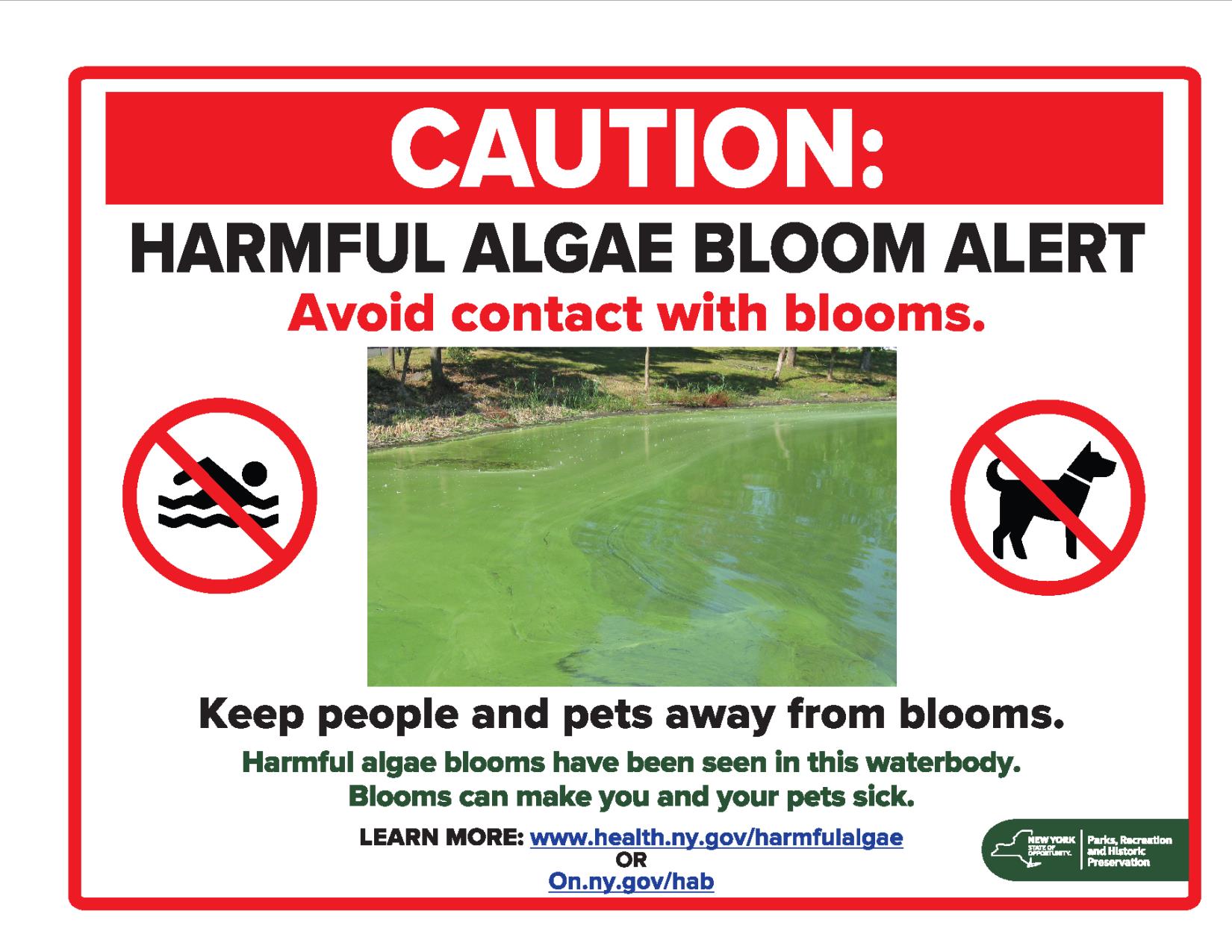
NYS Parks posts HAB alert signs near waterbodies where HABs have been seen.

HAB Sign
State Parks HABs alert sign. If you see this sign up, do not swim in the water!

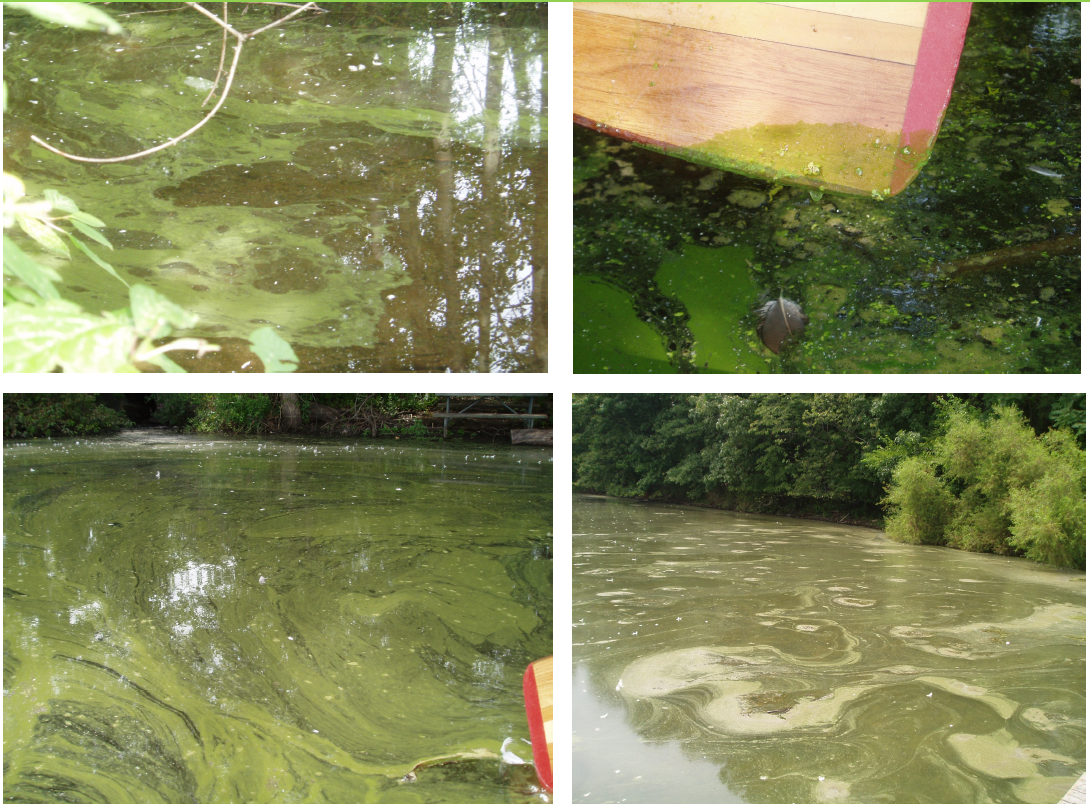
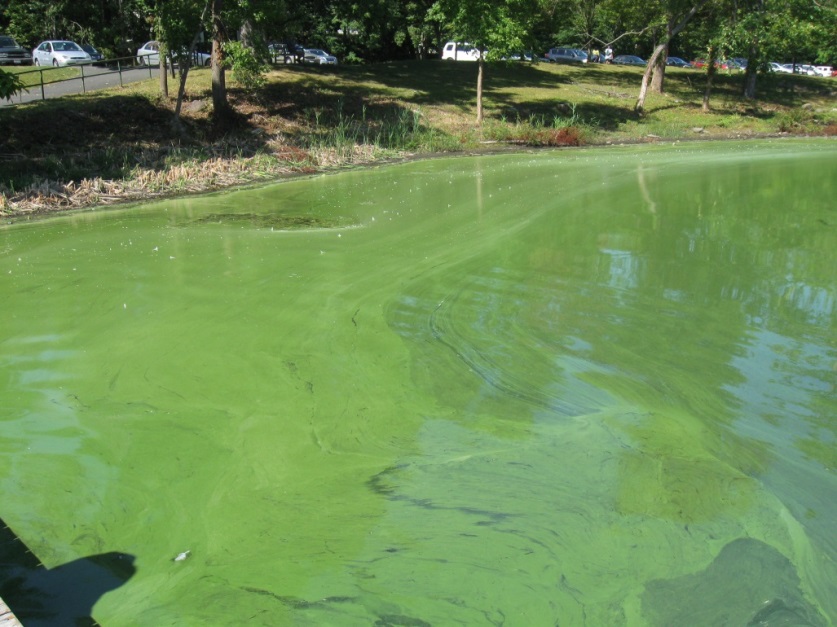
One of the best ways to recognize HABs on a lake surface is to be aware of changes to the surface of the lake. Take a look at the pictures below of HAB blooms that have been seen in NYS Parks.

HAB Paddle
HABs can look like paint, oil or foam. HABs can also coat objects as a film, photos by Karen Terbush, State Parks

HAB Green
HABs can occur around docks and have debris caught within them., photos by Karen Terbush, State Parks

Blue HAB
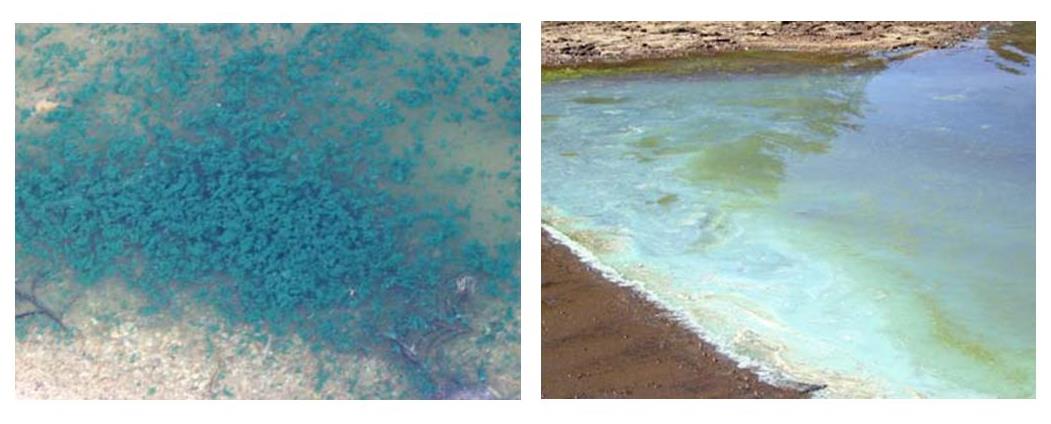
HABs are not always green, and can appear as smaller clumps on the surface, suspended in the water column, or sitting on the bottom. HABs can appear foamy, coat the entire surface of a lake or move around in a smaller area, photos by Karen Terbush, State Parks                                                     

HAB Dense
HAB Bloom, photo by Karen Terbush, State Parks

Be on the lookout for HABS in stagnant or still, nutrient-rich waters, when the temperatures start to rise. HABs are influenced by time of year, climate and nutrient loads.  The best way to prevent HAB growth is through watershed management. Reduce your own runoff by following NYS fertilizer guides, and help to report any evidence of HABs to the New York State Dept. of Environmental Conservation HAB hotline.

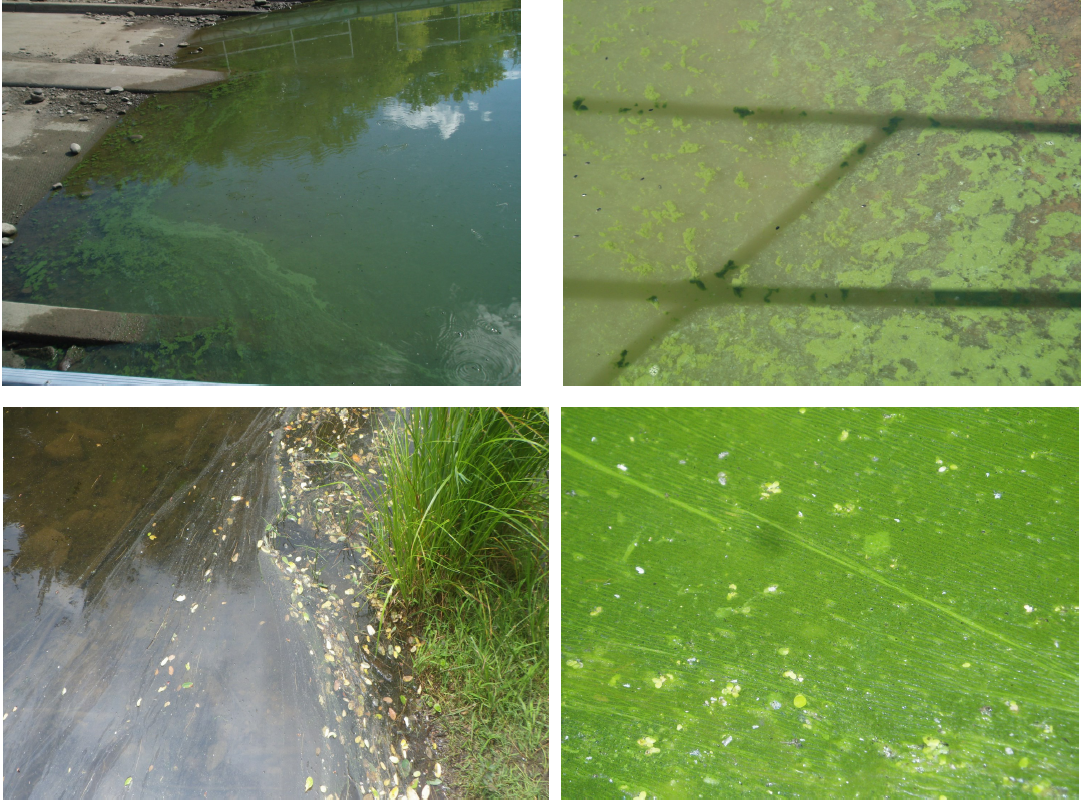
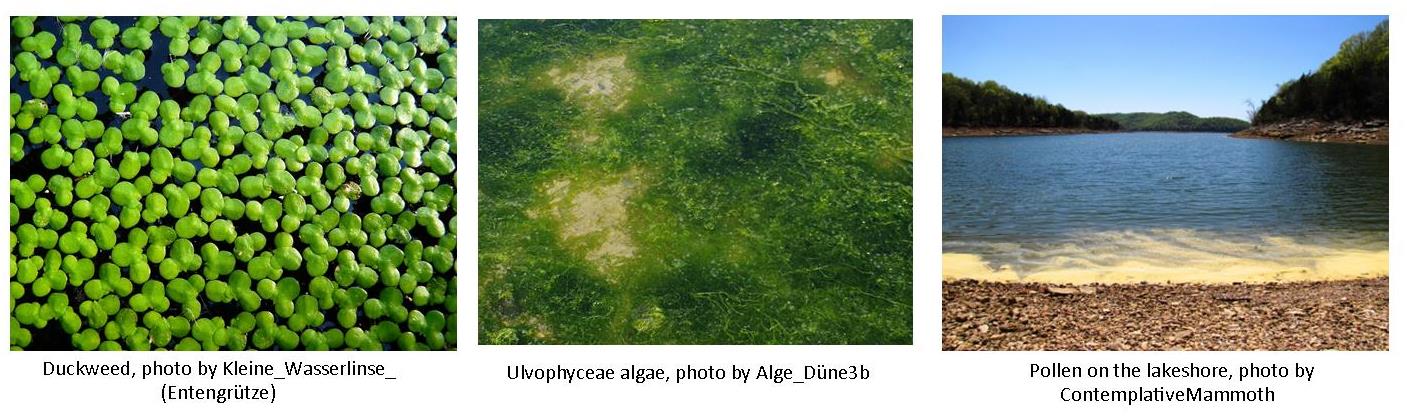
There are some HAB look-a-likes out there. Duckweed, other algae such as Cladophora (a form of clumpy, stringy algae), and pollen can easily be mistaken for HABs, especially in the spring.

Pollen Duckweed

Post by Keleigh Reynolds, State Parks

Cover image from freeimages.com.

Visit the links below to learn more about HABs!

NYS Department of Environmental Conservation: Harmful Algal Blooms

NYS Department of Health: Blue-green Algae and Health

Environmental Protection Agency: CyanoHABS

Respect for Rattlers

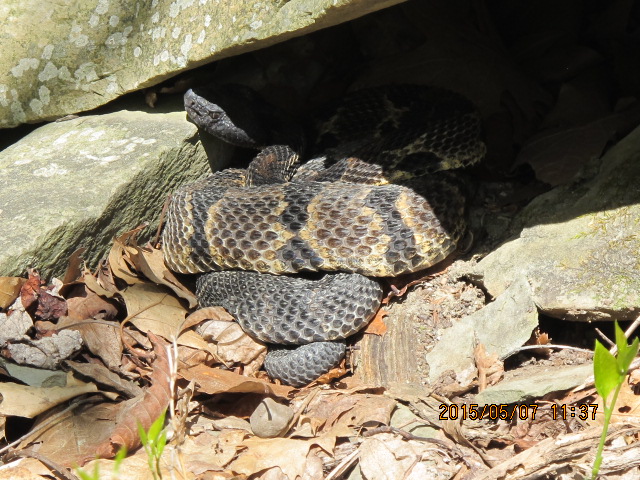
Threatened in New York State and often misunderstood, the Timber Rattlesnake is an impressive and unique species that is essential for healthy ecosystems. At an average of 3-4 feet in length and described as “stocky,” timber rattlesnakes are the largest venomous snake species in New York. They are easily identified by their broad triangular-shaped head and rattle. Like other pit-vipers, timber rattlesnakes possess a heat-sensitive organ, or pit, on either side of the head that allow them to detect prey. Their rattles are comprised of segments that accumulate each time a snake sheds its skin, which is every 1-2 years in this region. Counting the number of rattle segments is not an accurate way of aging snakes, as rattles wear and break off. Rattles are used as a warning to potential predators to stay away, making a distinct buzzing noise when rattled.

Timber rattlesnakes can occur in two color patterns: The black phase, which consists of dark bands against a dark background, and the yellow phase, which consists of dark bands on a lighter background. Color shades and band patterns vary from snake to snake.

This slideshow requires JavaScript.

Their distinctive cross-bands allow them to camouflage themselves from unsuspecting prey as well as from predators. Rattlesnakes primarily feed on small mammals, but will also consume birds, amphibians or other snakes. They ambush prey as it passes by and inject a controlled amount of venom with “hinged” hollow fangs. They then release the animal, wait, and follow its chemical trail to consume it. Rattlesnakes play a vital role in maintaining stable numbers of prey populations, such as rodent species that can carry diseases and destroy crops.

The venom from a bite can be fatal to humans if not treated, but bites are rare. Snakes will not go out of their way to pursue or bite a person. They have the ability to sense the vibrations of an approaching creature and if it is too large to be prey, they rely on their camouflage to hide or they retreat. It requires precious energy to produce venom- Timbers will bite as a last resort if they are cornered and feel threatened. There has not been a death from a timber rattlesnake bite in New York State in several decades. In all of my encounters with these snakes, both for study purposes and chance encounters, one has never struck. While they might coil in a defensive posture and rattle as a warning, the snakes simply want to go on their way and be left alone. It is important to give them space.

These snakes will hibernate together in a den below the frost line, and it’s not uncommon for other snake species to den with them. The same den will be used for generations. They can live up to 30 years, though most live 16-22 years.  Male timber rattlesnakes reach sexual maturity at about 5 years whereas females don’t reach sexual maturity until 7-11 years. Females give birth every 3-5 years, and they are among a few species of snakes that give birth to live young. Their slower reproduction rates make them even more susceptible to the threats they face.

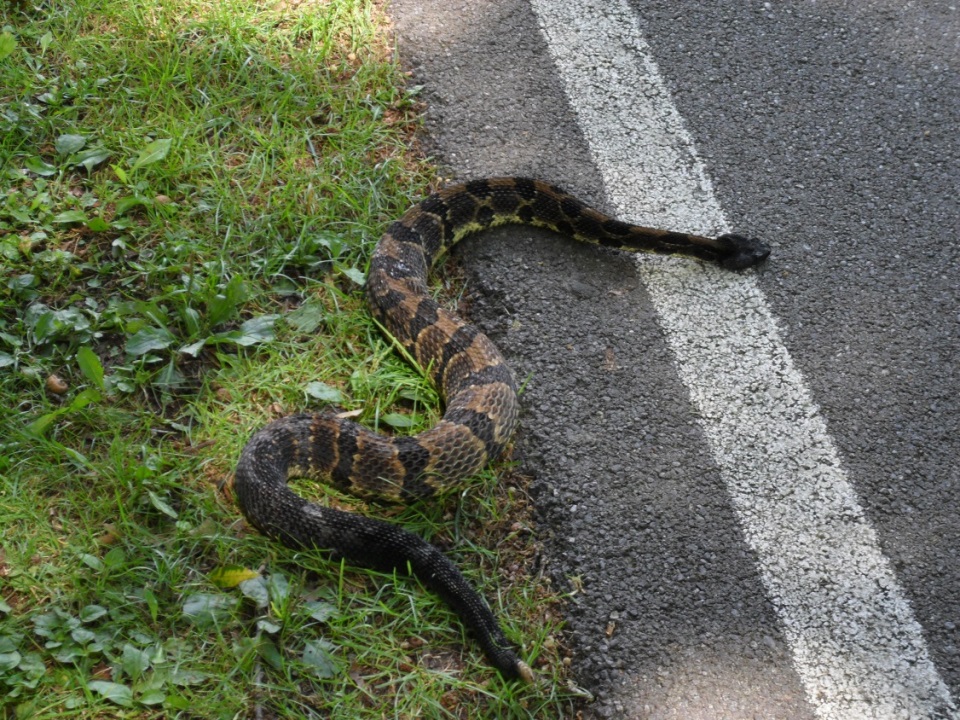
Timber rattlesnakes were once more abundant. Indiscriminate killing and a bounty system, as well as unregulated collecting has greatly reduced their numbers, completely eliminating them from some areas. Though the bounty was repealed in the 1970’s and they are now protected by law in New York State, they still face poaching. Snakes are purposefully killed out of a misplaced fear or disdain, or are collected for the illegal pet trade. Snakes can also be killed by vehicles while attempting to bask in roads or cross them in search of food or a mate. Timber rattlesnakes are a slower moving snake, and they tend to freeze when they sense vibration, such as that of an oncoming car. This puts them at greater risk of being run over. People have said that snakes stretched out across the road look like sticks. It’s important for drivers to be observant in order to avoid hitting snakes (or any animal) in the road, and heed animal crossing signs.

Amy McGinnis, 2011
Timber Rattlesnake that was run over attempting to cross the road. Photo by Amy McGinnis, State Parks, 2011

Habitat loss due to human development and frequent recreational use of land has also had a negative impact on timber rattlesnake populations. Additionally, snakes in the eastern United States are facing decline due to a deadly fungal disease. Conservation efforts are underway to preserve the few populations of timber rattlesnakes left in New York State and the habitat that supports them. Surveys are conducted and sightings are tracked to help determine the size and health of populations. Snakes are also fitted with transmitter devices for tracking and monitoring. One of the biggest efforts in the conservation of Timber Rattlesnakes is raising public awareness. By educating people about the snakes at sites where they occur, it increases safety for visitors and for the snakes. While they can pose a threat to people (similar to many other species of wildlife), these graceful animals are not bad and are not out to get anyone. They occupy a key niche in the natural community and food web and help to keep the ecosystem in balance. It is rare to encounter a timber rattlesnake in New York State because of their reclusive and docile nature. However, if you do see one, remember — as with all wildlife — to keep your distance for your safety as well as to not stress the animal. Take the time to watch from a distance to appreciate the beauty of a part of the natural world we live in. Whether snakes fascinate or frighten you, if you are walking through their home territory, it’s important to be aware. Respecting their space benefits both you and the snakes.

Amy McGinnis 2015
Rattlesnakes often hide under rock ledges and crevices and come out to bask in the sun. Photo by Amy McGinnis, State Parks, 2015

Post by Amy McGinnis, State Parks

NYNHP
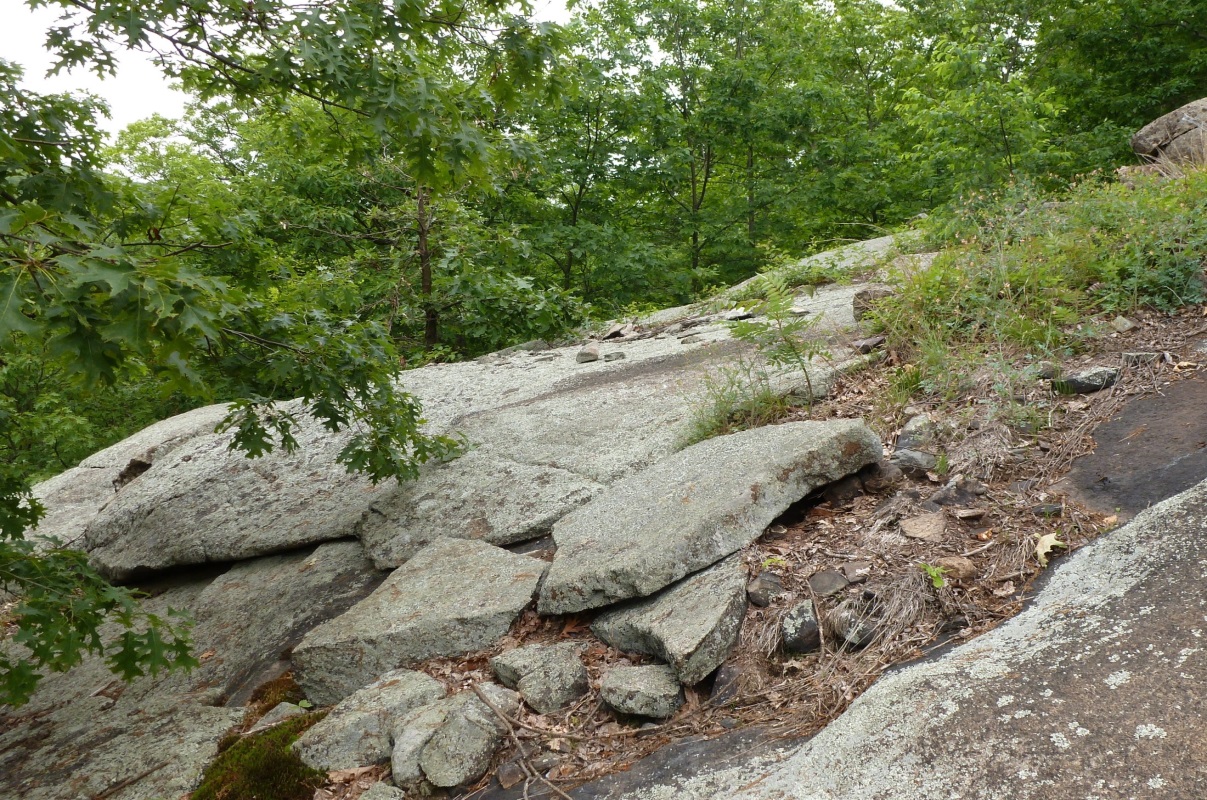
CHALLENGE! Can you find the rattlesnake in this picture? Photo by NYNHP

Resources:

NY Natural Heritage Program Conservation Guide

Timber Rattlesnake Fact Sheet

USGS: National Wildlife Health Center: Snake Fungal Disease

NatureServe Explorer: An Online Encyclopedia of Life provides detailed maps and status across North America

Likin’ the Lichens in New York State

If you frequent nature trails, you have likely passed by stones or trees with some kind of crusty material on the surface.  Is it a moss?  No, moss is a plant.  Is it a fungus?  Well, yes and no.  This crust is actually a partnership between at least two different organisms, making a composite organism called lichen (pronounced “LIKE-en”).

Lichens are made of multiple fungi – a diverse group of organisms including mushrooms, molds, yeasts, and others – living with algae and/or algae-like bacteria called cyanobacteria.  The fungi provide a pleasant, hydrated shelter to live in, while their partner provides food through photosynthesis.  Photosynthesis means using sunlight, water, and CO2 to create sugar (and the oxygen that we breathe, no big deal).  Cyanobacteria can also “fix” or make use of nutrients from the air, further helping the fungi to grow.  This mutual relationship between different species is what biologists call symbiosis.

2 - lichen at Shepards Tooth (photo by Tim Howard)
Lichen in an alpine meadow, amidst sheep laurel (Kalmia angustifolia).  Shepherds Tooth, Adirondacks. (Photo by Tim Howard, NYNHP)

Thanks to the many possible fungi-algae-bacteria combinations, lichens take on many different forms and colors.  In New York State alone, there are over 800 types of lichens!  Lichens can look like small flaky crusts (“crustose”), flat leaf-like growths (“foliose”), or even branched (“fruticose”) like miniature shrubs.   Many take on a greenish-grey hue, but other colors include brown, black, white, yellow, bright orange, red, and blue.  You might see these unique fungal partnerships on all kinds of surfaces along nature trails – adding a nice flair to wooden sign posts, historic stone walls, boulders, tree bark, the forest floor, and decaying logs.

Cultural Significance

People have used lichens for a variety of purposes for thousands of years.  Lichens with antibiotic properties have been used in traditional medicines and embalming practices.  Some of the more brilliant-colored lichens have been used to make dyes for yarn, cloth, and even litmus paper (a quick, easy way to measure how acidic something is).   Several cultures worldwide include lichens in their diets, making soups, side dishes, beverages, and even molasses.  But watch out – not all lichens are safe to eat!  Those involving cyanobacteria can produce toxins; these lichens have historically been used as poisons in hunting.

3 - Many uses of lichen (photos from wikipedia and mycopigments dot com, referencing Noah Siegel)
Top left: Lichen-dyed yarn.  Top right: Lichen-coated litmus paper.  Bottom: Black lichen in cuisine. (Photos by Noah Siegal at mycopigments.com, Wikimedia commons, and Public Domain, respectively)

While all these uses of lichens are interesting, we at New York State Parks want you to simply enjoy observing the beauty and impact of lichens in their natural habitats.

Lichens in Nature

Lichens serve several important roles in our parks.  As one of the first lifeforms that established on land, they helped create much of the world we live in today.  They play a role in soil formation, slowly breaking large rocks down into smaller pieces.  Then they carry out processes that add essential nutrition to forest soils, allowing trees and plants to grow.  Lichens also benefit wildlife.  Northern flying squirrels, deer, and moose are among those known to graze on lichens, particularly in the winter.  In the spring, birds like the Ruby-throated Hummingbird and the Blue-Grey Gnatcatcher often use lichen to build and camouflage their nests.

Lichen populations also give important clues about environmental health.  Studies have shown lichen to be sensitive to air pollution, and so a decline in lichen may be a warning sign of worsening air quality nearby.  Similarly, lichen growth rates react to long-term changes in moisture and temperature, and so they can help monitor the climate.  Scientists take advantage of the slow-growing nature of certain lichens and use their size or branching patterns to estimate the age of rocks in the forests, similar to tree rings on a tree stump.

4 - Rock Lichen, circle, New Jersey (photo by Steve Young)
A closer look at lichen growing outward on a rock. (Photo by Steve Young, NYNHP


By keeping an eye on the lichens in our parks, we can discover fascinating patterns in our local ecosystems.  And we can have a deeper appreciation for the beautiful landscapes that New York State has to offer!

See if you can spot these and other lichens the next time you are out enjoying nature:


11 - Enchanted forest (photo by Julie Lundgren) 94_F11LUN05
An enchanted forest: lichens and moss decorate the trees, ground, and rocks. Although subtle and unassuming, lichens play a vital role in shaping the complex ecosystems found throughout New York State. (Photo by Julie Lundgren, NYNHP)

Post by Erin Lennon, State Parks

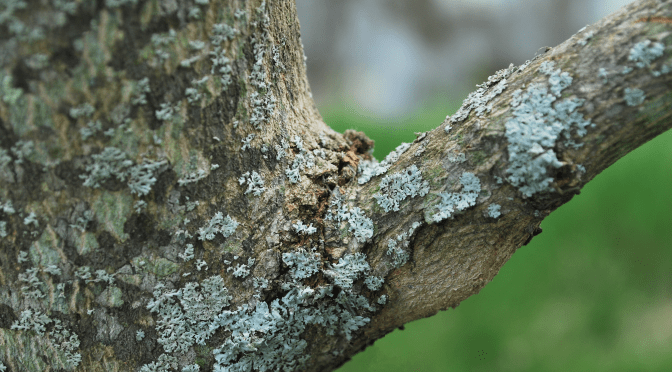
Featured image:  A common sight: lichen attached to tree bark in New York State. (Photo adapted from Wikipedia, public domain)

Resources:

Video featured on NPR’s Science Friday: “Hunting Wild Lichen.”

U.S. Forest Service factsheet: “Lichens – Did you Know?

BBC article on soils and lichen in creating the planet we know today. http://www.bbc.com/earth/story/20151205-one-amazing-substance-allowed-life-to-thrive-on-land

NYT article on a 2016 ground-breaking discovery that yeasts are an additional part of many lichens: “Two’s Company, Three’s a Lichen?

List of the Lichens of New York, by Richard Harris in 2004.

The official blog for the New York State Office of Parks, Recreation & Historic Preservation