

The final chapter of the interactive history timeline, Blazing a Trail: A History of NY State Parks and Historic Sites, has been released, completing the chronicling and sharing of our agency’s history in celebration of our Centennial anniversary. In detailing the future of New York State Parks and our ongoing efforts, we hope that this era leaves you inspired to not only learn more, but to take an active role in shaping the future of our park and historic site system. In the final installment of this eight-era series, “Tomorrow & Beyond” explores how New York State Parks will combat climate change, expand access to our parks and sites, share previously undertold history, use new technology, and improve and expand our system of 250 state parks, historic sites, golf courses, and boat launches.
Continue reading A Vision for the Future: The Final Chapter of ‘Blazing A Trail’Tag Archives: New York State History

The Lavender Hill Commune and LGBTQ Liberation in Central New York
The Stonewall Inn, a State Historic Site in our system, is the most well-known place in LGBTQ American history. In June 1969, following a routine police raid, patrons at the Mafia-run Stonewall Inn, as well as young queer and trans people who lived or regularly congregated in Greenwich Village, spontaneously erupted in multiple nights of protest. The event was a turning point in the ongoing LGBTQ rights movement and sparked its growth in New York City, New York State, and across the nation. Organizations and groups formed around the country to promote LGBTQ rights, and thousands of people became active in the movement.
LGBTQ history often focuses on large coastal cities like New York and San Francisco. However, the gay liberation movement that emerged in the wake of Stonewall reverberated in small towns and rural settings as well. One such example is the Lavender Hill commune in central New York, listed in the New York State Register of Historic Places on December 5, 2024, and in the National Register of Historic Places on February 3, 2025.
Continue reading The Lavender Hill Commune and LGBTQ Liberation in Central New York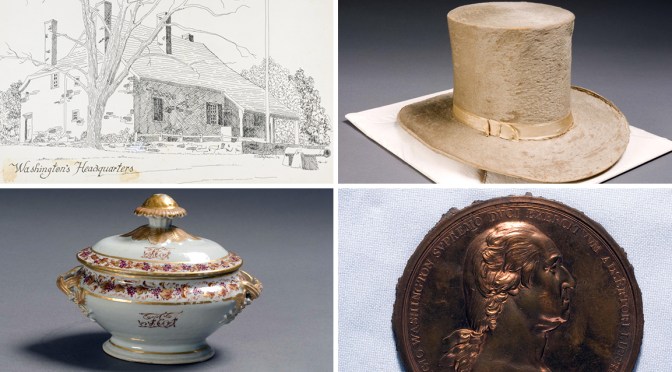
175 Years of Collecting Historic Objects in New York State
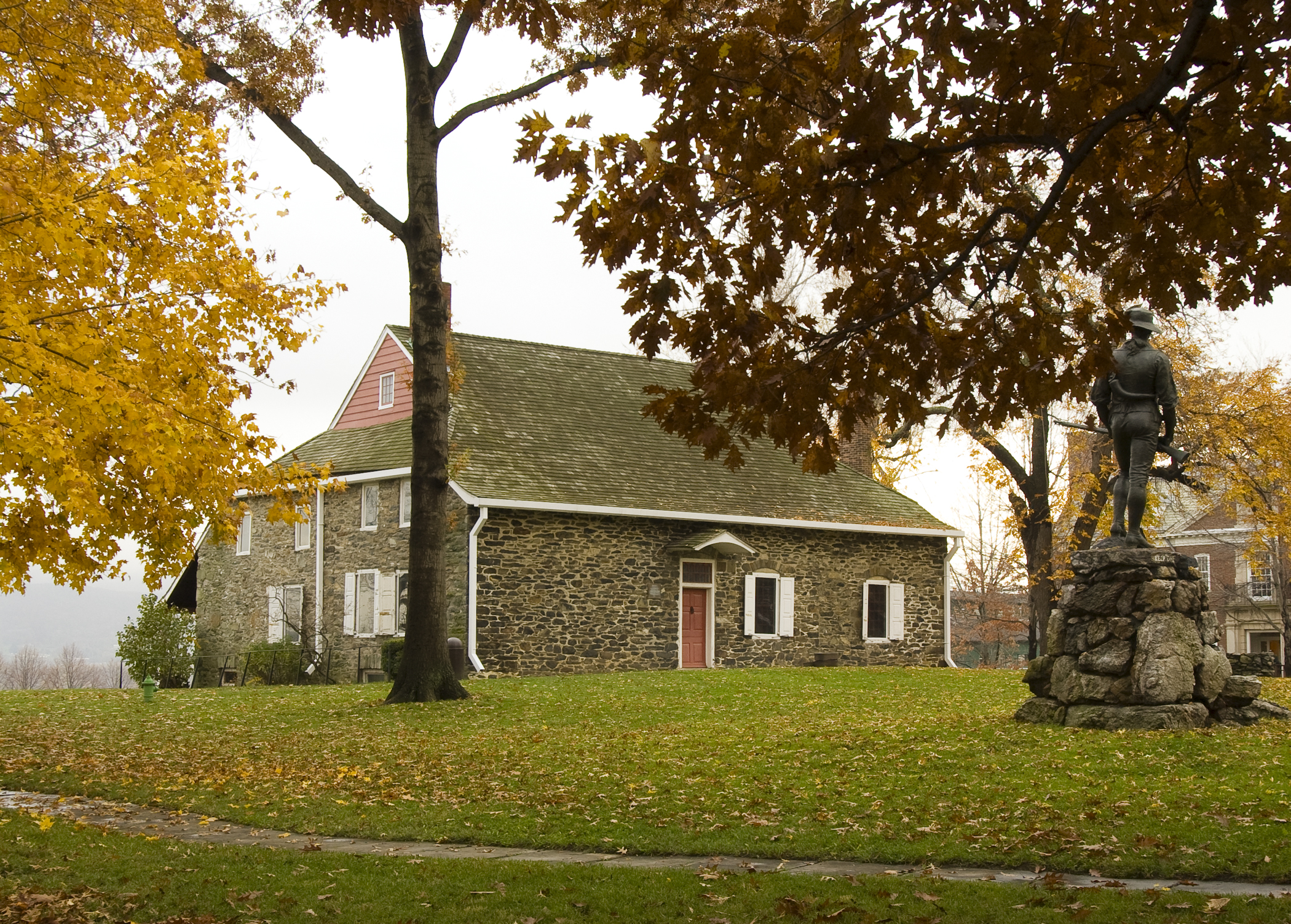
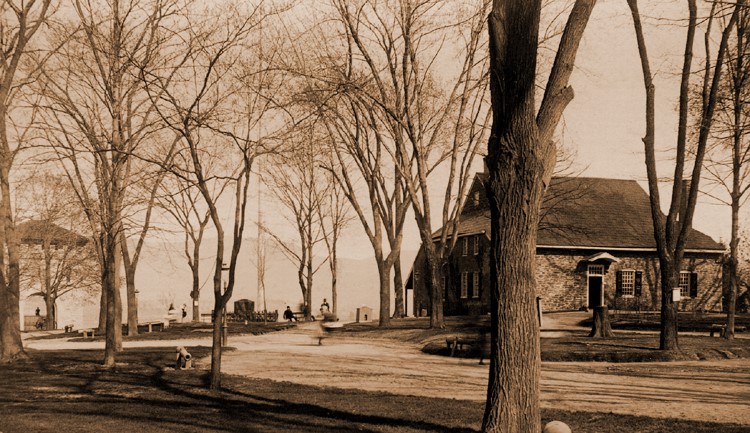
In April 1850, the 1750 Hasbrouck House in Newburgh was transformed into New York State’s first state historic site: Washington’s Headquarters State Historic Site.
Since then, New York State has collected objects, archival materials, and other items related to New York’s history. 2025 marks the 175th anniversary of New York’s state historic sites – which now number over 35 locations, over a million historic objects, and over three million archaeological objects.
Continue reading 175 Years of Collecting Historic Objects in New York State
Celebrating 200 Years Along the Erie Canal
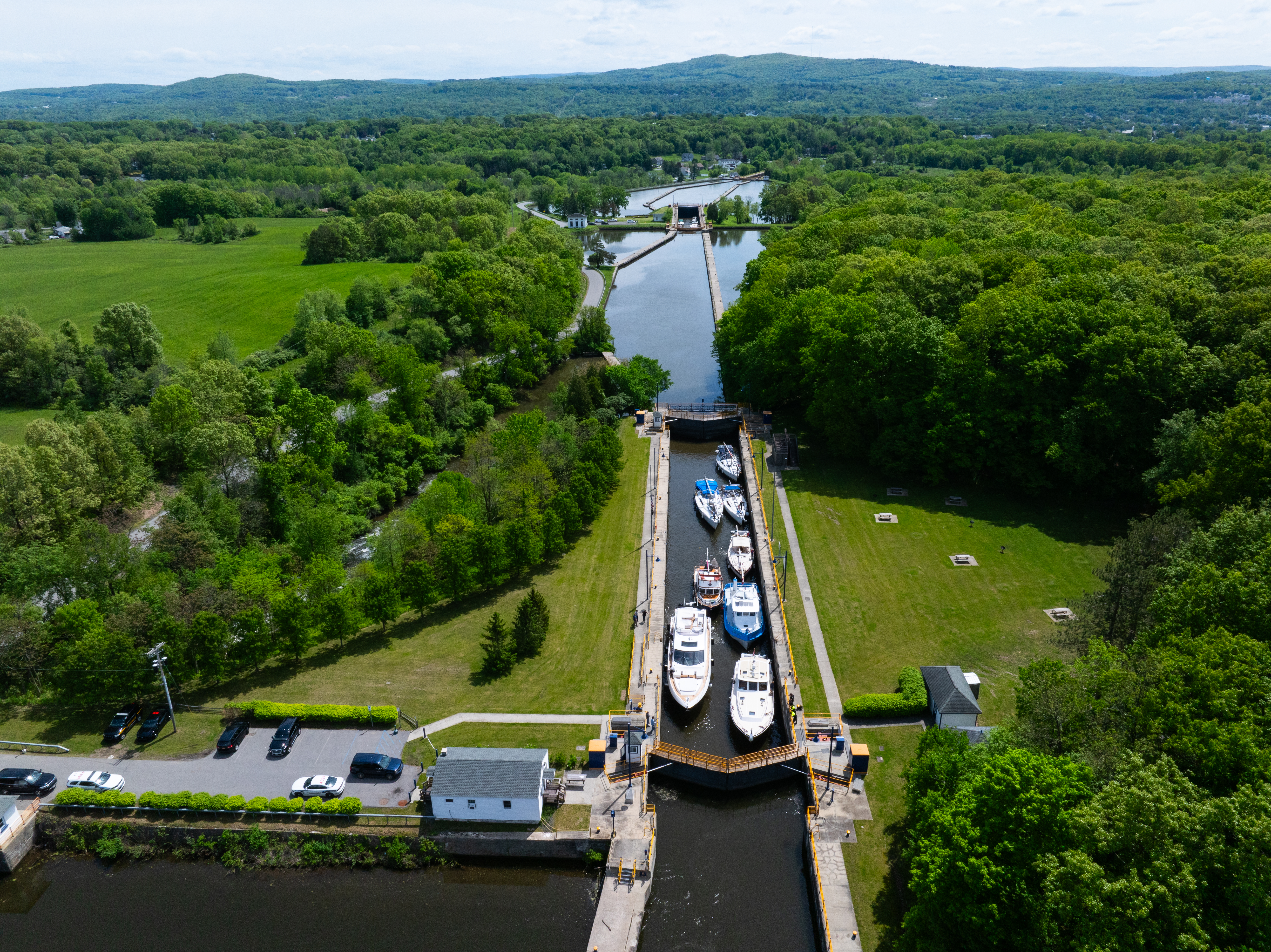
In 2025, New York State commemorates the 200th anniversary of the opening of the Erie Canal from Albany to Buffalo. This event was transformative for both the state and the nation, linking the Great Lakes with the Hudson River and the Atlantic Ocean in an unprecedentedly efficient waterway. During the bicentennial, we are offered an opportunity to reflect on two centuries of rich and complex history and discover how that period’s impacts allow us to explore and enjoy the Canal today.

Seneca Culture Lives at Genesee River Valley State Parks
Any settlement story of the state parks along the Genesee River in the western part of New York State begins with the Onöndowa’ga:’, the People of the Great Hill.
The Genesee River’s sweeping valley, with naturally re-nourishing floodplains, hills, and well-draining glacial moraines ideal for farm towns, is the dominant land feature of the region. Flowing to Lake Ontario in Rochester, the Genesee River’s tributaries branch through Monroe, Livingston, Wyoming, Genesee, Ontario, Allegany, Steuben, and Orleans Counties. The Onöndowa’ga:’ are master agriculturalists who established the first permanent towns on this landscape, known regionally today as the “Genesee Country.”

 New York State Parks and Historic Sites Blog