All posts by New York State Parks

With Muskets and Wool Breeches, a Historical Interpreter Connects Visitors to Antiquity

The digital chirrup of my alarm shakes me from my slumber. I dress, kiss my wife goodbye, get in my car and drive to work. After burning my tongue on hot coffee, I step through the doors of my workplace. This, however, is no ordinary door. It is a wooden drawbridge across a dry moat, guarded by five iron cannons pointed directly at me as I hurry to clock in.
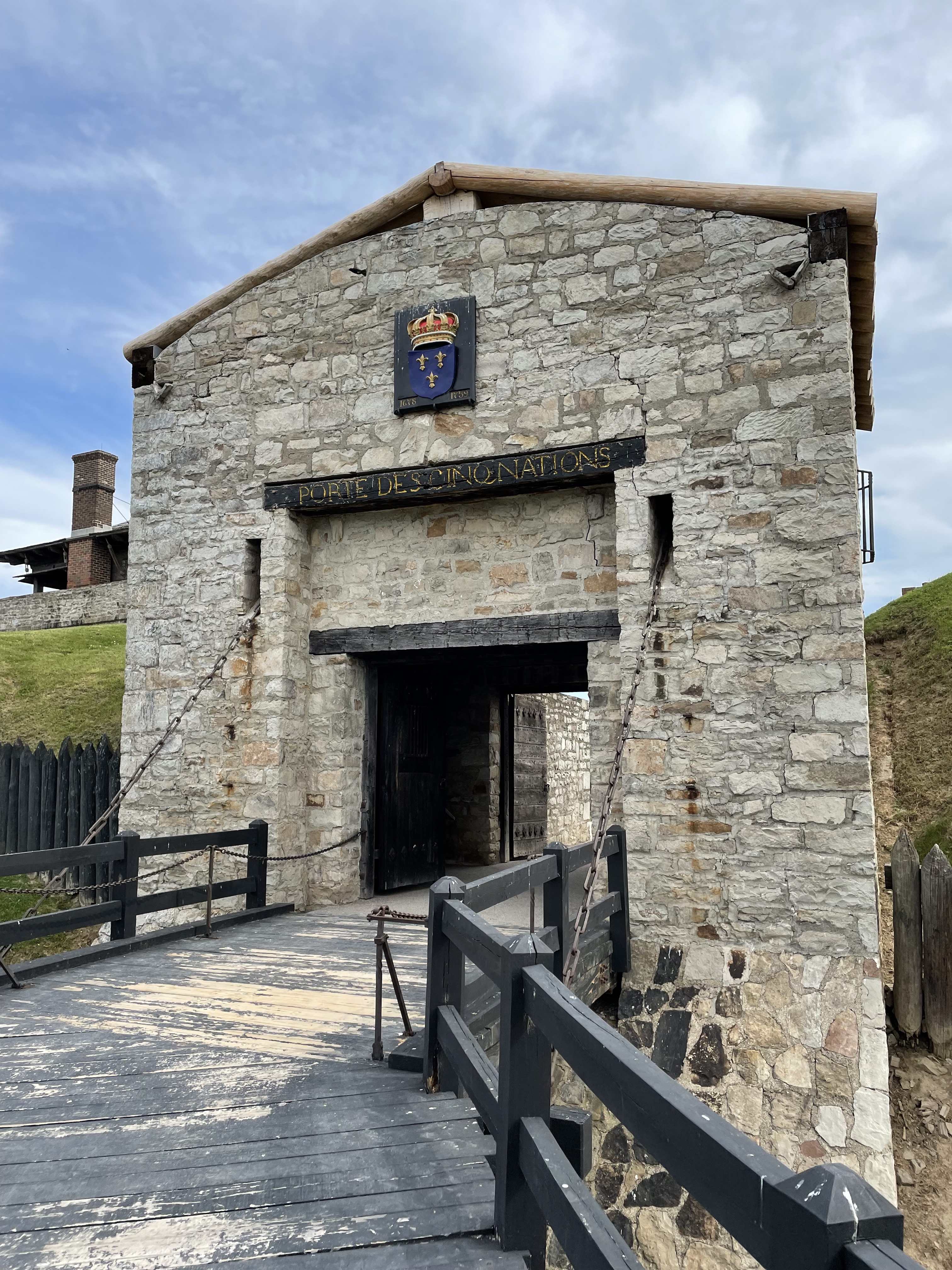
Old Fort Niagara’s first entrance, a drawbridge over a dry moat.

The second door I must pass is a stalwart oaken gate attached to a great stone tower built by British engineers in 1770. I step into our office, the façade of the old provisions warehouse that once supplied every English fort in the Great Lakes region. Once inside, my colleagues and I receive the morning’s briefing and decide who will dress in what uniform and who will carry what firearm onto the field today. 

Allow me to introduce myself:  My name is Derek, and I am a historical interpreter at Old Fort Niagara. It is my job to portray — in a living, breathing image — the lifestyle of a soldier in the eighteenth century.
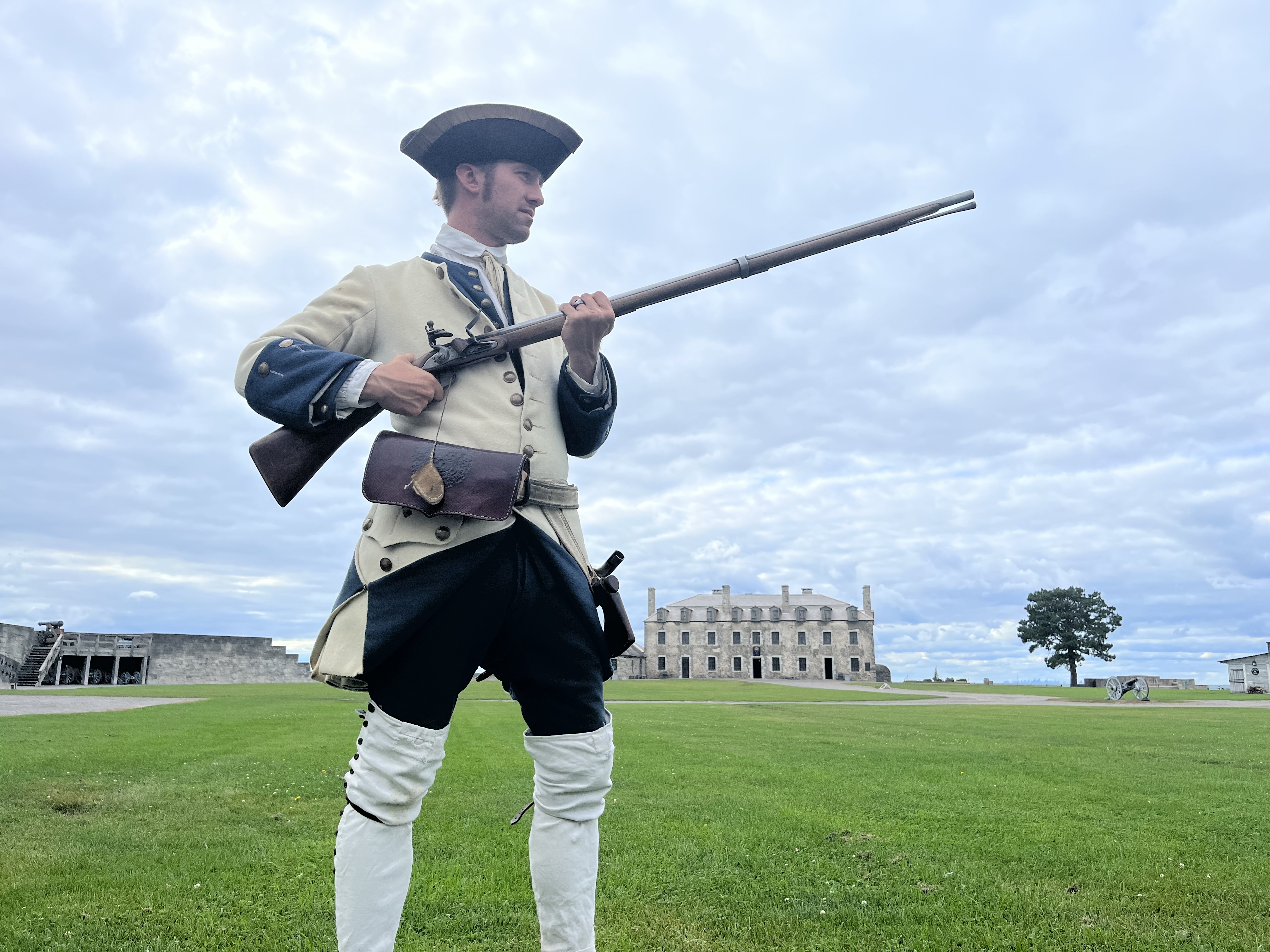
Blog post author Derek Schultz, historical interpreter at Old Fort Niagara.

I suppose I should begin where it makes most sense to begin; getting ready for “battle,” so to speak. In the case of our current garrison, this involves layering a linen shirt, wool socks, wool breeches, a double-layered long-sleeved wool vest, a double layered long-sleeved wool overcoat, a leather belt and cartridge box, leather buckled shoes, and a wool felt hat. Perfect for summer weather! 

Continue reading With Muskets and Wool Breeches, a Historical Interpreter Connects Visitors to Antiquity
Behind The Scenes of Commissioner Kulleseid’s Barnstorming Centennial Launch Tour

In 2024, New York State Parks and Historic Sites will celebrate our Centennial, commemorating the 100th anniversary of the founding of our parks and sites system. While we have incredible public properties older than the 100-year-old system, the Centennial celebrates the vital legislation that allowed us to build and expand our network of parks and sites, forging the system we know and love today. 

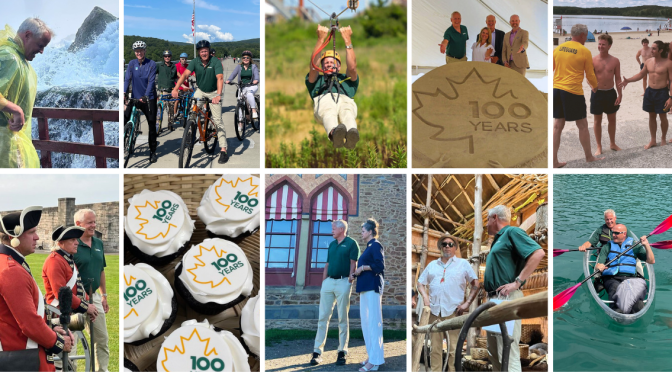
As OPRHP Commissioner, I am reminded every day of the immense pride and enjoyment New Yorkers take in our facilities. To prepare New York State residents and visitors from around the world for the exciting year ahead, I recently embarked on a two-day journey to showcase the breadth of our parks and sites system, highlighting various activities and partnerships that make our system so unique.  

Watch: OPRHP Centennial Launch Tour Recap Video

During the launch tour, a small group of staff and I made ten stops – at Olana State Historic Site, Walkway Over the Hudson State Historic Park, Harriman State Park, Jones Beach State Park, Old Fort Niagara State Historic Site, Niagara Falls State Park, Ganondagan State Historic Site, Green Lakes State Park and Saratoga Spa State Park – where I enjoyed biking, ziplining, firing a cannon, swimming with lifeguards, kayaking, lighting Niagara Falls for its evening illumination, and more! I was also pleased to have special guests join us all along the way at tour-stop events, and to have the chance to connect with many of our amazing staff members and supporters as well. 

Continue reading Behind The Scenes of Commissioner Kulleseid’s Barnstorming Centennial Launch Tour

“Shark Smart” with NY State Parks: A Trip to the Bimini Shark Lab

Ashley Longo, an environmental educator working for New York State Parks’ Long Island Regional Environmental Education Office was awarded a scholarship opportunity to attend a Teacher and Educator’s Course at the Bimini Biological Field Station Foundation in South Bimini, Bahamas. Through her participation, NY State Parks was represented along with 13 other educators out of nearly 200 applicants. More commonly known as the Bimini Shark Lab, this world-renowned research facility was established in 1990 by Dr. Samuel Gruber and has contributed to advancing the world’s knowledge on elasmobranchs (sharks, rays, skates, and sawfish) through several research projects as well as providing educational opportunities for future scientists and the public.


When you hear the word, “Shark” what comes to mind? Does it evoke a sense of fear in you? Does it stimulate your curiosity? Is your immediate first thought about how they are so negatively portrayed in the media and how unjust it is?

Sharks are some of the most talked about animals on the planet, often portrayed in a very negative light. With increasing sightings of them off Long Island in the past couple of years, misinformation and public fear can spread, something first started by the movie Jaws. It should be made clear, however, that increased shark sightings are actually a sign of a healthier ecosystem!

Blog post author Ashley Longo, an environmental educator working for the Long Island Regional Environmental Education Office in front of the Bimini Shark Lab sign in South Bimini, Bahamas.

Sharks (rays & chimaeras too), the elasmobranchs, are one of the most advanced groups of animals in the world, with specialized sensory adaptations, reproductive methods, and migration patterns not seen in other living creatures. More than half the species of sharks in the world don’t grow bigger than three feet (one meter) and most live in the waters of the deep sea, never seeing the ocean’s surface or a human being. There’s a lot more to sharks than many people realize, including myself, and I am excited to be bringing that knowledge back to the beaches of Long Island after being at the Bimini Shark Lab in the Bahamas.

Life at the Bimini Shark Lab

South Bimini, Bahamas is located alongside the Gulf Stream some 46 miles from Miami, Florida. The level of biodiversity is high surrounding Bimini and because of this many shark species can be found around Bimini and the rest of the Bahamas. Many shark species will migrate between Bimini and the United States. In 2011, the Bahamas declared their waters as a shark sanctuary, becoming the 4th country in the world to do so at the time. The value of a shark alive is worth far more than a dead shark in the Bahamas, with the diving industry there being among the highest earning in the world. As the Shark Lab has so cleverly coined, the Bimini is not infested with sharks, but INVESTED!

Continue reading “Shark Smart” with NY State Parks: A Trip to the Bimini Shark Lab

DISC-over Disc Golf, One of the Fastest-Growing Sports in the U.S.

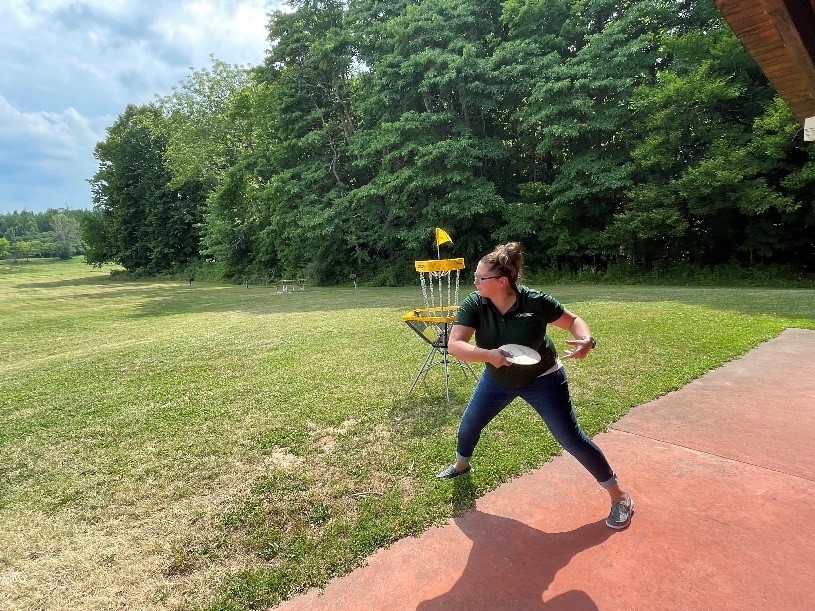
A metal basket encircled by rows of hanging chains. Maybe not the first thing that comes to mind when thinking about recreation in New York State Parks, but disc golf is a friendly activity that has been offered at our facilities for years. In fact, there are currently 17 state parks in the Empire State that offer disc golf courses, and it’s about time we demystify the sport.

What is Disc Golf?

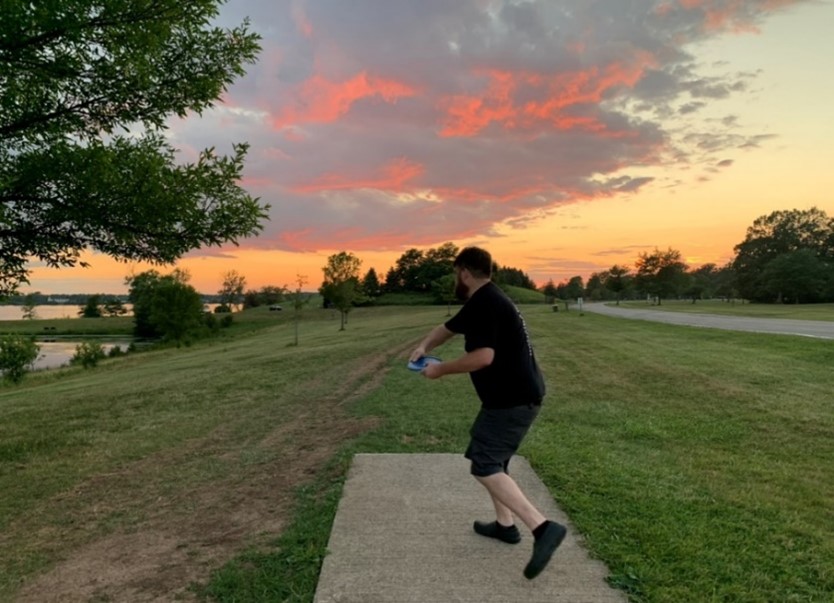
Also known as Frisbee golf, the rules of the sport are very similar to traditional golf. Play­ers use specially designed discs or frisbees to throw from a tee area with the goal of getting the disc into the disc golf basket in the least amount of throws possible. Score is kept over 18 holes and the person or team with the lowest score wins.

Much like traditional golf, each course offers its own unique set of challenges. The Angry Apple Disc Golf Course at Darien Lakes State Park has players navigate through an old apple orchard. The Blue Course at Lakeside Beach State Park, aka “The Beast” provides panoramic views of Lake Ontario and is meant to test your skill. Throw too far and you may see your disc end up in the Lake.

Continue reading DISC-over Disc Golf, One of the Fastest-Growing Sports in the U.S.

Princeton Students Interpret Jones Beach Through Environmental Poetry and Art 

Poetry and literature have long been used to explore the natural world in ways that can circumvent the pitfalls of scientific and technological determinism. Similarly, in the history of architecture and landscape architecture, new modes of drawing and rendering can add contour and depth to insights from the environmental and biological sciences.

In Spring 2023, Jeanne Haffner, Special Assistant and Director/Chief Curator of the Jones Beach Energy & Nature Center and S.E. Eisterer, Assistant Professor for Architectural History and Theory at Princeton University, collaborated on a seminar for Masters and Ph.D. students called “Histories of Embodied Energy: From Turtles to the Grid.” The course followed the mission of the Jones Beach Energy & Nature Center, investigating “the relationships between human beings, energy systems, and environmental stewardship.” Students toured the Center and surrounding site, and then chose an artifact from Jones Beach to work with for the semester. 

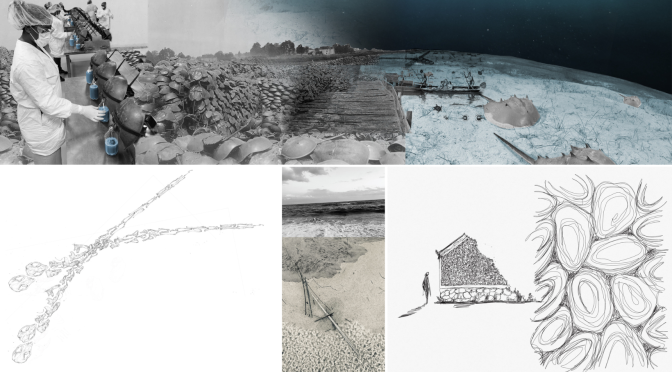
Having chosen an artifact, students wrote poems and created a drawing about it. But instead of producing abstract scientific diagrams or architectural renderings, they instead reflected upon alternative ways of representing the environment—ways that prioritize artistic, rather than strictly scientific, approaches. Maryam Popoola, for instance, sees an owl pellet not simply as an object for dissection but as a metaphor for the ever-changing nature of form. Valen Zhang’s poem and drawing considers oysters’ dynamic interactions with the ocean, beach, and built environment. For Marcos Garcia, beach grass on a sandy dune becomes a nexus between humans, lifestyles, and ecological impact. Masa Crilley depicts a horseshoe crab not in isolation, but in a long history that connects underwater worlds, Native American fishing practices, and industrialization.

This selection of poems and visuals reminds us of the continuing connection between art and environmental science, as well as the complex entanglements between environmental, social, and technical systems.

Introduction written by Jeanne Haffner, Ph.D., Special Assistant and Director/Chief Curator, Jones Beach Energy & Nature Center (NYS Parks) and S.E. Eisterer, Assistant Professor of Architectural History and Theory, Princeton University

Poems and visuals below created by Maryam Popoola, Valen Zhang, Marcos Garcia, and Masa Crilley

Continue reading Princeton Students Interpret Jones Beach Through Environmental Poetry and Art