Category Archives: Park Projects

Innovative Trail Brings Nature to The Autism Community

In the summer of 2014, a casual conversation with one of my neighbors revealed that two boys we knew with autism – one from Albany, one from New York City –  each experienced an uncanny sense of calm and serenity during separate visits to Letchworth State Park in western New York.

Also, both families also had initially hesitated in bringing their special needs children to a state park for fear of their behavior not being understood or accepted. As we pondered this sense of exclusion, my neighbor Susan Herrnstein and I also wondered together if Letchworth might be the right place for a unique project to provide a safe and welcoming experience in nature for visitors with autism spectrum disorder (ASD) and other developmental disabilities.

This winter, some six and one-half years later, construction began on The Autism Nature Trail (The ANT) at Letchworth State Park, the first nature trail of its kind to be designed specifically for the sensory needs of people with autism, a diverse range of neurodevelopmental conditions characterized by challenges with social skills, repetitive behaviors, speech and nonverbal communication. In February, Parks Commissioner Erik Kulleseid attended the groundbreaking ceremony and opening of the trail is set for later this summer.

Parks Commissioner Erik Kulleseid (center) joins with ANT supporters during the February groundbreaking of the trail at Letchworth State Park. (Photo Credit – NYS Parks)
Construction work continues on The ANT in anticipation of an opening this summer. (Photo Credit – NYS Parks)

As a representative for Genesee County on the Genesee Region Parks Commission, I knew from the start that an undertaking of this magnitude could strain the Parks budget, so an early commitment was made that all funds to design, build, equip, staff, program and maintain this unique trail would come from private fundraising efforts.

Herrnstein recruited her friend Gail Serventi, a retired speech/language pathologist, to join our early team, and each of us took primary responsibility for an aspect of the project, which led to some involved in the project to eventually dub us the “ANT Aunts.”

Herrnstein led a Planning Committee and found an architect, a natural playscape creator and an organization in Rochester – Camp Puzzle Peace – which specializes in an Adirondack summer camping experience for entire families living with developmental disabilities.

Serventi convened an impressive Advisory Panel of all-volunteer academics and practitioners in speech, occupational and physical therapy, autism, special education and related services. Individuals with autism and parents and grandparents of children with developmental disabilities were included in the conversation.

I organized a Fundraising Team and began soliciting donations even before a full schematic design had even been approved by New York State Parks. So far, The ANT volunteers have raised $3 million in private funds toward the ultimate goal of $3.7 million to insure programming for the trail into the future.

The fundraising campaign was managed by the Natural Heritage Trust on behalf of State Parks. The trust is a not-for-profit corporation that receives and administers gifts, grants and contributions to further public programs for parks, recreation, cultural, land and water conservation and historic preservation purposes.
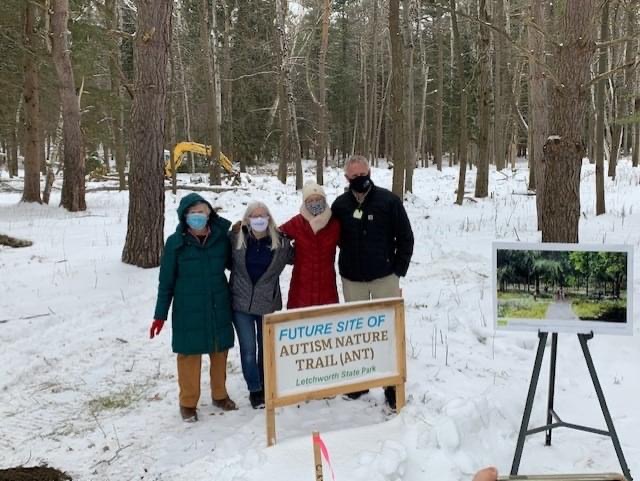
Parks Commissioner Erik Kulleseid with the ANT “aunts” at the February groundbreaking for the trail. From left to right, Susan Herrnstein, Loren Penman, Gail Serventi, Commissioner Kulleseid. (Photo credit – NYS Parks)

Early along the way, our quest to create The ANT also led to a connection with the amazing Dr. Temple Grandin, a woman diagnosed with autism in 1950 at age two and now a cattle industry expert who is quite possibly the world’s most well-known advocate for the autistic community.

Now a professor at Colorado State University, she was intrigued by the idea of a nature trail designed for visitors with autism. After her diagnosis, Grandin received early intervention thanks to a determined mother and went on to earn bachelor’s, master’s and doctoral degrees. At age 39, she helped raise national attention to the issue of autism with her debut 1986 book Emergence, which described how it felt to be autistic in a neurotypical world.

Grandin went on to write a 1993 work on her professional specialty of livestock handling, and authored further books on living with autism, including Thinking in Pictures in 1995 and The Way I See It in 2008. Her life was the feature of a 2010 HBO biographical film that starred Claire Danes. That same year, Time Magazine named Grandin as one of their 100 “heroes” around the world. She was inducted into the National Women’s Hall of Fame in Seneca Falls in Seneca County, New York, in 2017.
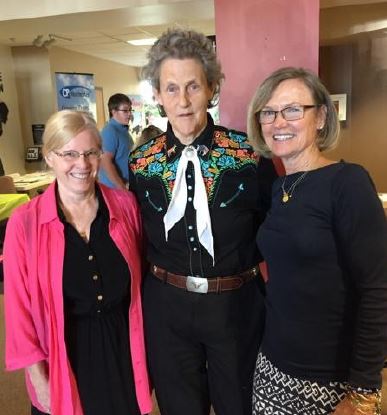
Autism advocate Temple Grandin (center), meets with Loren Penman (left) and Gail Serventi (right).

Grandin offered our ANT team very specific recommendations early on for our trail: (1) Find a place in deep nature. “Don’t build a strip mall nature trail,” she said. (2) Seek out program staff who are both autism experts and experienced in the outdoors, not one or the other. (3) Offer challenges to visitors who may never have been on a trail – but also build in predictability and choice. (4) Design a pre-walk station to orient the visitor. Make the trail a loop so that the end is visible at the beginning. (5) Position opportunities for soothing movement with seating such as cuddle swings, and provide small, private spaces for recovery from “meltdowns.”

Armed with her guidance, our team created a design for a one-mile looped trail with eight clearly marked stations, each meant for a different sensory experience. Activities along the trail support and encourage sensory perception and integration, while also providing enjoyable activities for visitors of all abilities and ages. The stations engage each individual’s auditory, visual, olfactory, tactile, vestibular and proprioceptive processing, using nature and natural materials as the tools for skill-building.

After meeting with team members during an event in Canandaigua to share our design, Grandin endorsed our plan, saying, “I’m glad that my suggestions for the Autism Nature Trail have been integrated into the final design and overall plan. The Trailhead Pavilion as a pre-walk station is important since many autistic children need to know what they’re getting into before they will engage. Cuddle swings and gliders are good choices for movement. I understand the cost involved in providing trained staff for the trail, but its success depends on people who are passionate about nature who will get the children engaged.”

Click on the slideshow above for renderings of the sensory stations ont the ANT, starting with 1) Design Zone, where visitors are able to manipulate materials from along the trail into patterns and structures, 2) Meadow Run and Climb, a place with paths to run, jump and balance along serpentine berms, 3) Playful Path, a place of twisting paths with different surfaces including pea gravel, mowed grass, and pine needles, 4) Reflection Point, a quiet point halfway on the trail under a canopy of trees, and 5) Sensory Station, where a collection of leave, moss, fossils, animal fur, acorns and other objects are to be touched, handled and even smelled.

Statistics show that young people with autism spend disproportionate amounts of time indoors, often finding comfort in digital activities which results in social isolation. This disconnectedness not only affects individuals with ASD but also can affect caregivers and entire families. The ANT is designed as a series of accessible and safe outdoor spaces in nature, yet far from the distractions and often overwhelming stimuli of everyday outside life.

The ANT also is ADA-compliant and situated adjacent to the park’s Humphrey Nature Center with full access to a large parking area, modern restrooms and WiFi. The COVID-19 pandemic is teaching us that being in nature is a saving grace, and New York State Parks have remained open throughout the crisis. We also know that people can feel uncomfortable, unwelcome and even unsafe in environments where certain behaviors are not understood, and special needs cannot be met.

Our trail also has been endorsed by Hollywood actor Joe Mantegna, an honorary member of our ANT board and a father to a daughter with autism.

“We sometimes forget that children with autism become adults with autism — and they are adults a lot longer than they are children,” Mantegna said. “The Autism Nature Trail will provide a welcoming environment for visitors of all ages to experience the excitement, joy and comfort found in the wonders of our natural world. This unique form of direct and accepting engagement with nature in a world-class park adds a new dimension of exposure, with the potential of providing a lifetime of meaningful and fulfilling experiences.”

April is Autism Awareness Month, and a special GoFundMe charity campaign has been established with a goal of seeking individual donations of $25 to support ANT programming, which is also going to be supplemented by support from the Perry Central School District.

A link to the GoFundMe campaign can be found here.

Since the start, our project has received donations ranging from $5 to $500,000 from people coast to coast. Such generous donors include the Autism Team at the Bay Trail Middle School in Penfield, Monore County, which for five years has held an annual T-shirt design benefit contest, raising more than $900. Some other outside fundraisers have included regional photographer John Kucko and Cellino Plumbing of Buffalo.

Our team thanks everyone (and there are so many) who has supported our project to help make The ANT a reality, and we are grateful for any and all future support. You can find more information here about our trail at autismnaturetrail.com

This summer, perhaps we will meet some of you on The ANT!


Cover shot – The Trailhead Pavilion at The Ant, where orientation materials will be available to help visitors better experience what the trail has to offer.


Post by Loren Penman, ANT co-founder and board member, Genesee County representative to the Genesee County Region Parks Commission; with contributions from Brian Nearing, NYS Parks Deputy Public Information Officer

Resources


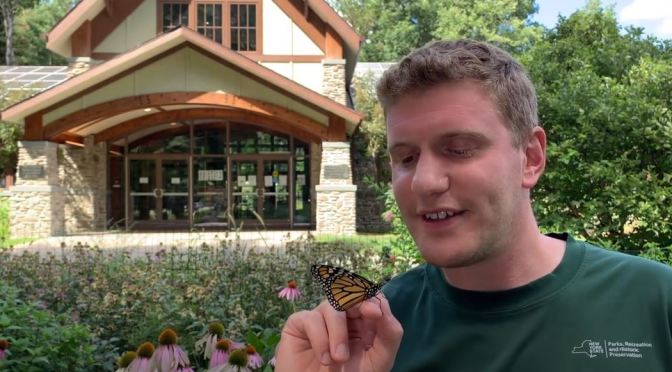
Here, Elijah Kruger, an environmental educator at Letchworth State Park, describes an autistic child’s encounter with nature, and how offering the opportunity for each person to explore nature at their own pace can promote a soothing experience.


Learn more about the life of autism advocate Temple Grandin here, here and here.

Listen to what she has to say about living with autism…

Pitching In For Dwarf Pines at Sam’s Point

With a fire-damaged dwarf pitch pine forest at the Sam’s Point Area of Minnewaska State Park Preserve rebounding slower than expected from a devastating wildfire, a State Parks greenhouse in the Finger Lakes is helping to grow a new generation of trees.

Since fire burned more than 2,000 acres in April 2016 at Sam’s Point, State Parks staff there has been monitoring the health of this globally rare forest ecosystem in Ulster County.

This high ridge in the Shawangunk Mountains is predominantly pitch pines (Pinus Rigida), a fire dependent species of conifer. The pitch pines at Sam’s Point are dwarfed, which means they can be hundreds of years old, while still only roughly as tall as a person.

Pitch pines have serotinous cones, which means the cones require heat from fire in order to open protective scales and cast seed. These trees also have non-serotinous pine cones, which release seeds from November into the winter and do not require heat. Pitch pines take two years to fully develop cones with mature seeds, and the serotinous cones can remain sealed for years until the outbreak of fire.

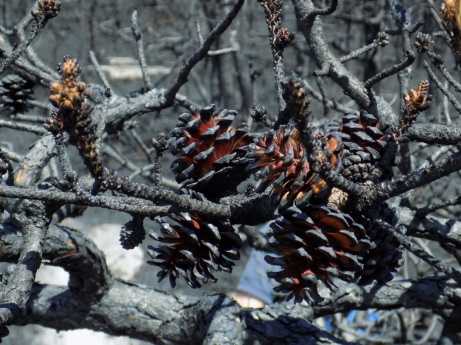
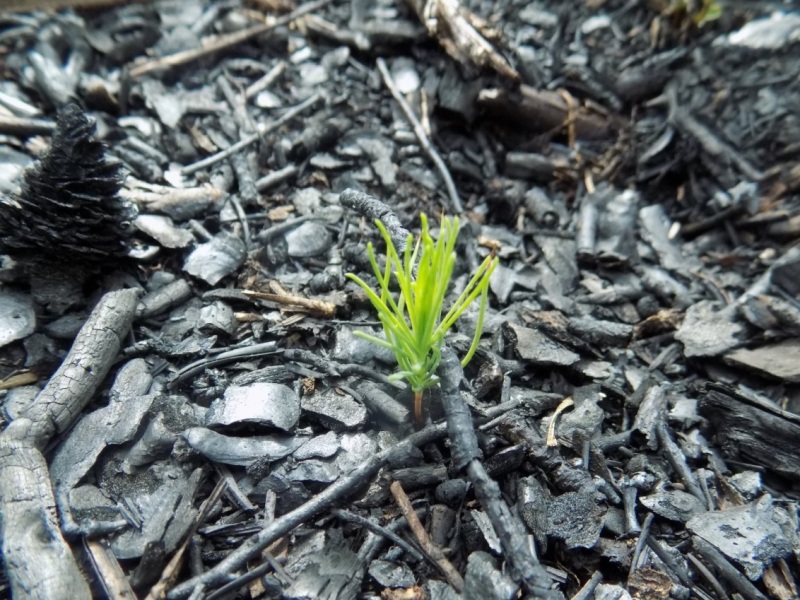
Burned pitch pine cones at Sam’s Point after the 2016 fire. (Photo credit – Lindsey Feinberg)

The Sam’s Point fire burned hot and quick, which left parts of the duff soil layer still covering underlying mineral soil that is necessary for pitch pine seeds to germinate into seedlings. Duff is made up of partially and fully decomposed organic matter, including pine needles, branches and mulch.

While these exposed pitch pine seeds released after the 2016 fire were a nutritious bonanza for red squirrels, turkeys, and other seed-eating animals, that also meant fewer pitch pine seedlings were taking root to replace trees that had been lost.

Pitch pine forests require regular moderate fires to expose the proper mineral soil and regenerate successfully. The Sam’s Point fire was the first large fire in this area in 70 years and had some exceptionally hot patches. While pitch pines are resilient to fire due to extra thick bark, an especially hot and large fire like 2016 can badly damage or simply incinerate the trees.

During the summer of 2020, it was determined that 77 percent of the pitch pines had died within 20 different plots in the burned zone being monitored by Parks staff. This was a 17 percent increase from an initial survey done in 2016, where 60 percent of the pitch pines were deemed lost to fire damage.

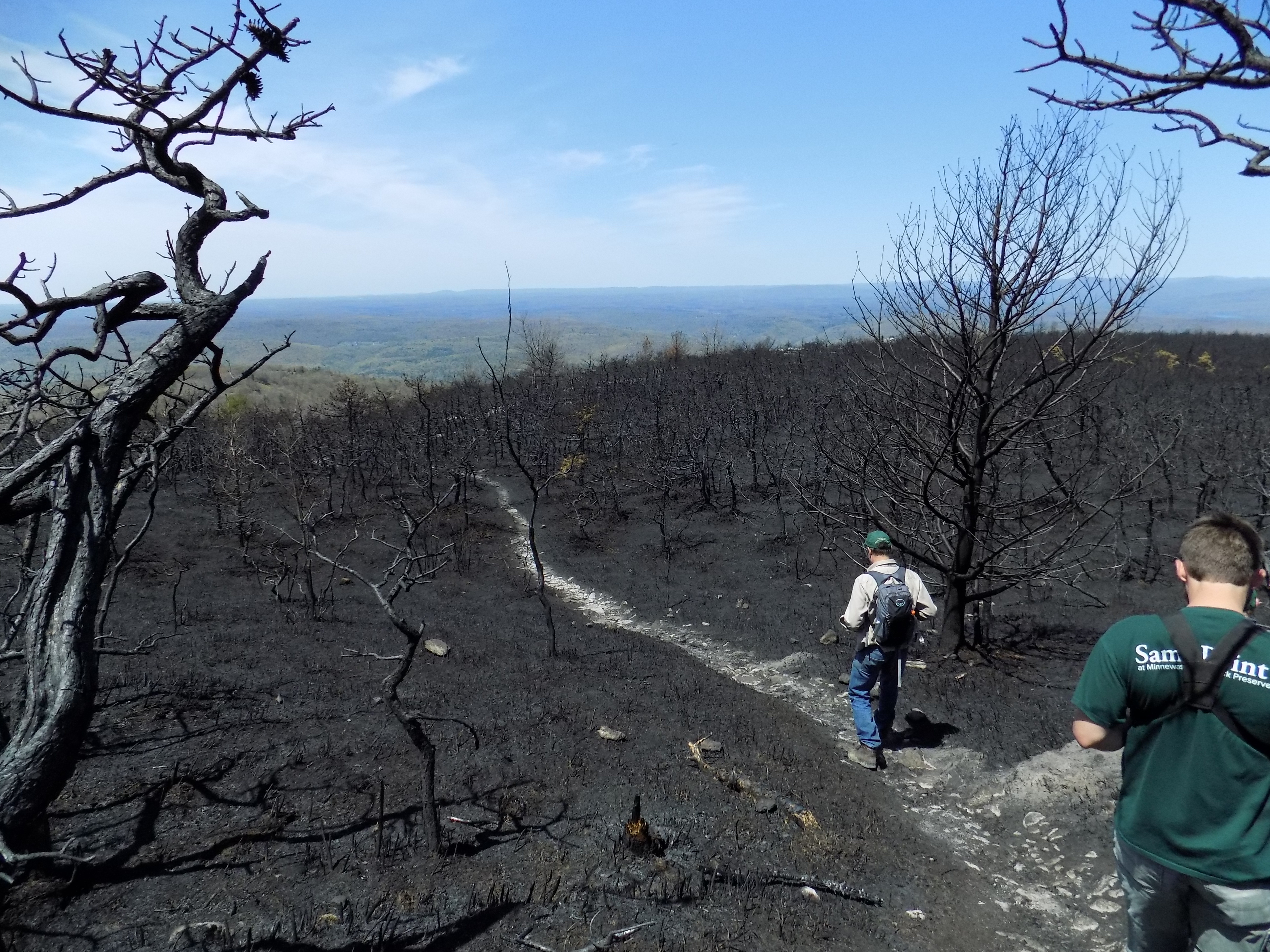
In the immediate aftermath of the fire, State Parks staff went into the burned zone along the Indian Rock path to survey the damage.
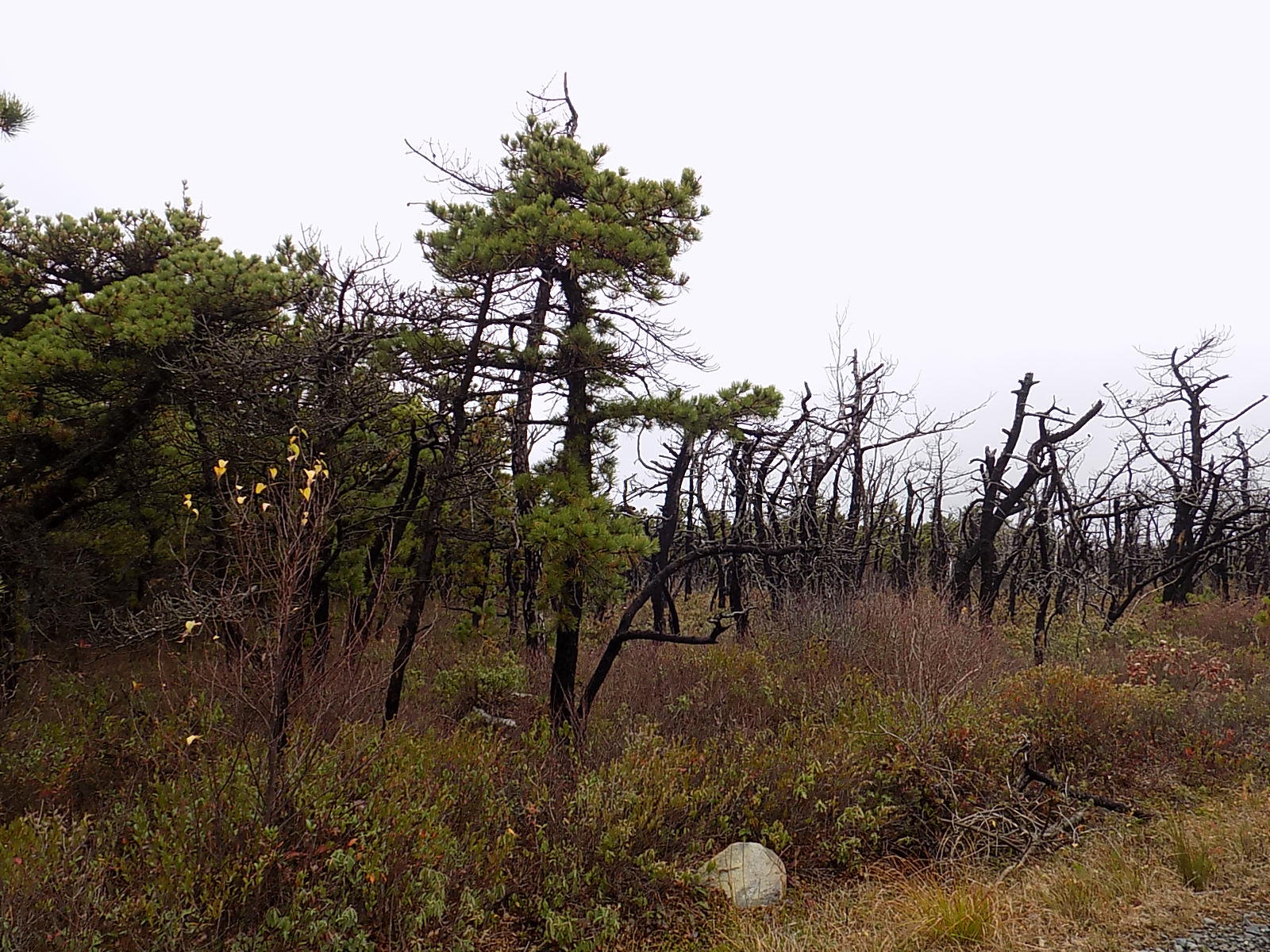
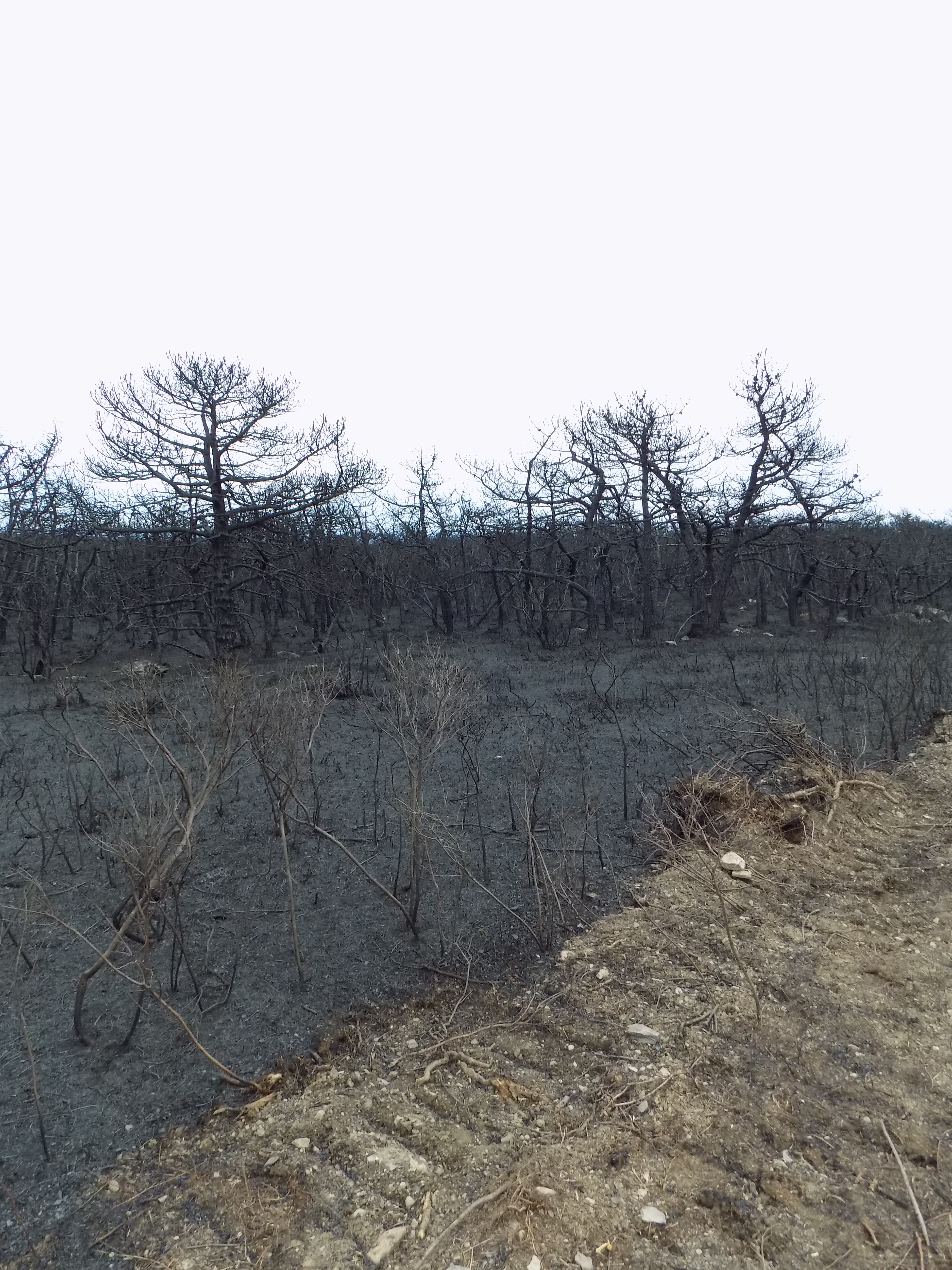
In this photograph taken in November 2020, the extent of the fire still shows in this area where pitch pines remain dead (left).

At the same time, fewer seedlings were growing in the aftermath of the fire. Monitoring of the forestry plots has found pitch pine seedling growth peaked in 2017 with 85 seedlings but has continually declined since then. This year only 27 seedlings were found within those 20 plots.

And with fewer trees and lagging replacement growth, it was feared that bird habitat was being lost. Minnewaska State Park Preserve is a designated state Bird Conservation Area as an exceptional example of a high elevation forest community with a diverse forest dwelling bird population.

Some of these birds include the Northern Saw-whet owl, Black-and-white Warbler, Black-throated Blue Warbler, Eastern Towhee, Indigo Bunting and Prairie Warbler. Parks staff at Sam’s Point has been surveying for bird activity, but so far has found no clear impacts from the fire to bird populations.

It also is notable that the duff layer at Sam’s Point has increased by almost three-quarters of an inch since the fire. This is due to a lack of any fire succession since 2016. Deeper duff means that the regrowth of this globally rare pitch pine forest will be very slow and difficult, as seedlings continue being inhibited from taking root.

Right after the fire, staff at Sam’s Point wrote a Burned Area Recovery Plan (BARP), using a template created by the National Park Service.  Several important actions are outlined in this plan included:

  1.  Creating and monitoring 20 forestry plots to study pitch pine regeneration     
  2. Monitoring impact of the fire on songbirds which depend on the unique trees and understory found at Sam’s Point for their breeding grounds in the spring through annual species counts
  3. Monitoring and mitigating new fire breaks for erosion, invasive species, and blocking off firebreak and recreational trail intersections with plantings or brush

This work has been carried out carefully by Sam’s Point staff and regional stewardship staff. Assistance was provided by Student Conservation Association Hudson Valley Corps interns as well as interns and staff from regional universities and colleges.

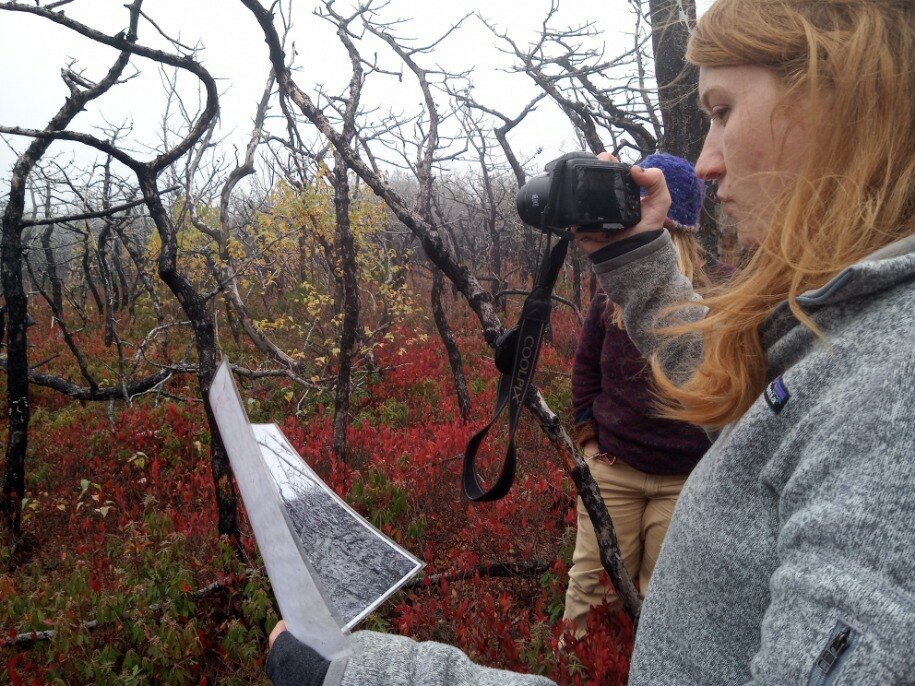
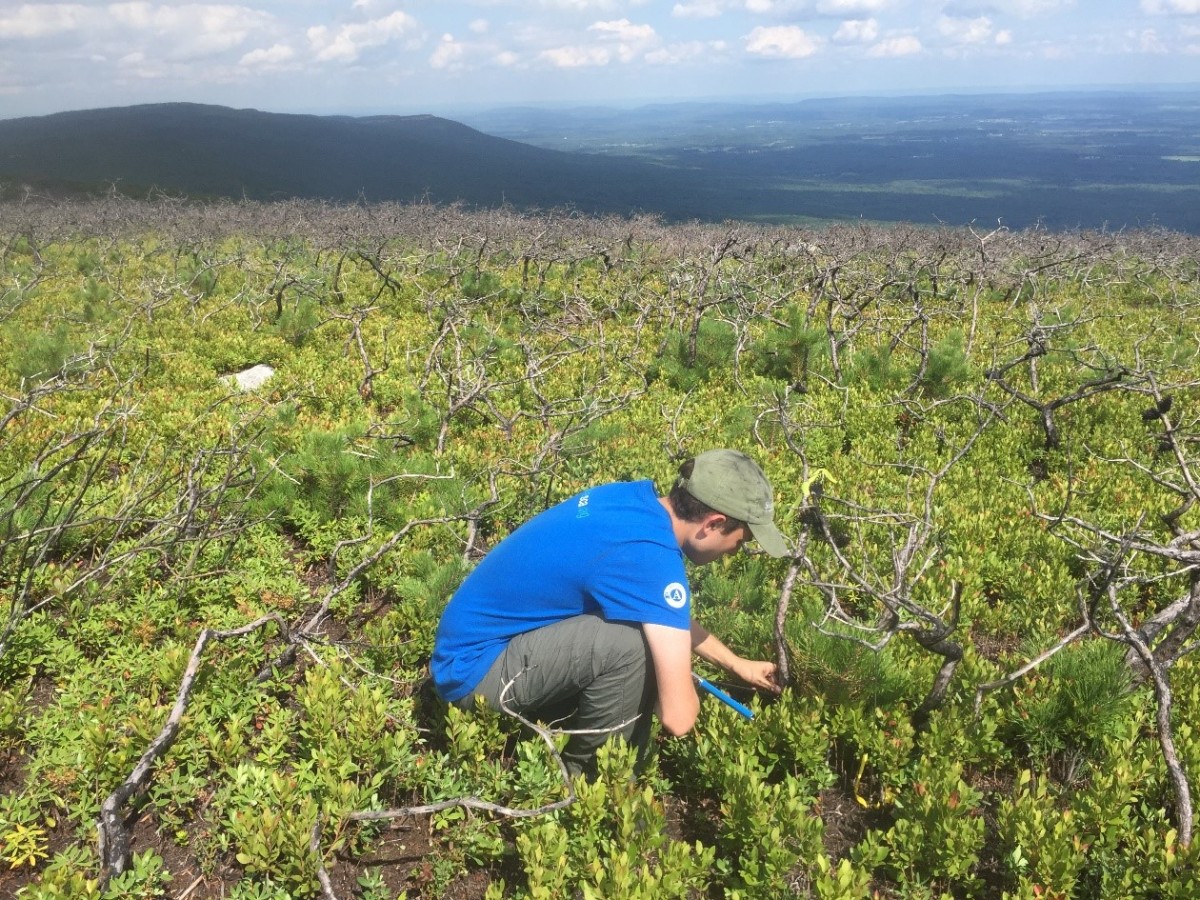
Daphne Schroeder, a Parks staff member from Sam’s Point, takes part in a survey of one of the burned areas.

In early 2019, the Plant Materials Program Staff at Sonnenberg Gardens & Mansion State Historic Park in the Finger Lakes region, reached out to Palisades regional Stewardship staff to discuss restoration projects. Out of nine proposed Palisades projects, two projects were to grow pitch pine seeds collected from Sam’s Point to help regenerate this rare forest.

Sonnenberg Plant Materials Program Lead Technician Dave Rutherford and staff visited Sam’s Point and gathered pitch pine cones in mid-November 2019.

The cones were carefully selected from an area near Lake Maratanza. Specimens needed to have ‘scales’ fully closed, and have a light brown, healthy luster. Older, closed pitch pine cones are dull and grey, so to ensure viability the seeds, these cones were not collected. No more than 20 percent of the cones were collected from any individual tree. Cones were cut from the base of the tree and kept in a woven plastic bag until it was time to process them.

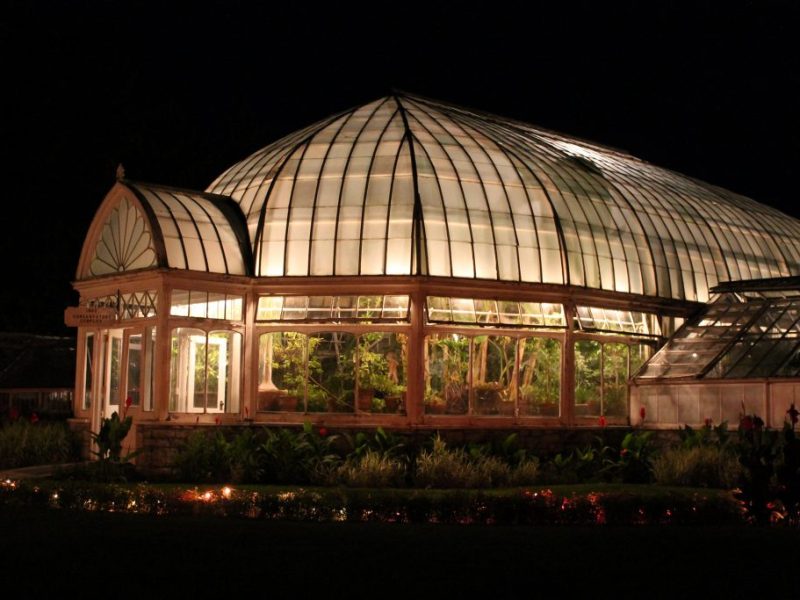
Back at Sonnenberg, cones were heated in small batches at 400°F to simulate the effect of a fire. Crackling and popping as resin softened and melted, cones opened up their protective scales. After the cones had cooled, staff at Sonnenberg turned each one upside down for seeds to fall out for collection.

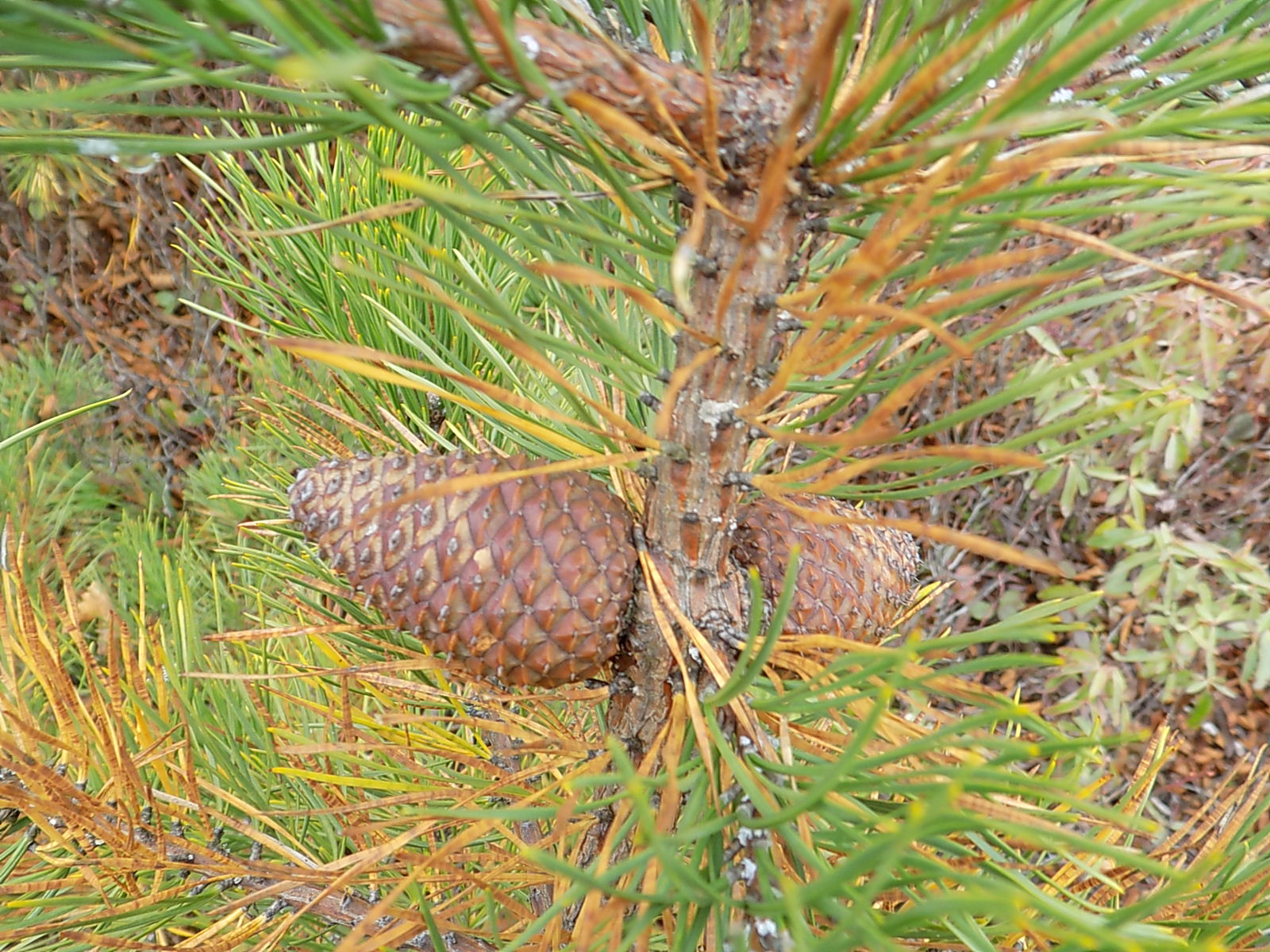
A healthy, mature pitch pine cone suitable for collecting for seed.
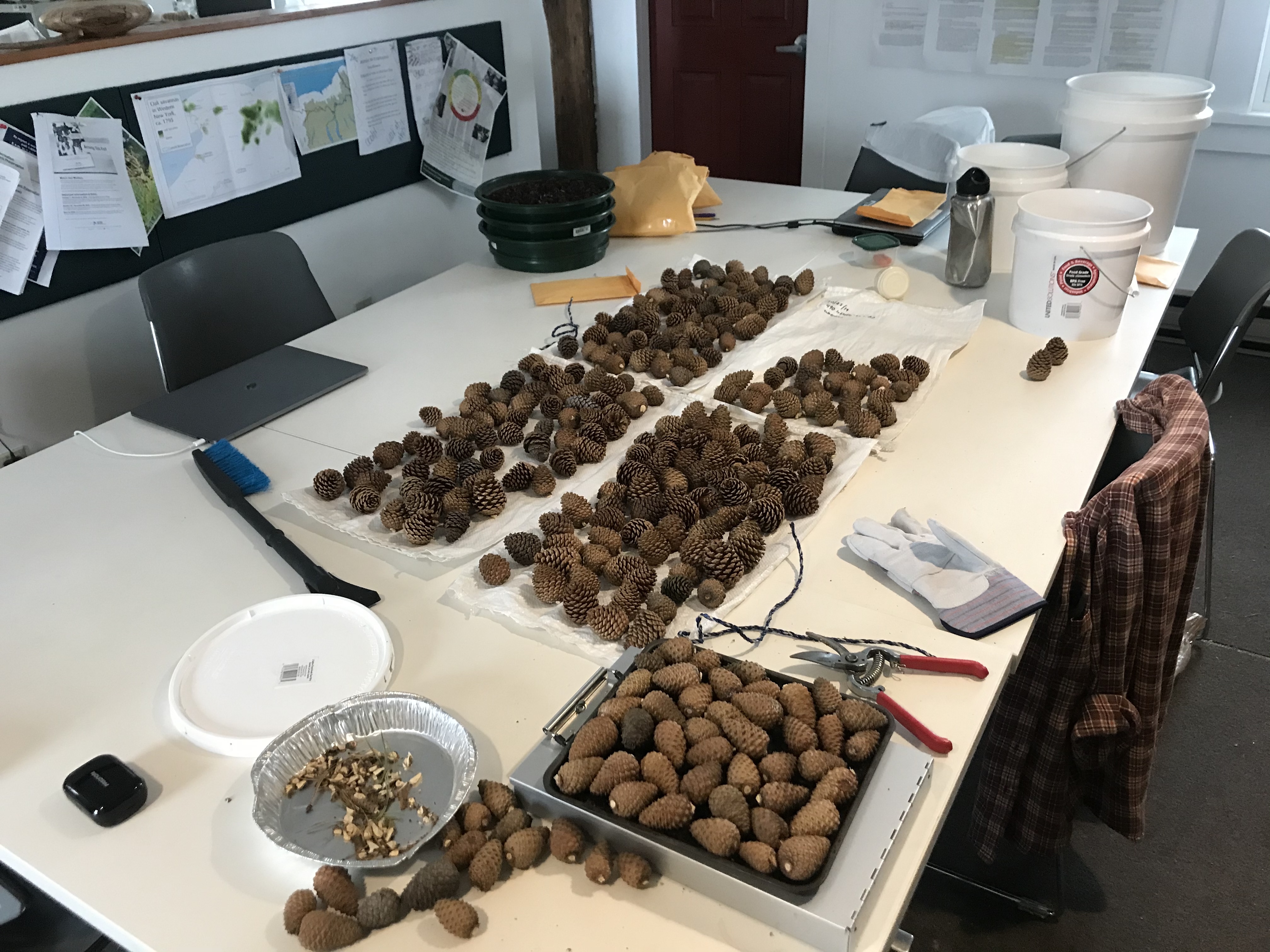
Pitch pine cones arranged for seed harvesting at Sonnenberg Mansion & Gardens State Historic Park.
The heat is on…

These efforts resulted in about 10.5 ounces of seeds, estimated to contain more than 41,000 individual seeds, each one about two-tenths of an inch long. Plant Materials staff started growing some seeds in April of 2020, and now have more than 500 pitch pine seedlings in their greenhouse.

Learn more in the NYS Parks Blog about the work being done at Sonnenberg Mansion and Gardens to grow native plants as part of Parks’ mission of responsible environmental stewardship:


Growing the Future in Gilded Age Greenhouses

State Parks contain a diversity of habitats, from forest and fields, to shrub swamp, marshes and streams. All these landscapes support a wide variety of native plants. As part of efforts at Parks to restore land and protect biodiversity, it is important to have the right plants for the right habitats in order to support…

Another area of degradation at Sam’s Point due to fire damage are fire breaks, especially when created by a bulldozer. Crews made these breaks by removing trees and other potential fuel from the path of the fire to contain its spread. 

Fire managers who worked on the Sam’s Point fire added eight miles of new fire breaks around the park preserve using bulldozers. This equates to adding eight miles of new and hastily planned roads in a semi-wilderness.

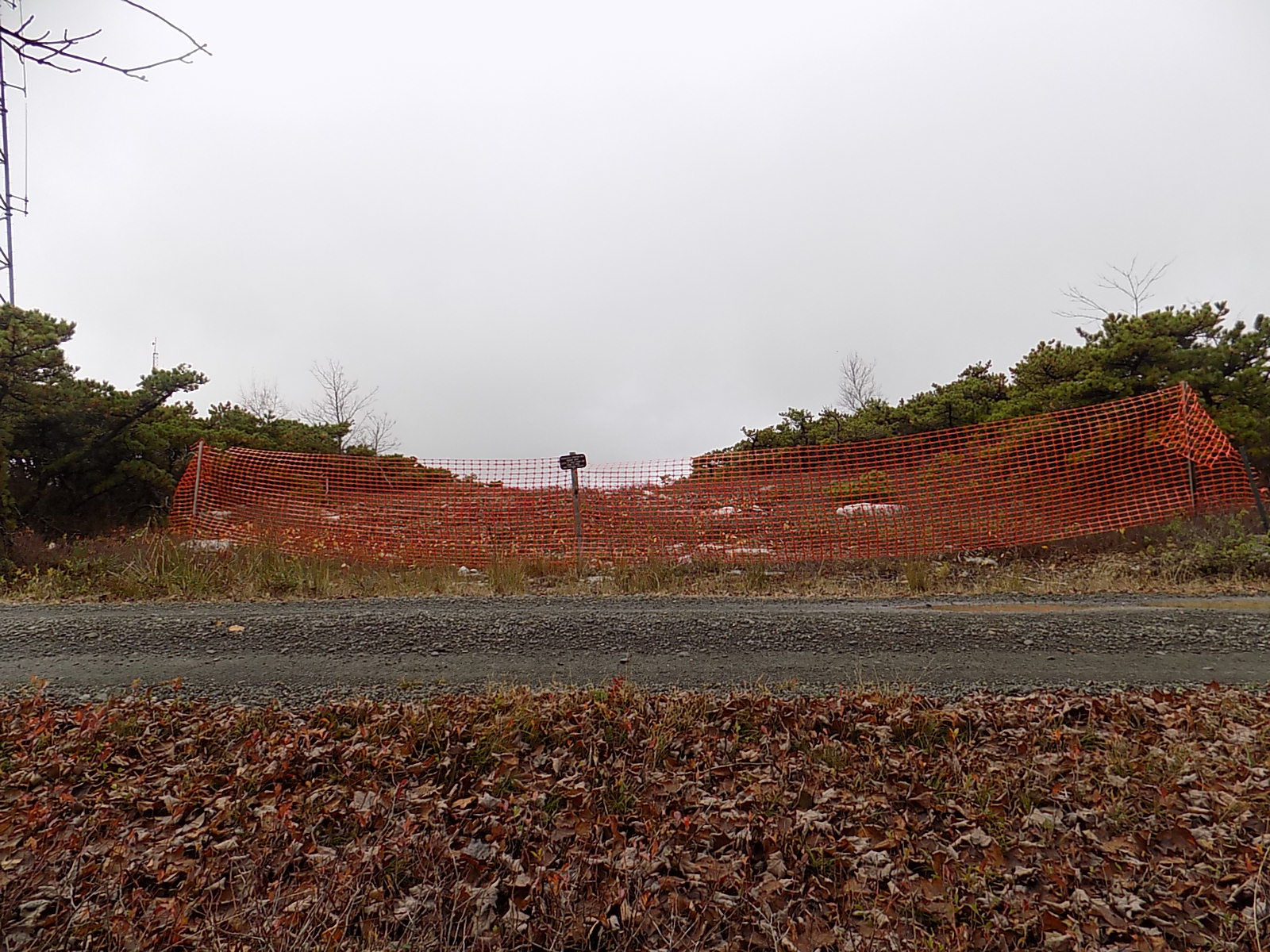
A fire break made by a bulldozer in the immediate aftermath of the fire. Breaks were made to remove potential fuel from the path of a fire.
One of the fire breaks at Minnewaska created by bulldozers to contain the 2016 fire is blocked off to discourage hikers from using it.

Potential impacts of concern from these dozer breaks are erosion, spread of invasive plants and creation of new, unplanned, travel corridors by hikers within the park preserve.

Existing recreational carriage roads do serve as a natural fire break, but new dozer lines had to be made to control wildfire spread. There are a few places where dozer lines intersected with the park preserve’s carriage road and trail systems. These fire breaks are now open, linear, areas with knee high shrubs (huckleberries and blueberries) growing amongst the rocky duff layer.

This is potentially a perfect storm for invasive species to take hold, if people are out hiking on these new scars. People are a powerful vector for transporting invasive plant species. These dozer lines also provide a clearing for people to wander off in and get lost or injured. The intersections between fire breaks and carriage roads are a perfect place to establish re-growth of pitch pines, to hide these open scars.

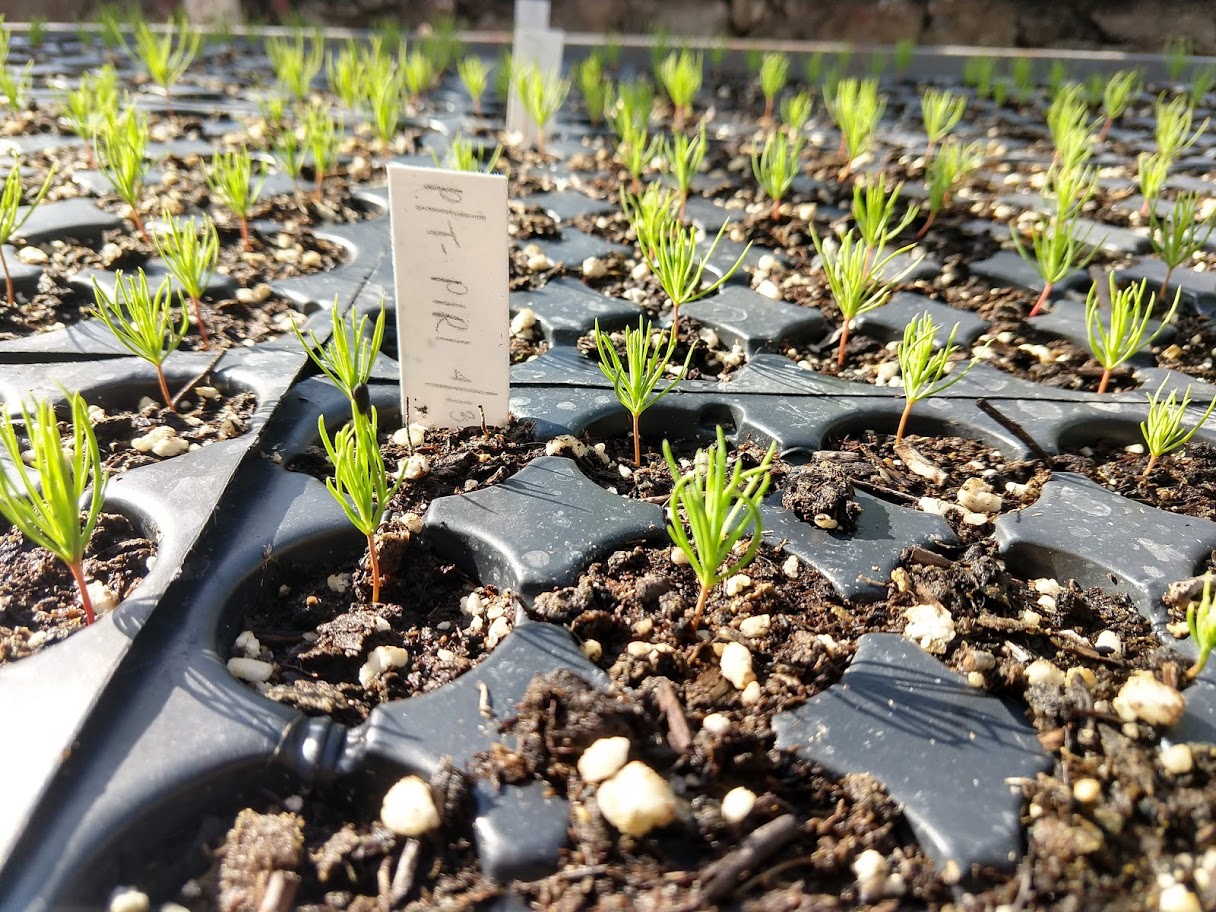
These seedlings now growing at Sonnenberg will be a year old in April 2021, and hopefully can be planted at Sam’s Point sometime next year as the final piece to our restoration plan after the Sam’s Point fire. These seedlings will go into dozer break scars and hot spots.

It is important to note that because the seeds were collected from the globally rare pitch pine forest at Sam’s Point, the native biome is preserved. Once these seedlings are planted, these trees will be growing for hundreds of years, eventually blending in and keeping this forest intact and healthy for generations to come.

The new pitch pine seedlings growing at Sonnenberg’s greenhouse in preparation for being planted at Sam’s Point Area in 2021.
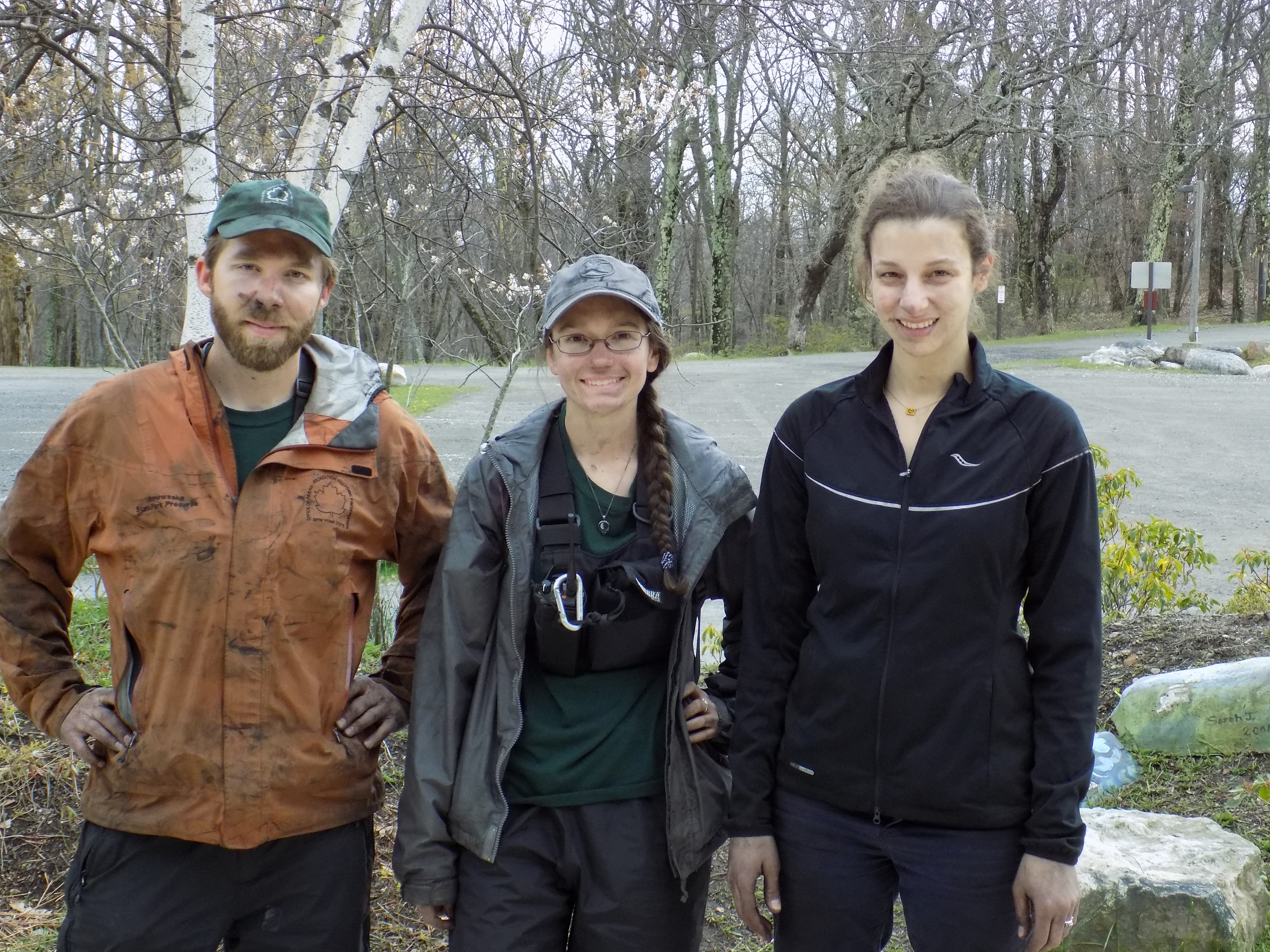
Working in fire-burned areas can result in a bit of soot here and there, as these three Parks staffers show after a day doing surveys at Sam’s Point.

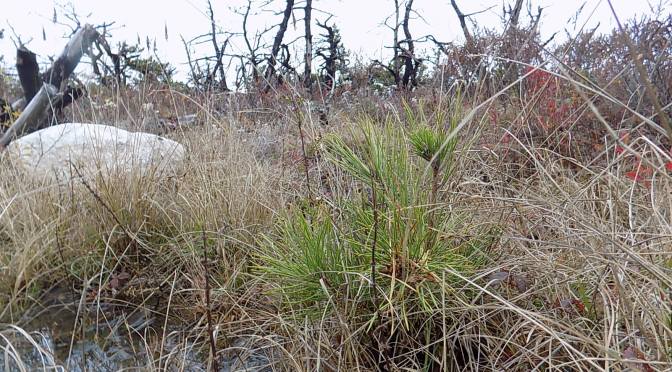
Cover shot – Pitch pine seedlings grow at Sam’s Point Area. All photos from NYS Parks.

Post by Rebecca Howe Parisio, Interpretive Ranger, Sam’s Point Area of Minnewaska State Park Preserve.


Learn more about the immediate aftermath of the 2016 fire at Sam’s Point and initial signs of recovery in the year following in these posts from the NYS Parks Blog:

Rebirth After Fire

Text and photos by Lindsey Feinberg, Student Conservation Association Intern at Sam’s Point  Please ask permission to use photos. Located within Minnewaska State Park Preserve is Sam’s Point, an area of unique ecological significance encompassing roughly 5,000 acres in the Shawangunk Mountains of southern New York. Toward the end of April, during a particularly dry…

From Ashes to Awesome: Sam’s Point

In April 2016, a wildfire engulfed around 2,000 acres of the Sam’s Point Area of Minnewaska State Park Preserve in the Shawangunk Mountains. The “Gunks” (a nickname for the Shawangunks) are well-known not only for climbing, but also for the globally unique community of high altitude dwarf pitch pine barrens which hold some interesting and…

Buying Time As Hemlock Invader Eyes Adirondacks

The Adirondack Park is often considered one of the most pristine, beautiful, wild places in New York, if not within the entire eastern forests of America. It is home to vast forests and rolling farmlands, towns and villages, mountains and valleys, lakes, ponds and free-flowing rivers, private lands and public forest.

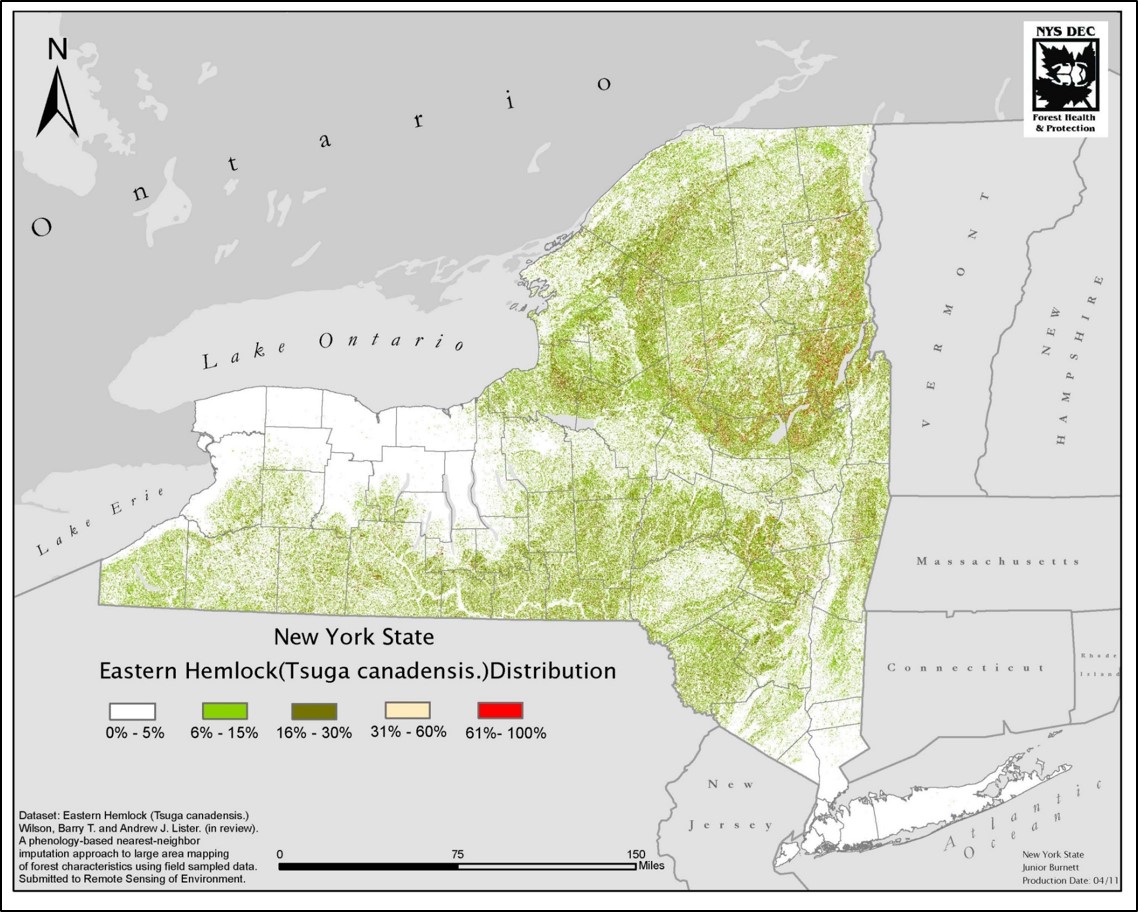
Throughout this rich and varied landscape are some of the densest quantities of eastern hemlocks, one of New York’s most abundant and significant tree species … and those trees are under attack by an advancing invasive species that State Parks is trying to help hold back.

This invader is the Hemlock Wooly Adelgid (HWA), an invasive forest insect native to Asia that has decimated millions of hemlocks along the eastern seaboard since being accidentally introduced into Virginia in 1951.

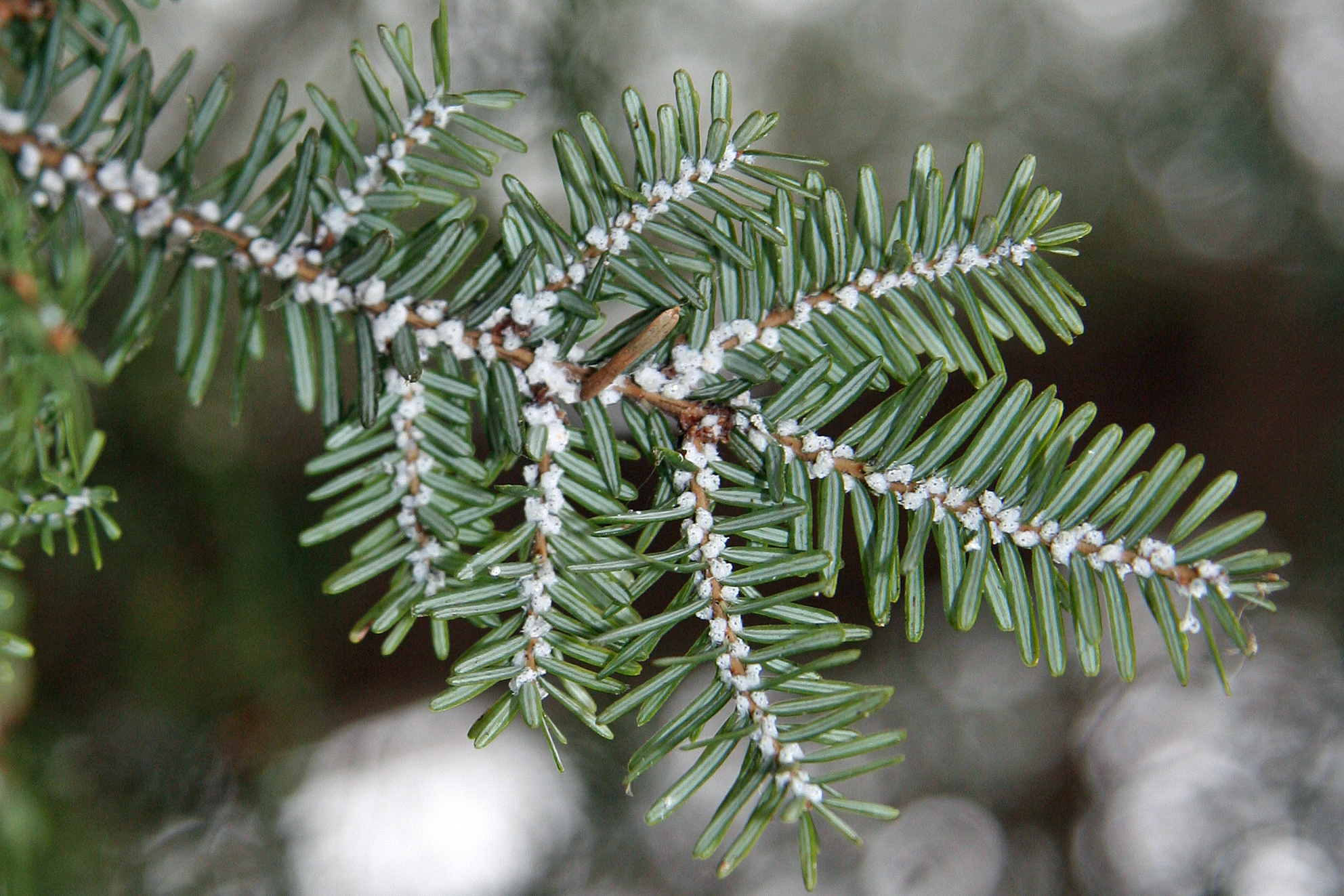
Adelgids are tiny insects that insert piercing-sucking mouthparts into hemlock twigs, causing damage to woody tissue that inhibits water and nutrients from reaching emerging hemlock buds. This limits the growth of new twigs and eventually kills the tree.

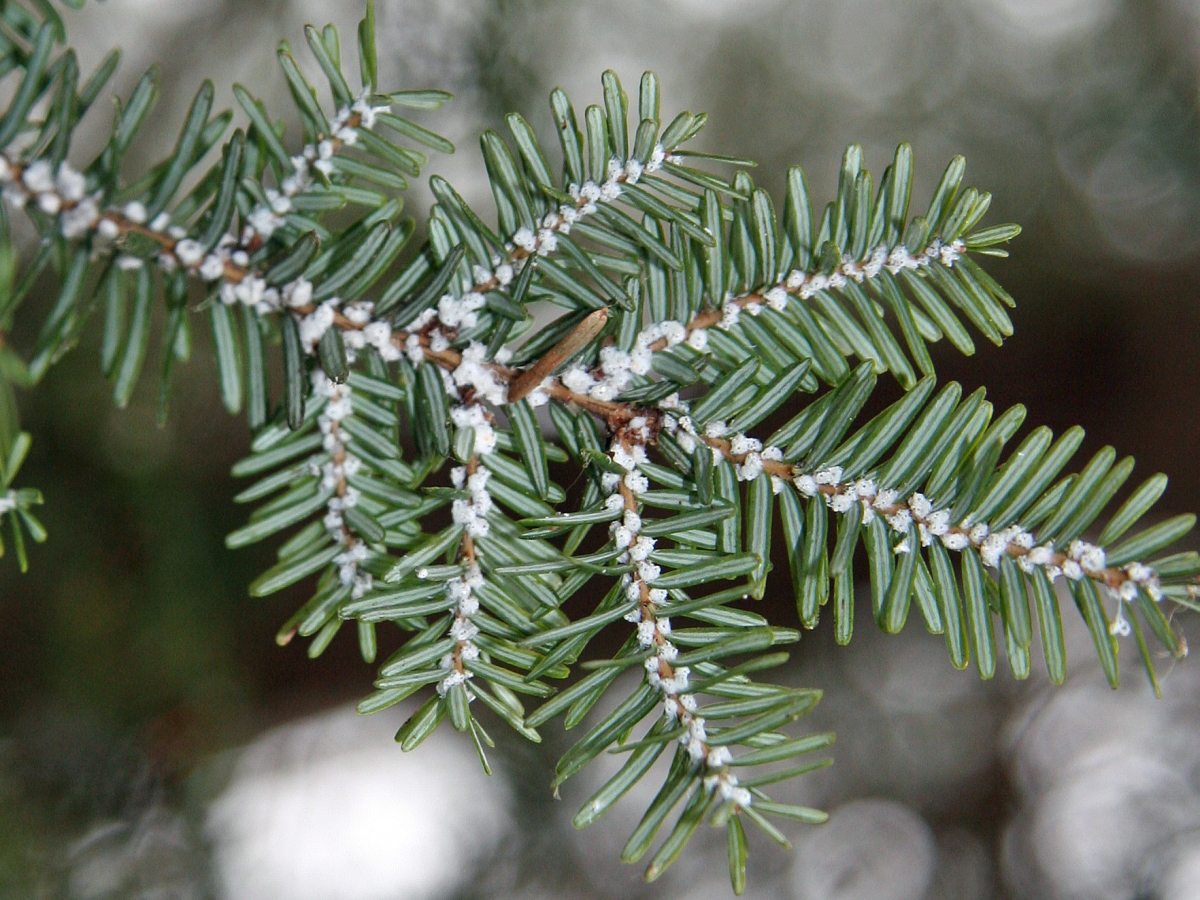
At about 6/100ths of an inch long, the flightless adelgids are hard to spot with the naked eye, but in the winter through early summer leave distinctive white “woolly” egg masses on hemlock twigs. (Photo Credit – NYS DEC)

Due to the lack of any sort of natural resistance of eastern hemlocks to HWA and without any natural predators to manage populations, the pest has spread quickly. Once infested, a hemlock tree can die in as little as four years, or as long as 20, depending on environmental factors.

During the years since, the insect spread steadily south and northeast, finally making its way to New York in the 1980’s on Long Island and then into the Hudson Valley. With each year, it has expand its range further north and west.

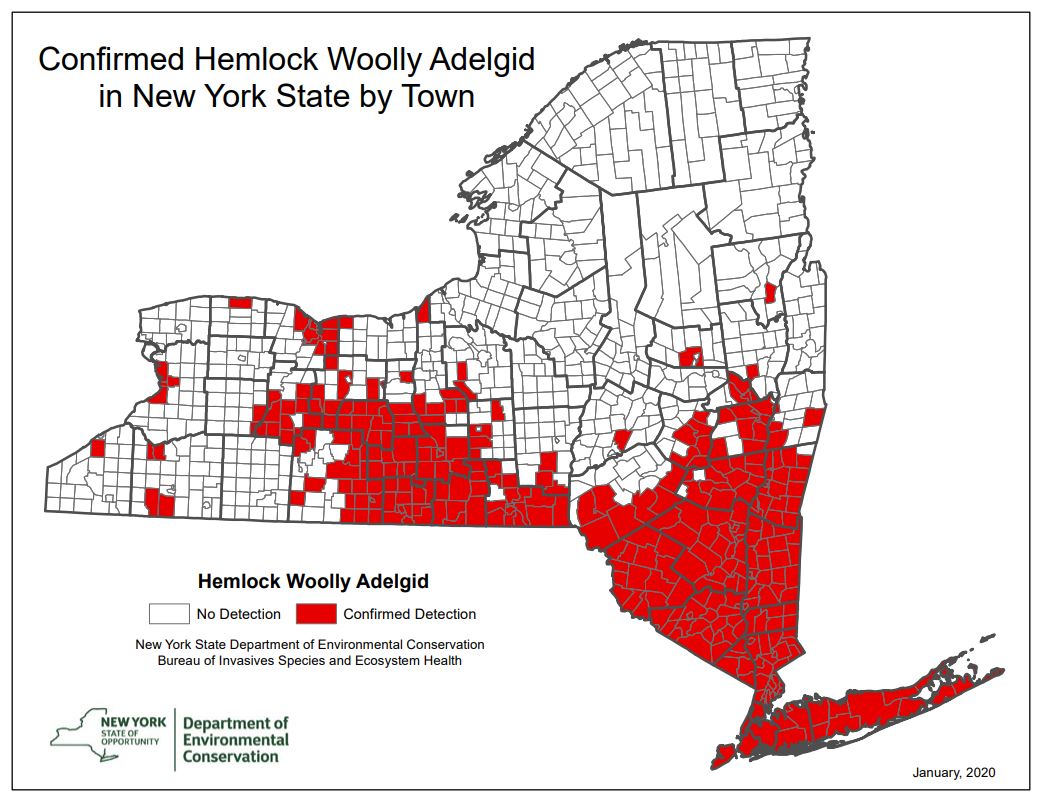
Use the slider bar to compare known Hemlock Wooly Adelgid locations in New York State (left), with the density of hemlock forests in the state (right). Charts from New York State Department of Environmental Conservation

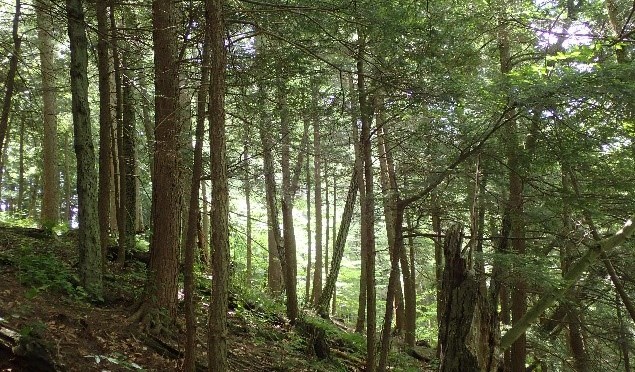
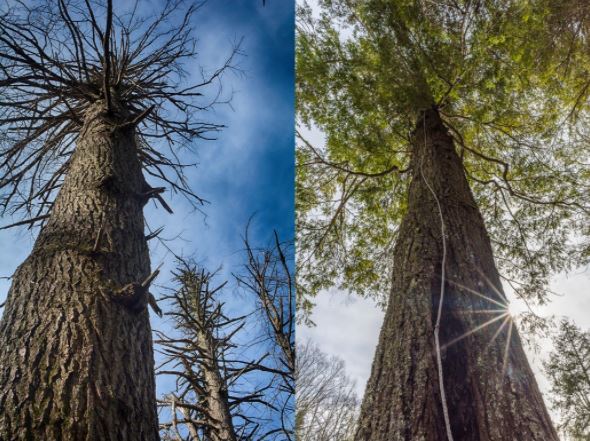
On the left, hemlock trees killed by HWA. On the right, a healthy, uninfested hemlock.

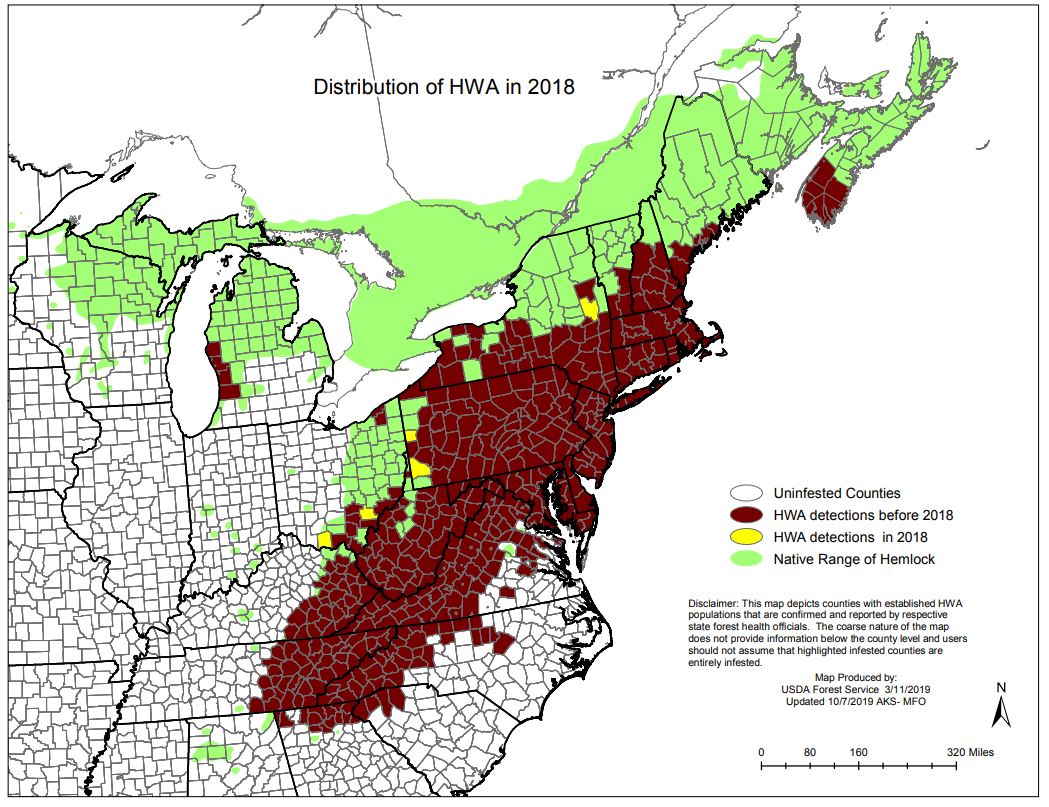
In 2020, HWA was found in hemlocks at two locations in the Adirondacks, most recently along the eastern shores of Lake George, posing a huge threat to spread into some of the finest hemlock forests in New York.

As climate change contributes to more mild winters, experts anticipate more rapid movement and increasing HWA populations. Last winter in New York was extremely mild and there is a boom in HWA populations statewide as the existing population expands.

The insect is now so abundant across the range of eastern hemlocks, it will never be removed, or eradicated, from the environment. The ultimate answer to fighting this threat to our hemlocks to restore the balance. This comes in the form of biological control, using predatory insects from hemlocks in western U.S. that keep HWA from overwhelming and killing hemlock trees.

Since being introduced into Virginia in the early 1950s, the Hemlock Wooly Adelgid has spread steadily south and northeast. It is now in much of New York and this summer was found along the eastern shoreline of Lake George in the Adirondacks. (Map Credit – U.S. Department of Agriculture/Forest Service)

Here in New York, this effort is being led by the New York State Hemlock Initiative (NYSHI) based at Cornell University, where forest entomologist Mark Whitmore heads the Hemlock Woolly Adelgid Biocontrol Research Lab. Several biocontrol species have been evaluated and releases have occurred in New York State Parks and other forests across the state, but it takes time for predators to establish and begin having a measurable reduction of HWA populations.

As research continues on biological control, HWA continues to impact our forests. In the interim, the only viable means of control is using insecticides to temporarily preserve trees until the natural enemies of HWA can take over.

Read more about these natural control efforts in this previous post in the NYS Parks Blog…

Big Hopes for Little “Army” in Parks’ Fight against Hemlock Invaders

As the third most common tree in New York, hemlocks fill our forests and are found in many New York State Parks. Located along hiking trails, streams, gorges, campsites, and lake shores, the evergreens can live to be hundreds of years old, providing vital ecosystem services and supporting unique habitats. In addition to providing homes…


While the Department of Environmental Conservation (DEC) and others in the Adirondack Park combat HWA within the Blue Line, New York State Parks also is actively playing a role in protecting the Adirondack Park and its precious resources.

By targeting its chemical treatments at Park sites along the “leading edge” of the expanding range, State Parks is trying to slow the spread of HWA and protect some core hemlock patches, buying more time for continued research and establishment of biological control. Reducing or locally eliminating HWA from State Parks not only preserves the hemlocks, but also reduces the possibility of HWA hitching rides on cars or hikers’ boots, a potential a source of introduction to the Adirondack Park or other currently uninfested hemlock forests.

Current efforts to slow the spread include targeted surveys and treatments in state parks in the Saratoga-Capital Region with abundant hemlock forest such as John Boyd Thacher State Park, where treatments were done rapidly following early detections in 2018-19, as well as Moreau Lake and Grafton Lakes State Parks, where HWA has yet to be detected but surveys are on-going.

Another key strategy New York State Parks is employing, is protecting some of the most valuable hemlocks in areas that have been infested for several years before those specimens are lost. In Finger Lakes Region, State Parks staff as part of the Finger Lakes Hemlock Preservation Program have been trained and certified to conduct these treatments which began in 2018 and continue today.

Many of the gorge parks including Taughannock Falls, Buttermilk Falls, Robert H. Treman, and Watkins Glen all have threatened hemlocks growing on the steep slopes and cliff edges where many other tree species would not thrive. Protecting these trees helps maintain the indispensable ecological processes but also preserves the landscape that makes these parks so unique and such a draw to people from across the state and beyond. In other parts of the state, highly specialized contractors are employed to perform these technical treatments.

Statewide, hundreds of acres of hemlock forest including thousands of individual trees have been protected. Once treated, trees are tagged so that they can be identified later and are monitored annually to determine the effectiveness of the treatment and track the tree’s response.

As the HWA and the stress that they cause are removed, trees typically show flushes of bright green new growth the following spring. The insecticides have proven to be very effective but must be used responsibly and within limits. Each year, State Park staff evaluate potential areas for treatment and make difficult decisions working with limited resources as these treatments are expensive, temporary, and labor intensive.

HWA is a serious threat but there is much reason for optimism. Chemical control has proven to be a safe, effective tool against the pest although has its limits in size and scale. Biological control has been increasingly successful in some states to the south where it has been ongoing for longer than New York and there are promising early returns where releases have occurred here but it is still too early to tell if and when the biological controls could become the primary weapon against HWA.

While the management of hemlocks through chemical and biological control can only be done by the experts, you can help by volunteering to look for and report HWA sightings  and even preserving hemlocks right at your own home. Each and every piece of information about the distribution of HWA in New York through volunteer sightings allows land managers and researches to stay right on the heels of this pest.

Invasive Species Spotlight: Monitoring for Hemlock Woolly Adelgid

Hemlock Woolly Adelgid (HWA) is a tiny, invasive insect which kills hemlock trees in a matter of 6 years. Please see the previous post on HWA for more information. The insect was introduced in Virginia in the early 1900’s, and has steadily spread since then. New York state contains all stages of HWA infestation. There are…


Cover Shot – Hemlocks at Harriet Hollister Spencer State Recreation Area in the Finger Lakes Region.

Post By Nick Marcet, State Parks Forest Health Coordinator

If You Believe You Have Found Hemlock Wooly Adelgid

  1. Take pictures of the infestation signs (include something for scale such as a coin or ruler).
  2. Note the location (intersecting roads, landmarks or GPS coordinates).
  3. Fill out the hemlock woolly adelgid survey form.
  4. Email report and photos to Department of Environmental Conservation Forest Health foresthealth@dec.ny.gov or call the Forest Health Information Line at 1-866-640-0652.
  5. Contact your local Partnership for Regional Invasive Species Management (PRISM) by visiting http://www.nyis.info/.
  6. Report the infestation at iMapInvasives.
  7. Slow the spread of HWA in our forests by cleaning equipment or gear after it has been near an infestation, and by leaving infested material where it was found.


Targeting a Watery Invader at Lake Taghkanic

Thanks to a “hands-on” kayak mission against invasive water chestnut this summer at Lake Taghkanic State Park, this popular lake ought to be clearer of these aquatic invaders for next paddling season.

And timing is critical in dealing with water chestnuts, floating plants which can rapidly spread to create dense patches that can clog a lake, damage the native ecosystem and make it hard for canoeists and kayakers to paddle.

Water chestnut (Trapa natans) is one of the several Aquatic Invasive Species (AIS) that are monitored in hopes of reducing abundances in state waterbodies. Widespread in the state, water chestnut is now found in 43 counties.

The aquatic invasive water chestnut can be found in 43 countries across the state. Counties shaded green are known to be infested. (Photo Credit – NYS Department of Environmental Conservation)

Invasive species, like water chestnuts, are organisms that are non-native to an area, typically causing harm to human health, the economy, and the environment. If left unchecked, AIS can spread quickly from one body of water to another, threatening biodiversity and potentially impeding recreational opportunities.

The key to battling the an infestation discovered this season at Lake Taghkanic in Columbia County was to remove hundreds of plants before going to seed. Water chestnuts are annuals, and thus must reseed themselves each year to propagate.

Anyone who has been out along a shoreline and came across a strong, spiny, star-shaped brown nut-like “fruit” or seed pods has found a water chestnut nut. Bearing four sharp spines or points, each nut contains a single seed that can produce 10 to 15 stems.

Anchored to the water bottom, the plants have submerged, feathery brownish leaves on stems that can grow up to 15 feet long. On the water’s surface, these stems come to an end with a floating rosette, or circular arrangement of leaves. The leaves are triangular shaped with toothed edges.

These clusters can float on the surface due to buoyancy bladders connected to the leaf stems, forming dense floating mats that can be nearly impenetrable. Each rosette produces about 20 of the hard nut-like fruits in the late summer and early fall which, after dropping from the plant to the water bottom, lay in sediment over the winter to sprout in the spring

You can imagine the concern when water chestnut showed up in Lake Taghkanic State Park, a park focused on boating, swimming, water sports and beach activities. Controlling water chestnut at the park was vital to support these recreational opportunities as well as the native fauna of the lake, including one rare species known there.

Due to the fast-growing nature of water chestnut, it is important to control newly introduced infestations as soon as possible, also known as “early detection, rapid response” (EDRR). If left unchecked, patches of water chestnuts can spread prolifically.

A map of Lake Taghkanic, showing the area of water chestnut infestation highlighted in green. (Photo Credit – NYS Parks)


Water chestnut is an invasive species of high concern for many waterbodies in New York State, having potential ecological, economic and health impacts. The plant can form dense mats on the water’s surface, greatly impacting the organisms below. These layered mats can block sun and oxygen from submerged plants, resulting in a die back of native species and fish populations. Recreation is also inhibited by dense patches of water chestnuts, making it difficult to swim, boat, kayak, or fish. The spiny nuts often drift to shore, creating an additional hazard for pets and people to step on.

Effective control of water chestnut depends largely on preventing seed formation. By manually removing the plants in mid-summer before mature seeds can drop, managers can halt such potential reproduction.

At Lake Taghkanic, staff from the Office of Parks, Recreation and Historical Preservation, state Department of Environmental Protection, and Capital Region Partnership for Regional Invasive Species Management (PRISM) worked to rapidly respond to the infestation. This team of ten individuals were well-versed in the control of invasive species, and several team members had prior experience manually removing water chestnut.

Held July 16, the pull was led by Matt Brincka (NYS Parks Invasive Biologist), with other participants including Falon Neske (NYS Parks), Lindsey DeLuna (NYS Parks), Lauren Gallagher (NYS Parks), Rebecca Ferry (NYS Parks), Kristopher Williams (Capital Region PRISM), Lauren Mercier (PRISM), Lauren Henderson (PRISM), Steven Pearson (DEC), and Catherine McGlynn (DEC).

The team navigated to the water chestnut infestation in kayaks, maintaining social distancing and wearing face coverings when necessary. When manually pulling water chestnut plants, it’s important to reach as far down the stem as possible to pull the root system from the bottom sediment.

At Lake Taghkanic, water chestnut was mixed in among lily pads, presenting a challenge to pulling by hand from kayaks. (Photo credit – NYS DEC)

Once pulled, the water chestnuts were collected in garbage bags, drained, and weighed. Within a day, more than 100 pounds, or from 300 to 400 plants were removed! The information was recorded for upload to iMapInvasives so that the infestation of water chestnuts can be tracked.

iMapInvasives and You Can Too!

You may have heard the name iMapInvasives before, but if you have not been exposed to this magnificent mapping tool, I recommend you check it out! iMapInvasives, New York State’s online invasive species database, could be compared to a modern-day hero. A robust and helpful resource- thanks to its devoted observers. Citizen Scientists, Educators, Students…

Afterward, the team also surveyed the 3.7 mile lakeshore to ensure there were no other visible water chestnuts. Parks staff developed a control plan that will include monitoring and hand-pulling at Lake Taghkanic annually in order to deplete the seed bank (seeds can remain viable for several years at the bottom) and keep the problem at bay.

Over the years, NY State Parks has organized and participated in several invasive species pulls, additionally having a seasonally staffed AIS Strike Team and Boat Steward program. Reader more about these programs in the posts below.

Selkirk Shores State Park has been one focus area for State Parks staff in efforts to control a water chestnut infestation. In 2015, about 240 bags of water chestnut were removed there, visibly reducing the biomass by 40 percent. During the 2016 season, another 12.5 tons were pulled out. This removal resulted in a decrease in abundance of water chestnut during from 2017 through this year, further maintaining the value of this State Park.

Prompt invasive species responses, such as water chestnut pulls, work towards ensuring recreational enjoyment and preserving natural ecosystems in our parks. Early detections of invasive species are often reported by patrons.

The next paddling season may be months away, but remember: If you believe you have found a new population of an invasive species at a State Park, tell a park staff member or reporting it in iMapInvasives will ensure that swift eradication action is taken.

Protecting Our Waterways

You may have seen them in a park near you, these super heroes and heroines in disguise. Since 2008, New York State Parks have deployed Invasive Species Strike Teams. These Strike Teams conduct invasive species surveys and manually remove non-native invasive plants in areas of significance. The goal is to protect native plant and animal…

Protect Our Waters: Don’t Pick Up Hitchhikers!

Now that summer is here, when you head to the boat launch for a day on the water, you will often run into a friendly face in a blue vest. These are Boat Stewards! Boat Stewards are educators who share their knowledge of invasive species and how to prevent boats from spreading such species into…

Cover shot: Members of the removal team spread out in kayaks on Lake Taghkanic.

Post by Lauren Gallagher, State Parks Water Quality Unit

Nature Education At Letchworth During COVID

On the second weekend in March with spring in the air at Letchworth State Park, maple sap was being boiled down into tasty syrup in the newly built sugar shack at the park’s Humphrey Nature Center. Maple weekends were coming soon, and many gallons of syrup were needed to treat hundreds of visitors expected for outdoor education programs in one of western New York’s most popular State Parks.

But the next day, the sugar shack at Letchworth went cold. Because of emerging COVID-19 pandemic, Parks workers were told to immediately start working remotely from home. So public events at State Parks like Maple Weekends were cancelled. And a completely booked public field trip season at Letchworth for May and June disappeared as well.

If people could no longer brought to nature by park naturalists, perhaps those naturalists could bring nature to people remotely?

Immediately, newly hired NYS Parks Corps member Conrad Baker tapped prior video production experience to make a weekly video series called ‘Nature Detectives,’ for Letchworth State Park’s Facebook page. The approximately five-minute videos invited viewers, especially kids, to use their senses, or ‘nature tools,’ to make observations, or ‘notice nature clues’ about a mysterious plant, animal, or fungus found outdoors. Then, the video solved the mystery and encouraged viewers to find the same species in their own neighborhoods.

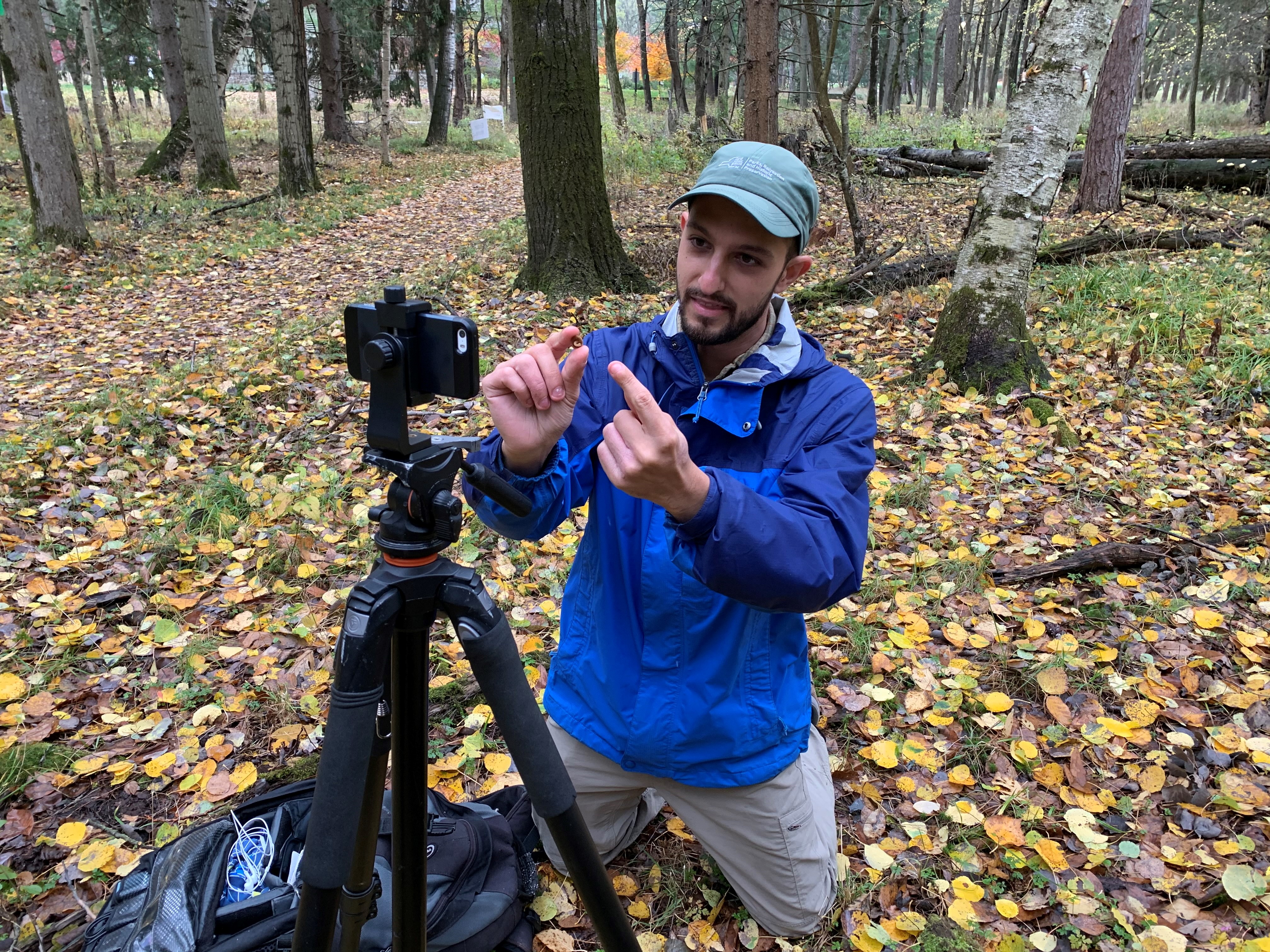
Conrad Baker tees up a video for the Nature Detective series on the NYS Parks Facebook page. (Photo credit – NYS Parks)


While using these  videos satisfied the Park’s short-term goal of providing some safe, educational public programs,  none of the Nature Center’s field trips were happening for the foreseeable future. But within this challenge lay an unexpected opportunity. Now unable to deliver in-person programs as usual, Environmental Educator Elijah Kruger could use the sudden schedule vacancies to adapt existing field trip lesson plans into safe, immersive, virtual programming. With   Baker at the camera, Kruger took to the field.

Letchworth State Park educators and interpretive staff Mike Landowski, Steph Spittal, Karen Russell, Sandy Wallace, Doug Bassett, and Brian Scriven reviewed draft videos and gave crucial program design advice.

There are currently five virtual field trip videos on the NYS Parks YouTube channel. The playlist is accessible here.

Since previous records showed that the topics of Geology, Mammals, and Invasive Species were the most in-demand field trips, those videos were made throughout April and May, and released June 1. Next came more scientifically complex field trips about the natural world and the human relationship with it. A field trip on Forest Ecology was released Sept. 18. Life of the Monarch butterfly is the most recent to go up.

Normally, an in-person Geology field trip group would hike about three quarters of a mile between several gorge overlooks, with the trip taking about 90 minutes.  But using video, viewers can move instantly between overlooks and cover the entire field trip in detail in 20 minutes. This work pushed the limits of cell phones, birding cameras, free editing software, and existing office supplies that had to take the place of top-end video gear.

A Mammalogy field trip group is often stationary, sometimes even inside the Nature Center. An educator invites the field trip group to see and feel up-close details of mammal furs and skulls to learn more about their adaptations and roles in the ecosystem. On video, such furs and skulls are presented next to real-world outdoor signs left by these animals. Close-up cutaway shots were key to highlight the animals’ homes, scat, and habitats. Deep detail in teeth, bones, and furs were only visible by building on the right cutaways.

Previously, in-person Invasive Species field trip groups never hiked through the territory now covered by the Invasive Species virtual field trip. This third field trip video was an opportunity to use cutaways and editing to visually capture complex, multi-stage forest succession changes, like deer overbrowsing, in which deer damage the ecosystem by eating away at all the young trees and shrubs.

And some improvisation was needed to get the right shots. By using rubber bands to attach lenses to cell phone cameras, close-ups showed fine details in macro shots, like crawling ticks and the hemlock wooly adelgid, a tiny insect that threatens the health of helmlock trees.

Previously, a Forest Ecology field trip group would walk about a half-mile of forest trail around the Nature Center, noticing content-relevant animals, plants, fungi, and environments along the way. Field trip video now assembles a kind of “best of” experience, with exceptional examples of lichens, woodpecker holes, short-lived fungi and quick glimpses of animals from miles apart and over several weeks into one cohesive experience.

The Life of the Monarch video is the culmination of skills and tools picked up from the four previous videos. The segments are carefully assembled from footage that was shot miles and weeks apart. Close-up cutaways show monarch butterfly handling and tagging. Footage of feeding caterpillars, time lapses of metamorphosis, and slow-motion videos of butterfly releases tie together the story of these creatures’ lives and how they benefit us in unseen ways.

The pandemic encouraged our environmental education staff to do what they do best – adapt and use the tools at their disposal to serve park visitors with safe, enjoyable, educational programs. In-person programming is now resuming with safety precautions. Still, teachers are already starting to request virtual guided field trips, where park educators join classes via video chat to answer questions and match virtual field trip video content to their class lessons.

So, what was born out of necessity and imagination has now become a regular part of Letchworth State Park’s mission to bring education nature programming to anyone, no matter where they might live.


Cover shot – Letchworth State Park Environmental Educator Elijah Kruger with a Monarch butterfly. (Photo credit – NYS Parks)


Post by NYS Parks Corps member Conrad Baker