Tag Archives: Grafton Lakes State Park

Have Some Winter Fun With Your Friends and Family – Go Snowmobiling

You may not see any snow when you look out the window right now, but winter is here and now is the time to think about all of the outdoor activities it brings. One of the best ways to experience New York State’s natural winter beauty is on a snowmobile, exploring the snowmobile trail system that crisscrosses 45 counties through woods, fields, towns and our State Parks.  Snowmobiling is a fun, family-friendly way to enjoy winter scenery and wildlife, especially for those people with disabilities who are unable to do strenuous activities like cross-country skiing and snowshoeing.

With over 10,000 miles of public trails, there’s something for everyone to enjoy from local loops to weekend getaways. Many of our parks have trails connecting to the statewide trail system.  And some parks, like Allegany State Park, have not only over 60 miles of groomed trails but also winterized cabins that are open year-round for a warm winter weekend retreat.

The New York State Parks Snowmobile Unit has a few tips to make sure you return from your trips safely and are ready to ride again another day:

-Attend a New York State Snowmobile Safety Course. Adults are not required to take a course but it’s recommended that everyone take one, regardless of experience or age. Requirements and a list of upcoming courses are available here.

-Always ride with a buddy, and always leave a travel plan including a return time with someone at home.

-Never drink and ride. Alcohol effects reaction time and judgement.

-Wear a helmet any time you’re operating a snowmobile, no matter how short the trip.

-Ride as conditions allow and within your ability. Slow down at night and when weather such as falling snow reduces sight distance. Check local conditions before crossing frozen bodies of water to ensure the ice is thick enough to ride. Always obey posted speed limits and local regulations.

-The safest place to ride is on the trail. New York State snowmobile trails are maintained by dedicated club volunteers, and deep or drifting snow off the trail may hide dangerous hazards. In addition, the majority of trails are actually located on private property with the permission of the property owner, and trespassing can close trails permanently for everyone.

If you’re new to the sport, or have never been on a snowmobile before, the New York State Snowmobile Association is teaming up with New York State Parks to offer Take a Friend Snowmobiling events where you can learn more and take a free snowmobile ride, conditions permitting.  An event is scheduled at Grafton Lakes State Park during the annual Winter Fest on  January 26, 2019. Necessary equipment will be provided; participants are urged to dress appropriately for outdoor weather conditions. More Take a Friend Snowmobile events can be found at the Snowmobile Association website.

Post by Bennett Campbell, State Parks

Lakes Have Seasons, Too

As the northeast transitions from fall to winter, watch for changes in Parks lakes and ponds nearest you.  You might notice that the water churns more than it did during the summer, or you might even notice ice beginning to form at the surface.  Such phenomena can mean exciting happenings deeper in the water.  One of the most fascinating changes to observe is lake-turnover, or the mixing of cool and warm waters.

Lakes that turn over twice a year are known as “dimictic”: di=twice, mictic= mixing.  They are one of the most common types of lakes on Earth.  Dimictic lakes freeze in the winter and melt completely by summer.  These lakes mix during the spring and fall, after ice melts and before ice forms.  Examples of dimictic lakes are seen across New York State, including Shaver Pond in Grafton Lakes State Park, Moreau Lake of Moreau Lake State Park, Lake George of the Adirondack region, and Lake Erie.

combined spring turnover image
Long Pond at Grafton Lakes State Park during spring turnover: ice melting after winter (top), followed by water mixing into the lake (bottom). Fall turnover is the opposite: water mixing followed by ice forming in early winter. Ice photo by OPRHP. Mixing photo cropped from original by L. Schelling, OPRHP.

Without turnover, aquatic life in different areas of a lake may not have enough oxygen or nutrients to thrive.  Calm waters tend to separate into layers – with denser, “heavier” waters sinking below less dense surface waters, creating an invisible boundary through which oxygen and nutrients cannot pass.  Water is most dense 4 degrees Celsius above freezing (4 OC, or 39OF) and becomes less dense as it cools or warms from this point.  In the summer, this means warmer water is at the surface, closer to the air and thus richer in oxygen for fish.  Meanwhile a layer of cooler, 4oC water settles at the bottom – where many nutrients accumulate, but also where decomposition of dead animals and plants can lead to little to no oxygen in the water.

adapted figure of dimictic temperatures
Dimictic lake temperature throughout the seasons, with the layering (“stratification”) and mixing of warmer (red) and cooler (blue) waters. Spring turnover results from ice melting, and fall turnover results from wind chilling and mixing surface waters. Image adapted from Figure 44.10 in “Ecology and the Biosphere” (Candela Learning).


As chilly, windy fall weather kicks in, some of the oxygen-rich surface water can cool, sink into the lower levels of the lake, and push the deeper, nutrient-rich waters up closer to the surface.  The result is a well-mixed habitat for fish.  In dimictic lakes, this turnover happens again in the spring, when the surface ice melts to that heavier, 4oC water and mixes into the deeper waters.

Why are some lakes dimictic and others not?  One reason is lake location — dimictic lakes are more common in temperate regions with warm summers and cold winters, where lakes may freeze over completely.  Another factor is lake size.  Two lakes that are famous for not having complete mixing are Round Pond and Green Lake in Green Lakes State Park.  These are the rare “meromictic” (mero=part) lakes which mix in the upper waters but are too deep to allow surface and bottom waters to mix.  Alternatively, some lakes may be so shallow that they mix frequently (“polymictic”). NY Natural Heritage Program describes 7 different types of lakes in the state.

Seasonal turnover is important for lake recreation as well as for fish and plant life within lakes.  Fishing can improve near the end of mixing periods in lakes that experience turnover, since now oxygen and nutrients will be better distributed throughout the water.  Many fish and aquatic life are sensitive to changes in their habitat – oxygen and nutrient levels, as well as temperature changes. Keeping an eye on the changes in the water is useful to biologists and park enjoyers alike.

Post by Erin Lennon, State Parks Water Quality Unit.

Sources and Further Reading

NY Natural Heritage Program Conservation Guide on oligotrophic dimictic lakes

New York Natural Heritage Program’s “Ecological Communities of New York State” 2014 edition describes all of the lake and pond types in the state

Ecology and the Biosphere” from Candela Learning.

Green Lake is a rare meromictic type.

Thermal stratification & the effects of a change in temperature on aquatic organisms.


The Mysteries of Fall Foliage Revealed

Have you ever wondered what makes the leaves change color in the fall? Or why some years are more vibrant than others? It is quite a fascinating phenomenon, and it all starts with the seasonal temperature and day light hour change. In the fall, the days become shorter and the evenings become cooler. This is what triggers deciduous trees (trees that lose their leaves in the winter) to begin their process of preparation for the winter months to come. This is also why the foliage changes color around the same time every year.

abcission layer
Photo of abscission layer and leaf detachment. Photo by Lilly Schelling.

It starts with the expansion of the abscission layer between the stem and leaf, which slowly blocks the movement of water and sugar back and forth between the leaf and stem. This causes the leaf to lose the ability or resources to replenish chlorophyll, which gives leaves their green coloration. The chlorophyll rapidly breaks down and we are left with xanthophylls and carotenoids, which are responsible for the yellow and orange pigments you see on trees like aspen and birch. These pigments are usually present in the leaf throughout the growing season but are masked by the green pigment of the chlorophyll.  Anthocyanins are responsible for red and purple coloration and are created by the buildup of sugars trapped in the leaf. As fall progresses into winter all of the other pigments break down, as the chlorophyll did, and the only pigment that remains are the tannins, which are responsible for the brown color of the fallen leaves – though some trees retain their brown leaves throughout the winter, such as oak and beech.

Factors that affect the color and duration of fall foliage are temperature, sunlight and moisture. Ideal conditions for colorful fall foliage are a good growing season followed by dry, warm, sunny days and cool nights. If there was stress in the growing season, such as a drought or flood, the abscission layer may form early and the leaves will fall off before changing color. Additionally, too low of temperatures (freezing) in the beginning of fall will rapidly break down the products responsible for bright colors and the only pigment left will be brown. Other factors that can affect colorful fall foliage are heavy rain and windy storms, as these conditions will cause the leaves to fall.

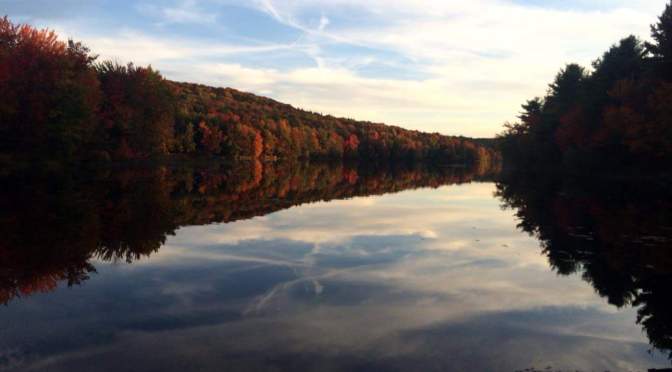
When you are out admiring the fall colors this year, try to identify which pigment products are responsible for the colors you are seeing on the trees. A great way to view the fall foliage is from a canoe or kayak, but remember to wear your personal floatation device as the water will be chilly! The New York Fall Foliage Report is a great tool for tracking the color changes across the state: http://www.iloveny.com/seasons/fall/foliage-report/#.VgQGwstVhBd.

References:

The United States National Arboretum

Post by Lilly Schelling, OPRHP.


On the Front Lines in the Battle Against Invasive Species: Strike Teams!

Invasive Species Strike Teams are an important part of environmental stewardship; they are the protectors and defenders of our native plants and wildlife! Invasive plants are fast spreading and can create ecological changes that crowd out native plants and alter habitats to make them unsuitable for native insects or animals. The goal of the strike teams is to manually remove these plants in areas of significance to protect our native biological diversity. A diverse landscape is healthier and more robust, better able to fend off threats and adapt smoothly to changes, such as climate change.

1

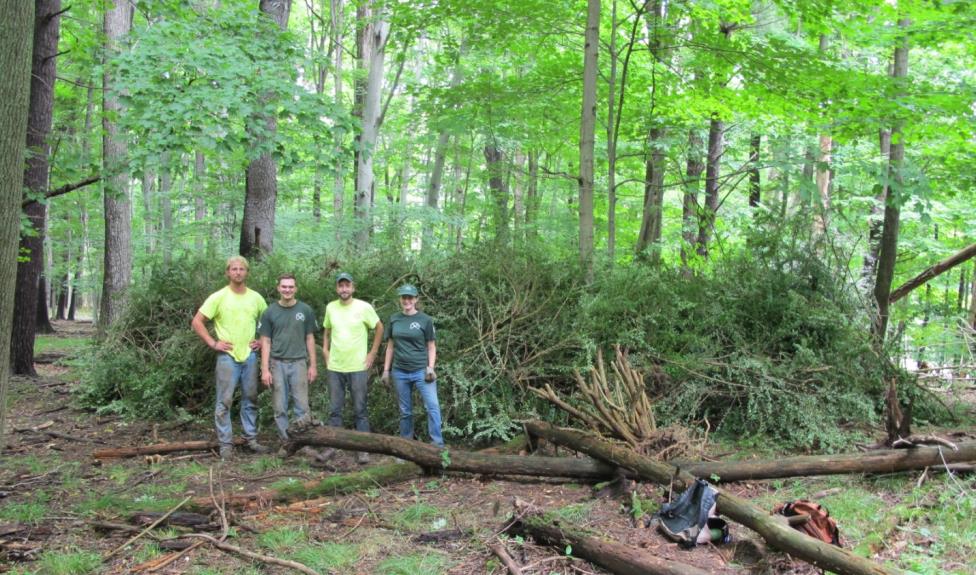
Above: Our 2014 Western Strike Team in Letchworth State Park, showing off all their hard work removing Japanese Barberry (Berberis thunbergii). Japanese barberry is a commonly planted ornamental which escapes into forest understories and increases incidence of Lyme disease.

What is a Strike Team anyway?

The New York State Parks Invasive Species Strike Teams consist of seasonal employees who travel throughout New York State to remove invasive plants from the most valuable areas of our Parks. These teams of four camp near their project areas to accomplish the goals of the Invasive Species Program. All these removals are done with manual hand tools, such as pick mattocks, shovels, machetes and loppers. Our strike teams are always up for the physical challenge and have made incredible headway against some large opponents.

2

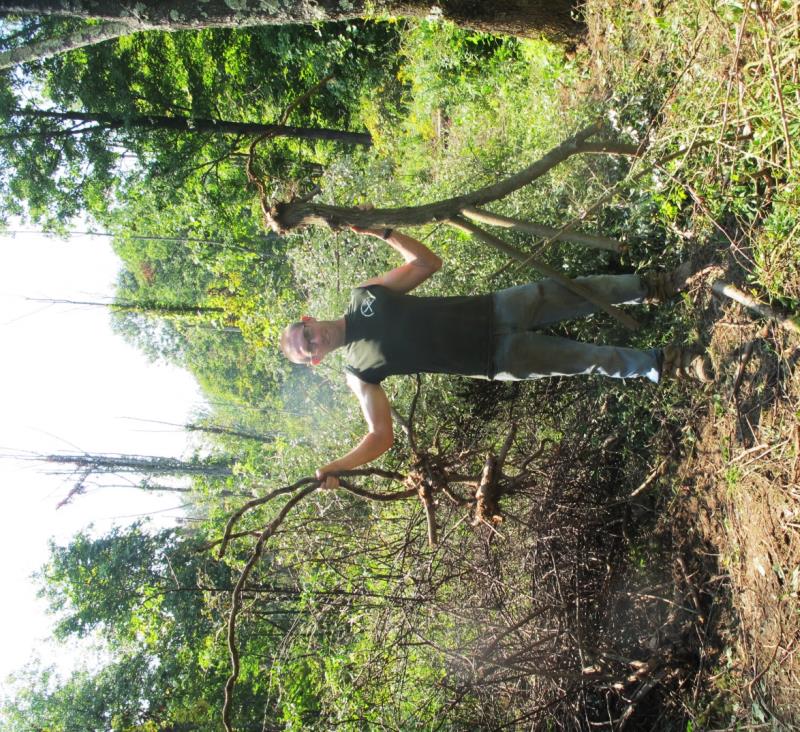
Above: A strike team member from 2012 who proudly showcases the large autumn olive (Elaeagnus umbellata) he removed with hand tools, determination and brute strength. Machinery is used to remove large shrubs, but our strike team got there first in this case!

What are the goals?

Invasive Species Program staff has had many successes in controlling invasive species  by carefully selecting projects geared toward terrestrial invasives, which can be controlled manually and through adaptive management.

3

Above: The 2015 Eastern Strike Team wishing everyone well from Grafton Lakes State Park, outside of Albany. You can see some of our most often used tools in this photo (From L-R: the ax mattock, pick mattock and loppers), as you can see, other essential elements in their toolbox include the hard hat and gloves!

Accomplishments

Starting in 2008, six interns and volunteers assisted with invasive species removals state wide. Since 2010, State Parks has employed 46 seasonal staff to remove invasive species. In the past 5 years over 1100 new observation points were entered into the program iMap Invasives, a national database reflecting new sightings of invasives. On average, strike teams remove 19 different species per year at their project sites. Some of the native species which are protected by the invasive species program include: twinleaf, American Hart’s tongue fern, sky blue aster, cardinal flower, Chittenango ovate amber snail, the Karner blue butterfly, several warbler species, mountain mint, bushy cinquefoil, and slender blazing star.

Above: Two examples of native plants which benefit from strike team controls. On the left, the spring flowering twin leaf (Jeffersonia diphylla). On the right, the stunning late summer red of the cardinal flower (Lobelia cardinalis), a plant loved by pollinators.

One of the best ways to reduce invasive species is avoid introducing them in the first place. Please check what is planted ornamentally in your yard and remove plants or shrubs which are invasive and replace them with natives. Learn more information about New York’s invasive species on the NYS DECs Prohibited and Regulated Invasive Species List

For more information regarding Invasive Species Awareness Week (July 12-18) events, check out the New York Invasive Species Information Blog.

Post by Alyssa Reid, Minnewaska State Park Preserve (OPRHP). Photos courtesy of OPRHP.


Explore NYS Parks’ Waterways

Now that the ice is finally gone and the water is warming up, those of us who love paddling are heading out to our favorite spots. Where better than to check out the ponds, lakes, and waterways than in New York State Parks? Whether just for exercise or to enjoy the sun and sky while paddling across the water, getting out in your kayak or canoe is a chance to relax and see a little of the world that can only be experienced from the water.

Grafotn PRK_2664
Kayakers at Grafton Lakes State Park. Photo courtesy of OPRHP.
Dog in Kayak with life vest_Lilly Schelling
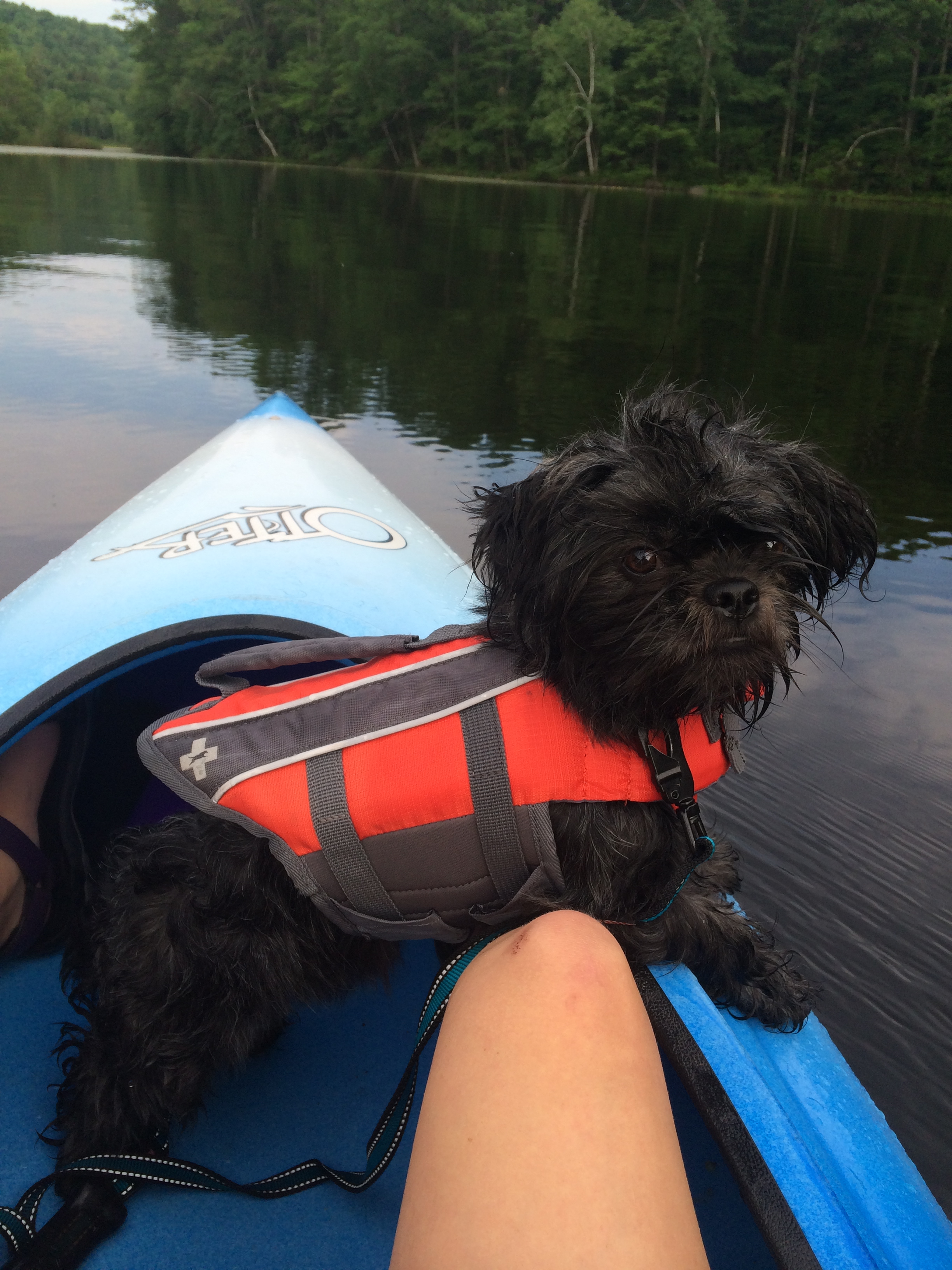
Life vests are also available for pets! Photo by Lilly Schelling, OPRHP.

The Marine Services Bureau of State Parks has just conducted training for Park staff who will be offering American Canoe Association kayaking lessons and tours in parks this summer.  Check out for their kayak program schedules.

Marine Services Bureau is also hosting two paddling events.  W.O.W. (Wear it On the Water) Paddle Fest will be held in two locationson Saturday, July 11 at Gilbert Lake State Park and Saturday, August 15 at Fair Haven Beach State Park.  This free event will feature free kayaking lessons, a Life Jacket Flash Mob, and Sport Fishing Clinics along with other family fun and friendly activities to help you enjoy the water.

Whether exploring for turtles, watching for osprey, fishing, or listening for the slap of a beaver’s tail, we want to remind you to be mindful of the safety of yourself and others who are paddling with you.  Take a free online paddle safety course at www.paddlecourse.com.  Don’t pack it, but wear your life jacket, be boat sober, and leave a float plan letting someone know where you are paddling and when you will return.

Marine Services Bureau encourages all paddlers to obtain an IF FOUND Sticker to identify your boat.  Write your name, cell phone and alternative phone number on the sticker and affix to your boat.  It’s a great way to return a lost boat or help law enforcement rescue a capsized kayaker.  Get your IF FOUND sticker by sending a legal sized self-addressed stamped envelope to NYS Parks, Marine Services Bureau, IF FOUND Sticker, Albany, NY 12238.

If Found
Photo by Ro Woodard, OPRHP.

So grab your life jacket and paddle and head out to the nearest lake or pond to enjoy the serenity and natural surprises that are just a paddle away.

Picture1


Post by Ro Woodard, Marine Services Bureau (OPRHP).