All posts by New York State Parks

Compliments of the Season

Every year, Crailo State Historic Site in Rensselaer and Schuyler Mansion State Historic Site in Albany recreate the sights, sounds, and smells of the holiday season in Colonial New York’s Upper Hudson Valley.
Salutations Rural Felicitya
Rural Felicity sings Saluations

Crailo was once a fortified home belonging to Hendrick van Rensselaer, a member of a wealthy Dutch family involved in settling the Upper Hudson Valley during the mid-1600s. For the van Rensselaers and other Dutch colonists, holidays on the Hudson began with the Feast of St. Nicholas on December 6th. According to the legend, the Dutch St. Nicholas, known as Sinterklaas visited homes and filled good children’s shoes with treats and gifts. In 1675, Crailo’s owner, Maria van Rensselaer, purchased suntterclaesgoet, or “Sinterklaas goodies,” (possibly a special type of cookie) in Albany, in what might be the earliest reference to Sinterklass in New Netherland and New York.

St. Nicholas Day began the holiday season in Colonial New York, and Epiphany, commonly known as Twelfth Night, marked the end of the Christmas season.  In Western Christianity, the Feast of the Epiphany commemorates the arrival of the Magi, or Three Kings, to Bethlehem. This was traditionally celebrated on January 6th, the 13th day and the ‘twelfth night’ after Christmas.

Liaisons Plaisantesa
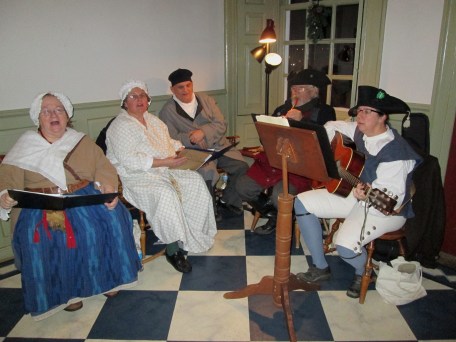
Liaisons Plaisantes plays in one of Schuyler Mansion’s parlors.

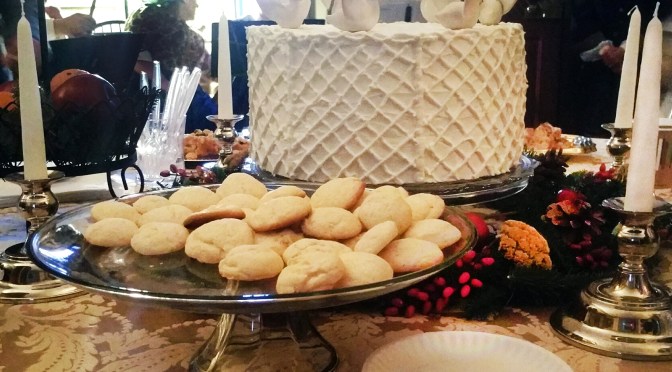
In the 17th and 18th centuries, Dutch and English residents of Albany and the Upper Hudson Valley celebrated Twelfth Night with both religious services and high-spirited entertainment. While there are no primary sources that describe exactly how the Schuyler family celebrated the holiday at Schuyler Mansion in Albany, letters and journals do mention popular customs such as calling on friends, throwing parties, and hosting elaborate meals. Alongside this, were the traditions of wassailers, or carolers parading through the streets and the Twelfth Night cake – an elaborate confection with a bean baked inside. The person who found the bean in their cake slice was crowned “King” for the evening and led the evening’s toasts!

CakeEd
Twelfth Night cake ready to be cut

Each January, Schuyler Mansion and Crailo recreate some of these colonial era traditions with their own 17th and 18th century-inspired Twelfth Night celebrations.  Schuyler Mansion’s “Salutations of the Season!” features live musical performances, reenactors in 18th century clothing, refreshments, and an evening of cheer. While across the Hudson at Crailo, Dutch colonial reenactors prepare traditional Dutch foods over the open hearth, play historic games, and celebrate “Twelfth Night” in true 17th century style.

Schuyler Mansion’s “Salutations of the Season!” and Crailo’s “Twelfth Night” will be held January 5, 2019 from 4:00 PM to 7:00 PM.  These evening programs are a unique opportunity to celebrate the end of the holiday season in historic fashion.  The celebrations also represent the rich and storied history of New York’s upper Hudson Valley – settled by the Dutch, taken by the English, and then a hotbed of military and political activity in the era of the American Revolution.

“Salutations of the Season!” and “Twelfth Night” single-site Admission: $6.00 Adults / $5.00 Seniors & Students / $1.00  Children (12 and under) / $4.00 Friends Members. Combination Tickets for Admission to both Crailo and Schuyler Mansion: $8.00 Adults / $7.00 Seniors & Students / $2.00 Kids / $6.00 Friends members. For further information about this or other programs at Crailo and Schuyler Mansion State Historic Sites, please visit www.parks.ny.gov, find us on Facebook, or call us! Crailo: (518) 463-8738 / Schuyler Mansion: (518) 434-0834.

First Day Hikes 2019

Whether it’s a much-needed elixir after a long holiday season or a first step in making (and keeping!) a resolution to be active in the new year, the 2019 First Day Hikes (FDH) are sure to draw thousands into New York’s great outdoors.

Each year on January 1, the New York State Office of Parks, Recreation and Historic Preservation (State Parks) and the Department of Environmental Conservation (DEC) host these family-friendly events on public parkland across the State. This year’s line-up of 79 hikes includes some exciting new destinations in communities on the shores of Lake Ontario, Lake Champlain, and many more!

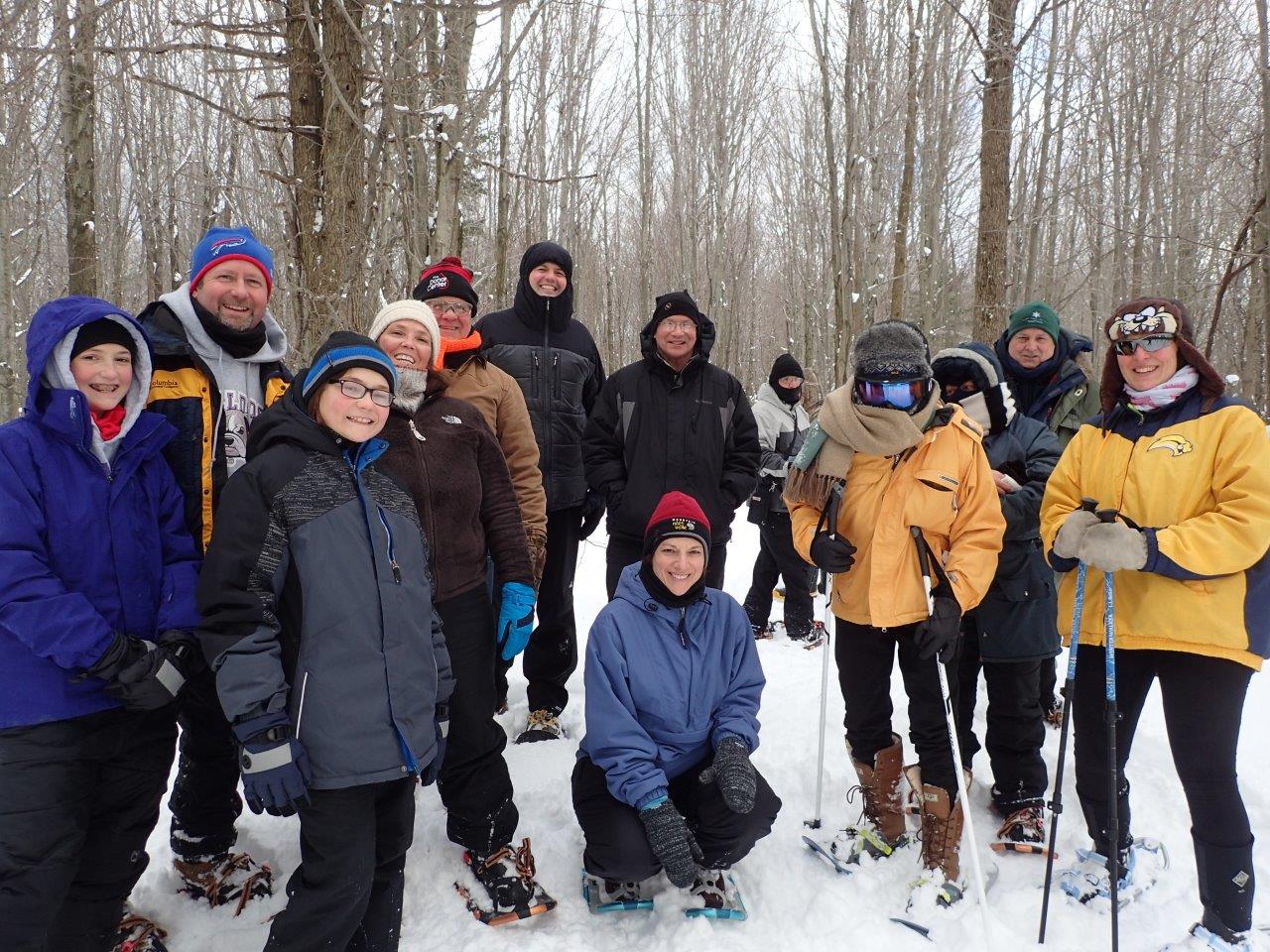
PinkJacket
Hikers at Two Rivers State Park, southern Finger Lakes

The popular, outdoor New Year’s Day tradition is in its 8th year. The first First Day Hikes were held in Massachusetts in 1992, but have since spread nationwide. This year marked the first time the FDH went ‘international’, with events held in neighboring Ontario, Canada.

Here in New York, the event has grown significantly since its inception. The 2019 First Day Hikes will be offered at more than 51 state parks and historic sites with some facilities offering multiple hikes for different age groups, skill level and locations. In addition, DEC will host 19 hikes at wildlife areas, trails and environmental education centers. Staff from State Parks and DEC, along with volunteers, will lead the walks and hikes, which range from one to five miles depending on the location and weather conditions.

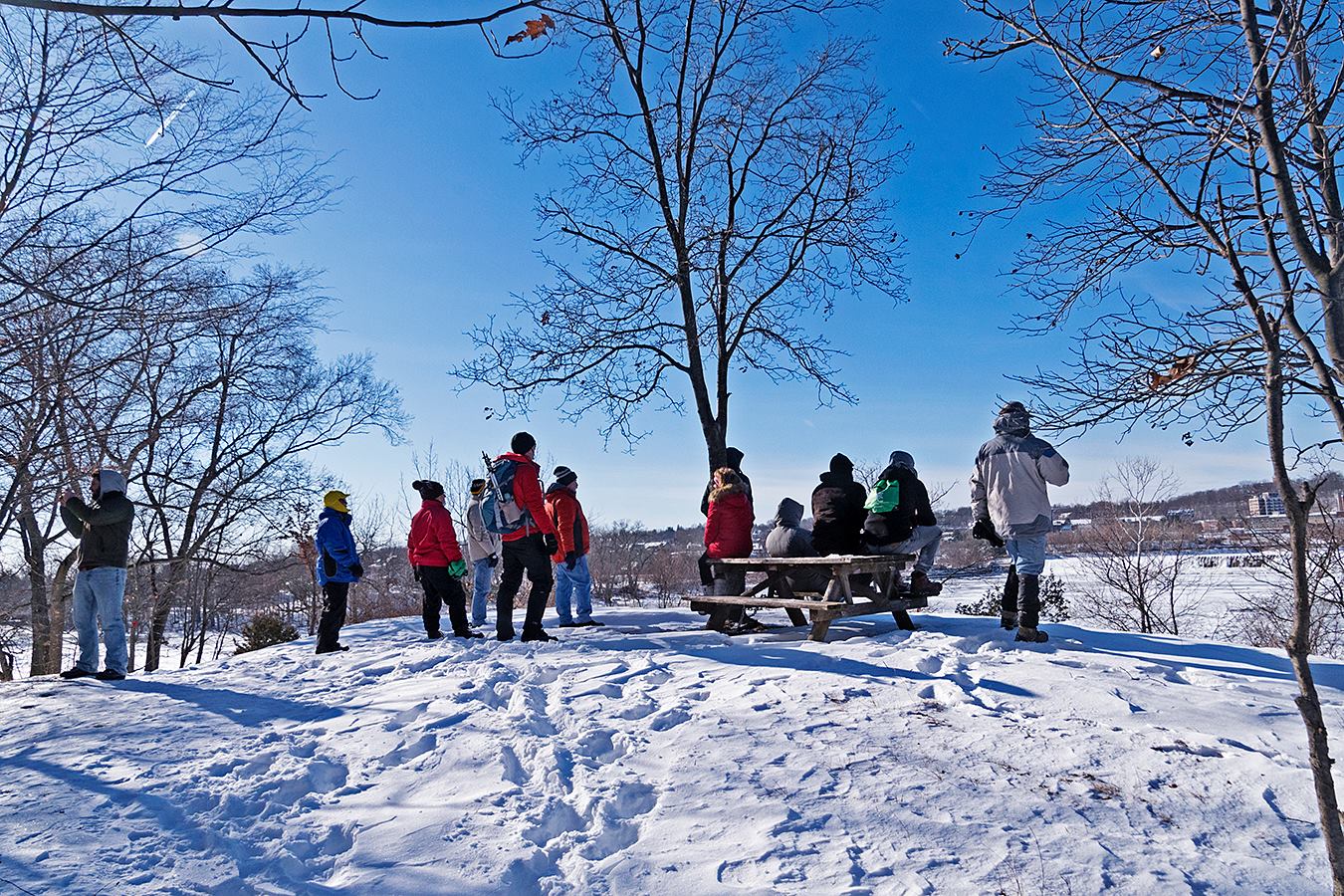
RedJacket
Exploring the trails in Moreau Lake State Park, eastern New York

For last year’s event, Mother Nature really tested people’s mettle. With frigid temperatures and snowy conditions across the state last New Year’s Day, a number of parks, sites, wildlife areas and nature centers cancelled or postponed their First Day Hike program, but many soldiered on and welcomed participants all bundled up who were looking forward to heralding in 2018 in the outdoors.

In fact, a pair of intrepid First Day Hikers braved the elements and joined not one, but two (!) First Day Hikes out in western New York. A Miami couple honeymooning in Niagara Falls attended the morning First Day Hike at DeVeaux Woods State Park, and had so much fun they decided to join the afternoon ice-covered FDH program at iconic Niagara Falls State Park (shown below).

NiagaraFalls
A beautiful day for a hike in Niagara Falls State Park.

Some host locations welcome dogs on leashes and several have flat, even surfaces for strollers. Participants are encouraged to contact the park for information and pre-registration where noted. A sample of this year’s programs feature a seal walk, walking history tour, snowshoe waterfall hike, pet-friendly treks, bird count gorge walks, military musicology, canal towpath walk, and other fun options.

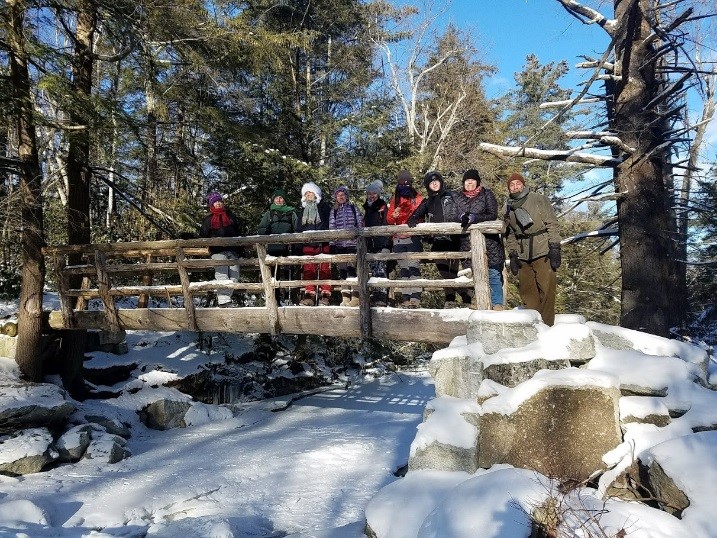
Bridge
HIkers pause for a photo in  Minnewaska State Park Preserve in the Hudson Valley.

If conditions permit, some First Day Hikes may include snowshoeing or cross-country skiing with equipment for rent if available, or participants can bring their own. Many host sites will be offering refreshments and giveaways. A map and details about hike locations, difficulty and length, terrain, registration requirements and additional information are listed at parks.ny.gov and dec.ny.gov.

Taughnnock

This New Year’s Day, be inspired by the Florida newlyweds who attended two hikes in a single day in Niagara, or the hundreds of brave souls who joined the gorge walk at Taughannock Falls State Park in the Finger Lakes (shown above), or the families and friends who embrace the winter wonderland at state parks and DEC sites across our state… and start your own tradition today.

How Galling!

Imagine that when you were very little, your mom drilled a small hole in a plant and placed you inside. The plant’s reaction to the hole was to quickly enlarge that section of the plant where the tiny you was nestled. This new plant growth gives you a round home that protects you from the weather and provides all the food you need to grow into an adult. This round home is called a gall.

Most galls are formed by insects, others by fungus or bacteria. Each gall is unique to the plant that it grows on. Galls come in a variety of colors from red to yellow, green and black. There are three types of galls:

Leaf galls are the most common. They can be found on the lower or upper part of the leaf, and they may deform the leaf.

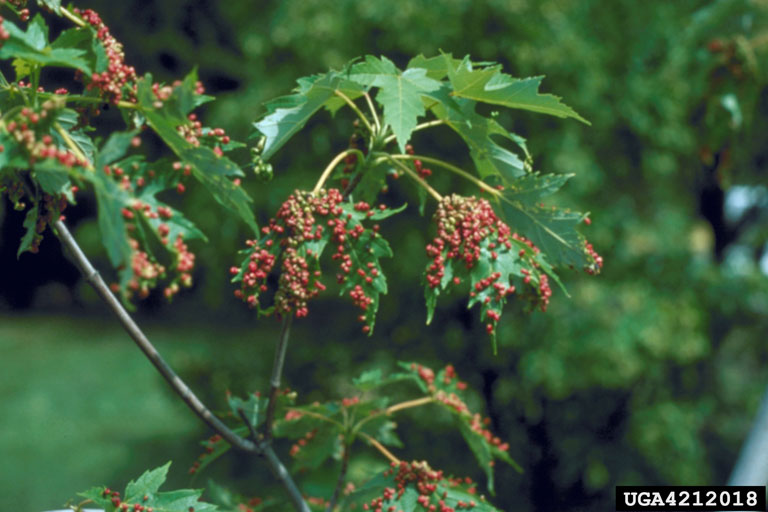
MapleBladderGallMite, Minnesota Department of Natural Resources , Minnesota Department of Natural Resources, Bugwood.org
Maple Bladder Gall, photo by Minnesota Department of Natural Resources , Minnesota Department of Natural Resources, accessed from Bugwood.org

Twig and stem galls look like an odd growth on the stems and twigs of plants. They can be small or large.

OakBulletGall_Dawn Dailey O'Brien, Cornell University, Bugwood.org
Oak bullet gall, photo by Dawn Dailey O’Brien, Cornell University, accessed from Bugwood.org.

Flower or bud galls disfigure a plant’s flowers or buds.

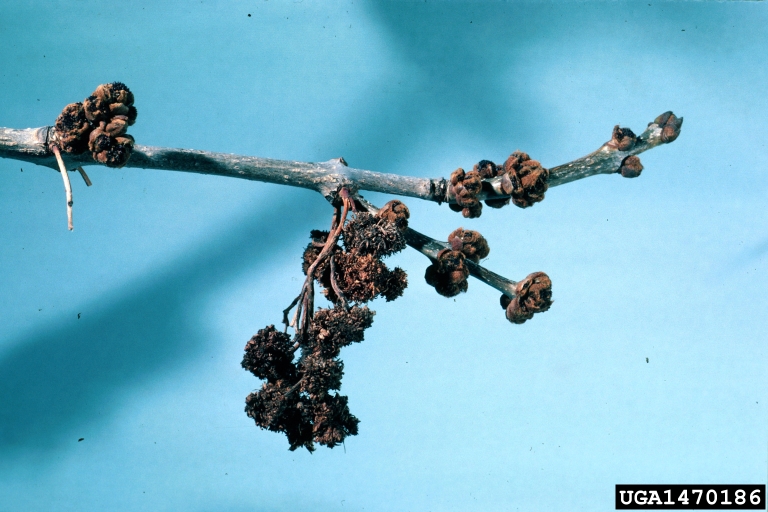
AshFlowerGall, A. Steven Munson, USDA Forest Service, Bugwood.org
Ash flower gall, photo by A. Steven Munson, USDA Forest Service, accessed from Bugwood.org.

The Smithsonian notes that in North America alone, there are almost 1,500 different insect species that cause plant galls and most of them, over 800 species, make galls on oak trees.

Here is a sampling of some of the many galls you may see during your winter walks:

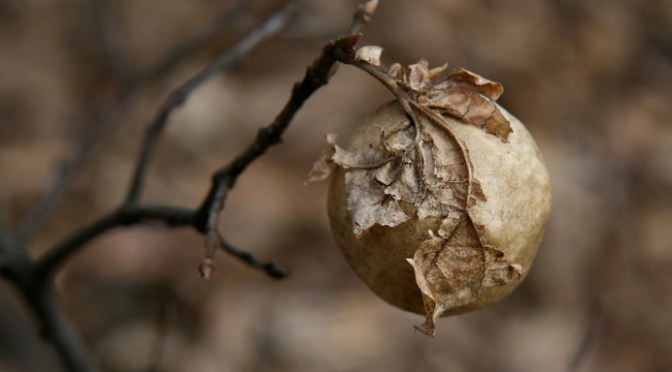
Oak apple gall

Walking under an oak tree, you may notice small, brown balls about the size of a ping pong ball hanging from the branches. These galls are the home of the oak apple gall wasp, Amphibolips confluenta. The galls are hard on the outside and soft on the inside. If you see a small hole in the gall, that hole was made by the adult wasp as it was emerging from the gall last summer.   Oak apple galls are commonly seen on scarlet and black oaks.

Goldenrod ball gall

Round galls on a goldenrod stem are an indication that a goldenrod gall fly (Eurosta solidaginis) is living inside the gall. Fly larvae live inside the gall all winter and emerge in the spring.  You can find these swollen stems in meadows and along paths.

Eastern spruce gall

Eastern spruce gall adelgids (Adelges abietis) cause galls on both Norway and white spruce.  Look for the small (½”-1” long) pineapple shaped galls near the tips of the branches.  One sign of eastern spruce gall adelgid is a scattering of brown spruce branch tips on the ground under a spruce tree. The tips break off during a heavy snow storm or wind storm.

Cedar-apple gall and rust

The fungus Gymnosporangium juniperi-virginiana infects both cedar trees and apple trees during its two-year life cycle. In the winter, look for the fungus on eastern red cedar (Juniperus virginiana; also known as eastern juniper) trees. Spores develop in the gall during the early spring and they are released in May and June after a warm rain. If the spores land on apple or pear trees, they will infect the leaves of the tree where they land.  Spores from cedar-apple gall on apple or pear leaves are released in June and July and may infect nearby cedars and other kinds of junipers and the cycle continues again.

Crown gall

One bacteria that forms galls is Rhizobium Rhizobium radiobacter. Grapes, walnuts, black cherry and other stone fruits are susceptible to Rhizobium radiobacter. The bacteria enters a plant when an insect or weather-related event injures the plant. For example, if the winter is severe, plants are more likely to get damaged from strong winds and crown gall bacteria will enter the plant. These galls can become enormous, over three feet in diameter when in the crown or body of trees, thus the name crown gall.

CrownGallWilliamJacobi, ColoradoStateUBugwood
Crown gall, photo by William Jacobi, Colorado State Univeristy, accessed from Bugwood.org

References and Additional Resources:

Brandeis University Biology Department, About Insect Galls.

Cornell University, Insect Diagnostic Laboratory, Galls on Plants.

Felt, Ephraim Porter and Millet Taylor Thompson, Key to American Insect Galls, New York State Museum Bulletin, The University of the State of New York, No. 200, August 1, 1917.

Jorgensen, Neil, A Sierra Club Naturalist Guide: Southern New England, Sierra Club Books, 1978.

Morton Arboretum, Plant Galls.

NYS Dept. of Conservation, Gall Making Insects Unsightly, Yet Ingenious,

Smithsonian BugInfo Insect and Mite Galls.

Stokes, Donald, Stokes Nature Guides: A Guide to Nature in Winter, Little, Brown and Company, 1976.

Thompson, Millet Taylor, Illustrated Catalogue of American Insect Galls Rhode Island Hospital Trust Company, 1907.

University of Minnesota Extension, Insect and Mite Galls.

Trail Work: Excelsior Conservation Corps Helps out at Hamlin Beach State Park

Recently, members of the Excelsior Conservation Corps (ECC), an AmeriCorps program, visited Hamlin Beach State Park to help the staff with some major trail maintenance projects. The ECC is a partnership between State Parks, the Department of Conservation, the Environmental Facilities Corporation, and the Student Conservation Association. The members in this program range from ages 18-25, and have learned skills and methods in conservation and preservation of the environment. While working at Hamlin Beach, for nine days, the ECC crewmembers were given projects to work on at various trail sites.

The first area the crewmembers worked on was the Devil Nose Trail. This trail is located right next to some very high cliffs and had been closed off for a while due to storm damage. The team was given the task to help re-route a portion of the trail, so that it would be further from the edge of the cliffs. They also needed to widen the full route to 8 ft. so that a small all-terrain vehicle could drive through it in order to bring woodchips onto the path. The original trail was very uneven and hard to follow, so the goal was to create a nice finished and flatter area to walk on.

After clearing away leaves and moving the dirt aside to widen the section of the pre-existing trail, the crewmembers followed the newly flagged route to create a new trail corridor using chainsaws, and tools such as hard rakes, pick mattocks and Mcleods. The chainsaws were used to cut up fallen trees so they could be move away from the trails or used along the trail edge. The other tools were used to move dirt, sand, leaves and smaller sticks to level the path.

HamlinTrailBefore
A section of Devil’s Nose Trail before they cleared it away, photo by the ECC.

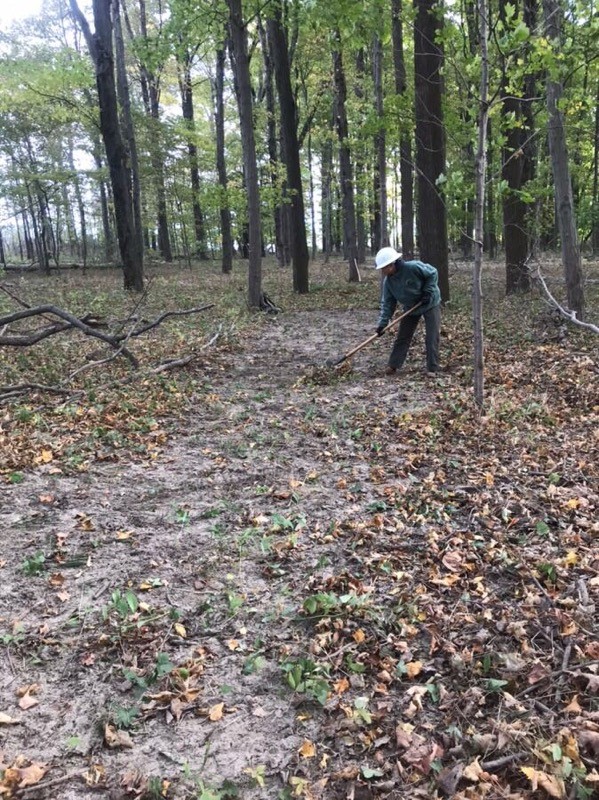
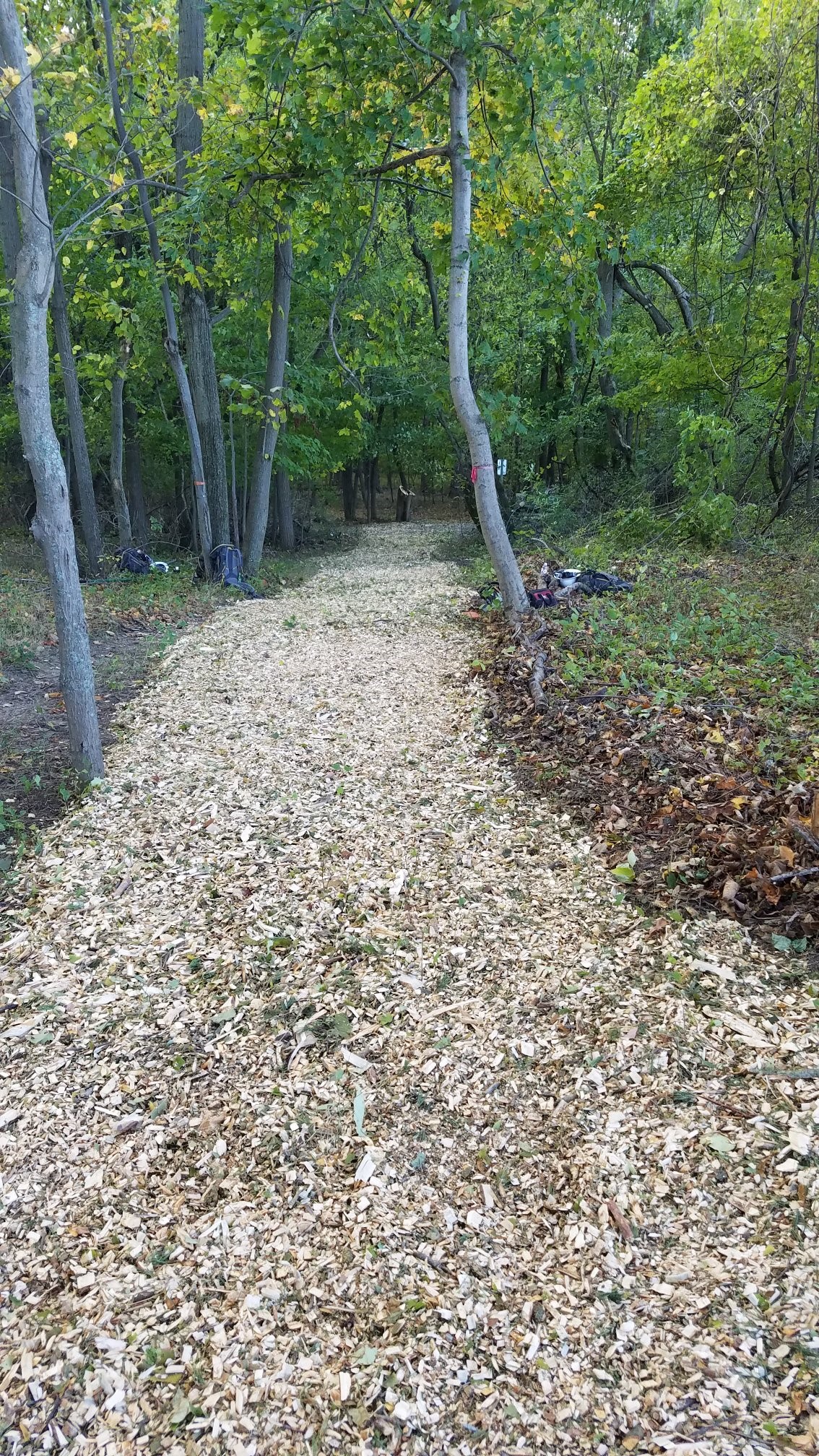
After the trail was cleared away, the Parks’ maintenance staff dumped piles of woodchips throughout the trail, and then the ECC members spread them out with rakes.

HamlinTrailWoodchips
Section of the Devil’s Nose trail completed with wood chips, photo by the ECC.

Once the half-mile long of Devil’s Nose Trail was completed, the ECC crewmembers were asked to work on maintaining a small short loop trail over by the campground. After walking the area, they marked off which trees were hazardous and needed to be taken down with a chainsaw. In the beginning of the trail the team noticed that there was a trail turnpike, but the area right after it was very muddy. Help was needed.

HamlinTrailECCWorking
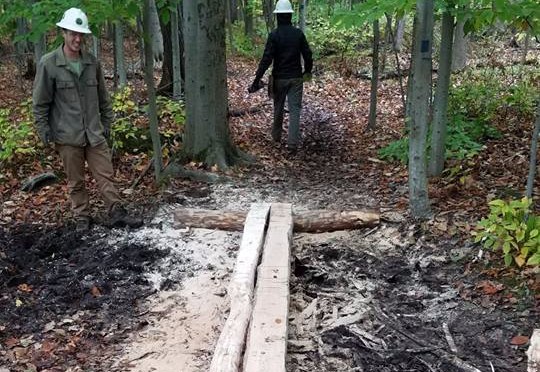
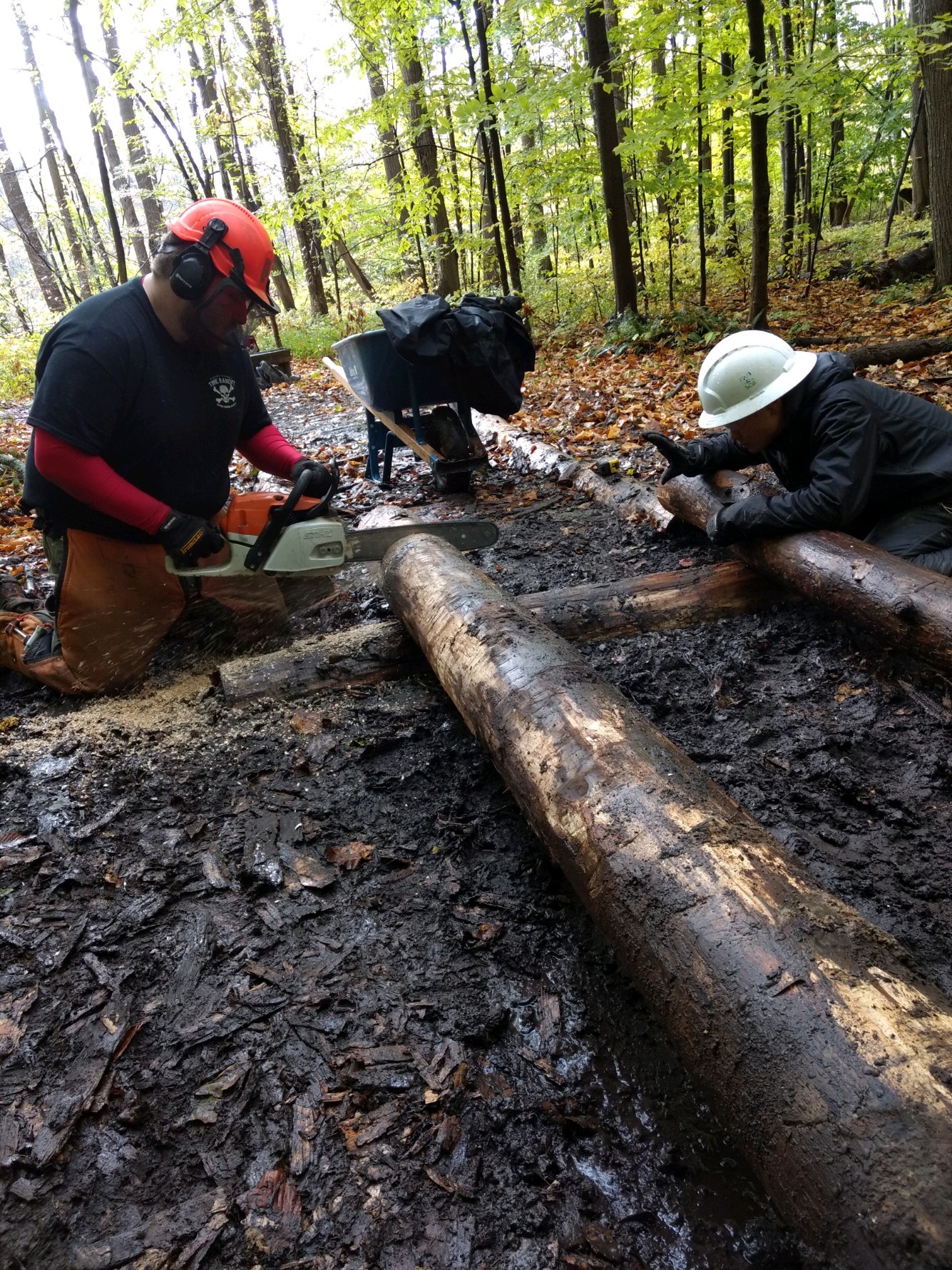
Two ECC crewmembers working on using the chainsaw to cut the ends of the lumber to match the ends of the lumber on the pre-existing turnpike, photo by the ECC.

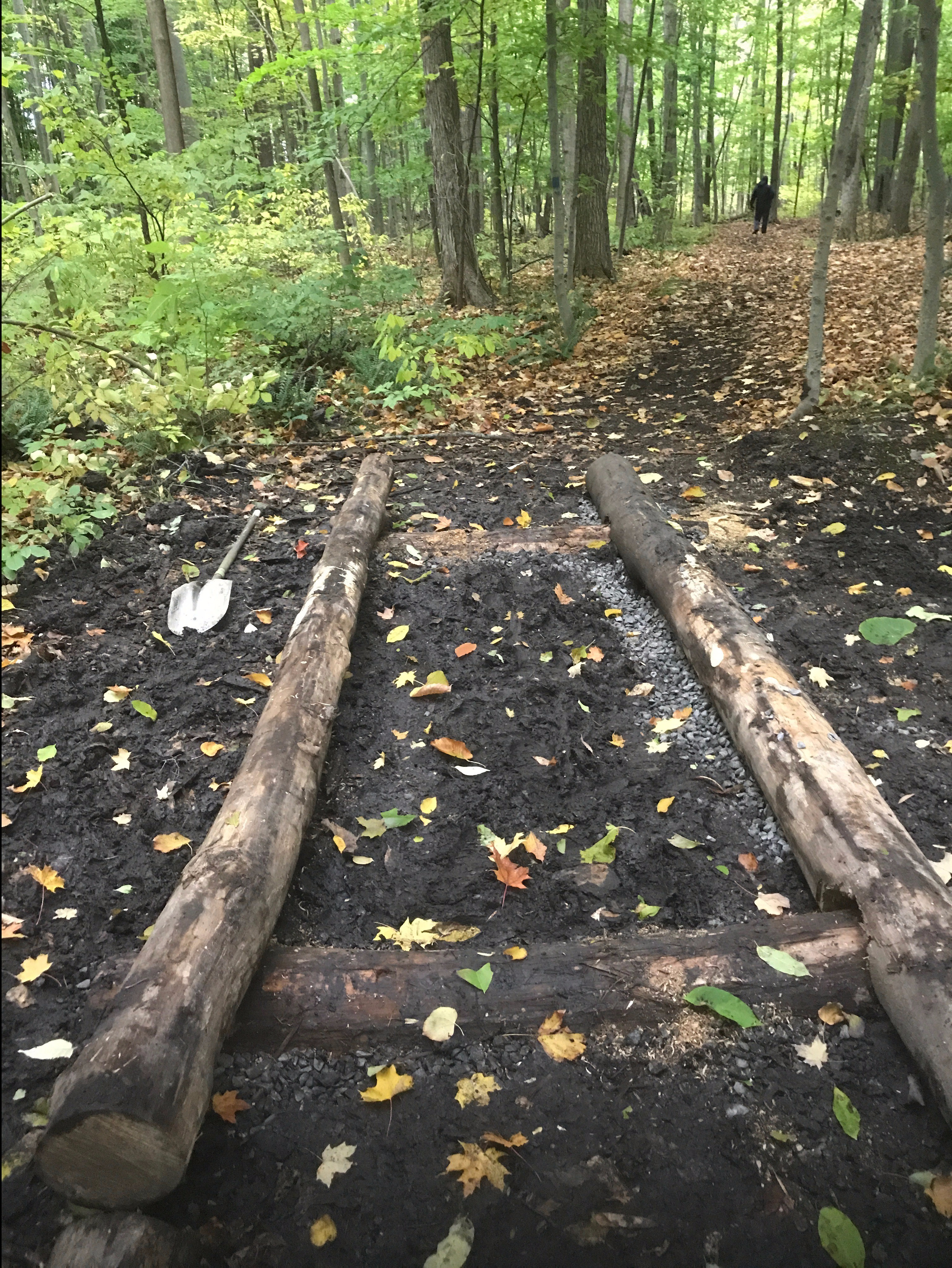
The purpose of a turnpike is to raise the trail surface out of a muddy or wet area to make the trail better to walk on. It consists of two short pieces of lumber that are laid down going across a trail. They are buried about 3/4ths down, and serve as “sills”, for the longer lumber to sit on. The long pieces of lumber need to be cut out with a chainsaw so that there are little sections for it to fit the sill. This makes them sitting level with the ground. Once all of the pieces of wood are laid out the open, area is filled with gravel so it will provide a durable surface for hikers to walk on.

HamlinTrailTurnpike
The turnpike in the process of being set into the sills, photo by the ECC.

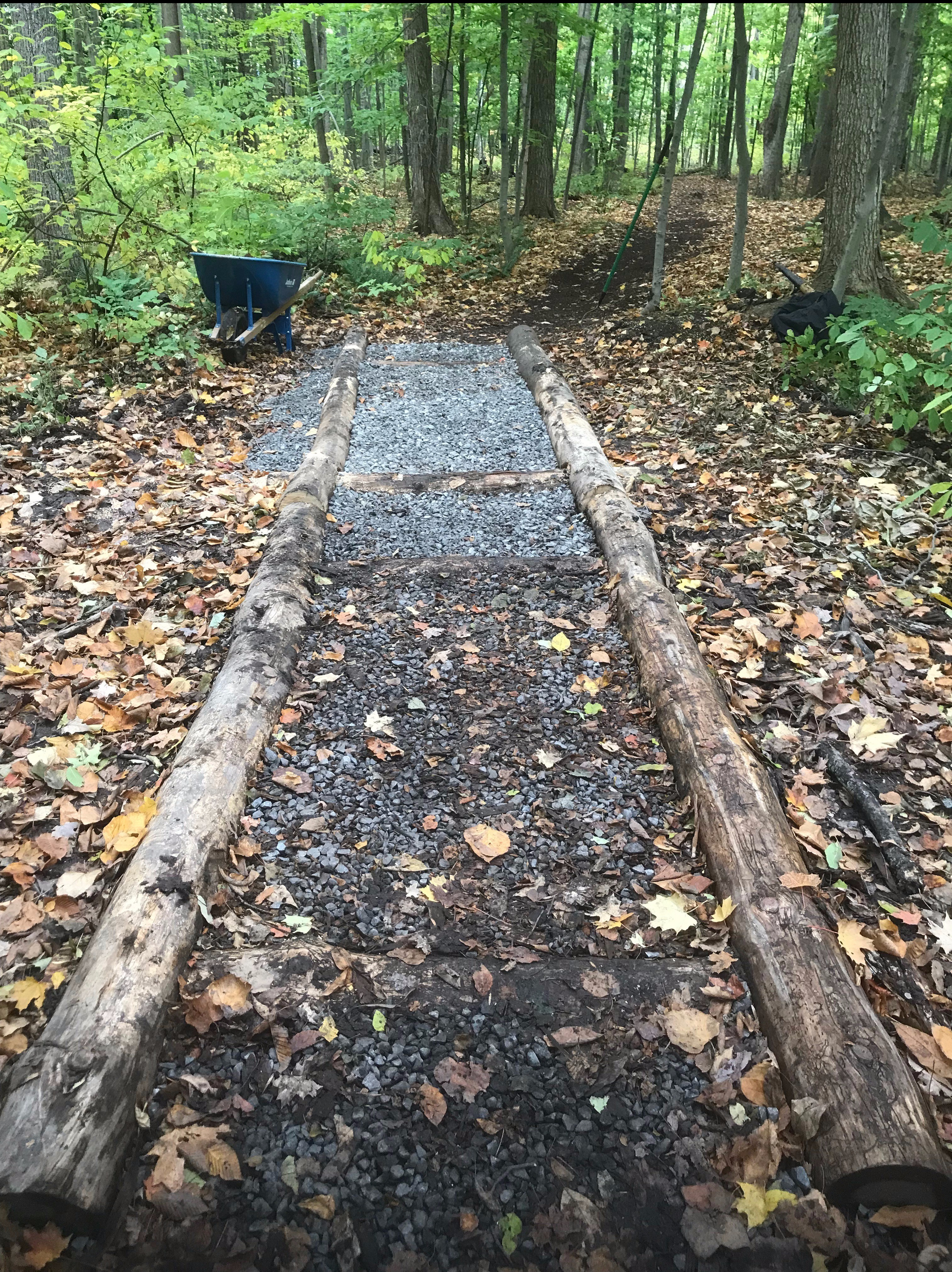
The ECC members created a new section of turnpike completely from scratch. They searched for the lumber among the trees just cut down and had to actually de-bark the trees before the construction began. They then measured everything out and set up the pieces of wood to match the previously made turnpike. In the end the turnpike turned out to be 14 feet long!

HamlinTrailTurnpikeDone
The finished turnpike. The new addition is the last section furthest away in the picture, photo by the ECC.

This is one of many projects the ECC has worked on this summer. They also helped remove invasive species at Ganondagan State Historic Site and make a new trail at Mine Kill State Park.  State Parks is grateful for the help ECC provides in our parks and historic sites.

ECC is recruiting for the 2019 season. If you would like to join the crew, follow this link for more information.

Post by Amber Goodman, ECC


First Saturday Hikes in the Finger Lakes Region

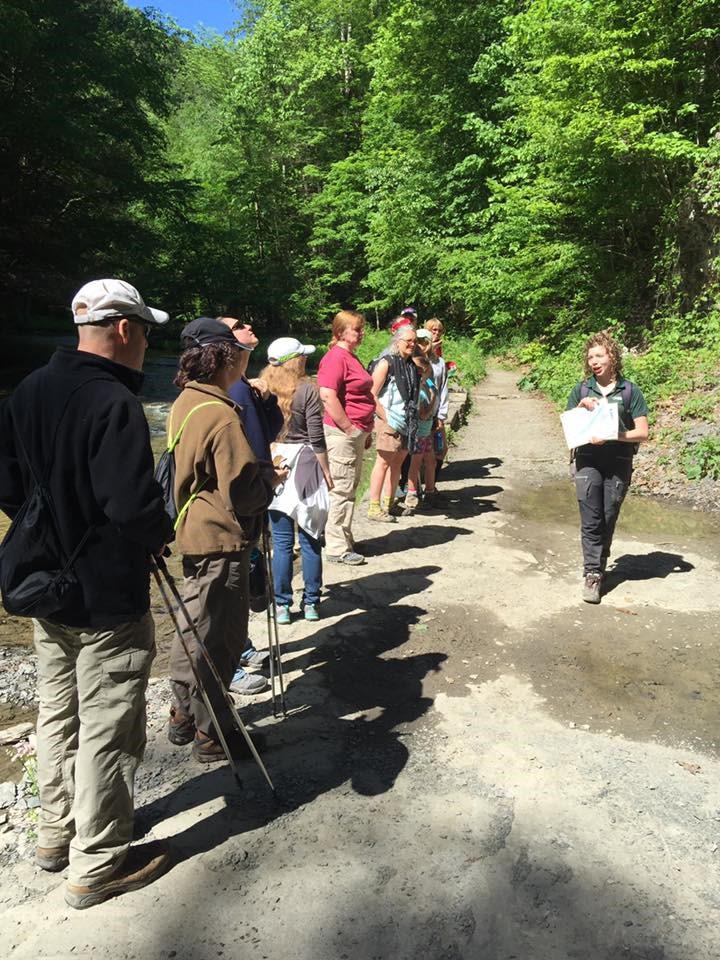
Each year in the Finger Lakes ten hikes are offered throughout the region on the first Saturday of each month.  Hikes are led by Parks staff or Parks interns and are offered at different locations each month and vary in length (3-5 miles) and difficulty.   As leaders, we try to keep everyone together during the hikes as much as possible but with group size ranging from 2-50, variable terrain and different fitness levels we sometimes get spread out until we take a rest and regroup.   We encourage everyone to attend, including but not limited to families, seasoned hikers, visitors to the region, locals, groups, clubs, well behaved dogs and anyone else you can think of. There is no First Saturday hike in January because of the January 1st  First Day Hike on offered at Taughannock Falls State Park and no hike in May due to I Love My Park Day always falling on the first Saturday of May.

RTreman_Gary Cremeens
Jane Suhey from the 2017 First Saturday Educational Hike at Robert H. Treman State Park, photo courtesy of Gary Cremeens

The idea behind these hikes is to get people out exploring new parks and learning more about hiking parks while getting a little exercise.  Each hike is unique because there are sometimes different leaders and the mix of people who attend is always varied.  Both of factors shape how the hike unfolds.  We routinely discuss park history, geology, natural history, hiking basics and anything else that is relevant or sometimes topics that come from left field! Last month the temperature was in the low 40’s and there was a steady rain so we began with a discussion on hypothermia and how to tell if someone might be hypothermic.

CatherineValley_J Teeter
October 6th hike along the compact stone-dust Catherine Valley Trail (quick side trip to see Montour Falls)

The origin of this offering of hikes is linked to the 2014 First Day Hike when I first met Gary and Wendy Cremeens. After hiking five miles with me they said that they had such a good time that we should do it every month.  Their positive energy and willingness to help and support everyone around them sold me on the idea. We offered our inaugural First Saturday Hike at Buttermilk Falls State Park in February of 2015.  Gary is in the Cubs outfit in the photo below; he is usually wearing something fluorescent, almost always in shorts and when he attends, he runs around distributing the hike schedule, offering bug spray or tissues and welcomes everyone who shows up. Wendy is equally supportive and always acts as the hike sweeper so no one gets left behind.

ButtermilkFallsHikers_Wendy Cremeens
Aug 4th 2018 hike at Buttermilk Falls State Park, photo courtesy of Wendy Cremeens

Hikes are free (certain parks at certain times of year charge a parking fee) and reservations are not required but will be accepted via my email at josh.teeter@parks.ny.gov.  If you have questions about the hike location, difficulty or any other related questions, feel free to email me in advance.  The calendar of hikes can be found on the New York State Parks calendar or on Facebook by searching First Saturday Educational Hikes.

Post by Josh Teeter, State Parks