It is almost time to put 2020 in the books, and bid farewell to a year that brought so much uncertainty and tribulation into so many people’s lives.
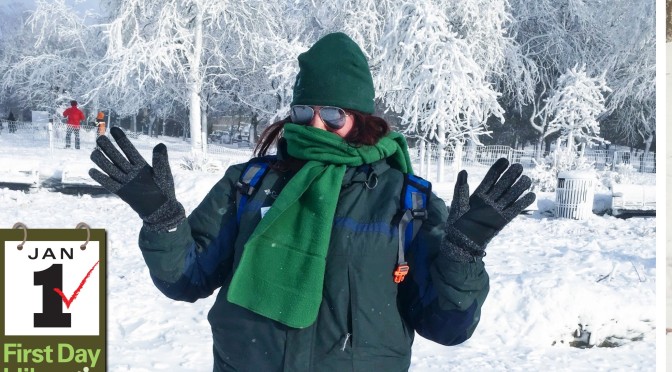
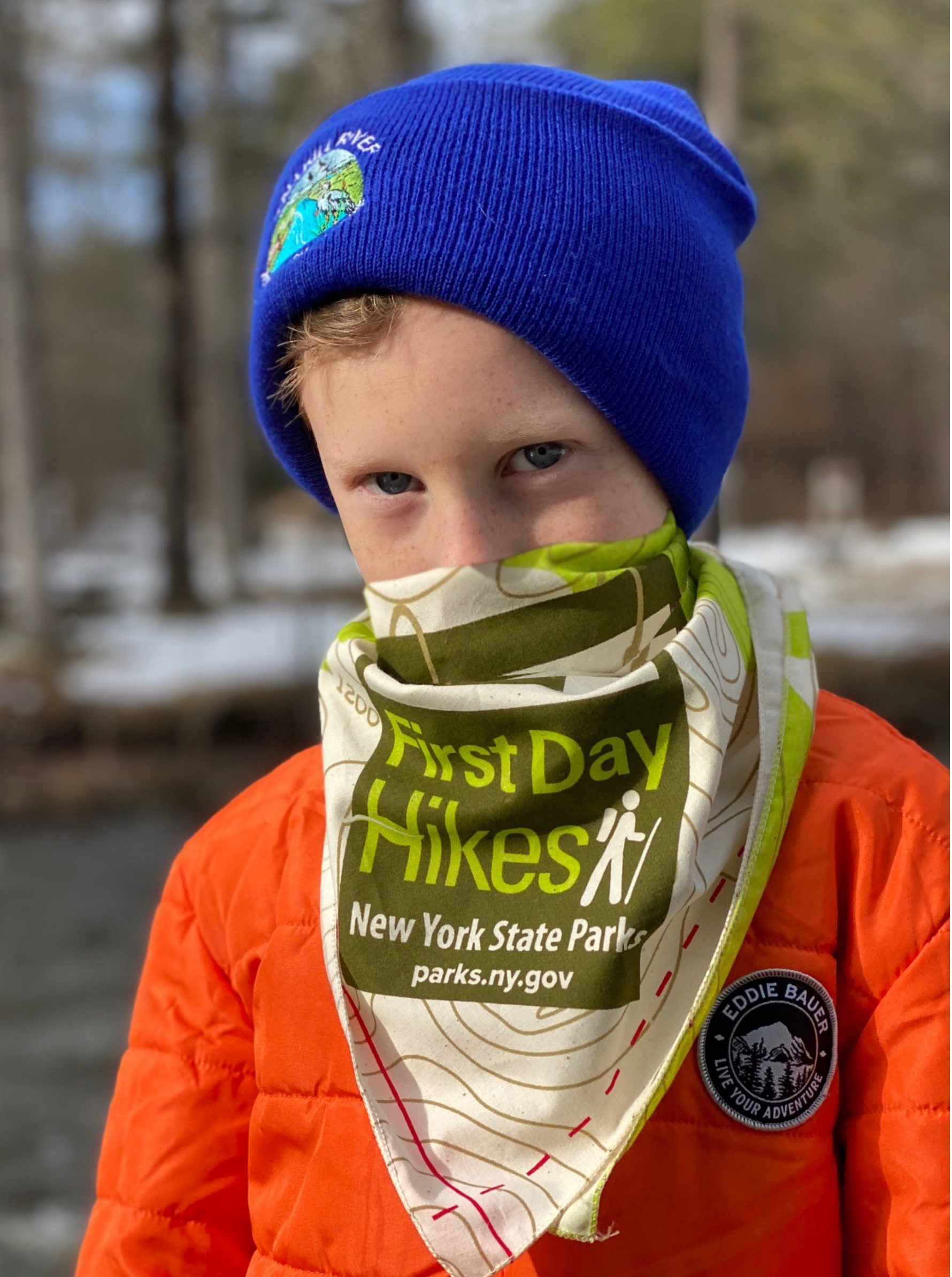
And to help New Yorkers do that, State Parks is again encouraging people to take part in the First Day Hikes program, now marking its tenth year in New York.
Of course, because of the ongoing COVID-19 pandemic, this series of outdoor events will be a little different than before, with the addition of many self-guided hikes, requirements for social distancing, masking and capacity limits.
So, it is more important than ever to check in advance with any specific site that you may be interested in and pre-register if necessary, since restrictions on staff- and volunteer-guided events may limit the number of people who can attend.
The walks, hikes, and self-guided options are family-friendly, and typically range from one to five miles depending on the location and conditions.
So, to give people more options for 2021, many First Day events will now be held multiple times over the course of the first weekend in January.
Hikes are being offered at more than 60 state parks, historic sites, state Department of Environmental Conservation lands, wildlife areas, Forest Preserve trails and environmental education centers.
Click here for a listing of Parks events, or use this interactive map below to locate hikes.
As New Yorkers adapted to COVID restrictions this year, which limited many forms of indoor activities, they turned to healthy and safer outdoor alternatives on hiking trails at State Parks and other state lands.
State Parks Commissioner Erik Kulleseid, who last year took part in a First Day Hike at Thacher State Park, is again encouraging New Yorkers to take part in this annual family-friendly event.
According to the Commissioner, “First Day Hikes have grown into a popular tradition for many New Yorkers and we look forward to welcoming families and friends out on the trail at many of our parks and historic sites. While this year’s program may look a little different from previous events, exploring the outdoors is still the perfect way to enjoy the winter landscapes, unwind with loved ones and kick off the coming year.”
As always with winter hiking, remember to dress warmly and in layers, while keeping in mind this old Scandinavian saying: “There is no such thing as bad weather, only bad clothing.”
And with snow and ice possible on many hiking trails, make sure to use proper footwear, and consider adding traction devices, like Microspikes, for additional stability.
Whether maintaining a safe distance in a group or hiking on your own, remember that you are still part of something that is happening across the U.S. in all 50 states, and dates back to the initial First Day Hikes that started in Massachusetts in 1992.
So, get outside, keep safe, and let’s ring in 2021 to welcome better days ahead!
Holiday cooking is one tradition that most people partake in, even those who normally order take-out or nuke something frozen for dinner. Family recipes are unearthed from the back of the recipe box or perhaps your junk drawer. The house fills with the nostalgic smells of favorite treats. Recipes are often our most evident tie to our heritage and historians can glean a lot from one family recipe.
Lorenzo State Historic Site in Cazenovia has their own treasure trove of handwritten recipes from the families who have lived there. Spanning the early 1800s to the early 20th century, these cookbooks contain both handwritten recipes and clippings from newspapers. In addition to food, there are also entries for home remedies for health and cleaning.
Recently, these cookbooks were digitized so that the books themselves, which are quite fragile, no longer need to be handled and so can be protected from accidental damage. Researchers will be able access the books digitally, helping us better understand generations of the Lincklaens, Ledyards, and Fairchilds who lived at Lorenzo. Established in 1807, the Federal style home of John Lincklaen, Holland Land Company agent and founder of Cazenovia, Lorenzo was continually occupied by the family and its descendants until the property was conveyed to New York State in 1968.
One of the fragile cookbooks that was digitized so it now can now be handled as little as possible. The cookbooks at the Lorenzo State Historic Site have been one of the most requested items for research.(Photo Credit – NYS Parks)
What can historians learn from recipes over the years? The foods we eat can tell us about media, transportation, technology, and trade.
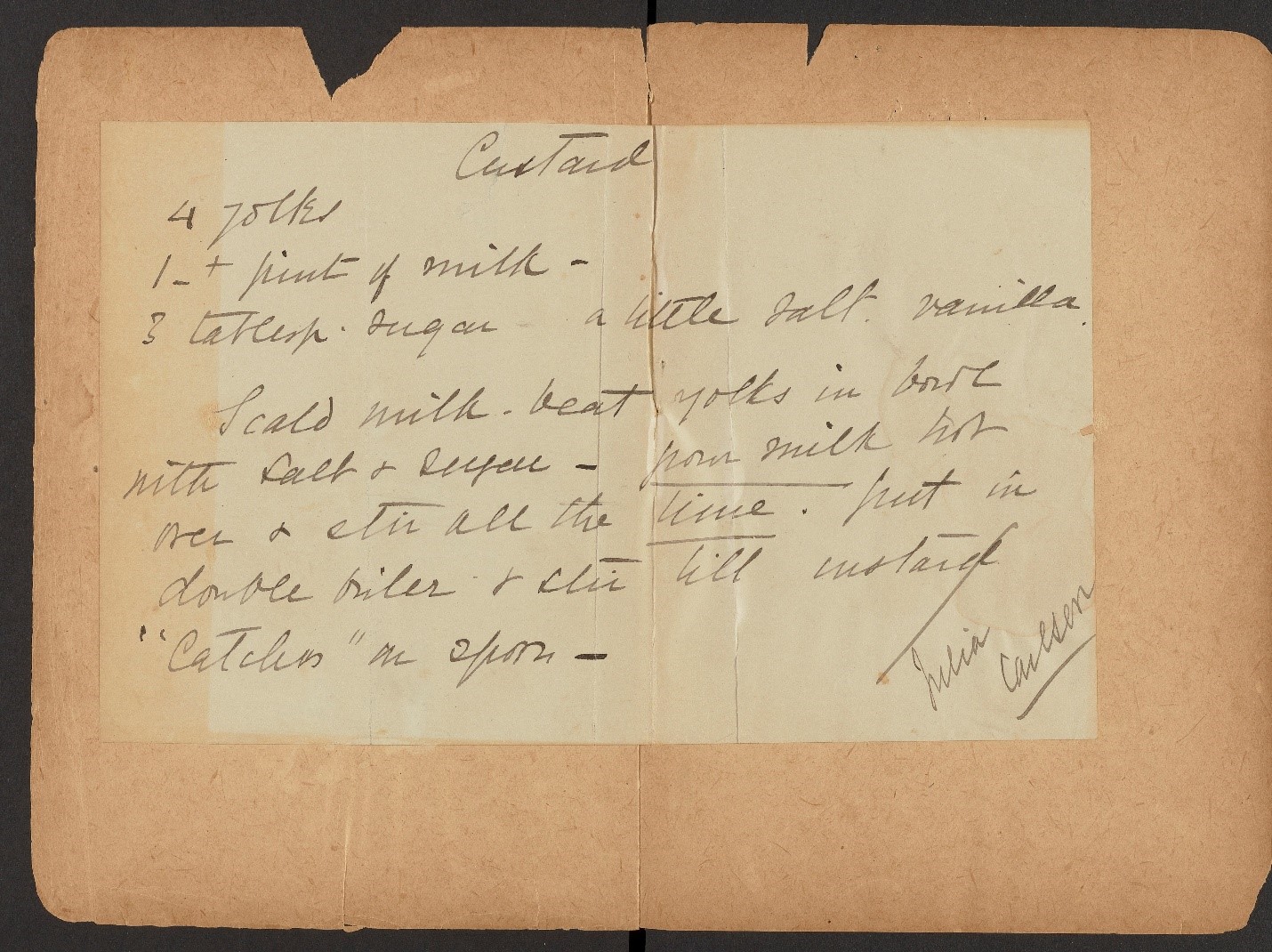
For example, vanilla was used sparingly prior to the mid-19th century. This fragrant spice is native to central and South America and vanilla orchids were brought to Europe and Africa through colonizers of the 16th, 17th and 18th centuries, but without successful cultivation of the fruit.
That all changed in 1841, a young enslaved man named Edmond Albius, living on the island of Réunion, a French island off the east coast of Madagascar in the Indian Ocean, developed a hand pollination technique for the orchid, which only blooms for 24 hours. With the agricultural production of vanilla beans now made possible, the vanilla industry was catapulted around the world, which made the spice much more affordable. Cookbooks started to fill with this popular flavor by the end of the 1800s. Since the plants are still hand pollinated today, vanilla is one of the most expensive spices, second only to saffron. Prior to vanilla being widely available, many foods were seasoned with rose water or orange flower water.
This hand-written custard recipe comes from one of the cookbooks and uses vanilla. It is likely that this recipe dates from the second half of the 19th century. It is from a cookbook estimated to have been kept between 1910 and 1917 by Helen L. Fairchild. (Photo Credit – Lorenzo State Historic Site)
Many earlier recipes used spices that are often associated with the holidays today such as nutmeg, ginger, allspice, cardamom, and candied citrus peel. These ingredients were imported to the United States and Europe at significant expense and added interest and flavor. Nutmeg was originally imported from Indonesia. The Dutch, in addition to colonizing New Netherland, which became New York when England took control, also colonized Indonesia, primarily for the profitable spice trade. Nutmeg continues to be an important ingredient in both sweet and savory holiday recipes. How spices are used also gives a hint to your family’s heritage.
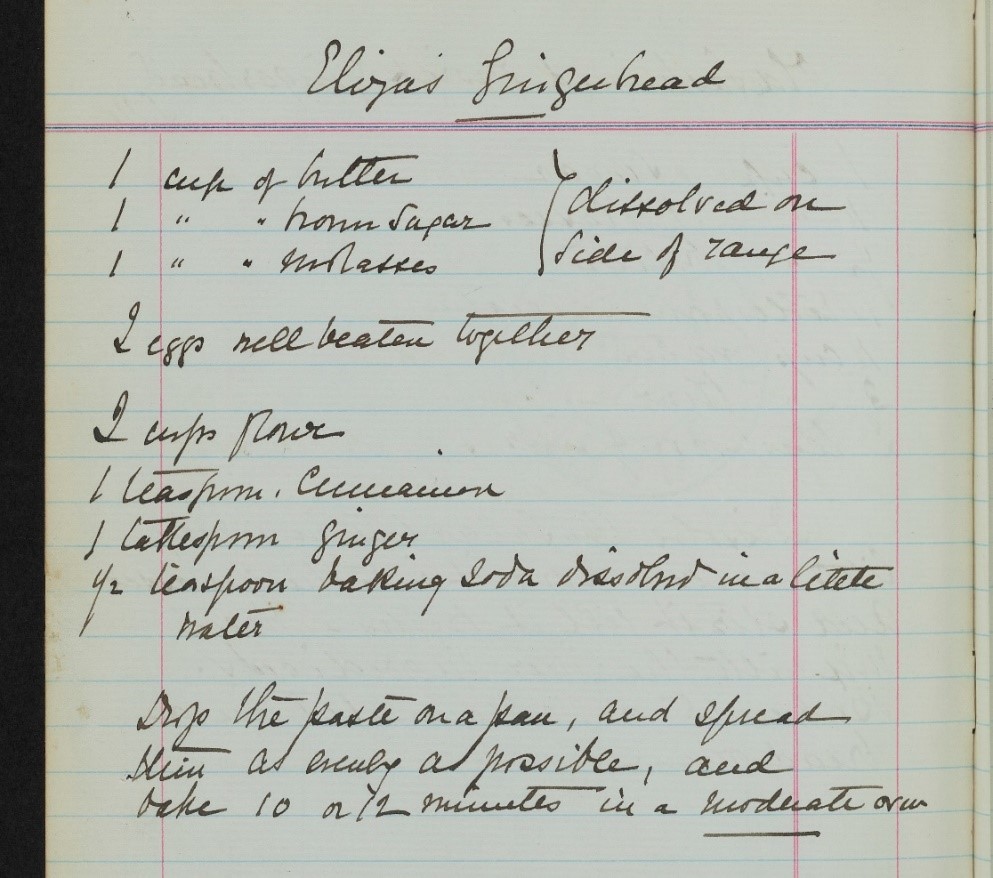
Also found in the cookbook kept by Helen L. Fairchild, “Eliza’s Gingerbread” recipe looks quite familiar to modern bakers. The earliest know gingerbread recipes originated in ancient Greece. Other recipes date to 10th century China. Europeans were eating gingerbread by the late Middle Ages, and its appeal continues to this day.(Photo Credit – Lorenzo State Historic Site)
Not all the recipes in these books seem palatable to modern audiences. There are many ingredients that have gone out of fashion. Suet, the rendered fat of beef, is an ingredient in many puddings. Tongue, calves head, and terrapin (turtle) are also present in recipes. Folks were also willing to put just about anything into gelatin including little ham balls seasoned with cayenne pepper.
Whether these dishes were daily fare or for special occasions is hard to decipher from these cookbooks, although terrapin became quite popular by the end of the 19th century until overharvesting made the creatures quite rare and expensive.
It is interesting to note that a few recipes are repeated in more than one cookbook. Perhaps each generation of women passed down the recipes to the next. The recipes might have been recopied in a new book when the old one deteriorated.
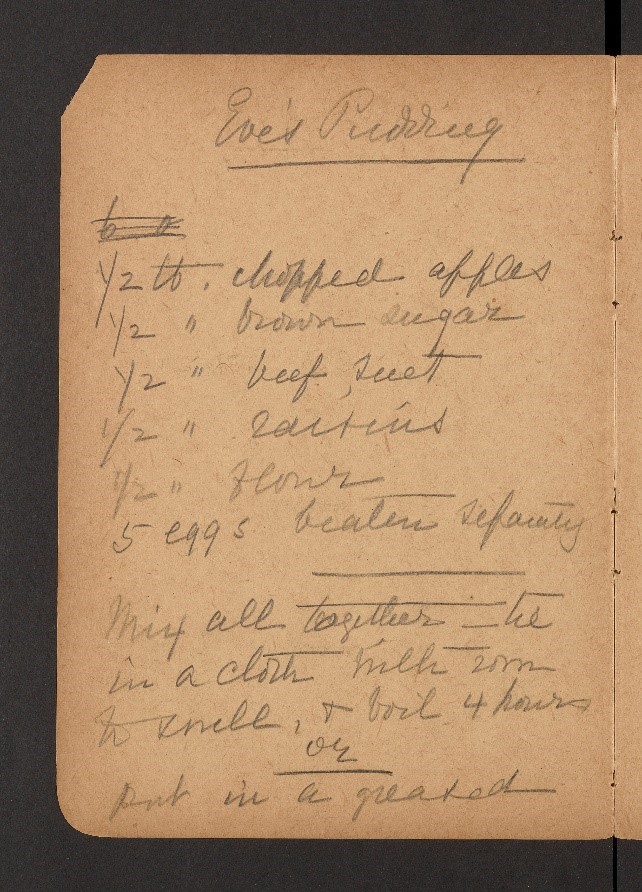
Eve’s pudding recipe is for a traditional pudding much like those still eaten during holidays in the United Kingdom. Puddings were a common desert, especially before the widespread availability of leavening agents like baking soda and baking powder. This pudding contains apples and raisins, but other examples could have included other dried or candied fruits, breadcrumbs instead of flour, nutmeg, and, of course, some brandy for a holiday glow.(Photo Credit – Lorenzo State Historic Site)
Lorenzo State Historic Site can now keep these recipes safe and accessible for many generations to come. And that is something you can do at home, too.
Which recipes will you be serving at your holiday table? What do those recipes say about your family’s heritage or status?
Recipes are considered primary source documents if your grandmother or great-grandmother was the first to write it down. How will you preserve this tradition? Share a recipe with your family and friends. Tell the stories that surround your memory of that food. This is intangible history, but just as important as your recipes. Stay safe and well fed this holiday season.
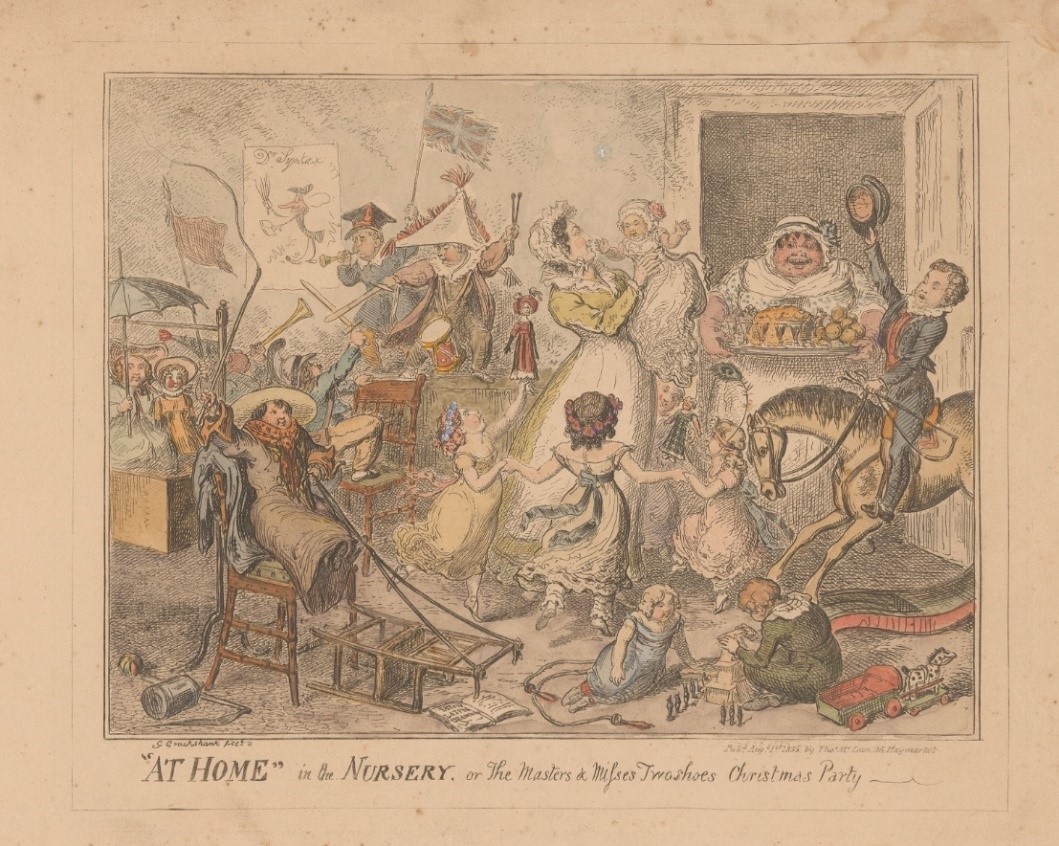
This satirical print made by George Cruikshank in 1835 is titled At Home in the Nursery, or The Masters and Misses Twoshoes Christmas Party. A popular English illustrator in the mid-19th century, Cruikshank portrayed the chaos of the nursery at Christmas that is well understood by any parent of small children. Of course, a tray of tasty treats is being brought into for their enjoyment. (Photo Credit – Rijksmuseum)
Cover Shot: The first commercial Christmas card, printed in 1843 in England and sent from John Callcott Horsely to Henry Cole, shows folks dining as a symbol of the holidays. In the same way so much of our celebrations revolve around food, with recipes often a cherished tradition passed to each generation. (Photo Credit – Victoria and Albert Museum, London)
Post by Amanda Massie, Curator at Bureau of Historic Sites, Division for Historic Preservationat NYS Parks.
Want to have some fun at home with historic recipes from Lorenzo State Historic Site? Here are some to try… And Happy Holidays to you and yours from New York State Parks!
It’s always made good sense. If you feel down or need to clear your head, go out and take a walk. That is what happened recently at Minnewaska State Park Preserve, when 10 people and Abe, an energetic Golden Retriever, set out for a hike on a cool, somewhat damp autumn morning in October.
But it was a hike with a special purpose – to explore a Japanese-inspired concept called “Forest Bathing” (Shinrin-yoku ), which is a form of nature therapy that requires no actual bathing. The term was coined by the Japanese Ministry of Agriculture, Forestry, and Fisheries in 1982, and can be defined as contacting and taking in the atmosphere of the forest.
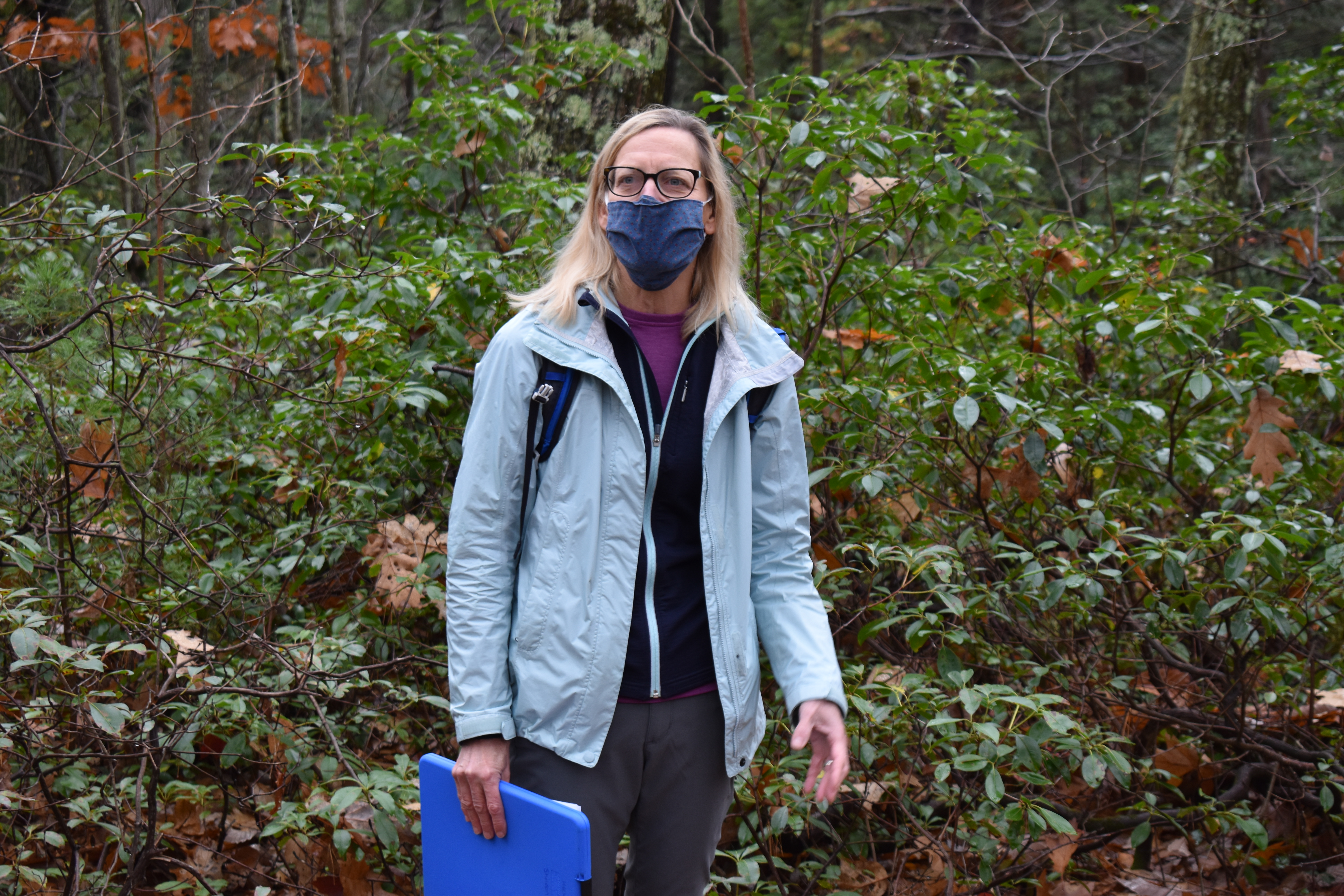
Forest Bathing guide Jane Dobson leads the recent group at Minnewaska State Park.
Japanese officials began exploring the concept in response to what government officials saw as rising levels of unhealthy stress among residents of an advanced industrialized nation that was undergoing rapid technological change.
The basic idea in Shinrin-yoku is to observe and experience natural surroundings with a slowed and deliberate focus, rather than treating a hike as a distance between two points to covered briskly in competition with whatever else pops into one’s head.
And while to some forest bathing may sound like a gauzy abstraction, there is a growing body of scientific evidence showing real and measurable physical and mental health benefits from spending time in nature.
For example, this 2010 study in the peer-reviewed journal Environmental Health and Preventative Medicine, based on field experiments with 280 people across 24 different forest and urban locations in Japan, found “forest environments promote lower concentrations of cortisol (the so-called “fight or flight” stress hormone), lower pulse rate, lower blood pressure, greater parasympathetic nerve activity, and lower sympathetic nerve activity than do city environments … The results of the field experiments also provide a platform for interested enterprises, universities, and local governments to promote the effective use of forest resources in stress management, health promotion, rehabilitation, and the prevention of disease.”
Since then, other studies have reconfirmed these results. Some of these studies can be found online at the International Society of Nature and Forest Medicine, which is linked at the bottom of this story.
That’s something to pay attention to when average Americans spend 93 percent of their time indoors or in automobiles, according to the Environmental Protection Agency (EPA). And it is especially important when many of us are stressed due to the COVID-19 pandemic, and have been turning to healthy and safe outdoor activities, like hiking and other activities in State Parks, where there are more than 300,000 acres of forest to “bathe” in throughout the year.
Visits to Parks during this season remained strong, with overall 2020 attendance through October down only 2 percent compared to 2019, even given the density reduction requirements, cancellation of the early camping season, and closure of indoor facilities during the pandemic.
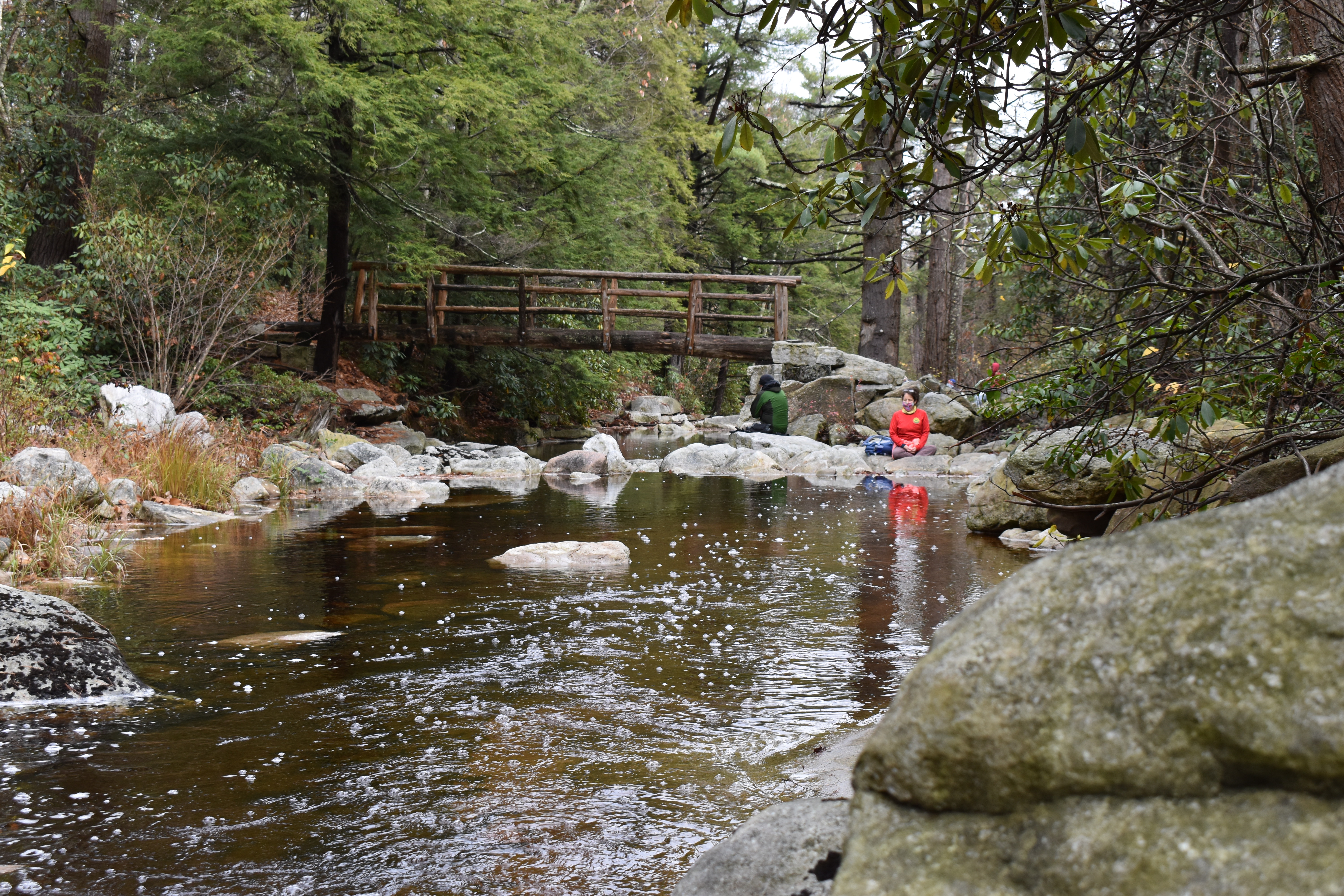
At Minnewaska’s program on an introduction to the concept of forest bathing, Michael and Geralyn O’Reilly, of Troy, along with Abe, their Golden Retriever, went with the group along the park’s Mossy Glen Trail to a bridge over the Peterskill creek.
During the walk (where people used masks when not social distancing), participants were encouraged to move slowly, deliberately, while pausing to focus on breathing, putting thoughts of everyday issues out of their minds, and taking in the sights, sounds and smells of the woods filled with oak and laurel around them.
On starting a hike, participants first took time to quietly stretch and breathe, focusing on slow movement of various joints like the ankles, knees, shoulders and neck.
One of the “forest bathers” takes a few moments to sit quietly at the Peterskill to focus on their surroundings.
Key to that is the idea of “settling into” a present moment, rather than thinking about anything else that presents itself, which relates to the Buddhist concept of the “monkey mind,” referring to a parade of thoughts that are unsettled, restless and intrusive in the manner of a non-stop “to do” list.
“A program like this helps us to slow down and better experience this beautiful place,” said Geralyn O’Reilly. “And as someone who loves the outdoors, I enjoy being here with like-minded people.”
Growing up in the Bronx, Robert Dosch now lives in Orange County and visits Minnewaska often. Relaxing after the hike, he said, “I have always enjoyed being in the outdoors. A program like this gives you a new perspective … It helps to be reminded that there are times when you should put everything aside and just be where you are.”
Forest Bathing is a practice that reconnects us with nature and its healing properties. This is not just about hiking, getting to a destination, or exercise. This is downshifting and unplugging, which can be difficult when smart devices can bring distractions and demands for attention. Urbanization and the saturation of technology in our lives has disconnected us from our direct sensory experience of sight, sound, smell, touch, taste.
Forest Bathing is the antidote this type of sensory anesthesia. Like a bath, you are soaking; only you are soaking in all your senses. A Forest Bathing walk offers different sensory invitations to allow you to connect more deeply with nature. This connection allows nature to quiet our busy minds and reveal the beauty of the present moment.
Although the term Forest Bathing is relatively new, by no means is this a new practice. The healing properties of nature have been recognized throughout time by virtually all cultures. The only change is that now we have scientific data to back up this intuitive knowledge.
Of course, it is important to remember that nature, including its health benefits, is not just a resource to be taken. There is something more innate at play. Forest Bathing helps reconnect humans with the outdoor world to which we are naturally adapted, where we have spent more than 99 percent of our time as a species. The recent pandemic has made one thing clear as unprecedented numbers of people have flocked to parks and preserves across the United States – people need nature. As we restore our relationship with the natural world, we are reminded of the vital reality that we, too, must take care of nature as it takes care of us.
Post by Jane Dobson, Mindful Outdoor Nature Guide, MindtheForest LLC
Learn more about forest bathing from the International Society of Nature and Forest Medicine. The website includes links to reports on the concept from such outlets at the Wall Street Journal, the BBC, The Guardian and the China Times.
Try Forest Bathing Yourself
Don’t worry about being in the forest if that is not possible. Any nearby park or natural open area will do, any time of the year.
Before you begin your hike, do some basic stretches of your ankles, knees, neck, wrists and hips. This relates to a practice in yoga called “the eight churnings,” which will stimulate the fluid that lubricates joints.
Allow yourself three full minutes before starting the hike to just breathe deliberately and relax. This quiets the mind and allows you to notice more. It may be hard to sit still at first, but that will come easier with time.
Once on the hike, move slowly and deliberately. Take time to pause from time to time to take in the surroundings. Pick a feature, like a tree, rock or portion of a stream, that appeals to you. Try to avoid letting your thoughts wander off from where you are and what you are experiencing.
Take time to sit down. Experience quietness, which can allow you to notice small sounds and events that might otherwise have gone undetected. By just sitting, you will begin to connect more deeply with nature.
Home of the world-famous Finger Lakes, this region stretches from sandy shores and dramatic bluffs on Lake Ontario to the forests along the Pennsylvania border.
Covering Tioga, Chemung, Steuben, Schuyler, Tompkins Yates Seneca, Cayuga, Ontario, and Wayne counties, this diverse region includes 25 parks and other facilities, two historic sites and four golf courses that span terrain featuring deep clear lakes, spectacular gorges, abundant waterfalls, and fishing and boating opportunities galore.
With fall colors well under way, check out this map to see its progress in this region, as well as across New York State.
Maps for hiking trails and a variety of other useful information on State Parks, including those in the Finger Lakes, are now available on the NYS Parks Explorer app. The free app, which is available for use on Android and iOS devices, is easy to download, user friendly and allows patrons to have park information readily available.
As with all hikes, there are a few things to remember beyond carrying a mobile phone. Check the weather forecast before you go, and dress appropriately. Wear sturdy, yet comfortable shoes or boots, bring water and snacks, and perhaps carry a camera to capture what you see. Be aware of your surroundings and mindful of hikes on steep terrain or those that go near cliff tops. Having a small first-aid kit available in case of an emergency is never a bad idea.
Hiking poles are also useful and can transfer some of the stress of hiking from your knees and legs to your arms and back.
Trail maps are also available on each individual park website page at parks.ny.gov and at the main office of each park. Be sure to download maps ahead of time or carry a paper copy as a back up
In addition to the name and distance of each designated trail in a park, the maps include facilities such as parking, comfort stations, park offices, nature centers, campsites, and boat launches. To learn more about NYS Parks trails CLICK HERE.
Hikers should plan their route in advance, know how long a trail is and how long it ought to take to finish. Since daylight is not an unlimited resource, especially in the fall as days grow shorter, tossing a flashlight or headlamp into your backpack is a good form of insurance, should you unexpectedly find yourself on the trail as dusk approaches.
Parks facilities are carry-in, carry-out, so don’t leave trash behind. Follow Leave No Trace principles to keep trails clean for everyone.
Additionally, as incidents of tick-borne diseases surge in the state, it is always important to check yourself for ticks after being outside, even if it is only time spent in your own backyard.
Lastly, as the COVID-19 pandemic continues, remember to practice safe social distancing, particularly in parking lots and at trailheads, and use face coverings when a distance of six feet cannot be maintained. To learn more about important COVID safety guidelines, CLICK HERE.
Chemung County
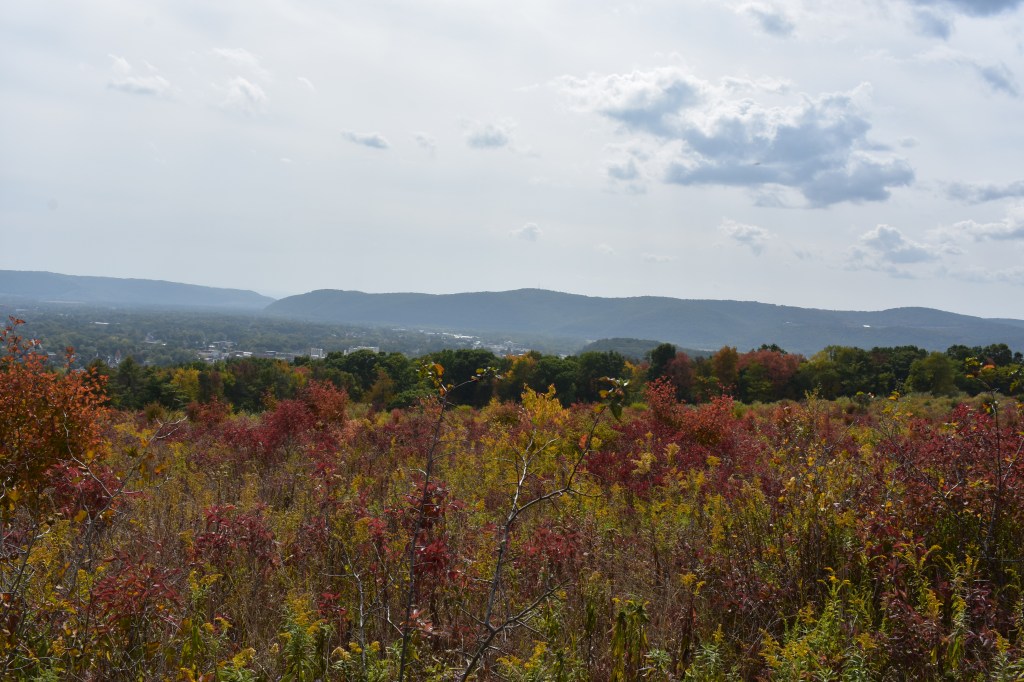
Newtown Battlefield State Park, 2346 County Route 60, Elmira (607) 732-6067: This gem of a facility is worth a visit anytime of the year, but a view of the fall foliage from the overlook might just become a new annual tradition. Crisscrossed with 19 trails, nearly all well under a mile mile, this park offers a hiker a variety of routes without steep inclines. The park is named for the battle that took place in 1779 that was part of the American Revolution and contains a replica Native American village and large granite monument. The park also has a unique Civilian Conservation Corps history with many buildings that were constructed during their 1930’s tenure, still in use and looking great! This is the perfect park for those who want to hike through history.
An informational kiosk gives visitors insight to the Battle of Newtown.
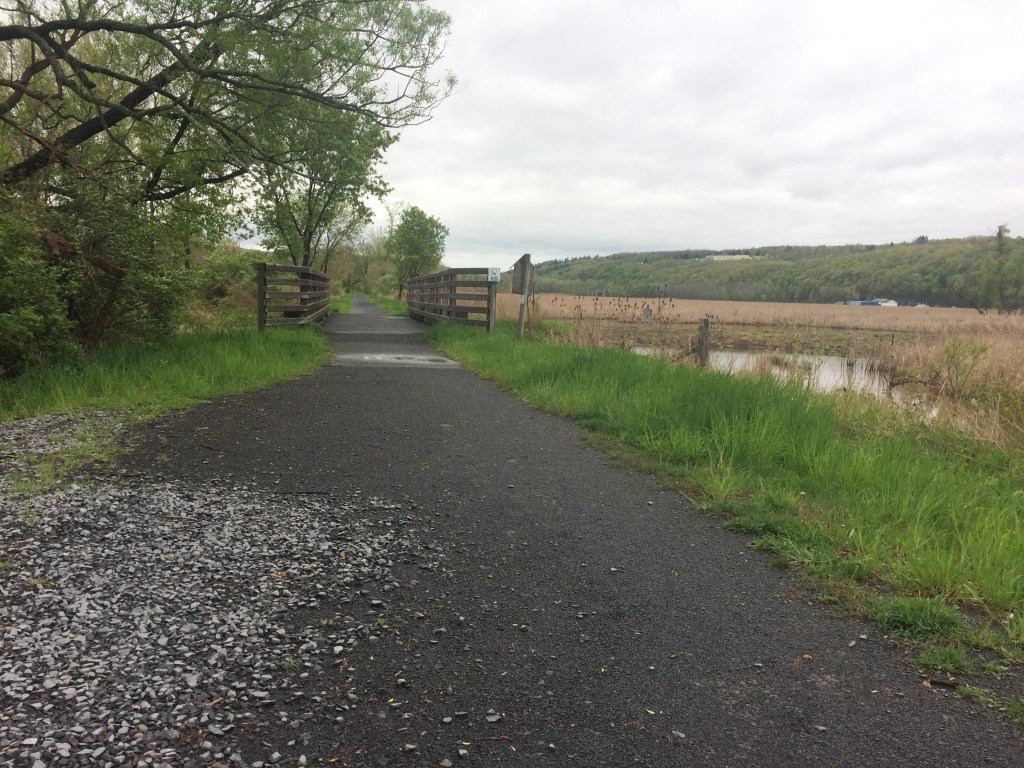
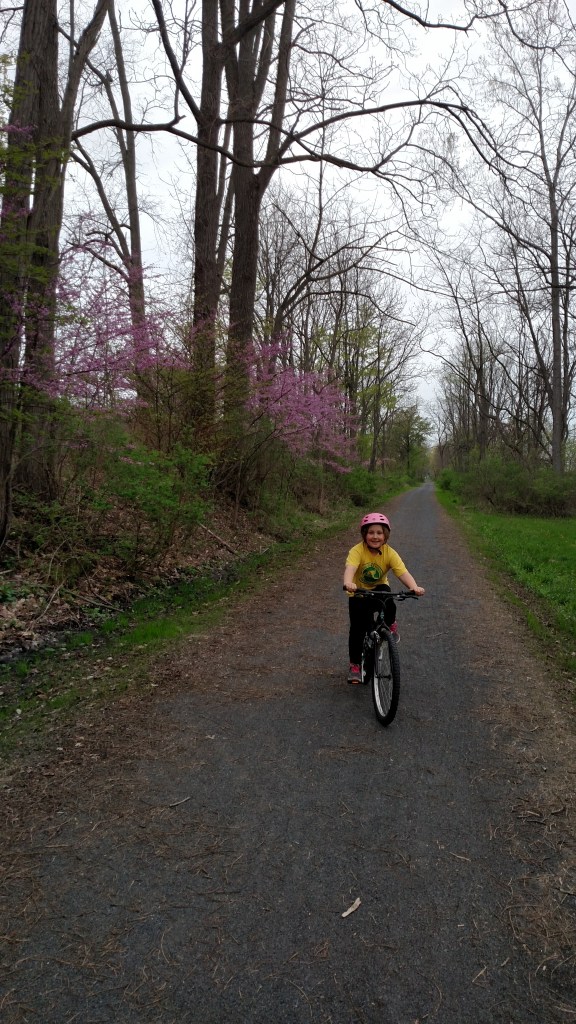
The Catherine Valley Trail, c/o Watkins Glen State Park, P.O. Box 304, Watkins Glen (607) 535-4511: Stretching from the village of Watkins Glen on Seneca Lake to the village of Horseheads, this 12-mile compact stone-dust trail follows the course of Catherine Creek and utilizes abandoned railroad and canal towpath corridors. The gentle grades make it a perfect trail at any time of the year for walking, running, cycling, cross-country skiing or snowshoeing. The trail passes a mix of wetlands and woods in a glacially-carved valley.
The Catherine Valley Trail is a wide, gentle path for hikers and cyclists.
Ontario County
Ganondagan State Historic Site, 7000 County Road 41, Victor (585) 924-5848: The only New York State Historic Site dedicated to a Native American theme and the only Seneca town developed and interpreted in the United States, this woodland and meadow park features eight miles of hiking trails. Part of the site is a Bird Conservation Area, so binoculars and a field guide will help visitors identify the many species of birds found here. Formerly the site of 17th century Seneca town, the site now hosts the 17,300 square-foot Seneca Arts Culture Center and a full-sized Seneca bark longhouse, which tell the stories of the Haudenosaunee (Iroquois) contributions to art, culture and society. There are two signed interpretive trails that educate visitors about the significance of plant life, Haudenosaunee culture and history. A third trail just a mile away from the center, interprets the history and the importance of Fort Hill, a large palisaded granary.
Click on the slideshow above for images from Ganondagan State Historic Site, starting with the Earth is Our Mother Trail (1), the Trail of Peace (2), the Seneca Trail south of Boughton Hill Road (3), and the Trout Brook Trail Bridge (4).
Tompkins County
Black Diamond Trail, 1740 Taughannock Boulevard, Trumansburg (607) 387-6739: A former railroad bed, the 8.4-mile Black Diamond Trail (or BDT) is a year-round, multi-use stone-dust trail on the western shore of Cayuga Lake that stretches from Taughannock Falls State Park to the City of Ithaca. The former railroad track descends 400 feet from its northern trailhead at the State Park to its southern end at the Ithaca Children’s Garden where it seamlessly links up with the city’s Cayuga Waterfront Trail along the lake. Its gentle grades make it ideal for hiking, jogging, biking, snowshoeing and cross-country skiing. The trail is named after the rail line that operated on the site from 1896 to 1959, and is thought by some to have been one of the most lavish trains in the world.
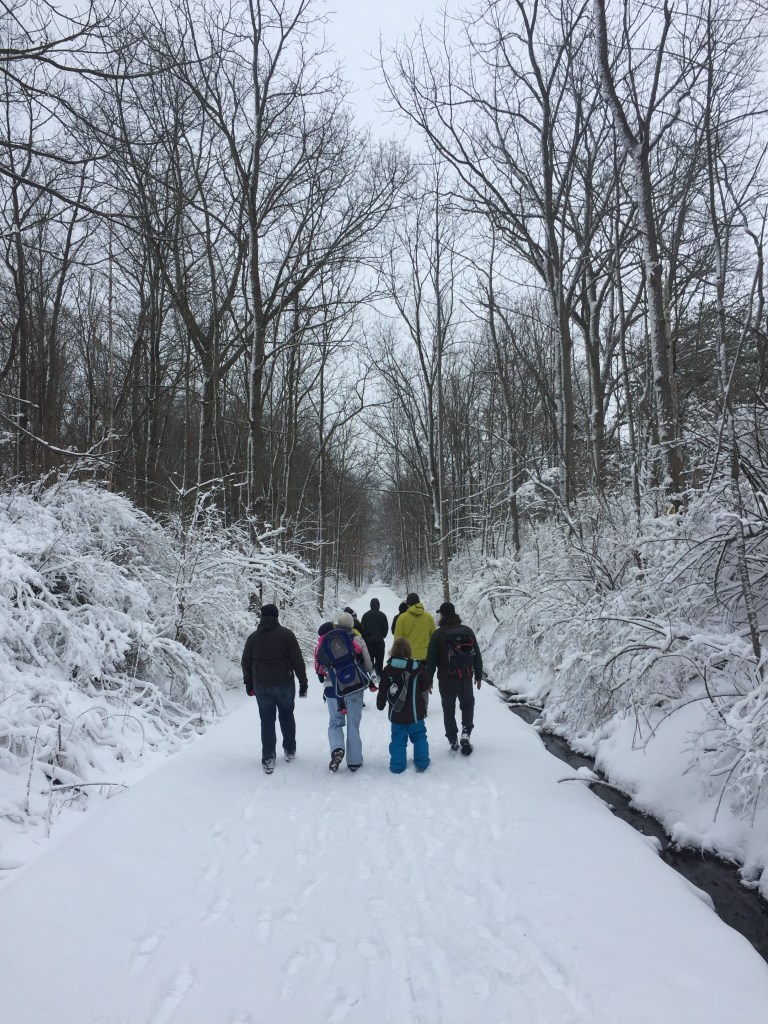
The trail is also popular in winter for hiking, snowshoeing and cross-country skiing.
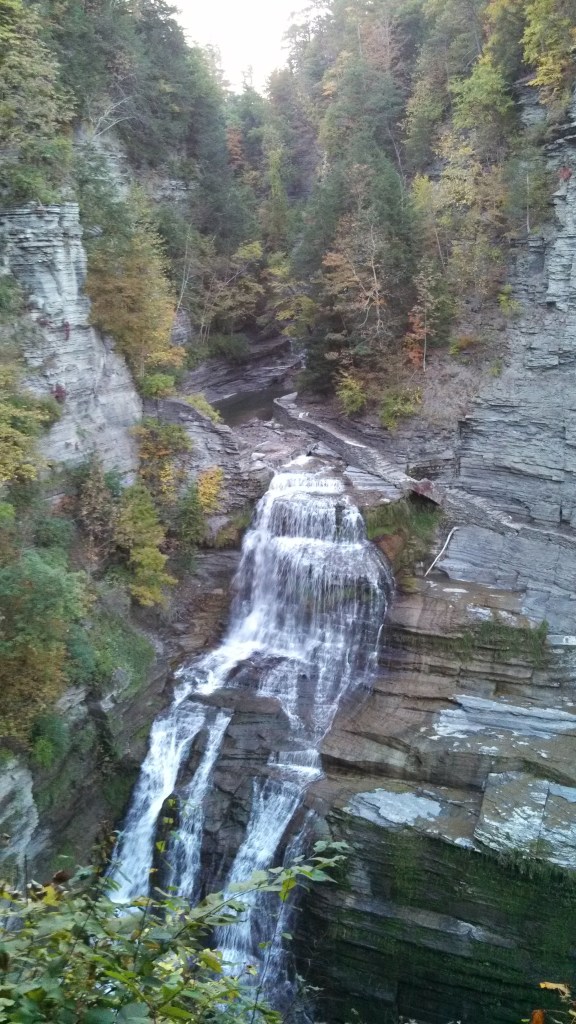
Robert H. Treman State Park, Upper Park Road, Newfield (607) 273-3440: With more more than ten miles of trails to experience, the one-mile upper loop along the rugged Enfield Gorge is spectacular any time of the year, but particularly when its foliage is ablaze. The ascents and descents here can be steep. Start in the parking lot by the Old Mill to begin a half-mile hike down the gorge trail to the 115-foot Lucifer Falls. After taking in the view near the lip of the falls, then descend a staircase along a sheer wall of stone hundreds of feet high that allows a full view of the falls before descending again through the woods to the crossover bridge to the cliff staircase/Rim Trail. Then climb the 222 beautiful stone steps of the Rim Trail for stunning views of the valley below _ and maybe to catch a breather. Continuing on the Rim Trail back to the Old Mill will complete the loop.
The dramatic Lucifer Falls plunges 115 feet at Robert H. Tremain State Park.
Tioga County
Two Rivers State Park Recreation Area, Banzhoff Road, Waverly (607) 732-6287: A five-minute drive from the village of Waverly near the Pennsylvania border, this park offers a beautiful hilltop vista of the Chemung and Susquehanna River valleys below to the small babbling brooks beginning their journey to the Chesapeake Bay. It contains 4.7 miles of hiking trails that descend from the forested hills to streams that feed the Waverly reservoir system. Mountain biking is also allowed on these trails, so cyclists and hikers need to stay alert to each other. Trails here connect to the village park of Waverly Glen.
While it may be best known for world-class boating and fishing, the Thousand Islands region of State Parks also offers miles of hiking trails along shorelines and through forests, stretching from Lake Ontario north along the St. Lawrence River and finally to the shores of Lake Champlain. Covering Lewis, Jefferson, St. Lawrence, Franklin, and Clinton…
Centered on the confluence of the Hudson and Mohawk Rivers, between the Adirondacks and the Catskills, the Saratoga/Capital Region of New York State Parks offers opportunities for both hikers and paddlers. Covering Albany, Schenectady, Rensselaer, Saratoga Washington, Schoharie, Montgomery and Fulton counties, the region includes a dozen state parks, as well as eight historic sites…
With summer now in full swing, hiking trails are calling from the Central Region of State Parks, which stretches from Lake Ontario to the Southern Tier and Pennsylvania border. The region includes glacial lakes, sandy beaches, segments of the historic Erie Canal, and dramatic waterfalls. Covering Broome, Chenango, Cortland, Delaware, Herkimer, Madison, Oneida, Onondaga, Oswego…
With autumn leaves now turned, hiking in the Palisades region of State Parks offers spectacular views of the Hudson Valley and the Catskills to go with a fascinating history that includes an outlaw’s lair, the state’s early iron industry, and a traitor’s secret meeting place. Located on the west side of the Hudson River, this…
With more than 2,000 miles of marked trails across New York, the State Parks have something for hikers of every ability. That includes the beautiful Taconic Region, located on the east side of the Hudson River and stretching through Columbia, Dutchess, Putnam and Westchester counties. Palatial estates, highland trails, Hudson River vistas and woodland campgrounds…
What is a BioBlitz? When I hear that word, images of scientists in white lab coats running madly about flash through my mind. Our first ever BioBlitz at Knox Farm State Park, while not so chaotic, certainly had people dashing about.
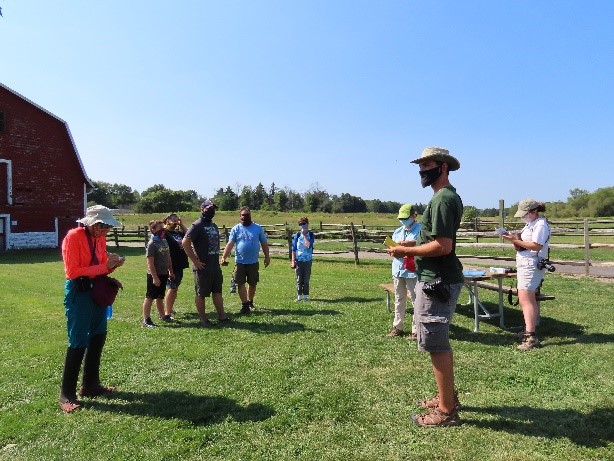
Unlike my visions, it was not a cadre of sprinting scientists in lab coats, but rather a gathering of researchers and volunteers clad in hiking boots, cargo pants and sun hats. With magnifiers and nets in hand, cameras and binoculars strung around their necks, these 32 intrepid investigators were ready to spread out. Their mission? Find and document as many living species as possible in the park – and do it in just two days
Participants gather for the BioBlitz at Knox Farm State Park. (Photo Credit – Claudia Rosen)
If this sounds like a hefty undertaking, it is. With 633 acres of grasslands, woods and wetlands, Knox is a large area to adequately survey in a short time. However, that is part of the fun of a BioBlitz. Since the word “blitz” is the German word for lightning, this event is about speed as well as efficiency.
These high-energy events are designed to bring together biologists, conservationists, hikers, naturalists, park goers and nature enthusiasts alike, so anyone can get involved. No expertise required… This is an opportunity to learn, explore and share all the incredible species that call our parks home. The best part is, when people spread out to tackle a larger area, the chances are better that someone will find something completely unexpected.
A view of the grasslands at Knox Farm.The team assigned to identify plant species goes to work. (Photo Credit – Claudia Rosen)
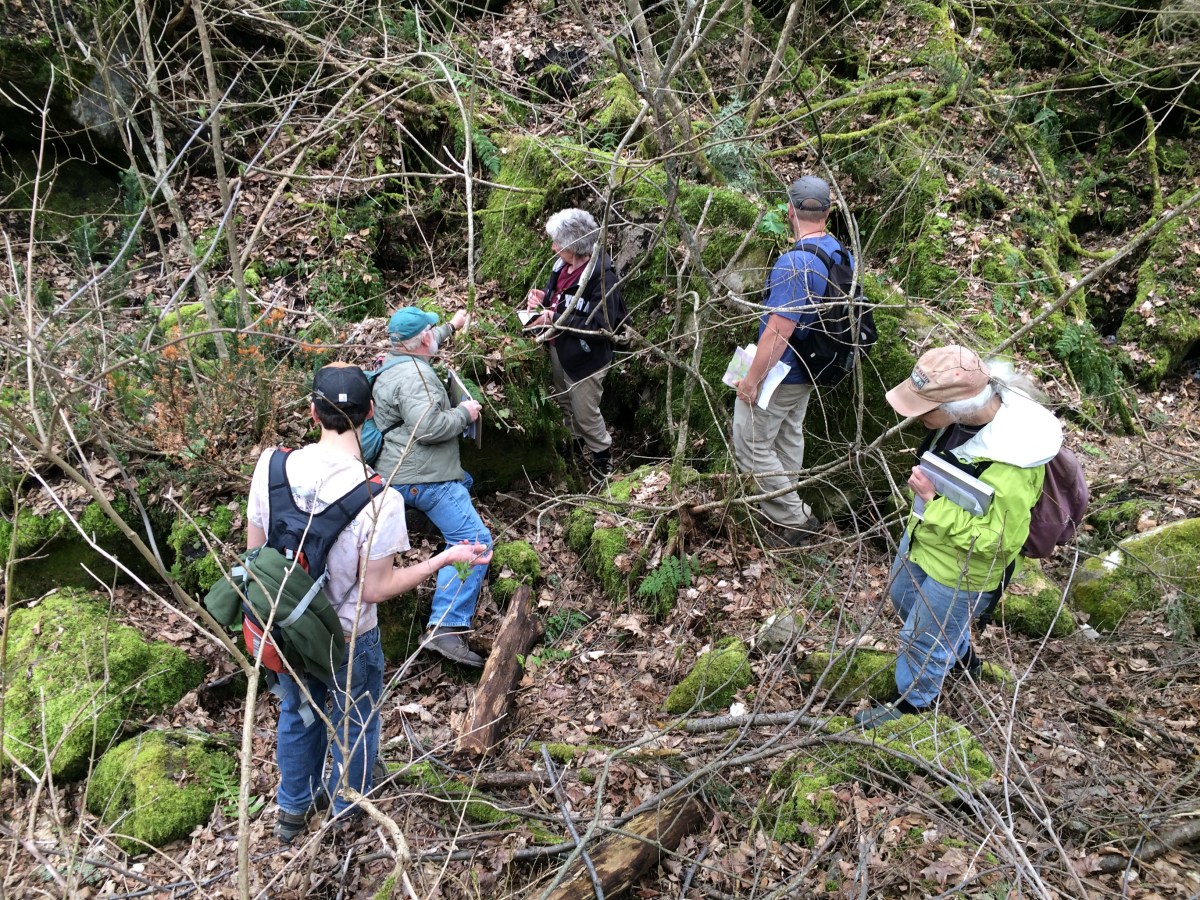
The stage set, so began the first ever Knox Farm State Park BioBlitz on the sunny weekend of August 22-23. Six field teams, each led by an expert, went on a search to survey targeted taxa such as birds, mammals, reptiles/amphibians, plants, invertebrates, and fungi. Guided hikes were led for each field team so participants could learn and share from other team members. BioBlitzers also had the option to tackle an assigned territory alone to help cover more of the park.
Eyes on the sky as the bird survey team identifies their targets. (Photo Credit – Claudia Rosen)
A light is used on a sheet to attract moths to be surveyed. (Photo Credit – Claudia Rosen)
With keen eyes, the group found and documented more than 400 species! This was well above the expected number given the tight deadline. In total, our community scientists recorded 179 species of plants, 164 invertebrate species, 49 species of fungi and lichen, 39 species of birds, six species of mammals, five reptile and amphibian species, and two species of fish.
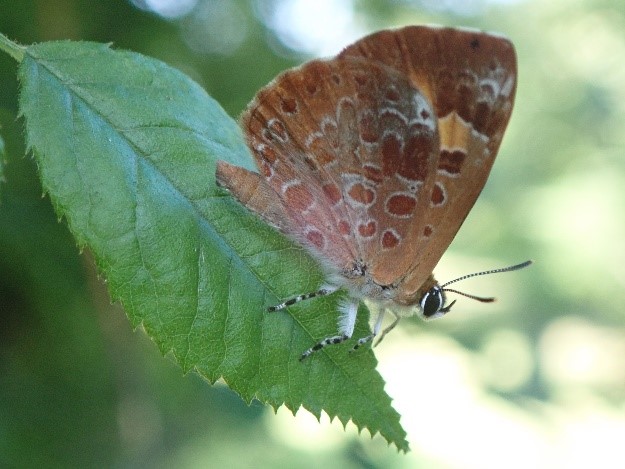
One highlight was the discovery of a new species of butterfly for the park, the Harvester. An uncommon species, the Harvester butterfly has the distinction of having the only carnivorous caterpillar in NorthAmerica, feeding on the woolly aphids of beech and alder trees, making it a great discovery indeed.
The Harvester butterfly, which has the only carnivorous caterpillar species in North America.
The data gathered during our BioBlitz will be incorporated in our Parks biota databases, which can be used for determining park conservation and management decisions.
For those interested in learning more about the BioBlitz, check out the Knox Farm State Park BioBlitz event page and explore all of the incredible discoveries for yourself. Don’t forget, while this BioBlitz was an organized group event, you can have your own personal BioBlitz whenever and wherever you’d like. You can even have a BioBlitz in your own backyard! This is a great way to learn about local nature and discover the incredible diversity we have in our own neighborhoods.
Remember, before surveying any land you do not own, be sure to contact the landowner for permission, and make sure to have any necessary permits needed to collect specimens. Many bioblitzes rely solely on photographic records, and having smart phone or tablet can make record-keeping easier. At Knox Farm, we used the iNaturalist app.
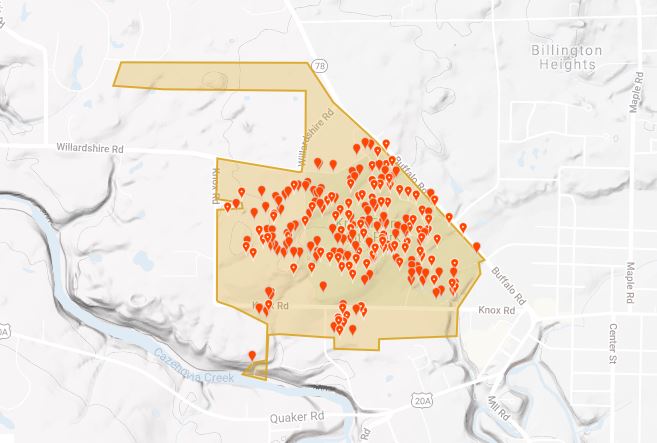
This map shows the species sightings recorded by the BioBlitz at Knox Farm State Park.
For more information on having your own BioBlitz, check out this 10 steps to BioBlitz guide.
For those interested in learning more about Knox Farm State Park, which is located about 20 miles southeast of Buffalo in Erie county, there are year-round guided hikes are offered through the Niagara Region Interpretive Programs Office. To help find your way around on your own, click HERE for a map.
See you at the next BioBlitz!
Cover Shot- BioBlitz participants practice COVID safety protocols.
Post by Matthew Nusstein, Environmental Educator – Niagara Region of New York State Parks
Learn about previous BioBlitzes at New York State Parks…
On May 3, 2014, over a hundred volunteers with scientific backgrounds gathered at Minnewaska State Park Preserve in Ulster County and Clark Reservation State Park in Onondaga county for two concurrent Bioblitzes, 24-hour inventories of the park’s biodiversity. Our objectives were to search the park for as many rare species and natural communities in the…
1 Park 70 professional scientific volunteers 365 acres Countless plants and animals Well, maybe not countless… In fact, on May 3rd and 4th nearly 70 volunteers with scientific backgrounds gathered at Clark Reservation State Park with one goal in mind: spend 24 hours searching for all the plants, animals, fungi, lichen, and even bacteria found…

















 New York State Parks and Historic Sites Blog