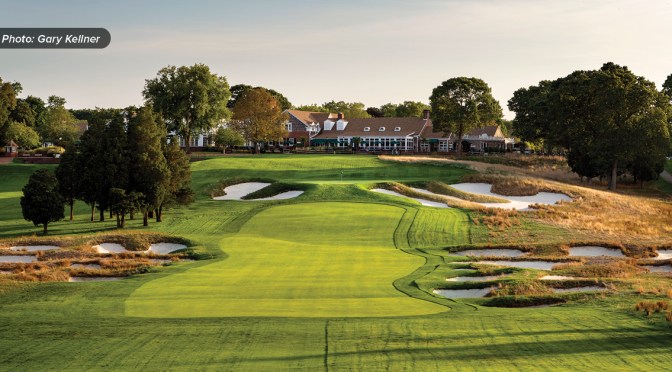
Just over a year ago, at the conclusion of the 2023 Ryder Cup at Marco Simone Golf and Country Club outside Rome, Italy, there was a Silver Putter Presentation to the host of the next Ryder Cup. That silver putter plaque now hangs inside the clubhouse at Bethpage State Park where the 45th Ryder Cup matches will be contested in late September 2025.
The Silver Putter hangs in the clubhouse at Bethpage State Park.
You have a few months left to view that silver putter up close before 24 of the world’s best players bring their own prized putters – and the rest of their golf bags – to Bethpage Black for the 2025 Ryder Cup. The countdown is officially on for a competition at what is considered one of the best, and hardest, courses in the world.
Where does New York State Parks get its flowers, perennials, shrubs and trees? For the parks on Long Island, the answer for the past two and a half years may be simply “Michelle.” Since becoming the manager of the Nissequogue River State Park greenhouse, Horticulture Technician Michelle Doran-Leute has launched an ambitious program of seed collection, propagation and planting that’s not only making Long Island parks beautiful, but supporting its ecosystem. Her mantra has always been: You can’t have a park without plants! Follow along as Michelle takes us inside the operations at the Nissequogue River greenhouse and nursery.
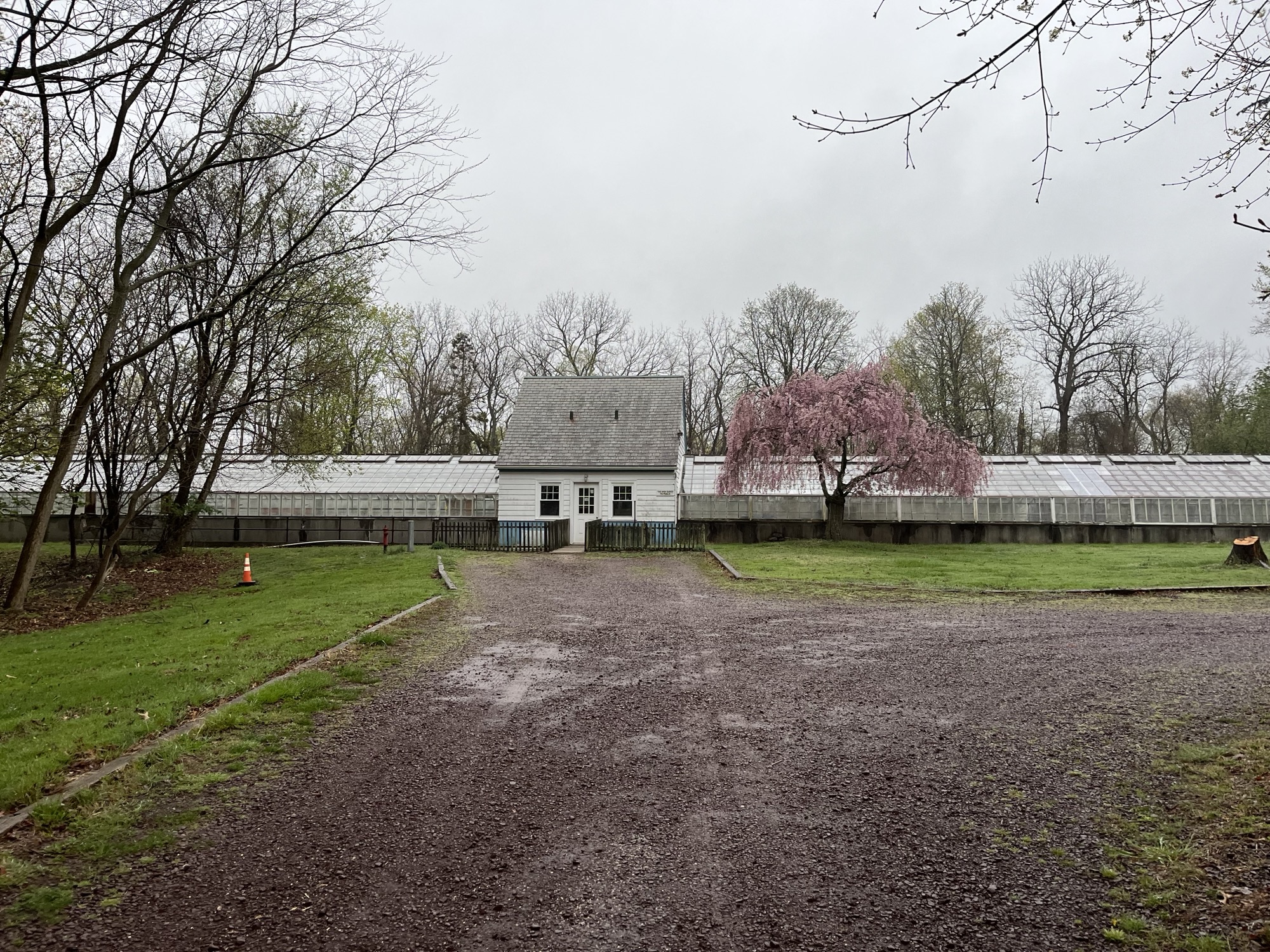
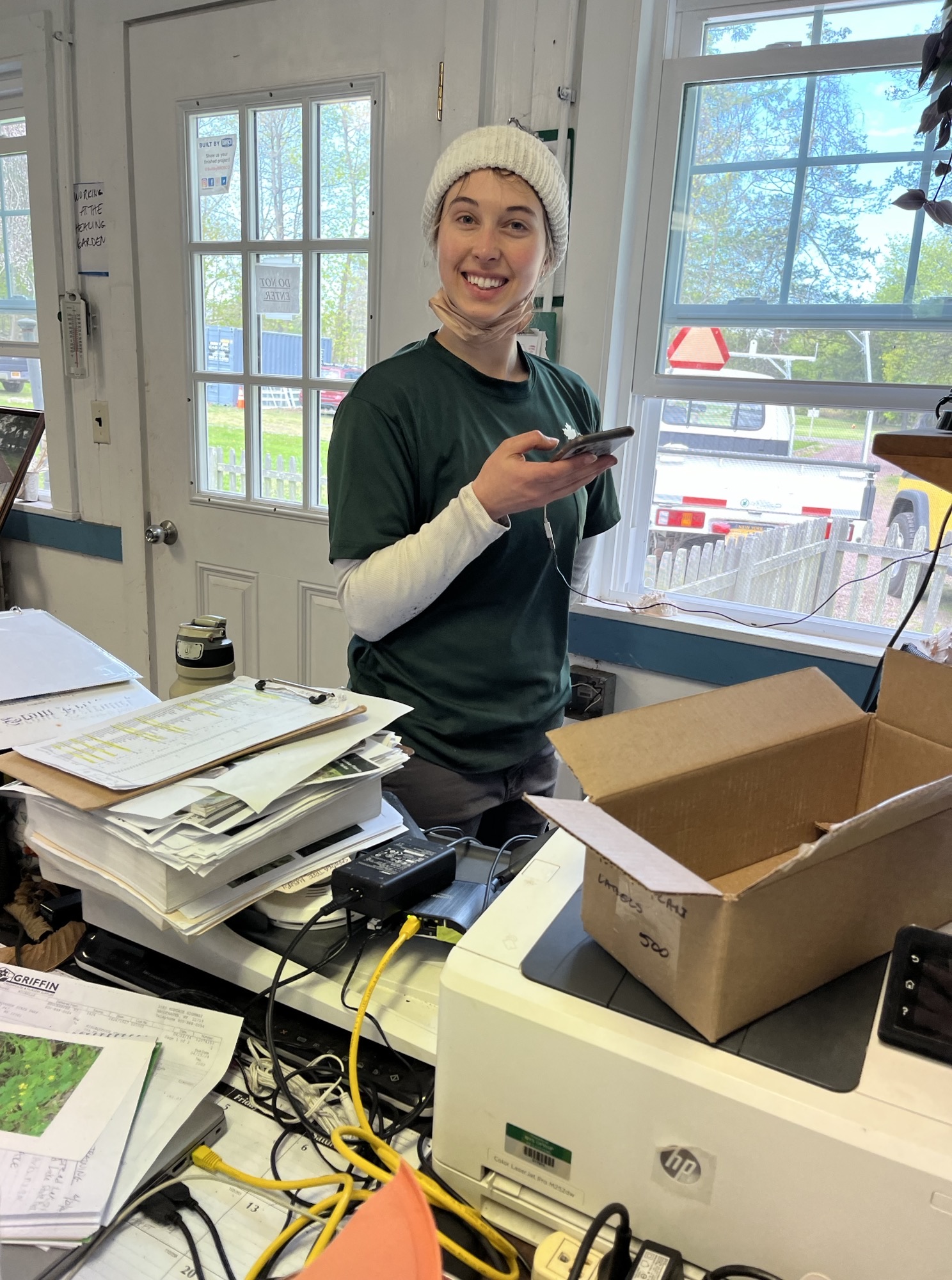
L to R: the historic Nissequogue River State Park greenhouse and nursery;Michelle and a colleague pose at the potting bench;Emma Halliday at work.
The Nissequogue River State Park (NRSP) greenhouse and nursery is home to the growing operations for the Long Island Region of New York State Parks. Operated and managed by myself and assistant Emma Halliday, its main purpose is to grow plant material to be distributed to the state parks of Long Island. We focus on growing native United States perennials, trees, shrubs, and ornamental mums, cabbage, kale, and asters for the fall season.
Long Island has a distinct ecology, salt spray, exposure to tides and hurricanes, and increasing urbanization. From the beach parks to forest parks, we have differences in the plants that naturally grow here.
Created in partnership with the Ralph C. Wilson, Jr. Foundation in 2021, New York State Parks’ Ladders to the Outdoors program launched with a goal to have children from underserved communities experience the outdoors at state parks in Erie and Niagara counties. Building upon the success of the Connect Kids to Parks program, which reimburses transportation costs for field trips, Ladders to the Outdoors staff members work closely with teachers and community leaders to plan visits and provide the equipment needed to create successful experiences.
Since the program’s inception, organizers have taken kids out on trail walks, fishing trips, bike rides, and to visit the New York State Fair. The program’s core mission “to connect kids to their New York State parks and historical sites, outdoor recreation, nature, and foster a lifelong love of the outdoors” remains the same today as it did at the outset, but now also features some welcome and expanded ambitions.
A group sporting Ladders to the Outdoors backpacks explores the New York State Fair.
You may have already known that cardboard boxes and cans can be recycled into new products, but did you know that your hot dogs and hamburgers can be too?
On July 1, Green Lakes State Park in Fayetteville launched a large-scale pilot waste reduction initiative, featuring food scrap composting, improved signage, public education events and coordination between regional staff and staff on the ground, including and the newly created sustainable operations team.
The dream team: SUNY Climate Corps members Emily Bridgeford, Savi-Cartier Stewart, and Sanskar Narang.
Environmental conservation was a driving force in creating New York’s state parks system that you know and love today. From protecting Niagara Falls from industrial development to preserving the views outside of Albany at Thacher State Park, our agency has been working to preserve our lands and make them available for public enjoyment since its founding. This simple mission has taken on a different meaning in the face of climate change and the shift to clean energy. Here are some ways we’re meeting the challenges of environmental conservation in the 21st century.
Shifting to Renewable Energy
New York State Parks is charged with shifting all operations to renewable energy by 2030, either through the purchase of renewable energy or through generating our own.
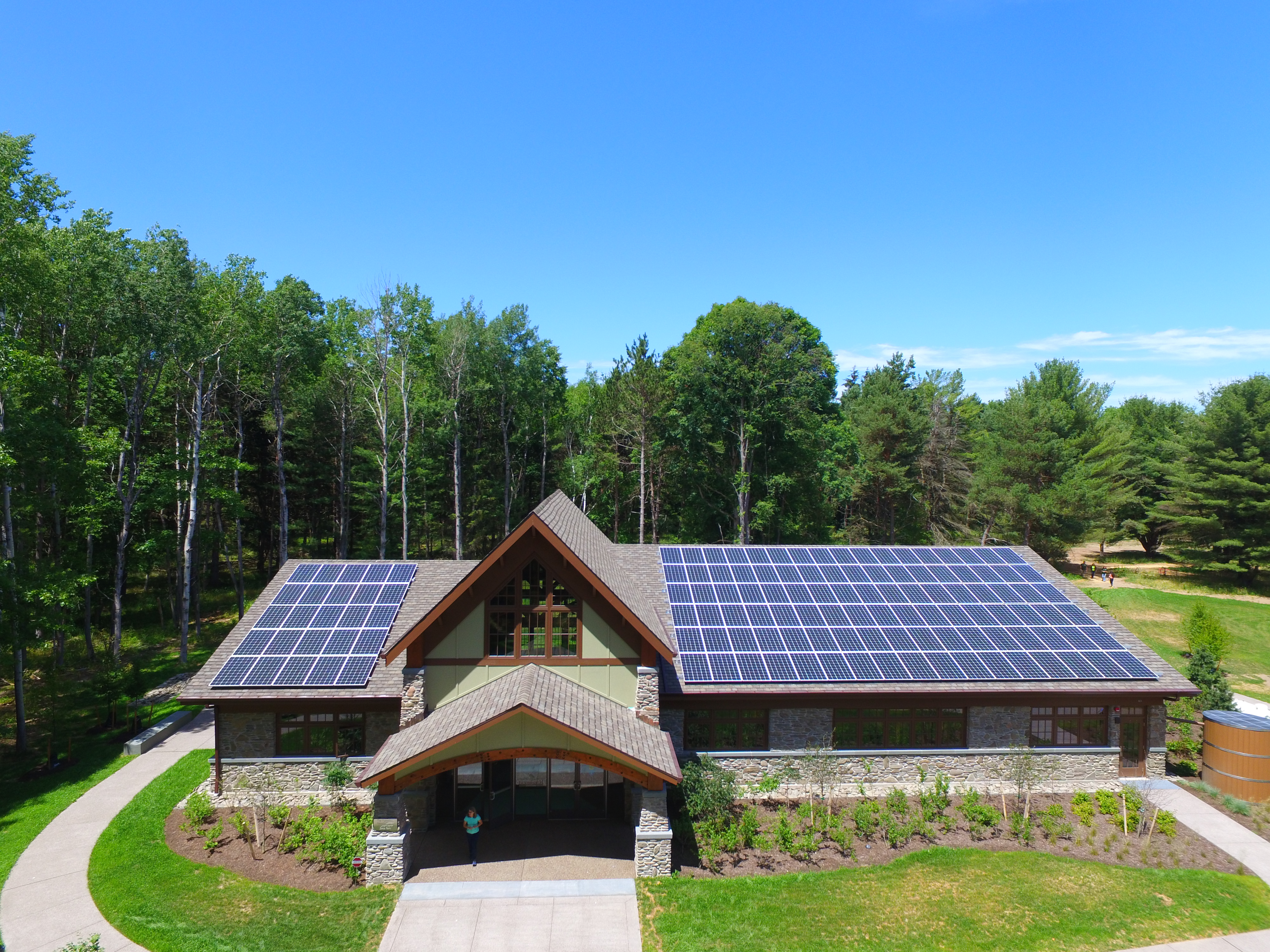
The solar array on the visitor center at Letchworth State Park in Livingston and Wyoming Counties.
Statewide, Parks operations consume around 45 million kilowatt hours of electricity (the same annual usage as about 4,000 homes). The agency currently has 50 solar arrays around the state generating more than 6MW, which help reduce carbon emissions and save money. This includes everything from roof-mount arrays to large ground-mounts built in pre-disturbed areas like the back of parking lots.