Category Archives: Research

An Update on the Rare ‘Chitt’ Snail from Staff Snailblazers

From the sculpted drumlins of Chimney Bluffs to the majesty of Niagara Falls, each of our parks are memorable in their own way. But Chittenango Falls State Park has something you’ll find nowhere else on earth: the Chittenango Ovate Amber Snail, or Novisuccinea chittenangoensis.

You’re looking at one of the world’s rarest snails: the Chittenango Ovate Amber Snail, found only at Chittenango Falls State Park in central New York.

First discovered in 1905, the Chittenango Ovate Amber Snail (known to its friends as “COAS” or “Chitt”) is what scientists call an endemic species, meaning it’s found in only one place. While this makes COAS a very special snail, it also makes it a very vulnerable snail. Flooding, drought, climate change, invasive species, and human activity threaten the small snail colony and its habitat. Never very numerous, the colony numbered only about 70 individuals during the 2023 census.

Continue reading An Update on the Rare ‘Chitt’ Snail from Staff Snailblazers

By the Numbers: The Benefits of State Parks and Historic Sites

“This system was built for you.” Over the past 100 years, this ideal has driven our agency’s growth beyond its original visions. New York State’s parks and historic sites contribute to their communities’ sense of identity. Businesses thrive thanks to park and historic site visitors. Generations of New Yorkers have worked at our parks and sites, some for their entire career, others for a season.

New York’s historic preservation initiatives have also had a positive ripple effect. Designating heritage areas and preserving landmarks sparked community pride — and investment. Tax credits help both individual homeowners and commercial developers preserve and re-develop historic structures. The State and National Registers of Historic Places and the Historic Business Preservation Registry fosters connections with the past.

Throughout 2024, we celebrated the intangible benefits of our system by collecting your visitor memories and offering hundreds of special events and activities. As we look to 2025 and beyond, let’s explore the ways in which our agency benefits all New Yorkers, by the numbers.

Continue reading By the Numbers: The Benefits of State Parks and Historic Sites

A New Outdoor Aesthetic: New York’s Postwar Park Architecture 

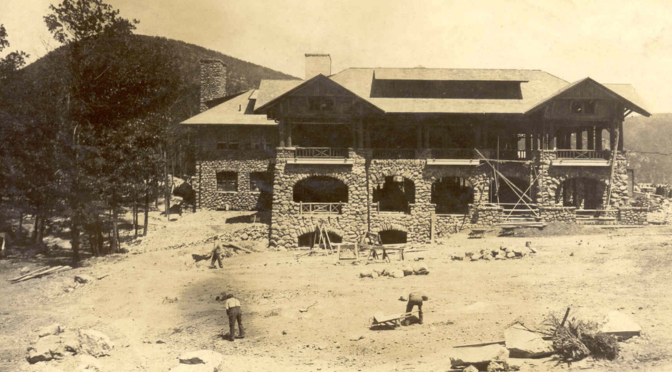
Many buildings and features built for New York state parks during the 1930s mimicked the natural environment. In the period after World War II, this rustic style started sharing space with more modern designs. 

One of the busiest construction periods of the New York State Parks system was during the 1950s and 1960s, when park planners were expecting to welcome record numbers of visitors. You can learn more about that history in our Blazing a Trail timeline project. But, for a deeper dive into the architecture leading up to that era, keep reading… 

Continue reading A New Outdoor Aesthetic: New York’s Postwar Park Architecture 

People and Safety Procedures Behind Water Quality Testing at NY State Parks

As New York splashes the summer away, a dedicated team works behind the scenes to make sure our beaches are swim-ready.  

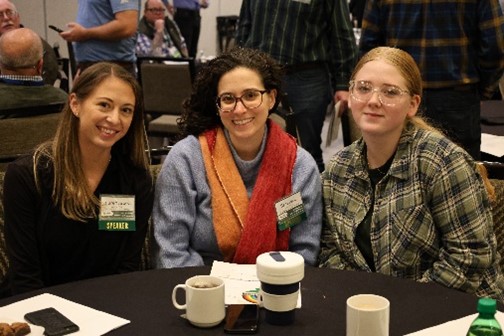
Meet the Water Quality Unit: Lauren Gallagher, Sarah Moss, and Veronica Mileski at a statewide convention. Since this photo was taken, Lauren Badinger has joined the unit as a seasonal assistant.

Consisting of three permanent staff and a summer intern, the Water Quality Unit at New York State Parks is charged with coordinating water sampling at the 75 monitoring stations at 49 beaches throughout New York State. Based in Albany they work closely with other agencies to report and track their results.  

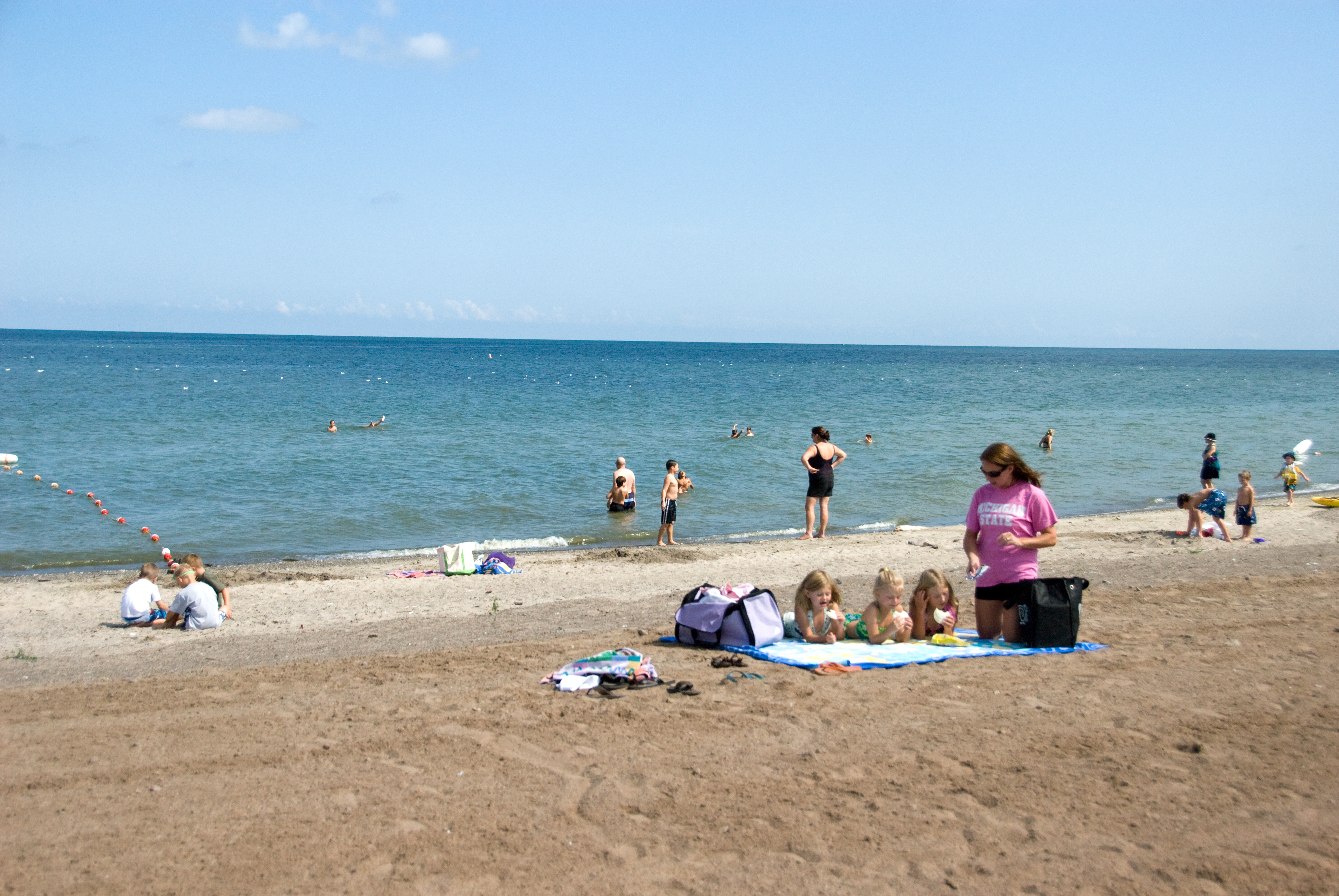
Guests enjoy Hamlin Beach on Lake Ontario, one of the 49 beaches monitored by our Water Quality Unit.

Water Quality Unit team members all agree that this is a job hiding in plain sight. While it’s essential to public health and appreciated by millions every summer, it’s generally under the radar of most of the people it benefits.   

Continue reading People and Safety Procedures Behind Water Quality Testing at NY State Parks

From A to T: A Look at Rustic Park Architecture in New York State

On a trip to a New York State park, you are likely to encounter distinct—and historic—architecture that feels, well, like it belongs in a park. And that’s because many of the historic buildings and structures in our system were originally part of a movement to create a distinct architectural style for park infrastructure. How did that develop? Read on to learn more about park architecture from the 1920s and 1930s…from administration buildings to trail shelters!

Planning and Building for Public Use

The development of the state park system, which began with the adoption of a unified state park plan in 1924, necessitated the construction of buildings and structures that could accommodate increased public usage in the pre-World War II era. These included bathhouses, erected for the use of patrons at parks with swimming facilities; picnic pavilions and smaller trail shelters, which provided shelter to park visitors during inclement weather or for special events; cabins, built to accommodate overnight visitors that did not wish to camp; and other specialized buildings, including park offices, golf clubhouses, and public restrooms.

Rustic Design

The architectural program of the New York State Park system between the late 1920s and early 1940s was decidedly rustic. This meant that projects usually used locally available natural materials, had a natural color palette, exhibited straightforward but skilled craftsmanship, and were designed to be integrated with their natural surroundings.

READ MORE