

Following our Centennial anniversary, we continue to share the story of New York State Parks and Historic Sites through our interactive history timeline, Blazing a Trail: A History of NY State Parks and Historic Sites. Our latest addition to the series covers the 21st century history of New York’s state park and historic site system. “A New Millennium” details a new era of leadership, the threat of park closures, the creation of vital community partnerships, the impact of climate change, and vital investments in the late-2010s that helped position New York as a nationwide recreation destination.
Continue reading A New Millennium: ‘Blazing A Trail’ Covers New York State Parks’ Recent Past
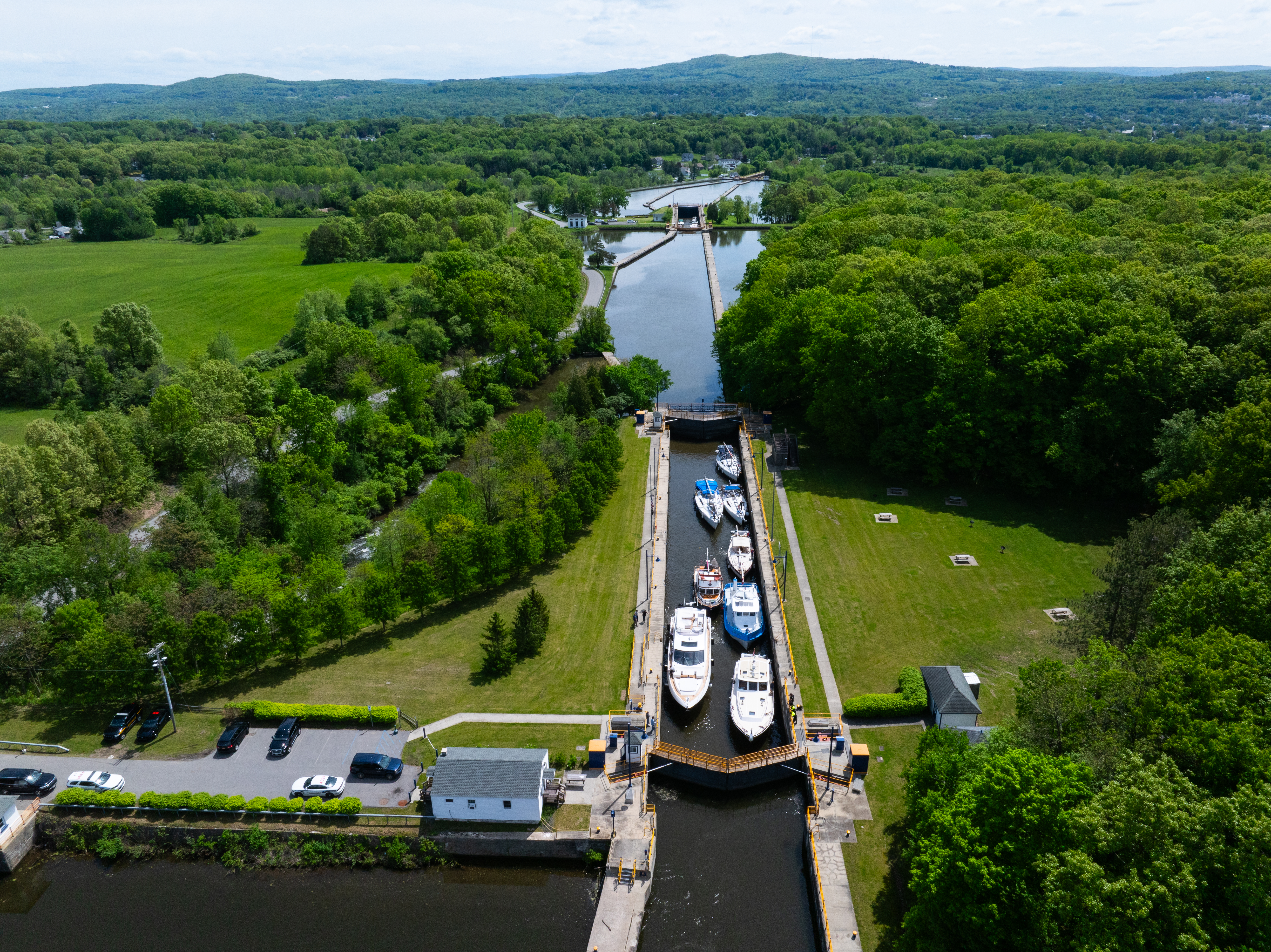
Celebrating 200 Years Along the Erie Canal
In 2025, New York State commemorates the 200th anniversary of the opening of the Erie Canal from Albany to Buffalo. This event was transformative for both the state and the nation, linking the Great Lakes with the Hudson River and the Atlantic Ocean in an unprecedentedly efficient waterway. During the bicentennial, we are offered an opportunity to reflect on two centuries of rich and complex history and discover how that period’s impacts allow us to explore and enjoy the Canal today.

The Women Of New York State Parks
If you’ve ever drifted off to sleep at Betty and Wilbur Davis State Park or gone to a nature program at Minna Anthony Common Nature Center and wondered about their namesakes, this post is for you! During Women’s History Month, let’s explore the stories of writers, activists, politicians, and ordinary women who have lent their names to state parks and nature centers.
Continue reading The Women Of New York State Parks
Including All New Yorkers in Our Whole History
As our understanding of history grows, so do the stories we tell about our past. The upcoming commemorations of the 250th anniversary of the American Revolution (2026) and the 400th anniversary of the arrival of the first enslaved Africans in New York and 200th anniversary of the ending of legalized slavery in New York (both in 2027) provide the perfect opportunity for a re-examination of these key events in American history.

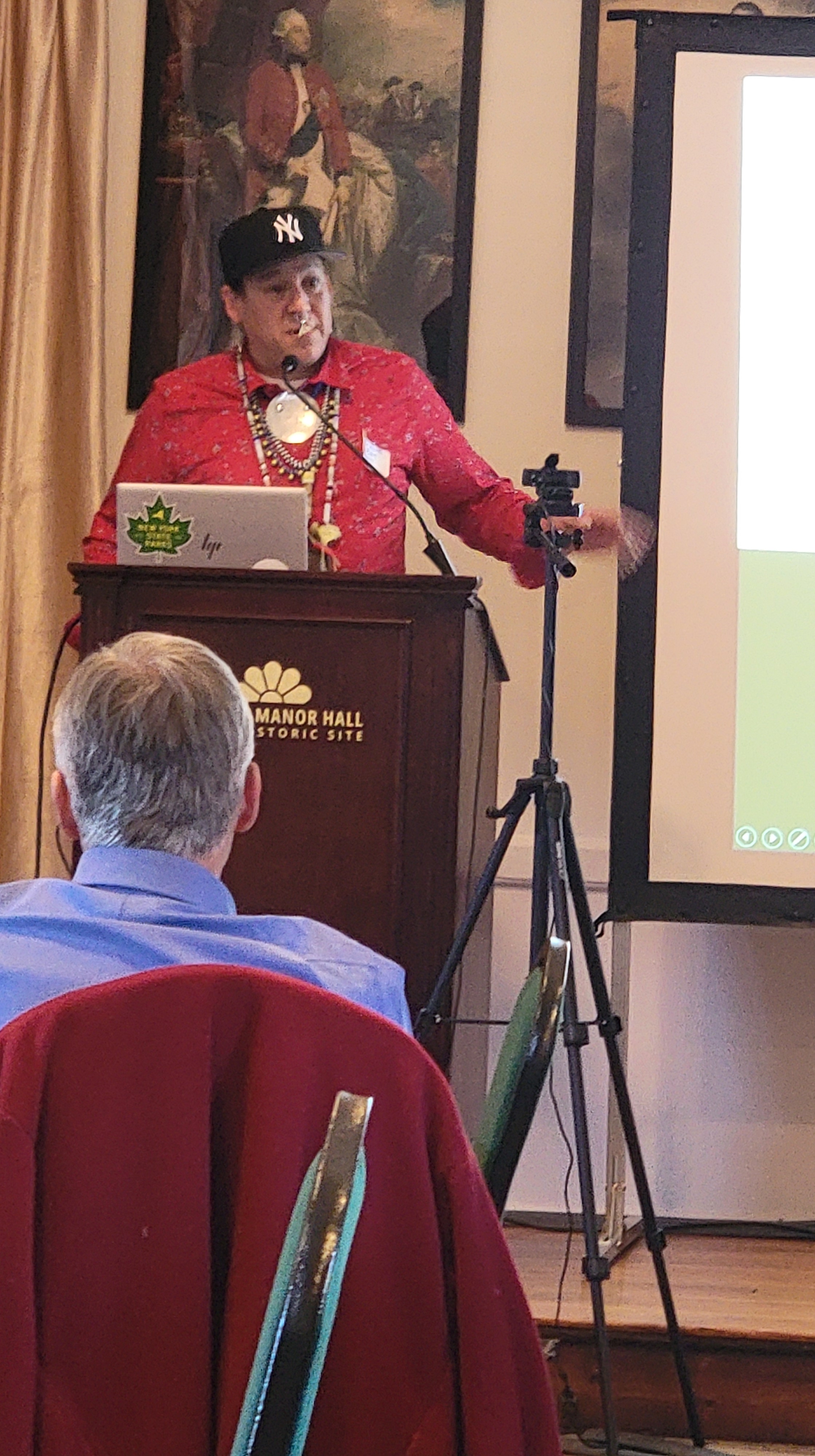
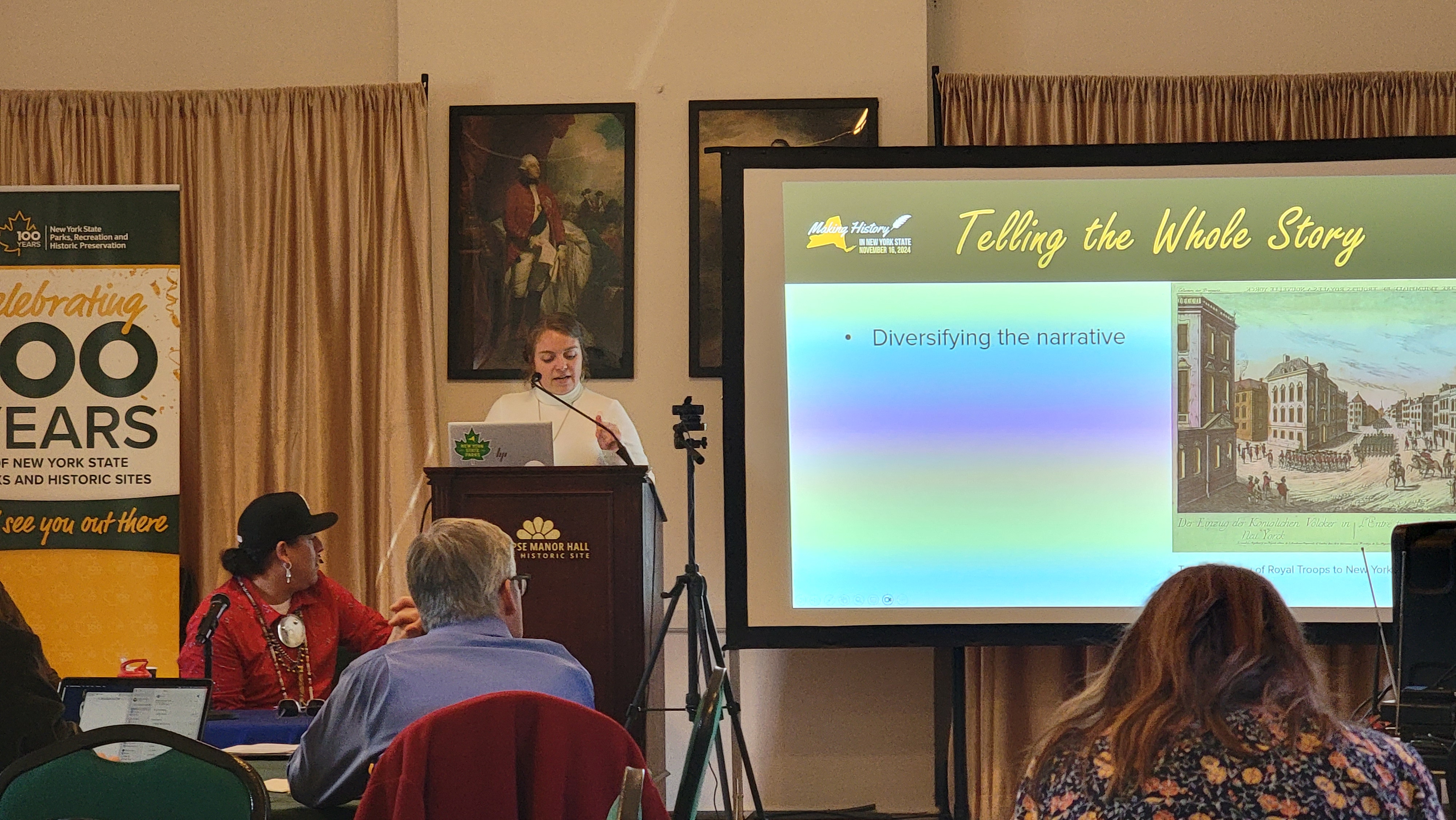


On Saturday, November 16, 2024, the public and staff members from New York State Parks, Recreation and Historic Preservation gathered at Philipse Manor Hall State Historic Site in Yonkers and online for “Making History: Revolution, Abolition, and Preservation in New York State,” a symposium highlighting the agency’s Our Whole History initiative. The initiative starts with acknowledging that our understanding of history is complex and nuanced, and evolves with historical research. Our Whole History actively fills in parts of history that were previously ignored to gain a more complete understanding of the past.

“Shifting Baselines:” Traveling The Tides Of Time At Hamlin Beach State Park’s Yanty Marsh Trail
At the western edge of Hamlin Beach State Park, beyond a row of trees, is Yanty Marsh Trail. The trail loops through a deciduous (broadleaf) forest along the lake, pausing to overlook a large marsh and winding beneath the canopy of a white pine grove. In the fall, beech leaves paint the sky in their wistful yellow hues as the birdsongs of spring and summer slowly grow fainter. Chipmunks gather their last nuts for the winter and the mystical great blue heron observes overhead. The white pines stand stoic among the falling leaves. As chilly mornings and early sunsets lure the marsh into slumber, the world stalls. The 65 acres of Yanty Marsh are released from the sweltering days of summer, the balance of the seasons returning.
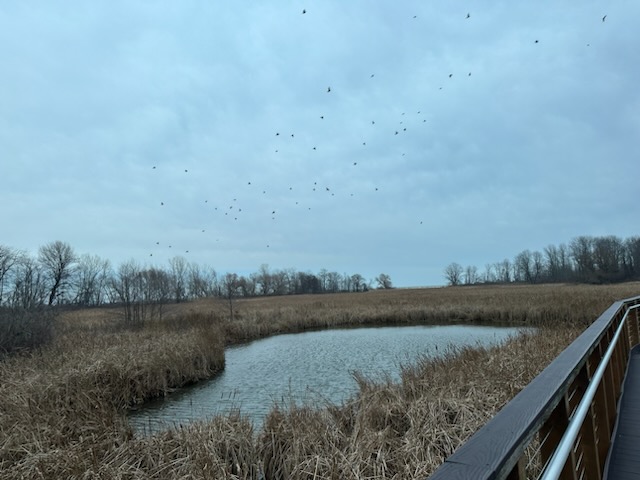
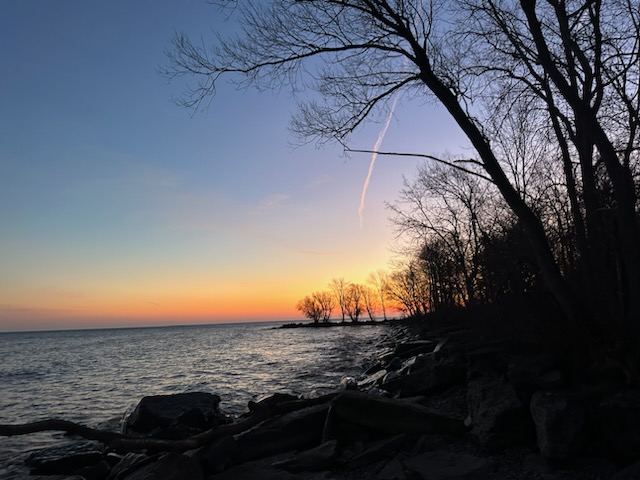
A hundred years ago, this scene looked different. With each freeze and thaw of the marsh, the stories of its past fade alongside time. An area once deforested and at risk of disappearing, the marsh and surrounding land have transformed over the past hundred years into the deciduous trail and marsh so many enjoy today.
Continue reading “Shifting Baselines:” Traveling The Tides Of Time At Hamlin Beach State Park’s Yanty Marsh Trail New York State Parks and Historic Sites Blog